The growing emphasis on sustainable remediation has increased demand for integrated risk management at contaminated sites. Evaluation should not only focus on pollution reduction but also comprehensively assess socioeconomic and environmental benefits. With strong policy support, China is undertaking extensive risk management and remediation of contaminated sites. There is an urgent need to establish an economic analysis framework for contaminated site risk control to support policy formulation and decision-making optimization. This study developed a framework for cost–benefit analysis of contaminated site risk management in China, focusing on costs, benefits, and socioeconomic impacts, and applied it to a chemical plant case. The framework monetizes remediation investments, health improvements, ecological services, land appreciation, and macroeconomic effects. Results show that although substantial capital input is required, risk management generates significant co-benefits. Improvements in soil environmental quality reduce disease and cancer risks for surrounding residents. Redevelopment into an urban park enhances ecological service values, including temperature reduction, carbon dioxide sequestration, flood regulation, tourism and leisure, and natural landscape premiums. The benefit–cost ratio is 1.13. Additionally, risk management positively stimulates the regional economy, with each 10,000 Chinese Yuan (CNY) invested estimated to generate a Gross Domestic Product increase of 13,000 CNY. Uncertainty analysis reveals that engineering cost parameters and land value-related parameters exhibit relatively high sensitivity to the outcomes. This study demonstrates the feasibility of the framework for assessing the economic sustainability of contaminated site risk management and provides support for evidence-based policies and strategies.
China's swift urbanization poses a significant methane (CH4) emission challenge from municipal solid waste (MSW), which may hinder China's net-zero CH4 target. This study pioneers a city-level inventory of MSW-CH4 emissions in China from 2006 to 2023, identifying key drivers behind emission changes. Remarkably, a 84.7 % reduction in MSW-CH4 emissions has been achieved in Chinese cities since 2017, with megacities and large cities accounting for 80 % of these gains. The shift from landfill to incineration and the recovery of methane gas are the main drivers of MSW-CH4 emission reductions in most Chinese cities, especially the larger ones. Scenario analysis indicates that under a no-landfill, anaerobic digestion-focused strategy, all megacities and large cities can achieve negative or near-zero emissions by 2060, but small cities and microcities still need more incineration capacity. Our findings suggest tailored waste management policies for different types of cities are essential to realize China's net-zero MSW-CH4 goal.
Climate shocks are widely recognized as triggers for policy action; however, the mechanisms translating acute disaster events and chronic temperature anomalies into subnational governance remain poorly understood. To address this, we analyse four decades (1980--2020) of provincial data in China, disentangling the non-linear dynamics between diverse climate exposures and policy responses. Using a transformer-based Policy Response Index, we identify a `Dual-Track Governance Logic'. We find that acute disasters trigger an `Accumulation Pathway' where policy intensity grows with repeated exposure, but this response is strictly resource-gated: affluent regions build resilience, whereas fiscally constrained provinces suffer a `Survival Crowding-out' effect, dampening long-term planning. Conversely, chronic heat drives a `Pulse Pathway' activated only beyond a physiological threshold ($\sim$28\,$^\circ$C), yet this momentum decays by $\sim$50\% within three years and is structurally inhibited in industrial hubs by `Carbon Lock-in'. These findings challenge the assumption of universal climate learning, revealing instead that physical shocks exacerbate regional inequalities through fiscal traps and industrial inertia. Effective climate governance thus requires distinct interventions: vertical fiscal transfers to overcome disaster-poverty traps and external oversight to break resistance to chronic risks.
This study constructs a low-carbon city evaluation system encompassing four key areas: low-carbon production, consumption, environment, and progress. Jointly developed by the World Resources Institute and the Chinese Academy of Environmental Planning, the study assesses 102 cities worldwide using 15 key indicators. By classifying cities based on climate zones, industrial structure, and international status, it offers a standardized assessment framework and valuable insights to support low-carbon urban development, with a particular focus on Chinese cities.
The assessment of ecosystem service (ES) supply–demand relationships is critical for addressing regional sustainable development challenges, yet systematic studies integrating spatial drivers analysis and multiscenario forecasting in rapidly urbanizing mountainous regions remain scarce. This study focuses on Chongqing as a representative case to investigate spatial patterns, driving mechanisms, and future trajectories of ES supply–demand dynamics. Through spatial quantification of four key ES (food provision, water retention, soil conservation, carbon fixation) and statistical analysis of socioeconomic datasets from 2010 to 2020, geographical weighted regression modeling was employed to identify spatially heterogeneous drivers. Long-term projections (2030–2060) were developed using climate–economy integrated scenarios reflecting different global development pathways. The results demonstrate three principal findings: First, while regional ecosystem quality maintains stable with an improved supply–demand ratio (0.260 to 0.320), persistent deficits in carbon fixation capacity require urgent attention. Second, spatial mismatches exhibit intensifying polarization, with expanding deficit zones concentrated in metropolitan cores and their periurban peripheries. Third, thermal-hydrological factors (aridity index, temperature) coupled with land intensification pressures emerge as dominant constraints on ES supply capacity. Scenario projections suggest coordinated climate mitigation and sustainable development strategies could maintain the supply–demand ratio at 0.189 by 2060, outperforming conventional development pathways by 23.5–41.2%. These findings provide spatial decision support frameworks for balancing ecological security and economic growth in mountainous megacities, with methodological implications for cross-scale ES governance in developing regions.
To meet the Paris Agreement and Sustainable Development Goals (SDGs), global cities are facing the same task to low carbon transitions. While currently most cities choose the low carbon development paths due to their own needs, that these efforts have rarely been assessed from global perspective. In this study, a unified low carbon assessment standard has been built, which covers four dimensions, 15 indicators, and applied for 104 global cities (including 60 Chinese cities) using expert scoring, entropy weight and random forest methods. It’s found that Production is the most influential dimension and carbon productivity indicator weight highest. Variations in indicators of PM2.5, per capita GDP remain significant and continue to be a focal point for future development, particularly in cities of developing countries. Despite the overall increase of GDP in most cities, this growth has been predicated on the sacrifice of carbon emissions (38.5 % of cities) and power consumption (54.8 %) increase during 2015–2020. Regarding city types, service-oriented cities exhibit better performance in low-carbon assessment, but still need green energy and technology transition in service sector. While industrial cities face challenges in achieving low-carbon production and consumption, which need enhancing production efficiency, seeking non-fossil fuel replacement, and promoting circular economy in industries. Agricultural cities progress slowly in low-carbon development, which need industrial extension to high value-added service industry in order to enhance economic rewards, at the same time, maintain a better low-carbon consumption pattern. These findings provide crucial insights for cities to identify their positioning and navigate towards a low-carbon development trajectory.
With the continuous advancement of urbanization, the construction of wastewater treatment plants (WWTPs) in China is developing rapidly, but there is a lack of synergistic research on pollution and carbon reduction in WWTPs. To quantify the synergistic effect of pollution and carbon reduction, a synergistic performance evaluation system for pollution and carbon reduction at WWTPs was constructed. The coupled coordination model was used to calculate the synergy index of pollutant reduction, carbon emission reduction, and cost control system, and the synergistic effect of pollution and carbon reduction of 640 WWTPs in southern China was evaluated. Finally, the influencing factors of the synergy index of pollutant and carbon reduction were further investigated by Spearman's correlation coefficient. The results firstly showed that WWTPs with the A2/O process performed best in terms of pollutant reduction, with higher pollutant reduction per unit of effluent; WWTPs with the A2/O process and SBR-type process had lower carbon emission intensity per unit of effluent, demonstrating a good carbon emission reduction; and WWTPs with a scale of more than 50 000 t·d-1 had the lowest cost per unit of effluent treatment, showing strong cost control ability. Secondly, nearly 80% of WWTPs had realized a better pollution reduction and carbon synergy effect, reaching a highly coordinated level, especially the WWTPs with the A2/O process. The pollution and carbon reduction synergy effect improved as the scale of the WWTPs became larger. Thirdly, the synergy index was positively correlated with pollutant indicators, but it was negatively correlated with carbon emission intensity and cost indicators. The comprehensive reduction of pollutants per unit of wastewater was the most strongly positively correlated indicator, while the cost of treatment per unit of wastewater was the most strongly negatively correlated indicator. The study showed that WWTPs should urgently develop energy-saving green transformation paths and measures in carbon emission and cost control on the basis of pollutant emission standards.
The steel industry plays a critical role in advancing green and low-carbon development. This study introduces the Integrated Assessment Model for Energy, Pollutant Emissions, and Carbon Emissions at the city level (iPCEM-city), with a case study focusing on the steel industry in Anyang. By simulating different scenarios to evaluate pollution and carbon emission effects, as well as air quality improvement benefits, this study proposes future development pathways for the steel industry in Anyang from four perspectives: industrial structure adjustment, production capacity control, technology promotion, and policy incentives. Key findings include: ① The ranking of integrated mitigation benefits across scenarios was: industrial integration > synergy orientation > decarbonization orientation > pollution reduction orientation > baseline scenario. ② Under the comprehensive pathway, by 2025, 2030, and 2035, crude steel output was projected to decrease by 26%, 32%, and 42%, respectively, compared to 2020 levels; coal consumption was projected to decline by 34%, 51%, and 68%; and carbon emissions would reduce by 27%, 39%, and 54%. Notably, emissions of SO2, NOx, and PM would also see significant reductions. ③ The industrial integration scenario demonstrated the most pronounced benefits for air quality improvement, with PM2.5 mass concentrations forecasted to drop to 53 μg·m-3 in 2025 and 49 μg·m-3 in 2035. ④ In all scenarios, the overall carbon emission reduction costs for BF-BOF were generally higher than those for EAF. As the proportion of production capacity covered by ultra-low emissions increased, the total emission reduction costs for ultra-low emissions gradually decreased across all scenarios. This research provides a scientific basis for formulating detailed strategies for pollution and carbon emission reduction at the micro-scale for steel industries in cities like Anyang that are characterized by coal dependency, heavy industry, slow transition, and difficulty in air-quality improvement. It also serves as a case reference for the adaptation and application of macro-pathway strategies for the steel industry at the city micro-scale.
Efforts on climate change have demonstrated tangible impacts through various actions and policies. However, a significant knowledge gap remains: comparing the stringency of climate change policies over time or across jurisdictions is challenging due to ambiguous definitions, the lack of a unified assessment framework, complex causal effects, and the difficulty in achieving effective measurement. Furthermore, China’s climate governance is expected to address multiple objectives by integrating main effects and side effects, to achieve synergies that encompass environmental, economic, and social impacts. This paper employs an integrated framework comprising lexicon, text analysis, machine learning, and large-language model applied to multi-source data to quantify China’s policy stringency on climate change (PSCC) from 1954 to 2022. To achieve effective, robust, and explainable measurement, Chain-of-Thought and SHAP analysis are integrated into the framework. By framing the PSCC on varied sub-dimensions covering mitigation, adaptation, implementation, and spatial difference, this dataset maps the government’s varied stringency on climate change and can be used as a robust variable to support a series of downstream causal analysis.
The principal-agent problem poses a significant challenge for Chinese central governance that constrains the effective resolution of environmental issues. This study focuses on a novel enforcement mechanism-the Central Environmental Inspection (CEI)-which was launched and implemented directly by the Chinese central government, to assess its effectiveness in motivating public complaints and solving the principal-agent problem. Using the Difference-in-Differences method, we observed a notable increase in public complaints during the inspection period, which was associated with a significant reduction in air pollution, but these positive effects disappeared once the CEI concluded. These results suggest that the increase in public complaints was driven by central government mobilization rather than a rebuilding of trust in local governments. However, follow-up inspections show that the sentiment of public complaints has a significant effect on air pollution improvements even after the inspection, suggesting that the inaction of local governments on public complaints was gradually addressed by central follow-up inspections.
China's energy-related methane (CH4) emissions account for >19.03% of global energy sector emissions, posing a significant threat to China's endeavors in mitigating climate change. However, research on the spatial-temporal patterns, drivers, and mitigation policies remains limited. This study aims to address this gap by building an innovative research framework to reveal the spatial and temporal distribution characteristics and drivers of energy-related CH4 emissions across 30 Chinese provinces from 2010 to 2019, combining Standard Deviation Ellipsometry (SDE), Exploratory Spatial Data Analysis (ESDA), Markov Chain (MC) and Spatial Durbin Model (SDM). Key findings are: (1) The emissions exhibit a distinct clustering characteristic, with emissions clustered towards the “Northeast-Central-Northwest” direction over time. (2) There is significant positive spatial autocorrelation among emissions. As L-L agglomeration type provinces have shifted to L-H agglomeration type, the uneven distribution pattern of emissions will be intensified. (3) The emissions display path dependency, maintaining 84% steady-state probability. High-emitting provinces surrounded by medium-high or high emitters have higher downward shift probabilities. (4) The emissions have negative spillover effects on neighboring regions, suggesting the presence of competitive/substitution relationships among provinces regarding CH4 emission sources or mitigation measures. This research enhances understanding of China's energy-related CH4 emissions patterns and drivers, enriching the emission reduction research system. It provides new perspective for policymakers to develop adaptive policies.
Global trade may lead to unequal distribution of CO2 emissions and economic benefits among countries. While regional carbon inequality within a country driven by specific foreign consumers is rarely discussed. Taking China as an example, this study constructed a nested MRIO table to trace the CO2 emissions & value-added flows between each province of China (30 in total) and 18 other countries/regions, and measured the provincial carbon inequality based on emission terms of trade (ETT), emission-value (EV), carbon-Gini coefficient indicators triggered by these global consumers. Here we show that most provinces are net emission exporters and almost half of China’s provinces suffered both environmental and economic losses in international trade. What is worse, it triggered severe regional imbalance of emissions and economic gains within China. The less developed western provinces with high emission intensity are always at a disadvantage in international trade, but some eastern provinces are on the favorable side. The consumption of the EU caused the most severe carbon inequality among provinces. These findings provide further information to relieve trade-induced carbon inequality at a refined scale and give inspiration to build more equitable trading mechanisms globally.
Achieving peak carbon dioxide emissions and accelerating decarbonization progress in the power industry is of paramount significance to Henan Province's objective of achieving carbon peak and neutrality. In this study, the Carbon Emission-Energy Integrated Model (iCEM) was employed to conduct scenario studies on the coal reduction and carbon reduction paths under the "dual-carbon" goal of Henan's power industry. The results indicated that, by considering measures such as optimizing the power source structure and technological progress, Henan Province's power industry carbon emissions will reach their peak between 2028-2033, with coal consumption in the power industry continuing to grow during the "14th Five-Year Plan" period. With a peak range between 2027-2031, the peak value increased by 1881, 1592, and 11.48 million tce, respectively, compared with that in 2020. To control coal in Henan Province under the constraint of carbon peak goals, it is proposed to develop clean energy sources such as wind and solar power, use more low-carbon or zero-carbon heat sources, increase the proportion of external electricity supply, and enhance energy-saving transformation in coal-fired power plants. Accelerating the elimination of backward units and energy-saving transformation of existing units, accelerating non-fossil energy development, advanced planning for external electricity supply, improving market mechanisms for the exit of coal-fired power plants and peak regulation, increasing system flexibility, and accelerating external policies to ensure clean energy security are effective paths for controlling coal and reducing carbon emissions in Henan's power industry. Additionally, inland nuclear power layout is one of the crucial paths to alleviate coal control pressure in Henan Province and achieve "dual-carbon" goals during the carbon-neutral stage. Therefore, it is imperative to conduct research on demonstrations in advance. Henan Province is highly dependent on energy from other provinces, and the power supply and demand situation in Henan Province will become increasingly tense in the future. It is necessary to support Henan Province from the State Grid and coordinate the construction of inter-provincial and inter-regional power transmission channels.
Mercury emission from industrial wastewater has a great impact on the aquatic environment but is not well studied. Inventory analysis, decoupling and decomposition methods have been conducted based on the China Pollution Source Census dataset, which combines industry removal efficiencies to calculate mercury emissions from industrial wastewater in 340 cities in China during 2000-2010. The results show that over these 11 years, total mercury emissions and per capita mercury emissions increased by approximately 5 times, while the emission intensity increased by only about 3%. From 2000 to 2010, only 0.59% of cities showed strong decoupling between economic growth and mercury emissions, and 37.65% of cities showed weak decoupling, whereas 38.82% of cities showed negative decoupling. We attribute the decoupling of economic development and emissions in individual cities to several socioeconomic factors and find that a decline in emission intensity is the main driver. The Gini coefficient indicates a significant imbalance between cities' emissions, but this situation improved during 2000-2010. The objective of this article is to provide a historical perspective on the situation of mercury emissions from wastewater in China, thereby contributing' to the broader understanding of industrial pollution.
Previous research has lacked a comprehensive study of the coupling and connections between China’s four major energy-intensive industries: electricity, steel, cement, and coal chemicals, which contribute to over 65
Conducting the evaluation of low-carbon development of global cities has important guiding significance for the low-carbon city development in China. However, there are no widely accepted and applied low-carbon city indicator frameworks currently. Existing studies either focus on Chinese cities only, or apply to around 10 large world cities, failing to consider the applicability and comparability of a large number of world cities (i.e. more than 100). Therefore, this report is aimed to fill in the above knowledge gaps by developing a low carbon city indicator framework, conducting case studies and putting forward policy recommendations for different types of cities in China. The low carbon city indicator framework can: 1) reflect the low carbon development status of cities; 2) fit for both international and Chinese cities regarding data availability and comparability; 3) applicable to a large number of cities, i.e. more than 100 cities in the world.
The trade-off and synergy relationship of ecosystem services is an important topic in the current assessment. The value of each service provided by the ecosystem is substantially affected by human activities, and conversely, its changes will also affect the relevant human decisions. Due to varying trade-offs among ecosystem services and synergies between them that can either increase or decrease, it is difficult to optimize multiple ecosystem services simultaneously, making it a huge challenge for ecosystem management. This study firstly develops a global Gross Ecosystem Product (GEP) accounting framework. It uses remote sensing data with a spatial resolution of 1 km to estimate the ecosystem services of forests, wetlands, grasslands, deserts, and farmlands in 179 major countries in 2018. The results show that the range of global GEP values is USD 112–197 trillion, with an average value of USD 155 trillion (the constant price), and the ratio of GEP to gross domestic product (GDP) is 1.85. The trade-offs and the synergies among different ecosystem services in each continent and income group have been further explored. We found a correspondence between the income levels and the synergy among ecosystem services within each nation. Among specific ecosystem services, there are strong synergies between oxygen release, climate regulation, and carbon sequestration services. A trade-off relationship has been observed between flood regulation and other services, such as water conservation and soil retention services in low-income countries. The results will help clarify the roles and the feedback mechanisms between different stakeholders and provide a scientific basis for optimizing ecosystem management and implementing ecological compensation schemes to enhance human well-being.
Bulk coal combustion in rural households is a major contributor to PM2.5 pollution in Northern China[1,2].To promote the energy transition and reduce bulk coal combustion for heating in rural areas,China initiated the Winter Clean Heating Action Plan in Rural Northern China in 2017,hereinafter referred to as rural clean heat-ing(RCH)[3].The 2+26 region,comprising Beijing,Tianjin,and 26 other municipalities in the surrounding area(Fig.S1 online),is the key implementation area for the RCH.During the 13th Five-Year Plan period,approximately 25 million rural households underwent clean heating retrofitting[4],with an investment exceeding 110 billion CNY contributed by both the central government and local governments for the construction of clean heating facilities and the provision of residential subsidies[5].Previous literature shows that the RCH has significantly improved air quality in Northern China[6].
Identification of the spatial distribution, driving forces, and future trends of agricultural methane (AGM) emissions is necessary to develop differentiated emission control pathways and achieve carbon neutrality by 2060 in China, which is the largest emitter of AGM. However, such research is currently lacking. Here, we estimated China's AGM emissions from 2010 to 2020 and then decomposed six factors that affect AGM emissions via the LMDI model. The results indicated that the AGM emissions in China in 2020 were 23.39 Tg, with enteric fermentation being the largest source, accounting for 43.9% of the total emissions. A total of 39.3% of the AGM emissions were from western China. The main driver of AGM emission reduction was emission intensity, accounting for 59% and 33.7% of methane emission reduction in the livestock sector and rice cultivation, respectively. Additionally, higher levels of urbanization contributed to AGM emission reductions, accounting for 31.3% and 43.0% of the livestock sector and rice cultivation emission reductions, respectively. Based on the SSP-RCP scenarios, we found that China's AGM emissions in 2060 were reduced by approximately 90% through a combination of technology measures, behavioral changes, and innovation policies. Our study provides a scientific basis for optimizing existing AGM emission reduction policies not only in China but also potentially in other high AGM-emitting countries, such as India and Brazil.
生态环境规划在国家生态环境治理体系中发挥了越来越重要的作用.数字化技术是生态环境规划的基础工具,对于提升生态环境规划编制与实施的系统性和科学性发挥重要的作用.本文在回顾生态环境规划相关数字技术发展历程的基础上,指出了未来生态环境规划数字化转型的重要意义和必然趋势,分析了传统生态环境规划存在的一些技术方法落后、与信息化技术融合有待深入、信息化基础建设薄弱等问题和挑战,提出了生态环境规划未来数字化转型的若干建议,包括加强数值模拟、大数据分析、数字空间分析、虚拟现实等数字化技术的应用.
 Jinnan Wang (王金南)合作论文数70
 Wu Wenjun合作论文数34YaLing Lu (卢亚灵)合作论文数34
 Wei Zhang (张伟)合作论文数Chinese Research Academy of Environmental Sciences34
 Nianlei Liu (刘年磊)合作论文数21Dong Cao (曹东)合作论文数17
 Jun Bi (毕军)合作论文数School of the Environment, Nanjing University15Yang Duan (段扬)合作论文数14Jing Zhang (张静)合作论文数14Yuan Wang (王媛)合作论文数School of Environmental Science & Engineering, Tianjin University11
 Xi Cheng合作论文数9Fang Yu (於方)合作论文数9WenBo Xue (薛文博)合作论文数9Guoxia Ma (马国霞)合作论文数9Yinglan Xue合作论文数8Jia Zhou合作论文数8
 Ling Jiang (姜玲)合作论文数School of Government, Central University of Finance and Economics8
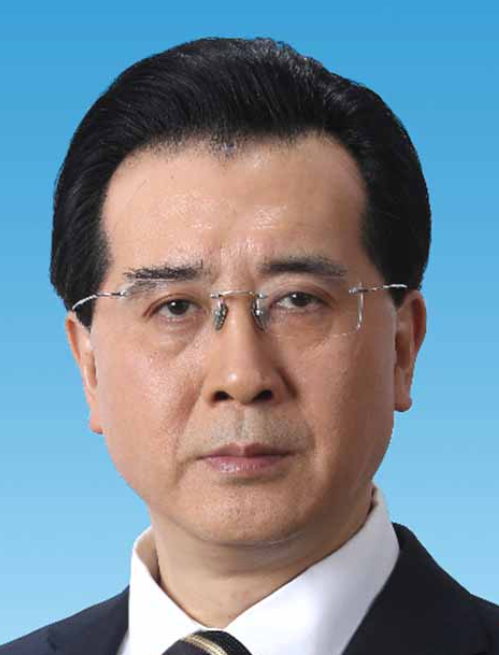 Jiuping Xu (徐玖平)合作论文数Business School, Sichuan University8Yueming Gao合作论文数7
 Miaomiao Liu (刘苗苗)合作论文数School of the Environment, Nanjing University7
 Weishan Yang合作论文数6
 Feng Wang (汪峰)合作论文数School of Business, Nanjing University of Information Science & Technology6
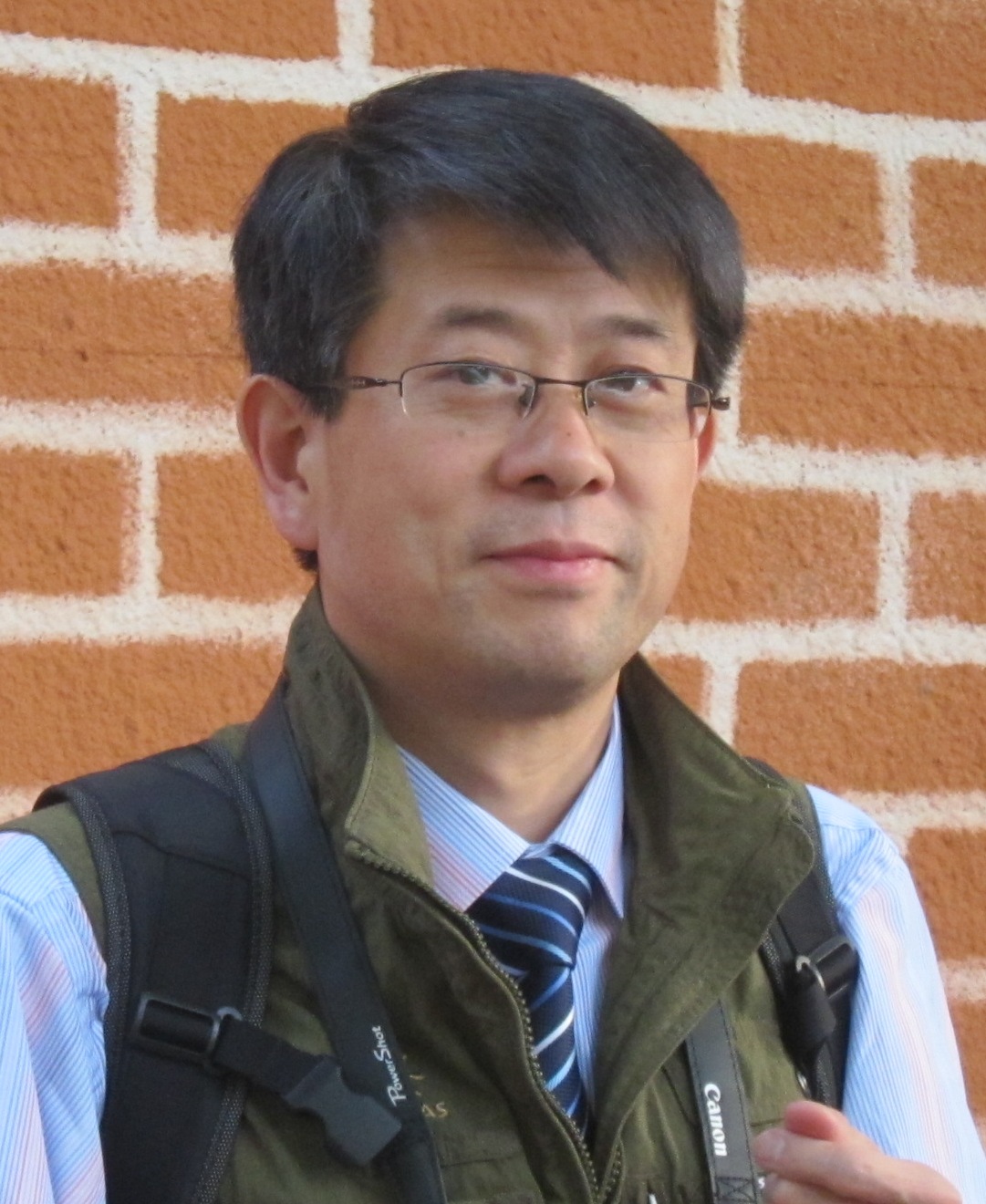 Yu Liu (刘禹)合作论文数Institute of Earth Environment, Chinese Academy of Sciences;University of Chinese Academy of Sciences6Cheng Xi (程曦)合作论文数5
 Zhou Xiafei (周夏飞)合作论文数5
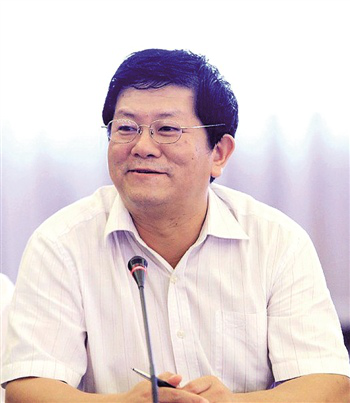 Chazhong Ge (葛察忠)合作论文数环境保护部环境规划院5
 Zhang Wei合作论文数5
 Weihua Zeng (曾维华)合作论文数School of Environment, Beijing Normal University5
 Gang Yan合作论文数4Bo LI (李勃)合作论文数4Hong Jing合作论文数4Jiarui Zhang合作论文数4
 Hongyu Zhang合作论文数4
 K.S. (Klaus) Hubacek合作论文数Faculty of Science and Engineering, University of Groningen4
 Yuanchun Zhou (周元春)合作论文数School of Economics, Nanjing University of Finance & Economics4
 Kuishuang Feng合作论文数Department of Geographical Sciences, College of Behavioral & Social Sciences, University of Maryland, College Park4Zhenliang Li合作论文数4WANG Xiahui (王夏晖)合作论文数3Feng-le Yang合作论文数3
 Beiming Cai合作论文数3Xi Hu合作论文数3Sen YU (于森)合作论文数3Yu Fang (房宇)合作论文数3Xi HU (胡溪)合作论文数3XiaoMin Guo (过孝民)合作论文数3




