Tibetan text recognition plays a key role in preserving the Tibetan language, religion, and traditions. While text recognition has made progress for high-resource languages, handwritten Tibetan character recognition remains difficult due to limited data and the lack of public large language models. Most existing datasets focus on printed or historical documents, as well as online handwriting data, but there are still few large offline handwritten Tibetan datasets. To solve this problem, we construct TibHCR, a large-scale offline handwritten character recognition dataset for the Tibetan language. To increase the diversity of the linguistic and font styles, more character categories and participants from 5 provinces in China are included. To collect and label the data efficiently, we introduce a grid sheet design, reducing manual annotation to just 1% of the samples. This design then allows for automatic data processing to extract each character sample and its corresponding label. The resulting TibHCR dataset contains 141,698 samples from 235 Tibetan writers, covering 47 character classes. We evaluate TibHCR using two recognition models: a convolutional recurrent neural network (CRNN) and a cross-lingual fine-tuning method, on a Chinese pretrained model using the PP-OCRv4 architecture to adapt Tibetan data. The results show that both models can recognize handwritten Tibetan characters efficiently, with an accuracy of 99.48% for CRNN and 99.70% for the fine-tuning method. The TibHCR dataset is publicly available at https://huggingface.co/datasets/qixiaoke/TibHCR.
Retrieving real-time information is a fundamental capability for search-integrated agents in real-world applications. However, existing benchmarks are predominantly static and therefore fail to capture the temporal dynamics of information and the continuously evolving nature of real-world knowledge. To address this limitation, we propose RT-QA, a dynamic evaluation framework that leverages executable code workflows to retrieve up-to-date answers at evaluation time. Specifically, we construct an agent-driven pipeline that autonomously generates code for web crawling and DOM-based answer extraction to produce real-time ground truth. To ensure robust evaluation over time, the pipeline further incorporates a self-repair mechanism to adapt to changes in web page structures. RT-QA spans 12 domains (e.g., Finance, Sports) with 320 Chinese questions categorized into three difficulty levels. Extensive evaluations of state-of-the-art models (e.g., GPT-5.2, GLM-4.7) reveal significant limitations in real-time adaptability: even the best models achieve only 46% accuracy. Our analysis highlights two primary failure modes: (1) Lazy Retrieval, where agents rely on search snippets instead of deeply scanning specific websites for information (20\% of failures); and (2) Temporal Confusion, a cognitive error where agents retrieve a historical date (e.g., an event in 2024) and fail to re-anchor to the current time (2026) for subsequent reasoning. These findings suggest that future agents require not just better retrieval strategies, but robust temporal state management.
Classical Chinese, as the core carrier of Chinese culture, plays a crucial role in the inheritance and study of ancient literature. However, existing natural language processing models primarily optimize for Modern Chinese, resulting in inadequate performance on Classical Chinese. This paper presents a comprehensive solution for Classical Chinese language processing. By continuing pre-training and instruction fine-tuning on the LLaMA3-8B-Chinese model, we construct a large language model, WenyanGPT, which is specifically designed for Classical Chinese tasks. Additionally, we develop an evaluation benchmark dataset, WenyanBENCH. Experimental results on WenyanBENCH demonstrate that WenyanGPT significantly outperforms current advanced LLMs in various Classical Chinese tasks. We make the model's training data, instruction fine-tuning data[,] and evaluation benchmark dataset publicly available to promote further research and development in the field of Classical Chinese processing.
The advancement of speech translation research, particularly for minority low-resource languages, is impeded by the scarcity of publicly available datasets. This paper addresses this challenge by introducing and releasing the Amdo Tibetan-Chinese Speech Translation Dataset(AMDO-CHS AST). The audio recordings in this dataset encompass the Amdo dialect spoken in the Aba pastoral area in Sichuan Province, the Gannan pastoral area in Gansu Province, and the Qinghai pastoral area, capturing speech data from individuals of diverse genders aged between 12 and 35 years. Text data undergoes machine translation to generate initial translations, subsequently refined through meticulous proofreading by skilled professionals. Following preprocessing steps such as resampling and normalization, we compile a dataset comprising 11 hours and 6091 pairs of data, with an average audio duration of 6.51 seconds. The creation of this dataset establishes a foundational resource for advancing research in Amdo Tibetan-Chinese speech translation.
The purpose of this paper is to explore the application of large language models (LLMs) in legal case retrieval and to evaluate their potential for providing legal professionals with more efficient work aids. Currently, although pre-trained models have made great progress in legal case retrieval, they are often limited to specific types of law (e.g., criminal law, civil law, etc.) and lack the ability to generalize across different types of law. Moreover, most models can only deal with a single task, whereas the legal case retrieval task requires a model to have a superb comprehension of legal texts, involving multiple subtasks and requiring multitasking capabilities. Therefore, the large language model, which has super generalization and multitasking ability, can solve the above problems. In order to explore the application of large language models for legal case retrieval in the legal domain, this paper evaluates a series of emerging large language models, including multilingual models, homegrown large models, and models specifically designed for the legal domain. These models are used to retrieve legal cases and its associated subtasks. Based on the Supreme People's Court definition, the legal case retrieval task is broken down into seven subtasks: event detection, fact generation, trigger word extraction, keyword extraction, summarization, dispute focus identification, and reasoning generation. Using a variety of evaluation metrics, the experiments demonstrated that these emerging models have significant potential in the field of legal case retrieval, even with few shot samples. The research in this paper not only introduces new ideas in the field of legal case retrieval, but also empirically verifies the potential of [[Ms to improve the quality and efficiency of retrieval. It proves the value of large language models in this field and is expected to significantly enhance the efficiency of legal practitioners, as well as promote the consistency and fairness of legal judgments through the use of emerging technologies.
This paper proposes a Tibetan judicial event argument extraction method based on machine reading comprehension (MRC) to address the challenges of data scarcity and insufficient model generalization in low-resource language scenarios. Unlike traditional methods, this work models event argument extraction as an MRC task, progressively identifying and extracting various event arguments through a question-guided approach. First, a strategy for constructing event knowledge-enhanced questions tailored to the Tibetan judicial domain is designed. Specifically, interrogative words are formulated for different types of event arguments, and event semantic information is incorporated into questions to effectively disambiguate questions. Second, a deep semantic understanding architecture for Tibetan judicial events based on the CINO (Chinese Minority Pretrained Language Model) is proposed, incorporating a multi-head self-attention mechanism to enhance semantic alignment and global understanding between event sentences and questions. Finally, a two-stage training strategy is proposed for low-resource languages. Training is performed on a general Tibetan machine reading comprehension dataset, followed by task-adaptive fine-tuning on judicial domain data, effectively alleviating the data scarcity issue. Experimental results show that the proposed method achieved an F1-score of 76.59% in the Tibetan judicial event argument extraction task. This research offers new ideas for low-resource language event extraction and is of great significance for promoting intelligent information processing of minority languages.
Dunhuang murals, as invaluable historical and cultural heritage, pose significant challenges in automatic classification due to their large volume, visual similarity, and deterioration over time. This study introduces SER-Net, a lightweight and efficient classification network optimized for real-time mural recognition on mobile devices. A specialized dataset covering nine dynasties—Early Tang, Northern Wei, Northern Zhou, Peak Tang, Sui, Late Tang, Middle Tang, Five Dynasties, and Western Wei—was manually constructed and augmented to address class imbalance. SER-Net is designed based on RepVGG and ResNet18, and incorporates the SED-Block module, which integrates squeeze-and-excitation (SE) attention and Channel-Shuffle mechanisms to improve feature representation. Moreover, the use of depthwise separable convolution significantly reduces the model parameters while maintaining accuracy. Experimental results demonstrate that SER-Net effectively balances model size, accuracy, and computational efficiency, making it suitable for deployment in resource-constrained environments.
As large language models (LLMs) are trained on increasingly diverse and extensive multilingual corpora, they demonstrate cross-lingual transfer capabilities. However, these capabilities often fail to effectively extend to low-resource languages, particularly those utilizing non-Latin scripts. While transliterating low-resource languages into Latin script presents a natural solution, there currently lacks a comprehensive framework for integrating transliteration into LLMs training and deployment. Taking a pragmatic approach, this paper innovatively combines character transliteration with Huffman coding to design a complete transliteration framework. Our proposed framework offers the following advantages: 1) Compression: Reduces storage requirements for low-resource language content, achieving up to 50% reduction in file size and 50-80% reduction in token count. 2) Accuracy: Guarantees 100% lossless conversion from transliterated text back to the source language. 3) Efficiency: Eliminates the need for vocabulary expansion for low-resource languages, improving training and inference efficiency. 4) Scalability: The framework can be extended to other low-resource languages. We validate the effectiveness of our framework across multiple downstream tasks, including text classification, machine reading comprehension, and machine translation. Experimental results demonstrate that our method significantly enhances the model’s capability to process low-resource languages while maintaining performance on high-resource languages. Our data and code are publicly available at https://github.com/CMLI-NLP/HuffmanTranslit.
Large language models (LLMs) excel in high-resource languages but face notable challenges in low-resource languages like Mongolian. This paper addresses these challenges by categorizing capabilities into language capabilities (syntax and semantics) and cognitive capabilities (knowledge and reasoning). To systematically evaluate these areas, we developed MM-Eval, a specialized dataset based on Modern Mongolian Language Textbook I and enriched with WebQSP and MGSM datasets. Preliminary experiments on models including Qwen2-7B-Instruct, GLM4-9b-chat, Llama3.1-8B-Instruct, GPT-4, and DeepseekV2.5 revealed that: 1) all models performed better on syntactic tasks than semantic tasks, highlighting a gap in deeper language understanding; and 2) knowledge tasks showed a moderate decline, suggesting that models can transfer general knowledge from high-resource to low-resource contexts. The release of MM-Eval-comprising 569 syntax, 677 semantics, 344 knowledge, and 250 reasoning tasks-offers valuable insights for advancing NLP and LLMs in low-resource languages like Mongolian. The dataset is available at https://github.com/joenahm/MM-Eval .
Neural machine translation using the combination of parallel and synthetic corpus has achieved impressive translation performance for several language pairs, where the synthetic corpus is typically generated by back-translating the monolingual target sentences. However, the quality of the synthetic corpus is poor in low-resource scenarios, which reduces the contribution of data augmentation methods such as back translation to the translation quality, especially for syntactically distant language pairs. In this paper, we propose a novel solution which uses a language independent word reordering method to address syntactic divergences between the target and source languages. The method indirectly converts the word order of the target language to the source language using an assisting language that has a similar word order to the source language and has sufficient sentence pairs with the target language. A higher quality synthetic corpus can be obtained by translating source-ordered monolingual target sentences using a bilingual dictionary. The synthetic corpus and the parallel corpus are merged to train a more powerful NMT model. Experiments on real low-resource Tibetan-Chinese, Uyghur-Chinese and Mongolian-Chinese show that our method achieves significant improvements over other semi-supervised methods. Our word reordering method avoids problems such as insufficient reordering training data and immature lexical analysers.
[Objective]This paper aims to quantify sentence alignment scores for parallel corpora of low-resource languages,obtain high-quality parallel corpora,and improve machine translation performance.[Methods]We proposed NeuroAlign,a neural network-based unsupervised sentence embedding alignment scoring method.Parallel sentence pairs were embedded into the same vector space,alignment scores for candidate sentence pairs in the parallel corpus were calculated,and low-scoring sentence pairs were filtered out based on score ranking.Finally,we obtained high-quality bilingual parallel corpora for low-resource languages.[Results]In the BUCC2018 parallel text mining task,the F1 score improved by 0.5%~0.8%.In the CCMT2021 low-resource language neural machine translation task,the BLEU score improved by 0.1-10.9.The sentence alignment scores closely approximated human evaluation.[Limitations]Due to the scarcity of low-resource bilingual parallel corpora,our research was limited to Tibetan-Chinese,Uyghur-Chinese,and Mongolian-Chinese language pairs.[Conclusions]This new method can effectively increase sentence alignment scoring for low-resource language machine translation parallel corpora,improving the corpus quality at the data source level and enhancing machine translation performance.
As online communication becomes increasingly complex, fine-grained inappropriate speech detection has become increasingly important in content moderation. To address challenges such as ambiguous category boundaries and imbalanced data distribution, this paper proposes a detection model called MoCoBERT, based on momentum contrastive learning. The model integrates a BERT pre-trained language model with a momentum-based contrastive learning mechanism, enhancing the discriminative power of text representations through the construction of semantic positive and negative sample pairs. Additionally, a hybrid loss strategy combining Focal Loss and feature-level Mixup is employed to improve detection performance on minority classes. A multi-task learning framework is also adopted to enhance the model’s robustness. We also construct a large-scale Chinese fine-grained inappropriate speech dataset (CFGIS) with 92,048 labeled samples. Experimental results demonstrate that MoCoBERT significantly outperforms existing baseline models across various evaluation metrics.
For the extraction of judicial events for Tibetan, a low-resource language, traditional simple neural network approaches struggle to adequately capture the deep semantics and features of the texts because Tibetan texts are usually lengthy and contain numerous judicial-related entities. To overcome this limitation, this research presents an event extraction model combining deep word representation with hybrid neural networks for the Tibetan judicial domain. The model introduces the Chinese minority pre-trained language model (CINO), which generates dynamic word vector representations, addressing the challenge of modeling the deep semantics inherent in Tibetan texts. During feature extraction, a bidirectional long short-term memory network (BiLSTM) is applied to extract the temporal and contextual dependencies, while a convolutional neural network (CNN) is utilized to capture the local semantic features to construct a comprehensive global semantic representation. Finally, the sequences are decoded through conditional random field (CRF) to generate optimal prediction results, thus achieving the efficient extraction of Tibetan judicial events. The experimental findings indicate that the model outperforms the baselines by achieving F1 scores of 70.47% for trigger detection and 62.99% for argument recognition, with improvements of 16.6% and 16.42%, respectively. These results confirm the effectiveness and superiority of the proposed model.
With the advancement of pre-trained language models, prompt learning has emerged as a trend for text classification. It offers several advantages over traditional machine learning methods, particularly for low-resource natural language processing tasks. Prompt learning enables fine-tuning of pre-trained language models on relatively small datasets, eliminating the need for a large number of expensive labeled samples. This article proposes an effective approach that combines prompt learning and ensemble learning, aiming to enhance the performance of individual language models in Tibetan text classification tasks. This approach introduces a different perspective by transforming the traditional text classification problem into an entailment relationship exploration. Instead of directly assigning categories to sentences, models judge the sentence category based on whether it is entailed by a given prompt. This innovative method enables us to leverage the strengths of prompt learning and ensemble learning simultaneously, resulting in improved classification accuracy. To evaluate the effectiveness of our approach, we conducted extensive experiments on two public datasets, TNCC and WCM. The experimental results demonstrate the effectiveness of our method, achieving weighted F1 scores of 72.72% and 78% on TNCC and WCM, respectively. Compared to traditional machine learning methods, this prompt learning approach exhibits a significant 10% performance gain in low-resource natural language processing tasks.
Most existing text summarization methods are designed for short texts and fail to perform well on long documents, especially in low-resource languages such as Tibetan. To address this challenge, we propose DiSG, a Discourse-aware, Stage-based, and Generative summarization framework built on pre-trained language models. DiSG leverages discourse structure to guide a multi-stage process, enabling effective extraction and generation of summaries from long text. Experiments on the TiLTS dataset show that DiSG achieves a 2.73-point improvement in ROUGE-L over the best baseline, demonstrating its superiority in producing coherent and complete summaries.
Question generation aims to generate questions according to the given context and answer, and it has made significant progress in both Chinese and English languages. However, research on Tibetan question generation is still in the early stages, with key challenges including the omission of crucial keywords that render questions unanswerable. Existing large-scale models do not provide robust support for low-resource languages, such as GPT or BERT. To solve the problem, this article proposes to generate Tibetan questions based on key sentences and the knowledge graph. The question generator is based on the Transformer model to better understand context and multiple sources of input information. We identify key sentences to leverage closely related information, and construct a knowledge graph to incorporate more distantly related information. The results show that the BLEU-4 reaches 43.92 on TibetanQA, surpassing existing models in Tibetan question generation and significantly improving the answerability of the generated questions.
 Yuan Sun (孙媛)合作论文数School of Information Engineering, Minzu University of China27
 Wei Song (宋伟)合作论文数School of Information Engineering, Minzu University of China18
 Xiaodong Yan (闫晓东)合作论文数School of Information Engineering, Minzu University of China16
 Guosheng Yang (杨国胜)合作论文数School of Information Engineering, Minzu University of China15
 Zhijuan Wang (王志娟)合作论文数National Language Resource Monitoring & Research Center Of Minority Languages, Minzu University Of China;School of Information Engineering, Minzu University of China8
 Bo Chen (陈波)合作论文数School of Information Engineering, Minzu University of China8
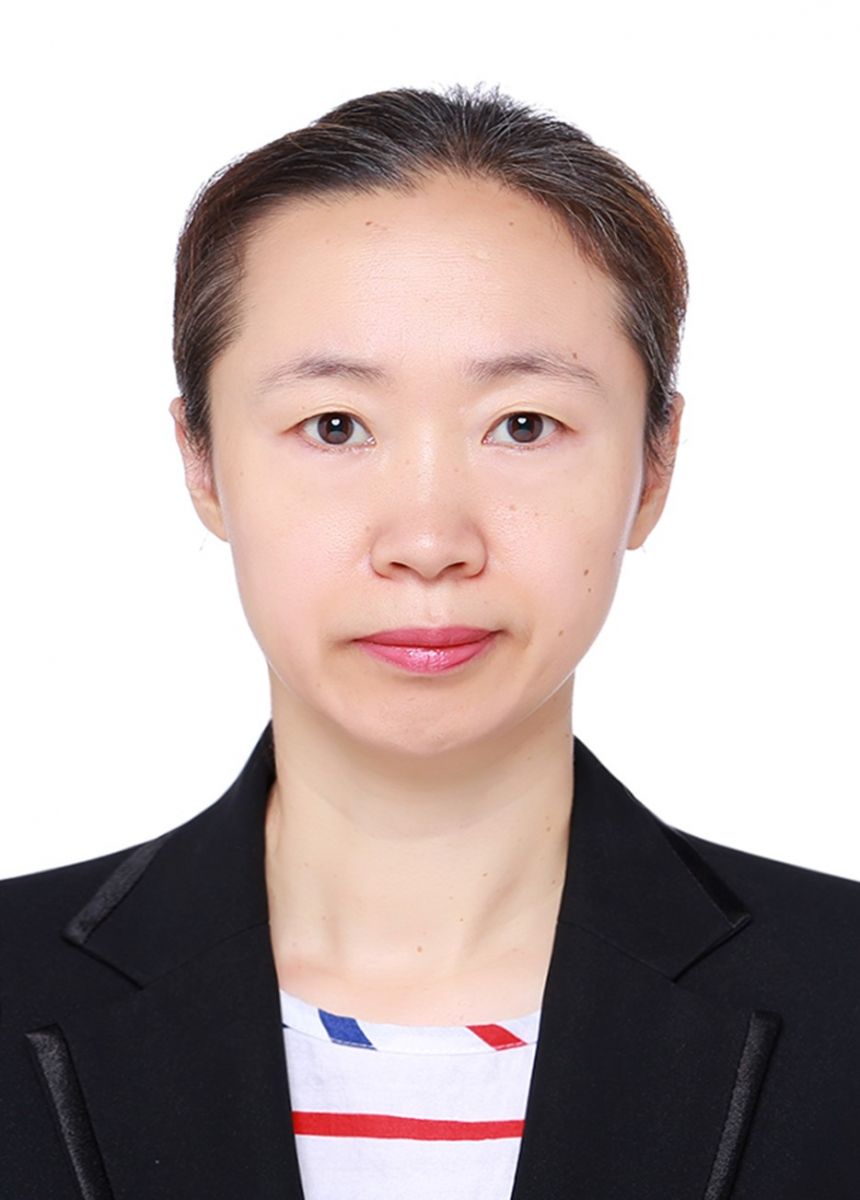 Guixian Xu (胥桂仙)合作论文数School of Information Engineering, Minzu University of China;Faculty of Data Science, City University of Macau7
 Sisi Liu合作论文数6Maoke ZHOU (周毛克)合作论文数6
 Chaofan Chen合作论文数Duke University6
 Lirong Qiu (邱莉榕)合作论文数School of Computer Science, Beijing University of Posts and Telecommunications6SHEN Yingli (申影利)合作论文数5
 Tianci Xia合作论文数School of Information Engineering, Minzu University of China, Beijing, China5
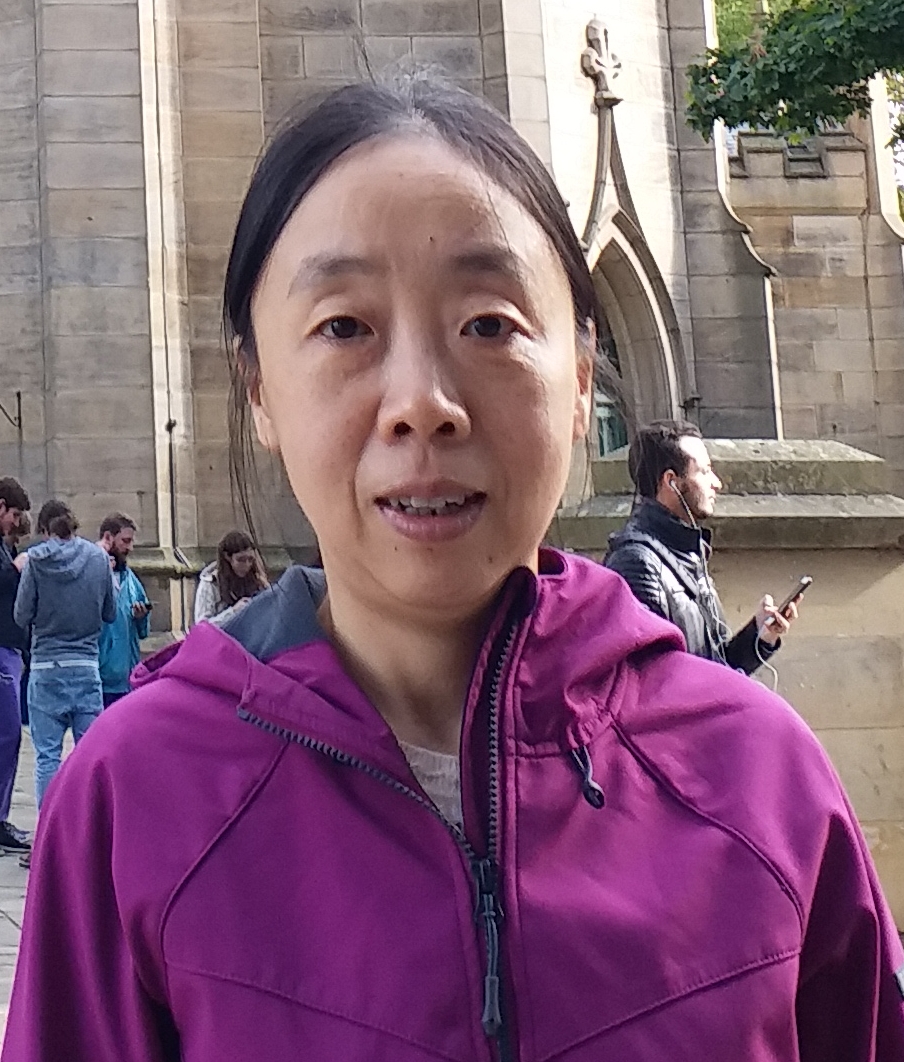 Liping Zhu (朱丽平)合作论文数School of Information Engineering, Minzu University of China;National Language Resource Monitoring & Research Center of Minority Languages, Minzu University Of China5Zhengcuo Dan合作论文数4Wugedele Bao合作论文数4GA Ri-di合作论文数4PANG Xian (庞仙)合作论文数4Wei Bao合作论文数4
 Xiangchun Liu (刘向春)合作论文数School of Information Engineering, Minzu University of China4Wugedele BAO (包乌格德勒)合作论文数3Lu-jia MA (马路佳)合作论文数3Lu Gao (高璐)合作论文数3LiXiang Chen (陈丽湘)合作论文数3
 Lizhi Zhao (赵莉芝)合作论文数School of Information Engineering, Minzu University of China3
 Tong Laga合作论文数3Congjun Long (龙从军)合作论文数Institute of Ethnology and Anthropology,Chinese Academy of Social Sciences,Beijing,China3
 Andong Chen (陈安东)合作论文数School of Computer Science and Technology, Harbin Institute of Technology2
 Jie Yuan (袁杰)合作论文数2
 Like Wang合作论文数2Junjie Deng合作论文数2Gadeng Luosang合作论文数2Xu Gao合作论文数2LIU Xiaotong (刘晓彤)合作论文数2shihua yu (于诗画)合作论文数2Luping Li (李璐萍)合作论文数2Lihui Dong合作论文数2Yeqing Li合作论文数2Tong-mu LIU (刘同木)合作论文数2Huiru DENG (邓慧茹)合作论文数2Dan Liu合作论文数2LiZhong Wang (王利众)合作论文数2
 Chongyu Ma (马冲宇)合作论文数湖南师范大学外国语学院2
 Wang Antai合作论文数2
 Xiaoke Qi合作论文数2
 Peng Sun合作论文数2Tenigeer合作论文数Harbin Institute of Technology, Harbin Institute of Technology2




