The Youjiang Basin in southwestern China is the world’s second-largest province of Carlin-type gold deposits, yet its exploration potential remains underexplored compared to its counterpart in Nevada, USA. A primary challenge has been the lack of robust, data-driven metallogenic models to guide the search for deeper, concealed orebodies. This study addresses this critical knowledge gap by conducting a comprehensive geochemical investigation of the Lannigou deposit, the largest fault-controlled Carlin-type gold deposit in the basin. In this work, we integrated large, spatially matched geochemical datasets from deep drill-core rock (n = 449) and surface soil (n = 2,280) samples. Through comprehensive statistical analyses, mass transfer calculations, and innovative three-dimensional spatial visualization, we successfully (1) identified distinct ore-related (Au-As-Hg-Sb-Ag-Tl-W-Mo) and diagenetic (Bi, Co, Cu, Ni, Zn, Pb) elemental suites, delineating their controlling geological mechanisms; (2) established a robust vertical geochemical zonation pattern (Mo → Tl → Sb → W → As → Au → Ag → Hg), which serves as a powerful vector for assessing the erosional level of mineralizing systems; and (3) revealed the critical role of a deep-seated, bedding-parallel detachment fault (F1) as a master conduit, channeling ore-forming fluids from basement structures into shallower, ore-hosting reverse faults. Based on these findings, we propose a new metallogenic model wherein ore-forming fluids ascended from depth, migrated laterally along this major detachment fault, and subsequently precipitated gold within structurally favorable traps, such as secondary reverse faults on anticlinal limbs. Our metallogenic model and the identified geochemical vectors offer robust and actionable criteria for targeting concealed Carlin-type orebodies in the Youjiang Basin and analogous terranes worldwide.
The rise of big data analytics and knowledge graph technology has introduced a new paradigm for research on mineral deposits. This study employs CiteSpace, a graph-based community detection tool, to analyze the Web of Science Core Collection literature (1969-2025) on Carlin-type gold deposits, with the aim of identifying global research trajectories, collaboration networks, key themes, frontiers, and future directions. The evolution of research encompasses five distinct phases: the Foundational Period (1969-1990), Domain-expanding Period (1991-2000), Refinement Period (2001-2010), Integration Period (2011-2020), and the ongoing Transformative Leap Period (2021-2025). Geographically, studies have expanded from their origin in Nevada, U.S., to a global scale. Methodologically, advancements have progressed from macro-geological mapping to atomic-scale characterization, accompanied by a theoretical shift towards an integrated "multi-source fluids - tectonic activation - nano-scale occurrence" system. This progression follows a spiral cognitive model: phenomenon description -* mechanism analysis -* system modeling -* predictive application. The international collaboration network has evolved into a "dual-core leadership with multi-tier synergy" framework, where core nations (China and the U.S.) drive cutting-edge theoretical exploration by leveraging their giant ore clusters, while secondary nodes (e.g., Canada, Iran, Australia) enhance research scope and depth through critical regional analogues and cross-deposittype expertise. Emerging participants (e.g., Malaysia) inject new dynamism and alternative genetic perspectives. Research leadership has transitioned from early dominance by U.S. institutions (e.g., USGS) to prominence of Chinese entities (e.g., Chinese Academy of Sciences, China University of Geosciences) post-2010. Core research themes include: (1) ore formation-regional tectonic coupling, (2) ore-forming fluid dynamics, (3) microscopic gold occurrence and mineralization processes, (4) resource utilization challenges, and (5) integration of multitechnique methodologies and intelligent exploration. Current research frontiers focus on: metallogenic chronology and geodynamic settings, multi-source fluid evolution and tectonic-lithologic coupling, invisible gold occurrence mechanisms, exploration technology innovation and deep targeting, and integrated studies across diverse deposit types. Future priorities center on two pillars: (1) Technological innovation: integrating techniques such as APT, NanoSIMS, and in situ isotopic methods for "atom-mineral-deposit-region" multiscale modeling; applying machine learning to overcome deep-prediction bottlenecks for intelligent "geologygeochemistry-geophysics-remote sensing" prospecting; and developing eco-leaching/microbial oxidation processes for the efficient extraction of gold and associated critical elements (As, Sb, Hg, Fe, S) from refractory ores. (2) International collaboration: establishing unified deposit testing standards; creating a global data-sharing platform; and deepening strategic partnerships through core-core, core-secondary, and core-emerging nation collaborations. These coordinated advancements are poised to drive breakthroughs in reserve expansion, extraction efficiency, sustainable resource development, and the refinement of metallogenic theory.
The Jiaodong Peninsula hosts one of the world’s largest concentrations of Cretaceous lode Au deposits, yet the genetic link between Au mineralization and coeval felsic–mafic magmatism remains debated. We present whole-rock geochemistry, zircon trace-element oxybarometry, apatite Sr–Nd isotopes, and zircon-hosted apatite volatile data for Mesozoic granites and mafic dikes from the Jiaobei terrane. Three major granite suites formed at 165.5–154.7 Ma (Linglong), 136.2–126.3 Ma (Guojialing), and 119–116.7 Ma (Weideshan). Gold mineralization (126–110 Ma) overlaps with the youngest Weideshan suite and late Guojialing intrusions, as well as with mafic–intermediate dike emplacement. A progressive rise in magmatic oxidation state (ΔFMQ) and volatile contents (H₂O–Cl–S), accompanied by increasing εNd(t) and decreasing (⁸⁷Sr/⁸⁶Sr)i values, reflects increasing input from oxidized, volatile-rich mantle-derived mafic magmas into crustal melting regimes. Mafic dikes, especially low-Ti varieties with arc signatures, record the most oxidized conditions and exhibit trace-element patterns comparable to global Au-fertile arc magmas. Hornblende barometry and regional thermochronology indicate that granite emplacement depths decreased from Linglong to Weideshan, coincident with rapid Early Cretaceous crustal uplift that enhanced structural permeability. We propose that hybridization between lower-crustal felsic melts and metasomatized lithospheric-mantle (and locally asthenospheric) magmas generated highly oxidized, hydrous, Au-fertile magmas between 126 and 115 Ma. These magmas exsolved Au-bearing fluids that migrated through an evolving extensional fault network, forming some structurally controlled lode Au deposits. Our results link Jiaodong-type Au metallogenesis to slab-fluid-driven mantle metasomatism, felsic–mafic magma interaction, and tectonic unroofing of the eastern North China Craton.
Plastic deformation-induced microstructures in pyrite, particularly low-angle grain boundaries (LAGBs), have been increasingly recognized as potential repositories for Au and low-melting-point chalcophile elements (LMCEs; e.g., Ag, Te, and Bi) in some hydrothermal gold deposits. However, their nanoscale behavior during the plastic deformation of pyrite remains enigmatic in epithermal gold systems. In this study, we systematically investigate the crystallography and geochemistry of pyrite from the Yongxin low-sulfidation epithermal gold deposit, China. Results show that Au-and LMCEs-bearing pyrite exhibits complex misorientation patterns and contains dislocations and LAGBs. Atom probe tomography analyses reveal that Au and LMCEs are preferentially enriched along LAGBs. These elements exhibit significant depletion in the regions adjacent to the LAGBs. In the Y-Z projection plane, the LAGBs display a planar feature, consisting of a series of semi-parallel compositional bands of Au and LMCEs. Additionally, quartz closely associated with pyrite shows grain orientation spread values typically below 2 degrees and an average grain size of 8 mu m. These findings collectively suggest that pyrite in the Yongxin deposit underwent significant plastic deformation via dislocation creep, during which Au and LMCEs gradually segregated into LAGBs through a dislocation-impurity pair diffusion mechanism. This study underscores the critical role of plastic deformation in element remobilization and re-enrichment. Furthermore, elemental segregation observed within microstructures implies that interpretations of micron-scale geochemical anomalies as mineral inclusions should be treated with caution.
The Youjiang basin in southwestern China is the second largest Carlin-type gold province in the world,with proven gold reserves of about 1000 t.It is hard to accurately determine the mineralization age,to precisely trace the ore-forming fluids,and to finely elucidate the gold enrichment mechanism for these deposits,due to the fine-grained nature and complex growth zoning of the ore minerals of those deposits.This has significantly hindered the establishment of their genetic and exploration models.Over the past decade,researchers at the Institute of Geochemistry,Chinese Academy of Sciences,have conducted systematic investigation on these issues by integrating in-situ micro-observation with comprehensive elemental,multi-isotopic,and individual fluid inclusion compositional analyses.The results reveal that there are two episodes of the Carlin-type gold mineralization in the Youjiang basin,at ca.215-200 Ma and 155-140 Ma,respectively.These two mineralization events are coeval with those of the high-temperature granite-related tungsten-tin polymetallic metallogenic province in the eastern part of South China,probably in response,respectively,to the Indosinian post-collisional intracontinental orogeny and the Yanshanian asthenospheric upwelling and lithospheric extension in South China.The ore-forming fluids mainly have geochemical signatures indicative of mixing between the deep-seated granitic magma-exsolved magmatic fluids and the deep-circulated meteoric water.These fluids leached and mobilized metals from the Precambrian basement rocks,and then migrated into favorable strata and structural traps,where intense fluid-rock interactions triggered gold deposition.Gold was incorporated into the lattice of arsenian pyrite in the"invisible"form.Arsenic concentrations and growth kinetics of pyrites are key factors controlling the highly efficient enrichment of gold.Based on the above understandings,our research team established a genetic model characterized by the deep-seated magmatic-hydrothermal drive and the shallow-level coupling of fluids,structures,and lithologies for the Carlin-type gold deposits in the Youjiang basin.In addition,a multi-scale,multi-media,and three-dimensional structural geochemical exploration method was developed,which resulted in the effective link of the deep mineralization information with surface exploration indicators.This theoretical methodological system has been successfully applied to the exploration of concealed Carlin-type gold ore bodies for achieving major breakthroughs in the prospecting of Carlin-type gold deposits.
The gold-bearing arsenian pyrite in Carlin-type gold deposits typically grows around the gold/arsenic-poor pyrite core, forming core–rim textured pyrite. However, the causes of rim pyrite precipitation around the early-formed core pyrite and the growth mechanisms of the rim pyrite remain unclear. Here, we combined scanning electron microscopy, electron probe micro-analysis, and nanoscale secondary ion mass spectrometry to investigate the textural and chemical characteristics of core–rim textured pyrite from the giant Shuiyindong and Lannigou gold deposits. Furthermore, we used electron backscattered diffraction and transmission electron microscopy to characterize their crystallographic structure. The results indicated that core–rim textured pyrite is the dominant pyrite type in the ore. This type of pyrite is characterized by the sharp core–rim interfaces, euhedral-subhedral morphology, and oscillating zoning. The gold/arsenic-rich rim and gold/arsenic-poor core formed during the main-ore and pre-ore stages, respectively. Crystallographically, the rim showed that a crystallographic orientation is similar to that of the core along the (010) crystal facet, indicating that the core pyrite serves as a template for the epitaxial growth of rim pyrite. Textural and chemical features indicate that the epitaxy occurs in the process of direct precipitation of main-ore pyrite over the pre-ore pyrite. As Carlin ore fluids dissolve the iron-bearing carbonates, iron concentrations in the fluids increase, thereby creating a supersaturation environment suitable for the nucleation of main-ore pyrite. Because the minimal lattice misfit would minimize the surface free energy and the (010) facet of pyrite has a lower surface energy than other facets, the nucleated pyrite would readily grow along the (010) facet of preexisting pyrite via epitaxy. Our findings highlight that the widespread preexisting pyrite facilitates late-stage pyrite precipitation. For Carlin-type gold deposits, the pre-ore pyrite is essential owing to its promoting the precipitation of gold-bearing pyrite.
Ore fluid pathways are essential for establishing metallogenic models at both the district and deposit scales and for guiding prospecting. The ore fluid pathways in fault-controlled Carlin-type gold deposits are poorly understood. The Lannigou deposit is a typical fault-controlled Carlin-type gold deposit in the Youjiang Basin, China. It consists of five ore blocks, that is, Huangchanggou, Rongban, Lintan, Shizhu, and Anbao. The Huangchanggou and Rongban ore bodies are hosted in fault F3, Lintan is located in fault F14, and Shizhu and Anbao are located in fault F70. Petrographic observations, statistical analyses, and trace element distribution patterns across these five sections of the Lannigou deposit were used to delineate geochemical anomalies and trace the deposit scale ore fluid pathways. The wall rocks and ores from the five ore blocks share a similar mineral composition, including quartz, illite, ankerite, pyrite, and muscovite. From the wall rocks to the ores, the quartz, pyrite, and arsenopyrite contents increased. Meanwhile, the ankerite content decreased. Gold, As, Sb, Hg, and Tl are mainly distributed along ore-controlling faults F3, F14, and F70, suggesting that these faults are conduits for gold mineralisation. Fault F3 is conduit for gold mineralisation for Huangchanggou and Rongban, F14 for Lintan, and F70 for Shizhu and Anbao. These ore-controlling faults converged at the Si-Ca interface. The distribution of trace element enrichment varies among the five ore blocks, with the highest concentrations of Au, As, Sb, Hg, and Tl observed in the Huangchanggou ore block. Based on these results, a deposit scale metallogenic model of the Lannigou deposit was established. According to this model, deep-source ore fluids initially ascended along Lannigou-Weihuai fault to reach the Si-Ca interface. These fluids then migrated laterally along the interface and entered the connected secondary faults. As the ore fluids migrated into the secondary faults, they reacted with Fe-rich clastic rocks, causing the release of iron from the ankerite and the precipitation of Au-bearing pyrite and arsenopyrite, resulting in the formation of ore bodies. This model emphasises the Si-Ca interface and its linked thrust faults as the primary ore fluid channel framework. The intersection of multiple sets of faults plays a crucial role in the formation of thick ore bodies. Future exploration in the Lannigou district and surrounding areas should prioritise faults linked to the Si-Ca interface and areas in which multiple sets of faults intersect. This strategic focus will enhance the potential for discovering ore bodies similar to those found in the Lannigou deposit.
The coexistence of Au and Sb mineralization is common in orogenic and Carlin-type deposits because of their similar geochemical behavior. Herein, we conducted detailed mineral texture, chemistry, and S isotope analyses of the Miaolong Au-Sb deposit using microscopy, scanning electron microscopy (SEM), electron probe microanalysis (EPMA), laser ablation inductively coupled plasma mass spectrometry (LA-ICP-MS), and femtosecond laser ablation multi-collector inductively coupled plasma mass spectrometry (Fs-LA-MC-ICP-MS), focusing on investigating the paragenesis of Au and Sb mineralization. The results indicate two separate mineralization events at Miaolong: Sb mineralization overlain by subsequent Au mineralization. During Sb mineralization, minerals such as stibnite, quartz, calcite, chalcostibite, and native antimony precipitated in the fault-controlled open space. Antimony occurs predominantly in stibnite, with lower amounts of chalcostibite and native antimony. During Au mineralization, arsenian pyrite, arsenopyrite, dolomite, quartz, and illite were formed. Gold is mainly found as invisible Au within arsenian pyrite and arsenopyrite. During the late-ore stage, calcite (with minor realgar) crystallized in open spaces. Minerals from the Au-mineralization stage typically crosscut, overgrew, and replaced minerals from the Sb-mineralization stage. Additionally, stibnite, arsenian pyrite, and arsenopyrite show delta 34S values of 17.56-19.81 %o, 17.81-28.37 %o, and 17.74-23.21 %o, respectively. The heavy S isotopes in ore-related sulfides suggest that S most likely originated from the strata through a thermal-chemical sulfate reduction (TSR) process. A comparison reflects the similarities in Au mineralization in the Sandu-Danzhai metallogenic belt (SDMB) and Carlin-type Au deposits (CTGDs) in the Youjiang Basin, suggesting that the Au deposits in the SDMB are CTGDs and that the Au deposits in the two districts could have originated from the same extensive metallogenic event. This study shows that although the coexistence of Au and Sb mineralization is common, it could result from the superimposition of distinct hydrothermal events. This finding suggests the relationships between Au and Sb in the SDMB, as well as in other CTGDs, should be reassessed.
The Youjiang Basin in SW China hosts the second-largest concentration of Carlin-type gold deposits in the word, yet it has long been debated in determining the age of Au mineralization due to the lack of suitable geochronometers. This study combines in situ U-Pb dating of monazite and xenotime with Rb-Sr dating of sericite from the Tangshang Au deposit to constrain the temporal framework of the Carlin-type gold mineralization in SW China. Mineralogical observations reveal that both monazite and xenotime co-precipitated with auriferous pyrite. Geochemically, monazite displays low Th concentrations (240-953 ppm) and right-sloping REE distribution patterns, while xenotime has low U contents (mostly < 200 ppm), low U/Th values (mostly < 10), and middle REE (MREE)-enriched hump-shaped distribution profiles. The textural and geochemical characteristics robustly indicate hydrothermal origins for both minerals. Sericite aggregates typically intergrown with quartz and ankerite and locally enclose auriferous pyrite, indicating they formed through ore-related hydrothermal alteration. Laser ablation-inductively coupled plasma-mass spectrometry (LA-ICP-MS) monazite and xenotime U-Pb dating yielded Pb-206/U-238 ages of 205.5 +/- 3.9 Ma and 189.4 +/- 4.5 Ma, respectively, whereas laser ablation-inductively coupled plasma-tandem mass spectrometry (LA-ICP-MS/MS) sericite Rb-Sr isochron dating gave an age of 181 +/- 3 Ma. New xenotime and sericite ages roughly overlap within analytical uncertainty but are remarkably younger than monazite age, suggesting two distinct episodes of Carlin-type Au mineralization in SW China. Integrating previous isotopic dating results across the region with our new chronological constraints, we suggest that Carlin-type Au mineralization developed through two distinct tectonic episodes in SW China associated with the post-collisional extension following the Indochina-South China collision during Late Triassic and the incipient paleo-Pacific Plate subduction accompanied by back-arc extension in Early Jurassic.
The Shuiyindong gold deposit (SGD) is the tenth largest Carlin-type gold deposit (CTGD) globally and the largest in Asia, which has undergone over 40 years of gold prospecting and exploration and more than 10 years of gold exploitation and utilization. However, the metallogenesis of the SGD remains controversial. Herein, we systematically reviewed the gold prospecting process and comprehensively analyzed the available research data on the SGD. The results demonstrate that (1) the SGD is a fully concealed super-large gold deposit with cumulative proven gold reserves of 308 t and orebody burial depths of 150-1,400 m, (2) the tectono-geochemical weak information extraction method can effectively reveal deep mineralization signatures and promote the discovery of deep orebodies, (3) the invisible gold in pyrite primarily occurs as lattice gold, (4) the chronological data of the SGD are primarily concentrated in 230-200 and 150-130 Ma and the gold mineralization may have been formed in the Early Cretaceous, and (5) the sources of ore-forming fluids and materials of the SGD are multisource and related to magmatic hydrothermalism. Based on these findings, this study proposes a magmatismdriven metallogenic model for the SGD, providing a theoretical basis for further research and deep oreprospecting of CTGDs.
The Baidi Au-Sb deposit, which contains 8 t of Au and 10,979 Mt of Sb, is a typical and rare paragenetic deposit located in southwestern Guizhou Province, China. Previous studies have focused on individual ores, but have not combined them to identify their paragenetic mechanism or metallogenic regularity. Therefore, we used field investigations, microscopic observations, and in situ analyses to identify the spatial distribution, mineral paragenesis, compositional evolution, and metallogenic material sources of the ore bodies. We also determined the Au and Sb paragenetic characteristics and the metallogenesis of the deposit. The main Au-bearing minerals in the deposit were early (Apy1–2) and late (Apy3) stage arsenopyrites, as well as pre-mineralization (Py1), mineralization (Py2–5), and late mineralization (Py6–7) stage pyrites. The main Sb-bearing minerals were stibnite (Snt), skinnerite, bournonite, and valentinite. The minerals formed in the order of Py1, Py2–3 + Apy1, Py4–5 + Apy2, Snt, and Py6–7 + Apy3. The δ 34 S values of the arsenopyrites and pyrites ranged from − 5 to 5‰, while those of stibnite were mostly less than − 5‰ in the later mineralization stages. Sulfur was provided by deep magmatic hydrothermal fluids, but sedimentary sulfur was added in the later stages. Moreover, the trace elemental contents fluctuated and eventually became similar to those of the sedimentary strata. By comprehensively considering the ores along with the geological characteristics of the deposit, we determined that deep magma provided the Au during ore formation. Later tectonic changes provided Sb from the sedimentary strata, which precipitated along fault expansion areas and produced Au and Sb paragenesis.
The clay-type lithium (Li) deposit is an important emerging lithium resource in the world because of their large scale, thickness and stable distribution. Three types of clay-type lithium deposits have been discovered in the world, including the volcanic clay-type lithium deposit formed by leaching extraction and alteration, the carbonate clay-type lithium deposit formed by weathering and sedimentation, and the kaolin weathering crust type lithium deposit formed from the granite type lithium by supergene weathering. The clay-type lithium mineralization discovered in the Jingde intrusion in southern Anhui Province is significantly different from the existing clay-type lithium deposits in terms of tectonic setting, orebody characteristics, host rocks, mineral assemblage, source of lithium, ore minerals and mineralization processes. It is a new type of lithium mineralization, temporarily called "intrusion rocks hydrothermal altered clay-type lithium mineralization". The main metallogenic characteristics include the following: (1) Lithium mineralization is later than the intruding of intermediate-acid rocks, and the ore bodies occur in the fracture zone and hosted by the intermediate-acid rocks; (2) The mineral assemblage consists of quartz, kaolinite, illite, fluorite, etc., which is formed by hydrothermal metasomatism or direct precipitation from ore fluids; (3) Lithium occurs mainly in kaolinite and illite; (4) Lithium mainly comes from Li-F-rich ore fluids, which is most possibly released from magmatic differentiation (?); and (5) Hydrothermal-rock reaction between Li-F-rich ore fluid and intrusive rocks results in the formation of clay minerals (kaolinite, illite, etc.) replacing feldspar, hornblende and other changeable minerals, and the precipitation of quartz and fluorite veins; Meanwhile the lithium is hosted by the clay minerals. The new type of "intrusive rocks hydrothermal altered clay-type lithium mineralization" is essentially a new lithium mineralization process. The proposal of this type lithium mineralization extends the search for clay-type lithium resources from the lacustrine sedimentary distribution area of caldera (prospecting for volcanic clay-type lithium deposits), the distribution area of paleo-carbonate weathering and sedimentary interface (prospecting for carbonate clay-type lithium deposits), and the granite distribution area with albitization and muscovitization (prospecting for kaolin weathering crust type lithium deposits and related primary granite-type lithium deposits) to the distribution area of intermediate-acid intrusive rocks which may not host granite-type lithium deposits. This marks a significant expansion in lithium prospecting concepts.
The Jiaodong Peninsula, the largest gold province in China, hosts proven gold resources of similar to 5,500 t. Knowledge of the accurate occurrence of gold and its formation mechanism is key to a better understanding of the mineralization process of these deposits. In this study, we combined field-emission scanning electron microscopy, laser ablation-inductively coupled plasma-mass spectrometry (LA-ICP-MS), electron backscattering diffraction (EBSD), and high-resolution X-ray computed tomography (micro-CT) to investigate the predominant gold occurrence type and its formation processes in the Sanshandao and Xincheng giant gold deposits. Microscopic observations confirmed that visible gold in the two-dimensional mode occurred as fracture gold and inclusions in the pyrite. However, high-resolution micro-CT revealed that almost all visible gold in the three-dimensional mode was connected to the fracture, suggesting that the previously so-called gold inclusions were actually fracture gold. The LA-ICP-MS results showed that the pyrite contained low concentrations of invisible gold (<1 ppm). Thus, fracture gold is the predominant type in the Jiaodong gold province. The EBSD analyses showed that the neighboring pyrite fragments shared a similar crystallographic orientation, and these fragments could be assembled into individual grains. The in-situ fracturing texture resulted from structural activities and/or hydraulic fracturing. By combining petrographic, crystallographic, and geochemical analyses with geological information, the mineralization process of the Jiaodong gold deposits can be summarized as follows. When the gold-bearing fluid reacted with the wall rocks, intensive fluid-rock interactions led to the precipitation of massive amounts of pyrite. Subsequent structural activities and/or hydraulic fracturing broke the pyrite and triggered fluid boiling. Boiling induced gold saturation and precipitation in the cracks of the fractured pyrite. Thus, massive ore fluids with low gold concentrations can also form world-class gold deposits via the synergistic mechanisms of intensive fluid-rock interaction and fluid boiling.
The Youjiang Basin in China is the world’s second-largest concentrated area of Carlin-type Au deposits after Nevada, USA, boasting cumulative Au reserves nearing 1000 t. This study examined the recently unearthed Lintan Carlin-type Au deposit within the Youjiang Basin. Factor analysis and association rule algorithms were used to identify exploration vectors and indicators essential for navigating this promising geological territory. In the Lintan mining area, the geological strata encompass the Triassic Bianyang, Niluo, and Xuman formations comprised clastic rocks, followed by the deeper Permian Wujiaping Formation with massive carbonate rocks. The orebodies are restricted to the F14 inverse fault, cutting through the Xuman Formation, with an additional F7 fault between the Wujiaping and Xuman formations. A total of 125 rock samples from the F14 fault and a representative cross-section were analyzed for 15 elements (Au, Ag, As, Bi, Cd, Co, Cu, Hg, Mo, Ni, Pb, Sb, Tl, W, and Zn). The elements were divided into four groups based on cluster and factor analysis. Group 1 (Co, Cu, Zn, Ni, Tl, W, and Bi) was mainly enriched in the Xuman, Niluo, and Bianyang formations controlled by sedimentary diagenesis. Group 2 (Au, As, Hg, and Sb) was concentrated in the F14 and F7 faults, representing Au mineralization. Group 3 (Pb, Ag, and Mo) was mostly enriched near the F14 and F7 faults, displaying a peripheral halo of Au mineralization, and was probability controlled by ore-forming hydrothermal activities. Group 4 (Cd and Mo) exhibited extreme enrichment along the periphery of the F7 fault. This pattern indicates the presence of a substantial hydrothermal alteration zone surrounding the fault, likely influenced by ore-forming hydrothermal processes. Additionally, Pb, Ag, Cd, Mo, and W are considered essential indicators for ore formation besides Au, As, Sb, Hg, and Tl. Twelve effective association rules were derived using the association rule algorithm, which can aid in discriminating Au mineralization. The spatial distributions of the 15 elements indicated that the F14 fault is the main ore-bearing fracture zone, while the F7 fault serves as the ore-conducting structure, channeling ore-forming fluids into the F14 fault. Faults between the Wujiaping and Xuman formations, along with their associated reverse faults, present potential prospecting targets both within and outside the Lintan Au deposit in the Youjiang Basin. Exploration geochemical data can be fully utilized by combining factor analysis and association rule algorithms, offering key guidance for prospecting Carlin-type gold and similar deposits.
Mineralization characterized by Au, Hg, and Tl enrichment is rare, and research on Au, Hg, and Tl mineralization is limited. The Lanmuchang Au–Hg–Tl deposit is located in the “Golden Triangle” of Yunnan, Guizhou, and Guangxi Provinces in China. In this study, we used scanning electron microscopy (SEM), electron microprobe analysis (EPMA), and a Tescan integrated mineral analyzer (TIMA) to analyze the mineral composition and distribution of the different types of ores and identify the occurrence state and enrichment mechanism of ore-forming elements in the Lanmuchang deposit. The results show that the primary ore minerals in the Lanmuchang deposit are pyrite, cinnabar, and lorandite. Cinnabar is the primary carrier of Hg (>90%), and pyrite is the primary carrier of Tl (>60%). Gold, Hg, and Tl primarily occur as solid solutions in hydrothermal pyrite, whereas they primarily occur as nano-scale particles in diagenetic pyrite. The substitution of As for S in hydrothermal pyrite promotes Au enrichment. The coupled substitution of 2Fe2+ ⇔ Tl+ + As3+ may be a significant Tl incorporation mechanism and promotes the occurrence of Hg in pyrite. The As and Se contents and Cu/Au and Co/Ni ratios of the hydrothermal pyrite demonstrate that the ore-forming fluid was mostly in a low-temperature, low-salinity, almost-neutral pH, and nearly reducing environment. The results show that the mineralization of the Lanmuchang deposit is associated with the cooling, oxidation, water–rock interaction, and boiling processes of the ore-forming fluid(s).
黔西南雄武金矿床为赋存在构造蚀变体(SBT)中的一中型金矿床,为了探讨雄武金矿床水岩交换过程中的元素迁移规律、矿质来源和成矿流体特征,本次研究基于ICP-MS对雄武金矿典型剖面上的8个矿石和近矿围岩样品进行微量元素和稀土元素测试,结果显示,在水岩反应过程中微量元素主要以Au、As、Sb、Hg、Li、U等元素进入围岩,Co、Ni、Sr、Hf、Th被带出容矿岩石为特征.经球粒陨石标准化后的稀土元素曲线主要表现为轻稀土相对富集的右倾型,围岩与矿石ΣLREE为24.69×10⁻⁶~283.31×10⁻⁶,ΣHREE为3.94×10⁻⁶~25.15×10⁻⁶,LREE/HREE为3.90~8.21,曲线显示典型的"四分组"特征,指示轻稀土分馏相对较强的特点,且矿石经历了显著的热液蚀变反应;根据矿石的Ce负异常和Eu正异常值,指示成矿流体部分来源于深部弱酸性和还原性温度较高(>250℃)的流体特征,成矿物质可能来源于深部.本次研究成果对于深入了解雄武金矿床成因具有重要意义.
卡林型金矿为华南低温成矿域重要的矿产.贵州为南盘江—右江卡林型金矿聚集区最重要的组成部分,是我国重要的金资源产地之一,其大地构造位处江南复合造山带西段.本文采用成矿系列理论研究方法,深入研究典型矿床特征,系统总结了卡林型金矿时空规律.建立了贵州卡林型金矿矿床式 10 个、成矿亚系列 5 个、成矿系列 3 个,建立了基于构造蚀变体的南盘江—右江卡林型金矿多层次构造滑脱成矿系统.建立了贵州卡林型金矿综合找矿预测模型,据此开展了区域成矿预测,圈定找矿预测区 24 个,明确贵州卡林型金矿找矿方向.
 Qinping Tan合作论文数53
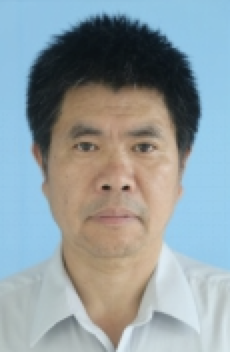 Yong Xia (夏勇)合作论文数Institute of Geochemistry, Chinese Academy of Sciences49
 Jianzhong Liu (刘建中)合作论文数Guizhou University27
 ZePeng Wang (王泽鹏)合作论文数Guizhou Province Bureau of Geology and mineral exploration and development 105 geological brigade23
 Wei Dongtian合作论文数16Songtao Li合作论文数15
 Jingdan Xiao合作论文数13
 Lulin Zheng (郑禄林)合作论文数Mining College, Guizhou University12JunHai Li (李俊海)合作论文数Guizhou Bureau of Geology and Mineral Resources Exploration and Development11WeiFang Song (宋威方)合作论文数10ChengFu Yang (杨成富)合作论文数Guizhou Bureau of Geology and Mineral Resources Exploration and Development10LiangYi Xu (徐良易)合作论文数8Lijin Tan合作论文数7Shengwei Wu合作论文数7Jean S. Cline合作论文数7
 Haiying Yang合作论文数6DaFu Wang (王大福)合作论文数Guizhou Bureau of Geology and Mineral Resources Exploration and Development6
 Phillip Gopon合作论文数University of Oxford5FaEn Chen (陈发恩)合作论文数Guizhou Province Bureau of Geology and Mineral exploration and development 105th geological brigade5
 Pan Wu (吴攀)合作论文数College of Resources and Environmental Engineering, Guizhou University5
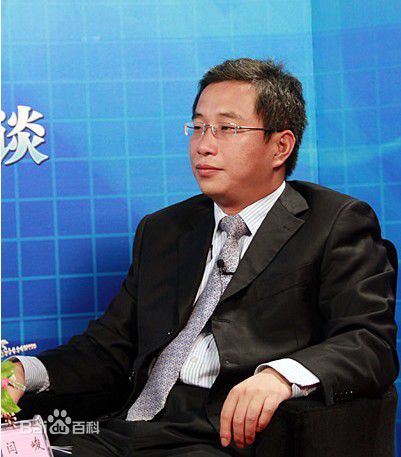 Jun Yan (闫峻)合作论文数School of Resources and Environmental Engineering, Hefei University of Technology5Jiafei Xiao (肖加飞)合作论文数5
 Ruizhong Hu (胡瑞忠)合作论文数Institute of Geochemistry, Chinese Academy of Sciences;University of Chinese Academy of Sciences5Zhao Yimeng合作论文数4Lujing Zheng合作论文数4
 Xijun Liu (刘希军)合作论文数Xinjiang Institute of Ecology and Geography, Chinese Academy of Sciences4Shan He合作论文数4Haiyan Guo合作论文数4Ke-lin ZHOU (周克林)合作论文数4Bing-qiang ZHANG (张兵强)合作论文数105th Geological Brigade of Guizhou Bureau of Geology and Mineral Exploration and Development;4ShengTao Cao (曹胜涛)合作论文数4XiaoYong Wang (汪小勇)合作论文数4
 Guanghong Zhou (周光红)合作论文数4Ming-hua MENG (蒙明华)合作论文数3YuHong Yang (杨毓红)合作论文数3XingXiang Gong (龚兴祥)合作论文数3YongJun Tan (覃永军)合作论文数1. Guizhou Bureau of Geology and Mineral Resources Exploration and Development Guizhou Institute of Geological Survey 2. School of Earth Sciences, China University of Geosciences (Wuhan)3
 Runsheng Yin (尹润生)合作论文数University of Chinese Academy of Sciences;Institute of Geochemistry, Chinese Academy of Sciences2
 Lichuan Pan (潘力川)合作论文数University of Chinese Academy of Sciences;Institute of Geochemistry, Chinese Academy of Sciences2LIU Jingke (刘婧珂)合作论文数2
 Jeffrey A. Steadman合作论文数Ctr Ore Deposit & Earth Sci, Univ Tasmania2James O. Douglas合作论文数Royal School of Mines, Imperial College London2GuoSong Ji (季国松)合作论文数2
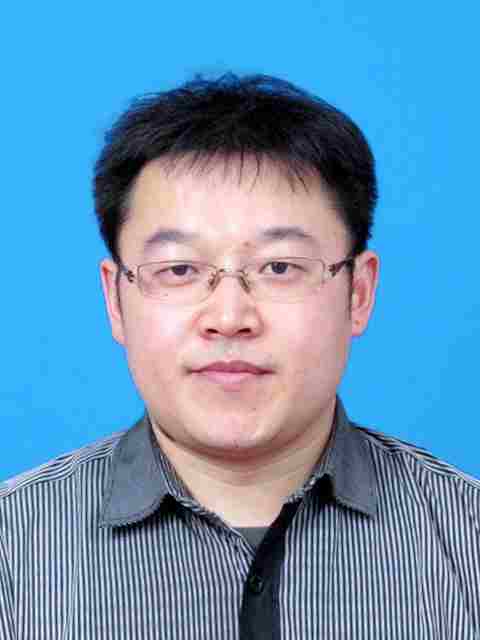 Changzhou Deng (邓昌州)合作论文数State Key Laboratory of Ore Deposit Geochemistry, Institute of Geochemistry, Chinese Academy of Sciences, Guiyang, China2ShuangJu Zhang (张双菊)合作论文数2
 Yongzhang Zhou (周永章)合作论文数School of Earth and Engineering, Sun Yat-sen University2
 Xueqiu Wang (王雪秋)合作论文数College of Geo-exploration Science and Technology, Jilin University2
 Yujun Zuo (左宇军)合作论文数Mining College, Guizhou University2




