Prekese fruits are rich in volatile compounds and bioactive constituents with potential health benefits, attracting considerable research attention. Extraction durations significantly affect the flavor, taste, and color properties of Prekese drinks; however, a systematic understanding of these changes remains limited. Volatile compounds were analyzed by SPME–GC–MS, and key aroma-active compounds were identified according to importance in projection (VIP ≥ 1.0) scores, odor activity values (OAV > 1), and odor contribution. Sensory evaluation and electronic nose validated the differences among the samples. Putative taste-active chemicals linked to bitterness and aftertaste were screened using UHPLC-Q-Exactive Orbitrap MS/MS, while color characteristics were evaluated for processing-induced quality changes. Molecular docking predicted interactions between major ester compounds (ethyl tiglate and n-butyl tiglate) and six human olfactory receptors, with n-butyl tiglate exhibiting stronger binding, particularly towards OR5M3 and OR2W1. This mechanism suggests their potential involvement in aroma perception and provides preliminary mechanistic insights into flavor development in Prekese drinks.
Pearl millet is a nutrient-rich cereal that is an important food security crop in arid regions, supporting overall health and preventing chronic diseases. This study evaluated the impact of iron biofortification on the nutraceutical, volatile, and sensory profiles of pearl millet using HPLC, GC-MS, and UHPLC-Q-Orbitrap MS/MS. A total of 118 nutraceuticals, including flavonoids, phenolics, and amino acids, and 26 volatile compounds such as alcohols, aldehydes, and others, were identified across the pearl millet samples. Iron biofortification increased the total amino acids and volatile compounds by 22.67% and 41.73%, respectively, while reducing the total tannins by 15.73%. Sensory evaluation revealed enhanced aroma intensity, flavor, and overall acceptability in the biofortified variety. Multiplatform data fusion combined with PLS-DA effectively distinguished the millet types. This study provides the first in-depth evidence that iron biofortification enhances the nutritional and sensory qualities of pearl millet, thereby improving its dietary value and consumer appeal.
The massive and uncontrolled use of petroleum-based plastic food packaging has resulted in serious environmental problems. As a result, the food packaging industry should improve packaging materials based on biodegradable polymers, such as chitosan. Edible food coating maintains and improves the shelf life and condition of packaged foods. Researchers have widely investigated the potential applications of biodegradable natural polymers, such as chitosan, cellulose, starch, whey protein, and gelatin in the food packaging industry. Among the natural biodegradable materials available, chitosan and its derivatives have attracted great interest because they have antimicrobial, antifungal, and metal-chelating properties. They are biodegradable polysaccharides and are non-toxic; therefore, they are considered perfect materials for food coating. Adding other active materials, such as fruit extracts, phenolic compounds, and essential oils, can significantly enhance the antimicrobial and antioxidant capacity of chitosan-based packaging materials. Thus, this article investigates the recent updates in food packaging applications based on chitosan essential oil composites.
Background This study was designed to extract and evaluate the physicochemical properties of gelatin recovered from chicken feet of different ages and its effect on sensory evaluation of the produced yogurt.Methods Fresh chicken feet of 12, 14 and 16 weeks old supplied by Al-watania poultry company (Saudi Arabia) were used to extract gelatin in this study.Results The highest gelatin yield (3.4%) was obtained from chicken feet aged 16 weeks. No significant differences (p >= 0.05) were observed in both pH (6.21 to 6.34) and WHC (0.90% to 0.92%) of the gelatin. The highest gel strength value was 138.3 Bloom, which was observed in the gelatin extracted from chicken feet of 12- weeks age. The values of the melting point ranged from 29.3 to 33.9 and significantly (p >= 0.05) different. The control sample had the highest lightness value (L* 80.5), followed by gelatin from chickens aged 14 weeks (L* 64.9), 15 weeks (L* 63.1), and 12 weeks (L* 60.7). The highest yellowness (b* 25.7) was found in the gelatin from 12-week-old chicken, while the highest redness (a* 6.1) was also observed in the 12-week-old, followed by the 14-week-old.Conclusion Chicken leg gelatin is a natural alternative to gelatin extracted from other sources that many people may not agree to consume. Chicken gelatin has many properties and benefits, which makes it a preferred ingredient in many industries such as yogurt manufacturers, because its molecules work to form a weak gelatinous network structure, which prevents the separation of whey. The yogurt incorporated with gelatin achieved overall acceptability scores exceeding 8 (ranging from 8.5 to 8.7), indicating the successful application of gelatin in food systems.
Differences in the aroma profile of millets (Foxtail, Finger, Pearl, and Aziz) before and after cooking were evaluated with solid-phase microextraction and gas chromatography-ion migration spectrometry (SPMEGC-MS). A total of 43 and 40 volatile compounds were detected in millet before and after cooking, respectively, with oxime-, methoxy-phenyl-_, 1-pentanol, 1-hexanol, and hexanal identified as predominant in all varieties. Cooking reduced acids, lactones, and ketones while increasing alcohols, hydrocarbons, and aldehydes. Two robust predictive models were established using partial least squares-discriminant analysis (PLS-DA). These models identified 3 and 6 distinctive volatile compounds as markers based on variable importance in projection (VIP > 1.2), respectively. Higher odor activity compounds (OAV > 1.0) from cooked millets were further analyzed using in-silico molecular docking to investigate their aroma contributions. These findings could provide valuable insights into the odor characteristics of various millet varieties.
This study explores the feasibility of alternative construction materials, including insect-based composites, in comparison to conventional materials such as concrete, fiberglass, and hempcrete. A novel predictive modeling approach was employed to assess the thermal performance, fire resistance, and cost-effectiveness of these materials. The model was validated using experimental test results, demonstrating an accuracy of 92 % in predicting thermal conductivity and an 85 % match with fire resistance classifications. Key findings indicate that insect-based materials exhibit the lowest thermal conductivity (0.03 W/mK) while maintaining a cost advantage due to lower raw material expenses. However, fire resistance remains a challenge, requiring additional treatments for regulatory compliance. The cost analysis reveals that processing constitutes the highest expenditure (40 %), highlighting a key scalability constraint. To address these limitations, a regional processing hub strategy is proposed to enhance supply chain efficiency. This research uniquely integrates predictive modeling with empirical validation to provide data-driven insights into the viability of sustainable construction materials. The findings contribute to advancing eco-friendly building solutions while identifying key barriers to large-scale implementation.
Sclerocarya birrea (A. Rich.) Hochst. is an African wild tree found in many countries across the continent. Its leaves, bark, root, and fruits are used in food, cosmetics, and traditional medicine. However, no systematic bibliometric review on S. birrea have been performed so far. This study covered publications made in 1986–2022 and investigated such bibliometric indicators as knowledge dynamics, links and structure, relevant journals, productive organizations, renowned authors, authoring patterns, national and international collaboration levels, etc. The bibliometric data on a total of 369 publications were downloaded from Scopus database and analyzed using the MS-Excel and VOSViewer software. The Scopus publications on S. birrea showed a versatile range in the interdisciplinary areas of research, with agricultural and biological sciences predominating. The Republic of South Africa was responsible for the largest number of citations. All in all, 63 countries published research on S. birrea in the specified time period, and the share of African countries was 65.43% of the total global research. Co-authorship and international collaboration were registered for six clusters. A total of 1114 researchers and 160 institutions actively contributed to S. birrea studies, with 37 having a minimum of five publications. Mapping of knowledge structure using the keyword co-occurrence revealed the related research areas. The Journal of Ethnopharmacology took the lead in terms of average citation. The co-citation analysis revealed some remarkable dynamics in S. birrea research. This bibliometric study provides a complete insight into S. birrea research development and publication patterns over the last 36 years.
FT-NIR and chemometrics are vital analytical tools for medicinal plant quality control. This study aimed to establish a rapid technique for quantifying sennoside A and B in Cassia plants (i.e., leaves, pods, and flowers) using Fourier Transformed Near-infrared Spectroscopy (FT-NIR). The calibration models were established by partial least squares (PLS), GA-PLS (Genetic Algorithm PLS), Bi-PLS (Backward Interval PLS), and Si-PLS (Synergy Interval PLS). Sennosides contents in Cassia were quantified using high-performance liquid chromatography. The outcomes indicated that GA-PLS and Si-PLS had the highest correlation coefficient of prediction (R-p(2)) and lowest root-mean-square error of prediction (RMSEP). Then, the best prediction ability was achieved by Si-PLS (SA: R-p(2) = 0.9732, RMSEP = 0.9720, 4400.761-4597.464 cm(-1), 5203.003-5399.707 cm(-1,) and 5804.685-6001.388 cm(-1); SB: R-p(2) = 0.9924, RMSEP = 0.1220, 4547.3224-5091.152 cm(-1), 5642.693-6186.521 cm(-1) and 7285.747-7825.718 cm(-1). The external validation of Si-PLS showed excellent results (R-p(2) > 0.95), offering valuable theoretical guidance for developing an intelligent system to evaluate the quality of Cassia species in real-time.
AbstractGum Arabic (GA) is a natural ingredient used in food, pharmaceutical, and cosmetic industries. Numerous studies have been conducted on the physicochemical properties and applications of GA. This study aimed to map knowledge and perform a bibliometric analysis of GA research (GAR) for over a century ago. A search was carried out in the Scopus database using relevant terms and Boolean operators (Gum Arabic OR Acacia gum, OR gum sudani), and data-driven documents in English were extracted. The extracted data included citations, bibliographical and geographical information, abstracts, and keywords. The CVS and BibTex data files were analyzed using VOSviewer and Bibliometrix platforms, respectively. The annual increase in GAR is incremental, consisting of 5313 documents over 108 years and produced by 27 scientific disciplines. The three most productive countries are India, China, and the United States. The rate of international co-authorship was 22.07%, with China being the most collaborative country. Food Hydrocolloids is the most prestigious source. Phillips, G.O., is the most prolific, cited, and co-cited author. Four clusters were detected based on the co-citation analysis of the authors. The most frequent terms in the GAR were “nanoparticles,” “carbon nanotubes,” “stability,” “rats,” “microencapsulation,” and ”lipase.” “Carbon nanotubes” and “microencapsulation” are evolving subjects in GAR. 2000 and 2010 are the turning points in GAR’s thematic evolution. “Ultrasound,” “Pickering emulsion,” “sensory evaluation,” “bioactive compounds,” “cytotoxicity,” and “green synthesis” are the trending topics. Our findings reveal the most common scientific research on GAR, with the physiochemical qualities of GA as a dietary and pharmaceutical constituent being the most common. The marketing, production, tapping, and processing of GA requires further investigation. Graphical Abstract
Fresh meat is perishable and has a short shelf life due to spoilage by facultative anaerobes and psychotropic aerobes which produce a foul odor. Biogenic amines are formed during the storage of meat products such as sausage and ground beef by decarboxylation of amino acids and specific enzymes produced by microorganisms. This review paper presents an overview regarding the application of several functional food materials in meat and meat products to improve their quality as well as health benefits. A comprehensive literature search was performed for studies published prior to July 2024, utilizing multiple databases and employing topic keywords in the search strategy. The use of synthetic preservatives in meat and meat products could cause adverse effects on human health. There is a pressing need to use natural preservatives for this reason. The benefits of these functional materials mostly relate to reducing lipid oxidation, microbial growth, cholesterol levels and preventing the risk of several chronic diseases such as heart disease and cancer. The benefits of selected functional food additives utilized to improve meat quality have been summarized. The functional food materials include, but are not limited to, green tea leaf extracts, grape extracts, grape seed extracts, oregano and oregano essential oil, cinnamon, rosemary, rosemary extract, and cinnamon essential oil, flaxseed, thyme, milk proteins, dietary fibers and surimi. The added substance(s) could have a variety of benefits on meat products' quality, such as reducing lipid oxidation, spoilage, and pathogenic microorganism growth, therefore extending the meat's shelf life. Furthermore, health benefits such as lowering the risk of cardiovascular disease, obesity, and colon cancer may be dramatically diminished. Novelty: This review summarizes recent advances in the application of natural functional food additives, including plant extracts, essential oils, and proteins, to enhance meat and meat product quality. It uniquely focuses on their potential to replace synthetic preservatives, offering health benefits like reduced risks of cardiovascular diseases and cancer, while extending shelf life and controlling spoilage. Keywords: meat products, meat quality, food additives, natural antioxidants, essential oil
Zingiberaceae has long been used medicinally, culinarily, and cosmetically, especially in tropical and subtropical regions. However, despite attracting substantial funding and research interest, they remain unexplored from a bibliometric perspective. Using the Scopus database, this study summarizes the global research output on Zingiberaceae from 1943 to 2022. The Scopus search resulted in 3589 Englishlanguage journal articles and conference proceedings. The bibliometric networks were visualized with the VOSviewer software. The analysis revealed that the most published author is J.K. Hwang affiliated with Yonsei University (South Korea), while the Chinese Academy of Sciences (China) holds the largest number of publications among the institutions. The works on Zingiberaceae cover multiple topics from 27 disciplines, with agricultural and biological sciences contributing the most (23.5 %). Other key research areas and subjects include ethnobotany, traditional knowledge, botanical and taxonomic studies, essential oils, pure chemicals, and individual species. India emerged as the most collaborative country, and S. Nayak from Siksha O Anusandhan University (India) stands out as the most collaborative researcher. The Journal of Ethnopharmacology leads in the publication and citation counts. The above results define the current status and future hotspots of the research on Zingiberaceae plants.
 Ismail Hassan Hussein Abdalnabi合作论文数National Oil Processing Research Institute, University of Gezira73
 Mohamed E S Mirghani合作论文数Faculty of Food Science and Biotechnology, Universiti Putra Malaysia55
 Haroon Elrasheid Tahir合作论文数School of Food and Biological Engineering, Jiangsu University46
 Siddig Abdelwahab合作论文数Institute of Bioscience, University Putra Malaysia35
 Gustav Mahunu合作论文数29
 Bertrand Matthäus合作论文数Department of Safety and Quality of Cereals, Federal Research Institute of Nutrition and Food, Max Rubner-Institut29
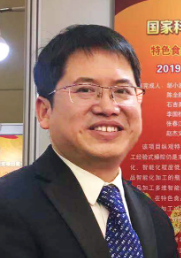 Xiaobo Zou (邹小波)合作论文数School of Food and Biolgical Engineering, Jiangsu University25Manal Mohamed Elhassan Taha合作论文数Institute of Bioscience, University Putra Malaysia15Maznah Ismail合作论文数14
 Muhammad Arslan合作论文数School of Food and Biological Engineering, Jiangsu University13
 Jiyong Shi (石吉勇)合作论文数School of Agricultural Engineering, Jiangsu University;State Kay Laboratory for Theory and Technology of Intelligent Agricultural Machinery Equipment, Jiangsu University12
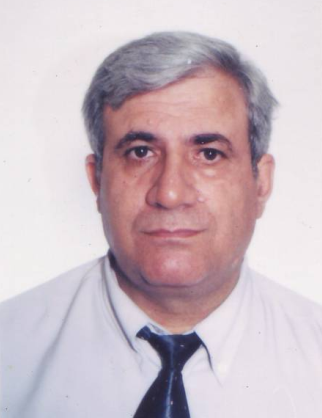 Mahmood Ameen Abdulla合作论文数Department of General Biology, Faculty of Science, Cihan University-Erbil11Suzy M Salama合作论文数9
 Syam Mohan合作论文数Institute of Bioscience, University Putra Malaysia8Ahmad Bustamam Abdul合作论文数8
 Mohamed Abd Elgadir Saeed合作论文数7K. Eichner合作论文数7sit foon cheng合作论文数7Li Zhihua合作论文数7
 Hammad Ali Fadlalmola合作论文数7
 Yousif Mohamed Ahmed Idris .合作论文数7
 Sulafa B.H. Hashim合作论文数6Mohammed Salaheldeen合作论文数6Xiaowei Huang合作论文数6Yousif Mohamed Ahmed Idris合作论文数6
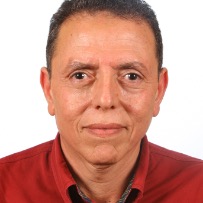 Hesham R. El-Seedi合作论文数School of Food and Biological Engineering, Jiangsu University;Department of Pharmacognosy, Uppsala Biomedical Center, Faculty of Pharmacy, Uppsala University6Samia Osman Yagoub合作论文数6
 Zhai Xiaodong合作论文数5Norsharina Ismail合作论文数Universiti Putra Malaysia Laboratory of Molecular Biomedicine, Institute of Bioscience 43400 UPM Serdang Selangor Malaysia5Mohamed Yousif Ibrahim合作论文数4Eshraga Mustafa Abdalrahman合作论文数4
 Newlove A Afoakwah合作论文数4
 Eyas Gaffar Abdelraheem Osman合作论文数Applied College, Shaqra University4
 Mohammed Abdelmalik合作论文数College of Applied Medical Sciences, Shaqra University4Mohammad Rezaul Islam Shishir合作论文数4
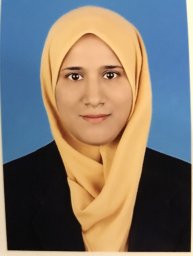 Ramlah mohamad ibrahim合作论文数Universiti Putra Malaysia Laboratory of Molecular Biomedicine, Institute of Bioscience 43400 UPM Serdang Selangor Malaysia4E. E. M. Ahmad合作论文数4
 Ahmed Mohamedain合作论文数3
 Ibrahim Abbakr Ibbrahim合作论文数3
 A. Mohamed合作论文数Universiti Teknologi MARA3
 Khamis, S.合作论文数3Faridah Qamaruz Zaman合作论文数3
 Abdelmageed Adil Hassan Ahmed合作论文数3
 Wen Zhang (张文)合作论文数College of Optoelectronic Engineering, Chongqing University3
 Adel S. Al-Zubairi合作论文数Department of Clinical Biochemistry, University of Sana’a3Sara Elkheir合作论文数3
 Jamilah Bakar合作论文数Faculty of Food Science and Technology, Universiti Putra Malaysia3
 Mohamed Kheireddine Aroua合作论文数School of Engineering and Technology, Sunway University3
 Lydia Quansah合作论文数Blaustein Institute for Desert Research, Ben Gurion University of the Negev3




