Despite the growing importance of the older population in the Arab region, initiatives to facilitate their Information and Communication Technologies (ICT) access and use have been relatively limited, both in research and in practice. This article aims to shed light on the ICT access and usage patterns of older adults and caregivers in Qatar, one of the countries in the Arab region. The study utilized a qualitative approach involving semi-structured interviews with 20 older Arab individuals and 20 Arab caregivers residing in Qatar. The findings indicate that smartphones and social media apps are the primary technologies accessed and used by the surveyed older population, highlighting the significance of these tools for communication and information sharing among this population group. Moreover, the study identifies various factors deepen the digital divide faced by many older individuals in Qatar, including technological aspects, societal influences, and personal biases. Notably, family dynamics and attitudes of older individuals and caregivers toward aging play a significant role in shaping their ICT access and usage. The study underscores the urgency of addressing ageism within this population and emphasizes the importance of efforts to counteract such biases. By recognizing the role of family support, addressing societal perceptions, and enhancing digital literacy tailored to the unique needs of older individuals, we can bridge the digital divide.
Engaging autistic children in collaborative activities offers unique opportunities, especially when creating tools that facilitate social interaction while accommodating their diverse needs. Through a three-phase co-design process involving both autistic and non-autistic children, the study explores engagement levels, sensory preferences, and communication dynamics during the development of a collaborative play prototype. Additionally, it explored how children played with the resulting co-designed prototype. The study involved nine autistic and four non-autistic children, aged 7-12, recruited from two locations in Qatar. The findings revealed that autistic children initially preferred solitary play, with low levels of engagement. However, as they progressed through the structured activities in the co-design phases, the autistic children gradually transitioned towards collaborative play. The study also demonstrated diverse sensory preferences among the children and highlighted the importance of non-verbal communication in facilitating collaboration. Overall, the study showcased the effectiveness of structured co-design activities in fostering social interaction among autistic children and emphasised the importance of adaptable design techniques to accommodate diverse sensory and communication needs.
Sign language avatar systems have emerged as a promising solution to bridge communication gaps where human sign language interpreters are unavailable. However, the design of these avatars often fails to account for the diversity in how users acquire and perceive sign language. This study presents a rapid review of 17 empirical studies (2020–2025) to synthesize how linguistic and cognitive variability affects sign language perception and how these findings can guide avatar development. We extracted and synthesized key constructs, participant profiles, and capture techniques relevant to avatar fidelity. This review finds that delayed exposure to sign language is consistently linked to persistent challenges in syntactic processing, classifier use, and avatar comprehension. In contrast, early-exposed signers demonstrate more robust parsing and greater tolerance of perceptual irregularities. Key perceptual features, such as smooth transitions between signs, expressive facial cues for grammatical clarity, and consistent spatial placement of referents, emerge as critical for intelligibility, particularly for late learners. These findings highlight the importance of participatory design and user-centered validation in advancing accessible, culturally responsive human–computer interaction through next-generation avatar systems.
This systematic literature review (SLR) explores the roles of Smart Learning Environments (SLEs) in fostering inclusive education for students with disabilities, with a focus on their applications, challenges, and best practices. Following the Preferred Reporting Items for Systematic Reviews and Meta-Analyses (PRISMA) methodology, this study conducts a rigorous analysis of peer-reviewed articles and conference proceedings from six academic databases. Our study identifies current applications and key technological advancements that enhance accessibility and learning outcomes for students with disabilities. By synthesizing current findings, it also addresses systemic barriers faced by learners with disabilities when engaging with SLEs. It also provides actionable insights for designing and implementing SLEs that promote equity, inclusivity, and empowerment in diverse educational contexts. From an initial pool of 2297 sources published between 2019 and 2024, a rigorous screening and eligibility process resulted in the selection of 43 studies. These studies provide valuable insights into how SLEs can address the diverse needs of students with disabilities while highlighting persistent barriers and areas for improvement. Our study demonstrates the transformative potential of SLE in redefining education for students with disabilities. While these advancements improve learning experiences, ongoing challenges restrict their potential. To bridge these gaps, universal design must be implemented, as well as strengthened regulatory frameworks and targeted professional development. Future research should focus on large-scale, longitudinal studies to examine the long-term impact of SLEs and make significant progress toward truly inclusive education.
This study explores the creation and observation of interactions between autistic and non-autistic children with a custom-designed, multi-sensory Bag-of-stuff during co-design sessions of a collaborative play toy. The Bag-of-stuff features a variety of sensory materials selected through the paired choice assessment technique to enhance the childrens involvement in the co-design process. Insights gleaned from observing these interactions offer a deeper understanding of how multi-sensory tools can promote participation and engagement among autistic and non-autistic children in the design process. Additionally, this paper suggests future directions for research, including investigating various sensory dimensions and refining choice presentation methods to optimize childrens engagement in the co-design process.
With global populations aging at an unprecedented pace, health and social care systems face mounting challenges in supporting older adults to live safely and independently. A wide range of assistive and digital technologies has emerged to enhance well-being, autonomy, and safety in later life. This systematic review explores the current landscape of such technologies, critically assessing their reported benefits, usability and implementation barriers. A structured search was conducted across six major databases for peer-reviewed studies published between January 2015 and May 2025. The review followed PRISMA 2020 guidelines, and methodological quality was assessed using the Mixed Methods Appraisal Tool (MMAT) (2018), augmented with technology-specific criteria. Of the 1838 records screened, 69 studies met the inclusion criteria. These studies evaluated interventions such as smart home systems, wearable health monitors, socially assistive robots and artificial intelligence (AI)-driven behaviour recognition tools. Reported outcomes included improved fall prevention, more rapid emergency response, increased engagement in daily activities and enhanced emotional well-being. Despite these promising results, many studies reported persistent challenges related to usability, affordability, data privacy and the mismatch between design and user needs. Only 17.4% of the studies included achieved high methodological quality. The findings highlight a need for more robust, user-centred research and the development of implementation models that account for the diversity of older adults' needs. This review provides actionable insights for researchers, clinicians and developers aiming to design effective, equitable, and scalable technological interventions in rehabilitation and aging.
BackgroundAs global populations age, healthcare and social systems face mounting pressure to provide effective support for older adults. Social robots have emerged as promising tools to enhance companionship, cognitive engagement, and daily assistance. However, fear of robots among older adults remains a critical barrier to adoption.ObjectiveThis scoping review examined how fear manifests in human-robot interaction (HRI), what factors contribute to these reactions, and how they influence technology acceptance.MethodsA systematic search of six major databases (PubMed, Scopus, IEEE Xplore, ACM Digital Library, PsycINFO, and Web of Science) identified studies published between January 2014 and March 2025. Following PRISMA-ScR guidelines, 49 studies were included, encompassing 6,670 older participants across 16 countries.ResultsThematic synthesis revealed seven main fear categories: privacy and autonomy concerns, trust and reliability issues, emotional and ethical discomfort, usability challenges, fear of dependence, unfamiliarity with technology, and the Uncanny Valley effect. Fear levels were shaped by robot design, cultural background, prior technology experience, and contextual factors such as care settings. Mitigation strategies, including co-design with older adults, gradual exposure, transparent system behavior, and emotionally congruent interaction, were associated with improved acceptance.ConclusionsThis review uniquely maps fear typologies to robot functions and intervention strategies, offering a framework to guide emotionally adaptive and culturally sensitive robot design. Addressing emotional barriers is essential for the ethical and effective integration of social robots into eldercare. Future research should prioritize longitudinal, cross-cultural studies and standardized fear measurement tools to advance evidence-based HRI implementation.
The 1st edition of Majlis Nafath presented a platform to discuss the recent research outcomes on assistive technology, sign language processing, and educational techniques for visually impaired students, which underscore the evolving intersection of technology and accessibility. The event reveals the potential of AI to revolutionize assistive solutions, enhancing independence and facilitating personalized learning experiences for individuals with disabilities. Challenges such as ethical dilemmas and the necessity for inclusive designs are acknowledged, emphasizing the need for a holistic approach to technological development. The presentation of a sign language project illustrates technology's role in promoting inclusivity and communication within the deaf community. Meanwhile, innovative strategies for teaching mathematics to visually impaired students highlight the importance of accessible educational tools. This collective insight stresses the importance of multidisciplinary collaboration to overcome obstacles and leverage technology for social inclusion, advocating for continuous innovation to ensure equal opportunities for all individuals with disabilities.
This paper introduces a co-design methodology aimed at the development of a multisensory tool to facilitate collaborative play among autistic children, a demographic traditionally underrepresented in the co-design process. Due to challenges in social and communication skills, autistic children may experience difficulties in engaging in collaborative play. Co-design is used to effectively incorporate the perspectives of all stakeholders, including researchers, developers, and end users when developing a new product. In this work, the co-design methodology was devised following an extensive contextual inquiry study involving interviews and observational sessions of 18 autistic children, based in a disability center and an inclusive school, in Qatar. The research method involves sequential and interconnected stages of logistics setup, familiarization, pair interaction, co-design, and testing, each laying the groundwork for the subsequent phase. Future endeavors should focus on validating and enhancing this co-design approach to ensure its efficacy and adaptability to varying contexts and user needs.
IntroductionIn educational settings, autistic children often encounter barriers to engaging in collaborative play. Notably, play is an important component of a child’s development, and its pedagogical significance has been rigorously researched. This study endeavored to understand the dynamics of collaborative play among autistic children across various learning contexts, examining usual methodologies, associated challenges, and potential technological constraints influencing the collaborative play among autistic children.MethodsThe study was conducted in two diverse environments, an inclusive international school and a center for children with disabilities, both located in Qatar, and both with a significant population of autistic children. The data was gathered through a series of 45 interviews with a diverse group of proxies, including therapists, teachers, and parents. Furthermore, 48 observation sessions were conducted with the autistic children in both settings. The data from the interviews and observation sessions were analyzed using inductive reasoning to perform a thematic analysis.ResultsThe study elicited six key themes from the interviews, coined as ‘5 W-H’, which encompassed the aspects of who (Actor), where (Location), what (Tool), why (Purpose), which (Sense), and how (Process) in terms of how collaborative play was conducted. From the observation sessions, another four themes were derived, which centered on collaborative play, potential for collaboration, coordinated activity, and collaborative activity.DiscussionThe findings of this study provide valuable insights into the practice of collaborative play among autistic children, serving as a useful resource to guide future research agenda and educational practices. Understanding these dynamics can aid in developing more effective educational strategies and technologies to enhance the collaborative learning experiences of autistic children.
This study examines the integration of artificial intelligence (AI) in education, focusing on motivating pre-service teachers to utilise AI technologies. The research assesses factors influencing their motivation for AI learning and personalisation in higher education. Over 14 weeks, 180 pre-service teachers participated in a qualitative case study with quantitative content analysis. Results indicate a positive attitude towards AI use among these future educators. The study concludes that AI-enhanced learning can significantly improve teacher-student interactions through personalised feedback, learning guidance and collaborative experiences across various platforms. Findings suggest AI has the potential to enhance personalised learning by tailoring content to individual student needs, preferences and learning styles. Educational policies should encourage a balanced approach to AI implementation, recognising its benefits whilst maintaining human interaction. Although AI may reduce face-to-face engagement, striking a balance where it supports rather than replaces human interaction can strengthen teacher-student relationships. By providing detailed insights into students’ progress and challenges, AI can help teachers offer more targeted support and encouragement.
IntroductionDigital accessibility involves designing digital systems and services to enable access for individuals, including those with disabilities, including visual, auditory, motor, or cognitive impairments. Artificial intelligence (AI) has the potential to enhance accessibility for people with disabilities and improve their overall quality of life.MethodsThis systematic review, covering academic articles from 2018 to 2023, focuses on AI applications for digital accessibility. Initially, 3,706 articles were screened from five scholarly databases—ACM Digital Library, IEEE Xplore, ScienceDirect, Scopus, and Springer.ResultsThe analysis narrowed down to 43 articles, presenting a classification framework based on applications, challenges, AI methodologies, and accessibility standards.DiscussionThis research emphasizes the predominant focus on AI-driven digital accessibility for visual impairments, revealing a critical gap in addressing speech and hearing impairments, autism spectrum disorder, neurological disorders, and motor impairments. This highlights the need for a more balanced research distribution to ensure equitable support for all communities with disabilities. The study also pointed out a lack of adherence to accessibility standards in existing systems, stressing the urgency for a fundamental shift in designing solutions for people with disabilities. Overall, this research underscores the vital role of accessible AI in preventing exclusion and discrimination, urging a comprehensive approach to digital accessibility to cater to diverse disability needs.
This paper presents a systematic literature review investigating collaborative play for autistic children. Autistic children are often faced with challenges related to social interaction, communication, and interest during play. This underscores the importance of exploring collaborative play as a potential intervention. Collaborative play, where children engage together towards shared goals, offers promising prospects for improving communication abilities in autistic children. To conduct this review, four search engines were utilized, resulting in the identification of 2,452 articles. Through a systematic selection process, the initial pool was narrowed down to 74 articles for further examination, eventually focusing on 14 papers. The findings indicate that various resources and strategies can facilitate collaborative play among autistic children. The review discussed the technologies employed and emphasized the need for regular engagement in collaborative play for autistic children, with the presence of a mediator – often parents or teachers – to support the different actions. The studies highlighted the inclusive environments, where autistic children play alongside their neurotypical peers, fostering social development can be of support. This review sheds light on the critical aspects of collaborative play that have not been adequately studied, providing valuable insights for researchers and practitioners.
Deaf and Hard of Hearing (DHH) individuals often encounter significant challenges in communication and accessing digital content, with Sign Language as their primary mode of communication. Traditional Sign Language interpretation services and existing accessibility measures may not always be readily available or effective. This study explores the acceptance of signing avatars, specifically the culturally adapted BuHamad avatar, among DHH individuals in Qatar. Semi-structured interviews with 40 DHH participants, representing 10% of the deaf population in Qatar, were conducted using the Technology Acceptance Model (TAM). Factors such as perceived usefulness, ease of use, attitude, and behavioral intention to use the BuHamad avatar were examined through descriptive statistics and thematic analysis of qualitative data. Findings reveal that while participants generally hold positive attitudes towards the signing avatar and its potential to enhance accessibility, they do not view it as a substitute for human interpreters. Key usability issues, including avatar movement and appearance, were identified. This study introduces the Technology Acceptance Model of Signing Avatars (TAMSA) and provides insights into factors influencing the acceptance of signing avatars in Qatar. These insights can guide developers and designers in creating more effective and user-friendly avatars for the DHH community in Qatar and the broader Gulf region.
 Dena Al-Thani合作论文数Queen Mary University of London18
 Mohamed Jemni合作论文数University of Tunis;Head of Research Laboratory LaTICE (www.latice.rnu.tn)15
 Oussama El Ghoul合作论文数University of Tunis15Khansa Chemnad合作论文数College of Science and Engineering, Hamad Bin Khalifa University8
 Mohamad Hassan Fadi Hijab合作论文数College of Science and Engineering, Hamad Bin Khalifa University8
 Joselia Neves合作论文数Departamento de Informática, Universidade do Minho Guimarães6
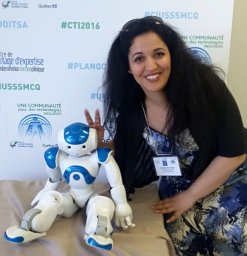 Hajer Chalghoumi合作论文数Canadian Ctr Divers & Inclus Consulting Inc, AGE WELL NCE5
 Marwa Qaraqe合作论文数5
 Mohamed Koutheair Khribi合作论文数Research Laboratory of Technologies of Information and Communication;UTIC Ecole Supérieure des Sciences et Techniques de Tunis;Av . Taha Hussein;Research Laboratory of Technologies of Information and Communication, UTIC Ecole Supérieure des Sciences et Techniques de Tunis4
 Amira Dhouib合作论文数4Aisha Al-Sinani合作论文数3Amnah Al Mutawaa合作论文数3Nahwan Al Aswadi合作论文数3Aljazi Nasser Al Jabor合作论文数3Maryam Aziz合作论文数3
 Suzanne Hammad合作论文数Northwestern Univ Qatar3
 Ahmed Tlili合作论文数Beijing Normal Univ, Smart Learning Inst, Beijing 100875, Peoples R China3
 Tawfik Al Hadhrami合作论文数3Zouhour Tmar合作论文数3Imen Lagha合作论文数2Shaza Khatab合作论文数2Amani Altamimi合作论文数2
 Asma Osman Hassan合作论文数2
 Ahmed Elsheikh合作论文数Mech Engn Dept, South Valley Univ2
 Zehra Altinay合作论文数2
 Ronghuai Huang (黄荣怀)合作论文数Faculty of Education, Beijing Normal University;Smart Learning Institute, Beijing Normal University2
 Fahriye Altinay合作论文数2
 Adel Taeib合作论文数1S. Hannachi合作论文数1F. Krout合作论文数1Sameh Adaily合作论文数1Adnan Cherif合作论文数1Saad Hamzaoui合作论文数1
 Faris Al-Naemi合作论文数1
 Ahmed El Hajjaji合作论文数1
 Mariem Mabrouki合作论文数1Amnah Mohammed Al-Mutawaa合作论文数1
 Touzri Mustapha合作论文数1Sammy Sedrati合作论文数1saber tlili合作论文数1
 Alanoud Alguzo合作论文数1
 Seifeddine Ben Warrad合作论文数1Mohamed Khalil Krichi合作论文数1
 Mahmoud Hamouda合作论文数1
 Jawad Ahmad合作论文数1
 Hamza Ayadi合作论文数1
 MELOUKI Mohamed合作论文数1
 Huanhuan Wang (王欢欢)合作论文数National Engineering Research Center of Cyberlearning and Intelligent Technology, Faculty of Education, Beijing Normal University1
 Mohamed Mastouri合作论文数Faculty of Science, University of Tunis El Manar1




