Fatigue has been strongly linked to posture comfort, and it has contributed to 15.7
Vibration at the pedal-pad may contribute to the discomfort of the foot plantar fascia during driving. In this study, the experiment is conducted using a "five-time repeatability" test of the same procedure and shall determine root-mean-square vibration magnitude and vibration transmissibility on Z-axis or vertical vibration magnitude for the three different sizes of pedal-pad on tarmac and paved surface. ISO 2631-1:1997 is used for frequency-weighting (Wk) in one-third octave step with a range of frequency 0.5 Hz to 80 Hz in vertical vibration. The analysis is divided into two; frequency-weighted acceleration and frequency-weighted root- mean-square acceleration on vibration magnitude; and vibration transmissibility. The result shows that small pedal-pads at a resonance frequency of 4 Hz and 10 Hz give high value on frequency-weighted acceleration compared to medium and large sized pedal-pads. The frequency-weighted RMS acceleration on the tarmac and paved road surfaces show that small pedal-pad also give high value compared to medium and large sized pedal-pads. The International Roughness Index shows that paved road surfaces affect frequency-weighted RMS acceleration differently, which is higher compared with tarmac. The vibration transmissibility result shows that the percentage pedal-pad effective amplitude transmissibility value on paved road surfaces is more than 100% compared with the tarmac road surface on three sizes of pedal- pads. A comparison of frequency-weighted RMS acceleration of pedal- pads and car bodies for three different sizes of the pedal-pad also show that the paved road surface contributes more vibration to pedal-pads compared with the tarmac road surface. It can, therefore, be concluded that the size of the pedal-pads and the type of road surface can influence foot-transmitted vibration.
One of the key considerations when sitting particularly for a long period of time, either in the office chair or car seat is comfort. Studies have revealed a high number of reports regarding discomfort and musculoskeletal disorders while sitting in a fixed position. The main objective of this study is to review past and present subjective assessment in published studies in the area of sitting discomfort and find the gap between each study to be applied in future studies. Fifty relevant studies were identified and chosen from electronic databases, dating as far back as 1969. "Seat", "chair", "sit", "comfort", "discomfort" and "assessment" were the keyword search terms for this paper. Past studies demonstrated numerous purposes and techniques of analysing sitting discomfort. They provide better understanding for both researchers and the industry to deal with sitting discomfort issues. Various assessment methods have also been applied in the previous studies. However, they are still areas found in past studies that need to be investigated. Therefore, it is proposed that another assessment is performed to analyse sitting discomfort, by exploring issues derived from this review.
The oil palm industry is one of the important sectors in Malaysia. The growth and development of this industry shows that Malaysia is the world second-largest oil palm producers. However, in the fresh fruit bunch (FFB) harvesting process, the harvesters are exposed to many types of work-related musculoskeletal disorders (WMSDs). The FFB harvesters tend to develop WMSDs especially the shoulders and trunk. Hence, it is important to identify the exposure levels, awkward postures and the reaction forces of muscle activity based on the posture and movement of the harvesters when using pole, chisel and loading spike during the harvesting process. The objective of this study was to investigate the effect of the design of oil palm FFB harvesting tools on WMSDs of the upper body. Rapid Upper Limb Analysis (RULA) was used to investigate and assess the exposure level on the harvester body during the harvesting process. The assessment showed that the shoulders and trunk have high exposure level and undergo awkward posture. Human Musculoskeletal Model Analysis (HMMA) was used to identify the reaction force exerted on the muscle during the FFB harvesting process. In this study, 4 muscles were analysed including Triceps, Biceps, Erector Spinae and Psoas Major. The highest reaction force of 16.36 N was found on the left triceps when handling a loading spike. In conclusion, it is important to address the risks by reviewing all possible aspects that contribute to the WMSDs and interventions on the tool design, task and working shifts may be required.
The occurrence of musculoskeletal diseases (MSDs) among oil palm harvesters has been studied extensively, but there is a lack of published studies on the evaluation of the range of harvesting movements. This information is important to design the ergonomic tools needed in the manual harvesting of oil palm. We examined the upper limb motion of oil palm harvesters to determine the effects of age and initial shoulder postures on their range of harvesting movements. Twenty male harvesters performed a manual push-pull-cutting technique (≥3 m fresh fruit branches (FFBs) height). The study was conducted by capturing the 1-D push-pull cutting technique harvesting movement via the Quintic system at the sagittal plane. The active range of harvesting movements during the harvesting phases and the range of the harvesting movement of the initial and maximum postures of their upper arms were calculated based on the kinematic data generated with the Quintic Biomechanics system (Version 29). Participants were divided into three groups based on their age, and two groups based on their initial support shoulder position, and dominant shoulder position. Data were analysed using the ANOVA and t-test. The joint movement angle pattern of the harvesters was classified into three phases: preparation, execution, and ending. The age-related variances for the initial and maximum support shoulder postures were determined. The range of harvesting movements and the active range of harvesting movements during the preparation phase at the support shoulder and wrist region were also observed. The initial support shoulder posture displayed a statistical variance in the maximum support and dominant range of harvesting movements of the shoulder. It was also linked to a reduced active range of harvesting movements for the support shoulder flexion and dominant wrist ulnar deviation at the preparation phase. Furthermore, the initial dominant shoulder exhibited a statistically significant difference for the dominant arm and a reduced active range of harvesting movements in the dominant wrist ulnar deviation at the preparation phase. This study produced important evidence about factors to be considered for the ergonomic design of harvesting tools and workplaces, especially within the oil palm industry.
Vehicle maintenance personnel maintain, install, dismantle and repair as well as use hand tools in the nature of their job. A study in this domain has its complexities as there are not many research regarding the vehicle maintenance industry. The purpose of this paper was to identify the factors and their relationships towards the development of musculoskeletal disorder (MSDs) among vehicle maintenance workers. Using a self-reported questionnaire, 150 participants from workshops in Malaysia were involved in this study. They consisted of 50 workers maintain cars, 50 workers maintain four-wheel vehicles, and 50 workers maintain buses. The exclusion criterion was the participant has not been involved in accidents that caused injuries such as bone fractures as well as tears in joints, ligaments, and muscles for the past 12 months. Statistical analysis was performed to assess the impact of risk factors on MSD prevalence. Through regression analysis, it was revealed that psychosocial, temperature, and posture factors were associated with symptoms of MSD prevalence with p < 0.05. Age, working hours, type of vehicle repair and body mass index also showed a significant relationship with MSD prevalence. Concerning the sources of risk, related factors, mechanism of injury, and potential intervention strategies to reduce the risk, this paper will focus on the causes, nature, severity, and degree of work-relatedness of MSDs. This identification of risk factors among vehicle maintenance workers can be used to better characterise the magnitude of the problem and formulate targeted prevention strategies with improved surveillance and more accurate data collection.
The palm oil industry is an advanced industry that benefits the country's economic stability. However, working in the oil palm plantations is very challenging and the farmworkers are exposed to many risks when doing day-to-day work. Most of the work on the farm is still using manual tools. There are farm management and workers who do not want to use machine tools due to reasons such as high cost, difficult to maintain, and burdensome. This study used an observation method in oil palm plantations and interviews with field managers to collect information. Verification of a pre-action plan is made before developing the final action plan. As such, the model was proposed as a step towards increasing the use of machinery in oil palm plantations to help ease the workload that the workers are carrying.
Kesedaran terhadap bunyi bising di tempat kerja sememangnya semakin meningkat. Di pengkalan No. 11 Skuadron serta bangunan bersebelahan dengannya, pesawat Sukhoi merupakan punca utama bunyi bising atau hingar yang memberi kesan kepada pekerja dan orang awam. Objektif kajian ini adalah untuk menentukan kadar bunyi yang dihasilkan oleh pesawat Sukhoi ketika operasi penyelenggaraan. Pesawat Sukhoi mempunyai dua enjin yang merupakan punca bunyi bising di lapangan ini. Kajian ini dijalankan dengan menggunakan alat pengukur bunyi mudah alih Bruel & Kjaer 2250 yang diletakkan di tengah-tengah pesawat di dalam hangar untuk mengukur bunyi pada jarak 10 meter, 50 meter, 100 meter, 500 meter, 1000 meter dan 1500 meter. Enjin pesawat tersebut beroperasi pada dua tahap, 72% RPM dan kemudiannya pada 85% RPM. Pada setiap jarak, golongan yang terdedah berbeza di mana orang awam hanya terlibat bermula dari jarak 1000 meter dan ke atas. Pekerja TUDM dan pekerja yang terlibat dengan penyelenggaraan pesawat tersebut terdedah dengan bunyi bermula dari jarak 0 meter lagi (yakni berada dibawah enjin pesawat). Data yang diperoleh dianalisa untuk menghasilkan peta hingar dan kontur hingar. Hasil daripada lakaran tersebut, tahap pendedahan hingar dapat dikenalpasti. Bunyi maksima yang telah direkodkan adalah 122 db(A) manakala yang terendah adalah 60 dB(A). Kadar bunyi yang direkodkan semakin rendah apabila jarak dari punca bunyi bertambah. Dari peta lakaran tersebut, kesan pendedahan terhadap kedua-dua pekerja dan orang awam dapat dikenalpasti. Walaupun pendedahan selama 5-10 minit sahaja setiap kali ia berlaku, tetapi ia tetap menjengkelkan (annoyance) dan untuk jangka masa panjang ia tetap dapat mengancam kesihatan mereka yang terlibat. Awareness of occupational noise and its effects is growing. At No. 11 squadron base, Sukhoi jet was identified as the main culprit of occupational noise that affects not just the employees of the base but also civilian people in the surrounding area. The objective of the study is to identify the noise level produced by Sukhoi two-engines jet during maintenance operations. Investigations were carried out using Bruel & Kjaer 2250 sound level meter hand-analyser. Measurements were performed directly under the Sukhoi jet body and then 10 metres, 50 metres, 100 metres, 1000 metres and 1500 metres away. The jet engines could operate at two levels, at 72% RPM and at 85% RPM. The civilians are only exposed to its noise from more than 1000 metres away. The results from this study are analysed and noise mapping and noise contouring are produced which give the level of noise exposure. The maximum noise is recorded t 122dB(A) and the minimum is at 60dB(A). The farther the noise from the jet is measured, the lower the values recorded. From the noise mapping, the effects of noise exposures on both the employees at the base and the civilian at the neighbouring surrounding could be identified. Even though the exposures are only for 5-10 minutes, it is still considered as a threat.
Industri kelapa sawit merupakan sebuah industri yang maju dan memberi manfaat kepada kestabilan ekonomi negara Malaysia. Namun begitu, kerjakerja di ladang kepala sawit adalah sangat mencabar dan para pekerja ladang terdedah kepada banyak risiko semasa menjalankan kerja-kerja harian di ladang. Kebanyakan kerja-kerja di ladang masih lagi menggunakan alatan manual. Terdapat pengurusan ladang dan pekerja yang tidak mahu menggunakan alatan mesin jentera kerana beberapa alasan seperti kos yang tinggi, sukar diselenggara dan membebankan. Kajian ini menggunakan kaedah pemerhatian di ladang kelapa sawit dan temuramah bersama pengurus ladang bagi mengumpul maklumat. Penentusahan terhadap pelan pra-tindakan dilakukan sebelum membangunkan pelan tindakan akhir. Justeru itu, model ini dicadangkan sebagai langkah untuk meningkatkan lagi penggunaan jentera mesin di ladang kelapa sawit bagi membantu meringkan beban kerja yang ditanggung oleh pekerja.
Long working hours with video display unit without appropriate breaks could drain the eyes. This study intends to investigate the efficiency of eye rest-break application to reduce dried eye symptoms by increasing blink rates. Blink rates and dried eye symptoms score among laboratory workers before and after the implementation of eye rest-break application were compared. The numbers of blink rates were recorded using a webcam for 5 minutes without the subjects aware when the recording starts or ends. Then, the Ocular Surface Disease Index (OSDI) was used to measure the dried eye symptoms. For eyes rest-break, EyeLeo© application was used. It is computer application that gives reminders to video display unit (VDU) users to take short breaks for their eyes. Six laboratory workers who are constantly working with VDU were selected as subjects. Data was analysed using Wilcoxon Signed-Rank Test, to test the comparison between variables before and after intervention by reporting its median (inter quartile range, IQR). The findings showed that the median after intervention (39.5, 10) is significantly higher (p-value = 0.028) than the median before intervention (7.3, 3). As for dried eye symptoms, median for Ocular Surface Disease Index after intervention (27.9, 8.9) is significantly lower (p-value = 0.027) than the median before intervention (36.5, 9.4). As a conclusion, application such as EyeLeo© eye rest-break is a potential intervention and may be used to increase blink rates and reducing dried eye symptoms among visual display unit workers.
In the supply chain (SC), cost reduction always becomes the main aspect for the success of the competitive market. Minimizing costs in SC can be obtained through various methods. One of the methods is to coordinate decisions among members in SC. In the recent competitive, cost reduction is not only the main objective but also carbon emission reduction has become serious problems in SC. To achieve that, coordination in SC should cover both performances to achieve green SC. Therefore, this paper proposes a framework for developing a green coordinated decision model (GCDM) under costs and carbon emissions consideration. The model considers the decision-making process for solving inventory replenishment problem in SC to solve the economic and environmental problem. The developed framework is based on reviewing the past literature on the SC decision model. There are four major steps of the proposed framework: 1) defining actors and operations involved in supply chain, 2) defining parameters, variables, and performance of the model, 3) defining the modeling process, and 4) verification and validation of the model. This framework contributes to the knowledge where the modeler can provide an insight in generating an accurate decision model and its solution to improve the environmental performance.  Â
Measuring discomfort towardthe car seat is important as the act of driving requires a driver to remain at the car seat while controlling the car. The seat condition, including sitting position as well as the driver’s posture can lead to discomfort and fatigue. The objective of this study is to investigate a driver’s pressure distribution in static and dynamic circumstances for two types of cars; the sedan and compact car. This study involved both subjective and objective evaluations of 12 respondents. For the subjective evaluation, the Visual Analog Scales (VAS) were used to obtain respondents' perception of discomfort. For the objective evaluation, pressure distribution readings of the seat interface were obtained using piezo capacitive sensors. The findings showed that the highest pressure was recorded for the compact car. Furthermore, the static circumstance showed greater pressure compared to the dynamic state. Subjective evaluation indicated that the right buttocks and the lower back (lumbar)experience the highest discomfort for both types of seats.The type of seat found to contribute to the value of different pressure. Thus, it can be concluded that appropriate seat selection can reduce pressure as well as discomfort.
Road transport is the movement of passengers or goods on the road. To date, issues concerning the safety of students and school institutions have continued to attract public attention. The recent spate of incidents insideandoutside the school compound has brought the issue ofchildren safetyinto our attention. These include the escalating number of road casualties. This study was conducted to observe roadhazard outside the school compound and analyse the safety risksfaced by school childrenby using the risk matrix. The risks arecalculated to includelikelihood and severity of hazard as identified in theGuideline of HIRARC 2008. The area selected was the East Coaststateof Peninsular Malaysia, withover 111 schools randomly selected in Kelantan. Re sults werethen analysed and six highlighted hazards were discussed. The results show that the main road posed the highest risk due to speeding vehicles. These vehicles failed to slow down when approaching the school area. The school administration must enhance the safety ofthe staff, students, and public while in the school area. In conclusion, road safety awareness must be instilled among teachers, students, parents and road users alike.
Prolonged sitting is one of the factors for back discomfort. Sitting in the same position for long periods of time is worse. This experimental based study was conducted to achieve three objectives. There were to 1) identify whether is there any differences between perceived body discomfort among respondents before and after upright sitting, 2) identify whether is there any differences between perceived body discomfort among respondents before and after slump sitting and 3) compare the level of perceived body discomfort among respondents after two sitting postures. Thirty young and healthy adults were recruited as study respondents. Each respondent was asked to sit in a posture either upright or slump for 30 minutes. Respondents were then rated their body discomfort using Borg CR-10 scale before and after sitting. Another sitting posture was carried out after one day interval. There is a significant difference between perceived body discomfort among respondents before and after upright and slump sitting. Body discomfort of upright sitting was shown significantly greater than slump sitting. Although, slump sitting caused less discomfort than upright, but it proven by previous studies did not provide benefit to occupational safety and health practice in preventing occupational health related disease.
 Mohd Nizam Bin Ab Rahman合作论文数Jabatan Kejuruteraan Mekanikal & Pembuatan, Universiti Kebangsaan Malaysia64
 Ahmad Rasdan Ismail合作论文数Faculty of Engineering, National University of Malaysia54
 Dian Darina Indah Daruis合作论文数Fac. of Eng., Univ. Pertahanan Nasional Malaysia (NDUM),;c;Fac. of Eng., Univ. Pertahanan Nasional Malaysia (NDUM),34
 N.K. Khamis合作论文数31
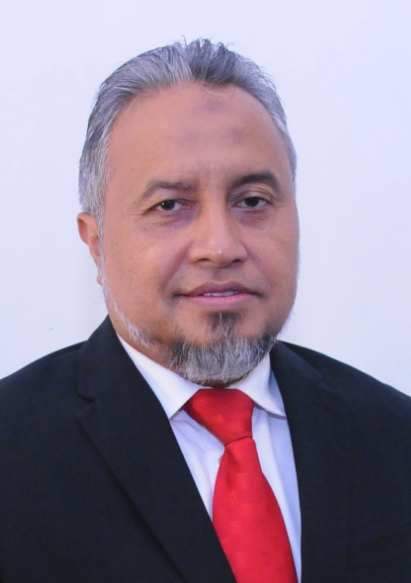 Che Hassan Bin Che Haron合作论文数Department of Mechanical and Manufacturing Engineering, Faculty of Engineering and Built Environment, Universiti Kebangsaan Malaysia24
 Ezrin Hani Sukadarin合作论文数Faculty of Industrial Sciences and Technology, University Malaysia Pahang19
 Nur Syazwani Mohd Nawi合作论文数Univ Kebangsaan Malaysia14
 Chairul Saleh合作论文数Jurnal Teknologi;Universiti Teknologi Malaysia;Jurnal Teknologi, Universiti Teknologi Malaysia14
 Wan Hasrulnizzam Wan Mahmood合作论文数Faculty of Manufacturing Engineering;Universiti Teknikal Malaysia Melaka;Faculty of Manufacturing Engineering, Universiti Teknikal Malaysia Melaka14
 Nordin Norani合作论文数13
 Darliana Mohamad合作论文数13
 Mohd Zaki Nuawi合作论文数Faculty of Engineering, National University of Malaysia13
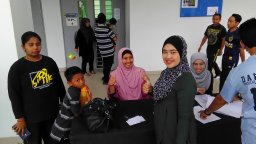 Noor Hidayah Abu合作论文数11
 Dzuraidah Abd Wahab合作论文数Faculty of Engineering and Built Environment, Universiti Kebangsaan Malaysia10
 Abdul Yusoff合作论文数9
 Azahari Salleh合作论文数8
 Azmin Sham Rambely合作论文数Faculty of Science & Technology, Universiti Kebangsaan Malaysia8
 Shamsul Bahri Mohd Tamrin合作论文数Graduate School of Medicine, Mie University8
 Sha'ri Mohd Yusof合作论文数6M. N. Ab Rahman合作论文数6dzuraidah abdul wahab合作论文数6nik zainuddin nik ismail合作论文数6
 Nizaroyani Saibani合作论文数Dept Mech & Mfg Engn, Univ Kebangsaan Malaysia6
 Nor Kamilah Makhtar合作论文数Teacher Education Institute Kota Bharu Campus6
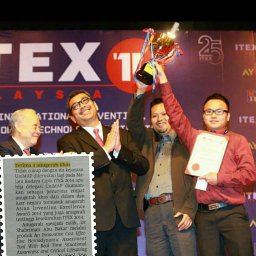 Shahriman Abu bakar合作论文数6Rahim Jamian合作论文数6haris jamaluddin合作论文数5
 Zulhaidi Mohd Jawi合作论文数Malaysian Institute of Road Safety Research (MIROS), Kajang, Selangor Darul, Ehsan5
 Abd Rahman Mohd Nasrull合作论文数Department of Manufacturing &Industrial Engineering, Faculty of Mechanical Engineering &UTHM, Universiti Tun Hussein Onn Malaysia;Faculty of Mechanical Engineering & Manufacturing, Universiti Tun Hussein Onn Malaysia5Joseph Leonard合作论文数5
 Norhamidi Muhamad合作论文数Precision Process Research Group;Dept . of Mechanical and Materials Engineering;Faculty of Engineering;National University of Malaysia;Faculty of Engineering, National University of Malaysia5
 Mohd Hanifiah Mohd Haniff合作论文数5A. N. M. Rose合作论文数4Norashikin Rahman合作论文数4
 Roslizawati Nawawi合作论文数College, Lincoln University4
 J. Zakaria合作论文数Dept Chem Engn, Univ Malaya4
 Mohd Hafzi Md Isa合作论文数4
 Mohd Fais Mansor合作论文数4
 Mohd Zuhdi Ibrahim合作论文数4
 Raden Achmad Chairdino Leuveano合作论文数4
 Jailani Mohd Nor合作论文数4Mat Rebi Abdul Rani合作论文数4
 Dieter Schramm合作论文数Leiter des Lehrstuhls für Mechatronik Fakultät für Ingenieurwissenschaften, Universität Duisburg-Essen4Faizul Rizal Ismail合作论文数3Nurul Husna Che Hassan合作论文数3Mohd Yusri Mohd Yusof合作论文数3Noor Adilah Hamzah合作论文数3Shukriah Abdullah合作论文数3
 Huda muhamad badri合作论文数3




