A topical skin pigmentation-balancing (SPB) kit containing kojic acid and glycolic acid has previously been evaluated in individuals with Fitzpatrick skin phototypes II–III. This case series aimed to assess the efficacy and safety of the SPB kit in women of Asian origin with melasma and Fitzpatrick skin phototype IV. Ten patients were treated individually over a period ranging from 2 to 24 months. Clinical assessments were performed at baseline and at the final visit using a melanin index (MI) derived from a melanometer and the modified Melasma Area and Severity Index (mMASI). Additional evaluations included dermoscopic assessment, QuantifiCare medical imaging system analysis, and Physician’s Global Assessment scores to further explore their utility in skin pigmentation studies. Mean melanin index and mMASI scores decreased in all patients, with consistent improvement observed across all secondary outcome measures. Patients reported satisfaction with the treatment, and no treatment-related adverse events were observed. This is the first case series evaluating the SPB kit in patients with Fitzpatrick skin phototype IV, demonstrating its efficacy and tolerability.
Occupational eyelid dermatitis (ED) is a much-neglected issue in public health, with important ramifications for patients' quality of life, employment and facial aesthetics. Patients with occupational ED are often younger, male and with an atopic background compared with those with non-occupational ED. Common contact allergens include rubber additives, acrylates, isothiazolinones, fragrances, epoxy resins, potassium dichromate, colophonium, metals and topical medications. Contact allergens and irritants may cause occupational ED by direct or indirect exposure, for example, through transfer by hands, airborne exposure or connubial contact. At-risk occupations include healthcare workers, hairdressers, industrial workers, electricians, cleaning staff, gardeners and florists as well as artists and craftsmen. The diagnostic work-up should include medical and employment history and exposure analysis in addition to clinical manifestations according to Mathias' diagnostic criteria. Patch testing with standardized series as well as consideration of semi-open or use tests with the patient's own work-related materials are essential. The differential diagnosis requires a multidisciplinary approach to exclude ED of other aetiologies. Occupational ED is an important issue in public health meriting better reporting, medical surveillance and public health policies to ensure the safety and well-being of the employees.
As we conclude this Special Issue of Cosmetics, we reflect on a remarkable journey through the current landscape of cosmetic science [...]
It is with great pride and pleasure that we present this Special Issue, “Current and Future Trends in Cosmetics Research: The 10th Anniversary of Cosmetics”, marking a significant milestone–a decade of Cosmetics serving as a vibrant platform for disseminating cutting-edge research in cosmetic science [...]
BACKGROUND:Eyelid dermatitis (ED) is an interdisciplinary medical challenge affecting thousands of patients worldwide. ED management can be difficult in view of the numerous differential diagnoses and limited treatment options. We review the diagnostic work-up for ED patients, with a special focus on the latest innovative solutions. OBSERVATIONS:The diagnostic work-up of ED should include medical history, exposure analysis (direct contact, transfer by hands, airborne exposure, rarely ingestion) ocular complaints, clinical severity scores for eyelid manifestations, and consider general and specialized scoring systems. Patch testing and Schirmer test modifications can be used to delineate the underlying aetiology and to narrow the ED differential diagnosis. Metal release assays (nickel spot test, cobalt spot test) as well as gold jewelry avoidance can inform on clinically relevant metal allergy in selected cases. Repeated open application tests with cosmetic products can be used on the retroauricular skin. Transepidermal water loss (TEWL) measurements should be adapted for the eyelids. Further research on eyelid microbiome and transcriptomic biomarkers in the tear fluid and/or eyelid keratinocytes is required. Atopy patch testing with house dust mites (HDMs) can be helpful in selected cases but needs further standardization. Machine learning algorithms may aid image analysis for automated patch test readings and may leverage transcriptomic data for diagnostic classifications, particularly in ambiguous cases, and treatment monitoring in ED. CONCLUSIONS AND RELEVANCE:ED diagnosis can be challenging and may require the collaboration of ophthalmologists, dermatologists, allergists, and rheumatologists. Diagnostic innovations exist but their value in the diagnostic work-up is currently unclear.
The bidirectional communication between the skin and brain has emerged as a promising scientific paradigm in dermatology and cosmetic medicine. Neurocosmetics, a frontier at the intersection of neuroscience, dermatology, and psychodermatology, aims to target this skin-brain axis to enhance not only skin health but also emotional well being. This commentary explores the underlying neurocutaneous and neuroimmune mechanisms, the emerging role of the skin microbiome in emotion-linked skin responses, and how artificial intelligence technologies can help personalize these strategies. The convergence of neuroscience and dermatology may pave the way for a new generation of evidence-based skincare with psychophysiological impact, a transformative concept in clinical and cosmetic practice.
The journal Cosmetics is a platform dedicated to the science and technology of cosmetics [...]
Environmental pollution and climate change have emerged as significant threats to skin health. As the body’s largest and most exposed organ, the skin encounters a multitude of environmental aggressors, including particulate matter, nitrogen dioxide, ozone, volatile organic compounds, high-energy visible light, ultraviolet A and B radiation, and dioxins. These nonionizing electromagnetic wavebands and pollutants contribute to oxidative stress, inflammatory responses, epigenetic modifications, and microbiome disruption, leading to premature chrono and photoaging, pigmentation disorders, and an increased prevalence of inflammatory skin diseases. Despite growing recognition of these risks, gaps remain in our understanding of the long-term cumulative effects, individual genetic susceptibility, and targeted protective interventions. This review examines the molecular mechanisms underlying pollution-induced skin damage, explores emerging protective strategies, and discusses future research directions. Advances in nanotechnology-based antioxidants, AI-driven dermatology, microbiome-restorative treatments, and personalized skincare provide promising avenues for mitigating environmental damage. Legislative frameworks and public health measures remain critical for ensuring proper skin protection. This comprehensive review synthesizes key findings, highlights gaps in research, and identifies potential innovations for future dermatologic advancements.
In dry skin (DS), skin-barrier function is easily disturbed and moisturizing factors in the stratum corneum are reduced. Despite being a common condition, DS is often overlooked in patients with advanced age or comorbid diseases. In September 2022, specialists in dermatology and skin care met to discuss unmet needs and management of patients with DS with existing medical conditions or DS induced by ongoing pharmacological treatments. There was consensus about the need to improve the current understanding and management of DS in patients with comorbidities, including type 2 diabetes, chronic kidney disease, radiodermatitis, and photodamaged skin. Clinical guidance related to optimal treatment of DS in patients with advanced age or comorbid diseases is needed. Dexpanthenol-containing emollients have been shown to provide rapid relief from the symptoms and clinical signs of skin inflammation and are well-tolerated and effective in terms of moisturizing and soothing DS and maintaining skin-barrier function. Thus, dexpanthenol-containing emollients may play an important role in future management of DS. Further research is needed to elucidate the efficacy of dexpanthenol across the spectrum of DS, irrespective of comorbidity status or age.
ImportanceInconsistent reporting of outcomes in clinical trials of rosacea is impeding and likely preventing accurate data pooling and meta-analyses. There is a need for standardization of outcomes assessed during intervention trials of rosacea.ObjectiveTo develop a rosacea core outcome set (COS) based on key domains that are globally relevant and applicable to all demographic groups to be used as a minimum list of outcomes for reporting by rosacea clinical trials, and when appropriate, in clinical practice.Evidence ReviewA systematic literature review of rosacea clinical trials was conducted. Discrete outcomes were extracted and augmented through discussions and focus groups with key stakeholders. The initial list of 192 outcomes was refined to identify 50 unique outcomes that were rated through the Delphi process Round 1 by 88 panelists (63 physicians from 17 countries and 25 patients with rosacea in the US) on 9-point Likert scale. Based on feedback, an additional 11 outcomes were added in Round 2. Outcomes deemed to be critical for inclusion (rated 7-9 by ≥70% of both groups) were discussed in consensus meetings. The outcomes deemed to be most important for inclusion by at least 85% of the participants were incorporated into the final core domain set.FindingsThe Delphi process and consensus-building meetings identified a final core set of 8 domains for rosacea clinical trials: ocular signs and symptoms; skin signs of disease; skin symptoms; overall severity; patient satisfaction; quality of life; degree of improvement; and presence and severity of treatment-related adverse events. Recommendations were also made for application in the clinical setting.Conclusions and RelevanceThis core domain set for rosacea research is now available; its adoption by researchers may improve the usefulness of future trials of rosacea therapies by enabling meta-analyses and other comparisons across studies. This core domain set may also be useful in clinical practice.
Regenerative medicine has revolutionized the field of biological sciences, pharmacology and healthcare, bringing a new approach to treatments of various health conditions. Dermatology and aesthetic medicine are interested in these new scientific approaches as well. From this point of view, many areas of skin health and cosmetology may be involved, but several questions should be answered before these procedures become routine in offices and hospitals. Indeed scientific, ethical, and financial issues still have to be addressed in detail. Nevertheless, ongoing research and technological advancements are expected to further improve therapies. The integration of artificial intelligence and machine learning could enhance the precision of regenerative treatments, making them more effective and accessible in forthcoming years.
Introduction: Rosacea is a chronic inflammatory skin condition associated with erythema, inflammation, and skin sensitivity.
INTRODUCTION:Rosacea is a chronic inflammatory skin condition associated with erythema, inflammation and skin sensitivity. OBJECTIVES:To assess the benefit of a dermocosmetic cream (DC cream) containing Sphingobioma xenophaga extract and soothing agent in adult females with rosacea-associated erythema and sensitive skin. MATERIALS AND METHODS:During phase 1, DC was applied twice daily on the randomized half-face and compared to usual-skincare (USC) for 28 days. During phase 2, DC was applied on the full face twice daily for 56 days. Clinical, instrumental and skin sensitivity assessments were performed at all visits; demodex density (standardized skin surface biopsy (SSSB) method) was performed at baseline and D28, quality of life (QoL) was assessed using the stigmatization questionnaire (SQ), Rosacea Quality of Life index (ROSAQoL) and Dermatology Life Quality Index (DLQI) at baseline and D84. RESULTS:At D28, a significant benefit of DC over USC was observed for erythema, tightness, burning and stinging (all p ≤ 0.05), erythema measured by chromameter (p < 0.01), corneometry and transepidermal water loss (p < 0.0001 and p < 0.05, respectively), skin sensitivity (p < 0.001) and significant reduction of mean demodex density (p < 0.05) on the DC side. At D84, DC significantly (all p < 0.05) improved clinical signs and symptoms on both sides of the face compared to baseline; SQ, ROSAQoL and DLQI scores improved by 40.4%, 25.0% and 55.7%, respectively compared to baseline. Tolerance was excellent. CONCLUSION:DC significantly improved erythema, skin sensitivity, demodex count, QoL and feeling of stigmatization of subjects with rosacea and is very well tolerated.
Auricular keloids pose significant aesthetic and functional challenges, and traditional treatments often fall short in addressing these issues. Our study presents an innovative combined approach of ablative CO2 and dye laser therapy for improved keloid management. This treatment protocol was applied to 15 patients with auricular keloids after an initial multispectral analysis to assess keloid composition. The laser sequence was tailored per patient based on this analysis. Evaluations using the Vancouver Scar Scale and Patient and Observer Scar Assessment Scale were carried out at baseline and at 3-week intervals post-treatment. The results showed a significant reduction in these scores at the final follow-up (p < 0.05), suggesting improvements in keloid color, texture, and pliability, with minimal adverse events. Additionally, no recurrence of keloids was observed. Our findings indicate that this novel methodology of multispectral analysis followed by tailored laser therapy may offer a safe and effective solution for auricular keloids, promising enhanced keloid treatment and prevention of recurrence. However, further investigations, including randomized controlled trials, are needed to confirm and optimize this treatment protocol.
 Marco Ardigò合作论文数San Gallicano Dermatological Institute IRCCS32
 Howard Maibach合作论文数School of Medicine, University of California, San Francisco31HOWARD I. MAIBACH合作论文数29G Rabbiosi合作论文数28G Borroni合作论文数27
 Norma Cameli合作论文数26Fluhr Joachim W合作论文数21Miranda A. Farage合作论文数17F Ayala合作论文数15GP VIGNOLI合作论文数14F Distante合作论文数14
 Giampiero Girolomoni合作论文数Dermatology and Venereology Section, Department of Medicine, University of Verona;Azienda Ospedaliera Universitaria Integrata14G. A. Vena合作论文数14
 Valeria Brazzelli合作论文数IRCCS Policlinico S. Matteo, University of Pavia13Gianfranco Altomare合作论文数12Piérard Gérald E合作论文数12
 Maria Mariano合作论文数11P Gabba合作论文数10
 Piergiacomo Calzavara Pinton合作论文数Department of Dermatology, Università degli Studi di Brescia10Andrea Peserico合作论文数10
 Sergio Chimenti合作论文数Dipartimento di Scienze Cliniche e Medicina Traslazionale, University of Rome Tor Vergata;Department of Dermatology, University of Rome Tor Vergata9Patrizia Martini合作论文数8C Rona合作论文数8
 Peter Elsner合作论文数Rechtsanwaltskanzlei Elsner Dröge8Carlo Cota合作论文数8Kenneth W. Miller合作论文数8M Bellosta合作论文数7Antonio Puglisi Guerra合作论文数7Adriana Bonfigli合作论文数7S. Chimenti合作论文数7
 Philippe J. Masson合作论文数Dept Mech Engn, Univ Houston7G Primavera合作论文数6Delphine Kerob合作论文数6Giovanna D'Agosto合作论文数Clin Pathol & Microbiol Unit, IRCCS San Gallicano Inst6Valentina Bordignon合作论文数6
 Brigitte Dréno合作论文数Dermato-Cancérologie, CHU de Nantes;Nantes Université6
 Giuseppe Micali合作论文数6Elisabetta Trento合作论文数6Luca Stingeni合作论文数6Antonio Cristaudo合作论文数6Claudia Rona合作论文数6Fernanda Distante合作论文数6V Zuang合作论文数5S. Lazzerini合作论文数5M Agozzino合作论文数5Piérard-Franchimont Claudine合作论文数5Barbara Polistena合作论文数5
 Federico Spandonaro合作论文数5
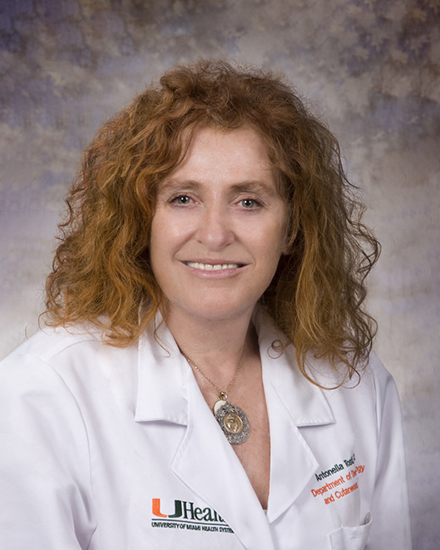 Antonella Tosti合作论文数Dr. Phillip Frost Department of Dermatology and Cutaneous Surgery, Miller School of Medicine, University of Miami5




