This study investigates the presence, concentration, and spatial distribution of Technology-Critical Elements (TCEs) in the Trepça Mine, focusing on ore body horizons VIII-XI. During research in the relevant archives (Trepça, ICMM, GSK), it was noted that no statistical, geostatistical or spatial studies have been conducted in the Trepça Mine for Technology- Critical Elements. Mineralizations in Trepça mainly occur as vein structures known as ore bodies. In this study, all existing ore bodies from horizons VIII-XI, were sampled. Representative samples were collected from each active ore body and analysed using Inductively Coupled Plasma Mass Spectrometry (ICP-MS) to quantify elements including Bi, Co, Ge, V, W, Li, Ga, In, Te, and Nb. Statistical and geostatistical analyses were performed using Microsoft Excel, R Studio, and Golden Software Surfer to assess variability, correlations, and spatial trends. The highest concentrations were observed for Bi (avg. 98.81 ppm; max. 610.4 ppm), W (avg. 28.68 ppm), and Co (avg. 28.47 ppm), with significant variability across horizons. Correlation analyses revealed strong positive relationships between several elements, such as W–V (r = 0.70), W–Ge (r = 0.65), and Bi–W (r = 0.60), suggesting possible common geological origins. These findings highlight the potential for the sustainable recovery of strategic elements from Trepça’s polymetallic ore zones and underscore the mine’s relevance, not only for traditional metals, but also for critical raw materials essential to low-carbon and high-tech industries.
Modern interpretations of the geological evolution of the Balkan terranes frequently correlate the Pelagonian unit with the Drina-Ivanjica and East Bosnian-Durmitor units, considering them as the fragments of the Adriatic plate margin. The Pelagonian massif is approximately 420 km long and about 60 km wide, extending in a NNW-SSE direction, representing a part of the central Hellenides. It is located between the Vardar zone and the Dinaride (West Vardar) ophiolite belts, across the territories of North Macedonia and Greece (Florina terrane).Here, we document Lower Cretaceous magmatic zircon crystallization ages in this sector of the basement (Boev et al., 2024). In the investigated localities, the pegmatites are structurally and genetically linked to distinct plutonic suites: syenites in the village of Alinci and two-mica granitoids in the village of Čanište. Geochemical and U-Pb geochronological results reveal that this magmatic episode is split into two highly distinct temporal and compositional groups. The Čanište occurrences yield an older, syn-collisional S-type signature at ca. 130 Ma. Conversely, the Alinci pegmatites yield a significantly younger age of ca. 105 Ma, characterized by an alkaline A-type chemistry marked by the presence of alkaline amphibole (arfvedsonite).These geochronological data have potential to provide critical regional geodynamic constraints. Within the adjacent Rhodopian section of the Balkans, active subduction-related magmatism and high-pressure metamorphism peaked during the Middle Jurassic to earliest Cretaceous between ca. 150–130 Ma, recording the early amalgamation of internal terranes (Kounov & Gerdjikov, 2024). Our new data may indicate that the eastern Pelagonides followed a distinct, diachronous continuation of this mobile boundary along the European margin, rather than remaining a passive domain across a wide, open Vardar Ocean at 120 Ma as depicted by widely accepted paleogeographic models (Gallhofer et al., 2015, van Hinsbergen et al., 2020). The ca. 130 Ma to 105 Ma magmatic pairing broadly fits into this active margin migration tectonics: the ca. 130 Ma S-type melting aligns with the onset of external Pelagonian collisional anatexis between ca. 130–110 Ma, reported also in the Greek Pelagonian zone at 117 ± 8 Ma (Schenker et al., 2014). The younger, ca. 105 Ma post-collisional A-type signature records subsequent crustal thinning and extension, being a late-stage event completely absent within the older Rhodopian structural architecture.Boev, I., Ivanova, T. & Lepitkova, S. (2024). Geologica Macedonica 38, 97-103.Gallhofer, D., Quadt, A. v., Peytcheva, I., Schmid, S. M. & Heinrich, C. A. (2015). Tectonics 34, 1813-1836.Kounov, A. & Gerdjikov, I. (2024). Geologica Balcanica 53, 29-85.Schenker, F. L., Burg, J.-P., Kostopoulos, D., Moulas, E., Larionov, A. & von Quadt, A. (2014). Tectonics 33, 1552-1576.van Hinsbergen, D. J. J., Torsvik, T. H., Schmid, S. M., Maţenco, L. C., Maffione, M., Vissers, R. L. M., Gürer, D. & Spakman, W. (2020). Gondwana Research 81, 79-229.
Single-crystal sanidine 40Ar/39Ar dating revealed at least six new explosive eruption events during the 4.0-3.5 Ma and 3.0-2.5 Ma periods in the eruptive history of the Kozuf-Voras volcanic system located in the central parts of Southeastern Europe. The precise ages helped to redefine the timing and eruptive style of the volcanic system, as the 4.0-2.5 Ma period was previously considered as mainly quiescent, with dominantly lava dome building activity recognized so far. The pyroclastic layers (mainly massive tuff-lapilli tuff and massive lithic breccia) are deposited from phreatomagmatic and subplinian eruptions, and block-and-ash flows in the volcano-sedimentary Mariovo basin, west of the volcanic system. The newly recognized pyroclastic layers could serve as regional marker layers, as neither their ages nor their geochemical and isotopic (bulk and glass) compositions overlap with those previously studied tephra layers, either from the Kozuf-Voras volcanic system or from other volcanic sources (e.g., Aegean arc). Differences in the geochemical and isotopic data imply sequential evacuation of closely emplaced, discrete, melt-dominant bodies during the older period. In contrast, the younger sequence might represent a compositionally zoned single melt body. The latter also represents an explosive-to-effusive transition as the top layer is a block-and-ash flow unit resulting from a dome collapse.
Purpose. To evaluate the spatial distribution and mineralogical variability of naturally occurring asbestos (NOA) in the Bajgora region and assess its environmental significance in relation to geological conditions and current land-use patterns, to identify asbestos-bearing zones and provide a spatial basis for environmental hazard assessment. Methods. A combined mineralogical, statistical, and geospatial approach was applied. Twenty representative rock samples were collected across the study area and analyzed using X-ray powder diffraction (XRD) and scanning electron microscopy coupled with energy-dispersive X-ray spectroscopy (SEM-EDX) to identify and quantify asbestos-related mineral phases. Descriptive statistics, correlation analysis, and principal component analysis (PCA) were used to evaluate mineralogical variability and phase associations. Spatial interpolation using Kriging was performed in GIS software to visualize the distribution of serpentine-group minerals and chrysotile and to support environmental hazard zoning. Findings. The results indicate pronounced mineralogical heterogeneity within the Bajgora region, dominated by serpentine-group minerals, including lizardite (with multiple polytypes), antigorite, and subordinate chrysotile. Lizardite is the most widespread phase, reflecting low-temperature serpentinization, whereas antigorite locally dominates under higher-temperature, higher-pressure conditions. Chrysotile occurs discontinuously and is spatially restricted to specific structural zones, such as fracture systems and lithological contacts. Statistical and multivariate analyses confirm non-random spatial patterns and strong geological control on mineral distribution. Originality. This study provides one of the first integrated mineralogical-statistical-spatial assessments of NOA in the Bajgora region, linking detailed phase characterization with spatial modeling to support site-specific environmental risk evaluation in ophiolitic terrains of the Western Balkans. Practical implications. The generated spatial distribution maps provide a practical tool for environmental risk zoning, land-use planning, and prioritizing monitoring and mitigation measures in areas affected by naturally occurring asbestos.
This study investigates the presence of Technology-Critical Elements in the Trepça mine (Stan Tërg, Mitrovicë), representing the first assessment of their distribution within this mining district. Samples were collected in all ore bodies (three samples per ore body) in horizons VIII-XI. Mineralogical, geochemical and microstructural characterization was performed using X-ray diffraction (XRD), Inductively Coupled Plasma Mass-Spectrometry (ICP-MS), and scanning electron microscopy with energy-dispersive X-ray spectroscopy (SEM-EDX). The analyses confirmed the presence of several Technology-Critical Elements, especially Bi, Co, Ge, W, Ga, In, Te and Sb, whose distribution, correlation with mineral phases and structure were also identified. XRD enabled the identification of mineral phases while SEM-EDX provided structural and morphological characteristics of these mineral phases. The ICP-MS results indicate significant variability in the distribution of these elements. Bi reached extremely high concentrations (up to 2570.68 ppm in ore body 136), well above the method detection limit (MDL = 0.01 ppm), whereas Co exhibited elevated yet moderate concentrations that increased with depth, indicating a depth-dependent rise in concentration. V, W, Sb and Sn also exhibited elevated concentrations. Peak enrichment levels were observed for Bi (up to 2750 ppm) in Horizon IX, Sb (up to 504 ppm) in Horizon XI, W (up to 308 ppm) in Horizon VIII, and In (up to 34,730 ppm) within selected ore bodies, indicating pronounced vertical geochemical zonation. The results demonstrate that selected ore bodies represent significant potential sources of Technology-Critical Elements, supporting future resources and strategic raw material assessment within the Trepça mining district.
This study examines and applies a multi-criteria evaluation framework to assess micro-geological sites within the Kratovo-Zletovo region and to identify priority localities for prospective designation as part of UNESCO Global Geopark. The Kratovo–Zletovo region in northeastern North Macedonia is a compact but vibrant patchwork of geological, cultural, and mining heritage that has been proposed repeatedly as the country’s first geopark by Leptikova et al. 2019 [1]. The area’s preserved volcanic landforms, mineral deposits, and traditional towns (most notably Kratovo) create an excellent case for a protected geopark that links earth-science values with local history, education, and sustainable tourism. Beyond dramatic volcanic cones, the region is also an important ore district. Historic mining and mineral occurrences around Zletovo and Kratovo (cerussite, copper, and other ore minerals) are part of the area’s geodiversity and tell how geology shaped local economies and settlements for centuries. The mineralogy and old mine workings are themselves geo-sites of scientific and interpretive interest. Turning Kratovo–Zletovo into a geopark requires addressing several practical issues: securing legal protection for key geo-sites; cleaning and stabilizing old mining areas where safety is a concern; investing in visitor infrastructure (trails, signage, small museums), and creating revenue streams that benefit local communities rather than creating mass-tourism pressure. Any geopark plan should integrate cultural heritage and biodiversity, as well as the needs of residents, to ensure long-term local support. Selecting geosites for geotourism, conservation, education, or research purposes involves a structured, multi-criteria assessment. The selection process ensures that the most significant geological features are identified, documented, protected, and potentially promoted. Using a structured, transparent multi-criteria approach ensures the protection and optimal use of these valuable natural assets as well as appropriate nomination for UNESCO Geopark. In this article, applying multi-criteria evaluation—an approach used in geopark initiatives worldwide—the Kratovo-Zletovo region was assessed to identify priority sites for future inclusion in a Geopark. According to the results obtained from the expert evaluation, we can conclude that three localities, including Earth pyramids near v. Kuklica, Geoarchaeological occurrence Cocev Kamen and Lesnovo cone and caldera, were ranked with the highest score as key sites for the proposed UNESCO Global Geopark. Other localities received lower scores, mainly due to criteria such as accessibility, infrastructure, and presentation, which can be significantly improved through targeted measures and management activities.
In the mining waste dumps and tailings of the former As–Sb–Tl–Au Allchar deposit, North Macedonia, secondary oxides and oxy-salt minerals partially control the mobilization of arsenic (As), antimony (Sb) and thallium (Tl). Depending on the pH condition and the proportion of primary sulfide and sulfosalt minerals, we have observed two major scenarios for the retention of As, Sb and Tl through secondary minerals.We have investigated three dozens of solid samples from the profiles and excavation holes at the three sites of former Alchar mine, analyzed them for their major and minor chemical elements, and characterized them for their mineralogical composition, with a special focus on Tl-secondary minerals at the nano- to centimeter scale.At the Tl- and As-rich Crven Dol locality, As and Tl dissolved during weathering under circumneutral to slightly alkaline conditions are precipitated as micaceous crystals of poorly crystalline to amorphous thallium arsenates, forming porous aggregates up to 100 µm. These Tl arsenates are intergrown with dolomite and Ca-Fe-arsenates and appear as two different phases. In the first, more common phase Tl:As ratio range from ca. 2.1 to 4.1. In the second, Tl-richer phase, the Tl:As ratio varies from 5.1 to 8.4. In the waste dumps showing acidic pH-values common Tl precipitate is dorallcharite [TlFe3+3(SO4)2(OH)6]. Tl is also accumulated in Mn-oxides (up to 3.6 at.%), pharmacosiderite (up to 0.9 at.%), and jarosite-group minerals (up to 0.9 at.%).The orpiment-rich tailings are mostly composed of orpiment, quartz, realgar and scorodite, followed by gypsum and kaolinite-group minerals. Realgar and orpiment are the major As-sources and Tl-sulfosalts lorándite, fangite, and raguinite are the primary Tl-sources. The most common Tl-bearing precipitate is dorallcharite mostly embedded in scorodite. Tl is also accumulated in Mn-oxides (up to 5 at.%) and thalliumpharmacosiderite, TlFe4[(AsO4)3(OH)4]·4H2O.In the deposit is Sb-rich central region, the primary Tl sources are sulfosalts such as fangite, lorándite, and pierrotite, while stibnite is the primary Sb source. Tl dissolved during weathering under circumneutral conditions is reprecipitated as avicennite, Tl2O3, and tiny, fibrous Tl-bearing Mn-oxides (up to 8.5% Tl). Furthermore, tiny spherulitic aggregates (up to 3 µm) of a Tl-Sb-oxide (a new mineral species) have been found intergrown with quartz, muscovite, and minor dolomite. TEM-based EBSD on Tl-Sb-oxide particles confirmed that the Tl-Sb-oxide is crystalline, and EDS-line and area scans confirmed a Tl:Sb ratio of 2.5, indicating that Tl enters the crystal structure of the new Tl-Sb oxides rather than being hosted in the nanophase.The oxidative weathering of Tl-bearing metal-sulfides generates both nano- and microcrystalline Tl-minerals.Our future investigation focuses on the formation and dissolution of these phases and will offer a much deeper understanding of the mechanisms of mineral association formation.Financial support of the Austrian Science Fund (FWF) [P 36828-N] is gratefully acknowledged.
This study investigates the presence of naturally occurring asbestos (NOA) in the Bajgora region of Mitrovica, Republic of Kosovo. Rock samples were collected and analyzed using X-ray powder diffraction (XRPD) and scanning electron microscopy coupled with energy-dispersive X-ray spectroscopy (SEM/EDX). The analyses confirmed the presence of the chrysotile mineral, which is part of the asbestos mineral family, while the minerals of the serpentine group, lizardite and antigorite, were identified. Also, in the last sample, in the flyschite sandstone formations, quartz was identified. XRPD enabled the identification of mineral phases, while SEM/EDX provided detailed morphological and chemical characterization, essential for confirming asbestos structures. The detection of asbestos near residential areas raises serious public health concerns, as airborne fibers may be inhaled during routine daily activities. Exposure to these fibers is linked to severe diseases, including asbestosis and mesothelioma. These findings highlight the need for continued monitoring and comprehensive assessment of asbestos contamination in the Bajgora region. The findings point to the need for continuous monitoring and comprehensive assessment of the Bajgora region for asbestos contamination. Furthermore, the ecological risks to human health resulting from the dispersion of asbestos mineral fibers in the soil, where their presence may be found in surface waters and in the air, these fibers represent a significant environmental risk that requires urgent attention by establishing a monitoring system for the benefit of public health.
GTMod 1.0 is a very powerful AutoCAD-integrated tool developed in VBA to efficiently model the morphology and tectonic of ore bodies. Compatible with AutoCAD from 2006 onward, the tool requires one-time installation and can be used on demand. This tool named GTMod 1.0 has its main focus on Geological and Geotectonical Modeling of ore bodies especially in Trepça mine. This study applies GTMod 1.0 to model ore bodies in the Trepça Mine, generating their morphology and surface automatically. Integration with the Z-axis enables 3D modelling of the entire ore bodies. The tool also calculates ore body surfaces of any irregular forms of Trepça mine ore bodies which saves significant time, provides accurate results, and ensures proper formatting of values.
Although North Macedonia covers only 0.7 % of the Earth's surface, it contains 3 % of the world's mineral deposits (Jovanovski et al. 2018). Both historical and recent mining operations in the country have left extensive waste deposits, particularly from operations focused on the exploration of antimony (Sb), arsenic (As), chromium (Cr), copper (Cu), lead (Pb), zinc (Zn) and thallium (Tl). Over the past six years, we have intensively studied the mineralogy and geochemistry of two abandoned deposits, Lojane, a former Sb-As-Cr mine, and Allchar, a former Tl-As-Sb-Au mine (Đorđević et al. 2019, 2021; Kolitsch et al. 2018; Serafimovski et al. 2023; Vaňek et al. 2024). Historical mining practices, characterised by inadequate waste management, have resulted in huge accumulations of mining and processing wastes containing both economically valuable (Sb, As, Ba, Ni, Co, Pb, Cu, Zn) and environmentally hazardous elements (Cd, Cr, Hg, Tl). These sites now present a double challenge: environmental pollution and untapped resource potential.The prediction of the environmental impact or strategic potential of these wastes is based on their mineralogical composition. Therefore, the precise characterisation of the host minerals and the possibility of their sequestration by secondary minerals is crucial for understanding such potential. At both the Lojane and Allchar deposits, we investigated the retention of As, Ba, Cr, Ni, Sb and Tl within secondary minerals in different mine waste environments. Minerals like scorodite, roméite-group antimonates, and pharmacosiderite-group minerals have been identified as significant reservoirs for arsenic (As), antimony (Sb), and thallium (Tl). These minerals help immobilize these elements, reducing their immediate environmental mobility. The high concentrations of valuable elements (e.g., Sb, Tl, and Ni) in both primary and secondary minerals from the various waste environments (waste rock, tailings, technosols) present opportunities for resource recovery. Effective leaching and extraction technologies could turn these environmental burdens into economic assets.By identifying specific mineral reservoirs and understanding their mobilisation potential, our research contributes to the development of contamination risk management strategies for polluted sites, linking mineralogical processes to practical environmental remediation requirements. Furthermore, by turning these environmental burdens into assets, Northern Macedonia has the potential to set a regional example for the long-term management of mine waste.Financial support of the Austrian Science Fund (FWF) [P 36828-N] to T. Đorđević is gratefully acknowledged.References:Đorđević, T. et al. (2019): Can. Mineral., 57, 10–21.Đorđević, T. et al. (2021): J. Appl. Geochem., 135.Kolitsch, U. et al. (2018): Geologica Macedonica, 32, 95–117.Jovanovski, G. et al. (2018): Allchar, a world natural heritage, Macedonian Academy of Arts and Sci., 238 ppSerafimovski, T. et al. (2023): Geol. Ore Deposits, 65, 315-331.Vaňek, A. et al. (2024): Environ. Pollution, 357, 124413–124421.
Asbestos has been extensively researched as one of the most hazardous materials to human health in the past century. Despite its universal recognition as a challenging problem, the topic is unfortunately not widely discussed in our country. However, the city authority of Skopje has undertaken a significant campaign focused on identifying and removing asbestos-containing materials from various buildings in the city. This initiative represents the largest effort of its kind in the country thus far. The campaign involved the development of methodologies and the analysis of samples collected from different buildings in Skopje. A systematic analysis was conducted on 50 samples collected from 21 public buildings in Skopje, utilizing techniques such as optical microscopy, infrared spectroscopy, X-ray diffraction, and scanning electron microscopy (SEM). The results revealed the presence of asbestos in 33 of the analyzed samples. Notably, asbestos was not detected in only two buildings. These findings indicate that asbestos is present in the building materials of practically all the inspected structures, suggesting its likely presence in many other buildings within the city and throughout the country. Of particular concern is the confirmed presence of asbestos in kindergartens, as this exposes the young population to potential asbestos-related health risks.
Stable Tl205 ions have the lowest known energy threshold for capturing electron neutrinos (νe) of Eνe≥50.6 keV. The Lorandite Experiment (LOREX), proposed in the 1980s, aims at obtaining the longtime averaged solar neutrino flux by utilizing natural deposits of Tl-bearing lorandite ores. To determine the νe capture cross section, it is required to know the strength of the weak transition connecting the ground state of Tl205 and the 2.3 keV first excited state in Pb205. The only way to experimentally address this transition is to measure the bound-state beta decay (βb) of fully ionized Tl81+205 ions. After three decades of meticulous preparation, the half-life of the βb decay of Tl81+205 has been measured to be 291−27+33 days using the Experimental Storage Ring (ESR) at GSI, Darmstadt. The longer measured half-life compared to theoretical estimates reduces the expected signal-to-noise ratio in the LOREX, thus challenging its feasibility. Published by the American Physical Society 2024
In the mining waste dumps and tailings of the former As–Sb–Tl–Au Allchar deposit, North Macedonia, secondary oxides and oxy-salt minerals partially control the mobilization of arsenic (As), antimony (Sb) and thallium (Tl). Depending on the pH condition and the proportion of primary sulfide and sulfosalt minerals, we have observed two major scenarios for the retention of As, Sb and Tl through secondary minerals. We have investigated three dozens of solid samples from the profiles and excavation holes at the three sites of former Alchar mine, analyzed them for their major and minor chemical elements, and characterized them for their mineralogical composition, with a special focus on Tl-secondary minerals at the nano- to centimeter scale. At the Tl- and As-rich Crven Dol locality, As and Tl dissolved during weathering under circumneutral to slightly alkaline conditions are precipitated as micaceous crystals of poorly crystalline to amorphous thallium arsenates, forming porous aggregates up to 100 µm. These Tl arsenates are intergrown with dolomite and Ca-Fe-arsenates and appear as two different phases. In the first, more common phase Tl:As ratio range from ca. 2.1 to 4.1. In the second, Tl-richer phase, the Tl:As ratio varies from 5.1 to 8.4. In the waste dumps showing acidic pH-values common Tl precipitate is dorallcharite [TlFe3+3(SO4)2(OH)6]. Tl is also accumulated in Mn-oxides (up to 3.6 at.%), pharmacosiderite (up to 0.9 at.%), and jarosite-group minerals (up to 0.9 at.%). The orpiment-rich tailings are mostly composed of orpiment, quartz, realgar and scorodite, followed by gypsum and kaolinite-group minerals. Realgar and orpiment are the major As-sources and Tl-sulfosalts lorándite, fangite, and raguinite are the primary Tl-sources. The most common Tl-bearing precipitate is dorallcharite mostly embedded in scorodite. Tl is also accumulated in Mn-oxides (up to 5 at.%) and thalliumpharmacosiderite, TlFe4[(AsO4)3(OH)4]·4H2O. In the deposit is Sb-rich central region, the primary Tl sources are sulfosalts such as fangite, lorándite, and pierrotite, while stibnite is the primary Sb source. Tl dissolved during weathering under circumneutral conditions is reprecipitated as avicennite, Tl2O3, and tiny, fibrous Tl-bearing Mn-oxides (up to 8.5% Tl). Furthermore, tiny spherulitic aggregates (up to 3 µm) of a Tl-Sb-oxide (a new mineral species) have been found intergrown with quartz, muscovite, and minor dolomite. TEM-based EBSD on Tl-Sb-oxide particles confirmed that the Tl-Sb-oxide is crystalline, and EDS-line and area scans confirmed a Tl:Sb ratio of 2.5, indicating that Tl enters the crystal structure of the new Tl-Sb oxides rather than being hosted in the nanophase.The oxidative weathering of Tl-bearing metal-sulfides generates both nano- and microcrystalline Tl-minerals. Our future investigation focuses on the formation and dissolution of these phases and will offer a much deeper understanding of the mechanisms of mineral association formation. Financial support of the Austrian Science Fund (FWF) [P 36828-N] is gratefully acknowledged.
The laterite Ni-smelting operations at Vozarci, Republic North Macedonia have produced large amounts of smelting wastes dumped in the close vicinity of the smelter. We examined phase composition and chemistry of the various types of slags (electric furnace slags, converter slag, magnetic slag) with the special focus on the phases containing potentially toxic elements in terms of their mineralogy, chemical composition, and responses to weathering. Electric furnace slags contain between 35 and 47 wt.% SiO2, 21-40 wt.% Fe2O3, and 13-23 wt.% MgO; converter and magnetic slags are Fe-rich (76-77 wt.% of Fe2O3) with significant amounts of Ca (7.6-8.4 wt.% CaO) and S-portion (2-2.5 wt.% SO3). All slags contain substantial amounts of the potentially toxic elements: Co (20-87 ppm), Cr (9600-17400 ppm), Ni (170-730 ppm), and Zn (150-380 ppm). Further mineralogical analyses showed that the slags consist of silicate glass, synthetic equivalents of olivines, orthopyroxenes, clinopyroxenes, and subordinate spinel-group phases, sulfides, and intermetallic compounds. Some of the slags had been subject to weathering since their dumping in 1982. The weathering results in the release of metals from primary slag phases, particularly from glass, and the partial immobilization of these metals in secondary soluble and insoluble minerals in the slag heaps (hydroxy-iron oxides, gypsum, anhydrite, syngenite, aphthitalite). The majority of slag samples exhibited increased leaching under conditions of lower pH (2.9) compared to higher pH (4.9). The contrast between leaching treatments was particularly evident for nickel (Ni), with leaching at a low pH of 2.9 reaching up to 135 times higher (MS) than at pH 4.9. At lower pH conditions, other contaminants of interest were leached out at a rate 4 to 76 times faster compared to the leaching achieved at pH 4.9, because they are the major source of potentially toxic elements.
Allchar (North Macedonia) mining area is known for anomalous background Tl concentrations. In this study, we combine accurate detection of Tl stable isotope ratios with data on mineralogy/speciation and chemical extraction of Tl in Tl-contaminated Technosol profiles. We demonstrate that Tl in the studied soils varies significantly in both concentration (500 mg/kg-18 g/kg) and isotopic composition (-1.6 and +3.2 of epsilon Tl-205, a similar to 0.5 parts per thousand spread), which is due to changes in the phase chemistry and/or mineralogy of Tl. Moreover, the observed Tl-205/Tl-203 ratios do not reflect the extent to which individual soils undergo Tl isotopic fractionation during mineral weathering and soil formation. Clearly, they reflect the initial isotopic signal(s) of the primary ore or ore minerals, and thus, the general history or type of their genesis. As the Tl carriers, various types of Tl-Me-arsenates, mixtures of jarosite and dorallcharite and minor Mn-oxides predominated. We revealed intense adsorption of Tl by the identified Mn-oxides (<= 6.7 at.%). It is hypothesized that these phases are of key importance in the fractionation of Tl isotopes, meaning at this type of secondary oxide-soil solution interface. However, model studies involving primary/secondary components (sulfides, sulfates, oxides and arsenates) are required to understand the mechanisms that may lead to post-depositional Tl isotopic redistribution in soils, as well as Tl isotope systematics in mining wastes in general.
Stable ^{205}Tl ions have the lowest known energy threshold for capturing electron neutrinos (ν_{e}) of E_{ν_{e}}≥50.6 keV. The Lorandite Experiment (LOREX), proposed in the 1980s, aims at obtaining the longtime averaged solar neutrino flux by utilizing natural deposits of Tl-bearing lorandite ores. To determine the ν_{e} capture cross section, it is required to know the strength of the weak transition connecting the ground state of ^{205}Tl and the 2.3 keV first excited state in ^{205}Pb. The only way to experimentally address this transition is to measure the bound-state beta decay (β_{b}) of fully ionized ^{205}Tl^{81+} ions. After three decades of meticulous preparation, the half-life of the β_{b} decay of ^{205}Tl^{81+} has been measured to be 291_{-27}^{+33} days using the Experimental Storage Ring (ESR) at GSI, Darmstadt. The longer measured half-life compared to theoretical estimates reduces the expected signal-to-noise ratio in the LOREX, thus challenging its feasibility.
This source apportionment research was one of the first attempts to quantify the contributions of pollution sources to ambient particulate matter (PM2.5) in the urban area of Skopje. The sampling was conducted at two locations in the city of Skopje, with permanent, year-round coverage. The elemental composition of PM2.5 aerosols was analyzed with non-destructive energy dispersive X-ray fluorescence spectroscopy, water-soluble ions were analyzed photometrically, and black carbon was assessed with an optical transmissometer. Positive Matrix Factorization was used for data modelling, and the contribution of each source to total particulate mass (PM2.5) was calculated. Seven main pollution sources were identified for both sites including biomass burning, open fire burning, traffic, fuel/residual oil burning, industry, and soil/mineral dust. Biomass combustion continues to be the largest single source of ambient air pollution and, due to its particular temporal distribution, is most likely the primary cause of extreme wintertime pollution episodes. Despite being fully seasonal, biomass burning provides the greatest annual relative contribution, reaching 32% for the Novo Lisiche site and 33% for the Karposh site, and during the winter months, this source alone contributes beyond the annual PM2.5 limit levels. Traffic is the second most important source. The annual relative contribution of traffic to the total particle mass at the Novo Lisiche site was 23%, and at the Karposh site, it was 18%. Other notable sources include the combustion of fuel/residual oil, soil dust, and open fires burning.
The purpose of this research is to conduct a research on soil pollution in the village of Koshtove (Mitrovica/Kosovo), from the sanitary landfill, in this landfill all waste from the cities of Mitrovica, Vushtria and Skenderaj are collected. The growth of population and industry also increases the amount of waste, this study aims to study the level of soil pollution from the sanitary landfill of Koshtova, the village in the western part of the city of Mitrovica. This area has been clean, by the river Iber, the construction of the landfill has started to pollute the water flowing from the landfill where the soil is also polluted by this water. Through this research we have taken 6 soil samples which we have processed, analyzed, from this research we will see a distribution of some polluting elements in this area. Samples were taken at a depth of 25 to 40 cm, in quantities of approximately 200 g, which were placed in Zip bags, writing number of samples, date of sampling, X, Y and Z coordinates in KosovaREF coordinate system, and filling the notebook with the description of the area where it was taken samples. From the results presented, we see that Pb has a large distribution in this area with an average of 32.68 ppm, as well as Fe has a fairly large distribution with an average of 49775 ppm, which represents a high degree of distribution despite that in the sediments of the river Iber there is a rather small distribution compared to this. Likewise, the distribution of Cu is quite large and this study shows us that we are dealing with a very serious and dangerous pollution. So, from this study we can distinguish the degree of pollution, the source of pollution of the river sediment and the soil under the dump where we have a high occurrence of pollution.
Samples from the opus sectile panel excavated from the Episcopal Residence building at the archaeological site of Stobi were examined using X-ray powder diffraction, SEM-EDS, and Raman spectroscopy. The analyzed samples, exhibiting plentiful color and surface variations, comprise the reconstructed sectile panel as well as represent the in situ ground remains. The complementary techniques revealed dominant amorphous phase in five samples, whereas the remaining seven specimens confirmed the presence of magnesite, quartz, dolomite, ankerite, cuprite, wustite, and hematite. The work represents the first systematic attempt to determine the mineral phases in the restored opus sectile panel, assembled by decorative minerals forming a geometric net of polychrome crosses. Furthermore, the mineral characterization has revealed an origin of mineral species not typical for Macedonian terrain (ankerite, wustite, cuprite, transparent quartz) that lead to the conclusion that the samples were likely imported from other early-Christian communities.
 Ivan B. Boev合作论文数AMBICON Lab, Univ Goce Delcev48
 Todor Serafimovski合作论文数Faculty of Mining and Geology Goce Delčev37
 Sonja Lepitkova合作论文数Faculty of Natural and Technical Sciences, University Goce Delčev35Goran Tasev合作论文数Faculty of Mining29
 Zdenka Stojanovska合作论文数22
 Georg Amthauer合作论文数Department of Chemistry and Physics of Materials, University of Salzburg20Miodrag K Pavicevic合作论文数19
 Gligor Jovanovski合作论文数Institute of Chemistry, SS. Cyril and Methodius University16
 Petre Makreski合作论文数Institute of Chemistry;Faculty of Science;Methodius University;Institute of Chemistry, Methodius University16
 Tena Sijakova Ivanova合作论文数Goce Delčev University15Vladimir Bermanec合作论文数Faculty of Science, University of Zagreb15
 Trajče Stafilov合作论文数Institute of Chemistry, Faculty of Natural Sciences and Mathematics, Ss Cyril and Methodius University14Rade Jelenkovic合作论文数13Tamara Đorđević合作论文数13
 Zora S. Zunic合作论文数ECE LAB, VINCA Institute of Nuclear Sciences12
 Vladica Cvetkovic合作论文数Fac Min & Geol, Univ Belgrade11
 Mimoza M. Ristova合作论文数Faculty of Chemistry, Cyril and Methodius University11
 Sasa Mitrev合作论文数11Arianit A. Reka合作论文数10V. Mircovski合作论文数Faculty of Mining10vladan pejovic合作论文数9Uwe Kolitsch合作论文数9
 A. V. Volkov合作论文数Institute of Geology of Ore Deposits, Petrography, Mineralogy, and Geochemistry Staromonetnyi per. 35, Russian Academy of Sciences8
 Ladislav A. Palinkas合作论文数8
 Dejan Prelevic合作论文数Institute of Geosciences, Johannes Gutenberg University Mainz8risto stojanov合作论文数7P Bossew合作论文数7
 Jovan Januseski合作论文数7F. Bosch合作论文数7
 Sabina Strmić Palinkaš合作论文数Faculty of Science, University of Zagreb7Robert Šajn合作论文数7
 Ajka Sorsa合作论文数7
 Berat Sinani合作论文数6
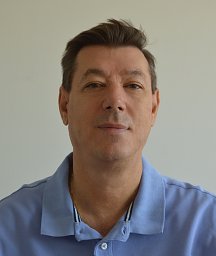 Viktor Stefov合作论文数Institut za hemija, Univerzitet “Sv. Kiril i Metodij”,6W. F. Henning合作论文数5milica bozovic合作论文数5
 Biljana Kovacevik合作论文数5Ivan V. Aničin合作论文数5
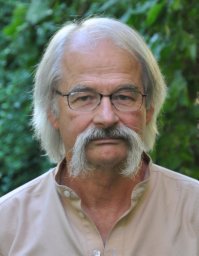 Th Faestermann合作论文数Fakultät für Physik, Technische Universität München5Julijana Cvetković合作论文数Bull. A. Makedonski bb, Institute of Agriculture5
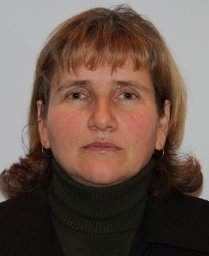 Violeta Stefanova合作论文数Department of Analytical Chemistry, University of Plovdiv5
 Yotzo Yanev合作论文数Geological Institute, Bulgarian Academy of Sciences5Т. Серафимовский合作论文数4sergey korikovsky合作论文数4Maja Lazarova合作论文数4
 Elizabeta Karakaseva合作论文数4
 Zoran Ćurguz合作论文数4
 gorgi dimov合作论文数AMBICON Lab, Univ Goce Delcev4
 Boris Krstev合作论文数Fac Nat & Tech Sci, Goce Delcev Univ4




