The flexible job shop scheduling problem is a complex NP-hard challenge critical to modern manufacturing systems, but existing research predominantly focuses on low-dimensional optimization, practical scenarios often require balancing high-dimensional conflicting objectives such as energy consumption, machine load, tardiness, and completion time. Current -objective algorithms struggle to maintain convergence and diversity in such high-dimensional spaces, leading to suboptimal Pareto fronts. To address this problem, we propose an improved NSGA-III (WDHS-NSGA-III) integrating a reference vector-guided subpopulation partitioning mechanism and a density-aware hybrid search strategy. The algorithm divides populations into subspaces using reference vectors to enable adaptive cross-subpopulation exploration, then applies localized neighborhood searches with five operators to prioritize under-explored regions. Experiments on benchmark instances demonstrate that WDHS-NSGA-III significantly outperforms commonly used methods, achieving balanced optimization across most objectives. The results validate its robustness in resolving high-dimensional tradeoffs, offering a valid solution for smart manufacturing scheduling.
Surrogate model–assisted multi-objective optimization has emerged as a leading approach for solving computationally expensive multi-objective optimization problems. Conventional methods typically rely on either a fixed single surrogate or multiple models for each objective in model management, often underutilizing the complementary strengths of different models across problems and, when an ensemble is used to enhance approximation, incurring a higher training burden. We propose a reinforcement learning-driven model selection framework designed to maximize the cumulative reward based on the approximation errors of both the current surrogate and the newly sampled point. The agent operates in two states defined by recent reward trends and autonomously selects a single model at each step to approximate the objective function. A set of reference vectors guides the optimization of the selected models toward the Pareto front. In infill sampling, an informative solution is chosen from the final population for expensive evaluations based on the convergence distance and the historical sample distribution associated with the reference vectors. Extensive experiments on benchmark suites, involving DTLZ and WFG, as well as three real-world problems, demonstrate that the proposed algorithm is competitive with six state-of-the-art SAEAs.
Many real-world problems involve optimizing numerous decision variables and are expensive to evaluate, known as large-scale expensive optimization problems (LSEOPs). While surrogate-assisted evolutionary algorithms have proven effective for expensive problems, training proper models for LSEOPs remains challenging due to insufficient training data. In this article, we adopt the divide-and-conquer approach, decomposing LSEOPs into lower-dimensional subproblems and constructing models for subproblems, and introduce a multiview synthetic sampling technique for new sample selection. Specifically, we propose sorting all evaluated solutions in an ascending order and dividing them into intervals, from which data are sampled to obtain informative training data for models. The population for the LSEOP is updated by employing cooperative environmental selections on the population, formed by recombining all renewed populations for subproblems to balance exploration and exploitation. Finally, a solution is selected among the current population for the true evaluation based on its multiview performance predicted across all subproblems. Results on CEC'2013 benchmark problems show the effectiveness and efficiency of our proposed method compared to three prevalent large-scale expensive optimization algorithms. Additionally, results on 2000-D CEC'2010 benchmark problems and a 1200-D real-world problem demonstrate encouraging scalability and robustness of the proposed method for addressing higher-dimensional problems.
One-shot federated learning (OSFL) has emerged as a promising collaborative model learning framework with only a single round of communication, offering significant advantages in communication efficiency and privacy preservation. However, OSFL often faces inherent limitations under severe domain heterogeneity across clients due to the lack of iterative knowledge exchange. Most existing OSFL methods require an auxiliary public dataset for knowledge distillation or leverage statistical information for parameter-level aggregation, overlooking feature shift caused by domain heterogeneity. To address these challenges, we propose CRIP, a personalized OSFL framework that operates in the representation space via channel-level feature alignment. To achieve this, each client uploads its feature extractor to the server, which broadcasts all extractors back to every client. Since not all source clients share compatible feature distributions with the target client, indiscriminate fusion of cross-client features would introduce domain-specific noise. Therefore, CRIP effectively measures the channel-wise representational similarity between the target client and each source client on a small local mini-batch, and selectively fuses only the most compatible features. Extensive experiments on domain-heterogeneous benchmarks such as DomainNet, PACS, and Office-Home demonstrate that CRIP consistently outperforms local models and state-of-the-art baselines, validating the effectiveness of representation-space personalization under extreme domain heterogeneity.
Multivariate time series classification (MTSC) aims to identify system states and event types from synchronized multivariate observations, providing critical decision support for complex systems. However, the time-varying nature of non-stationary signals poses several fundamental challenges that severely limit classification reliability in practice. Recent advances have shown that graph neural network (GNN) frameworks are effective for MTSC, yet existing approaches still face three major limitations: a single representation domain cannot fully capture the multi-physical characteristics of non-stationary signals; static graph structures cannot adaptively track the dynamic evolution of inter-variable topological dependencies; and insufficient robustness under distribution shifts degrades discriminative performance. To address these challenges, we propose a Synergistic Adaptive Multi-Domain Graph Network (SAMGNet). Specifically, SAMGNet maps temporal signals into three complementary representation spaces — time–frequency, evolution, and phase — and integrates them efficiently through alignment and fusion. It further combines static topological priors with sample-specific dynamic correlations to build adaptive inter-variable graph structures. Moreover, a hierarchical consistency contrastive learning mechanism stabilizes semantic representations through both intra-layer and inter-layer constraints. Extensive experiments on the UORED-VAFCLS bearing-fault dataset and the ADFTD electroencephalogram (EEG) dataset show that SAMGNet achieves classification accuracies of 98.26% and 65.66%, respectively, outperforming state-of-the-art methods and confirming its effectiveness and robustness in non-stationary MTSC tasks.
Surrogate-assisted evolutionary algorithms are frequently applied to solve time-consuming, resource-intensive, and black-box multiobjective optimization problems. Multiple approximation effectively identifies an approximate optimal solution set within finite exact function evaluations, which may need significant training time for the surrogate models. This article offers a model training method guided by estimation errors to assist the evolutionary algorithm in the search for optimal solutions. In model training, we dynamically use the Gaussian process (GP) and radial basis function (RBF) models following the adjacent generation discrepancy of estimation errors to reduce computational time. They are updated if only the current estimation error exceeds the previous, where the estimation error combines the minimum distance in the decision space and the prediction error of all test samples. In the model-assisted search, an autonomous function estimation method is proposed based on the preference for approximate model errors. The selection of the updated GP or RBF approximation is via a lower model estimation error; in contrast, the average is considered the function value of an individual. In infill sampling, the solution is selected based on the nondominated sorting of function estimation with the maximum angle. The uncertainty-based sampling method is to replenish when these models are not updated. The experiment investigates the effectiveness of the error preference-guided approximation method. The results of two classic benchmark problems and one practice problem show the superiority of the proposed algorithm compared to even well-performed optimization algorithms.
Metaheuristic optimization algorithms such as the Artificial Protozoan Optimizer (APO) show promise for complex optimization tasks, but their practical deployment in embedded scenarios is often limited by premature convergence and serial execution inefficiencies. To address these issues, this work presents a hardware-software co-design framework for APO on Field-Programmable Gate Arrays (FPGAs), employing an enhanced APO variant, namely the Multi-Anchor Quasi-Reflective Artificial Protozoan Optimizer (MAQR-APO), as a validation case. The adopted MAQR mechanism incorporates stagnation detection and multi-anchor guidance to improve search robustness while preserving a practical exploration-exploitation balance. By utilizing High-Level Synthesis (HLS), the computationally intensive optimization core is offloaded to the Programmable Logic (PL) for parallel acceleration, while the Processing System (PS) manages control flow and runtime configuration. Experimental results on the CEC2022 benchmarks and a robot path-planning application validate the proposed framework from both algorithmic and system perspectives. Under the tested settings, MAQR-APO shows competitive accuracy and stability relative to the original APO and several representative algorithms. At the system level, the proposed MAQR-APO co-design achieves runtime reductions over the corresponding pure software implementation while maintaining solution quality, and demonstrates practical deployment value through configurable testing and PS–PL collaborative execution.
Surrogate-assisted many-objective evolutionary algorithms (SAMaOEAs) have become a pivotal method for solving expensive many-objective optimization problems (EMaOPs), where the cost of objective evaluations is computationally prohibitive. Training a surrogate model for each objective function is an intuitive approach, as it effectively approximates the landscape of that objective function. However, this approach tends to suffer from error accumulation as the number of objective functions increases. In this modeling approach, a straightforward way to mitigate error accumulation is to further add appropriate training samples for the surrogate model of each objective function. Due to the heterogeneous characteristics of different objective functions, identifying and adding informative training samples requires a substantial number of objective evaluations. Therefore, we propose a surrogate-assisted evolutionary algorithm with multi-perspective infill sampling (MP-SAMaOEA), in which only a small number of solutions are selected for objective evaluations to enhance the predictive ability of the surrogate model. A multi-perspective infill sampling is first presented in MP-SAMaOEA. Specifically, angle and Euclidean distance are adopted to estimate the performance of solutions in the objective space and the decision space, respectively. The non-dominated sorting is then conducted based on the above two indicators, and a subset of non-dominated solutions is selected. Additionally, a k-means-assisted diversity enhancement strategy is proposed in the surrogate-assisted optimizer to balance diversity and convergence. Experimental results on the WFG and DTLZ benchmark suites, as well as a real-world application, demonstrate that MP-SAMaOEA outperforms the comparative algorithms, particularly in solving expensive super-many-objective optimization problems.
Real-time intelligent fault diagnosis is crucial for the early detection of incipient faults; however, its effectiveness is often severely hindered by the scarcity of fault data in predominantly healthy operating environments. To address this data imbalance, we propose a novel conditional denoising diffusion probabilistic model, designed to generate high-fidelity fault signals to assist in improving the fault diagnostic performance. Specifically, the proposed method incorporates an adaptive dilated convolution module that dynamically adjusts receptive fields based on the input signal content, thereby enhancing the capability to capture cross-scale temporal features. To further optimize signal quality, we introduce an adaptive timestep-aware attention mechanism. This component flexibly modulates the generation process, effectively distinguishing between the establishment of global temporal sequences and the refinement of local fault details. Furthermore, to tackle the challenge of mode collapse in small-sample tasks, an intra-batch diversity regularization loss is designed to guide the network in generating distinct samples by penalizing excessive similarity. Experimental results on three public datasets demonstrate that the proposed model significantly outperforms existing approaches in generating synthetic data in terms of signal quality and diversity, leading to improved fault diagnosis accuracy and highlighting its potential for robust industrial fault monitoring.
With the increasing volume of data and diverse user requirements, the cloud-edge-end architecture must adapt flexibly to address these challenges. However, many existing studies overlook the complexities of heterogeneous networks and task dependencies, leading to a mismatch between computational models and real-world applications. This paper addresses these issues by considering heterogeneity, diversity, and dependencies. We first establish a heterogeneous computing environment, and model the complex task dependencies using a directed acyclic graph (DAG). We then propose an improved evolutionary algorithm for task offloading and resource allocation. Experimental results show that our method enhances resource utilization and overall system performance in heterogeneous environments.
Dynamic environmental factors often introduce uncertainty into the degradation process of equipment, complicating remaining useful life (RUL) prediction. To address this challenge, the Wiener degradation process considering the impact of external dynamic environments is modeled, and a dynamic system filtering method based on a Bayesian framework is proposed for online RUL prediction. First, the Wiener process is constructed, accounting for the effects of dynamic environmental factors on the degradation rate and the correlation between the degradation rate and volatility. Then, to solve the uncertainty problem in the filtering process, a time-varying fading factor is introduced in the dynamic filtering process to adjust particle states in real time and improve the ability to track state changes. The nonparametric adaptive kernel density estimation (AKDE) is employed to approximate the true posterior probability distribution, and the discrete particle samples are converted into continuous probability density functions (PDFs), which increases the diversity of particles and optimizes the resampling strategy. Finally, the feasibility and effectiveness of the proposed model and algorithm are validated through a simulation study and the application of a lithium-ion battery.
Over the past few years, a variety of surrogate-assisted evolutionary algorithms have emerged, aiming to tackle expensive multi-objective optimization problems. On the other hand, as the problem's dimensionality rises, the sample size needed for training surrogate models also increases significantly, making this approach impractical for large-scale scenarios. To overcome this challenge, we propose a large-scale expensive multi-objective optimization algorithm leverages collaboration among multiple subproblems. Specifically, we employ random feature selection with multiple times to partition the original decision space into multiple subproblems. For each objective, a surrogate model is constructed based on the historical data of each subproblem. After searching for the surrogate models of each subproblem, the population of original problem is updated. Additionally, to accelerate optimization, we select m individuals with the best performance for each objective, as well as the one nearest to the ideal point, for true evaluations. To illustrate the effectiveness of our approach, comparative experiments have been carried out using the DTLZ and ZDT benchmark problems, which involve up to 200 decision variables. The experimental outcomes indicate that the proposed technique delivers strong performance in addressing large-scale, expensive multi-objective optimization tasks.
Traditional large-scale evolutionary algorithms are limited in their ability to solve certain real-world applications with high-dimensional, closed-box, and computationally expensive objectives due to their need for numerous objective evaluations. Surrogate-assisted evolutionary algorithms (SAEAs) have shown effective for expensive closed-box optimization by relying on inexpensive surrogate models. However, large-scale optimization remains challenging for SAEAs due to the exponentially growing search space and the presence of multiple local optima, resulting in difficulty in training a proper model due to the lack of samples. To address these challenges, we propose constructing an initial surrogate model on randomly selected dimensions and calculating a Gaussian distribution for each sampled dimension. The surrogate then provides predictions when perturbing each sampled dimension by sampling from the distribution, enabling the identification of the most important variables for constructing an active subproblem to reduce the search space. A secondary surrogate model, built for the active subproblem, guides the offspring generation and environmental selection for a modified particle swarm optimization algorithm to effectively explores the subspace while escaping local optima in large-scale problems. Experimental results on CEC'2013 and CEC'2010 benchmark problems show that the proposed method outperforms state-of-the-art algorithms in addressing large-scale expensive optimization problems. The efficiency of the proposed method is further verified on CEC'2010 benchmark problems extended to 2000 dimensions.
For workflow scheduling with complex dependencies in cloud computing environments, existing research predominantly focuses on multi-objective algorithm optimization while neglecting the critical factor of workflow topological structure. The proposed Adaptive Dynamic Grouping (ADG) strategy breaks through this limitation via dual innovative mechanisms: firstly constructing a dynamic variable grouping model based on task dependencies to effectively compress decision space and reduce global search overhead and secondly introducing an adaptive resource allocation strategy that dynamically distributes execution opportunities according to variable groups’ contribution to optimization, accelerating convergence toward the Pareto frontier. The experimental results on five real-world workflows across three major cloud providers’ virtual machines demonstrate ADG’s superior performance in multi-objective optimization, including execution time, cost, and energy consumption, providing an efficient solution for cloud-based workflow scheduling.
Surrogate-assisted evolutionary algorithms (SAEAs) have gained increasing attention for addressing expensive many-objective optimization problems (EMaOPs). Generally, the same type of surrogate model is applied to each objective function. However, different objective functions may exhibit distinct characteristics, such as linearity and modality. Therefore, using a uniform type of surrogate model may not be an appropriate choice for assisting evolutionary algorithms in solving expensive many-objective problems. In this paper, we propose to adaptively choose the type of surrogate models for each objective function based on an $R^{2}$ indicator, which measures the accuracy of the model on some randomly chosen solutions that have been evaluated. We introduce a dual-space indicator based on the Euclidean distances in both decision and objective spaces, along with the crowdedness around the solution in a predefined neighborhood. This indicator is then used for selecting an informative solution to be evaluated using the real expensive objective functions. Several experiments are conducted on DTLZ and WFG test suites, as well as two real-world applications, to evaluate the performance of the proposed method. The experimental results show that the proposed algorithm outperforms six state-of-the-art peer approaches, highlighting its effectiveness and superiority in solving expensive many-objective optimization problems.
Many real-world engineering optimization problems allow only a limited number of objective function evaluations due to the high costs associated with the evaluation procedures. Surrogate-assisted evolutionary algorithms have shown remarkable success in expensive optimization problems but face significant challenges when problem dimensions increase substantially. The curse of dimensionality makes it difficult to train accurate surrogate models for large-scale problems with limited training data. To address this challenge, we propose a surrogate-assisted algorithm that incorporates a local exploitation strategy, referred to as SA-LSEO-LE. A divide-and-conquer approach is employed to decompose the large-scale problem into several low-dimensional sub-problems, enabling more effective surrogate modeling. By sequentially updating a set of sub-populations for different sub-problems using a modified social learning particle swarm optimization algorithm assisted by surrogate models, the algorithm generates offspring solutions for the large-scale expensive problem, thereby enhancing exploration capability. In addition, a local exploitation strategy is introduced to search for better solutions in the vicinity of the best solution found so far. Experimental results on CEC’2013 benchmark problems indicate that the proposed approach significantly outperforms three state-of-the-art algorithms designed for large-scale expensive optimization problems. The effectiveness of the method is further validated on a 1200-dimensional real-world power system optimization problem, confirming its practical applicability.
The initial recommendation list in the multi-objective recommendation algorithm is generated by a specific algorithm, meaning the accuracy of the multi-objective algorithm is constrained by the performance of the algorithm used to generate the initial recommendations. To achieve better accuracy, the many-objective hybrid recommendation algorithm based on user grouping algorithm is proposed. The algorithm constructs a dual preference model, and employs a many-objective optimization approach to balance conflicts among these objectives. However, as the number of users increases, the population dimension of the many-objective hybrid recommendation algorithm also grows, resulting in challenges related to convergence. To mitigate this issue, users are grouped to reduce the population dimension. Frequency-based genes are derived from user similarity for crossover operations, generating offspring more efficiently. Experimental results demonstrate that user grouping significantly reduces computational cost and enhances the algorithm’s performance.
Neural Architecture Search (NAS) has emerged as a promising approach to automating the discovery of optimal neural network architectures. However, the computational cost of evaluating candidate architectures through full training presents a significant barrier to efficient search. While surrogate models can accelerate this process by predicting network performance, they struggle to accurately model the vast architecture search space when working with limited training data. To mitigate this challenge, we propose a Multi-Task, Multi-Surrogate Assisted Evolutionary NAS framework (MT-MSAENAS) that combines multiple surrogate models to enhance search efficiency. To fully exploit the limited training data, MT-MSAENAS constructs both strong and weak surrogate predictors, a global model (strong) that captures overall search space patterns and a local model (weak) that specializes in promising regions. Based on the two surrogate model, MT-MSAENAS employs evolutionary multi-tasking optimization by treating the strong and weak model-assisted search as two related optimization tasks to facilitate knowledge transfer between these models and improve the search efficiency. Experiments on the NAS-Bench101 and NAS-Bench201 search spaces show that the proposed algorithm outperforms state-of-the-art methods in architecture search.
Large-scale multi-objective optimization problems (LSMOPs) present significant challenges due to the difficulty of maintaining convergence and diversity simultaneously in highdimensional decision spaces. Existing strategies, such as problem transformation and learning-based variation operators, often struggle with scalability, which leads to degraded performance as the number of decision variables increases. This paper proposes a novel algorithm, Large-Scale Multi-objective Swarm Optimization based on Cosine Similarity (LSMSO-CS), which integrates adaptive guidance, hybrid diversity preservation, and intelligent learning mechanisms. LSMSO-CS introduces three key innovations, i.e, adaptive K-means clustering to transform nondominated solutions into directional reference vectors, a hybrid crowding metric that combines intra-cluster diversity and proximity to cluster centers for fine-grained selection, and a strategybased learning PSO framework enhanced with non-dominated sorting and cosine similarity-based truncation for environmental selection. Extensive experiments on LSMOPs benchmark suite with decision variables ranging from 1,000 to 8,000 and three objectives show that LSMSO-CS significantly outperforms six state-of-the-art LSMOEAs. The proposed approach consistently achieves superior convergence and diversity, offering a scalable and robust solution framework for complex real-world large-scale multi-objective problems.
Despite their remarkable success in bearing fault diagnosis, deep learning models struggle to maintain diagnostic accuracy under varying operating conditions due to distribution shifts. This limitation primarily arises from their inability to extract speed-invariant features that remain discriminative across different rotational speeds. To address this limitation, this paper proposes a Domain Adaptive Pseudo-label Attention Network (DAPAN). The framework employs a three-stage approach: beginning with supervised pre-training to learn physically consistent time-frequency features from bearing vibration signals, which establishes robust feature representations. Building upon this foundation, the method incorporates a weighted clustering center algorithm to generate reliable pseudo-labels for unlabeled target domain data, effectively bridging the domain gap. Finally, a domain-level attention mechanism further enhances the model’s adaptability by learning optimized mixed representations that simultaneously minimize domain discrepancy while preserving diagnostic discriminability. Comprehensive fault diagnosis experiments conducted on public datasets show that DAPAN achieves significant performance gains and exhibits superior generalization capability compared to state-of-the-art methods.
 Yaochu Jin (金耀初)合作论文数Department of Artificial Intelligence, School of Engineering, Westlake University42
 Jianchao Zeng (曾建潮)合作论文数中北大学大数据学院38
 ZHANG Guo-chen (张国晨)合作论文数27Ying Tan合作论文数20
 Handing Wang (王晗丁)合作论文数School of Artificial Intelligence, Xidian University17
 Shufen Qin合作论文数Department of Computer Science and Technology, Taiyuan University of Science and Technology, Taiyuan, 030024, China14
 Jeng Shyang Pan (潘正祥)合作论文数School of Artificial Intelligence, Nanjing University of Information Science & Technology14
 Haibo Yu合作论文数9
 Jie Tian合作论文数new jersey institute of technology9
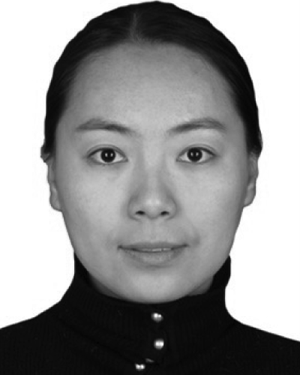 Hui Shi合作论文数6
 Xiaojuan He (何小娟)合作论文数School of Environmental Science and Engineering, Shanghai Jiao Tong University6
 JianChao Ceng (曾建潮)合作论文数中北大学5
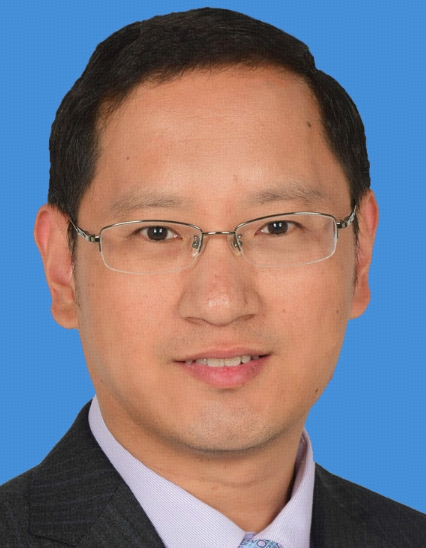 Jinliang Ding (丁进良)合作论文数College of Information Science and Engineering, Northeastern University;Faculty of Robot Science and Engineering, Northeastern University5Farooq Akhtar合作论文数4Li Kang合作论文数4Xiaobo Li (李小波)合作论文数4
 Hao Wang合作论文数Institute of Advanced Computer Science, Leiden University4
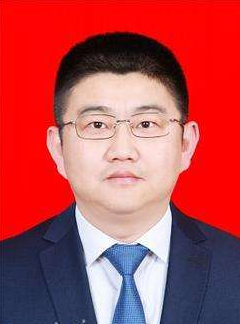 Gang Xie (谢刚)合作论文数太原理工大学国际教育交流学院4
 Shu-Chuan Chu合作论文数College of Computer Science and Engineering, Shandong University of Science and Technology4
 Songdong Xue合作论文数4
 Xilu Wang合作论文数Cancer Research, Abbott Laboratories4Zongchao Xie合作论文数3
 Ran Cheng (程然)合作论文数Department of Computing, Faculty of Computer and Mathematical Sciences, Hong Kong Polytechnic University;Department of Data Science & Artificial Intelligence, Faculty of Computer and Mathematical Sciences, Hong Kong Polytechnic University3Zhang Yunqiang合作论文数3
 Xiaohong Zhang (张小红)合作论文数College of Arts and Sciences, Shanghai Maritime University3
 Yina Guo (郭一娜)合作论文数Taiyuan University of Science and Technology3Yiyun Gong合作论文数2Mai Sun合作论文数2Xiaohui BAI (白晓慧)合作论文数2LI Chan (李婵)合作论文数2GuoXia Fu (付国霞)合作论文数2YuanFang Tao (陶元芳)合作论文数2
 Ataollah Ramezan Shirazi合作论文数2
 Wenyan Tian (田文艳)合作论文数School of Electronic Information Engineering, Taiyuan University of Science and Technology2
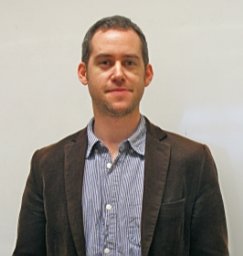 Jonathan E. Fieldsend合作论文数University of Exeter2
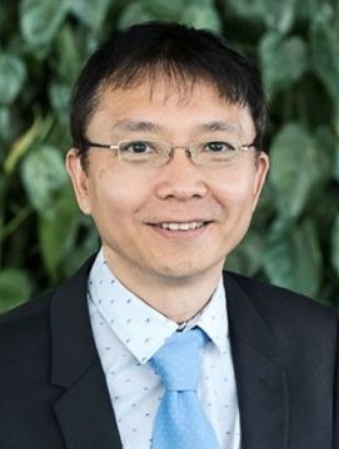 Yew-Soon Ong合作论文数College of Computing and Data Science, Nanyang Technological University;School of Computer Science and Engineering, Nanyang Technological University;Centre for Frontier Al Research, Agency for Science, Technology and Research2
 Hyondong Oh合作论文数2Peng Liao合作论文数Key Laboratory of Smart Manufacturing in Energy Chemical Process, Ministry of Education, East China University of Science and Technology1
 Liping Xie (谢丽萍)合作论文数1Simin Mo合作论文数1WANG Ben-li (王本利)合作论文数1Rui Zhang (张瑞)合作论文数1Asad Hayat合作论文数1Bin Wu合作论文数1Zheng-xiang PAN (潘正祥)合作论文数1
 Lei Cui合作论文数School of Information Technology, Deakin University1




