Scholars endeavor to understand the world in order to make it better. To do that, they should pay attention not only to probability but also possibility. I argue that accepting, and centering, the uncertainty endemic to the human condition and human relations could lead to at least two productive shifts. First, it could encourage holding tensions between particularity and generalization, description and theorization, and complexity and simplicity rather than resolving them a priori. This would promote more genuine thinking about the issues we study. Second, it could encourage critical reasoning about both epistemological bias and the limits of utopian ideas, leading to more serious ethical and normative considerations. I encourage honest conversations about the ubiquity of uncertainty and braver efforts to hold tensions, use our judgement and think. Holding space for unpredictability and imperfection promises to both yield better arguments about probability and open up insights into what is possible. It will thus foster research that best meets the demands of our time.
We argue that corporate social responsibility (CSR) strategies can shape political contexts to mediate or exacerbate the resource curse. Using a relational pragmatic approach-one that recognizes actors are dynamic and focuses on the interactions that shape how they see their interests-we develop expecta-tions about two ideal type CSR strategies: transformational and transactional and their relational impli-cations. We demonstrate the usefulness of this approach through the examination of two mines in Peru. Drawing on fieldwork conducted in 2017 and 2018 and secondary research, we show how one mine's transformational strategy connected the company to common, or public, concerns in ways that rearticu-lated politics to dampen curse dynamics. The second mine's transactional strategy narrowed its local engagement in ways that reduced its influence and played into curse dynamics. This research illustrates both the value of pragmatic approaches for integrating CSR into governance and the way in which CSR strategies can help mitigate the resource curse.& COPY; 2023 Elsevier Ltd. All rights reserved.
In this chapter, students will learn about the growth of private security—security allocated through the market. The chapter explains why this development is important for the control of force and outlines a debate over its costs and benefits. It also describes the current market, compares it to other markets for violence in the past, and explains its origins. The chapter encourages students to think about how the market for force poses tradeoffs to the state and nonstate actors that seek to control it and how a market for force challenges some of the central assumptions in security studies.
Complex governance aptly describes the nascent regulation of military and security services where a set of multi-stakeholder initiatives link action by national and international hierarchies with markets and networks around a common agenda. The regulation of small arms, however, follows more traditional forms – national hierarchies act with little coordination via one another, diametrically opposed networks battle to set the agenda, and markets are largely absent (though commercial money from arms flows through both national hierarchies and networks, market modes are not present in governance processes). Concomitant with these institutional configurations, effective governance, loosely defined as coordination of relevant actors, has progressed in military and security services but regressed in small arms. This chapter compares the evolution of governance in these two issue areas illustrating the interplay of structure and agency that yields change (or not) as well as more and less governance surrounding these two issues. It argues that while the “good enough” of complex governance may not be sufficient in some eyes, it is probably the best we can hope for and is far more likely to solve problems than forms that rely on top-down, commanding, and forceful measures alone.
Contractors are deeply intertwined with the American military and U.S. foreign policy. Over half of the personnel the United States has deployed in Iraq and Afghanistan since 2003 have been contractors. Their relationship with the U.S. government, the public, and domestic and international law differs from that of military personnel, and these differences pose both benefits and risks. America's use of private military and security companies (PMSCs) can provide or enhance forces for global governance. Yet PMSCs can also be used to pursue agendas that do not have the support of American, international, or local publics. Thus far, the use of PMSCs has proved a mixed bag in terms of effectiveness, accountability, and American values. Moving forward in a way that maximizes the benefits of contractors and minimizes their risks will require careful management of the uncomfortable trade-offs these forces present.
The contributors to this forum all draw significantly from pragmatist philosophy and social theory for making sense of international politics. Collectively, we affirm the value of pragmatist work beyond metatheory and methodology, both politically and epistemically—that is, as both a moral project and an explanatory one. Indeed, we are especially united on the notion that pragmatism “bridges” the divide between these things, and several contributors focus their discussion on how. However, we differ in what exactly it means to offer a distinctly pragmatist explanation or a “substantive” pragmatist theory, as well as in how pragmatism allows us to navigate the analytical and ethical challenges of the field. Over ten years ago, an earlier forum in this journal helped establish that pragmatism had something to offer; with over a decade of scholarship and reflection since, we revisit and expand on the question of how to deliver on it.
What has made the United States a global leader? Though analysts often attribute American success to a combination of resources and ideas, a subtle undercurrent in these arguments points to pragmatism and the creativity it often generates as an important part of the story. First theorized by American philosophers in the nineteenth and early twentieth centuries, pragmatism emphasizes that creativity can reshape how we see norms and interests to make cooperation more likely. After discussing the basic elements of pragmatism and its intersection with prominent international relations arguments, I show how the creativity that pragmatism envisions appears in each of these books. Though the collected authors do not label themselves as pragmatists, piecing these pragmatic elements together demonstrates the importance of creativity for key global leadership moments in the twentieth century, as well as important, if under-appreciated, governance innovations in the twenty-first century. It also offers insights into how the United States might move into the future.
Many view civil wars as violent contests between armed combatants. But history shows that community groups, businesses, NGOs, local governments, and even armed groups can respond to war by engaging in civil action. Characterized by a reluctance to resort to violence and a willingness to show enough respect to engage with others, civil action can slow, delay, or prevent violent escalations. This volume explores how people in conflict environments engage in civil action, and the ways such action has affected violence dynamics in Syria, Peru, Kenya, Northern Ireland, Mexico, Bosnia, Afghanistan, Spain, and Colombia. These cases highlight the critical and often neglected role that civil action plays in conflicts around the world.
Despite the view that civil war involves violent contests for power between armed combatants, people and groups routinely engage in civil action in the midst of war. Civil action is behavior characterized by a reluctance to engage in violence and a willingness to abide by a minimal level of respect in order to maximize engagement with others. Civil action often prevents or tamps down violence, although it can sometimes escalate violence as well. This volume explores the ways civil action has affected dynamics of violence in Syria, Peru, Kenya, Northern Ireland, Mexico, Bosnia, Afghanistan, Spain, and Colombia, highlighting the crucial and often-neglected role that civil action has played in deciding the fates of conflicts around the world.
Journal Article Exclusion and Inclusion in Global Security Studies Get access Deborah Avant, Deborah Avant Search for other works by this author on: Oxford Academic Google Scholar Bear Braumoeller, Bear Braumoeller Search for other works by this author on: Oxford Academic Google Scholar Erica Chenoweth, Erica Chenoweth Search for other works by this author on: Oxford Academic Google Scholar Sarah Croco, Sarah Croco Search for other works by this author on: Oxford Academic Google Scholar Asaf Siniver, Asaf Siniver Search for other works by this author on: Oxford Academic Google Scholar Ayşe Zarakol Ayşe Zarakol Search for other works by this author on: Oxford Academic Google Scholar Journal of Global Security Studies, Volume 5, Issue 1, January 2020, Pages 1–3, https://doi.org/10.1093/jogss/ogz063 Published: 21 December 2019
We are excited to introduce our readers to this JoGSS special issue on ‘Norms under Challenge: Unpacking the Dynamics of Norm Robustness’, put together by guest editors Lisbeth Zimmermann and Nicole Deitelhoff. The issue deals with an important and timely theme. Although norms are often not seen as central to security studies, much research in the last twenty years has demonstrated their role in security policy and the international order more broadly. From laws to regulate the use of force, to debates over ‘just war’and ‘humanitarian interventions’, to the impact of ‘strategic cultures’, to the ways international organizations debate and respond to security issues, we have seen norms impact war and peace on many levels. Broadened conceptions of security generated room for more types of norms, making it difficult for scholars of security to ignore them. Current events, though, show repeated challenge to long …
This, our team's penultimate issue of the Journal of Global Security Studies, demonstrates the big tent we hoped for from the journal's start. It is big in both its demonstration of our growing backlog (we are trying to pack in as much as we can to give our successors a little more editing space) and in its showcasing of our substantive, methodological, and theoretical diversity. We believe the backlog and the different article orientations together reflect the enthusiasm with which security scholars of different stripes are engaging on JoGSS pages. Our first article, by Ronald Mitchell and Charli Carpenter, argues that a norms-based discourse may spearhead faster, more effective climate action. Pulling from recent successes in other arenas, they outline five strategies through which a norms focus could take hold in climate change discussions and how these could propel the responses this security threat requires. Next, Anette Stimmer documents the various ways pop cultural references can affect weapons procurement debates and how the meaning of references can shift over time. Specifically, she traces how the “Star Wars” label was first used by opponents of the Strategic Defense Initiative and seen as a disabling frame, but, as its use spread among the public, became a more neutral descriptive shorthand.
Since the 1990s, the private provision of military and security services has become a common feature of local, national, and transnational politics. The prevalence of private security has generated important questions about its consequences, but data to answer these questions are sparse. In this article, we introduce the Private Security Events Database (PSED) that traces the involvement of private military and security companies (PMSCs) in events in Africa, Latin America, and Southeast Asia from 1990 to 2012. We describe the PSED project, highlight its descriptive findings, conduct a replication and reanalysis of Akcinaroglu and Radziszewski’s contract data in Africa, and compare the two databases’ coverage of Sierra Leone from 1991 to 1997. Our analysis demonstrates new insights into the relationship between PMSCs and civil war duration, confirming a correlation between PMSC presence and shorter conflicts, but questioning the logic Akcinaroglu and Radziszewski propose. It also points to a number of productive paths for future research.
The third issue of JoGSS’third volume opens with a special, guest-edited section introducing new ways to explore nonviolent resistance—a form of conflict in which unarmed persons use a wide variety of coordinated tactics to push for change without harming others. As Braithwaite and Braithwaite note in their introduction to the special section, the quantitative study of nonviolent resistance has recently become much more prominent in the field. They curated for this issue a series of new studies that disaggregate actors and tactics to uncover new insights regarding the role of ethnic power relations on the participant bases of nonviolent and violent resistance campaigns, the role of fear of victimization in patterns of mobilization, the effects of state response in protest dynamics, the role of national trade unions in the duration and outcomes of nonviolent campaigns, and the role of the United Nations in the diffusion of …
 Erica Chenoweth合作论文数Harvard Kennedy School, Harvard University17
 Felix Berenskotter合作论文数School of Economics, London;Department of International Relations;School of Economics, London14Ayşe Zarakol合作论文数12
 Virginia Haufler合作论文数University of Maryland11
 Bear Braumoeller合作论文数Department of Political Science, College of Arts and Sciences, The Ohio State University10
 Stuart Kaufman合作论文数Dept Polit Sci & Int Relat, Univ Delaware9Sarah Croco合作论文数6Susan K. Sell合作论文数University of Washington-Seattle5
 Kimberly Marten合作论文数Department of Political Science, Barnard College, Columbia University3
 Martha Finnemore合作论文数Elliott School of International Affairs, George Washington University3
 Marie Berry合作论文数Josef Korbel Sch Int Studies, Univ Denver2
 Oliver Kaplan合作论文数Univ Denver2
 Rachel A. Epstein合作论文数2James H. Lebovic合作论文数2
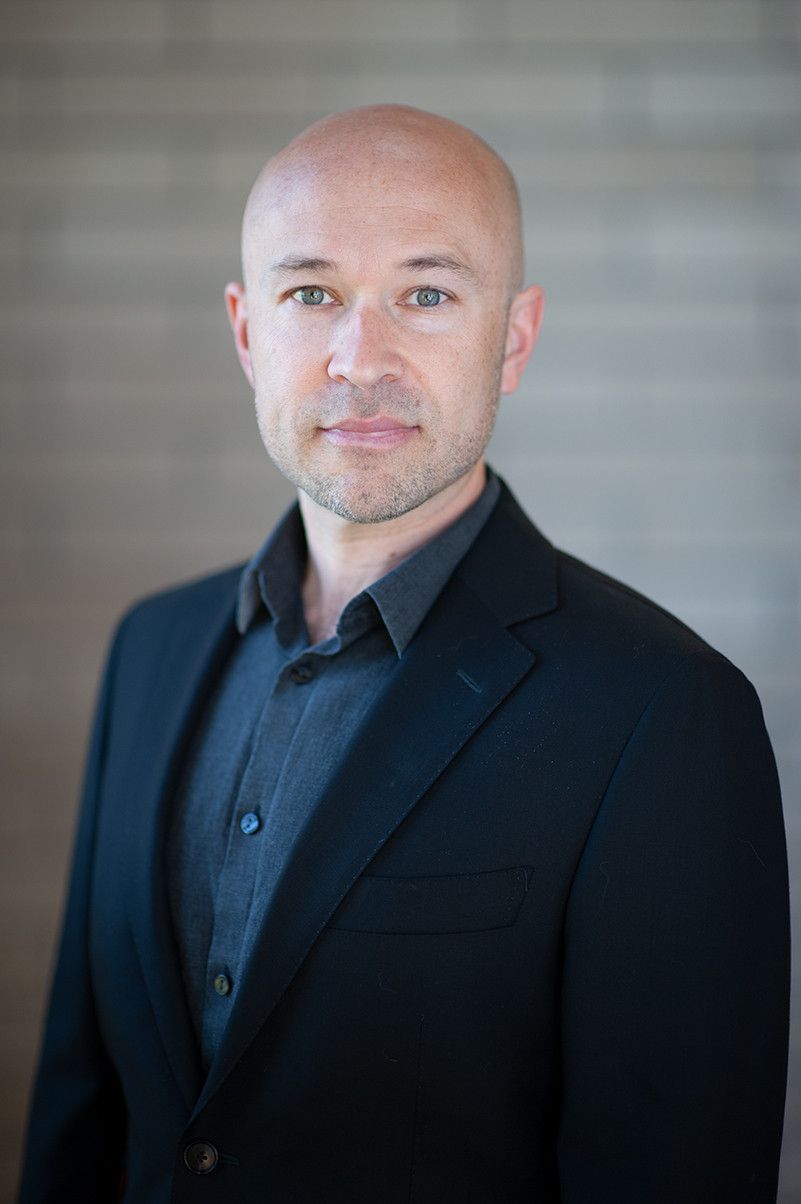 Cullen S Hendrix合作论文数Peterson Institute for International Economics;Sie-Cheou Kang Center for International Security & Diplomacy, Josef Korbel School of International Studies, University of Denver;Hiroshima University2Timothy D. Sisk合作论文数Senior Research Associate;Graduate School of International Studies;University of Denver2Kara Kingma Neu合作论文数1Jason Pielemeier合作论文数1
 Simon Frankel Pratt合作论文数Sch Sociol Polit & Int Studies, Univ Bristol1
 Jack Knight合作论文数School of Law, Duke University;Department of Political Science, Duke University1
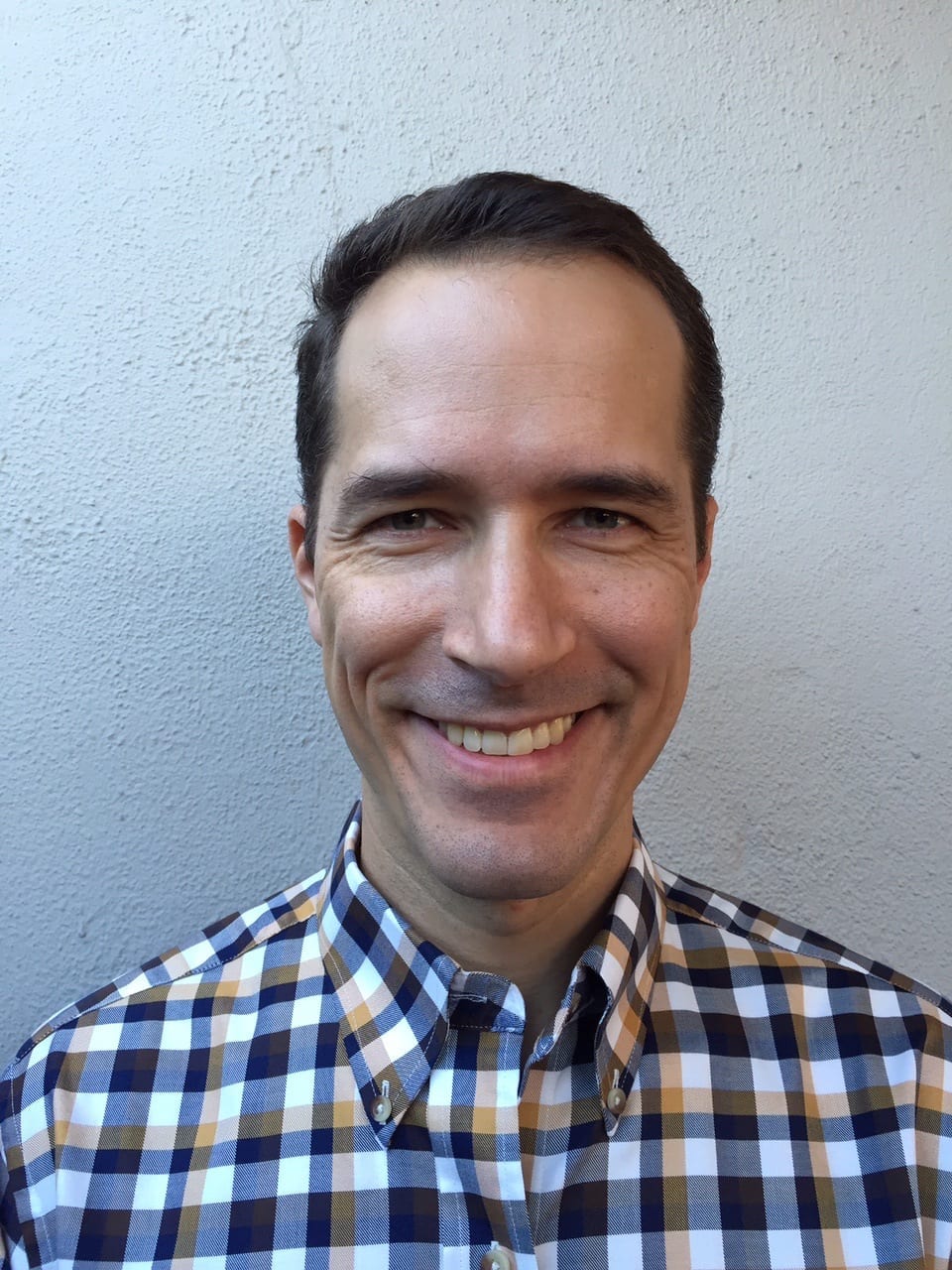 Sebastian Schmidt合作论文数Department of Political Science, Krieger School of Arts & Sciences, Johns Hopkins University1
 Henry Farrell合作论文数Stavros Niarchos Foundation Agora Institute, Krieger School of Arts & Sciences, Johns Hopkins University1
 Mike Allen合作论文数Department of Communication, College of Letters and Science, University of Wisconsin-Milwaukee1Molly Cochran合作论文数1
 Lee Sigelman合作论文数Department of Political Science, Columbian College of Arts and Sciences, George Washington University1William L. F. Felstiner合作论文数1
 Duncan Snidal合作论文数Nuffield College, University Of Oxford1
 Philipp Genschel合作论文数School of Humanities and Social Sciences, Jacobs University Bremen1
 Renee de Nevers合作论文数1
 Miles Kahler合作论文数School of International Service, American University1
 Bernhard Zangl合作论文数Universität Bremen Institut für Interkulturelle und Internationale Studien1Patrick Thaddeus Jackson合作论文数1
 Gunther Hellmann合作论文数Universität Frankfurt Institut für Vergleichende Politikwissenschaften und Internationale Beziehungen1
 Tricia D. Olsen合作论文数1




