This article explores three questions. First, why does New Zealand have widespread flooding hazards? Second, why are these persistent, with little seemingly learned from the memory of earlier events? And third, beyond reiterating conventional solutions, what examples of alternatives or adaptations are being developed in different places? It draws on a decade of community and research experiences in the Christchurch red zone, to examine experimental adaptation strategies being undertaken in three locations: South Dunedin and Westport in the South Island and Napier in the North Island. Each case study is contextualised in terms of its environmental history and memory of severe weather events. Although the cases are locally specific, they point towards the common features that should characterise a national adaptation strategy. Not least of these is the vulnerability of many built locations to both intensifying development and the impact of climate change in the form of severe events.
Active learning has a long heritage in Geography and allied subjects, and many claims are made about its benefits. This article attempts a long run assessment of these benefits, drawing on a survey of 180 respondents who graduated from a capstone Geography course over a 15-year period. The course focuses on community-based research and depends on the development and curation of an ecosystem of students, academic staff mentors, community partners and university managers. It is designed to enable students to make a difference, whilst gaining experience of working in groups, managing time and expectations, and workplace preparation. The paper assesses impacts on respondents in the long term, rather than the more usual results of course surveys conducted at the time. The context of the course is notable, as it began one year before the Canterbury earthquake sequence, which sharpened both community need and opportunity for such learning methods. The insights gained from developing and running the course over the period of time in question are outlined.
Managed retreat is becoming a prominent issue both nationally and internationally. This is due both to the threat of rising sea levels and the growing incidence of extreme weather events, but also reflects the increasing propensity for placing human assets in harm's way. We analyse how this observation plays out in Aotearoa, and offer a simple model, informed by our intergenerational perspective and mātauranga Māori. This model has three features: retreat, relocation, and re-imagining. It enables us to explore the capacity for positive outcomes to further lower long-term environmental and social risks. We apply the model to the Ōtākaro Avon river corridor in Ōtautahi Christchurch, formerly known as the residential red zone, created during the Canterbury earthquake sequence of 2010-13. We discuss what can be learned from the decade-long history of adaptation in the corridor as an exemplar for emerging areas of managed retreat elsewhere. By means of a thought experiment, we explore the potential of the area for provision of affordable, climate-resilient housing.
This chapter takes stock of current research concerning undergraduate research in Scandinavia. A literature search identified relatively few studies that explicitly employ this concept. There is a strong emphasis on “research-based education” as a principle in all three Scandinavian countries, with a broader view on linking research and education. In recent years, perspectives emphasizing inquiry, student-centeredness and problem-based learning have attracted considerable attention. There are also other indications of practices associated with students behaving as researchers – e.g., the relatively wide use of the bachelors’ thesis and specific examples of institutions and cases where principles from undergraduate research have been employed. More recent developments include the use of honours programmes.
 Harvey C. Perkins合作论文数Environment Society and Design Division, Lincoln University19
 David Conradson合作论文数School of Earth and Environment, Faculty of Science, University of Canterbury16
 Paul J. Cloke (Paul Cloke)合作论文数Department of Geography, University of Exeter;University of Canterbury15
 Tom Brooking合作论文数Department of History, University of Otago7
 Richard Le Heron合作论文数4Michael Roche合作论文数3Mark Poskitt合作论文数2
 Andreas Aagaard Christensen合作论文数Department of Geosciences and Natural Resource Management, Faculty of Science, University of Copenhagen2Gary Scott合作论文数2
 Matthew Henry合作论文数2
 Nicolas Lewis合作论文数School of Environment, Faculty of Science, The University of Auckland2
 Hugh Campbell合作论文数Centre for the Study of Agriculture (CSAFE),, University of Otago2Michael Solem合作论文数Association of American Geographers2Vaughan Wood合作论文数2
 Simon Kingham合作论文数Department of Geography, University of Canterbury2
 Erena Le Heron合作论文数2Darin Kinsey合作论文数1James G. Lewis合作论文数1R. M. T. de Andrade-Downs合作论文数1allen finchum合作论文数1Muchapara Musemwa合作论文数1Osvaldo Muniz合作论文数1
 Gregg Mitman合作论文数Nelson Institute for Environmental Studies, University of Wisconsin-Madison1Annika Weiser合作论文数1Christopher Rosin合作论文数1
 Dirk Kotze合作论文数Univ South Africa1Adam Rome合作论文数SUNY Buffalo, Hist, New York, NY 14260 USA1Joseph E. Taylor合作论文数1Ted Steinberg合作论文数1Timothy Silver合作论文数1Jeffrey K. Stine合作论文数1
 Siti Mazwin Kamaruddin合作论文数Faculty of Architecture, Planning and Surveying#R##N##R##N#UNIVERSITI TEKNOLOGI MARA1Peter Holland合作论文数1
 Majed Akhter合作论文数Dept Geog, Kings Coll London1
 Toni White合作论文数1
 Peter Bagoly-Simo合作论文数1
 Lawrence D. Berg合作论文数Department of Community, Culture and Global Studies, Irving K. Barber Faculty of Arts and Social Sciences, The University of British Columbia1
 Julie Cupples合作论文数Geography and the Lived Environment, School of GeoSciences, The University of Edinburgh1
 Eric Sheppard合作论文数Department of Geography, College of Social Sciences, University of California1
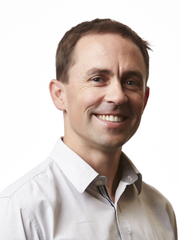 David M. Kennedy合作论文数School of Geography, Earth and Atmospheric Sciences, Faculty of Science, The University of Melbourne1
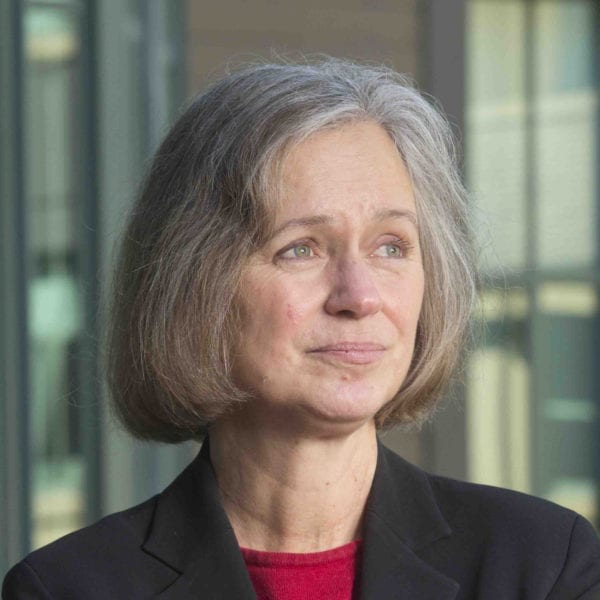 Christine Meisner Rosen合作论文数Business and Public Policy, Walter A. Haas School of Business, University of California, Berkeley1
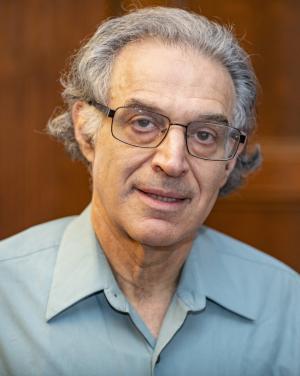 Kenneth Pomeranz合作论文数Department of History, Division of the Social Sciences, University of Chicago1
 David K. Rosner合作论文数Department of History, Columbia University in the City of New York;Department of Sociomedical Sciences, Mailman School of Public Health, Irving Medical Center, Columbia University in the City of New York1
 Christopher Gomez合作论文数1
 Robin Kearns合作论文数Faculty of Science, University of Auckland1
 Harriet Ritvo合作论文数School of Humanities, Arts, and Social Sciences, Massachusetts Institute of Technology1
 Stephen J. Pyne合作论文数School of Life Sciences, Arizona State University1
 Noel Castree合作论文数Department of Geography, School of Environment, Education and Development, Faculty of Humanities, University of Manchester1Vajoczki Susan合作论文数1




