Gravitational waves (GWs) are expected to originate from black holes interacting dynamically in dense astrophysical environments. In such environments, given that the velocity and cross section between the interacting black holes are low, dynamical capture may occur. Such events merge on very short timescales with high eccentricities and are expected to be detectable in the LIGO-Virgo-KAGRA (LVK) sensitivity band. In this work, we present a dedicated search for dynamical black hole capture events in the third LVK observing run (O3) with the coherent WaveBurst (cWB) algorithm enhanced with Gaussian mixture modeling (GMM) postproduction. With this we consider two applications of GMM: a weakly modeled approach searching for generic short transients under minimal assumptions, and a population-informed approach, in which the GMM model is provided information on the parameter space occupied by the capture population. Although our search does not find any new significant GW events, we find that an informed GMM approach brings significant sensitivity improvements, enabling the detection of dynamical capture events up to a distance of 1.9 Gpc for a 200M circle dot equal-mass binary. We present updated upper limit estimates of the rate at 90% confidence, the most stringent of which is 0.15 Gpc-3 yr-1, a 34% improvement with respect to previous observational estimates. Furthermore, while the weakly modeled GMM approach is less sensitive to dynamical capture systems, we find that it is possible for these events to be detected up to a distance of 1 Gpc in the cWB-GMM all-sky short search under minimal assumptions. Finally, with the confident detection of GW190521, we estimate the rate of similar events to be 0.94 Gpc-3 yr-1, assuming the event originated from a dynamical capture.
We numerically investigate the features of gravitational radiation from close, fast hyperbolic encounters of two equal-mass, non-spinning black holes. We analyze angular distributions of the energy flux and its integration in time, and compare them with the predictions by mass-quadrupole calculations applied to the trajectory obtained from numerical simulation. These systems can radiate up to ∼10% of their total energy, exceeding the 4– 5% seen in non-spinning quasi-circular mergers and comparable to the 10– 11% found in cases with aligned spins. The radiation is predominantly emitted toward the polar region, surpassing the equatorial direction by a factor of 4 to 9. Interestingly, as the impact parameter decreases, the energy allocation ratios toward both directions remain relatively constant and appear to approach the values of quasi-circular binary mergers at the capture threshold. In the orbital plane, the main radiation emerges at positive and negative angles near the asymptote bisector and its symmetric counterpart as generically predicted by the mass-quadrupole approximation. In the stronger-interaction regime with smaller impact parameters, however, the main radiation exhibits a longer duration, a larger angular rotation, and a narrower azimuthal spread, resulting in significant deviations from the mass-quadrupole predictions. In high-velocity encounters, the relativistic beaming effect in the Kovacs-Thorne approximation successfully captures key features of the NR radiation patterns, including the brightening of the secondary radiation profile and the narrowing of the azimuthal spread. The direction-dependent features identified here are valuable not only for exploring the fast and strong regime in general relativity, but also for improving waveform modeling and parameter estimation for hyperbolic encounter signals.
We present a numerical method that constructs geometrically defined coordinates on black-hole horizons, from which the multipole moments are computed without assuming axisymmetry. This method, which we denote the conformal-mapping method (CMM), provides a numerical realization of the conformal construction proposed by Ashtekar et al. in 2022, combining discrete Ricci flow, spectral embedding onto the unit sphere, and Möbius gauge fixing by the vanishing-area-dipole condition. We first test the CMM against analytic Kerr benchmarks, and then apply it to an equal-mass, non-spinning binary black-hole merger. We also compare it with an approximate-symmetry-based method. The CMM allows the multipole moments to be expressed in a fixed reference frame, whereas the symmetry-adapted frame can reorient abruptly when the preferred approximate axis changes. In a frame aligned with the orbital angular momentum, the amplitude of the quadrupole mode grows during inspiral and decays after merger, displaying a qualitative ringdown behavior. These results show that the CMM is a useful tool for studying horizon geometry in dynamical situations where no stable symmetry axis is available.
Gravitational waves (GWs) are expected to originate from black holes interacting dynamically in dense astrophysical environments. In such environments, given that the velocity and cross section between the interacting black holes is low, dynamical capture may occur. Such events merge on very short timescales with high eccentricities and are expected to be detectable in the LIGO-Virgo-KAGRA (LVK) sensitivity band. In this work, we present a dedicated search for dynamical black hole capture events in the third LVK observing run with the coherent WaveBurst (cWB) algorithm enhanced with Gaussian mixture modeling (GMM) post-production. With this we consider two applications of GMM: a weakly-modeled approach searching for generic short transients under minimal assumptions, and a population informed approach, in which the GMM model is provided information on the parameter space occupied by the capture population. Although our search does not find any new significant GW events, we find that an informed GMM approach brings significant sensitivity improvements, enabling the detection of dynamical capture events up to a distance of 1.9 Gpc for a 200 M_⊙ equal mass binary. We present updated upper limit estimates of the rate at 90% confidence, the most stringent of which is 0.15 Gpc^-3yr^-1, a 34% improvement with respect to previous observational estimates. Furthermore, while the weakly-modeled GMM approach is less sensitive to dynamical capture systems, we find that it is possible for these events to be detected up to a distance of 1 Gpc in the cWB-GMM all-sky short search under minimal assumptions. Finally, with the confident detection of GW190521, we estimate the rate of similar events to be 0.94 Gpc^-3yr^-1, assuming the event originated from a dynamical capture.
We present the results of a search for gravitational-wave transients associated with core-collapse supernova SN 2023ixf, which was observed in the galaxy Messier 101 via optical emission on 2023 May 19, during the LIGO–Virgo–KAGRA 15th Engineering Run. We define a five-day on-source window during which an accompanying gravitational-wave signal may have occurred. No gravitational waves have been identified in data when at least two gravitational-wave observatories were operating, which covered ∼14% of this five-day window. We report the search detection efficiency for various possible gravitational-wave emission models. Considering the distance to M101 (6.7 Mpc), we derive constraints on the gravitational-wave emission mechanism of core-collapse supernovae across a broad frequency spectrum, ranging from 50 Hz to 2 kHz, where we assume the gravitational-wave emission occurred when coincident data are available in the on-source window. Considering an ellipsoid model for a rotating proto-neutron star, our search is sensitive to gravitational-wave energy 1 × 10 −4 M ⊙ c 2 and luminosity 2.6 × 10 −4 M ⊙ c 2 s −1 for a source emitting at 82 Hz. These constraints are around an order of magnitude more stringent than those obtained so far with gravitational-wave data. The constraint on the ellipticity of the proto-neutron star that is formed is as low as 1.08, at frequencies above 1200 Hz, surpassing past results.
We present Fermi Gamma-ray Burst Monitor (Fermi-GBM) and Swift Burst Alert Telescope (Swift-BAT) searches for gamma-ray/X-ray counterparts to gravitational wave (GW) candidate events identified during the third observing run of the Advanced LIGO and Advanced Virgo detectors. Using Fermi-GBM on-board triggers and sub-threshold gamma-ray burst (GRB) candidates found in the Fermi-GBM ground analyses, the Targeted Search and the Untargeted Search, we investigate whether there are any coincident GRBs associated with the GWs. We also search the Swift-BAT rate data around the GW times to determine whether a GRB counterpart is present. No counterparts are found. Using both the Fermi-GBM Targeted Search and the Swift-BAT search, we calculate flux upper limits and present joint upper limits on the gamma-ray luminosity of each GW. Given these limits, we constrain theoretical models for the emission of gamma-rays from binary black hole mergers.
Despite the growing number of confident binary black hole coalescences observed through gravitational waves so far, the astrophysical origin of these binaries remains uncertain. Orbital eccentricity is one of the clearest tracers of binary formation channels. Identifying binary eccentricity, however, remains challenging due to the limited availability of gravitational waveforms that include effects of eccentricity. Here, we present observational results for a waveform-independent search sensitive to eccentric black hole coalescences, covering the third observing run (O3) of the LIGO and Virgo detectors. We identified no new high-significance candidates beyond those that were already identified with searches focusing on quasi-circular binaries. We determine the sensitivity of our search to high-mass (total mass $M>70$ $M_\odot$) binaries covering eccentricities up to 0.3 at 15 Hz orbital frequency, and use this to compare model predictions to search results. Assuming all detections are indeed quasi-circular, for our fiducial population model, we place an upper limit for the merger rate density of high-mass binaries with eccentricities $0 < e \leq 0.3$ at $0.33$ Gpc$^{-3}$ yr$^{-1}$ at 90\% confidence level.
Mid-frequency band gravitational-wave detectors will be complementary to the existing Earth-based detectors (sensitive above 10 Hz or so) and the future space-based detectors such as the Laser Interferometer Space Antenna (LISA), which will be sensitive below around 10 mHz. A ground-based superconducting omnidirectional gravitational radiation observatory (SOGRO) has recently been proposed along with several design variations for the frequency band of 0.1-10 Hz. For two conceptual designs of SOGRO (i.e. SOGRO and advanced SOGRO [aSOGRO]), we examine their multichannel natures, sensitivities, and science cases. One of the key characteristics of the SOGRO concept is its six detection channels. The response functions of each channel are calculated for all possible gravitational wave (GW) polarizations including scalar and vector modes. Combining these response functions, we also confirm the omnidirectional nature of SOGRO. Hence, even a single SOGRO detector will be able to determine the position of a source and polarizations of GWs, if detected. Taking into account SOGRO's sensitivity and technical requirements, two main targets are most plausible: GWs from compact binaries and stochastic backgrounds. Based on assumptions we consider in this work, detection rates for intermediate-mass binary black holes (in the mass range of hundreds up to $10<^>{5}\, M_\odot$) are expected to be 0.0065-8.1 yr-1. In order to detect the stochastic GW background, multiple detectors are required. Two aSOGRO detector networks may be able to put limits on the stochastic background beyond the indirect limit from cosmological observations.
The magnetar SGR 1935+2154 is the only known Galactic source of fast radio bursts (FRBs). FRBs from SGR 1935+2154 were first detected by the Canadian Hydrogen Intensity Mapping Experiment (CHIME)/FRB and the Survey for Transient Astronomical Radio Emission 2 in 2020 April, after the conclusion of the LIGO, Virgo, and KAGRA Collaborations' O3 observing run. Here, we analyze four periods of gravitational wave (GW) data from the GEO600 detector coincident with four periods of FRB activity detected by CHIME/FRB, as well as X-ray glitches and X-ray bursts detected by NICER and NuSTAR close to the time of one of the FRBs. We do not detect any significant GW emission from any of the events. Instead, using a short-duration GW search (for bursts <= 1 s) we derive 50% (90%) upper limits of 10(48) (10(49)) erg for GWs at 300 Hz and 10(49) (10(50)) erg at 2 kHz, and constrain the GW-to-radio energy ratio to <= 10(14)-10(16). We also derive upper limits from a long-duration search for bursts with durations between 1 and 10 s. These represent the strictest upper limits on concurrent GW emission from FRBs.
Magnetars are neutron stars with exceptionally strong dipole magnetic fields which are observed to display a range of x-ray flaring behavior, but the flaring mechanism is not well understood. The third observing run of Advanced LIGO and Virgo extended from April 1, 2019 to March 27, 2020, and contained x-ray flares from known magnetar SGR 1935+2154, as well as the newly-discovered magnetar, Swift J1818-1607. We search for gravitational waves coincident with these magnetar flares with minimally modeled, coherent searches which specifically target both short-duration gravitational waves produced by excited f-modes in the magnetar's core, as well as long-duration gravitational waves motivated by the Quasi-Periodic Oscillations observed in the tails of giant flares. In this paper, we report on the methods and sensitivity estimates of these searches, and the astrophysical implications.
We have numerically investigated close scattering processes of two black holes (BHs). Our careful analysis shows for the first time a nonmerging ringdown gravitational wave induced by dynamical tidal deformations of individual BHs during their close encounter. The ringdown wave frequencies turn out to agree well with the quasinormal ones of a single BH in perturbation theory, despite its distinctive physical context from the merging case. Our study shows a new type of gravitational waveform and opens up a new exploration of strong gravitational interactions using BH encounters.
Among the various candidates for dark matter (DM), ultralight vector DM can be probed by laser interferometric gravitational wave detectors through the measurement of oscillating length changes in the arm cavities. In this context, KAGRA has a unique feature due to differing compositions of its mirrors, enhancing the signal of vector DM in the length change in the auxiliary channels. Here we present the result of a search for $U(1)_{B-L}$ gauge boson DM using the KAGRA data from auxiliary length channels during the first joint observation run together with GEO600. By applying our search pipeline, which takes into account the stochastic nature of ultralight DM, upper bounds on the coupling strength between the $U(1)_{B-L}$ gauge boson and ordinary matter are obtained for a range of DM masses. While our constraints are less stringent than those derived from previous experiments, this study demonstrates the applicability of our method to the lower-mass vector DM search, which is made difficult in this measurement by the short observation time compared to the auto-correlation time scale of DM.
Gravitational lensing by massive objects along the line of sight to the source causes distortions to gravitational wave (GW) signals; such distortions may reveal information about fundamental physics, cosmology, and astrophysics. In this work, we have extended the search for lensing signatures to all binary black hole events from the third observing run of the LIGO-Virgo network. We search for repeated signals from strong lensing by (1) performing targeted searches for subthreshold signals, (2) calculating the degree of overlap among the intrinsic parameters and sky location of pairs of signals, (3) comparing the similarities of the spectrograms among pairs of signals, and (4) performing dual-signal Bayesian analysis that takes into account selection effects and astrophysical knowledge. We also search for distortions to the gravitational waveform caused by (1) frequency-independent phase shifts in strongly lensed images, and (2) frequency-dependent modulation of the amplitude and phase due to point masses. None of these searches yields significant evidence for lensing. Finally, we use the nondetection of GW lensing to constrain the lensing rate based on the latest merger-rate estimates and the fraction of dark matter composed of compact objects.
KAGRA is a newly built gravitational wave observatory, a laser interferometer with a 3 km arm length, located in Kamioka, Gifu prefecture, Japan. In this article, we describe the KAGRA data management system, i.e., recording of data, transfer from the KAGRA experiment site to computing resources, as well as data distribution to tier sites, including international sites in Taiwan and Korea. The amount of KAGRA data exceeded 1.0 PiB and increased by about 1.5 TB per day during operation in 2020. Our system has succeeded in data management, and has achieved performance that can withstand observations after 2023, that is, a transfer rate of 20 MB s-1 or more and file storage of sufficient capacity for petabyte class. We also discuss the sharing of data between the global gravitational-wave detector network with other experiments, namely LIGO and Virgo. The latency, which consists of calculation of calibrated strain data and transfer time within the global network, is very important from the view of multi-messenger astronomy using gravitational waves. Real-time calbrated data delivered from the KAGRA detector site and other detectors to our computing system arrive with about 4-15 seconds of latency. These latencies are sufficiently short compared to the time taken for gravitational wave event search computations. We also established a high-latency exchange of offline calibrated data that was aggregated with a better accuracy compared with real-time data.
KAGRA, the underground and cryogenic gravitational-wave detector, was operated for its solo observation from February 25 to March 10, 2020, and its first joint observation with the GEO 600 detector from April 7 to April 21, 2020 (O3GK). This study presents an overview of the input optics systems of the KAGRA detector, which consist of various optical systems, such as a laser source, its intensity and frequency stabilization systems, modulators, a Faraday isolator, mode-matching telescopes, and a high-power beam dump. These optics were successfully delivered to the KAGRA interferometer and operated stably during the observations. The laser frequency noise was observed to limit the detector sensitivity above a few kilohertz, whereas the laser intensity did not significantly limit the detector sensitivity.
The global network of gravitational-wave observatories now includes five detectors, namely LIGO Hanford, LIGO Livingston, Virgo, KAGRA, and GEO 600. These detectors collected data during their third observing run, O3, composed of three phases: O3a starting in 2019 April and lasting six months, O3b starting in 2019 November and lasting five months, and O3GK starting in 2020 April and lasting two weeks. In this paper we describe these data and various other science products that can be freely accessed through the Gravitational Wave Open Science Center at https://gwosc.org. The main data set, consisting of the gravitational-wave strain time series that contains the astrophysical signals, is released together with supporting data useful for their analysis and documentation, tutorials, as well as analysis software packages.
We present a search for dark photon dark matter that could couple to gravitational-wave interferometers using data from Advanced LIGO and Virgo's third observing run. To perform this analysis, we use two methods, one based on cross-correlation of the strain channels in the two nearly aligned LIGO detectors, and one that looks for excess power in the strain channels of the LIGO and Virgo detectors. The excess power method optimizes the Fourier Transform coherence time as a function of frequency, to account for the expected signal width due to Doppler modulations. We do not find any evidence of dark photon dark matter with a mass between $m_{\rm A} \sim 10^{-14}-10^{-11}$ eV/$c^2$, which corresponds to frequencies between 10-2000 Hz, and therefore provide upper limits on the square of the minimum coupling of dark photons to baryons, i.e. $U(1)_{\rm B}$ dark matter. For the cross-correlation method, the best median constraint on the squared coupling is $\sim2.65\times10^{-46}$ at $m_{\rm A}\sim4.31\times10^{-13}$ eV/$c^2$; for the other analysis, the best constraint is $\sim 2.4\times 10^{-47}$ at $m_{\rm A}\sim 5.7\times 10^{-13}$ eV/$c^2$. These limits improve upon those obtained in direct dark matter detection experiments by a factor of $\sim100$ for $m_{\rm A}\sim [2-4]\times 10^{-13}$ eV/$c^2$, and are, in absolute terms, the most stringent constraint so far in a large mass range $m_A\sim$ $2\times 10^{-13}-8\times 10^{-12}$ eV/$c^2$.
We present directed searches for continuous gravitational waves from the neutron stars in the Cassiopeia A (Cas A) and Vela Jr. supernova remnants. We carry out the searches in the LIGO data from the first six months of the third Advanced LIGO and Virgo observing run, using the Weave semi-coherent method, which sums matched-filter detection-statistic values over many time segments spanning the observation period. No gravitational wave signal is detected in the search band of 20--976 Hz for assumed source ages greater than 300 years for Cas A and greater than 700 years for Vela Jr. Estimates from simulated continuous wave signals indicate we achieve the most sensitive results to date across the explored parameter space volume, probing to strain magnitudes as low as ~$6.3\times10^{-26}$ for Cas A and ~$5.6\times10^{-26}$ for Vela Jr. at frequencies near 166 Hz at 95% efficiency.
We present the first results from an all-sky all-frequency (ASAF) search for an anisotropic stochastic gravitational-wave background using the data from the first three observing runs of the Advanced LIGO and Advanced Virgo detectors. Upper limit maps on broadband anisotropies of a persistent stochastic background were published for all observing runs of the LIGO-Virgo detectors. However, a broadband analysis is likely to miss narrowband signals as the signal-to-noise ratio of a narrowband signal can be significantly reduced when combined with detector output from other frequencies. Data folding and the computationally efficient analysis pipeline, {\tt PyStoch}, enable us to perform the radiometer map-making at every frequency bin. We perform the search at 3072 {\tt{HEALPix}} equal area pixels uniformly tiling the sky and in every frequency bin of width $1/32$~Hz in the range $20-1726$~Hz, except for bins that are likely to contain instrumental artefacts and hence are notched. We do not find any statistically significant evidence for the existence of narrowband gravitational-wave signals in the analyzed frequency bins. Therefore, we place $95\%$ confidence upper limits on the gravitational-wave strain for each pixel-frequency pair, the limits are in the range $(0.030 - 9.6) \times10^{-24}$. In addition, we outline a method to identify candidate pixel-frequency pairs that could be followed up by a more sensitive (and potentially computationally expensive) search, e.g., a matched-filtering-based analysis, to look for fainter nearly monochromatic coherent signals. The ASAF analysis is inherently independent of models describing any spectral or spatial distribution of power. We demonstrate that the ASAF results can be appropriately combined over frequencies and sky directions to successfully recover the broadband directional and isotropic results.
 Ettore Majorana合作论文数Dipartimento di Fisica, Sapienza Università di Roma119
 Li Ju (鞠莉)合作论文数Department of Physics, University of Western Australia114
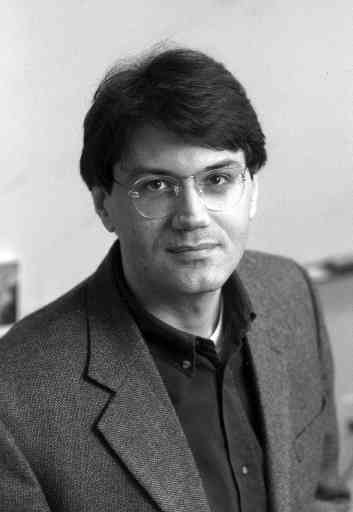 E. C. Katsavounidis合作论文数Department of Physics, Kavli Institute for Astrophysics and Space Research, Massachusetts Institute of Technology;Laser Interferometer Gravitational-wave Observatory, Massachusetts Institute of Technology113
 J. S. Kissel合作论文数LIGO Hanford Observatory113
 Saritha Kandhasamy合作论文数Department of Mathematics, P. A. College of Engineering and Technology112
 Vicky Kalogera合作论文数Department of Physics and Astronomy, Weinberg College of Arts & Sciences, Northwestern University;Center for Interdisciplinary Exploration and Research in Astrophysics, Northwestern University.112
 Farit Ya. Khalili合作论文数Faculty of Physics, Lomonosov Moscow State University111
 Paola Leaci合作论文数Department of Physics, Università degli Studi di Roma "La Sapienza"111W. Katzman合作论文数110Keita Kawabe合作论文数Laser Interferometer Gravitational-wave Observatory - Hanford Observatory;California Institute of Technology110
 Szabolcs Márka合作论文数Department of Physics, Columbia University110G. Kuehn合作论文数109
 Luca Naticchioni合作论文数Istituto Nazionale di Fisica Nucleare - Sezione di Roma;Dipartimento di Fisica, Sapienza Università di Roma109
 Andrew Lundgren合作论文数Catalan Institution for Research and Advanced Studies;Institut de Física d'Altes Energies109A. Markosyan合作论文数108V. Kringel合作论文数108V. Kondrashov合作论文数108
 Raffaele Flaminio合作论文数Laboratoire d'Annecy de Physique des Particules, CNRS108H. Miao合作论文数108
 Iain Martin合作论文数Institute for Gravitational Research, School of Physics and Astronomy, University of Glasgow108
 Nergis Mavalvala合作论文数Department of Physics, School of Science, Massachusetts Institute of Technology;Kavli Institute for Astrophysics & Space Research, Massachusetts Institute of Technology108M. Lormand合作论文数107E. Maros合作论文数107J. B. Kanner合作论文数107
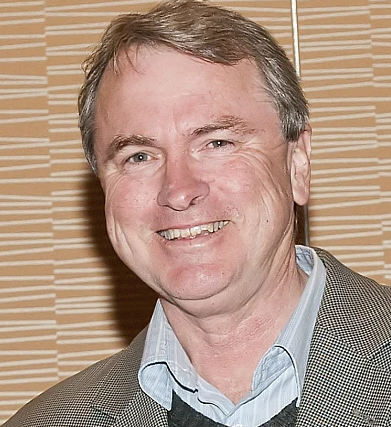 David McClelland合作论文数Centre for Gravitational Astrophysics, Research School of Physics, Australian National University107
 Andrew Melatos合作论文数School of Physics, Faculty of Science, The University of Melbourne107
 Piotr Jaranowski合作论文数Zakład Astronimii, Astrofizyki i Teorii Pola, Uniwersytet W Białymstoku107
 Tjonnie Li合作论文数Department of Physics and Astronomy, Faculty of Science, KU Leuven107D. Moraru合作论文数106
 Brennan John Hughey合作论文数Physics and Astronomy Department, College of Arts & Sciences, Embry‑Riddle Aeronautical University106V. P. Mitrofanov合作论文数Department of Oscillations Physics, Lomonosov Moscow State University106
 David Keitel合作论文数Max-Planck-Institut für Gravitationsphysik, Albert-Einstein-Institut106
 Christopher Messenger合作论文数School of Physics & Astronomy, University of Glasgow106
 Ian Jones合作论文数University of Southampton106
 John J. Oh合作论文数Division of Industrial Mathematics, National Institute for Mathematical Sciences106C. Hanna合作论文数105
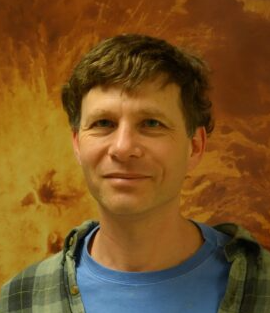 Richard Mittleman合作论文数Kavli Institute for Astrophysics and Space Research, Massachusetts Institute of Technology105Albert J. Lazzarini合作论文数LIGO Laboratory, California Institute of Technology105
 Jess McIver合作论文数Department of Physics & Astronomy, The University of British Columbia105
 Guenakh Mitselmakher合作论文数Institute for High Enery Physics and Astrophysics, Department of Physics, College of Liberal Arts and Sciences, University of Florida105Adam J. Mullavey合作论文数Australian National University105Robert A Mercer合作论文数Department of Physics, University of Wisconsin–Milwaukee105
 Walter Del Pozzo合作论文数Department of Physics, University of Pisa105Marie F. Kasprzack合作论文数California Institute of Technology104
 Matteo Lorenzini合作论文数Dipartimento di Fisica, Università degli studi di Tor Vergata104
 Jesper Munch合作论文数The University of Adelaide104K. Mason合作论文数104
 Alberto Gennai合作论文数Università di Pisa;Istituto Nazionale di Fisica Nucleare104
 Gerardo Moreno合作论文数LIGO Hanford Observatory104




