Many algorithms are designed to analyse volumes of data automatically in an efficient way so that the users don't have to look through that massive amount of data manually for generating various association rules among them. Apriori algorithm, which is the most famous and frequently used data mining algorithm. Our main focus is to parallelize the Apriori algorithm in such a new way that when we will implement on a large database , it will lead to less time consuming and fast execution for generating frequent itemset.
■ Data mining and knowledge discovery in databases have been attracting a significant amount of research, industry, and media attention of late. What is all the excitement about? This article provides an overview of this emerging field, clarifying how data mining and knowledge discovery in databases are related both to each other and to related fields, such as machine learning, statistics, and databases. The article mentions particular real-world applications, specific data-mining techniques, challenges involved in real-world applications of knowledge discovery, and current and future research directions in the field.
Knowledge-discovery systems face challenging problems from real-world databases, which tend to be dynamic, incomplete, redundant, noisy, sparse, and very large. These problems are addressed and some techniques for handling them are described. A model of an idealized knowledge-discovery system is presented as a reference for studying and designing new systems. This model is used in the comparison of three systems: CoverStory, EXPLORA, and the Knowledge Discovery Workbench. The deficiencies of existing systems relative to the model reveal several open problems for future research.
After a decade of fundamental interdisciplinary research in machine learning, the spadework in this field has been done; the 1990s should see the widespread exploitation of knowledge discovery as an aid to assembling knowledge bases. The contributors to the AAAI Press book Knowledge Discovery in Databases were excited at the potential benefits of this research. The editors hope that some of this excitement will communicate itself to AI Magazine readers of this article.
 Christopher J. Matheus合作论文数Versatile Information Systems, Inc., Framingham, Massachusetts2
 UM FAYYAD合作论文数1
 Foster Provost合作论文数Technology Operations and Statistics Department, Leonard N. Stern School of Business, New York University;Fubon Center for Technology, Business and Innovation, Leonard N. Stern School of Business, New York University1
 Padhraic Smyth合作论文数Department of Computer Science, School of Information and Computer Sciences, University of California, Irvine1
 Thomas G. Dietterich合作论文数School of Electrical Engineering and Computer Science, Oregon State University;Institute for Collaborative Robotics and Intelligence Systems, College of Engineering, Oregon State University;BigML1
 Usama M. Fayyad合作论文数Yahoo;Barclays;Oasis5001
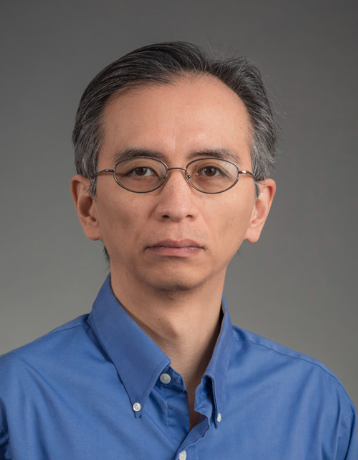 Philip Chan合作论文数Department of Electrical Engineering and Computer Sciences, College of Engineering and Science, Florida Institute of Technology1
 Maciej Zakrzewicz合作论文数Institute of Computing Science, Faculty of Computing, Poznan University of Technology1
 Patricio C Smith合作论文数Faculty of Odontology, University of Chile1
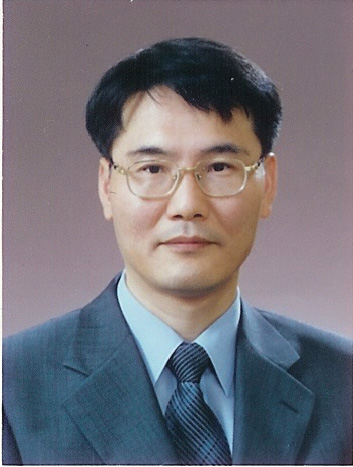 Jong Soo Park合作论文数Sungshin Women's University1




