BACKGROUND:Giant coronary artery aneurysms are rare and may cause thrombosis, distal embolization, and myocardial infarction. Owing to their low prevalence, optimal management remains uncertain. CASE SUMMARY:A 56-year-old man presented with a non-ST-elevation myocardial infarction. Coronary angiography showed diffuse coronary ectasia and aneurysms, chronic right coronary artery occlusion, and no significant obstructive stenosis. Percutaneous revascularization failed because of the complex aneurysmal anatomy. Three years later, recurrent angina prompted multimodality imaging. Cardiac magnetic resonance revealed preserved left ventricular ejection fraction, inferior wall akinesia, transmural late gadolinium enhancement consistent with prior infarction, and new lateral wall motion abnormalities. Cine and tissue-characterization sequences suggested a giant partially thrombosed left circumflex aneurysm, confirmed by coronary computed tomography angiography, which demonstrated an hourglass-shaped aneurysm with minimal residual lumen. The patient underwent successful thrombectomy, capitonnage, and triple coronary artery bypass grafting. DISCUSSION:Multimodality imaging is essential for diagnosis and surgical planning, whereas treatment should be individualized according to aneurysm morphology and clinical presentation. TAKE-HOME MESSAGES:Thrombosed coronary artery aneurysms may be underestimated by coronary angiography because of limited opacification of the aneurysmal sac. Multimodality imaging, integrating coronary computed tomography angiography and cardiac magnetic resonance with angiography, provides complementary information on aneurysm anatomy, thrombus burden, vessel wall characteristics, and myocardial involvement, thereby supporting diagnosis and individualized management.
INTRODUCTION:Type 2 diabetes (T2D) represents a major public health challenge in Poland. This study investigated geographic heterogeneity and municipality‑level ecological predictors of a high T2D risk in the Świętokrzyskie Voivodeship (Poland), a region undergoing rapid socioeconomic transition. OBJECTIVES:We aimed to identify associations between the T2D risk, assessed by the Finnish Diabetes Risk Score (FINDRISC), and socioeconomic and environmental factors. PATIENTS AND METHODS:This cross‑sectional study analyzed data from 252 427 residents of the Świętokrzyskie Voivodeship aged 45-64 years, without diagnosed diabetes, who participated in a regional prevention program (2019-2022). Individual risk, assessed via the FINDRISC questionnaire, was linked with municipality‑level ecological data. We used a logistic regression model with municipality‑clustered standard errors to identify predictors of a high T2D risk (FINDRISC ≥15). RESULTS:Overall, 13.6% of the participants were at a high risk of diabetes (FINDRISC ≥15), with significant geographic variation (P <0.001). Among municipality‑level predictors, higher unemployment rate was significantly associated with increased odds of a high T2D risk (odds ratio [OR], 1.14 per 1% increase; P <0.001), whereas higher proportions of legally disabled residents and higher annual mean concentrations of particulate matter with aerodynamic diameter of 2.5 μm or smaller were inversely associated with the prevalence of a high T2D risk (OR, 0.98; P = 0.03 and OR, 0.92 per 1 μg/m3; P = 0.001, respectively). Results were robust across sensitivity analyses using alternative FINDRISC cutoffs. CONCLUSIONS:Unemployment was a key population‑level determinant of a high T2D risk, whereas other socioeconomic and environmental factors showed null or inverse associations. These findings underscore the importance of considering local context when assessing population‑level health determinants.
Since its release, ChatGPT, which is a novel artificial intelligence (AI) tool, has become a global phenomenon with its utilization in various fields of life. In particular, ChatGPT has many potential uses in the medical field, and its evidence base is expanding momentously. We thus aimed at synthesizing the evidence on medical applications of ChatGPT. After searching several databases, 4351 articles were initially retrieved, eventually yielding that we retrieved 42 systematic reviews or meta-analyses. The main fields of applications were medical education, medical research, and actual use in clinical practice. Additional areas addressed in the literature focused on ethics issues, using ChatGPT as assistance in medical writing and research, as well as ChatGPT's demonstrated medical knowledge. While these reviews demonstrated the potential transformative role of ChatGPT in the medical field, there were also common areas of concern expressed in the articles. A frequently noted concern was inaccuracy, as well as the risk of hallucination. Other key limitations were limited validity, reliability, and privacy issues. In conclusion, the totality of evidence suggests that ChatGPT can be a valuable tool in the medical field, with favorable applications ranging from generation to dissemination and application of clinical knowledge. However, further refinements are required to ensure that its output can be directly applied to medical activities while protecting patient safety and rights.
Structured exercise is a cornerstone of secondary prevention after percutaneous coronary intervention (PCI), yet its specific relationship with in-stent restenosis (ISR) is less well characterized. This narrative review summarizes the biological rationale, clinical evidence, safety, and practical prescription of exercise training in patients with coronary stents, with a focus on its potential impact on ISR. Exercise training improves endothelial nitric oxide bioavailability, reduces systemic inflammation, and favorably modulates neointimal proliferation in experimental and clinical studies. Pooled clinical data suggest that exercise-based cardiac rehabilitation after PCI is associated with a reduction in angiographically defined restenosis, although individual trials, largely from the bare-metal and early drug-eluting stent (DES) eras, have shown inconsistent results on binary restenosis endpoints. Available contemporary data do not suggest an excess risk of stent thrombosis, clinically relevant arrhythmias, or adverse ventricular remodeling when exercise is initiated in clinically stable patients using an individualized and supervised approach. The direct anti-restenotic effect of exercise remains biologically plausible and clinically suggestive but is not yet firmly established, particularly in the contemporary thin-strut DES era. Nevertheless, the well-documented benefits of exercise on functional capacity, endothelial health, and cardiovascular prognosis justify its role as an essential, time-sensitive component of post-PCI care. Larger, contemporary trials with standardized intracoronary imaging endpoints are needed to clarify whether, and in which patient subsets, exercise meaningfully affects the biology of ISR.
BACKGROUND:Percutaneous atrial septal defect (ASD) closure is an established alternative to surgical repair for patients with secundum ASD, offering minimally invasive treatment with high procedural success rates. Despite its widespread adoption, clinically significant complications such as device embolization and erosion may occur. Our Survey aims at providing a comprehensive, multicenter perspective on the incidence, features, and management strategies for these complications, in order to improve procedural outcomes and patient safety through collaborative data collection. METHODS:This is an international, multicenter survey collecting retrospective data from 30 centers performing transcatheter ASD closures between 2011 and 2021. Participating institutions contributed anonymous aggregate data on patient demographics, procedural details, and clinical outcomes, focusing on the incidence, anatomical and procedural risk factors, and management of device embolization or erosion. RESULTS:A total of 30 institutions participated, providing data on 13.155 procedures of transcatheter closure of ASD, with 40% of them in children. Amplatzer device was used in 58% of cases, with balloon sizing performed routinely in 62% of institutions, mainly with stop flow technique. A total of 17 erosions (0.13%) were reported, of which 10 in children (incidence 0.19%) and 7 in adults (incidence 0.09%). Surgical repair was performed in all these cases, one patient died. Embolizations were reported in 91 cases (incidence 0.7%), with 60% of them in children. Most (80%) occurred within 24 h. Surgical retrieval was carried out in 29% of cases. Irrespective of management, no fatal complications occurred. CONCLUSIONS:Complications such as embolization and erosion after transcatheter ASD closure in children and adults are exceedingly rare but still present in clinical practice and require careful monitoring for prompt recognition and timely intervention, in order to obtain favorable outcomes.
Colchicine has been studied as an anti-inflammatory treatment for cardiovascular prevention, but findings from randomized trials have been inconsistent. This meta-analysis evaluated the efficacy and safety of colchicine in reducing major adverse cardiovascular events (MACE) and its individual components, using ChatGPT as an assistant throughout the process. Randomized trials of colchicine for cardiovascular prevention were systematically identified, and data extraction, risk of bias assessment, and meta-analyses were performed with ChatGPT under human supervision. The primary outcome was MACE, while secondary outcomes included myocardial infarction (MI), stroke, revascularization, cardiovascular mortality, and all-cause mortality. Eleven trials involving 30,888 patients were included. Colchicine significantly reduced MACE (risk ratio 0.75, 95% CI 0.63–0.88), though no significant effects were observed for MI, stroke, cardiovascular mortality, or all-cause mortality. In addition to its clinical findings, this study illustrates the potential of ChatGPT to assist in systematic reviews and meta-analyses by automating screening, data extraction, bias assessment, and statistical code generation. This integration reduced researcher time by over 70% while maintaining accuracy through human validation. Overall, colchicine appears to lower the risk of MACE but the results of the CLEAR trial have lowered certainty, while the findings highlight the feasibility and efficiency gains of using large language models in evidence synthesis workflows.
Artificial intelligence (AI) is rapidly transforming the world, and medicine is at the forefront of this revolution. In cardiology, AI is increasingly providing innovative tools for diagnosis, risk stratification, interventional planning, and personalized care. From automated interpretation of ECGs and cardiovascular imaging to integration into interventional workflows and predictive models, AI is emerging as a powerful ally for both clinicians and researchers. However, its implementation also raises critical ethical, legal, and regulatory challenges that require transparency, independent validation, and multidisciplinary governance. This review explores the potential and limitations of AI in cardiovascular medicine, with a focus on emerging technologies, their clinical implications, and the growing role of generative tools such as ChatGPT in scientific research. Much like HAL 9000, AI can enhance human capabilities-but only under vigilant oversight to prevent uncontrolled drifts. The future of cardiology will undoubtedly be more digital, but must remain fundamentally human.
BACKGROUND:Quantitative flow ratio (QFR) is effective in predicting mortality in patients undergoing transcatheter aortic valve replacement (TAVR). How QFR reclassifies coronary artery disease (CAD) at vessel-level compared to angiography and how this influences the risk of death, remains undetermined. METHODS:We calculated QFR from consecutive 280 TAVR patients with bystander coronary stenoses. All lesions were managed conservatively. Angiographic CAD was defined by a diameter stenosis ≥ 50%, functional CAD by a QFR ≤ 0.80. The outcome was mortality at 3 years. RESULTS:Overall, 635 lesions were included. Angiographic CAD was evident in 165 (26.0%), functional CAD in 17 (11.2%) (reclassification: p < 0.001). Angiography/QFR mismatch occurred in 22.5%, mostly in large vessels and lesions located in the proximal left anterior descending (LAD). QFR ≤ 0.80 was an independent predictor of death (HR 2.91, 95% CI 1.94-4.36; p < 0.001). The risk was progressively increased for lower QFR values and positive QFR at LAD site (vs. QFR > 0.80 HR: 3.92, 95% CI 2.78-5.53; p < 0.001; vs. QFR ≤ 0.80 at non-LAD site: HR 2.65, 95% CI 1.07-6.59; p = 0.034). CONCLUSIONS:QFR leads to a significant reclassification of CAD rates at vessel-level and shows a significant prognostic value in patients undergoing TAVR.
Cardiovascular disease remains the leading cause of death worldwide, accounting for more than 20 million deaths each year, over 75
BACKGROUND:Mitral valve prolapse (MVP) reflects a connective tissue abnormality of the mitral leaflets, but systemic manifestations beyond the valve in nonsyndromic MVP remain uncertain. Cardiovascular magnetic resonance (CMR) allows a comprehensive assessment of cardiac chambers, aortic dimensions, and skeletal indexes. We investigated systemic morphofunctional features suggestive of connective tissue alterations in nonsyndromic MVP. METHODS:In this single-centre, retrospective case-control study, 120 patients with MVP without more than mild mitral or aortic regurgitation, bicuspid aortic valve, hypertension, competitive sport, or known or suspected syndromic connective tissue disease were matched 2:1 for age, sex, body surface area (BSA), and body mass index with 60 control subjects undergoing CMR. RESULTS:Compared with control subjects, subjects with MVP showed greater aortic annulus (12.9 ± 1.8 mm/m2 vs 12.1 ± 1.3 mm/m2; P = 0.003), aortic root (18.5 [interquartile range (IQR) 17.1-20.3] vs 17.3 [IQR 15.8-18.7] mm/m2; P < 0.001), Haller index (2.7 [IQR 2.4-3.0] vs 2.6 [IQR 2.4-2.8]; P = 0.021), and kyphosis angle (37.0 [IQR 29.0-40.0] vs 27.5 [IQR 22.0-31.5]; P < 0.001). Subjects with MVP also exhibited higher extracellular volume, T2-mapping values, left ventricular end-diastolic and end-systolic volumes and mass, and left atrial volume. After controlling for sex, age, and BSA, MVP remained associated with the dimensions of the aortic annulus (β = 1.34; P = 0.001), aortic root (β = 1.93; P = 0.001), Haller index (β = 0.21; P = 0.008), and kyphosis angle (β = 8.46; P < 0.001). No excess of other connective tissue disorder features was observed compared with control subjects. CONCLUSIONS:In this patient cohort, nonsyndromic MVP was associated with subtle but significant morphofunctional changes in the cardiac chambers, proximal aorta, and thoracic skeleton. Whether these findings potentially reflect underlying connective tissue disorders, warrants further longitudinal studies on their genetic background and clinical implications.
Preeclampsia is a hypertensive disorder of pregnancy associated with substantial maternal morbidity and long-term cardiovascular risk, but the consistency of echocardiographic remodeling remains unclear. We conducted a mega-meta-analysis of left ventricular function and geometry, enabled by a large language model based suite of tools. A PROSPERO-registered review (CRD420251109103) searched PubMed, Scopus, and Embase without date limits. Synthesa AI screened more than 138,000 abstracts, extracted data, assessed risk of bias, and generated Bayesian analytic code, with all outputs validated by human reviewers. Seventy-five studies including met eligibility criteria. Preeclampsia was associated with a small but statistically significant reduction in ejection fraction (mean difference –0.87%, 95% CrI –1.58 to –0.16) and a clinically meaningful impairment in global longitudinal strain (–3.08%, 95% CrI –4.13 to –2.06). Left ventricular mass index was substantially higher in the preeclampsia group (+13.10 g/m 2 , 95% CrI 10.06 to 16.21), as was relative wall thickness (+0.062, 95% CrI 0.042 to 0.081), whereas fractional shortening showed no significant difference (–0.60%, 95% CrI –2.15 to +0.86). Moderator analyses revealed that BMI and parity significantly influenced strain, while gestational age at diagnosis accounted for nearly all variance in ventricular mass. This mega-meta-analysis defines a remodeling phenotype of preserved ejection fraction, impaired strain, and hypertrophic adaptation consistent with subclinical systolic dysfunction. Equally, it demonstrates the transformative role of LLM-based tools, showing that evidence syntheses of this magnitude can be automated, scaled, and standardized in ways previously unattainable.
BACKGROUND:The primary objective of this systematic review and meta-analysis was to assess the incidence and prognosis of sac regression following endovascular aneurysm repair (EVAR), focusing on mortality (all-cause and aneurysm-related), aneurysm rupture, endoleaks, and secondary interventions. METHODS:A systematic literature search was performed across PubMed, Scopus, Web of Science, and Google Scholar up to December 2024. Randomized trials, cohort studies, and case-control studies involving patients who underwent standard EVAR for abdominal aortic aneurysms (AAA) were included. The studies were included only if they compared patients with sac regression versus those without during follow-up. The Newcastle-Ottawa Scale (NOS) was used for quality assessment. The data were synthesized using a random-effects model to calculate relative risks (RR) for outcomes of interest. RESULTS:A total of 18 observational studies involving 25,984 patients were included. Sac regression was reported in 12,195 patients (46.9% [95% CI: 46.3%, 47.5%]), although with varying definitions of shrinkage through studies. Pooled analyses showed that sac regression was significantly associated with reduced all-cause mortality (RR=0.68 [95% CI: 0.59, 0.78], P<0.001) and aneurysm rupture (RR=0.38 [95% CI: 0.15, 0.97], P=0.044). Sac regression also correlated with lower rates of endoleaks (RR=0.45 [95% CI: 0.33, 0.62], P<0.001) and secondary interventions (RR=0.40 [95% CI: 0.31, 0.52], P<0.001). CONCLUSIONS:Aneurysm sac regression is a valuable prognostic marker after EVAR. It is associated with better clinical outcomes, including reduced mortality and complications. Standardizing the definition and assessment of sac regression is essential for more consistent findings. Further prospective studies and randomized trials are needed to confirm these results and better understand the mechanisms behind sac regression.
BACKGROUND:Contemporary guidelines by the European Society for Cardiology and American College of Cardiology/American Heart Association for the treatment of non-acute myocardial ischaemic syndromes dispute the value of revascularisation and differ in their recommendation to perform revascularisation. A Bayesian network meta-analysis was performed, evaluating the strength of evidence for the comparative incremental effectiveness of coronary artery bypass grafting (CABG) versus percutaneous coronary intervention (PCI) over medical therapy on long-term outcomes. METHODS:A hierarchical Bayesian network meta-analysis was designed (PROSPERO CRD42024541215, date 20 May 2024), including randomised controlled trials (RCTs) published between 2005 and 10 June 2025, which consisted of three initial treatment modalities: optimal medical therapy (OMT), PCI+OMT and CABG+OMT. The primary outcome was all-cause mortality at maximum follow-up; secondary outcomes were trates of the rates of myocardial infarction, stroke and re-revascularisation at maximum follow-up, expressed in HRs and 95% credible intervals (CrIs), accompanied by surface under the cumulative ranking curve (SUCRA) scores. RESULTS:10 RCTs, comprising 10 742 patients, were included. For all-cause mortality, the estimated median HR of CABG+OMT versus OMT was 0.84 (95% CrI 0.68-1.07); the HR of PCI+OMT versus OMT was 0.93 (0.79-1.16); and the HR of CABG+OMT versus PCI+OMT was 0.91 (0.71-1.13). The SUCRAs of a CABG+OMT strategy ranking as the optimal revascularisation treatment regarding mortality, myocardial infarction, stroke and re-revascularisation were 88.1%, 99.7%, 17.5% and 99.5%, respectively. Results were consistent across sensitivity analyses, including in the node-splitting models. CONCLUSIONS:This Bayesian network meta-analysis found that an initial CABG (+OMT) revascularisation strategy was associated with higher probabilities of optimal outcomes, with the exception of stroke, compared with an initial PCI (+OMT) revascularisation strategy, although CrIs overlapped, suggesting that some uncertainty remains. PROSPERO REGISTRATION NUMBER:CRD42024541215.
Cardiovascular (CV) health is influenced not only by biological factors but also by the environments in which people live. The environment comprises interconnected built, living, and social domains that shape health behaviours, psychosocial well-being, environmental exposures, and access to resources. Within this framework, the built environment, the human-made settings that structure daily life, plays a key role in influencing physical activity, dietary behaviours, social interactions, safety, and overall well-being. Neighbourhoods are embedded within historical, legal, political, cultural, and economic contexts that shape the social determinants of health and contribute to CV health. Growing evidence indicates that characteristics of the living environment substantially influence cardiovascular disease (CVD) and related disorders, through multiple pathways. These include access to healthcare, air and noise pollution, availability of healthy foods and green spaces, physical activity, social cohesion, and chronic psychosocial stress. Potential mechanisms include inflammation, oxidative stress, neuroendocrine dysregulation, unhealthy lifestyle behaviours, and persistent stress responses that promote cardiometabolic dysfunction and vascular disease. This expert opinion examines challenges and opportunities related to nutrition, physical activity, environmental quality, community engagement, and occupational as well as social dimensions of the living environment from a public health perspective. This document highlights the importance of designing healthier communities that support CV health and reduce disease burden. Furthermore, neighbourhoods may serve as measurable units for monitoring CVD and broader health outcomes by integrating environmental characteristics with CV metrics, electronic health records, geospatial data, and neighbourhood-level social risk indicators. Addressing environmental determinants across multiple scales supports targeted public health strategies in Europe and globally.
PURPOSE:Heated tobacco products (HTPs) are devices that heat tobacco to high temperatures, rather than combusting it to generate smoke. The potential impact of HTPs on the body is not yet fully understood, as they are relatively recent products. The aim of this multidisciplinary study was to evaluate potential associations between the use of HTPs and both general and system-specific vital parameters in the enrolled subjects in order to determine whether these devices may be harmful and capable of inducing clinical, biochemical, or functional alterations compared to nonsmokers (non-SMs). MATERIALS AND METHODS:In this pilot study, the population consisted of 18 exclusive HTP users and 10 non-SMs. Spirometry was performed to assess respiratory function and blood sampling was used to evaluate the presence of oxidative stress (OS) biomarkers. Hemostatic variations and platelet aggregation were assessed using the total thrombus formation analysis system (T-TAS). Finally, ophthalmological examinations and optical coherence tomography angiography (OCTA) were performed to analyze the structural characteristics and chorioretinal vascular flow parameters. RESULTS:Hemorheological parameters revealed accelerated thrombus formation and prolonged thrombus stability on T-TAS, along with increased nicotinamide adenine dinucleotide phosphate (NADPH) oxidase 2 (NOX2), or NADPH oxidase 2, levels. OCTA also revealed a statistically significant reduction in choriocapillaris flow (Ch-Flow) in HTP users. CONCLUSIONS:Alterations in primary hemostasis, OS, and chorioretinal microvascular perfusion highlight the need for further research in a larger cohort with higher mean age and longer cumulative exposure to HTPs to confirm these preliminary findings.
L’intelligenza artificiale (IA) sta rapidamente trasformando il mondo e la medicina in particolare è travolta da innovazioni continue. In cardiologia, l’IA offre ogni giorno strumenti innovativi per la diagnosi, la stratificazione prognostica, la pianificazione interventistica e la personalizzazione delle cure. Dall’interpretazione automatizzata dell’ECG e dell’imaging cardiovascolare, fino all’integrazione nei flussi procedurali e predittivi della cardiologia interventistica, l’IA si sta affermando come alleato potente del clinico e del ricercatore. Tuttavia, le sue applicazioni sollevano importanti sfide etiche, legali e regolatorie, che impongono trasparenza, validazione indipendente e una governance multidisciplinare. In questa rassegna esploriamo il potenziale e i limiti dell’IA in ambito cardiovascolare, con un focus sulle tecnologie emergenti, le implicazioni per la pratica clinica quotidiana e il ruolo crescente di strumenti generativi come ChatGPT nella ricerca scientifica. Come HAL 9000, l’IA può amplificare le capacità umane ma richiede una supervisione attenta per evitare derive incontrollate. La cardiologia del futuro sarà sempre più digitale, ma dovrà restare saldamente umana.
 Giacomo Frati合作论文数Department of Medical-Surgical Sciences and Biotechnologies, Sapienza University of Rome267
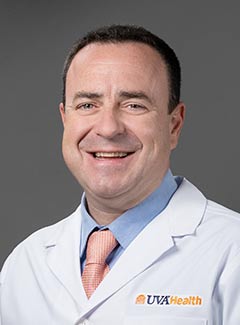 Antonio Abbate合作论文数Advanced Heart Failure and Transplant Center, University of Virginia;Heart and Vascular Center Fontaine, University of Virginia195
 Imad Sheiban合作论文数Casa di cura Pederzoli166
 Claudio Moretti合作论文数Division of Cardiology, University of Turin162
 Fabrizio D'Ascenzo合作论文数143
 Arturo Giordano合作论文数133
 Giuseppe M Sangiorgi合作论文数119
 Peruzzi Mariangela合作论文数Department of Medical-Surgical Sciences and Biotechnologies, Sapienza University of Rome118Francesco Versaci合作论文数115
 Pierluigi Omedè合作论文数University of Turin;Ospedale Molinette115
 Enrico Romagnoli合作论文数91
 Nicola Corcione合作论文数80Marzia Lotrionte合作论文数75
 Luigi Spadafora合作论文数Department of Clinical, Internal Medicine, Anesthesiology and Cardiovascular Sciences, Sapienza University of Rome73
 Marco Bernardi合作论文数72
 Pierfrancesco Agostoni合作论文数70
 Sebastiano Sciarretta合作论文数Dipartimento Medicina Sperimentale, "Sapienza" - Università di Roma69
 Leonardo Roever合作论文数Heart Institute (InCor),, University of São Paulo Medical School;Federal University of Uberlândia;University of São Paulo Medical School, Federal University of Uberlândia62Paolo Ferraro合作论文数Santa Lucia Hosp, Unita Operat Emodinam61
 Antonio Colombo合作论文数Department of Cardiology, Humanitas University;Columbia Presbyterian Medical Center;Stamford Medical Hospital59
 Elena Cavarretta合作论文数Department of Molecular Medicine, »Sapienza« University of Rome58Gaita Fiorenzo合作论文数57
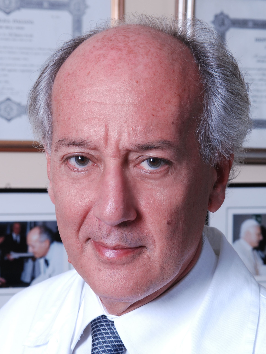 Filippo Crea合作论文数Dipartimento di Scienze Cardiovascolari e Pneumologiche, Università Cattolica del Sacro Cuore;Dipartimento Universitario di Scienze Cardiovascolari e Pneumologiche, Università Cattolica di Roma57
 Luca Testa合作论文数50
 Giovanni Landoni合作论文数IRCCS Ospedale San Raffaele49
 Cerrato Enrico合作论文数48
 Alberto Zangrillo合作论文数Università Vita-Salute San Raffaele48
 A Marullo合作论文数48
 Gregg Stone合作论文数The Zena and Michael A. Wiener Cardiovascular Institute, Icahn School of Medicine at Mount Sinai47
 Carnevale Roberto合作论文数Univ Roma La Sapienza46Pepe Martino合作论文数45Corrado Tamburino合作论文数44
 Umberto Benedetto合作论文数Division of Cardiac Surgery;Andrea Hospital;University of Rome ' ' La Sapienza ' ' Via di Grottarossa;Andrea Hospital, University of Rome ' ' La Sapienza ' ' Via di Grottarossa42
 Francesco Bedogni合作论文数Interventional Cardiology Department, Sant' Ambrogio Clinical Institute42
 Marco Valgimigli合作论文数Faculty of Biomedical Sciences, Università della Svizzera italiana;Cardiology Department, Cardiocentro Ticino41
 Massimo Mancone合作论文数Department of Cardiovascular and Respiratory Science, University of Rome “Sapienza”,41
 Pierre Sabouret合作论文数39Filippo Sciuto合作论文数39
 Maria grazia Modena合作论文数Dipartimento Chirurgico, Medico, Odontoiatrico e di Scienze, Universita degli Studi di Modena e Reggio Emilia38
 Tullio Palmerini合作论文数Dipartimento di Scienze Mediche e Chirurgiche, Università di Bologna;S.Orsola Malpighi Hospital37
 Carlo Trani合作论文数Institute of Cardiology, Catholic University of the Sacred Heart37
 Alberto Morello合作论文数36
 Mario Bollati合作论文数Interventional Cardiology, Policlinico San Donato36
 Isotta Chimenti合作论文数Pasteur Institute, University of Rome “Sapienza”,36Gennaro Sardella合作论文数36
 Francesco Burzotta合作论文数Department of Cardiovascular Sciences, Fondazione Policlinico Universitario Agostino Gemelli IRCCS, Università Cattolica del Sacro Cuore Rome36
 Gianpaolo Trevi合作论文数35Luigi M. Biasucci合作论文数33




