Decades of intensive herbicide use in perennial cropping systems have imposed substantial environmental pressures and accelerated the evolution of herbicide-resistant weed populations. In Andalusia (southern Spain), citrus and olive orchards rely heavily on glyphosate and other herbicide modes of action, resulting in chronic ecosystem exposure, declining herbicide efficacy, and increasing chemical inputs. We surveyed ten dominant weed species across eleven orchards to characterize resistance patterns and investigate underlying physiological mechanisms relevant to environmental persistence and contaminant cycling. Rapid screening assays using six widely applied herbicides (atrazine, 2,4-D, glyphosate, oxyfluorfen, quizalofop-ethyl, and tribenuron-methyl) revealed widespread multiple and cross-resistance in both dicots and monocots. Amaranthus albus, A. viridis, Conyza bonariensis, and Solanum nigrum displayed resistance to atrazine, glyphosate, and tribenuron-methyl, while Lolium rigidum and Sorghum halepense showed broad-spectrum resistance involving target-site alterations and enhanced metabolic detoxification, partially reversed by the cytochrome P450 inhibitor malathion. Complementary biochemical assays targeting PSII, ALS, ACCase, and EPSPS, together with diagnostic tests for PPO- and auxin-related herbicides, indicated diverse non-target-site resistance pathways, suggesting increased herbicide transformation and altered degradation dynamics in soil-plant systems. The emergence of complex resistance mechanisms reflects prolonged selection pressure from intensive herbicide regimes and implies elevated risks of environmental accumulation, off-target effects, and reduced sustainability of chemical-based weed control. These findings highlight the need to reduce herbicide dependence and adopt integrated weed management strategies that minimize pollutant loads in Mediterranean agroecosystems.
Long-term herbicide programs in Mediterranean perennial systems have imposed sustained selection pressure on weed populations, promoting the evolution of multiple resistance. We investigated resistance mechanisms in Chenopodium album (Ca) and C. vulvaria (Cv) from southern Spain following more than two decades of glyphosate-based management. We aimed to (i) confirm resistance to atrazine, tribenuron-methyl (TM), glyphosate, and 2,4-D; (ii) distinguish between target-site and metabolic resistance; and (iii) characterize the biochemical and molecular basis of cross- and multiple-herbicide resistance. Screening assays revealed high survival (78-100%) of resistant (R) populations to acetolactate synthase (ALS)-, photosystem II (PSII)-, auxinic-, and 5-enolpyruvylshikimate-3-phosphate synthase (EPSPS)-inhibiting herbicides. Dose-response assays confirmed resistance, with resistance indices (RI) of 6.7 and 5.1 for atrazine, 19.0 and 17.3 for TM, 7.0 and 13.9 for glyphosate, and 6.0 and 6.9 for 2,4-D in CaR and CvR, respectively. Radiolabelled and analytical metabolism assays demonstrated enhanced herbicide metabolism in R populations: atrazine (94-95% vs. 13-16% in S), TM (68-69% vs. 24-25%), 2,4-D (64-65% vs. 2-4%), and glyphosate (39-43% vs. 8-9%). Malathion partially reversed resistance to atrazine, TM, and 2,4-D, supporting cytochrome P450 (CYP450) involvement. In contrast, glyphosate metabolism was independent of CYP450 or glutathione S-transferases inhibition. Biochemical assays showed no differences in PSII or ALS sensitivity (I₅₀ RI ≈ 1), whereas EPSPS inhibition assays revealed a tenfold increase in I₅₀ in CvR. Sequencing identified a Pro-106-Ser substitution in EPSPS exclusively in CvR. Enhanced metabolism predominates in the R Chenopodium spp. populations, with coexistence of metabolic and target-site mechanisms in CvR, increasing the risk of further cross-resistance under continued herbicide reliance.
Invasive alien plants (IAPs) disrupt biodiversity, ecosystem functions, rural livelihoods, and human health/well-being. Hence, the negative impact of Cenchrus setaceus (syn. Pennisetum setaceum) as an invasive weed poses many concerns in terms of environmental and socio-economic impact. The abundance in previous research on invasion ecology, weed biology, and the management of C. setaceus establishes the chance to carry out an in-depth evaluation of this invasive alien species for a cohesive understanding, closely linked to policy development. This systematic review aims to provide a comprehensive evaluation of previous research, identify knowledge gaps, and incorporate recent practical research findings on C. setaceus to elucidate management options. Standard methods were used to collect the literary evidence on multiple thematic aspects linked with its traits and management. Results revealed the substantial negative impacts of C. setaceus on ecosystems, ascribed to multiple physiological, biochemical, and ecological features. Further, a multitude of plant traits such as rapid seed distribution and efficient reproductive strategies imposed serious challenges in the control of C. setaceus. Deployment of integrated control methods for at least three years in depleting seed bank conjunction by planting native grass may help in its confinement. In conclusion, policy measures like strict biosecurity/legal regulations, explicit elucidation of weed biology, early detection and response, ecological modeling, and long-term monitoring with community participation can expand the horizon of C. setaceus control and help achieve its sustainable management.
Fallopia convolvulus,causes significant problems in cultivated fields due to its twining growth around the stems of the crop plants. The impact of environmental (temperature, osmotic potentials, NaCl concentrations and acidity) and management factors (high temperature and burial depth) on germination and emergence was investigated. The results showed that it germinated over a wide range of temperatures (below 5 °C and above 40 °C). The beta model estimated the cardinal temperatures as 0.37 °C (base), 26.75 °C (optimum), and 45.19 °C (ceiling). As the osmotic potential increased from -0.6 to -1.2 MPa, seed germination decreased. With increasing salinity stress, the germination percentage decreased to less than 50
Stressful conditions in arid and semi-arid regions limit the range of plants that can thrive. These plants must possess traits that enable them to tolerate drought and salinity. This study aims to explore the complex interactions among various factors to identify the most drought- and salinity-tolerant alien and native plant species. We collected data on germination tolerance to drought and salinity from 220 records from Iran. The selected documents contained information on X50 (the level of drought or salinity stress that causes a 50 percent reduction in final seed germination). We screened the records based on their native range (native or alien) according to the recent alien plants̕ check-list of Iran. Additional information, such as the crops in which drought and salinity tolerance were examined, plant family, life cycle of the species, and ecological zones, was also included in the analysis. We employed artificial neural networks (ANN) to distinguish between alien and native species, using the aforementioned data as inputs. Alien and native species were classified with misclassification rates of 0, 0.023, and 0.01 during training, validation, and testing. We demonstrated that native species from Portulacaceae and Geraniaceae had higher drought tolerance, while the Protulacaceae, Amaranthaceae, and Fabaceae families showed the highest tolerance to salinity. Among alien plants, the Lamiaceae family had the highest drought and salinity tolerance. In general, the plant family, made the greatest contribution to both drought and salinity tolerance, followed by ecological zone for drought and life cycle for salinity. The alien plants with the highest drought tolerance were primarily concentrated in the Iranian-O-Turanian ecological zone. The Hircanian zone had a high number of alien plants, while the number in the Khaliji-O-Omanian zone was negligible. Overall, native species demonstrated significantly higher drought tolerance than alien species, but no significant difference in salinity tolerance was evident. We show that an ANN can classify alien and native plants based on drought and salinity tolerance. Plant family traits, crop type, and life cycle strongly influence species classification. Native plants dominate in harsher environments, while alien species thrive in milder conditions. Understanding these differences can improve risk assessments and help prioritize harmful species, especially in the context of climate change.
Adjuvants are critical in enhancing herbicide efficacy, resulting in reduced herbicide application cost, less environmental pollution, and more sustainable weed management. To check the role of adjuvants (alkyl ether sulphate sodium salt, rapsoel methyl ester, fatty alcohol ethoxylate, and ammonium sulphate) in improving the efficacy of nicosulfuron-atrazine-propisochlor (NAP), a repeated warehouse experiment was conducted to optimize the NAP at 100% and 75% of the recommended label dose and adjuvants combinations against five different types of weeds and maize plants. NAP at a reduced dose (75% label dose) plus rapsoel methylester at 400 ml ha-1 provided 100% and 97% control of Trianthema portulacastrum and Dactyloctenium aegyptium. While NAP at reduced dose plus alkyl ether sulphate sodium salt 400 ml ha-1 provided 91%, 86%, and 87% control of Amaranthus viridis, Echinochloa colona and Cyperus rotundus, respectively. The addition of adjuvants did not cause any phytotoxic effect on maize growth and grain yield. All tested adjuvants enhanced the NAP efficacy, however, change in efficacy depended on the adjuvant added and the type of weed species. Hence, tested adjuvants can be used to reduce herbicide doses up to 25%, representing a promising strategy to reduce herbicide input to cope with increasing herbicide-resistance development and environmental pollution to ensure sustainable weed control in maize.
IntroductionPlanting cover crops, along with effective management practices, offers a sustainable alternative to conventional weed control methods. Beyond weed suppression, cover crops contribute positively by increasing organic matter, improving soil structure, enhancing water retention capacity, controlling soil-borne diseases, reducing soil erosion, and ultimately boosting crop yields. Materials and MethodsTo investigate the effect of winter cover crops on weed populations and the yield and yield components of soybean (Glycine max L.) in Golestan province, a field experiment was conducted from 2016 to 2018. The experiment employed a three-replicated split-plot design within a randomized complete block design at the Gorgan University of Agricultural Sciences and Natural Resources. Seven types of cover crops, triticale (Triticosecale witmackx), common oat (Avena sativa L.) , alfalfa (Medicago scutellata L.), canola (Brassica napus L.), sainfoin (Onobrychis sativa L.), perko (Brassica napus L.var. sensolata), and no cover crop (control), were tested under two weed management conditions (with weeding and without weeding). Each plot measured 6 × 3 meters, and crops were manually sprayed 30 days after planting. Parameters measured included plant height, leaf area, and dry weight of cover crops. Results and DiscussionAccording to the results, the best cover plants varied in their effectiveness in several key areas. Perco and field oats were the most effective in achieving a high leaf area index, whereas triticale had the shortest time to reach the maximum leaf area index. Canola and triticale exhibited the highest amount of dry matter accumulation and the shortest time required to reach 50% of the maximum dry matter accumulation. However, across the two years of the experiment, sainfoin proved to be the weakest cover plant in terms of both leaf area index and dry matter accumulation. In terms of soybean yield, the no-weeding treatment led to a decrease of 24% in the first year and 16% in the second year when compared to the average yield of cover crops. The impact of cover plants on soybean performance was significant in the first year. Cover plants significantly influenced the average number of pods per plant, the number of seeds per pod, the weight of 100 seeds, and overall yield. However, in the second year, while the average number of pods per plant and the weight of 100 seeds did not show statistically significant differences, the influence of cover plants on yield and other metrics was still evident. In general, the study suggests that triticale and field oats can be suitable pre-sowing options for soybean planting. These cover plants help reduce the weed population and either increase or stabilize soybean yield without the need for additional fertilizer inputs. This conclusion highlights the potential of triticale and field oats to enhance sustainable agricultural practices by improving yield and managing weeds effectively. The findings underscore the importance of selecting appropriate cover plants to optimize crop performance and minimize the need for chemical inputs. By choosing the right cover plants, farmers can improve their crop yield and manage weed populations more effectively, contributing to a more sustainable agricultural system. Triticale and field oats, in particular, show promise in achieving these goals, offering a viable strategy for enhancing soybean production and ensuring environmental sustainability. In conclusion, the research emphasizes the significance of cover plant selection in agricultural practices. Triticale and field oats have demonstrated their potential as effective cover crops, capable of boosting soybean yield and managing weeds without the reliance on fertilizers. This study provides valuable insights for farmers aiming to adopt more sustainable and productive farming practices. ConclusionThis study highlights the potential of cover crops in sustainable agriculture to effectively reduce the weed seed bank and prevent declines in crop yield over the long term. Among the cover crops evaluated, triticale and common oat are recommended pre-planting options for soybean cultivation, especially when complemented with effective weed management practices.
Urban greening had a significant effect on enhancing the distribution of alien plants, which pose a threat to the native species in new areas. Senecio angulatus L.f. (cape ivy) is one of the naturalized species dominant in urban ecosystems in many regions. This study was conducted to evaluate the allelopathic interference of this alien species on the native plants in these habitats in Iran. The allelopathy impact of aqueous extract of stem, leaf and root of cape ivy was estimated on germination and seedling´s growth of five native plants (Agropyron elongatum, Medicago sativa, Portulaca oleracea, Silybum marianum, and Lactuca sativa as indicator plant). The tested species differed in their susceptibility to allelopathy of cape ivy, in which M. sativa, P. oleracea, and L. sativa were significantly sensitive than other species. The inhibitory effect of aqueous extracts from leaves and stems was stronger than those from belowground parts and it revealed that the presence of higher concentrations of natural substances (phenols, flavonoids and antioxidant activity) gave it its efficiency in inhibiting the early growth of native plant. Our results imply that reducing the allelopathic impact of this species during habitat restoration requires the removal of the aboveground parts, including fallen leaves. Furthermore, the information obtained helps score cape ivy risk and impact assessment in the introduced regions.
Two populations of Setaria adhaerens (resistant [R] and susceptible [S]) have been identified in Spanish olive orchards. The R population shows multiple resistance to chlorotoluron (PSII inhibitor), diclofop-methyl (ACCase inhibitor), tribenuron-methyl (ALS inhibitor), glyphosate (EPSPS inhibitor), and oxyfluorfen (PPO inhibitor), along with potential natural tolerance to diflufenican (PDS inhibitor). This study evaluated herbicide efficacy at field rates, enzyme activity (ALS, ACCase, EPSPS, PPO, PSII), and the role of cytochrome P450 and glutathione-S-transferases using malathion and NBD-Cl, respectively. The S population was fully controlled by all herbicides except diflufenican, which showed only ∼45 % control in both populations, indicating possible innate tolerance. In the R population, chlorotoluron, diclofop-methyl, tribenuron-methyl, and glyphosate had no effect on enzyme activity, suggesting non-target site resistance (NTSR). In contrast, oxyfluorfen inhibited PPO activity only in the S population, indicating target-site resistance (TSR). NBD-Cl showed no activity, ruling out glutathione-S-transferases-mediated metabolism. However, malathion restored over 50 % sensitivity to chlorotoluron, diclofop-methyl, and tribenuron-methyl in the R population, suggesting enhanced metabolism likely mediated by cytochrome P450 monooxygenases. Metabolic profiling further confirmed enhanced herbicide detoxification in the R population as a key resistance mechanism. These findings highlight the complexity of resistance in S. adhaerens and underline the urgent need to incorporate metabolic resistance monitoring into weed management programs. Future studies will focus on unraveling the molecular basis of these resistance mechanisms.
Impact of alien grasses on the environment, biodiversity and crops in Iran Abstract: The high number of alien grasses in Iran makes it necessary to prioritize species for mitigating their negative consequences on the environment and agricultural production. We classified 34 alien grasses in Iran based on the IUCN Environmental Impact Classification of Alien Taxa (EICAT-IUCN) to assess their risks on native species and mapped their distributions in Iran's ecological zones. We also discussed their impacts on agriculture and management options. Rottboellia cochinchinensis, Paspalum distichum and Microstegium vimineum have the potential to cause massive impacts, while Cenchrus longispinus, Eragrostis curvula, Panicum repens, Paspalum urvillei, Cortaderia jubata and Phyllostachys reticulata can cause major impacts on native species. Competition, transmission of disease and ecosystem structural impact accounted for over 49% of the mechanisms leading to environmental impacts. The Fisher's exact test indicates a significant association between the EICAT-IUCN score and life cycle. Of the 23 grasses invading crops, 60% have infested rice fields; and P. repens, P. distichum, Paspalum dilatatum and Leptochloa chinensis have the highest potential impact on yield losses (>60% in some cases in worldwide). P. distichum and P. repens can have the greatest potential impacts on both the environment and agriculture. Conservation priorities must be established to address the potential environmental impacts caused by alien grass species in Iran.
IntroductionConsidering the growth of the human population, limited resources in the agricultural sector, and the urgent need to increase production, it is essential to implement logical and principled pest control measures, with a strong emphasis on protecting the health of farmers, community members, and the environment. The Environmental Impact Quotient (EIQ) can show the risk of different agricultural pesticides by considering the amount of damage to the health of these three components. This study investigated the environmental effects of pesticides used in canola, sugar beet, and potato fields in Aliabad Katool County (Golestan province), during 2021-2022.Materials and MethodsFor this purpose, 21 canola fields, six potato fields, and five sugar beet fields were randomly selected and information related to pesticide spraying, field area, crop rotation, and crop yield with continuous monitoring, face-to-face interviews, and completed questionnaires was collected from farmers. Also, the EIQ values related to the pesticide use in these fields were collected through articles and reliable websites. The amount of environmental effect of pesticides per hectare (EIQ-FUR) was obtained from the product of their EIQ value in the amount of effective substance and the consumption amount per hectare. The amount of environmental damage of each field was calculated from the sum of EIQ-FURs of pesticides consumed in that field per hectare. Finally, a classification map of the extent of environmental damage to the studied crops was prepared in Ali Abad Katool county.Results and DiscussionIn general, among the pesticides used in these farms, the highest damage to farm workers is in the group of herbicides related to Gramaxone, in the group of insecticides related to Phosalone, Chlorpyrifos, and Thiacloprid, and in the group of fungicides, Mancozeb, Cyproconazole+Carbendazim, and Tebuconazole. Also, the fungicides Tebuconazole, Cyproconazole+Carbendazim, and Thiophanate-methyl showed more damage to consumers, and the risk of leaching in the environment compared to the group of herbicides, and insecticides. Investigating the pesticides used and damage to the ecological components, two insecticides, Diazinon and Chlorpyrifos, were introduced as the most dangerous pesticides on the organisms of the environment. Based on the average of these damages, or in other words, the EIQ index for each pesticide, Cyproconazole+Carbendazim, Chlorpyrifos and Diazinon, Tebuconazole and Imidaclopride 35 % and Imidaclopride 70 % were identified as the most dangerous pesticides in the studied fields. The highest environmental effect of pesticides per hectare belongs to Mancozeb fungicide with EIQ-FUR equal to 61.72. This fungicide has an average EIQ (25.72) compared to pesticides such as Cyproconazole+Carbendazim, Chlorpyrifos and Diazinon, etc., but due to the high percentage of the effective substance and the amount used in the potato fields of the region (3 liters per hectare), causes the most damage and toxicity to the environment. Also, the increase in the frequency and amount of Trifluralin herbicide consumption in potato fields (4 liters per hectare) has caused it to be introduced as the second most dangerous pesticide in the region. In addition, the insecticides chlorpyrifos (1.5 liters) and diazinon (one liter) and the fungicide methyl thiophanate (one liter) are respectively EIQ-FUR and have a higher environmental effect than other pesticides per hectare unit and therefore more planning should be done in their use or replacement.ConclusionThe distribution map of the environmental effects of pesticides in the investigated crops showed that most of the canola and sugar beet fields were in the class of low and very low risk, while the potato fields were in the class of medium and high risk. In other words, the environmental effect and pollution caused by potato cultivation has been more than the other two crops. The increase in the consumption of fungicides and herbicides in potato cultivation has led to increased damage to organisms and the environment.AcknowledgmentsWe would like to thank Gorgan University of Agricultural Sciences and Natural Resources, wheat and barley farmers, and agricultural Jihad management of Fazel Abad region, Ali Abad Katool County for their cooperation in conducting this research.
Glyphosate has been used for roadside weed control in southern Spain for over 40 years, and most populations of goldentop (Lamarckia aurea L.) Moench have putatively developed resistance to this active ingredient. The physiological and biochemical basis for glyphosate resistance in this weed has been investigated. Dose–response studies indicated that the resistant biotype (R) was almost 13 times more resistant to glyphosate compared to a known susceptible biotype (S). Studies of foliar glyphosate retention and 14C-glyphosate uptake/translocation showed no significant differences between both L. aurea biotypes. Basal 5-enolpyruvylshikimate-3-phosphate synthase (EPSPS) activity (µmol µg−1TSP min−1) showed similar values between R (0.82 ± 0.04) and S (0.75 ± 0.05) biotypes. On the other hand, the resistance factor (I50R/I50S) did not show a difference between the two biotypes. Therefore, it was concluded that target-site (TSR) resistance mechanisms are not involved in glyphosate resistance in this weed species. The metabolism of glyphosate to form the non-toxic metabolites aminomethylphosphonic acid (AMPA), glyoxylate, and sarcosine was greater and faster in the R compared to the S biotype; thus, glyphosate resistance is due to non-target-site resistance (NTSR) mechanisms. This paper is the first report of glyphosate resistance in L. aurea in the world.
Weed control is the primary challenge in aerobic cultivation of rice. This study was carried out to evaluate the impact of different herbicides and tillage systems on yield and yield components of aerobic cultivated rice. The experiment was conducted as a combined analysis across different locations with three replicates during 2022 and 2023 in Ramiyan township, Golestan province, Iran. The factors included tillage (as locations) at three levels of conventional, reduced, and zero tillage, and weed management including pendimethalin, pendimethalin + bispyribac sodium, pendimethalin + penoxsulam, penoxsulam + penoxsulam, bispyribac sodium + bispyribac sodium, pendimethalin + bispyribac sodium + bispyribac sodium, pendimethalin + penoxsulam + penoxsulam, weeding, and weed-infested control. The results showed that next to the weed-free treatment, pendimethalin + bispyribac sodium + bispyribac sodium and pendimethalin + penoxsulam + penoxsulam were superior in terms of number of tillers, grains per plant, 1000- grain weight, grain yield and biological yield under all tillage conditions, whereas sole application of pendimethalin had a poor efficacy. The highest grain yield under conventional tillage belonged to pendimethalin + bispyribac sodium + bispyribac sodium, pendimethalin + penoxsulam + penoxsulam, and hand weeding with 3660, 3733, and 3800 kg ha− 1 in the first year and 4820, 4804, 5879 kg ha− 1 in the second year, respectively. These values under reduced tillage were 3913, 3776, and 3933 kg ha− 1 in the first year and 5121, 5113, and 5158 kg ha− 1 in the second year, respectively. Under zero tillage conditions, grain yield of the above treatments was respectively 4016, 4000, and 4166 kg ha− 1 in the first year and 4594, 4724, and 5212 kg ha− 1 in the second year. The results confirmed that suitable tillage and weed management treatments can help to improve the yield in aerobic cultivated rice.
IntroductionExcessive use of pesticides in agriculture creates many consequences for public health and environmental pollution. Numerous measures have been implemented in pest management and pesticide use to minimize the harmful effects of pesticide products. The Environmental Impact Quotient (EIQ) has been developed to quantify the risks of pesticides to humans and the environment. We can identify the most detrimental pesticides by measuring such a quotient and then enhancing society's biological health through replacing them with safer alternatives. The environmental effects of pesticide application by using that the environmental impact quotient were considered in this study. This study investigated the environmental effects of pesticides used in wheat and barley fields in Aliabad Katool county, Golestan province. Materials and MethodsThis study was conducted in wheat and barley fields in Fazel Abad of Ali Abad Katool County during 2021-2022. For this purpose, 22 wheat fields and 12 barley fields were randomly selected. The information related to pesticide spraying, field area, crop rotation and crop yields was collected from farmers as questionnaires. Then the amount of environmental effect of pesticides per hectare (EIQ-FUR) was obtained from the product of their EIQ value in the amount of effective substance and the consumption amount per hectare. Results and DiscussionAccording to the results of this study, the highest amount of damage to farm workers is in the group of herbicides related to Bromicide, in the group of insecticides related to Dursban, and in the group of fungicides to Altocombi, Raxil and Folicur determined. Also, Raxil, Folicur and Altocombi fungicides showed more damage to consumers and leaching risk. In addition, two insecticides, Diazinon and Dursban, were introduced as the most dangerous pesticides to environmental organisms. Also, Pumasuper, Altocombi, Folicur, and Raxil were known to be harmful pesticides on ecological components. In general, based on the EIQ index for each pesticide, Altocombi, Pumasuper, Dursban, Diazinon and Folicur were introduced as the most dangerous pesticides. Based on the EIQ index for each pesticide, Altokambi, Pumasuper, Dursaban and Folicor were introduced as the most dangerous pesticides in the fields. Considering the average consumption of pesticides per hectare and the amount of their effective substance in addition to the EIQ index, Inovor (18.48), Dursban (17.83), Bromicide (17.01), Diazinon (16.66), Malathion (13.68), 2,4-D (13.44), Bazagran (13.44) and Artea (13.25) were considered as dangerous pesticides in the region and therefore more planning should be done in using or replacing them. ConclusionThe classification of the environmental impact of pesticides used in the study area indicated that environmental damage was greater in wheat fields than in barley fields. Barley fields fell into the very low to low damage categories, while wheat fields were classified as having moderate damage. This suggests that wheat farmers relied more heavily on chemical pesticides. Considering the necessity of planning for the use of pesticides and informing farmers about the risks of consumption and paying attention to the use of low-damage pesticides, it is suggested that this index be calculated for all pesticides used in the region and the selection of pesticides in integrated pest management programs should be done according to this index. AcknowledgmentsWe would like to thank Gorgan University of Agricultural Sciences and Natural Resources, wheat and barley farmers, and the Agricultural Jihad Management of Fazel Abad region, Ali Abad Katool county for their cooperation in conducting this research.
New introductions of alien Ipomoea species and their negative impacts have increased in Greece, Türkiye, and Iran. However, little is known about their current status, distribution, impacts, and management. Here, we provide a detailed overview of Ipomoea species in these countries and discuss the current and proposed management options for restoring invaded plant communities. We report on four alien Ipomoea species in Greece (three naturalized and one casual), 10 in Türkiye (eight naturalized and two casual), and 11 in Iran (eight naturalized of which two are invasive and three casual). Their most significant negative impact was detected in agricultural areas, especially in spring crops like soybean, cotton, and maize, with I. hederacea, I. purpurea, and I. triloba being the most troublesome weeds. Native plants are mainly threatened by I. indica, I. leucantha, and I. triloba. The management of Ipomoea species differs according to the habitats invaded; in agricultural areas, the management is more dependent on the host crop and the available registered herbicides, whereas in areas with natural habitats, other management options such as mechanical and biological measures are more appropriate. The information from this work will be useful for the early detection of Ipomoea species in countries neighboring the already invaded ones.
IntroductionRice (Oryza sativa L.) is one of the most important crops cultivated in Iran and in particular, North of the country. In recent years, reduced rainfall and adverse conditions of ground and surface waters has raised concerns about the feasibility of flooded rice cultivation method. On the other hand, yield loss by weeds under aerobic conditions is greater compared with the flooded systems, as weeds will emerge simultaneously with rice plants. Despite the more difficult weed management in aerobic rice as well as the limitations in its consequent cultivation in the same field, aerobic rice cultivation system still remains a feasible strategy to achieve sustainable production of rice under the inevitable adverse climatic conditions in the future. Therefore, the present study was carried out with the aim of evaluating the effect of various chemical management methods on weed control as well as growth characteristics of two rice cultivars of Neda and Fajr under aerobic conditions.Materials and MethodsThe experiment was conducted as a strip plot with three replicates at Dasht-e- Naz field, Sari in 2020-2021. Treatments included two cultivars (Neda and Fajr) and 10 levels of weed management including 1- bispyribac sodium (Novino) herbicide, 2- pendimethalin (Prowl) + bispyribac sodium (Novino) herbicides, 3- pendimethalin (Prowl) + bispyribac sodium (Clean Weed) herbicides, 4- pendimethalin (Stomp) + bispyribac sodium (Novino) herbicides, 5- pendimethalin (Stomp) + bispyribac sodium (Clean Weed) herbicides, 6- pendimethalin (Prowl) + bispyribac sodium (Clean Weed) + bispyribac sodium (Clean Weed) herbicides, 7- pendimethalin (Prowl) + bispyribac sodium (Clean Weed) + bensulfuron methyl (Londax) herbicides, 8- pendimethalin (Prowl) + bispyribac sodium (Novino) + bispyribac sodium (Novino) herbicides, 9- weed-free and 10- weedy check. In weedy checks, weeds were allowed to grow until the end of the growing season. Pre-emergence herbicides of Prowl and Stomp were sprayed 2 days after sowing. Also, Clean Weed and Novino herbicides were applied 21 days after sowing. Finally, 35 days after sowing, Clean Weed, Novino and Londax herbicides were sprayed in three-times application of herbicide treatment. Spraying was carried out using a chargeable Matabi knapsack sprayer equipped with a 8003 flat fan nozzle, calibration volume of 200 L ha-1 and 200 KPa pressure. In order to determine the growth characteristics of rice including dry weight, leaf area index and plant height, sampling was done at certain time intervals. Also, dry weight of weeds in each plot was recorded at the mentioned intervals.Results and DiscussionThe greatest plant height in Neda and Fajr was respectively 83.1 and 67.8 cm, which was observed in the weed- free treatment. The plant height varied from 56-73 cm in Neda and 41-60.5 cm in Fajr cultivar in different herbicide treatments. Also, plant height in weedy check in both Neda and Fajr cultivars was significantly lower than other treatments. In both rice cultivars and after the weed- free treatment, the greatest plant height and least time to 50% maximum height was recorded in three- times herbicide application treatments. In the weed- free treatment, leaf area index of Neda and Fajr cultivars reached its peak 71 days after sowing (both at the same time), and was 4.2 and 3.7, respectively. Three- times application of herbicides was ranked next after the weed-free treatment with leaf area indices of 3-3.2 in Fajr and 3.3-3.6 in Neda cultivar. Taking into account the weedy check, weed- free and herbicide treatments, the dry weight of Fajr cultivar ranged from 583.4 to 1640.6 g m-2, whereas these values in Neda varied between 1121.9 to 1968.4 g m-2. The results of this study showed that the most common weeds found in the field were velvetleaf (Abutilon theophrasti Medik.), musk melon (Cucumis melo L.), common purslane (Portulaca oleracea L.), barnyard grass (Echinochloa crus-galli (L.) P.Beauv.) and bermuda grass (Cynodon dactylon (L.) Pers.). Weed dry weight in weedy check and in the second place, single- herbicide application treatment was higher and increased more rapidly compared with other treatments. The increase in the dry weight of weeds in Fajr was higher than Neda cultivar. Also, next to the weed-free treatment with 5607 kg ha-1, grain yield was the highest when Prowl+ Novino+ Novino (4994 kg ha-1) and Prowl+ Clean Weed+ Clean Weed (5029 kg ha-1) treatments were applied.ConclusionsBased on the results obtained from this study, cultivation of Neda cultivar as well as three-times application of herbicides (application of pre-emergence herbicide followed by two- times aaplication of a post-emergence herbicide) is recommended to improve the grain yield of rice under aerobic system.
Sea barley is weedy grass in agricultural landscapes and infrastructure habitats (roads, railroads, etc.) in Golestan province (the northern part of Iran). This study investigated the germination of sea barley in response to temperature, water potentials, salinity, pH levels, waterlogging, heat stress and also seedling emergence in response to burial depth. Results showed that sea barley seeds germinated over a wide range of temperatures from 5 to 35 °C, with the highest germination at 25 °C. Seed germination was rapidly reduced with increasing osmotic potential so that germination declined by 36% at –0.2 MPa. This was also the case for the salinity stress, and germination declined by 30% at 40 mM NaCl. Seed germination was the highest (> 65%) in 6 to 7 pHs and no germination was observed at alkali levels. Heat stress completely inhibited the germination of seeds at all tested temperatures and durations. Sea barley seed germination was higher than 50% after being waterlogged for 45 days, and some germination (12%) still occurred 60 days after waterlogging. The highest seedling growth occurred at 1–2 cm soil depth and was negligible at ≥5 cm soil depths. The results of this study indicate that deep tillage or flamethrower may be good options to mitigate the negative impacts of this weed.
Aerobic rice cultivation has been proposed as a water-saving option. Regional assessments are necessary to quantify its importance as such an option because aerobic rice exhibits varying effects on crop yield and irrigation water, depending on location, management, and cultivar. Currently, there is a lack of such regional assessments. In this study, we evaluated the potential of aerobic-direct-seeded rice cultivation as an alternative to the traditional flooded-transplanting system (FTS) in Golestan province, Iran. Using a bottom-up approach, rice production zones and buffers were identified, and the SSM-iCrop2 model was employed to simulate crop growth and water use for FTS and two aerobic systems in the entire province. The results revealed significant reductions in irrigation water volume for the aerobic systems, ranging from 22 to 50
The establishment and spread of plants in their native or alien geographical ranges are determined by their germination. This study investigated the impact of different factors on variations in cardinal temperatures. We used the lm procedure and measured the effect size by the Eta-square approach to find the association of different factors (species, ecotypes, origin (native/alien), year, and life cycle) with the cardinal temperatures of 31 species. Our results showed that the base, optimum, and maximum temperatures responded differently to these factors. The base temperature was less impacted by ecotypes compared with the optimum and maximum temperatures, whereas the species had a higher impact on the variation in the base temperature. The effect of the origin of weedy plants on the base temperature was higher than the optimum and maximum temperatures. The effect of the year on the optimum temperature was more prominent than that on the base and maximum temperatures. The results confirmed that weedy alien plants preferred high and narrow ranges of base, optimum, and maximum temperatures and probably will be more problematic in summer crops. The results indicate that alien plants can benefit from warmer conditions in invaded areas at the germination stage. These findings lay the foundation for further studies to elucidate which factors are more important.
Quantifying the level of seed germiabiliy of herbicide-resistant (R) and susceptible (S) weeds is useful for understanding the evolutionary development of herbicide resistance, but also for implementing herbicide-resistance management strategies. Germination is a crucial aspect in the life phase of weeds. Phalaris brachystachys biotypes resistant to ACCase-inhibiting herbicides have been confirmed in wheat fields in Iran. This study aimed to investigate the germination behaviour of ACCase- resistant and susceptible subpopulations P. brachystachys under different environmental factors. An analysis of the seed germination of P. brachystachys sub populations at the seed stage was therefore conducted. The resistant (R) and susceptible (S) P. brachystachys subpopulation germination traits were tested in different temperature, salinity stress, drought, and burial depth conditions. All tests were carried out with five replications in a completely randomized design. The highest germination percentage in both subpopulations occurred at a temperature range of 20 to 25 °C. At 35 °C, no germination occurred. In terms of estimated cardinal temperatures, no differences were observed between S and R subpopulations. Seeds containing the ACCase Ile-1781-Thr mutation germinated better under salt and osmotic stress. There were no fitness differences in pH conditions. The percentage and rate of emergence of the R subpopulation were more than S subpopulation at different burial depths. The seedling emergence reached a maximum of 50
 Rafael De Prado合作论文数Departamento de Quı&#x;mica Agrı́cola y Edafologı;Escuela Técnica Superior de Ingenieros Agrónomos y de Montes, Universidad de Córdoba;Escuela Técnica Superior de Ingenieros Agrónomos y de Montes, Universidad de Córdoba38
 Sima Sohrabi合作论文数Fac Agr, Ferdowsi Univ Mashhad23
 Farshid Ghaderi-Far合作论文数Corresponding author.15
 Saeid Hassanpour-bourkheili合作论文数Dept Agron, Gorgan Univ Agr Sci & Nat Resources14
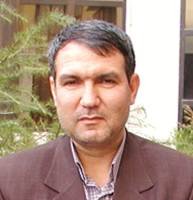 Eskandar Zand合作论文数Department of Weed Research, Plant Protection Research Institute13
 Behnam Kamkar合作论文数Department of Agronomy;Gorgan University of Agricultural Sciences and Natural Resources;Department of Agronomy, Gorgan University of Agricultural Sciences and Natural Resources13Maria D. Osuna合作论文数12
 Mohammad Hassan Rashed Mohassel合作论文数College of Agriculture, Ferdowsi University of Mashhad11Antonia María Rojano-Delgado合作论文数9
 Ali Ghanbari合作论文数8
 Ricardo Alcantara de la Cruz合作论文数Centro de Ciencias da Natureza, Universidade Federal de Sao Carlos8
 Asieh Siah-Marguee合作论文数Ferdowsi University of Mashhad;Department of Agronomy;Department of Agronomy, Ferdowsi University of Mashhad7
 Mehdi Rastgoo合作论文数6Sajedeh Golmohammadzadeh合作论文数6a derakhshan合作论文数Dept Plant Prod & Genet, Univ Khuzestan6
 Candelario Palma-Bautista合作论文数Department of Agroforestry, University of Cordoba6
 Hugo Enrique Cruz Hipólito合作论文数6
 Jose ALFREDO DOMINGUEZ Valenzuela合作论文数5
 Hossein Kazemi合作论文数Gorgan University of Agricultural Sciences and Natural Resources5R. A. Vidal合作论文数5
 Afshin Soltani合作论文数Gorgan Univ Agr Sci & Nat Resources5m h rashed mohasel合作论文数4Mehdi Nassiri Mahalati合作论文数3
 Zahra Hatami合作论文数National Committee for Ethics in Biomedical Research, Ministry of Health and Medical Education3
 Pablo Tomas Fernandez-Moreno合作论文数3
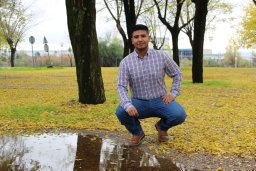 Jose Guadalupe合作论文数Department of Agroforestry, University of Cordoba3González-Torralva Fidel合作论文数Department of Agricultural Chemistry and Edaphology, University of Cordoba3
 Ramezanpour Sanaz合作论文数3
 Hamid Reza Sadeghipour合作论文数School of Medicine, University of Tehran3
 Omid Ansari合作论文数Department of Plant Sciences;Dept, NDSU;North Dakota State University;Department of Plant Sciences, North Dakota State University3Ribas A. Vidal合作论文数3
 Mehdi Nasiri合作论文数Department of Agronomy, Ferdowsi University of Mashhad (FUM),3M. R. Ghannadha合作论文数2m n mahalati合作论文数2nasiri mahalati mehdi合作论文数2Yousefi Marziyeh合作论文数2D. Mazaheri合作论文数2Eduardo Sánchez-González合作论文数2
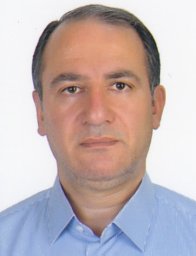 Naser Bagherani合作论文数2
 Rohollah Faez合作论文数Department of Plant Protection, Science and Research Branch, Islamic Azad University2
 Alessandra Rocha Kortz合作论文数2shahrzad noroozi合作论文数2
 Petr Pyšek合作论文数Department of Invasion Ecology, Institute of Botany, Czech Academy of Sciences2Calha I M合作论文数2
 Mostafa Oveisi合作论文数2
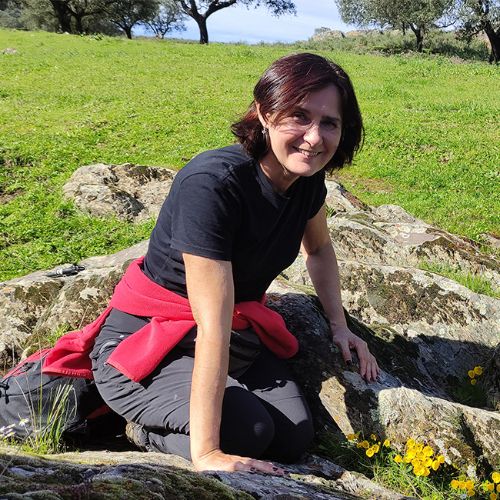 Montserrat Vilà合作论文数Estacion Biologica de Donana-CSIC2
 Ricardo Alcántara Román合作论文数Universidad de Cordoba2
 Jan Pergl合作论文数1|Institute of Botany|Academy of Sciences of the Czech Republic2




