BACKGROUND:Neonicotinoids, including imidacloprid (IM), cause harm to Apis mellifera in a number of ways, among others by impairing body maintenance, resistance and immunity. Energy resources are important to preventing this, as we hypothesized, not only in the hemolymph but particularly in the fat body, the insufficiently investigated, as yet, equivalent of the mammalian liver and pancreas. Both suppression and hormesis (diaphasic stressor response) of energy supply was reported in the energy-dependent traits of bees exposed to sublethal doses of imidacloprid. Therefore, our goal was to answer which of these two phenomena occurs in the hemolymph/fat body and at what doses of imidacloprid. METHODS:concentrations/activities of respiratory/citric cycle compounds (acetyl-CoA, IDH-2, AKG, succinate, fumarate, NADH2, COX, UQRC, and ATP) were compared in the hemolymph and fat bodies of nurse workerbees sampled from honeybee colonies fed with diets containing 200 ppb (IM-200), 5 ppb (IM-5; sublethal), and 0 ppb of IM in a field experiment. RESULTS:the assayed compounds had higher values in the fat body than in the hemolymph, whereas their variability was higher in the hemolymph. The pattern of response to IM was the same in both tissues, but markedly differed between IM-200 and IM-5. The concentrations of the strongly correlated NADH2, ATP and acetyl-CoA decreased both in IM-200 and IM-5, whereas the levels of the other compounds decreased in IM-200 but increased in IM-5. CONCLUSIONS AND SIGNIFICANCE:decreased ATP and acetyl-CoA levels both in IM-5 and IM-200 show that the pesticide impairs the hemolymph and fat-body energy metabolism in spite of hormesis in six of the nine respiratory and citric cycle compounds even in low, residual doses. This finding better explains how residual doses of neonicotinoids may disturb the fat body functions, and therefore suppress the apian resistance, which expands our knowledge about honeybee colony losses.
Here we cover a wide range of methods currently in use and recommended in modern queen rearing, selection and breeding. The recommendations are meant to equally serve as standards for both scientific and practical beekeeping purposes. The basic conditions and different management techniques for queen rearing are described, including recommendations for suitable technical equipment. As the success of breeding programmes strongly depends on the selective mating of queens, a subchapter is dedicated to the management and quality control of mating stations. Recommendations for the handling and quality control of queens complete the queen rearing section. The improvement of colony traits usually depends on a comparative testing of colonies. Standardized recommendations for the organization of performance tests and the measurement of the most common selection characters are presented. Statistical methods and data preconditions for the estimation of breeding values which integrate pedigree and performance data from as many colonies as possible are described as the most efficient selection method for large populations. Alternative breeding programmes for small populations or certain scientific questions are briefly mentioned, including also an overview of the young and fast developing field of molecular selection tools. Because the subject of queen rearing and selection is too large to be covered within this paper, plenty of references are given to facilitate comprehensive studies.
Pesticides impair honeybee health in many ways. Imidacloprid (IMD) is a pesticide used worldwide. No information exists on how IMD impact the bees' body bioelement balance, which is essential for bee health. We hypothesized that IMD disturbs this balance and fed the bees (in field conditions) with diets containing 0 ppb (control), 5 ppb (sublethal considered field-relevant), and 200 ppb (adverse) doses of IMD. IMD severely reduced the levels of K, Na, Ca, and Mg (electrolytic) and of Fe, Mo, Mn, Co, Cu, Ni, Se, and Zn, while those of Sn, V, and Cr (enzymatic) were increased. Levels of P, S, Ti, Al, Li, and Sr were also decreased, while only the B content (physiologically essential) was increased. The increase in Tl, Pb, and As levels (toxic) was alarming. Generally, IMD, even in sublethal doses, unexpectedly led to severe bioelement malnutrition in 69% of bioelements and to a stoichiometric mismatch in the remaining ones. This points to the IMD-dependent bioelement disturbance as another, yet unaccounted for, essential metabolic element which can interfere with apian health. Consequently, there is a need for developing methods of bioelement supplementation of the honey bee diet for better preventing bee colony decline and protecting apian health status when faced with pesticides.
Beekeeping is an extremely difficult field of agriculture. It requires efficient management of the bee nest so that the bee colony can develop efficiently and produce as much honey and other bee products as possible. The beekeeper, therefore, must constantly monitor the contents of the bee comb. At the University of Warmia and Mazury in Olsztyn, research is being carried out to develop methods for efficient management of the apiary. One of our research goals was to test whether a gas detector (MCA-8) based on six semiconductor sensors—TGS823, TGS826, TGS832, TGS2600, TGS2602, and TGS2603 from the company FIGARO—is able to recognize the contents of bee comb cells. For this purpose, polystyrene and wooden test chambers were created, in which fragments of bee comb with different contents were placed. Gas samples were analyzed from an empty comb, a comb with sealed brood, a comb with open brood, a comb with carbohydrate food in the form of sugar syrup, and a comb with bee bread. In addition, a sample of gas from an empty chamber was tested. The results in two variants were analyzed: (1) Variant 1, the value of 270 s of sensor readings from the sample measurement (exposure phase), and (2) Variant 2, the value of 270 s of sensor readings from the sample measurement (measurement phase) with baseline correction by subtracting the last 600 s of surrounding air measurements (flushing phase). A five-time cross-validation 2 (5xCV2) test and the Monte Carlo cross-validation 25 (trained and tested 25 times) were performed. Fourteen classifiers were tested. The naive Bayes classifier (NB) proved to be the most effective method for distinguishing individual classes from others. The MCA-8 device brilliantly differentiates an empty comb from a comb with contents. It differentiates better between an empty comb and a comb with brood, with results of more than 83%. Lower class accuracy was obtained when distinguishing an empty comb from a comb with food and a comb with bee bread, with results of less than 73%. The matrix of six TGS sensors in the device shows promising versatility in distinguishing between various types of brood and food found in bee comb cells. This capability, though still developing, positions the MCA-8 device as a potentially invaluable tool for enhancing the efficiency and effectiveness of beekeepers in the future.
American foulbrood is a dangerous bee disease that attacks the sealed brood. It quickly leads to the death of bee colonies. Efficient diagnosis of this disease is essential. As specific odours are produced when larvae rot, it was investigated whether an electronic nose can distinguish between colonies affected by American foulbrood and healthy ones. The experiment was conducted in an apiary with 18 bee families, 9 of which showed symptoms of the disease confirmed by laboratory diagnostics. Three units of the Beesensor V.2 device based on an array of six semiconductor TGS gas sensors, manufactured by Figaro, were tested. Each copy of the device was tested in all bee colonies: sick and healthy. The measurement session per bee colony lasted 40 min and yielded results from four 10 min measurements. One 10-min measurement consisted of a 5 min regeneration phase and a 5 min object-measurement phase. For the experiments, we used both classical classification methods such as k-nearest neighbour, Naive Bayes, Support Vector Machine, discretized logistic regression, random forests, and committee of classifiers, that is, methods based on extracted representative data fragments. We also used methods based on the entire 600 s series, in this study of sequential neural networks. We considered, in this study, six options for data preparation as part of the transformation of data series into representative results. Among others, we used single stabilised sensor readings as well as average values from stable areas. For verifying the quality of the classical classifiers, we used the 25-fold train-and-test method. The effectiveness of the tested methods reached a threshold of 75 per cent, with results stable between 65 and 70 per cent. As an element to confirm the possibility of class separation using an artificial nose, we used applied visualisations of classes. It is clear from the experiments conducted that the artificial nose tested has practical potential. Our experiments show that the approach to the problem under study by sequential network learning on a sequence of data is comparable to the best classical methods based on discrete data samples. The results of the experiment showed that the Beesensor V.2 along with properly selected classification techniques can become a tool to facilitate rapid diagnosis of American foulbrood under field conditions.
Abstract The aim of the experiment was to check the effectiveness of the varroacide veterinary product called PolyVar Yellow® (flumethrin 275 mg) in field conditions in the area of north-eastern Poland. The experiment was carried out on twenty bee colonies, of which in ten (group PY) were tested with the veterinary product and the remaining ten constituted a control group without anti-varroosis treatment (group C). Treatment began in mid-August and lasted until the end of October when bee flights ceased. A control treatment was then conducted with a 3.2% oxalic acid solution. The effectiveness of Varroacide of PolyVar Yellow® was estimated on the basis of the parasite falls on the Varroa sticky inserts and based on the infestation rate of bees with the parasite before and after the treatment. High varroacide effectiveness of the preparation was obtained at 97%. The tested veterinary product was shown to protect effectively bee colonies against reinvasion of Varroa destructor mites.
We investigated how different antioxidant defenses (ADSs) were shaped by evolution in young/old Apis mellifera workers and queens to broaden the limited knowledge on whether ADSs are effective in contemporary pesticide environments and to complete bee oxidative-aging theory. We acquired 1-day-old, 20-day-old, and 2-year-old queens and 1-day-old and 20-day-old workers (foragers) fed 0, 5, or 200 ppb imidacloprid, a pesticide oxidative stressor. The activities of catalase, glutathione peroxidase, glutathione S-transferase, and superoxide dismutase and the level of total antioxidant potential were determined in hemolymph. The ADS was upregulated in workers with age but downregulated in queens. Imidacloprid suppressed the ADS in all workers, particularly in foragers with an upregulated ADS, but it did not affect the ADS in 1-day-old queens. In contrast to foragers, the downregulated ADS of 2-year-old queens was unexpectedly highly upregulated by imidacloprid, which has not been previously shown in such old queens. The principal component analysis confirmed that queen and worker ADSs responded to imidacloprid in opposite ways, and ADS of 2-year-queens was markedly different from those of others. Thus, evolutionary shaped ADSs of older queens and workers may be of the limited use for foragers dwelling in pesticide ecosystems, but not for old queens.
American foulbrood is a dangerous disease of bee broods found worldwide, caused by the Paenibacillus larvae larvae L. bacterium. In an experiment, the possibility of detecting colonies of this bacterium on MYPGP substrates (which contains yeast extract, Mueller-Hinton broth, glucose, K2HPO4, sodium pyruvate, and agar) was tested using a prototype of a multi-sensor recorder of the MCA-8 sensor signal with a matrix of six semiconductors: TGS 823, TGS 826, TGS 832, TGS 2600, TGS 2602, and TGS 2603 from Figaro. Two twin prototypes of the MCA-8 measurement device, M1 and M2, were used in the study. Each prototype was attached to two laboratory test chambers: a wooden one and a polystyrene one. For the experiment, the strain used was P. l. larvae ATCC 9545, ERIC I. On MYPGP medium, often used for laboratory diagnosis of American foulbrood, this bacterium produces small, transparent, smooth, and shiny colonies. Gas samples from over culture media of one- and two-day-old foulbrood P. l. larvae (with no colonies visible to the naked eye) and from over culture media older than 2 days (with visible bacterial colonies) were examined. In addition, the air from empty chambers was tested. The measurement time was 20 min, including a 10-min testing exposure phase and a 10-min sensor regeneration phase. The results were analyzed in two variants: without baseline correction and with baseline correction. We tested 14 classifiers and found that a prototype of a multi-sensor recorder of the MCA-8 sensor signal was capable of detecting colonies of P. l. larvae on MYPGP substrate with a 97% efficiency and could distinguish between MYPGP substrates with 1–2 days of culture, and substrates with older cultures. The efficacy of copies of the prototypes M1 and M2 was shown to differ slightly. The weighted method with Canberra metrics (Canberra.811) and kNN with Canberra and Manhattan metrics (Canberra. 1nn and manhattan.1nn) proved to be the most effective classifiers.
Assessment of colony infestation by Varroa destructor is a crucial part of the Integrated Pest Management (IPM) applied to beekeeping. Natural mite fall, quantified by counting the mites on sticky sheets, is considered a reference method to estimate varroa infestation level in honey bee colonies. However, in recent years, alternative methods that can be used in field conditions have been investigated. In this paper, we report the results of the evaluation of two different methods to estimate the levels of varroa infestation. The experiment involved 151 honey bee colonies in nine apiaries of four countries (Algeria, Croatia, Italy, Poland). After the main honey flow, we compared the 10-day natural mite fall and the powdered sugar roll methods with the varroa population in each colony. According to our results, the powdered sugar roll method could be suggested to beekeepers as a suitable IPM tool for varroa control, while natural mite fall represents a more accurate method that could be adopted for selection/research purposes.
Honeybee workers have a specific smell depending on the age of workers and the biological status of the colony. Laboratory tests were carried out at the Department of Apiculture at UWM Olsztyn, using gas sensors installed in two twin prototype multi-sensor detectors. The study aimed to compare the responses of sensors to the odor of old worker bees (3–6 weeks old), young ones (0–1 days old), and those from long-term queenless colonies. From the experimental colonies, 10 samples of 100 workers were taken for each group and placed successively in the research chambers for the duration of the study. Old workers came from outer nest combs, young workers from hatching out brood in an incubator, and laying worker bees from long-term queenless colonies from brood combs (with laying worker bee’s eggs, humped brood, and drones). Each probe was measured for 10 min, and then immediately for another 10 min ambient air was given to regenerate sensors. The results were analyzed using 10 different classifiers. Research has shown that the devices can distinguish between the biological status of bees. The effectiveness of distinguishing between classes, determined by the parameters of accuracy balanced and true positive rate, of 0.763 and 0.742 in the case of the best euclidean.1nn classifier, may be satisfactory in the context of practical beekeeping. Depending on the environment accompanying the tested objects (a type of insert in the test chamber), the introduction of other classifiers as well as baseline correction methods may be considered, while the selection of the appropriate classifier for the task may be of great importance for the effectiveness of the classification.
Honey bees are subject to a number of stressors. In recent years, there has been a worldwide decline in the population of these insects. Losses raise a serious concern, because bees have an indispensable role in the food supply of humankind. This work is focused on the method of assessment of honey bee colony infestation by Varroa destructor. The approach allows to detect several categories of infestation: "Low", "Medium" and "High". The method of detection consists of two components: (1) the measurements of beehive air using a gas sensor array and (2) classification, which is based on the measurement data. In this work, we indicate the sensitivity of the bee colony infestation assessment to the timing of measurement data collection. It was observed that the semiconductor gas sensor responses to the atmosphere of a defined beehive, collected during 24 h, displayed temporal variation. We demonstrated that the success rate of the bee colony infestation assessment also altered depending on the time of day when the gas sensor array measurement was done. Moreover, it was found that different times of day were the most favorable to detect the particular infestation category. This result could indicate that the representation of the disease in the beehive air may be confounded during the day, due to some interferences. More studies are needed to explain this fact and determine the best measurement periods. The problem addressed in this work is very important for scheduling the beekeeping practices aimed at Varroa destructor infestation assessment, using the proposed method.
Infestation of bee colony with Varroa destructor proceeds exponentially. It is important to detect the disease at its very early stage. However, the distinction of later infestation stages is also practical. We proposed to apply gas sensor array measurements of beehive air as the source of information which may be useful for this kind of assessment. Honeybee infestation was classified into three categories: ‘low’, ‘medium’ and ‘high’, two categories: ‘low’ and ‘medium to high’, and another two categories: ‘high’ and ‘medium to low’. Responses of gas sensor array to beehive air were used as the input data of the classifier, which was trained to distinguish the categories. The results of the analysis demonstrated that category ‘low’ was determined most effectively, with an error rate of about 10%. Category ‘high’ was most difficult to determine. In this case the lowest error rate was about 20%. Based on our analysis, the approach based on binary classification was favoured and SVM outperformed ensemble of classification trees. It was found, that first several minutes of gas sensors exposure to beehive air were sufficient to attain effective classification. The presented method of varroosis determination, based on beehive air sensing with gas sensors is innovative and has high potential of application in beekeeping.
In the fight against the Varroa destructor mite, selective breeding of honey bee (Apis mellifera L.) populations that are resistant to the parasitic mite stands as a sustainable solution. Selection initiatives indicate that using the suppressed mite reproduction (SMR) trait as a selection criterion is a suitable tool to breed such resistant bee populations. We conducted a large European experiment to evaluate the SMR trait in different populations of honey bees spread over 13 different countries, and representing different honey bee genotypes with their local mite parasites. The first goal was to standardize and validate the SMR evaluation method, and then to compare the SMR trait between the different populations. Simulation results indicate that it is necessary to examine at least 35 single-infested cells to reliably estimate the SMR score of any given colony. Several colonies from our dataset display high SMR scores indicating that this trait is present within the European honey bee populations. The trait is highly variable between colonies and some countries, but no major differences could be identified between countries for a given genotype, or between genotypes in different countries. This study shows the potential to increase selective breeding efforts of V. destructor resistant populations.
Colony Collapse Disorder (CCD) is an environmental threat on a global scale due to the irreplaceable role of bees in crop pollination. Varroa destructor (V.d.), a parasite that attacks honeybee colonies, is one of the primary causes of honey bee population decline and the most serious threat to the beekeeping sector. This work demonstrates the possibility of quantitatively determining bee colony infestation by V.d. using gas sensing. The results are based on analysing the experimental data acquired for eighteen bee colonies in field conditions. Their infestation rate was in the 0 to 24.76% range. The experimental data consisted of measurements of beehive air with a semiconductor gas sensor array and the results of bee colony V.d. infestation assessment using a flotation method. The two kinds of data were collected in parallel. Partial Least Square regression was applied to identify the relationship between the highly multivariate measurement data provided by the gas sensor array and the V.d. infestation rate. The quality of the developed quantitative models was very high, as demonstrated by the coefficient of determination exceeding R2 = 0.99. Moreover, the prediction error was <0.6% for V.d. infestation rate predictions based on the measurement data that was unknown to the model. The presented work has considerable novelty. To our knowledge, the ability to determine the V.d. infestation rate of bee colony quantitatively based on beehive air measurements using a semiconductor gas sensor array has not been previously demonstrated.
Varroosis is a dangerous and difficult to diagnose disease decimating bee colonies. The studies conducted sought answers on whether the electronic nose could become an effective tool for the efficient detection of this disease by examining sealed brood samples. The prototype of a multi-sensor recorder of gaseous sensor signals with a matrix of six semiconductor gas sensors TGS 823, TGS 826, TGS 832, TGS 2600, TGS 2602, and TGS 2603 from FIGARO was tested in this area. There were 42 objects belonging to 3 classes tested: 1st class—empty chamber (13 objects), 2nd class—fragments of combs containing brood sick with varroosis (19 objects), and 3rd class—fragments of combs containing healthy sealed brood (10 objects). The examination of a single object lasted 20 min, consisting of the exposure phase (10 min) and the sensor regeneration phase (10 min). The k-th nearest neighbors algorithm (kNN)—with default settings in RSES tool—was successfully used as the basic classifier. The basis of the analysis was the sensor reading value in 270 s with baseline correction. The multi-sensor MCA-8 gas sensor signal recorder has proved to be an effective tool in distinguishing between brood suffering from varroosis and healthy brood. The five-time cross-validation 2 test (5 × CV2 test) showed a global accuracy of 0.832 and a balanced accuracy of 0.834. Positive rate of the sick brood class was 0.92. In order to check the overall effectiveness of baseline correction in the examined context, we have carried out additional series of experiments—in multiple Monte Carlo Cross Validation model—using a set of classifiers with different metrics. We have tested a few variants of the kNN method, the Naïve Bayes classifier, and the weighted voting classifier. We have verified with statistical tests the thesis that the baseline correction significantly improves the level of classification. We also confirmed that it is enough to use the TGS2603 sensor in the examined context.
Imidacloprid (IMD) may affect proteolysis, aspartate aminotransferase (AST), alanine aminotransferase (ALT), alkaline phosphatase (ALP), and global DNA methylation in honeybees. Queens, drones, and workers aged 1 or 20 days were exposed (free-flying colonies) to IMD (5 ppb and 200 ppb) in their diet. As a result, the colony depopulation did not occurred. IMD disturbed hemolymph/cuticle proteolysis; deactivated most of the cuticle protease inhibitors, activated hemolymph thiol and metal proteases and cuticle thiol proteases; downregulated ALP, ALT, AST; and increased DNA methylation in a caste- and age-dependent manner. The response in queens and workers differed, possibly due to eusocial evolution. Higher IMD dose had greater effects. The responses of ALP, ALT, AST, and DNA may reflect acceleration of biochemical senescence and epigenetic adaptation to IMD. All these biochemical side effects may lead to colony depopulation during future biotic/abiotic stress.
 b bak合作论文数45j bratkowski合作论文数44Maciej Siuda合作论文数35
 Jerzy Woyke合作论文数SGGW, Agricultural University;Bee Division;Bee Division, Agricultural University27m siuda合作论文数26
 Fani Hatjina合作论文数19Małgorzata Bieńkowska合作论文数16
 Per Kryger合作论文数Research Centre Flakkebjerg, Danish Institute of Agricultural Sciences16beata panasiuk合作论文数Apiculture Div, Res Inst Hort15Maria Wilde合作论文数14
 Aleksandar Uzunov合作论文数Fac Agr Sci & Food14Jakub Wilk合作论文数Apiculture Department, Warmia and Mazury University in Olsztyn13
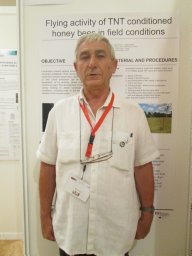 Nikola Kezic合作论文数Fac Agr, Univ Zagreb13
 Cecilia Costa合作论文数Agriculture and Environment Research Centre, Council for Agricultural Research and Agricultural Economy Analysis13
 Buchler Ralph合作论文数12
 evgeniya ivanova合作论文数Dept Dev Biol, Univ Plovdiv Paisii Hilendarski11
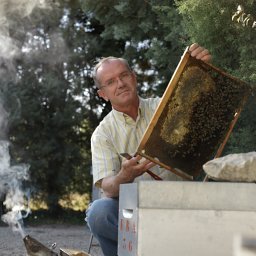 Yves Le Conte合作论文数Laboratoire de biologie11Maria Bouga合作论文数10
 Sreten Andonov合作论文数10
 Marina Doris Meixner合作论文数Department of Entomology;Washington State University;Department of Entomology, Washington State University10Janusz Bratkowski合作论文数8winfried dyrba合作论文数8Petrov Plamen Pavlov合作论文数8
 Charistos Leonidas合作论文数8Hermann Pechhacker合作论文数8Monika Maciejewska合作论文数8
 Andrzej Szczurek合作论文数7Seppo Korpela合作论文数7Janja Filipi合作论文数Department of Ecology, Agronomy and Aquaculture, University of Zadar6
 Marica Maja Dražić合作论文数Croatian Minist Agr6Nikolaus Koeniger合作论文数6Katedra Pszczelnictwa Uwm合作论文数6p grabowski合作论文数5
 Jerzy Paleolog合作论文数5
 Marco Lodesani合作论文数5
 Piotr Artiemjew合作论文数University of Warmia and Mazury5stefan fuchs合作论文数4Maja Ivana Smodiš Škerl合作论文数4
 Ales Gregorc合作论文数Fac Agr & Life Sci, Univ Maribor4
 Aneta Strachecka合作论文数4Dariusz G合作论文数4Hrisula Kiprijanovska合作论文数4Konstanty Romaniuk合作论文数4Lauri Ruottinen合作论文数4C. C. Reddy合作论文数3Marek Gancarz合作论文数3
 Marin Kovacic合作论文数Univ JJ Strossmayer, Fac Agrobiotechn Sci Osijek3
 Radosław Szulc合作论文数Economic Sciences and Management, Nicolaus Copernicus University3




