This study develops a public policy framework to promote sustainable socio-economic development at the village level through traditional agricultural customary institutions. The proposed agricultural development approach emphasizes strategic aspects in integrating local potential through adaptive collaboration between local governments and communities. The study employs a qualitative method, utilizing a case study approach, to develop a policy model for traditional rice farming institutions. Data were collected through a combination of literature review and in-depth interviews with key informants. The findings reveal that the local government of West Aceh Regency needs to adopt a village development policy model that is responsive to local values and the dynamic socio-cultural context, which has not yet been fully optimized. An interactive, participatory, and adaptive policy framework is identified as a key prerequisite for achieving sustainable socio-economic development among customary farming communities. A bottomup model approach, driven by local actors within traditional farming institutions, has proven effective in enhancing policy implementation and ensuring alignment with local values and the principles of the Sustainable Development Goals (SDGs). This includes SDG Village 18, which focuses on development based on dynamic and adaptive customary institutions. Furthermore, this research contributes conceptually to the formulation of regional public policies aimed at enhancing village development, grounded in local wisdom, through the empowerment of farmers as part of a strategic regional development plan for sustainable socio-economic growth.
Recently, creative industries have become one of the significant instruments to achieve the Sustainable Development Goals (SDGs). However, no evidence about the advantages of the mechanism and the sustainability trade-offs. This study seeks to examine the creative industries and their contribution to sustainable economic, social, and environmental development systematically. Additionally, we identify the important instruments, constraints, and policy-relevant. Of these, we use PRISMA-guided SLR to synthesize relevant studies from ScienceDirect and Google Scholar databases from 2017 to 2025. Using Endogenous Growth Theory, this study analyzed 22 articles thematically. The creative economy activities contributed significantly to Indonesia’s economic growth and employment, including culinary, fashion, and craft subsectors. This study identified three themes, e.g., digitalization creates jobs, empowering communities and promoting gender inclusion through local grounded ecosystems and expanding rural development role through sustainable production, creative tourism, and environmentally responsible practices. Besides that, the crucial limitations include non-standardized measurement, fragile intangible resources (e.g., ideas and talent), labour instability, uneven technology adoption, and cultural and environmental destruction. This study proposes an integration model for the sustainable creative industry and five future research priorities placed on theory development, standardized system of measurement, systemic application, governance involvement, and longitudinal analysis.
Indonesia’s rapid economic expansion has intensified concerns about rising carbon dioxide (CO₂) emissions, yet there is limited evidence on how key economic activities simultaneously influence the country’s carbon trajectory. This study examines the dynamic interrelationships among consumption, investment, trade openness, and CO2 emissions using annual data for 1990–2024 were obtained from the World Bank and Bank Indonesia. Using a Vector Autoregressive (VAR) framework, the analysis employs Granger causality tests, impulse response functions (IRFs), and forecast error variance decomposition (FEVD) to capture both short- and long-run causal mechanisms and adjustment patterns. The Granger causality results show that consumption (p = 0.041) and trade openness (p = 0.023) significantly drive CO2 emissions, whereas investment does not directly Granger-cause emissions (p = 0.642) but reacts strongly to changes in consumption and external trade conditions. FEVD results further indicate that trade openness explains approximately 20.56
This study aims to develop an inclusive agricultural development model to increase the participation of marginalized women farmers and young farmers in Nagan Raya Regency. This region is one of the nation’s food baskets, however the food security index has not been optimized with the targets set by the National Food Security Agency. Inclusive agricultural research relies on synergy between local governments and local communities which has not yet been integrated or specific. Therefore this study focuses on classifying groups of women farmers and young farmers who in an inclusive manner leverage local potential to achieve sustainable development goals. Data were analyzed using an inductive qualitative approach through data reduction verification and conclusion drawing. The results of this study show that an inclusive development model can be implemented through promoting female farmers’ participation and involving young farmers in transforming local resources in Nagan Raya Regency. The implementation of inclusive agriculture embraces the principle of empowering farmers’ resources within environmentally economically and socially oriented frameworks to enhance sustainable food security. Furthermore, the inclusive development model aims to achieve a green society a green economy and inclusive growth by strengthening the participation of women farmers and young farmers working together to support local food security. The implications of this research help classify the roles of various actors in achieving development priorities in agriculturally based regions of Nagan Raya and improving the regional food security index.
The sustainability of small-scale fisheries livelihoods is highly vulnerable to environmental changes. This study uses the Sustainable Livelihood Approach (SLA) through five capitals that shape sustainable livelihoods. Environmental changes in Prigi Bay into a tourist area encourage small-scale fisheries households to implement sustainable livelihood strategies. The analysis results show that human capital in education, health and alternative employment has the ability and convenience for small-scale fishers. Natural resource capital using natural resource forecasting is used as a consideration or control for production in the coming year that exceeds or is still below CMSY. The financial capital of small-scale fishers produces a value that is profitable and feasible to run. The social capital of small-scale fishers in the form of trust, social norms, and social networks is running well. Infrastructure in physical capital is generally in good condition and available. Market capital that runs in small-scale fishers is following supply chain standards. The government provides policies and training for small-scale fishers to improve their skills and expertise. Efforts to achieve strategies to enhance the sustainability of small-scale fishers' livelihoods with S-O strategies, through increasing fish catches with the help of the use of technology such as GPS and fish finder, implementing other alternative business practices by utilizing available yard land, and expanding distribution channels to reach a wider market by utilizing relationships, through natural, social, financial, human resources, market, fiscal, and policy aspects.
The creative economy is vital for Indonesia's economic growth, especially during a global slowdown. It boosts employment and export values, with culinary, crafts, and fashion leading the way. In 2022, fashion, culinary, and crafts had the highest export values. West Java is a standout province in this industry. The UMKM Juara program aims to expand markets and digitalize MSMEs. Technology and digital tools are reshaping the business landscape, and the creative industry must embrace these advancements to succeed financially. The purpose of this study was to investigate the effect of digital innovation on business success as a mediator between digital entrepreneurship competence and digital entrepreneurship orientation. The methodology employed was descriptive verification with a quantitative approach. Data were collected using questionnaires. The sampling technique employed was non-probability sampling with purposive sampling, yielding a sample of 306 West Java UMKM Juara in the Fashion Subsector. SEM-AMOS was used to analyze the data in this research. The research findings revealed that digital entrepreneurship competence had a direct and positive effect on business success. Likewise, digital entrepreneurship orientation had a positive effect on business success. Digital innovation mediated digital entrepreneurship competence towards business success. However, digital innovation did not mediate digital entrepreneurship orientation on Business Success. This findings can be used to improve vocational education curricula or strengthen training programs related to developing digital competencies among learners.
Purpose: This research is about how the development of local wisdom (especially Keujreun Blang) has been articulated into ACEH rice farmers’ socio-economic policy to build sustainable food security. The novelty of this study is that it relates the governance function of Keujreun Blang to Astagatra, endowed as national resilience, as a framing approach, which seems neglected in contemporary rural development literature. Study Design/Methodology/Approach: The study adopted a qualitative research design, utilising in-depth interviews, participatory observation, and document analysis to gather data from key stakeholders involved in rice farming and traditional governance. Findings: The results show that Keujreun Blang is not only a customary tool of conflict resolution and agricultural administration but also an important basis for social-cultural capital. The organisation maintains social order, controls group resources, and shows promise as an indigenous institution for locally sustainable policy development. By institutionalising its role within the policy of formal agriculture, the Astagatra in three dimensions (Trigatra) as well as another four pillars (Pancagatra), namely natural resources for Trigaptra and law, social culture, economy, and political defence for Pancagatra. Originality/Value: The study confirms practical examples of the way in which local government can mainstream customary institutions into formal policy processes. It presents a participative, situationally sensitive, adaptive mode of governance that is applicable in other jurisdictions that strive for sustainable food security. In this respect, the research in this paper contributed to both academic discourses and policy interventions: it reveals how local cultural-based institutions can be effectively used to strengthen national resilience by integrating Astagatra.
This study seeks to identify the fertilizer subsidies and land area on rice farmers’ income, using a case study of Babahrot, Southwest Aceh, Indonesia. The study employs quantitative methods, utilizing a survey questionnaire. The study population comprises all rice farmers in Babahrot, totaling 1,569 farmers in 2023. A sample of 95 respondents was selected using the Slovin formula, with a 10 percent margin of error, to ensure representativeness. Data were collected through a quantitative approach using primary data obtained directly from respondents via field surveys, observations, structured interviews, and questionnaires. The study employs one dependent variable, farmers’ income, and two independent variables, fertilizer subsidies and land area. Fertilizer subsidies are measured using indicators of price accuracy, quantity accuracy, timeliness, location accuracy, and type accuracy. Land area is measured in hectares based on owned and rented rice fields. Farmers’ income is assessed through indicators including gross income, net income, productivity, selling price, and production costs. All variables were measured using a Likert scale ranging from 1 to 5. Data analysis was conducted using descriptive statistical methods, including frequency distributions and percentages, to provide a comprehensive overview of farmers’ characteristics, perceptions, and economic conditions. The results indicate that farmers generally perceive subsidized fertilizer as effective and of comparable quality to non-subsidized fertilizer, while land area is widely recognized as a key determinant of income levels. However, small landholdings and limited income remain significant challenges, highlighting the need for policies that enhance land-use efficiency, agricultural productivity, and farmers’ welfare in rural rice-producing areas.
The rise of digital technology has significantly altered consumer purchase behaviour and corporate processes. This study examines consumer repurchase intentions in the cosmetics business by integrating artificial intelligence, social media consumer engagement, conversion rate optimisation, and a positive customer experience. Information was gathered from 400 Avoskin customers in Bandung. Non-probability sampling is used in the procedure, and data testing and hypothesis generation are done using SmartPLS software. The research findings indicate that artificial intelligence has a noteworthy and favourable impact on consumer engagement on social media. Additionally, artificial intelligence has a significant and positive effect on conversion rate optimisation, which in turn has a notable and favourable effect on customer satisfaction. Lastly, a satisfying consumer experience has a positive and significant impact on repurchase intentions. Customer habit has a positive and significant role in influencing repurchase intentions.
This study examines the effect of the quality of e-services provided by e-commerce on customer satisfaction and loyalty during the COVID-19 pandemic. This study used a quantitative approach to involve 118 respondents who traded in online markets. The sampling method used is purposive sampling. The data were analyzed using a structural equation model using the partial least squares technique. Research results indicate that out of the five hypothetical relationships raised by the researcher, one relationship related to remuneration was found to lack a statistically significant positive effect. Besides that, the remaining four hypothetical relationships, including efficiency, confidentiality, accountability, and customer satisfaction, demonstrated positive and statistically significant. The implication of this study highlights the need to cultivate and improve the quality of e-services in the online market, especially in the context of the COVID-19 pandemic. In this way, businesses can provide consumers with a rich shopping experience, enhancing customer satisfaction and laying the foundation for long-term customer loyalty.
This study aims to examine the dynamics of multi-gender roles within the Karya Maju Women Farmers Group (KWT) in Bener Meriah Regency, particularly with the management of Gayo coffee cultivation. Despite KWT being administratively overseen by women, this research identified that men's contributions remain substantial in facilitating physical labor, including land cultivation and the transportation of agricultural goods. This study employs a qualitative methodology utilizing in-depth interviews and participant observation to analyze patterns of gender involvement in KWT. The research findings indicate that while men's participation is not formally organized within the KWT framework, their presence illustrates the interdependence between women's managerial positions and men's physical labor. The incorporation of gender roles in KWT could enhance the efficiency and sustainability of agricultural enterprises, although it has not been adequately addressed in current regulations. This research concludes that KWT Karya Maju serves as a forum for women's empowerment and a platform for collaboration between women and men to enhance the welfare of agricultural families. This research advocates for the implementation of more inclusive and adaptable policies to address gender roles in the agricultural sector, hence enhancing organizational effectiveness and the sustainability of coffee production.
In recent years, the economic landscape of Indonesian urban centres has undergone a significant transformation, with Bandung City serving as a pertinent case study. Despite its strategic role in regional development and innovation, Bandung has experienced a gradual deceleration in economic growth. This study examines the structural dynamics and sectoral performance of Bandung City's economy from 2020 to 2023, a period marked by post-pandemic recovery and digital transformation. Despite a consistent increase in Gross Regional Domestic Product (GRDP) from IDR 211.25 trillion in 2022 to IDR 221.97 trillion in 2023, the city's economic growth rate decelerated slightly from 5.41% to 5.07%. This slowdown reflects both a return to normalcy after a strong rebound and potential structural challenges within key sectors. Using a sectoral contribution analysis based on GRDP data at constant prices, this study identifies the wholesale and retail trade, manufacturing industry, and information and communication as the top three contributors to the city's economy throughout the period. While these sectors provide a stable economic foundation, the study also highlights significant growth in emerging sectors, including health services, transportation and warehousing, and accommodation and food services. These findings indicate a gradual diversification of Bandung's economic structure, suggesting new areas of opportunity for policy support and investment. The research offers critical insights into regional economic planning, highlighting the need to strike a balance between supporting dominant sectors and fostering emerging industries to ensure sustainable and inclusive urban growth.
Emotional intelligence and parenting style are essential elements of adolescents’ education. Effective parenting styles and emotional stability aid adolescents’ self-development. Previous studies have indicated that parenting styles and emotional intelligence significantly influence on adolescents’ behavior. There is a lack of research examining the effects of parenting styles and emotional intelligence on adolescents career self efficacy. Thus, this study aims to determine how parenting style and emotional intelligence related to career self-efficacy and to identify the predictive factors for adolescents’ career self-efficacy. A total of 335 lower-six form students were selected via purposive sampling. This survey study used three sets of questionnaires as data collection tools. The data were analysed via the descriptive method to determine the mean, percentage, and frequency, as well as via inferential analysis, which includes correlation and regression, to investigate the relationships and contributions of the variables. The findings revealed a significant relationship between parenting style, emotional intelligence, and adolescents’ career self-efficacy. Regression analysis revealed that parenting style (authoritarian, authoritative, and permissive) and emotional intelligence contribute to adolescents’ career self-efficacy. This study’s practical implication is that parenting style practices and emotional intelligence need to be enhanced to improve adolescents' career self-efficacy. This study also provides preliminary information to stakeholders, including the government agencies involved with family and educational institutions, for the formulation and implementation of programmes aimed at enhancing emotional intelligence and parents’ awareness regarding effective parenting styles. With respect to the study's theoretical implications, the results support the idea that emotional intelligence and parenting style influence adolescents' career self-efficacy. Further recommendations need to be carried out using a larger sample size and qualitative research methods to strengthen the study's findings.
Poverty alleviation continues to be a major development priority, particularly in regions where households rely on limited and vulnerable assets to sustain livelihoods and maintain consumption. Assets serve not only as stores of value but also as critical mechanisms for consumption smoothing during periods of economic shock. While prior research has extensively examined income-consumption relationships, empirical evidence on the influence of asset variation on household consumption, especially among poor households, remains limited. This gap has become increasingly relevant in the context of the COVID-19 pandemic, which has severely disrupted the economic capacity of low-income communities. This study examines the impact of changes in household assets on consumption expenditures among poor households during the COVID-19 crisis. Primary data were collected from 94 respondents in Southern Aceh Province, Indonesia, through structured questionnaires. Using multiple linear regression analysis, the study assesses how changes in assets, namely livestock, land, and financial savings, as well as employment status, household size, age, and government social assistance, affect household consumption patterns. The results reveal that asset accumulation, employment, family size, and social assistance significantly and positively influence consumption expenditures. However, age is negatively associated with spending, suggesting more conservative consumption behavior among older household heads. Despite some improvements in asset conditions, poor households’ expenditures remain focused on basic needs, with minimal allocation toward education, highlighting persistent vulnerability. The findings emphasize the importance of asset-building policies and sustained government support in protecting poor households during crises. Policy recommendations include expanding access to microfinance, implementing targeted asset transfer and insurance schemes, and maintaining adaptive social protection programs. Future research should explore the long-term and intergenerational effects of asset growth and assess the role of social capital in enhancing resilience. Longitudinal and cross-regional studies are essential to inform more effective and inclusive poverty alleviation strategies.
Industry 4.0 is a major phenomenon in the industrial sector. Its benefits in terms of business processes and sustainability have attracted a great deal of attention from industry players, prompting them to explore this new paradigm. However, SMEs in particular face notable challenges when adopting Industry 4.0. Therefore, SMEs should evaluate their readiness for Industry 4.0 adoption prior to incorporating these advanced technologies into their operations. This study, henceforth, examined the mediating role of Industry 4.0 readiness in the relationship between technology and Industry 4.0 adoption. A quantitative approach was adopted for this study. 157 management personnel from Malaysian manufacturing SMEs completed the questionnaire survey and the data were analysed utilising the partial least squares structural equation modelling (PLS-SEM) approach. The study's findings indicate that technology positively affects Industry 4.0 adoption and Industry 4.0 readiness, with readiness serving as a mediating factor in the relationship between technology and Industry 4.0 adoption among Malaysian manufacturing SMEs. It signifies that technology enhances the implementation of Industry 4.0 in Malaysian manufacturing SMEs. Furthermore, the Industry 4.0 readiness of these SMEs to embrace Industry 4.0 acts as a mediator that explains the link between technology and Industry 4.0 adoption. Technology favourably impacts the adoption of Industry 4.0, whereas Industry 4.0 readiness acts as a mediating variable for Malaysian manufacturing SMEs.
The agricultural sector has emerged as a critical economic pillar in Indonesia. Limited research has been conducted on Indonesia's agricultural development. However, there exists a body of literature that thoroughly integrates the agricultural sector with banking and the macroeconomic environment, especially in the context of the period preceding and during the covid-19 pandemic. This study seeks to explore various factors that hinder the growth of the agricultural sector by examining specific banking and macroeconomic variables. This research employs quarterly data from 2010 to 2024 and analyzes it utilizing a multiple regression methodology. In pursuit of this objective, the analysis incorporates the growth of agriculture's GDP share relative to total GDP, the financing of agriculture alongside total time deposits in Islamic banks, the margin of Islamic banks within the agricultural sector, the relationship between agriculture's financing and GDP, as well as considerations of inflation and food prices. Empirical evidence indicates that only financial deepening (GCPGDPP) and banking intermediation (GFinPDT) have a significant impact on agricultural growth (GGDPRGDPT). An increase in financial deepening adversely affects growth. This discovery suggests that the agricultural sector in Indonesia requires enhancements in productivity, necessitating the advancement of professional managerial skills and the adoption of technology among farmers. Furthermore, considering the considerable influence of banking intermediation on agricultural growth, it is essential that financial deepening is aligned with entrepreneurial skills capable of producing high-value-added products. The study presents a significant contribution to the growth of the agricultural sector in Indonesia by highlighting the importance of enhancing banking sector financing alongside the development of improved professional managerial skills within the agricultural industry.
The increasing attention to green entrepreneurship in academic literature has introduced a fresh perspective on sustainable business development in education. Green entrepreneurship integrates environmental and societal benefits. This study explores a conceptual model to enhance green entrepreneurial intentions among cadets in Indonesia's Merchant Marine Colleges. Specifically, it examines the role of university green entrepreneurial support, entrepreneurial education, networks, and self-efficacy. A quantitative approach was employed using a survey questionnaire administered to 327 cadets. The findings reveal that green university entrepreneurship support, education, and entrepreneurial networks significantly enhance entrepreneurial self-efficacy. Also, entrepreneurial education positively influences entrepreneurial networking. Entrepreneurial self-efficacy and networks, in turn, significantly impact green entrepreneurial intention. Moreover, self-efficacy mediates the link between entrepreneurial education and green entrepreneurial intention, while networks mediate the effect of entrepreneurial education on green entrepreneurial intention. These insights provide strategic pathways for educational institutions to strengthen green entrepreneurial intentions. By fostering a supportive entrepreneurial environment, integrating green-focused education, and encouraging networking, universities can cultivate sustainability-driven entrepreneurs among cadets.
This study examines the interaction effect between transformational leadership, transactional leadership, wireless IT competence, ambidexterity and supply chain management capability in increasing innovation capability. By using a knowledge-based view and dynamic capability theory basis, this research has provided an exploration of the supply chain of a merchant marine college and its impact on innovation capability using a quantitative method approach. The authors collected data from a cross-section of 673 questionnaires distributed to Managers in 3 managerial classifications from top, middle and bottom in the technical service unit of the merchant marine college under the Indonesian Ministry of Transportation. A total of 523 data were collected from questionnaires that could be continued for data analysis. The results of this study indicate that all the hypotheses put forward in this study are accepted, and the role of mediating variables in this research has succeeded in demonstrating their role in mediating each antecedent variable to increase innovation capability. The theoretical implication of this research is the growth of cloud or virtual supply chains facilitated by digital wireless communications, and internet technology is advancing logistics and supply chain innovations. Also, it can reinforce theory and dynamic capability.
This study examines the strategies employed by the Gampong Balee community in Meurebo District, West Aceh Regency, to mitigate social changes caused by the mining industry. Additionally, it seeks to identify the forms of social change resulting from inadequate mitigation efforts in the community. Mitigation refers to a series of actions aimed at reducing disaster risk, which includes both physical development and the enhancement of public awareness, as well as strengthening response capacities. Informants were selected using a random sampling technique, which is appropriate when the population is considered homogeneous (sharing similar characteristics). This research employs a qualitative method with a descriptive approach to analyze the issue. The findings reveal that the mining industry’s presence has led to significant social changes in the Gampong Balee community. The community expresses a need for mitigation measures to address environmental degradation and other changes. The mitigation strategies implemented by the community include planning, mapping, and socialization/counseling efforts. The study also identifies several forms of social change resulting from the lack of effective mitigation by the mining industry, including: the acquisition of agricultural land, erosion of traditional social habits, damage to road infrastructure, and environmental pollution.
 Zikri Muhammad合作论文数67
 Yusliza Mohd Yusoff合作论文数Graduate School of Business, Universiti Sains Malaysia32
 Muhamad Deni Johansyah合作论文数Fac Math & Nat Sci, Univ Padjadjaran18
 Raja Zirwatul Aida Raja Ibrahim合作论文数Faculty of Management and Economics, University Malaysia Terengganu18
 Abdul Talib Bon合作论文数Universite de La Rochelle17
 Teuku Afrizal合作论文数Fac Social & Polit Sci, Univ Diponegoro16
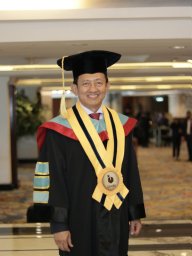 Bob Foster合作论文数Fac Econ & Business, Univ Informat & Bisnis Indonesia14
 Rico Nur Ilham合作论文数Faculty Economic and Business, Universitas Malikussaleh12
 Mazidah Mohd Dagang合作论文数Universiti Malaysia Terengganu12
 Yuyun Hidayat合作论文数12
 Khatijah Omar合作论文数Fac Business Econ & Social Dev, Univ Malaysia Terengganu12
 Teuku Zulham合作论文数Fakultas Ekonomi dan Bisnis, Universitas Syiah Kuala11
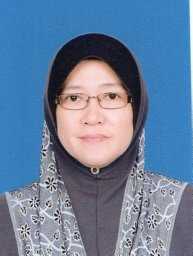 Nurul Ain Chua合作论文数Universiti Malaysia Terengganu9
 Nellis Mardhiah合作论文数Universitas Teuku Umar7
 Ali Nazilah合作论文数7
 Monizaihasra Mohamed合作论文数Fac Business Econ & Social Dev, Univ Malaysia Terengganu7
 Jasmi Abu Talib合作论文数School of Social and Economic Development, Universiti Malaysia Terengganu7
 Endang Rusyaman合作论文数Dept Math, Univ Padjadjaran7
 Herlina Napitupulu合作论文数Dept Math, Univ Padjadjaran7
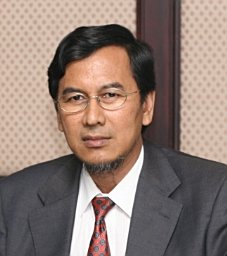 Raja Masbar合作论文数Reg Planning Doctoral Program, Univ Sumatera Utara7
 Asep K Supriatna合作论文数Department of Mathematics7
 Raden Aswin Rahadi合作论文数7
 Nurul Atiqah Ab Raji合作论文数6
 Adawiyah azzahra Kamaruddin合作论文数6
 Che Mohd Zaid合作论文数Universiti Malaysia Terengganu6
 Juhari Noor Faezah合作论文数Fac Business Econ & Social Dev, Univ Malaysia Terengganu6
 Muhammad Adam合作论文数Dept Management, Syiah Kuala Univ6
 Suhal Kusairi合作论文数Fac Business Econ & Social Dev, Univ Malaysia Terengganu6
 Sukono合作论文数Dept Math, Univ Padjadjaran6
 Marhana Mohamed Anuar合作论文数Fac Business Econ & Social Dev, Univ Malaysia Terengganu6
 Nur Azura Sanusi合作论文数Fac Business Econ & Social Dev, Univ Malaysia Terengganu6
 Goh Ying Soon合作论文数6
 Ramayah Thurasamy合作论文数School of Management, Universiti Sains Malaysia6
 Mohd Hassan Che Haat合作论文数6Dwi Susanti合作论文数5
 Norhayati Ab Manaf合作论文数5
 Zaliha Zainuddin合作论文数5
 Syahril Syahril合作论文数Universitas Teuku Umar5
 Mangasi Sinurat合作论文数Sekolah Tinggi Ilmu Ekonomi Bina Karya Tebing Tinggi5
 Samsudin Hazman合作论文数Fac Business Econ & Social Dev, Univ Malaysia Terengganu5
 Titi Purwandari合作论文数Doctoral Program Math, Univ Padjadjaran5
 Betty Subartini合作论文数Department of Mathematics of FMIPA, Universitas Padjadjaran5
 Wahyuddin Albra合作论文数Faculty of Economics and Bussiness, Universitas Malikussaleh5
 Azlina Abu Bakar合作论文数Faculty of Management and Economics, University Malaysia Terengganu5Suriyani Muhamad合作论文数5
 Sudradjat Supian合作论文数5Mukhlis Yunus合作论文数4
 Md Khairul Azwan Md Razali合作论文数4
 Vika Annisa Qurrata合作论文数State University of Malang4




