Száz éve született Bökönyi Sándor (1926–1994) akadémikus, a modern régészeti állattan hazai megalapítója. Állatorvosi végzettséggel egész életét a régészetnek szentelte, ennek eredményeként ért el nemzetközi fontosságú eredményeket a háziállat-történeti kutatások terén. Ugyanakkor vezető szerepet töltött be a régészettudomány legmagasabb, MTA-szintű képviseletében. Egy emberöltővel ezelőtt, viszonylag fiatalon bekövetkezett halála után tanulságos áttekinteni egykori pályafutását mai tudásunk és tapasztalataink fényében.
Sarmatians were equestrian mobile pastoralists who arrived from the Eurasian steppe region to the Carpathian Basin during the first century CE. They occupied the plains on the left bank of the Danube known as the Barbaricum by Romans who lived in the province of Pannonia on the other side of the river. This study is aimed at reconstructing patterns of meat consumption during the almost 500 years of Sarmatian presence in the area. It is based on the detailed critical review and quantitative analysis of 36 archaeozoological assemblages published from 32 settlements. The results show that Sarmatian meat provisioning overwhelmingly relied on domestic livestock, wild animals could be rarely identified. Bovids (cattle, ca 50% and caprines, ca 25%) contributed most of the number of identifiable specimens (NISP) to the assemblages studied. The far less significance of pork consumption was indicated by around 10% of pig remains. However, this value shows a slight diachronic increase, a probable sign of the protracted adoption of a sedentary way of life. Horsemeat was also consumed; however, the proportion of horse remains varies far more capriciously than those of other animals. This may be related to the importance of horses in Sarmatian culture, possibly indicating that horses were slaughtered on special occasions for communal consumption. At the studied settlements eating horsemeat, a likely token of steppe tradition, was unrelated to the consumption of pork. The two types of meat complemented, rather than substituted for each other.
A hiúzmaradványok rendkívül ritkák a régészeti leletanyagokban. Svédországban leggyakrabban a karmok alapját alkotó harmadik ujjperceket találják meg női temetkezésekben, amelyek a hiúzbundák bizonyítékaként értelmezhetők. Noha a hiúzok termetének rekonstrukciója ezekből a kis csontokból lehetetlen, két teljes magyarországi hiúzcsontváz alkalmat kínált azok marmagasságának becslésére. Ebben a tanulmányban arra teszünk kísérletet, hogy a különálló csonttani leleteket egységes rendszerbe foglaljuk a hiúzok bundaminőségének, évszakosan változó viselkedésének, valamint az egykori emberi döntéshozatalnak a fényében. E tényezők átfogó ismerete elengedhetetlen a hiúzmaradványok régészeti értelmezésében. A vizsgált adatok között hiúzcsontvázak múzeumi gyűjteményekben felvett méretei, világrekorder vadásztrófeák és a kortárs divatiparra vonatkozó ismeretek egyaránt megtalálhatók.
Historical texts suggest that medieval Christianity condemned the consumption of horsemeat (hippophagy) yet also indicate that this practice persisted. Here, the authors review the contribution of horse to food refuse at 198 settlements across medieval Hungary, highlighting variability in food practices through time and space. Examination of these zooarchaeological assemblages indicates that hippophagy continued after the general conversion to Christianity in the eleventh century but substantially declined following the Mongol invasion (AD 1241–1242) and disappeared by the mid-sixteenth-century Ottoman occupation. Diachronic and geographic trends in this practice reveal ambiguity in food customs, reflecting complex (social, religious and ethnic) local identities.
Lynx remains are extremely rare in the archaeological record. In Sweden, the most common finds are the distal phalanges, which form the basis of the talons. They are known to occur in female burials, interpretable as evidence of lynx fur. Although it is impossible to reconstruct the stature of lynxes from these small bones, two complete lynx skeletons from Hungary have provided an opportunity to estimate their withers heights. In this study, we attempt to integrate the disparate osteological finds into a unified system in the light of lynx fur quality, seasonally varying behavior, and past human decision-making. A comprehensive understanding of these factors is essential for the archaeological interpretation of lynx remains. The data considered include the measurements of lynx skeletons recorded in museum collections, as well as world-record hunting trophies and knowledge of the contemporary fashion industry.
A háziállatok munkára fogása a csontváz elváltozásait vonhatja maga után. Ezek általában idült, gyakran egész életen át tartó folyamat eredményei: enyhébb tüneteiket nehéz megkülönböztetni a vadon élő lófélék normális változékonyságától, amely ráadásul a háziasítás során meg is növekedett. Ebben a tanulmányban egy különleges képlet, az állközötti csontokon megjelenő mélyedések értelmezési lehetőségeit elemzem múzeumi gyűjteményekben őrzött vad és háziasított lófélék koponyáinak nagyobb csoportján (41/365 példány). Az eredmények azt mutatják, hogy a szóban forgó mélyedés a vadon élő egyedekben is előforduló jelenség. Noha az állatok túlhajtása vagy a lószerszám használata súlyosbíthatja, önmagában nem tekinthető a háziasítás bizonyítékának. Ez kiragadott a példa jól szemlélteti a kóros csontelváltozások régészeti értelmezésének bizonytalanságait.
Putting domestic animals to work is known to cause deformations in their skeletons. These changes, however, tend to result from chronic, often lifelong processes whose early symptoms are hard to distinguish from manifestations of normal variability in wild populations. Moreover, variability increased with domestication making the picture even more complex. In this study, the difficulties of quantifying and interpreting one particular feature, indentations on the equine incisive bone, are analysed in a large set of calvaria (41/365 specimens) of extant equids (both wild and domestic) kept in museum collections. The results show that the indentations in question are a feature also occurring in wild equids. While they may be exacerbated by the use of bridles, they cannot be regarded as proof of domestication in themselves. This example selected for study clearly illustrates the uncertainties in the archaeological interpretation of pathological bone lesions.
A cikk Margaret Mead, az egykori amerikai kulturális antropológus állítólagos mondására reflektál, miszerint a civilizáció első régészeti jele egy gyógyult emberi combcsont, a gondoskodás legkorábbi bizonyítéka. Meglehet rendkívül ritkán, de összeforrt combcsontok az őslénytani és régészeti állattani leletanyagban is felbukkannak. Ezekre háziállatok esetében lehet magyarázat az emberi gondoskodás, amellyel azonban barlangi medve vagy kardfogú tigris esetében aligha számolhatunk. A combcsonttörések rendszertani, anatómiai és viselkedéstani vonatkozásait rendszerezetten áttekintve nyilvánvaló, hogy a jelenséget erősen leegyszerűsítő mondás aligha származhat megfontolt tudóstól, inkább a városi legendák körébe sorolható. Ugyanakkor, mint cseppben a tenger, tükrözi a természet- és bölcsészettudományok integrált értelmezésének jogos igényét is.
Lynx remains are rare in archaeological assemblages. The skeleton of an adult male accompanied by four dogs was found in a large Migration Period pit at Zamardi-Kutvolgyi-dulo II, Hungary. Extant lynx skeletons were used in estimating the shoulder height of this individual. Its stature is comparable to those of the large dogs it was buried with. None of the five skeletons showed skinning marks. Although the physical reconstruction of the lynx was of help in appraising this special pit, the actual nature of the deposit remains in question. Possible interpretations range from the mundane discard of carcasses to the poorly understood ritual burial of carnivores, beginning with the lynx. We reviewed these options within the framework of cultural diversity of Migration Period peoples in west-central Hungary.
Sopron.Zsolt and his students support the medieval city wall.Zsolt taught history and cultural anthropology students majoring in prehistory at the University of Miskolc as an associate professor.The study trip was organized together with Erzsébet Jerem by the Palaeolithic Self-Active Group (later known as the Herman Ottó Public Benefit Association), of which most of the students in the picture, as well as the writer of these lines, the creator of the picture, were members.The tour covered the Lake Fertő region and Lower Austria, and it was the first time that, as young Borsod students, we could see "western" excavations and heritage management.Teacher Erzsébet Jerem presented the early Iron Age sites, and Zsolt gave lectures on the Palaeolithic sites of the famous loess region of Lower Austria.Needless to say, what a great experience it was for all of us.
Animal domestication led to changes in the interaction between animals and humans, including new ways of exploitation, which could potentially leave lesions on the animals' bones. This study aims to examine changes in the prevalence of pathological manifestation following changes in human-animal interactions as a result their domestication. For this purpose, we studied 19,565 animal remains recovered from archaeological excavations, dated from the Pre-Pottery Neolithic period to historical periods and assigned the pathologies into types. Of these, 60 animal remains presented pathological lesions. The suspected pathological cases were validated using a microscope, X-ray, and/or micro-CT scan. Lesions were divided into four categories: trauma, aging/musculoskeletal stress marks (MSM), periodontal diseases, and inflammatory processes. Then, our database was combined with previously published data to a total of 26,596 animal remains, out of which 128 demonstrated pathological lesions. We found that the prevalence of lesions in animals was higher in the historical periods compared with prehistoric periods. Moreover, based on a comparison between recent gazelles living in captivity and those living in the wild, we found that captivity resulted in the deterioration of the animals' health. We concluded that pathologies were more frequent in livestock in historic periods, in comparison with wild species and livestock from earlier periods. Such lesions were common not only in working livestock (cattle and donkeys) but also in non-working domesticates (caprines and chickens) and companion animals (dogs and cats). Variations in the pathological frequencies between these three categories may be attributed to differences in exploitation, including the intensification of farming and herding. Finally, this study provides a unique reference dataset for zooarchaeologists when studying ancient animal assemblages.
Carbon (delta C-13), nitrogen (delta N-15), and strontium (Sr-87/86) isotope analyses have been applied widely over the past four decades to reconstruct human and animal dietary and mobility patterns. Sulfur (delta S-34) has recently shown great promise to further enhance isotope analyses of the geologic and hydrologic contexts in which organic material formed. For this case study we applied this suite of multi-isotopic analyses to a dataset of 45 animal bones and teeth from the urban Viking Age town of Birka located in present-day Sweden. This research falls in line with previous studies as a potential way to bridge the understanding of relationships between centers and hinterlands by tracing socioeconomic networks of subsistence and food provisioning utilizing the animal economy as a proxy. The utilization of delta S-34 values enables terrestrial, marine and freshwater food niches to be disentangled when delta C-13 and delta N-15 values may be overlapping between each of the niches. The incorporation of five Sr-87/86 samples further allowed us to carefully interpret the movement of animals across the landscape. We identified cattle potentially originating > 180 km from Birka during the earliest stages of occupation (early 8th century CE), while pigs and ovicaprids were more locally reared, indicating the dimensions of the early market economy in the Viking period was complex and multifaceted.
Eight newly identified pathological animal remains identified in two Middle Neolithic assemblages (ca 5330-4940 calBC) in northern and western Hungary were placed within the broader context of relevant prehistoric finds. The aim was to understand the underrepresented Middle Neolithic finds in light of the better-known cases from other prehistoric periods. The newly reported cases include arthritic and inflammatory lesions, as well as dental disorders, such as linear enamel hypoplasia, recognized for the first time in the Hungarian Neolithic. Identifications were based on bone macromorphology. When large samples are available, the frequencies of pathological bone specimens reflect the taxonomic composition. Along with the increasing number of cases, longevity related to exploitation for secondary products also became manifest. Therefore, the effects of assemblage size, disease classification and differences between authors (related to training and the time of publication) need to be considered before pathological lesions can be interpreted in terms of diachronic changes in animal husbandry.
Of all domestic animals, dogs (Canis familiaris Linnaeus, 1758) have developed the tightest bond with humans during the history of civilization. Regardless of their chronological affiliation, articulated dog skeletons discovered in structured deposits show individuals within their biological contexts; their ageing and sexing are usually possible and even pathological histories can be reconstructed. This presentation is a concise review of five Migration Period (5th-6th century CE) deposits from western Hungary, the former territory of Roman Pannonia province. These burials are examples of dogs being interred with other animals as well as humans under various circumstances. The integration of multidisciplinary information in reconstructing both the morphotype and likely socio-cultural status of 13 individuals showed the presence of unusually large dogs in human burials by both late Antique and present-day standards. This raises the question of whether these large dogs were associated with humans or occasions that were seen as particularly significant. Could any large dog be added to the burial of a human considered important enough? The dualistic perceptions of dogs in the historical/ethnographic record offer a broad range of interpretations. The results of high-resolution zoological analysis provided by complete dog skeletons can contribute to a better understanding of dog-human relationships as well as the perception and value of individual dogs to people.
The Archaeolingua Foundation is a particular charitable organisation registered in Budapest, Hungary, in 1991. It was established by Sándor Bökönyi (1926–1994, director of the former Archaeological Institute of the Hungarian Academy of Sciences), Wolfgang Meid (professor of linguistics at the University of Innsbruck, Austria), and the “Computer Applications in Archaeology” Research Team of the Hungarian Academy of Sciences represented by its dedicated members, Erzsébet Jerem and Ferenc Redő. This article offers a brief review of the Foundation’s first thirty years, based on the author’s impressions, with particular emphasis on publication output, a reliable objective measure of its various cultural activities.
Az Archaeolingua Alapítvány 1991-ben Budapesten bejegyzett kiemelten közhasznú szervezet, melyet Bökönyi Sándor akadémikus (1926–1994, az egykori MTA Régészeti Intézetének igazgatója), Wolfgang Meid (az Innsbrucki Egyetem nyelvészeti intézetének professor emeritusa) és az MTA Régészeti Intézetének „Számítástechnika alkalmazása a régészetben” nevű kutatócsoportja hozott létre (utóbbit Jerem Erzsébet és Redő Ferenc képviselte). Ez a cikk az Alapítvány első harminc évének rövid áttekintése, különös tekintettel a publikációs eredményekre, amelyek a sokrétű kulturális tevékenység megbízható, objektív mércéjének bizonyultak. Nem célja, hogy összefoglalja az Alapítvány történetét; elsősorban inkább azzal foglalkozik – egy szereplő tapasztalatainak tükrében – mi történt az eredeti célkitűzésekkel a tudományos kutatás és könyvkiadás ezen területén. A visszatekintés ugyanakkor arra is alkalmat ad, hogy megfogalmazzuk a tudományos könyvkiadás és publikációk sokféle formájának mai lehetőségeit és kihívásait.
 Clive Bonsall合作论文数School of History, Classics & Archaeology, The University of Edinburgh36
 Catriona Pickard合作论文数Archaeology , University of Edinburgh26
 Erika Gál合作论文数Archaeological Institute;Hungarian Academy of Sciences;Archaeological Institute, Hungarian Academy of Sciences22
 Adina Boroneanţ合作论文数Vasile Parvan Inst Archaeol, Romanian Acad16
 Kath McSweeney合作论文数School of History, Classics & Archaeology, The University of Edinburgh15
 k otto合作论文数11
 Gordon Cook合作论文数Scottish Universities Environmental Research Centre, University of Glasgow10
 Kerry Sayle合作论文数Northern Institute for Cancer Research, University of Newcastle9
 Alice Choyke合作论文数9
 Greger Larson合作论文数School of Archaeology, University of Oxford8
 Marjan Mashkour合作论文数URA 1415 Laboratoire d'Anatomie Comparée 55 rue Buffon F-75005, Paris France8
 Thomas Higham合作论文数The Higham Lab, Department of Evolutionary Anthropology, Faculty of Life Sciences, University of Vienna7
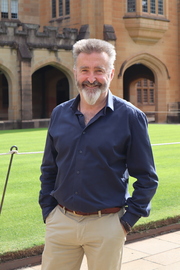 Keith Dobney合作论文数Department of Archaeology, School of Philosophical and Historical Inquiry, Faculty of Arts and Social Sciences, The University of Sydney6
 Laurent Frantz合作论文数School of Archaeology, University of Oxford6Anne Tresset合作论文数Palaeogenetics Group;Institute of Anthropology;Johannes Gutenberg-Universität Mainz;Institute of Anthropology, Johannes Gutenberg-Universität Mainz6
 Joachim Burger合作论文数Institut für Organismische und Molekulare Evolutionsbiologie, Johannes Gutenberg University Mainz6
 Rose-Marie Arbogast合作论文数5Sk Putatunda合作论文数5
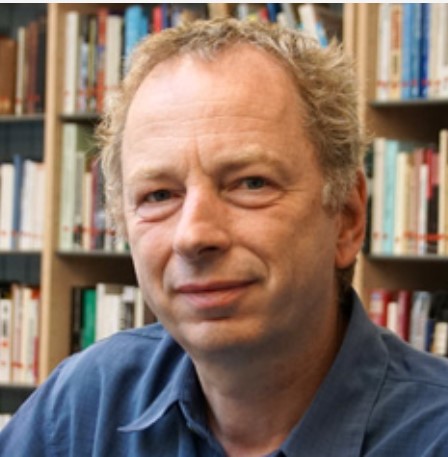 Ulf-Dietrich Schoop合作论文数School of History, Classics & Archaeology, The University of Edinburgh5
 Flink Linus Girdland合作论文数University of Aberdeen, University of Durham5
 Ron Pinhasi合作论文数Department of Archaeology, University College Cork5Mordecai Shelef合作论文数Ford Research Laboratory, Ford Motor Company5
 Anna Elizabeth B Linderholm合作论文数Archaeological Research Laboratory, Stockholm University;Department of Archaeology, University College Cork;Stockholm University, University College Cork5
 Allowen Evin合作论文数Plate-forme Morphométrie MNHN – CNRS IFR 101, 45, rue Buffon, 75005 Paris, France5
 Thomas Cucchi合作论文数Muséum national d’Histoire naturelle UMR 5197, Archéozoologie, Histoire des Sociétés et des peuplements animaux, Bâtiment d’Anatomie comparée 55 rue Buffon 75005 Paris France5
 Jean Denis Vigne合作论文数CNRS5Hitomi Hongo合作论文数Primate Research Institute, Kyoto University5
 Elisabeth Stephan合作论文数4Marta Daroczi-Szabo合作论文数4
 Azadeh Mohaseb合作论文数4Richard P. M. A. Crooijmans合作论文数4
 Ross Barnett合作论文数Department of Archaeology, Durham Evolution and Ancient DNA4
 Hendrik-Jan Megens合作论文数Animal Breeding and Genomics Centre, Wageningen University4
 Canan Çakirlar合作论文数4Ophelie Lebrasseur合作论文数School of Archaeology, University of Oxford4
 Daniel Bradley合作论文数Smurfit Institute of Genetics, Trinity College Dublin, The University of Dublin4
 Bălăşescu Adrian合作论文数National History Museum of Romania4Geörg Christina合作论文数4John Chapman合作论文数4
 MAM (Martien) Groenen合作论文数Wageningen University4
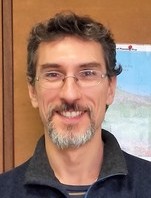 François-Xavier Ricaut合作论文数Centre de Recherche sur la Biodiversité et l'Environnement;Université de Toulouse III – Paul Sabatier;French National Centre for Scientific Research;Department of Prehistory, National Museum and Art Gallery4
 Ceiridwen J. Edwards合作论文数Smurfit Institute of Genetics;Trinity College;Smurfit Institute of Genetics, Trinity College4
 Joris Peters合作论文数Faculty of Veterinary Medicine, Ludwig-Maximilians-Universitat Munchen4
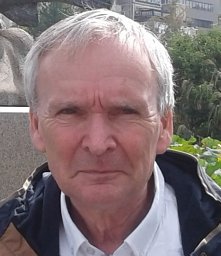 Wim Van Neer合作论文数IPA V-09, Royal Museum of Central Africa4
 Amelie Scheu合作论文数2 Palaeogenetics Group;Institut fur Anthropologie;2 Palaeogenetics Group, Institut fur Anthropologie4
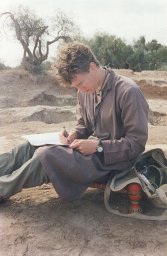 Benjamin S Arbuckle合作论文数4
 Oliver E. Craig合作论文数Institute of Fossil;Environmental Geochemistry;Newcastle University;Institute of Fossil, Newcastle University4
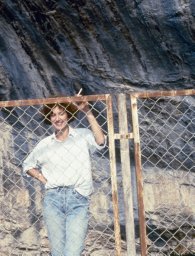 Ivana Radovanovic合作论文数4
 Bea De Cupere合作论文数IUAP 5/09, Royal Museum of Central Africa4




