BACKGROUND Advancements in 3D printing technologies have significantly transformed osteochondral tissue engineering, enabling the creation of scaffolds that closely mimic the structural and biological complexities of native tissue. These scaffolds provide a 3D environment conducive to cellular adhesion, proliferation, and differentiation while maintaining critical mechanical and biodegradable properties. AIM To explore the feasibility of 3D printed scaffolds in osteochondral applications, highlights innovative materials and techniques, and addresses the existing knowledge gaps and challenges in clinical translation. METHODS This scoping review adhered to PRISMA extension for scoping reviews guidelines to systematically map innovations in 3D printed bio-scaffolds for osteochondral tissue engineering. Due to heterogeneous data, it favored a scoping over systematic or meta-analytic approaches. The review aimed to identify innovations in scaffold materials, fabrication techniques, and translational strategies. Key questions addressed bioprinting methods, scaffold designs, and translational challenges. Studies included were in English, peer-reviewed, and focused on 3D printed scaffolds for osteochondral repair. Exclusions were non-osteochondral, non-3D fabrication studies, grey literature, editorials, and non-English papers. Literature was sourced from six databases using comprehensive keywords and Boolean operators. Backward citation tracking added relevant studies; no date limits were applied. Screening followed a four-phase selection process with dual independent reviewers. Data were charted thematically without bias assessment, focusing on methods, outcomes, and future gaps. RESULTS The fabrication of biomimetic scaffolds, incorporating bioactive elements such as growth factors, has shown promise in replicating the extracellular matrix and enhancing tissue regeneration. Cutting-edge techniques, including inkjet, extrusion-based, and laser-assisted bioprinting, allow precise spatial control and multi-material integration essential for osteochondral scaffolds. Innovations such as graded scaffolds and bio-inks enriched with nanoparticles have further improved scaffold functionality, mechanical stability, and biological activity. Despite these advancements, limitations persist, including material challenges in achieving the desired balance of bioactivity, biodegradability, and mechanical properties. Fabrication methods face issues of scalability, reproducibility, and resolution, while the long-term biological interactions between scaffolds and host tissues, particularly degradation products, remain underexplored. Regulatory and economic barriers also impede clinical translation, underscoring the need for collaborative research efforts. Future directions emphasize the potential of emerging technologies, such as 4D printing, smart biomaterials, and soundwave patterning, to address current challenges and unlock new opportunities. CONCLUSION The convergence of biomaterial science, additive manufacturing, and regenerative medicine holds immense promise for advancing personalized treatments and revolutionizing osteochondral tissue engineering.
India’s orthopaedic residency training continues to rely on volume-based paradigms, emphasizing procedure counts over skill mastery. The traditional “see one, do one, teach one” model inadequately prepares residents for the complexities of modern surgical practice. With India’s orthopaedics market projected to reach USD 1.69 billion by 2034, the demand for technically proficient surgeons is intensifying. The current three-year residency structure compresses learning, resulting in superficial exposure rather than deliberate skill refinement. Applying K. Anders Ericsson’s framework of deliberate practice, the manuscript critiques existing residency models and highlights the limitations of logbook-based assessments. It explores structured, feedback-driven training approaches as alternatives, emphasizing the role of simulation technology, objective performance metrics, and formal coaching in skill development. Faculty development in modern pedagogical methods is underscored as a critical enabler for advancing competency-based education. Analysis reveals that current residency structures foster procedural volume without ensuring skill mastery. Simulation-based training, objective skill assessments, and mentorship demonstrate potential to enhance resident proficiency and patient safety. Integration of deliberate practice into the Competency-Based Medical Education (CBME) framework offers a pathway to measurable improvements in surgical competence. The editorial outlines a phased implementation strategy, recommending simulation benchmarks, faculty training programs, and regional simulation hubs. India’s orthopaedic residency must transition from quantity-driven training to quality-focused skill development. A National Medical Commission directive mandating deliberate practice components by June 2027 is proposed to institutionalize this shift. By embedding simulation hours, objective assessments, and structured mentorship into CBME, India can cultivate a generation of orthopaedic surgeons equipped for expert performance, patient safety, and global standards of care.
BACKGROUND Musculoskeletal disorders (MSDs) cause chronic pain and disability worldwide. Traditional treatments often have limitations in efficacy and safety. AIM To assess the efficacy of vitamin C supplementation in reducing pain, enhancing function, and promoting tissue repair in MSDs. METHODS Randomized controlled trials, cohort studies, and observational studies evaluating the effect of vitamin C on MSDs. Studies were assessed for quality using the Cochrane risk of bias tool. Standardized mean differences (SMD) were pooled using random-effects meta-analysis. RESULTS Thirty studies were included in the meta-analysis. Vitamin C significantly reduced pain (SMD = -0.68; 95% confidence interval: -0.87 to -0.49) and improved function (SMD = 0.61; 95% confidence interval: 0.45-0.77). Collagen synthesis and inflammation markers (C-reactive protein, interleukin-6, tumor necrosis factor-α) showed consistent improvement. CONCLUSION Vitamin C supplementation may offer adjunctive benefits in selected MSDs, particularly in pain reduction and inflammatory modulation. However, the current evidence base is heterogeneous and of moderate methodological quality. Definitive therapeutic efficacy cannot be established, and further high-quality, disorder-specific randomized controlled trials are required.
Introduction:Hip fractures represent a major public health problem in India, associated with significant morbidity, mortality, and socioeconomic burden. Vitamin D deficiency, highly prevalent in the Indian population, is a modifiable risk factor for osteoporosis, muscle weakness, falls, and fragility fractures. While the association between hypovitaminosis D and hip fractures is well established, limited Indian data exist examining fracture patterns across different severities of Vitamin D deficiency. The study is to evaluate the association between varying levels of serum Vitamin D deficiency and types of hip fractures in the Indian population. Materials and Methods:This hospital-based cross-sectional observational study was conducted in the Department of Orthopaedics, School of Medical Sciences and Research, Sharda University, Greater Noida, from April 2024 to November 2025. Fifty patients aged >50 years (females) and >60 years (males) presenting with low-energy hip fractures were included. Serum 25-hydroxyvitamin D levels were measured using a VITROS 5600 dry chemistry autoanalyzer. Vitamin D status was categorized as severe deficiency (<10 ng/mL), moderate deficiency (10-20 ng/mL), insufficiency (20-30 ng/mL), and sufficiency (>30 ng/mL). Statistical analysis was performed using the Statistical Package for the Social Sciences v22 with the Chi-square test and analysis of variance. Results:The majority of patients were aged 70-79 years (52%). Intertrochanteric fractures were the most common fracture type (60%), followed by neck of femur fractures (34%). Vitamin D deficiency (severe + moderate) was present in 72% of patients. Moderate deficiency (10-20 ng/mL) was the predominant category (60%). Intertrochanteric fractures were most frequently associated with moderate deficiency, whereas severe deficiency was more common among neck of femur fractures. The association between Vitamin D status and fracture type was statistically significant (P < 0.05). Conclusion:Vitamin D deficiency is highly prevalent among Indian patients with hip fractures and shows a significant association with fracture subtype. Graded Vitamin D deficiency appears to influence both fracture occurrence and anatomical pattern. Routine screening and early correction of Vitamin D deficiency may play a critical role in hip fracture prevention in the elderly Indian population.
Arthritis in knees is characterized by the changes that occur in knees of degenerative type, affecting the day to day physical activities of the mankind. The present investigation highlights the inverse correlation existing between the miRNA-26b(miR-26b) and the inflammatory genes controlled by the miR-26b in the knee osteoarthritis condition. The study was executed involving 100 participants from a general population in the month of June 2023 to September 2023 with 66 female and 34 male persons. The study followed appropriate inclusion and exclusion criteria. The Kellgren-Lawrence grading system of radiology was followed to group the population as normal, grade-I, grade-II and grade-III. Samples of blood were collected to separate serum. Employing the real time polymerase chain reaction using appropriate primers the miR-26b and the inflammatory genes NFkB, COX, MMP13 and Nos expression in terms of its fold change were performed in all groups and were compared with the normal groups. Correlation coefficient between miR-26b and the genes controlled by the miR-26b was calculated. In the current study, an inverse relationship exists between the miR-26b and the inflammatory genes. Persons who exhibited high level expression of miR-26b showed a low level expression of the inflammatory genes such as NF-kB, Cox, MMP13 and Nos. Correlation analysis indicates that there a strong interplay between the inflammatory molecules and the miR-26b. This study exposes an active role of miR-26b in controlling the genes belonging to the inflammatory reactions responsible for the knee osteoarthritis and its progression. Though there are limitations in the current research such as sample size, this study enlightens the role of miR-26b, a novel therapeutic candidate in the management of knee osteoarthritis.
Arthroscopic and mini-open surgery are both valid options for managing symptomatic femoroacetabular impingement (FAI). The current systematic review compared the clinical outcomes of arthroscopic surgery versus mini-open surgery for femoroacetabular impingement. The primary outcomes assessed included patient-reported outcome measures (PROMs) and the incidence of complications. This systematic review followed the PRISMA statement. The Web of Science, PubMed, and Embase were accessed in June 2025 without additional filters or temporal constraints. All clinical studies concerning the surgical management of FAI were considered. Only investigations on arthroscopy or a mini-open surgical approach and those directly comparing the two techniques were included. Only studies with at least 6 months of follow-up were considered. The PROMs of interest were the visual analogue scale (VAS) and the modified Harris Hip Score (mHHS). Data on the reoperation rate and progression to total hip arthroplasty were collected. The mean difference (MD) and odds ratio (OR) measures were used for the comparisons. Data from 233 clinical studies (54,272 patients) were retrieved. The mean follow-up duration was 33.9 ± 22.7 months. The mean age was 35.0 ± 5.2 years and the mean body mass index (BMI) was 25.1 ± 2.1 kg/m2. Arthroscopic surgery showed higher VAS (MD 1.2/10; P = 0.02) and mHHS values (MD 3.3/100; P < 0.01); however, despite being statistically significant, these differences had minimal clinical relevance. A statistically significant increase in the risk of reoperation was observed in the arthroscopy group (OR 8.9; P < 0.01). No significant difference was observed in the progression to THA (OR: 0.9; P = 0.4). Mini-open and arthroscopic surgery for symptomatic FAI achieve similar clinical outcomes and comparable complication rates at approximately 34 months follow-up. The mini-open approach was associated with a lower risk of reoperation. Future research should focus on long-term follow-up and standardized outcome measures to refine the understanding of these surgical options and enhance patient care.
Introduction:Periarthritis of the shoulder (adhesive capsulitis) is a common, disabling condition. Autologous platelet concentrates have emerged as regenerative alternatives to corticosteroids. Still, the comparative efficacy of leukocyte-rich platelet-rich plasma (LR-PRP), leukocyte-poor platelet-rich plasma (LP-PRP), injectable platelet-rich fibrin (iPRF), and triamcinolone remains undefined. Objective:This study aimed to compare the efficacy, safety, and functional outcome of intra-articular LR-PRP, LP-PRP, iPRF, and triamcinolone in patients with periarthritis of the shoulder over 12 months. Materials and Methods:In this single-center, double-blinded, four-arm randomized controlled trial, 64 patients were allocated 1:1:1:1 (n = 16 per arm) to receive a single intra-articular injection of 5-6 mL LR-PRP, 5-6 mL LP-PRP, 5-6 mL iPRF, or 1 mL (40 mg) triamcinolone. The primary outcomes were the Visual Analog Scale (VAS) for pain and the disabilities of the Arm, Shoulder and Hand (DASH) score, assessed at baseline and at 1, 3, 6, and 12 months. Data were analyzed using repeated-measures analysis of variance in Statistical Package for the Social Sciences v26.0, with P < 0.05 considered significant. Results:All groups improved significantly from baseline (P < 0.001). At 1 month, the triamcinolone group showed the greatest improvement (VAS 3.1; DASH 30.2). From 6 months onward, the platelet-concentrate arms were superior; at 12 months, iPRF achieved the best outcomes (VAS 1.6 ± 0.6; DASH 15.0 ± 4.6), followed by LP-PRP (VAS 1.8; DASH 16.8) and LR-PRP (VAS 2.1; DASH 19.2), whereas the triamcinolone group regressed (VAS 4.2; DASH 37.4) (between-group P < 0.001 at 12 months). Adverse events were transient; post-injection swelling and pain were more frequent with LR-PRP. Conclusion:Corticosteroids offered the fastest early relief, but their effect was not durable. Platelet concentrates, particularly iPRF and LP-PRP, produced superior and sustained pain and functional benefit at 12 months with an excellent safety profile, supporting their use as durable regenerative options for periarthritis of the shoulder.
Musculoskeletal conditions are among the leading causes of disability worldwide, necessitating the development of effective, specialized treatment approaches. In response, orthopedic practice has evolved into three distinct specialties: Arthroscopy, sports medicine, and regenerative orthopedics. Each domain represents a fundamentally different approach to musculoskeletal care: Arthroscopy addresses structural pathology through surgical intervention, sports medicine optimizes function through rehabilitation, and regenerative orthopedics modulates healing through biological therapies. These distinct methodologies serve different patient populations and clinical scenarios, requiring specialized training, equipment, and expertise. This review explores the historical evolution, unique therapeutic modalities, and independent clinical applications of these three fields, with emphasis on the Indian orthopedic landscape. Through a narrative synthesis of literature indexed in PubMed, Scopus, and peer-reviewed Indian sources, we delineate specific indications, outcome metrics, and innovations unique to each specialty. The future of orthopedic care lies not in forced integration but in the strategic application of the most appropriate specialty for each clinical scenario, ensuring optimal resource utilization and maintaining clinical excellence within each distinct discipline.
Molecular hydrogen (H2) demonstrates selective antioxidant and anti-inflammatory properties with therapeutic potential across musculoskeletal conditions including osteoarthritis, rheumatoid arthritis, exercise-induced muscle damage, chronic pain syndromes, tendinopathies, and muscle atrophy. This review critically evaluates preclinical and clinical evidence for H2 therapy and identifies research gaps. A comprehensive search of PubMed, EMBASE, and Cochrane Library (up to April 2025) yielded 45 eligible studies: 25 preclinical and 20 clinical trials. Preclinical models consistently showed reductions in reactive oxygen species, inflammatory cytokines, and improved cell viability. Clinical trials reported symptomatic relief in osteoarthritis, decreased Disease Activity Score 28 in rheumatoid arthritis, and accelerated clearance of muscle damage markers. Delivery methods varied - hydrogen-rich water, gas inhalation, and saline infusion - hindering direct comparison. Mechanistic biomarkers were inconsistently reported, limiting understanding of target engagement. Common limitations included small sample sizes, short durations, and protocol heterogeneity. Despite these constraints, findings suggest H2 may serve as a promising adjunctive therapy via antioxidant, anti-inflammatory, and cytoprotective mechanisms. Future research should prioritize standardized delivery protocols, robust mechanistic endpoints, and longer-term randomized trials to validate clinical efficacy and optimize therapeutic strategies.
BACKGROUND Adipose-derived stromal cells (ADSCs) are a mixed cell population, which includes, amongst others, mesenchymal stromal cells (MSCs). The first choice of cell isolation is subcutaneous adipose tissue as it is easily accessible, abundant and easily harvested by a less invasive procedure. AIM To determine the viability and phenotypic properties of the ADSCs that are treated by two procedures to induce stromal vascular fraction (SVF) by lipoaspirate, to verify that they can be used to ensure safe and efficient repair of articular cartilage defects. METHODS Lipoaspirate samples of adipose tissues were taken using various commercially available systems of withdrawal. The cellular components of SFVs in untreated lipoaspirate samples were compared with similar cells obtained with the use of lipoaspirate samples treated with Lipogems® and Body-Jet® eco systems as a method of assessing cell composition and viability. The multicolour flow cytometry (FC) analysis was used to characterize the outputs. RESULTS Multicolour FC analysis revealed that SVF is composed of heterogeneous cell populations such as: (1) Adipose stem cells (CD45-CD90+CD73+CD34+ CD31- CD105-CD146-); (2) Endothelial progenitor cells (CD45-CD90+ CD73+CD34+ CD31+ CD105 LowCD146+); and (3) Pericytes (CD45-CD90+CD73+ CD34- CD31-CD105-CD146+), and other more or less characterized cells. The overall cell viability was similar across the groups. However, we observed a steady rise in the percentage of the endothelial cells and pericytes in the processed samples with Lipogems® and Body-Jet® eco systems in comparison to the untreated lipoaspirate samples. CONCLUSION Phenotypic characterization studies have suggested that MSC populations are found in a perivascular site with ADSCs shared with pericytes and endothelial cells. We have indications that the mechanical withdrawal steps can leave a large population heterogeneity of cells, retaining a more intricate tissue architecture (niche).
Collaborations foster the exchange of knowledge, promote mentorship, and enhance research quality by uniting diverse healthcare systems and creating opportunities for young orthopedic professionals. It emphasizes the significance of partnerships bridging high-, middle-, and low-income countries to reduce disparities in training opportunities, infrastructure, and healthcare delivery. The piece highlights how international networks enable young surgeons to develop essential skills, such as leadership, management, and research methodology through professional organizations and societies. Membership in these groups provides a platform for lifelong collaborations and mentorship, shaping careers and fostering camaraderie. The integration of mentorship programs emphasizes personal and professional growth, reinforcing self-confidence and career satisfaction. Educational initiatives facilitated by networking, including continuing medical educations, virtual learning platforms, and social media, have revolutionized continuous learning. These technologies make information accessible and adaptable to individual needs, supporting clinicians in staying updated with present evidence-based practices. Virtual discussions and online forums encourage innovative research and collaborative problem-solving. Professional research organizations are showcased as enablers of high-quality research and academic growth. By supporting the dissemination of findings and fostering global collaborations, they play an instrumental role in addressing the challenges faced by low-resource settings. The article underlines the transformative impact of networking in orthopedics. While acknowledging existing challenges, it advocates for enhanced collaboration to achieve equitable and inclusive advancements in orthopedic education, research, and clinical care.
Knee osteoarthritis (OA) represents a progressive degenerative joint disorder characterized by articular cartilage degradation, chronic synovial inflammation, and pathological subchondral bone remodeling. Despite its prevalence and substantial socioeconomic impact, current therapeutic strategies remain predominantly symptomatic, failing to address the underlying disease mechanisms. Mesenchymal stromal cells (MSCs) have emerged as promising therapeutic agents, with accumulating evidence suggesting their efficacy stems primarily from paracrine signaling rather than direct cellular differentiation. The MSC-derived secretome, comprising extracellular vesicles (particularly exosomes), growth factors, cytokines, and immunomodulatory proteins, represents a sophisticated cell-free therapeutic platform capable of simultaneously targeting multiple pathological pathways in OA. This narrative review synthesizes current knowledge regarding the molecular mechanisms through which MSC-derived secretomes modulate the OA microenvironment, critically analyzes preclinical and emerging clinical evidence, and addresses the formidable challenges confronting clinical translation. We examine the secretome’s role in chondroprotection, immunomodulation, and subchondral bone homeostasis, while identifying critical gaps in standardization, delivery optimization, and regulatory frameworks that must be addressed to realize the full therapeutic potential of this promising regenerative strategy.
Patient-centered care (PCC) has emerged as a pivotal approach in healthcare, emphasizing the need to treat patients as active participants in their care rather than passive recipients. It focuses on understanding the unique needs, values, and preferences of individuals, fostering empathy, shared decision-making, and holistic outcomes. This scoping review explores the role of mentorship, feedback mechanisms, and reflective practices in fostering empathy and cultural competence. This article examines the challenges in implementing PCC within the rigid frameworks of medical curricula and proposes actionable strategies for overcoming these barriers. By aligning orthopedic education with PCC principles, medical institutions can cultivate a new generation of orthopedic surgeons who prioritize holistic outcomes, ensuring comprehensive care that meets the physical, emotional, and social needs of patients. The review delves into the concept of PCC within the context of orthopedic training, exploring its relevance, current shortcomings, and strategies for effective implementation. It highlights innovative teaching methods, the role of interdisciplinary collaboration, and the importance of fostering empathy and cultural competence among orthopedic trainees. The integration of PCC into orthopedic education is a transformative step toward achieving holistic outcomes in musculoskeletal health. Adopting PCC in orthopedic education has far-reaching benefits. It fosters stronger doctor-patient relationships, leading to greater patient satisfaction and trust. Patients who feel heard and involved in their care are more likely to adhere to treatment plans and experience improved clinical outcomes. Moreover, PCC equips orthopedic surgeons to address the emotional and social dimensions of recovery, promoting a better quality of life for patients. PCC represents a transformative approach in orthopedic education, bridging the gap between technical expertise and holistic patient outcomes. As healthcare evolves, the role of PCC becomes increasingly significant in addressing not only the physical but also the emotional, social, and psychological needs of patients. Integrating PCC into orthopedic education equips future surgeons with the skills necessary to foster trust, empathy, and shared decision-making, ultimately enhancing patient satisfaction and recovery.
Objective:Surgical management of osteochondritis dissecans of the capitellum (OCDC) can range from simple arthroscopic debridement to microfracture to osteochondral autograft transplantation (OAT). The current review aimed to pool the data from the published literature and analyse the outcomes of microfracture and OAT in OCDC. Methods:Electronic databases of PubMed and Embase were searched from inception to March 31, 2024 following PRISMA 2020 guidelines. The population of interest was patients with OCDC managed surgically by either microfracture or OAT. Studies were included if they had ≥24 months of follow-up. A total of 21 eligible studies (14 OAT, 7 microfracture) involving 452 patients were analyzed. Results:The search yielded 14 studies that reported on the outcome of OAT and 7 studies on microfracture. 452 patients were included in the review (OAT = 370, Microfracture = 182). There was no statistical difference in the duration of return to sports between the two groups. A statistically significant difference was noted in the number of patients returning to sports in both groups (OAT - 98%, 95% CI 97-100, Microfracture - 78%, 95% CI 61-96). Similarly, a significant difference was noted when comparing the number of patients returning to their original sports in the OAT group (92%, 95% CI 87-96) as compared to the microfracture group (66%, 95% CI 48-84). Conclusion:Early diagnosis and intervention in OCDC have the potential to lead to optimal functional outcomes in the elbow. The indication for a particular surgery depends on the patient's age, skeletal maturity, lesion stability, symptoms as well as vocation. Patients undergoing OAT have a higher statistical chance of returning to their original sports compared to those undergoing microfracture. Long-term studies will help us further understand the natural course of the procedure. Level of evidence:III.
 Naveen Jeyaraman合作论文数162
 Sathish Muthu合作论文数124
 Swaminathan Ramasubramanian合作论文数56
 Arulkumar Nallakumarasamy合作论文数55
 Sankalp Yadav合作论文数Pravara Institute of Medical Sciences, Pravara Institute of Medical Sciences53
 Manish Khanna合作论文数Indian Orthopaedic Rheumatology Association (IORA)42
 Rashmi Jain合作论文数29
 Satvik N Pai合作论文数Orthopaedic Surgery, Sri Ramachandra Institute of Higher Education and Research26
 Rajni Ranjan合作论文数School of Medical Sciences and Research, Sharda University25
 Filippo Migliorini合作论文数24
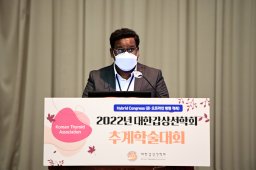 Prakash Gangadaran合作论文数24
 Ramya Lakshmi Rajendran合作论文数Kyungpook Natl Univ, Kyungpook Natl Univ Hosp23
 Gautam Rawal合作论文数23
 Lana José Fábio S D合作论文数23
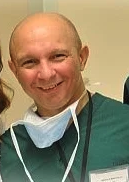 Nicola Maffulli合作论文数Queen Mary University of London22Sangeetha Balaji合作论文数20
 Gabriel Santos合作论文数20
 Ashim Gupta合作论文数University of Utah20
 Preethi Selvaraj合作论文数17
 Shilpa Sharma合作论文数17Karthikeyan Iyengar合作论文数Southport and Ormskirk Hospital NHS Trust17Saurabh Kumar Jha合作论文数16
 Ashok K Shyam合作论文数Rare Disease Institute, Korea University16
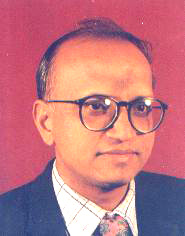 Vijay Kumar Jain合作论文数Indian Institute of Technology Kanpur16
 Bishnu Patro合作论文数Department of Orthopaedics, All India Institute of Medical Sciences15
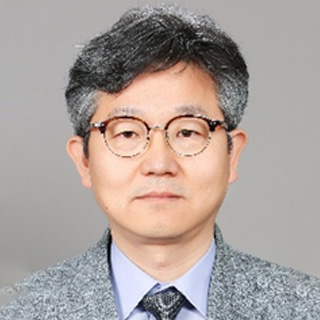 Byeong-Cheol Ahn合作论文数Department of Nuclear Medicine, School of Medicine, Kyungpook National University;Kyungpook National University Hospital15
 Lucas F. Fonseca合作论文数14
 Tarun Jayakumar合作论文数Sunshine Bone and Joint Institute14
 Anudeep Talagavadi Channaiah合作论文数Dept Plast Surg, Topiwalla Natl Med Coll14
 Rakesh Kumar合作论文数12
 Girinivasan Chellamuthu合作论文数Saveetha Medical College and Hospital12
 Arun Gulati合作论文数11Luise Schäfer合作论文数9Gollahalli Shivashankar Prajwal合作论文数8Prajwal G S合作论文数8
 Kavindra Kumar Kesari合作论文数Dept Bioprod & Biosyst, Aalto Univ8
 Jha Niraj Kumar合作论文数Molecular Neuroscience and Functional Genomics Laboratory, Delhi Technological University8Joseph Purita合作论文数7
 Asawari Bapat合作论文数7
 E. S. Sushmitha合作论文数7Gabriel Ohana Marques Azzini合作论文数7
 Raju Vaishya合作论文数Indraprastha Apollo Hospitals7Satish Shringeri Ajay合作论文数6
 Parvez Ahmad Ganie合作论文数6Tomas Mosaner合作论文数6Daniel de Moraes Ferreira Jorge合作论文数6Ajay Ss合作论文数6Kartavya Chaudhari合作论文数6




