Recent efforts like TripCraft and TravelPlanner have advanced the use of Large Language Models ( LLMs) for personalized, constraint aware travel itinerary generation. Yet, real travel often faces disruptions. To address this, we present TripTide, the first benchmark evaluating LLM's ability to revise itineraries under realistic disruptions. TripTide models key dimensions such as disruption severity and traveler tolerance, enabling nuanced assessment of LLM adaptability to events like flight cancellations, weather closures, or overbooked attractions. We conduct a threefold evaluation. First, we introduce automatic metrics including Preservation of Intent (how well the revised plan maintains feasibility and goals), Responsiveness (promptness and appropriateness of disruption handling), and Adaptability (semantic, spatial, and sequential divergence between original and revised plans). Second, we apply an LLM-as-a-judge approach to automatically assess revision quality. Third, we perform manual expert evaluation to verify whether revisions preserve semantic, spatial, sequential, and responsive aspects. Our experiments show that LLMs maintain strong sequential consistency and semantic stability, while spatial deviations are larger for shorter trips but decrease with longer ones, indicating that extended plans encourage better geographic coherence. However, disruption-handling ability declines as plan length increases, highlighting limits in LLM robustness. TripTide establishes a benchmark for evaluating adaptability, personalization, and resilience in LLM-based travel planning under real-world uncertainty.
Understanding how humans and artificial intelligence systems process complex narrative videos is a fundamental challenge at the intersection of neuroscience and machine learning. This study investigates how the temporal context length of video clips (3–12 s clips) and the narrative-task prompting shape brain-model alignment during naturalistic movie watching. Using fMRI recordings from participants viewing full-length movies, we examine how brain regions sensitive to narrative context dynamically represent information over varying timescales and how these neural patterns align with model-derived features. We find that increasing clip duration substantially improves brain alignment for multimodal large language models (MLLMs), whereas unimodal video models show little to no gain. Further, shorter temporal windows align with perceptual and early language regions, while longer windows preferentially align higher-order integrative regions, mirrored by a layer-to-cortex hierarchy in MLLMs. Finally, narrative-task prompts (multi-scene summary, narrative summary, character motivation, and event boundary detection) elicit task-specific, region-dependent brain alignment patterns and context-dependent shifts in clip-level tuning in higher-order regions. Together, our results position long-form narrative movies as a principled testbed for probing biologically relevant temporal integration and interpretable representations in long-context MLLMs.
Prompts tuned for accuracy often grow long, raising inference cost on every model call. The best accuracy-cost trade-off depends on the task and the budget, so prompt optimization is a search over the Pareto front of accuracy and prompt-token cost rather than for one prompt. The usual shortcut, collapsing the objectives into a weighted sum, fixes the trade-off weight before search and often recovers only a narrow region of the front, a failure we call scalarization collapse. We present CRAFT (Cost-aware Refinement And Front-aware Tuning), a Pareto-front prompt optimizer that treats target-LLM validation calls as the scarce resource and allocates them to candidates near the optimistic candidate front. Each round, complementary accuracy-oriented and cost-oriented generators propose edits, Pareto-gap acquisition spends the per-round validation budget, and NSGA-II retention keeps a spread-out population. Across six classification and reasoning benchmarks, CRAFT's retained fronts reach both high-accuracy and low-cost regions, while accuracy-only, cost-only, and weighted-sum baselines each concentrate in narrower regions. The accuracy-cost trade-off becomes a post-search choice, not a pre-search weight.
Recent work has shown that scaling large language models (LLMs) improves their alignment with human brain activity, yet it remains unclear what drives these gains or which representational properties are responsible. Although larger models often yield better task performance and brain alignment, they are increasingly difficult to analyze mechanistically. This raises a fundamental question: \emph{what is the minimal model capacity required to capture brain-relevant representations?} To address this question, we systematically investigate how constraining model scale and numerical precision affects brain alignment. We compare full-precision LLMs, small language models (SLMs), and compressed variants (quantized and pruned) by predicting fMRI responses during naturalistic language comprehension. Across model families up to 14B parameters, we find that 3B SLMs achieve brain predictivity indistinguishable from larger LLMs, whereas 1B models degrade substantially, particularly in semantic language regions. Brain alignment is remarkably robust to compression: most quantization and pruning methods preserve neural predictivity, with GPTQ as a consistent exception. Linguistic probing reveals a dissociation between task performance and brain predictivity: compression degrades discourse, syntax, and morphology, yet brain predictivity remains largely unchanged. Overall, brain alignment saturates at modest model scales and is resilient to compression, challenging common assumptions about neural scaling and motivating compact models for brain-aligned language modeling.
Financial decision-making in multilingual settings demands accurate numerical reasoning grounded in diverse modalities, yet existing benchmarks largely overlook this high-stakes, real-world challenge, especially for Indic languages. We introduce FinVQA, a benchmark for evaluating financial numerical and multimodal reasoning in multilingual Indic contexts. FinVQA spans English, Hindi, Bengali, Marathi, Gujarati, and Tamil, and comprises 18,900 samples across 14 financial domains. The dataset captures diverse reasoning paradigms under realistic constraints, and is structured across three difficulty levels (easy, moderate, hard) and four question formats: multiple choice, fill-in-the-blank, table matching, and true/false. To address these challenges, we propose FIND, a framework that combines supervised fine-tuning with constraint-aware decoding to promote faithful numerical reasoning, robust multimodal grounding, and structured decision-making. Together, FinVQA and FIND establish a rigorous evaluation and modeling paradigm for high-stakes multilingual multimodal financial reasoning.
Assessing the quality of generative model outputs from large language models (LLMs) or vision-language models (VLMs), poses significant challenges. Traditional evaluation methods either rely on human assessment which is resource-intensive and not scalable or on automatic metrics that often correlate poorly with human preferences. Another approach is to train dedicated neural evaluators, but this typically requires substantial training data and compute. In this study, we thus introduce ReFeR, a tuning-free framework for evaluating generative outputs including both text and images, using a two-level hierarchy of pre-trained LLM and VLM evaluators. This multi-agent hierarchical strategy leverages additional compute at inference time by orchestrating multiple models and utilizing the increased test-time reasoning to boost performance. By having models themselves provide feedback and final judgments, ReFeR reduces the dependence on human evaluation. We rigorously evaluate ReFeR on four diverse evaluation benchmarks, where it surpasses prior methods in accuracy while also generating constructive feedback useful for downstream distillation and self-improvement via finetuning. Interestingly, ReFeR is also applicable for reasoning tasks - experiments on four reasoning benchmarks show ReFeR’s superior collective reasoning abilities. We present two variants of the framework: ReFeR-Turbo, optimized for accelerated performance, and ReFeR-Lite, offering a more test-time compute efficient solution. ReFeR-Lite is $\sim12-14\times$ more compute efficient than previous works while being comparably accurate to ReFeR-Turbo.
Rotary Positional Embedding (RoPE) is a common choice in transformer architectures for encoding relative positional information. Although earlier work has examined omitting RoPE in specific layers, the effect of varying the fraction of hidden dimensions that receive rotary transformations remains largely unexplored. This design choice can yield substantial memory savings, which becomes especially significant at long context lengths. We find up to 10x memory savings over the standard RoPE cache, while achieving comparable final loss. In this work, we present a systematic study examining the impact of partial RoPE on training dynamics and convergence across architectures and datasets. Our findings uncover several notable patterns: (1) applying RoPE to only a small fraction of dimensions (around 10
Diffusion large language models (dLLMs) generate responses by iteratively unmasking and revising many positions in parallel. This process leaves a rich denoising trace depicting which tokens become confident, which remain unstable, and when commitments form. Existing dLLM reinforcement learning methods use this signal only weakly. Flat rollouts are cheap, but assign a single outcome reward to the whole trajectory. Tree rollouts provide finer, verifiable training signals by branching partial trajectories and propagating leaf rewards upward, but are compute intensive. We ask whether the denoising trace itself can provide tree-like supervision without tree-level compute. We introduce CAPR (Cached-Amortized Path Refinement), a dLLM-RL algorithm that summarizes the denoising trace into a compact path state, uses cached trajectory states to generate cheap sibling continuations, and trains a block-level value head for local block-wise supervision. Under a block-wise unmasking schedule, CAPR records path-state and block-progress features, then redistributes the final outcome reward across blocks according to the tokens revealed in each block. This trains the value head to convert one sparse reward into block-level PPO weights. CAPR therefore recovers much of the granularity of tree search while avoiding full tree expansion, reducing rollout-generation cost to roughly 0.75x that of flat rollouts and 0.6x that of tree rollouts (under standard settings). Across 4x4 Sudoku, Countdown, GSM8K, and Math500, on dense and mixture-of-experts LLaDA backbones, CAPR sets a new state of the art for RL-tuned dLLMs at 256- and 512-token budgets. On Sudoku, it matches the strongest tree-structured baseline at less than one third of the per-step compute.
Low-Rank Adaptation (LoRA) has emerged as a parameter-efficient approach for fine-tuning large language models. However, conventional LoRA adapters are typically trained for a single task, limiting their applicability in real-world settings, where inputs may span multiple, diverse task domains. At inference time, existing methods can combine multiple LoRAs to improve cross-task performance, but they require additional labeled data or task-specific training, which is expensive at scale.In this work, we introduce LoRA on the Go (LoGo), a training-free framework that dynamically selects and merges adapters at the instance level without any additional requirements. LoGo leverages signals extracted from a single forward pass through LoRA adapters, to identify the most relevant adapters and determine their contributions on-the-fly. Across 5 NLP benchmarks, 27 datasets, and 3 model families, LoGo outperforms training-based baselines on some tasks upto a margin of 3.6% while remaining competitive on other tasks and maintaining inference throughput, highlighting its effectiveness and practicality.
Large Language Model (LLM) based agents are increasingly being deployed as user-friendly front-ends on online platforms, where they filter, prioritize, and recommend information retrieved from the platforms' back-end databases or via web search. In these scenarios, LLM agents act as decision assistants, drawing users' attention to particular instances of retrieved information at the expense of others. While much prior work has focused on biases in the information LLMs themselves generate, less attention has been paid to the factors and mechanisms that determine how LLMs select and present information to users. We hypothesize that when information is attributed to specific sources (e.g., particular publishers, journals, or platforms), LLMs will exhibit systematic latent source preferences. That is, they will prioritize information from some sources over others based on attributes such as the sources' brand identity, reputation, or perceived expertise, encoded within their parametric knowledge. Through controlled experiments on twelve LLMs from six model providers, spanning both synthetic and real-world tasks including news recommendation, research paper selection, and choosing e-commerce platforms, we find that several models consistently exhibit strong and predictable source preferences. These preferences are sensitive to contextual framing, can outweigh the influence of content itself, and persist despite explicit prompting to avoid them. They also help explain phenomena such as the observed left-leaning skew in news recommendations, which arises from higher trust in certain sources rather than the content itself. Our findings advocate for deeper investigation into the origins of these preferences during pretraining, fine-tuning and instruction tuning, as well as for mechanisms that provide users with transparency and control over the biases guiding LLM-powered agents.
Real-time multimodal auto-completion is essential for digital assistants, chatbots, design tools, and healthcare consultations, where user inputs rely on shared visual context. We introduce Multimodal Auto-Completion (MAC), a task that predicts upcoming characters in live chats using partially typed text and visual cues. Unlike traditional text-only auto-completion (TAC), MAC grounds predictions in multimodal context to better capture user intent. To enable this task, we adapt MMDialog and ImageChat to create benchmark datasets. We evaluate leading vision-language models (VLMs) against strong textual baselines, highlighting trade-offs in accuracy and efficiency. We present Router-Suggest, a router framework that dynamically selects between textual models and VLMs based on dialog context, along with a lightweight variant for resource-constrained environments. Router-Suggest achieves a 2.3x to 10x speedup over the best-performing VLM. A user study shows that VLMs significantly excel over textual models on user satisfaction, notably saving user typing effort and improving the quality of completions in multi-turn conversations. These findings underscore the need for multimodal context in auto-completions, leading to smarter, user-aware assistants.
Hospitalization of patients is one of the major factors for high wound care costs. Most patients do not acquire a wound which needs immediate hospitalization. However, due to factors such as delay in treatment, patient's non-compliance or existing co-morbid conditions, an injury can deteriorate and ultimately lead to patient hospitalization. In this paper, we propose a deep multi-modal method to predict the patient's risk of hospitalization. Our goal is to predict the risk confidently by collectively using the wound variables and wound images of the patient. Existing works in this domain have mainly focused on healing trajectories based on distinct wound types. We developed a transfer learning-based wound assessment solution, which can predict both wound variables from wound images and their healing trajectories, which is our primary contribution. We argue that the development of a novel model can help in early detection of the complexities in the wound, which might affect the healing process and also reduce the time spent by a clinician to diagnose the wound.
Communicating complex system designs or scientific processes through text alone is inefficient and prone to ambiguity. A system that automatically generates scientific architecture diagrams from text with high semantic fidelity can be useful in multiple applications like enterprise architecture visualization, AI-driven software design, and educational content creation. Hence, in this paper, we focus on leveraging language models to perform semantic understanding of the input text description to generate intermediate code that can be processed to generate high-fidelity architecture diagrams. Unfortunately, no clean large-scale open-access dataset exists, implying lack of any effective open models for this task. Hence, we contribute a comprehensive dataset, \system, comprising scientific architecture images, their corresponding textual descriptions, and associated DOT code representations. Leveraging this resource, we fine-tune a suite of small language models, and also perform in-context learning using GPT-4o. Through extensive experimentation, we show that \system{} models significantly outperform existing baseline models like DiagramAgent and perform at par with in-context learning based generations from GPT-4o. We have added code and data as Supplementary material, and will make them (and models) publicly available on acceptance.
Understanding how humans and artificial intelligence systems predict and plan by interacting with their environment is a fundamental challenge at the intersection of neuroscience and machine learning. Most brain-encoding studies focus on aligning artificial models with brain activity during language comprehension or passive visual processing, while interactive brain-alignment studies have to date been largely limited to reinforcement-learning (RL) agents and theory-based models. To address this gap, we study brain alignment of representative models from two foundation-model families, namely vision-language models (VLMs) and large-action models (LAMs), using fMRI recordings from participants playing naturalistic Atari-style video games. Specifically, we examine how action-focused and reasoning-focused prompts shape model's internal representations and align with fMRI brain activity. First, we find that both VLMs and LAMs exhibit significantly exhibit voxel-wise encoding performance than RL baselines, with the advantage holding even under matched feature dimensionality. Second, prompt-driven gains scale with the cortical processing hierarchy: the largest improvements appear in frontal-parietal and motor-planning regions, while early visual cortex gains roughly half as much. Third, variance partitioning reveals a qualitatively different representational organization: VLM is prompt-symmetric (12.5
Query auto-completion (QAC) has been widely studied in the context of web search, yet remains underexplored for in-document search, which we term DocQAC. DocQAC aims to enhance search productivity within long documents by helping users craft faster, more precise queries, even for complex or hard-to-spell terms. While global historical queries are available to both WebQAC and DocQAC, DocQAC uniquely accesses document-specific context, including the current document's content and its specific history of user query interactions. To address this setting, we propose a novel adaptive trie-guided decoding framework that uses user query prefixes to softly steer language models toward high-quality completions. Our approach introduces an adaptive penalty mechanism with tunable hyperparameters, enabling a principled trade-off between model confidence and trie-based guidance. To efficiently incorporate document context, we explore retrieval-augmented generation (RAG) and lightweight contextual document signals such as titles, keyphrases, and summaries. When applied to encoder-decoder models like T5 and BART, our trie-guided framework outperforms strong baselines and even surpasses much larger instruction-tuned models such as LLaMA-3 and Phi-3 on seen queries across both seen and unseen documents. This demonstrates its practicality for real-world DocQAC deployments, where efficiency and scalability are critical. We evaluate our method on a newly introduced DocQAC benchmark derived from ORCAS, enriched with query-document pairs. We make both the DocQAC dataset (https://bit.ly/3IGEkbH) and code (https://github.com/rahcode7/DocQAC) publicly available.
Query Auto Completion (QAC) plays a pivotal role in streamlining search engine interactions for users. By suggesting relevant query completions, QAC acts as a gateway to efficient search formulation, allowing users to swiftly express their search intent. Traditional QAC systems rely on curated tries derived from historical query logs to provide timely and context-aware query completions. In this study, we explore the integration of Large Language Model (LLM)-generated query completions into the QAC system. Broadly, the huge inference latency of LLMs renders them unsuitable as an online tool for improving quality of QAC which require rapid response times. Hence, our study investigates query completions using LLMs within two offline contexts: local intent and trending queries. We leverage GPT-3.5 to generate query completions and incorporate these completions into our existing production system. The goal is to improve relevance and address the coverage gap by providing relevant query completions to users. Over an extended period, we rigorously assessed user engagement with these GPT-driven completions by leveraging metrics such as click-through rates and key strokes saved per query. Our insights shed light on how effectively GPT provided relevant query completions to users. Furthermore, we investigate the positive influence of GPT-generated completions on users’ acceptance rates, contributing to the effectiveness of GPT-based query completions in real-world query auto-complete scenarios.
With the rapid proliferation of online sports journalism, extracting meaningful pre-game and post-game insights from articles is essential for enhancing user engagement and comprehension. In this paper, we address the task of automatically extracting such insights from articles published before and after matches. We curate a dataset of 7,900 news articles covering 800 matches across four major sports: Cricket, Soccer, Basketball, and Baseball. To ensure contextual relevance, we employ a two-step validation pipeline leveraging both open-source and proprietary large language models (LLMs). We then utilize multiple state-of-the-art LLMs (GPT-4o, Qwen2.5-72B-Instruct, Llama-3.3-70B-Instruct, and Mixtral-8x7B-Instruct-v0.1) to generate comprehensive insights. The factual accuracy of these outputs is rigorously assessed using a FactScore-based methodology, complemented by hallucination detection via the SummaC (Summary Consistency) framework with GPT-4o. Finally, we propose SUMMIR (Sentence Unified Multimetric Model for Importance Ranking), a novel architecture designed to rank insights based on user-specific interests. Our results demonstrate the effectiveness of this approach in generating high-quality, relevant insights, while also revealing significant differences in factual consistency and interestingness across LLMs. This work contributes a robust framework for automated, reliable insight generation from sports news content. The source code is availble here https://github.com/nitish-iitp/SUMMIR.
Bing Sports serves Instant Answers to sports-related queries from hundreds of millions of users every day with a latency of <100ms. Answering sports-related factual questions is challenging because of the dynamic nature of the domain, contextual nature of queries, and a large variety of possible intents. In this paper, we discuss various blocks of our scalable multilingual sports answer triggering pipeline. The pipeline mainly comprises of two main stages: Query Understanding (QU) and Ranking. QU leverages blocks like domain classifier, named entity recognizer, intent classifier, and entity linker to detect queries for which a sports answer should get triggered and also accurately identify user intent and entities in queries. The ranking stage is driven using blocks like pre-web ranker, answer lookup, and post-web suppression and reranking for ranking various candidates and choose the best one to be shown as the final triggered sports answer. We leverage various heuristics, deep learning models like UniLM and large language models like GPT-4o for both QU and ranking. Lastly, we present evaluation results for various blocks in our pipeline on a set of similar to 80K Bing queries from May 2024.
 Vasudeva Varma合作论文数Language Technologies Research Centre, International Institute of Information Technology, Hyderabad;Information Retrieval and Extraction Lab, International Institute of Information Technology, Hyderabad74
 Subba Reddy Oota合作论文数International Institute of Information Technology Hyderabad;Woundtech31
 Jiawei Han (韩家炜)合作论文数Siebel School of Computing and Data Science, The Grainger College of Engineering, University of Illinois Urbana-Champaign31
 Jose Moreira合作论文数IBM Thomas J. Watson Research Center18
 Bapi Raju Surampudi合作论文数Department of Computer and Information Sciences, University of Hyderabad14
 Jing Gao合作论文数Elmore Family School of Electrical and Computer Engineering, College of Engineering, Purdue University13
 Mounika Marreddy合作论文数IIIT Hyderabad, Hyderabad, India12
 Pawan Goyal合作论文数Department of Computer Science and Engineering, Indian Institute of Technology, Kharagpur12
 Tushar Abhishek合作论文数10
 Yizhou Sun (孙怡舟)合作论文数Department of Computer Science, Samueli School of Engineering, University of California, Los Angeles10
 Charu Aggarwal合作论文数IBM T. J. Watson Research Center10
 Shashank Gupta合作论文数Microsoft AI9
 Vijayasaradhi Indurthi合作论文数Information Retrieval and Extraction Lab, International Institute of Information Technology Hyderabad;OakNorth Credit Intelligence9
 Ponnurangam Kumaraguru合作论文数International Institute of Information Technology, Hyderabad9
 Manish Shrivastava合作论文数International Institute of Information Technology, Hyderabad9Samuel P. Midkiff合作论文数School of Electrical and Computer Engineering;Purdue University9Puneet Agrawal合作论文数Microsoft8
 Mauricio J. Serrano合作论文数Thomas J. Watson Research Center8
 Dhruv Khattar合作论文数Microsoft7
 Bakhtiyar Syed合作论文数International Institute of Information Technology Hyderabad7
 Bishal Santra合作论文数General Research Lab, Department of Computer Science and Engineering, Indian Institute of Technology Kharagpur7
 Ganesh Jawahar合作论文数Google;The University of British Columbia7
 Anand Mishra合作论文数Department of Computer Science and Engineering, Indian Institute of Technology Jodhpur7
 Priya Radhakrishnan合作论文数6
 Kumar Vaibhav合作论文数International Institute of Information Technology Hyderabad6
 Yefim Shuf合作论文数Fractal6
 Jong-Deok Choi合作论文数Department of Computer Science and Engineering, Seoul National University6Jashn Arora合作论文数5Alan Gara合作论文数5
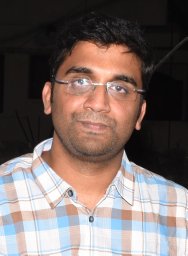 Vijay Rowtula合作论文数Woundtech Innovat Healthcare Solut5
 Prashant Gupta合作论文数Microbiol, King Georges Med Univ5
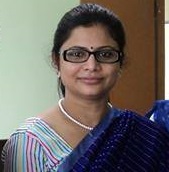 Sriparna Saha合作论文数Department of Computer Science and Engineering, Indian Institute of Technology, Patna5
 Peng Wu合作论文数IBM T.J. Watson Research Center, Yorktown Heights, NY5
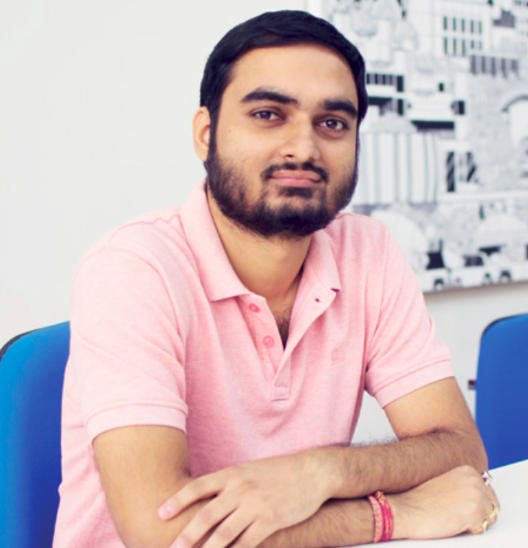 Tanmoy Chakraborty合作论文数Department of Electrical Engineering, Indian Institute of Technology, Delhi;Yardi School of Artificial Intelligence, Indian Institute of Technology, Delhi5
 Rahul Mehta合作论文数Electronic Arts4
 Khushbu Pahwa合作论文数Dept Elect Engn, Delhi Technol Univ4Nisarg Jhaveri合作论文数IIIT H, Hyderabad, India4Nikhil Pinnaparaju合作论文数International Institute of Information Technology4
 Pulkit Parikh合作论文数International Institute of Information Technology Hyderabad4Kedhar Nath Narahari合作论文数Microsoft4
 Pinkesh Badjatiya合作论文数Google4
 Ayushi Dalmia合作论文数IIIT Hyderabad4
 Ramendra K. Sahoo合作论文数Citigroup Inc.4Romil Bansal合作论文数Tata Consultancy Services4
 Bhavyajeet Singh合作论文数International Institute of Information Technology Hyderabad4George Almasi合作论文数4Samuel Midkiff合作论文数School of Electrical and Computer Engineering;Purdue University4
 Zhijun Yin合作论文数Instagram4Maneeesh Singh合作论文数3