Empirical evidence shows that evolution may take place during species' range expansion. Indeed, dispersal ability tends to be selected for at the leading edge of invasions, ultimately increasing a species' spreading speed. However, for organisms across many different taxa, higher dispersal comes at the cost of fitness, producing evolutionary trade-offs at the leading edge. Using reaction-diffusion equations and adaptive dynamics, we provide new insights on how such evolutionary processes take place. We show how evolution may drive phenotypes at the leading edge to maximize the asymptotic spreading speed, and we give conditions under which phenotypic plasticity in dispersal is selected for under different dispersal-reproduction trade-off scenarios. We provide some possible future research directions and other systems where the framework can be applied.
Mountain pine beetle breached the Canadian Rocky Mountains-a former geographic barrier-initiating an eastward range expansion that threatens pine forests across North America. However, mountain pine beetle's expansion stalled unexpectedly in eastern Alberta, defying predictions of rapid spread through jack pine, a novel host tree. We investigated the mechanisms behind this slowed spread using an integrated methodology combining helicopter survey data, statistical modeling, simulations, and a consideration of experimental data. While previous hypotheses attributed the slowed spread to lower pine volumes and stem densities in eastern Alberta's forests, our findings indicate that jack pine's inherent phenotypic characteristics-specifically its smaller size, thinner phloem, and lower monoterpene concentrations-are the main factors limiting beetle success. Mountain pine beetle's limited spread is primarily caused by difficulties in locating and successfully attacking jack pine trees, rather than challenges with reproduction or larval survival within jack pine. Jack pine's traits appear to provide natural resistance against mountain pine beetle invasion, suggesting a lower risk of continued eastward spread than previously assumed. However, given the significant implications for forest management policy and the uncertainties inherent in ecological forecasting, we recommend maintaining beetle monitoring programs.
Chronic wasting disease (CWD) is a prion disease that infects cervid species by direct and environmental transmission and is invariably fatal. CWD spread can be promoted by the attraction of animals to "hotspots" such as hay bales and grain bags stored in fields and at farm sites. The density and location of hotspots may impact contact rates. We used an individual-based movement model of mule deer (Odocoileus hemionus) to investigate the effects of density and configuration of hotspots (hereafter artificial attractants, AA) on contact rates at a constant density of 1 deer/km2 during winter. The model tracks when two deer from the same or different groups come into contact under 6 AA densities (0-1 AA/km2) and 6 AA configurations. We compared placing AA randomly versus clustered around farms, and removing them randomly versus biased by proximity to preferred habitat. Overall, the number of unique contacts per individual and the number of unique deer visiting an AA increased, and the number of AAs used by each deer decreased as AA density declined. Selectively removing field attractants near preferred habitat resulted in a larger increase in contacts per deer, with deer contacting more and different individuals, fewer deer using the remaining AA, and fewer visits per AA than random removal. There was a greater increase in contact rates when reducing AA density at farms by randomly removing all AA at a farm compared to randomly removing individual AA across farms. Deer responses to AA removal may not be as straightforward as originally believed. Deer contacts may increase, not decrease, with AA removal because deer are attracted to the remaining AA. Under moderate deer densities, AA removal may require a broad-scale, "all or nothing" approach to prevent deer from concentrating at remaining AA, but concomitantly lowering deer density needs further assessment.
We study a broad class of nonlocal advection-diffusion models describing the behaviour of an arbitrary number of interacting species, each moving in response to the nonlocal presence of others. Our model allows for different nonlocal interaction kernels for each species and arbitrarily many spatial dimensions. We prove the global existence of both non-negative weak solutions in any spatial dimension and positive classical solutions in one spatial dimension. These results generalise and unify various existing results regarding existence of nonlocal advection-diffusion equations. We demonstrate that solutions can blow up in finite time when the detection radius becomes zero, i.e. when the system is local, thus showing that nonlocality is essential for the global existence of solutions. We verify our results with numerical simulations on 2D spatial domains.
From tumour invasion to cell sorting and animal territoriality, many biological systems rely on nonlocal interactions that drive complex spatial organisation. Partial differential equations (PDEs) with nonlocal advection are increasingly recognised as powerful tools for capturing such phenomena. However, most research has focused on one-dimensional domains, leaving their two-dimensional behaviour largely unexplored. Here, we present a detailed numerical study of the patterns formed by these systems on 2D domains. Depending on the underlying mechanisms, a wide variety of spatial patterns can emerge - including segregated clusters, stripes, volcanos, and polygonal mosaics - many of which have been observed in natural systems. By systematically varying model parameters, we classify the links between emergent patterns and their underlying movement mechanisms. In comparing these patterns with empirical observations, we show how this modelling framework can help reveal possible mechanisms of self-organisation in various situations within the life sciences, from ecology and developmental biology to cancer research.
In the last few decades, mountain pine beetle (MPB) have spread into novel regions in Canada. An important aspect seldom captured in models of MPB spread is host resistance. Lodgepole pine, the predominant host of MPB, varies in resistance across the landscape. There is evidence for a genetic component of resistance, as well as evidence that hosts in areas where MPB has not been present historically are at risk of increased susceptibility. In addition to the spatially varying resistance of the primary host species, the eastward spread of MPB has brought them into jack pine forests. Host resistance in jack pine remains uncertain, but experiments indicate jack pine could be a suitable host. We develop a model of pine beetle spread that links pine beetle population dynamics and forest structure and resistance. We find that beetle outbreaks in the model are characterized by large transient outbreaks that move through the forest. We show how the speed of these outbreaks changes with host resistance and find that biologically plausible values for host resistance are able to stop the wave from advancing. We also find that near the threshold of resistance where the wave is able to advance, small changes in host resistance dramatically decrease the severity of the outbreak. These results indicate that planting trees selected for higher MPB resistance on the landscape may be able to slow or even stop the local spread of MPB. In terms of further eastward spread, our results indicate future outbreaks may move more quickly and be more severe if novel lodgepole pine hosts are indeed more susceptible to beetle attacks, although more research is needed into the susceptibility of jack pine.
Following widespread outbreaks across western North America, mountain pine beetle recently expanded its range from British Columbia into Alberta. However, mountain pine beetle's eastward expansion across Canada has stalled unexpectedly, defying predictions of rapid spread through jack pine, a novel host tree. This study investigates the underlying causes of this deceleration using an integrative approach combining statistical modeling, simulations, and experimental data. We find that the slow spread is primarily due to mountain pine beetle's difficulty in finding and successfully attacking jack pine trees, rather than issues with reproduction or larval development. The underlying mechanism impeding beetle range expansion has been hypothesized to be lower pine volumes in eastern forests, which are primarily a consequence of lower stem density. However, our analysis suggests that jack pine's phenotype itself is the primary impediment. We propose that jack pine's smaller size, thinner phloem, and lower monoterpene concentrations result in weaker chemical cues during the host-finding and mass-attack stages of MPB's life cycle, ultimately leading to fewer successful attacks. These findings suggest a reduced risk of further eastward spread, but should be interpreted cautiously due to enormous policy implications and the inherent limitations of ecological forecasting.
The range of mountain pine beetle (Dendroctonus ponderosae Hopkins) is primarily constrained by climate, with winter temperatures playing a crucial role. Climate change is likely to increase the number of warm days and decrease cold days compared to historical norms, making higher latitudes more suitable habitats. In this work, we explore the potential impacts of environmental covariates on outbreaks of mountain pine beetle under climate change in a selected lodgepole pine area in Alberta. We employ a hierarchical model to examine mountain pine beetle dynamics approaching the end of the century. Our analysis assesses the impact of various climatic covariates and estimates the probability and expected number of infestations across different climate change scenarios. Our results from the hierarchical model underscore the critical role of degree days and overwinter survival probability, displaying an overall trend towards a higher probability and a greater number of outbreaks with increasing temperature. Our results indicate that Alberta is likely to experience widespread infestations in the future. ### Competing Interest Statement The authors have declared no competing interest.
Incorporating memory (i.e., some notion of familiarity or experience with the landscape) into models of animal movement is a rising challenge in the field of movement ecology. The recent proliferation of new methods offers new opportunities to understand how memory influences movement. However, there are no clear guidelines for practitioners wishing to parameterize the effects of memory on moving animals. We review approaches for incorporating memory into step-selection analyses (SSAs), a frequently used movement modeling framework. Memory-informed SSAs can be constructed by including spatial-temporal covariates (or maps) that define some aspect of familiarity (e.g., whether, how often, or how long ago the animal visited different spatial locations) derived from long-term telemetry data. We demonstrate how various familiarity covariates can be included in SSAs using a series of coded examples in which we fit models to wildlife tracking data from a wide range of taxa. We discuss how these different approaches can be used to address questions related to whether and how animals use information from past experiences to inform their future movements. We also highlight challenges and decisions that the user must make when applying these methods to their tracking data. By reviewing different approaches and providing code templates for their implementation, we hope to inspire practitioners to investigate further the importance of memory in animal movements using wildlife tracking data.
Understanding the mountain pine beetle's dispersal patterns is critical for evaluating its threat to Canada's boreal forests. It is generally believed that higher beetle densities lead to increased long-distance dispersal due to aggregation pheromones becoming repellent at high densities, causing beetles to seek areas with less competition. However, using helicopter surveys of infested trees, along with statistical models, we find no evidence supporting a positive relationship. Instead, we observe a weak negative association between population density and dispersal at all spatial scales. A possible explanation is that at low population densities, beetles cannot successfully attack healthy trees and must travel farther to find weakened hosts. Even so, the influence of beetle density on dispersal is minor compared to the spatiotemporal variation in the overall (density-independent) scale of dispersal, as revealed by our models. This variation accounts for the MPB's erratic range expansion across western Alberta, which varied from 20 km to 220 km annually.
The mountain pine beetle (MPB), a destructive pest native to Western North America, has recently extended its range into Alberta, Canada. Predicting the dispersal of MPB is challenging due to their small size and complex dispersal behavior. Because of these challenges, estimates of MPB's typical dispersal distances have varied widely, ranging from 10 meters to 18 kilometers. Here, we use high-quality data from helicopter and field-crew surveys to parameterize a large number of dispersal kernels. We find that fat-tailed kernels – those which allow for a small number of long-distance dispersal events – consistently provide the best fit to the data. Specifically, the radially-symmetric Student's t-distribution with parameters ν = 0.012 and ρ = 1.45 stands out as parsimonious and user-friendly; this model predicts a median dispersal distance of 60 meters, but with the 95th percentile of dispersers travelling nearly 5 kilometers. The best-fitting mathematical models have biological interpretations. The Student's t-distribution, derivable as a mixture of diffusive processes with varying settling times, is consistent with observations that most beetles fly short distances while few travel far; early-emerging beetles fly farther; and larger beetles from larger trees exhibit greater variance in flight distance. Finally, we explain why other studies have found such a wide variation in the length scale in MPB dispersal, and we demonstrate that long-distance dispersal events are critical for modelling MPB range expansion.
Bark beetles are significant forest pests, with some species capable of causing widespread tree mortality. Among these, the mountain pine beetle (MPB) stands out for its exceptionally destructive outbreak in the 2000s. We use MPB as a case study to explore the concept of =excitable dynamics, where ephemeral perturbations produce large excursions from equilibrium. Our empirically-calibrated model of reveals five features of MPB biology: stand density-dependent dispersal, an Allee effect, time-scale separation between beetle and tree life cycles, tree size-dependent fecundity, and a large-tree preference. The first three features explain MPB's characteristic boom-bust dynamics, while the latter two explain outbreak magnitude. Other bark beetles lack one or more of these traits, partially explaining their generally lower impact. However, predicting bark beetle impact requires consideration of both life history and landscape factors: total damage increases linearly with host-tree biomass, but this relationship holds only for irruptive (i.e., excitable) beetle species. We distill our findings into a minimal mechanistic model that captures the essence of irruptive bark beetle dynamics. This model firmly establishes MPB as one of the first empirical examples of excitable dynamics in ecology.
The mountain pine beetle has recently expanded its range into northern and central Alberta, posing an immediate threat to the novel host, jack pine. To date, some experiments suggest that jack pine has limited defensive capabilities despite of the restrictions from the physical environment. In this work, we explore the susceptibility of jack pine compared to the primary host, lodgepole pine, evaluating the risk of potential range expansion into Canada boreal forest. We employ a hierarchical model, incorporating environmental and ecological covariates, to examine mountain pine beetle dynamics in a pine forest with lodgepole, hybrid and jack pines. Our results show that pine species significantly influence the probability of being killed, with jack pine being less likely to be infested than lodgepole pine, all else being equal. The hierarchical model demonstrates that beetles perform poorer in jack pine, characterized by a reproduction rate 0.16 times that of non-jack pine. Although jack pine is a suitable host, our results indicate that the number of infestations in jack pine could be lower than in lodgepole pine, with a reduced probability of emerging beetles. ### Competing Interest Statement The authors have declared no competing interest.
Background Animals of many different species, trophic levels, and life history strategies migrate, and the improvement of animal tracking technology allows ecologists to collect increasing amounts of detailed data on these movements. Understanding when animals migrate is important for managing their populations, but is still difficult despite modelling advancements. Methods We designed a model that parametrically estimates the timing of migration from animal tracking data. Our model identifies the beginning and end of migratory movements as signaled by change-points in step length and turning angle distributions. To this end, we can also use the model to estimate how an animal’s movement changes when it begins migrating. In addition to a thorough simulation analysis, we tested our model on three datasets: migratory ferruginous hawks ( Buteo regalis ) in the Great Plains, barren-ground caribou ( Rangifer tarandus groenlandicus ) in northern Canada, and non-migratory brown bears ( Ursus arctos ) from the Canadian Arctic. Results Our simulation analysis suggests that our model is most useful for datasets where an increase in movement speed or directional autocorrelation is clearly detectable. We estimated the beginning and end of migration in caribou and hawks to the nearest day, while confirming a lack of migratory behaviour in the brown bears. In addition to estimating when caribou and ferruginous hawks migrated, our model also identified differences in how they migrated; ferruginous hawks achieved efficient migrations by drastically increasing their movement rates while caribou migration was achieved through significant increases in directional persistence. Conclusions Our approach is applicable to many animal movement studies and includes parameters that can facilitate comparison between different species or datasets. We hope that rigorous assessment of migration metrics will aid understanding of both how and why animals move.
The Canadian province of Alberta spent over 500 million dollars on controlling mountain pine beetle populations, but did it work? Using a statistical modeling framework coupled with long-term field data, we examined how direct control measures, severe winters, and host-tree depletion shaped the trajectory of Alberta's mountain pine beetle outbreak between 2009 and 2020. Simulations suggest that control efforts reduced total tree mortality by 79 (95 hectare from being killed from 2010–2020. Although cold winters had little effect on overall damage, they acted synergistically with control to end the outbreak, causing population collapse circa 2020. This synergy supports a "wait it out" strategy of mountain pine beetle management, where moderate control effort is applied until an extreme weather event delivers the final blow. Any effects of host-tree depletion via beetle attack were negligible. From an economic perspective, removing one infestation tree – at an approximate cost of 320 CAD – prevented the loss of roughly six (2.6–15) trees, demonstrating the potential for long-term cost-effectiveness. Our results further indicate that future outbreaks may vary widely in severity due to environmental stochasticity, with potential damage in a no-control scenario ranging from 0.41 to 9.7 trees per hectare killed (over a hypothetical 11-year period). An alternative model predicts an even wider range of outcomes: 1–40 trees per hectare. These findings highlight not only the potential of sustained control efforts in mitigating forest pest outbreaks, but also the inherent uncertainty in long-term ecological forecasting.
Insects, especially forest pests, are frequently characterized by eruptive dynamics. These types of species can stay at low, endemic population densities for extended periods of time before erupting in large-scale outbreaks. We here present a mechanistic model of these dynamics for mountain pine beetle. This extends a recent model that describes key aspects of mountain pine beetle biology coupled with a forest growth model by additionally including a fraction of low-vigor trees. These low-vigor trees, which may represent hosts with weakened defenses from drought, disease, other bark beetles, or other stressors, give rise to an endemic equilibrium in biologically plausible parameter ranges. The mechanistic nature of the model allows us to study how each model parameter affects the existence and size of the endemic equilibrium. We then show that under certain parameter shifts that are more likely under climate change, the endemic equilibrium can disappear entirely, leading to an outbreak.
In the last few decades, mountain pine beetle (MPB) have spread into Alberta, partially facilitated by climate change and warmer winters. Future effects of climate change on pine beetle spread are uncertain as warming is likely to affect both forest growth and beetle development. We here present a mechanistic model of pine beetle dynamics and characterize simulated outbreaks under climate change. This model includes key aspects of pine beetle biology, and we determine plausible ranges for each model parameter from available data. We then consider how forest growth, beetle brood size, and host resistance are likely to change in Alberta by the end of the century, and how this will relate to changes in model parameters. We simulate beetle outbreaks and quantify how the projected change in the distribution of the parameters will affect the period, speed, and severity of pine beetle spread. We find that simulated beetle outbreaks move more quickly than historically and are more severe. ### Competing Interest Statement The authors have declared no competing interest.
Nonlocal interactions are ubiquitous in nature and play a central role in many biological systems. In this paper, we perform a bifurcation analysis of a widely-applicable advection-diffusion model with nonlocal advection terms describing the species movements generated by inter-species interactions. We use linear analysis to assess the stability of the constant steady state, then weakly nonlinear analysis to recover the shape and stability of non-homogeneous solutions. Since the system arises from a conservation law, the resulting amplitude equations consist of a Ginzburg-Landau equation coupled with an equation for the zero mode. In particular, this means that supercritical branches from the Ginzburg-Landau equation need not be stable. Indeed, we find that, depending on the parameters, bifurcations can be subcritical (always unstable), stable supercritical, or unstable supercritical. We show numerically that, when small amplitude patterns are unstable, the system exhibits large amplitude patterns and hysteresis, even in supercritical regimes. Finally, we construct bifurcation diagrams by combining our analysis with a previous study of the minimisers of the associated energy functional. Through this approach we reveal parameter regions in which stable small amplitude patterns coexist with strongly modulated solutions.
Toxic cyanobacterial blooms (CBs) are becoming more frequent globally, posing a threat to freshwater ecosystems. While making long-range forecasts is overly challenging, predicting imminent CBs is possible from precise monitoring data of the underlying covariates. It is, however, infeasibly costly to conduct precise monitoring on a large scale, leaving most lakes unmonitored or only partially monitored. The challenge is hence to build a predictive model that can use the incomplete, partially-monitored data to make near-future CB predictions. By using 30 years of monitoring data for 78 water bodies in Alberta, Canada, combined with data of watershed characteristics (including natural land cover and anthropogenic land use) and meteorological conditions, we train a Bayesian network that predicts future 2-week CB with an area under the curve (AUC) of 0.83. The only monitoring data that the model needs to reach this level of accuracy are whether the cell count and Secchi depth are low, medium, or high, which can be estimated by advanced high-resolution imaging technology or trained local citizens. The model is robust against missing values as in the absence of any single covariate, it performs with an AUC of at least 0.78. While taking a major step toward reduced-cost, less data-intensive CB forecasting, our results identify those key covariates that are worth the monitoring investment for highly accurate predictions.
Forecasting the occurrence and absence of novel disease outbreaks is essential for disease management. Here, we develop a general model, with no real-world training data, that accurately forecasts outbreaks and non-outbreaks. We propose a novel framework, using a feature-based time series classification method to forecast outbreaks and non-outbreaks. We tested our methods on synthetic data from a Susceptible-Infected-Recovered model for slowly changing, noisy disease dynamics. Outbreak sequences give a transcritical bifurcation within a specified future time window, whereas non-outbreak (null bifurcation) sequences do not. We identified incipient differences in time series of infectives leading to future outbreaks and non-outbreaks. These differences are reflected in 22 statistical features and 5 early warning signal indicators. Classifier performance, given by the area under the receiver-operating curve, ranged from 0.99 for large expanding windows of training data to 0.7 for small rolling windows. Real-world performances of classifiers were tested on two empirical datasets, COVID-19 data from Singapore and SARS data from Hong Kong, with two classifiers exhibiting high accuracy. In summary, we showed that there are statistical features that distinguish outbreak and non-outbreak sequences long before outbreaks occur. We could detect these differences in synthetic and real-world data sets, well before potential outbreaks occur.
 Martin Krkosek合作论文数Department of Ecology and Evolutionary Biology, Faculty of Arts & Science, University of Toronto28
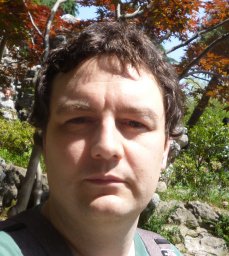 Jonathan R. Potts合作论文数Centre for Complexity Sciences and, Bristol;School of Biological Sciences, University of Bristol;School of Biological Sciences, University of Bristol27
 Andrew E. Derocher (Andrew Derocher)合作论文数Department of Biological Sciences, Faculty of Science, University of Alberta21
 Alex Potapov合作论文数Centre for Mathematical Biology;University of Alberta;Centre for Mathematical Biology, University of Alberta20
 Hao Wang合作论文数19
 Stephanie Jane Peacock合作论文数Dept Ecol & Evolutionary Biol, Univ Toronto18
 Thomas Hillen合作论文数Department of Mathematical and Statistical Sciences, University of Alberta15
 Evelyn Merrill合作论文数Department of Biological Sciences;University of Alberta;Department of Biological Sciences, University of Alberta12
 Subhash Lele合作论文数Department of Mathematical and Statistical Sciences, University of Alberta11
 Yu Jin合作论文数10
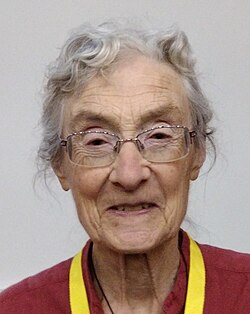 P. van den Driessche合作论文数Department of Mathematics and Statistics, University of Victoria10
 Frithjof Lutscher合作论文数Department of Mathematics and Statistics;University of Ottawa;Department of Mathematics and Statistics, University of Ottawa10
 Sergei Petrovskii合作论文数School of Computing and Mathematical Sciences, University of Leicester10
 Péter K. Molnár合作论文数Department of Ecology and Evolutionary Biology, Faculty of Arts and Science, University of Toronto9
 Qihua Huang (黄启华)合作论文数School of Mathematics and Statistics, Southwest University9
 Jd Murray合作论文数8Mélodie Kunegel-Lion合作论文数8Peter R. Thompson合作论文数University of Alberta8
 Yehuda Ben-Zion合作论文数Department of Earth Sciences, Dana and David Dornsife College of Letters, Arts and Sciences, University of Southern California8
 Marjorie J Wonham合作论文数Department of Zoology;University of Washington;Department of Zoology, University of Washington8
 Micah Brush合作论文数AB T6G 2G1, Univ Alberta7
 Marie Auger-Méthé合作论文数Institute for the Oceans and Fisheries, Department of Statistics, The University of British Columbia7
 Pouria Ramazi合作论文数ENTEG, Univ Groningen7
 Hugh MacIsaac合作论文数Research Center For Eco-Environmental Sciences, Chinese Academy of Sciences;Great Lakes Institute For Environmental Research, School of the Environment, University of Windsor;China-Canada Three Gorges Reservoir Water Science Center, Southwest University;Sino-Canada Research Center on Plateau Lakes, Yunnan University7
 Paul R. Moorcroft (Paul Moorcroft)合作论文数Department of Organismic & Evolutionary Biology, Harvard University7
 Michael Neubert合作论文数Biology Department, Woods Hole Oceanographic Institution7
 Mark Edwards合作论文数6Peter D. Harrington合作论文数AB T6G 2G1, Univ Alberta6R. D. Clugston合作论文数6
 Nathan G Marculis合作论文数University of California6
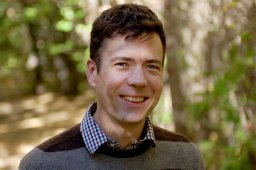 Devin Goodsman合作论文数Department of Biological Sciences, University of Alberta6
 Brendan M Connors合作论文数6
 David C. Finnoff合作论文数University of Wyoming6
 Alexandra Morton合作论文数6Gerda De Vries合作论文数NIDDK, National Institutes of Health Mathematical Research Branch6P. R. Moorcroft合作论文数5Ws Blaner合作论文数5
 Jody Reimer合作论文数Dept Math, Univ Utah5
 James S. Clark合作论文数Environmental Science and Policy Division, Nicholas School of the Environment, Duke University;Earth and Climate Sciences Division, Nicholas School of the Environment, Duke University5
 Andrew Bateman合作论文数Division of Endocrinology and Metabolism, Department of Medicine, Faculty of Medicine and Health Sciences, McGill University5
 William Fagan合作论文数Department of Biology, University of Maryland5
 Ulrike Schlagel合作论文数5
 Russell Greiner合作论文数Department of Computing Science, Faculty of Science, University of Alberta;Alberta Machine Intelligence Institute5Bingtuan Li合作论文数5William A Nelson合作论文数4
 Juliette Bouhours合作论文数4Gottesman M E合作论文数4
 V. Giunta合作论文数Dept Engn, Univ Palermo4
 David M. Lodge合作论文数Department of Ecology and Evolutionary Biology, College of Arts and Sciences, Cornell University;Cornell Atkinson Center for Sustainability, Cornell University;Department of Biological Sciences, University of Notre Dame4




