Objective: To develop a machine learning-based model for predicting epileptic seizures by analyzing electroencephalogram (EEG) signals and classifying the interictal and preictal phases. Methods: The EEG signals were analyzed in both the time and frequency domains using advanced feature extraction techniques. Three different machine learning approaches were employed, with special focus on long short-term memory (LSTM) networks. Features were extracted and classified to differentiate between seizure and non-seizure phases. The proposed models were evaluated using the publicly available CHB-MIT EEG dataset. The study was conducted between September 2022 and September 2024. Results: Among the tested models, the LSTM-based approach using the full-feature extraction pipeline achieved the highest prediction accuracy of 97.73%. This performance demonstrates strong potential for real-time seizure forecasting. Conclusion: Machine learning, particularly LSTM models, can accurately predict epileptic seizures by analyzing EEG signal patterns. These findings support the development of automated seizure prediction systems that could significantly improve the quality of life for epilepsy patients.
Deep unfolding networks (DUNs) have emerged as competitive networks for compressed sensing (CS) applications that achieve state-of-the-art results while remaining interpretable. Many DUNs adopt the Proximal Gradient Descent DUN (PGD-DUN) proposed by ISTA-Net+. It aims to find a solution to the CS problem that is consistent with the measurements. This is done through a Gradient Descent Module (GDM) to align the output with the measurements, and a deep reconstruction network to enhance the reconstruction performance. However, since the GDM is isolated from the reconstruction network, the network could produce outputs that are misaligned with the measurements, thus, contradicting CS theory. In this work, we show that first, aligning the reconstruction with the measurements plays a critical role in the reconstruction performance. Secondly, we propose the Gradient-Informed Network (GIN) as a superior alternative to GDM. Finally, we show that GIN is generalizable to many PGD-DUNs by applying it to three different PGD-DUNs. The results indicate that GIN consistently outperforms GDM on both the Set 11 and BSD68 datasets and across CS ratios from 50% down to 10%. The results also indicate that the performance seen from GIN increases as the size of the network increases. The codes behind the work will be published upon acceptance of this work.
Despite the importance of seismic surveys, acquiring seismic data remains a costly endeavor. Compressed sensing (CS) offers a means to significantly reduce acquisition costs, particularly when implemented through deep CS networks (DCSNs). However, applying CS to seismic data introduces several challenges, some of which have received limited attention. One key issue is that the CS reconstruction process tends to favor samples with high amplitudes. Since the signal gain in seismic data decays exponentially over time, the reconstruction quality correspondingly degrades, resulting in irregular reconstruction performance across the time axis. In this work, three contributions are presented to address these issues. First, the aforementioned degradation problem is mitigated by modifying the loss function to incorporate gain-corrected data, thereby enabling more uniform reconstruction quality over time. Second, a 2-D sampling scheme is deployed, which compresses the data along both the temporal and spatial dimensions to further reduce acquisition costs. Finally, the effectiveness of the proposed cost function and sampling scheme is demonstrated using variants of DCSNs originally designed for natural images. The results show significant improvements in the reconstruction performance of late-time samples and confirm that seismic data can be accurately recovered from a small subset of measurements, thereby reducing overall acquisition costs.
Despite the importance of seismic surveys, acquiring seismic data remains a costly endeavor. Compressed sensing (CS) offers a means to significantly reduce acquisition costs, particularly when implemented through deep compressed sensing networks (DCSNs). However, applying CS to seismic data introduces several challenges, some of which have received limited attention. Chief among these is that the CS reconstruction process tends to favor samples with high amplitudes. Because the signal gain in seismic data decays exponentially over time, the reconstruction quality correspondingly degrades, resulting in irregular reconstruction performance across the time axis. In this work, three contributions are presented to address these issues. First, the aforementioned degradation problem is mitigated by modifying the loss function to incorporate gain-corrected data, thereby enabling more uniform reconstruction quality over time. Second, a 2D sampling scheme is deployed that compresses the data along both the temporal and spatial dimensions to further reduce acquisition costs. Finally, the effectiveness of the proposed cost function and sampling scheme is demonstrated using variants of DCSNs originally designed for natural images. The results show significant improvements in the reconstruction performance of late-time samples and confirm that seismic data can be accurately recovered from a small subset of measurements, thereby reducing overall acquisition costs.
This paper summarizes the results of the first multimodal sign language recognition challenge, SignEval 2025, organized at ICCV 2025. The challenge featured two tracks: (i) Continuous sign language recognition (CSLR) task based on the newly curated Isharah dataset, a Saudi Sign Language dataset, and (ii) Isolated sign language recognition (ISLR) task using the MultiMeDaLIS dataset, a multimodal Italian Sign Language corpus tailored for doctor-patient communication. Two tasks are defined within the CSLR track: Signer-Independent and Unseen-Sentences. The Signer-Independent task tests the model's ability to generalize across signers, a critical property for scalable real-world CSLR systems. The UnseenSentences task evaluates the model's capability to recognize novel sentence compositions by leveraging learned grammar and semantics. The ISLR track utilized MultiMeDaLIS, a multi-modal dataset. The participants of this track were challenged to classify isolated signs using only radar and RGB modalities. The challenge utilized two leaderboards to showcase methods, with participants setting new benchmarks and achieving state-of-the-art results on both tracks. More information on the challenges, tasks, leaderboard, baselines and development kits are available on https://multimodal-signlanguage-recognition.github.io/ICCV-2025/.
Seismic interpretation is vital for understanding subsurface structures but remains labor-intensive, subjective, and computationally demanding. While deep learning (DL) offers promise, its success hinges on large, high-quality datasets, often scarce in geophysics. Foundation Models (FMs), which have shown significant success in fields like natural language processing and computer vision, offer a transformative opportunity for seismic interpretation by enabling knowledge transfer and generalization across interpretation tasks. However, the application of FMs in this domain remains limited, especially at the 3D scale, due to the absence of a domain-specific pretraining workflow. Here, our study sought to develop a pretraining strategy for 3D seismic interpretation by introducing a vision transformer-based Seismic Contrastive Self-Distillation Encoder (SeisCoDE), a novel self-supervised learning (SSL) framework that leverages seismic signal processing and attribute analysis, preserving seismic structural integrity during pretraining. By leveraging contrastive learning and self-distillation, SeisCoDE learns meaningful latent representations without the need for labeled data (zero-shot approach). Results indicate that SeisCoDE effectively captures critical seismic features and characteristics, producing robust latent feature representations that drive downstream seismic interpretation. It demonstrates enhanced generalization abilities across different seismic interpretation tasks, outperforming the conventional supervised learning UNet method. Overall, this research emphasizes the potential of FMs informed by seismic image processing and attribute analysis principles, paving the way for continued innovation integrating FMs for seismic interpretation, with the potential to revolutionize subsurface characterization and geophysical seismic exploration.
The global prevalence of skin cancer necessitates the development of AI-assisted technologies for accurate and interpretable diagnosis of skin lesions. This study presents a novel deep learning framework for enhancing the interpretability and reliability of skin lesion predictions from clinical images, which are more inclusive, accessible, and representative of real-world conditions than dermoscopic images. We comprehensively analyzed 13 deep learning models from four main convolutional neural network architecture classes: DenseNet, ResNet, MobileNet, and EfficientNet. Different data augmentation strategies and model optimization algorithms were explored to access the performances of the deep learning models in binary and multiclass classification scenarios. In binary classification, the DenseNet-161 model, initialized with random weights, obtained a top accuracy of 79.40%, while the EfficientNet-B7 model, initialized with pretrained weights from ImageNet, reached an accuracy of 85.80%. Furthermore, in the multiclass classification experiments, DenseNet121, initialized with random weights and trained with AdamW, obtained the best accuracy of 65.1%. Likewise, when initialized with pretrained weights, the DenseNet121 model attained a top accuracy of 75.07% in multiclass classification. Detailed interpretability analyses were carried out leveraging the SHAP and CAM algorithms to provide insights into the decision rationale of the investigated models. The SHAP algorithm was beneficial in understanding the feature attributions by visualizing how specific regions of the input image influenced the model predictions. Our study emphasizes using clinical images for developing AI algorithms for skin lesion diagnosis, highlighting the practicality and relevance in real-world applications, especially where dermoscopic tools are not readily accessible. Beyond accessibility, these developments also ensure that AI-assisted diagnostic tools are deployed in diverse clinical settings, thus promoting inclusiveness and ultimately improving early detection and treatment of skin cancers.
Deep learning has emerged as a powerful tool for seismic interpretation. However, many vision models are significantly overparameterized, often relying on deep convolutional hierarchies with millions of parameters to capture spatial patterns. This results in high computational costs and increased data requirements. In this work, we introduce FaciesMamba, a compact and efficient encoder-decoder architecture for seismic facies classification that replaces deep convolutional stacks with trace-wise sequence modeling using Mamba, a structured state space model. To account for local features along the horizontal dimension, we incorporate lightweight convolutional layers. The architecture preserves the vertical (depth) dimension while progressively downsampling only along the horizontal axis to improve efficiency and reduce spatial redundancy. A gated fusion mechanism enables learnable feature integration between encoder and decoder stages. Despite having only 2.8 million parameters, our model achieves better than state-of-the-art performance. Although the model is not the most FLOP-efficient, it benefits from substantial parameter savings and architectural simplicity. Experiments on the Netherlands F3 facies classification benchmark demonstrate that efficient sequence-based modeling can outperform much larger models. These results establish FaciesMamba as a practical, lightweight alternative for seismic facies interpretation, especially in resource-constrained scenarios.
Colorectal cancer (CRC) is a major health concern globally, known for its high prevalence and mortality rate. It typically arises from precancerous growths called polyps within the colon or rectum. Early detection and removal of these polyps are crucial for preventing CRC and improving patient outcomes. Traditional deep learning models require large amounts of labeled data, making them costly and time-consuming to develop. To address this, we present an innovative self-supervised learning (SSL) approach for colorectal polyp segmentation, which integrates watershed algorithm-enhanced pseudo-label generation with a novel parallel pretraining method. This approach leverages dual-task pre-training on image reconstruction and pseudo-segmentation to extract more relevant feature representations. Validated on the Kvasir-SEG dataset using three different models, our methodology demonstrates significant improvements in segmentation accuracy and efficiency, particularly in low-data scenarios, suggesting broader applicability in medical image analysis.
Recent advances in deep learning and computer vision have resulted in giant leaps in automating some of the cumbersome oil and gas exploration and production operations. Deep convolutional neural networks have been widely used for seismic interpretation tasks including detection, classification, and segmentation of various subsurface geological phenomena. The downside of deep neural networks is that their data requirements increase heavily as their complexity increases. Although seismic data is abundantly available, such networks require annotated data which is an expensive and time-consuming process. In this work, we present a deep model for facies classification that leverages an attention-based self-calibrated convolution to achieve superior results while maintaining a relatively low model complexity. The model was trained and tested on a publicly available dataset for facies classification based on the Netherlands F3 block (Project F3 Demo 2020, 1987). The proposed model outperforms other models in the literature for facies classification while maintaining a lower complexity in terms of the number of parameters and the multiplyaccumulate operations of the model.
Image retargeting is the process of resizing and changing the aspect ratio of an image while minimizing the distortions in the content. Multiple retargeting techniques use saliency maps to identify the important parts of the image. The caveat of such maps is that they tend to give equal importance to different objects without acknowledging what the objects are. This may degrade the performance of the retargeting process as some objects are more sensitive to distortions than others. In this paper, we propose an adaptive image retargeting method that uses a novel object-aware importance map that takes into account the level of importance of the different objects in the image. Results show that the proposed method outperforms the existing retargeting techniques in subjective and objective measures. Code is available at https://github.com/swaidan/Importance-Map-Fusion
Training an agent to generate cooperative joint learning policies for executing object sorting in cluttered scenes is complex. This paper presents a comparative model-free deep reinforcement learning (DRL) system built from variants of end-to-end lightweight deep neural networks that jointly complement three primitive policies (pushing, grasping, and placing) that operate from visual observations to actions. The end goal of the proposed DRL systems is to perform object sorting in very dynamic and complex environmental scenarios of cluttered and random objects (irregular and regular blocks) existing in different color variations. For this, we investigated DRL methods built from 12 custom instances of Pixel-wise Q-valued Critic Networks (PQCN) from four main backbone networks (DenseNet121, DenseNet169, MobileNetV3, and SqueezeNet) individually combined with custom fully convolutional neural networks (FCN) for learning the image-based observation space through affordance mapping paradigm while considering both dual and single transfer learning schemes. Additionally, we explored three categories of gradient-based optimization methods and considered custom reward functions with varying discount factors. The results show that the PQCN constructed by integrating DenseNet121 or MobileNetV3 with FCN and trained by a dual transfer learning scheme (with a discount factor of γ=0.70) yielded the best performance in most categories of our evaluation in the training phases. Overall, the PQCN-DenseNet121, when trained with a dual transfer learning process, yielded the best generalization (sorting success rate) in most of the evaluation metrics across all object categories in the testing phase. Furthermore, our study provides a new benchmark for validating deep reinforcement learning algorithms while sorting object blocks under varying degrees of complexity. This research finds practical relevance in industrial fields such as manufacturing and packaging, building construction, plant sorting, automobile assembly lines, and waste sorting. Here is the article’s source code: https://github.com/Emmanuel-Okafor/DRL_for_Object_Sorting.git.
Around the globe, respiratory lung diseases pose a severe threat to human survival. Based on a central goal to reduce contiguous transmission from infected to healthy persons, several technologies have evolved for diagnosing lung pathologies. One of the emerging technologies is the utility of Artificial Intelligence (AI) based on computer vision for processing wide varieties of medical imaging but AI methods without explainability are often treated as a black box. Based on a view to demystifying the rationale influencing AI decisions, this paper designed and developed a novel low-cost explainable deep-learning diagnostic tool for predicting lung disease from medical images. For this, we investigated explainable deep learning (DL) models (conventional DL and vision transformers (ViTs)) for performing prediction of the existence of pneumonia, COVID19, or no-disease from both original and data augmentation (DA)-based medical images (from two chest X-ray datasets). The results show that our experimental consideration of the DA that combines the impact of cropping, rotation, and horizontal flipping (CROP+ROT+HF) for transforming input images and then passed as input to an Inception-V3 architecture yielded a performance that surpasses all the ViTs and other conventional DL approaches in most of the evaluated performance metrics. Overall, the results suggest that the utility of data augmentation schemes aided the DL methods to yield higher classification accuracies. Furthermore, we compared five different class activation mapping (CAM) algorithms (GradCAM, GradCAM++, EigenGradCAM, AblationCAM, and RandomCAM). The result shows that most of the examined CAM algorithms were effective in identifying the attention region containing the existence of pneumonia or COVID-19 from the medical images (chest X-rays). Our developed low-cost AI diagnostic tool (pilot system) can assist medical experts and radiographers in proffering early diagnosis of lung disease. For this, we selected five to seven deep learning models and the explainable algorithms were deployed on a novel web interface implemented via a Gradio framework.
Cancer is a leading cause of death globally. The majority of cancer cases are only diagnosed in the late stages of cancer due to the use of conventional methods. This reduces the chance of survival for cancer patients. Therefore, early detection consequently followed by early diagnoses are important tasks in cancer research. Gene expression microarray technology has been applied to detect and diagnose most types of cancers in their early stages and has gained encouraging results. In this paper, we address the problem of classifying cancer based on gene expression for handling the class imbalance problem and the curse of dimensionality. The oversampling technique is utilized to overcome this problem by adding synthetic samples. Another common issue related to the gene expression dataset addressed in this paper is the curse of dimensionality. This problem is addressed by applying chi-square and information gain feature selection techniques. After applying these techniques individually, we proposed a method to select the most significant genes by combining those two techniques (CHiS and IG). We investigated the effect of these techniques individually and in combination. Four benchmarking biomedical datasets (Leukemia-subtypes, Leukemia-ALLAML, Colon, and CuMiDa) were used. The experimental results reveal that the oversampling techniques improve the results in most cases. Additionally, the performance of the proposed feature selection technique outperforms individual techniques in nearly all cases. In addition, this study provides an empirical study for evaluating several oversampling techniques along with ensemble-based learning. The experimental results also reveal that SVM-SMOTE, along with the random forests classifier, achieved the highest results, with a reporting accuracy of 100%. The obtained results surpass the findings in the existing literature as well.
Knowing a land’s facies type before drilling is an essential step in oil exploration. In seismic surveying, subsurface images are analyzed to segment and classify the facies in that volume. With the recent developments in deep learning, multiple works have utilized deep neural networks to classify facies from subsurface images. Unlike natural images, seismic data have different patterns and structures, which means that although general deep learning architectures can work with seismic data, it would be more effective if these architectures were optimized and refined specifically for such types of data. Most of the works in the seismic domain focus on convolution neural networks as the main backbone for the architectures, and more recently transformers started becoming more common in seismic data processing. Proposing a different approach that can capture unique correlations in the data, we introduce the use of dynamic graph convolutional networks as a method for capturing long-term dependencies for seismic facies classification. The proposed architecture combines the use of convolution neural networks and graph convolution networks to capture both global and local structures of the data. The performance of the model was evaluated on a facies classification dataset, and the proposed method provided state-of-the-art results while significantly reducing the number of parameters in the model compared to other architectures. Code is available at https://github.com/swaidan/Geology-Restricted-DGCNN.
Seismic facies classification is an important task in seismic interpretation that allows the identification of rock bodies with similar physical characteristics. Manual labeling of seismic data is immensely time-consuming given the recent surge in data volumes. Self-supervised learning (SSL) enables models to learn powerful representations from unlabeled data, thereby improving performance in downstream tasks using limited labeled data. We investigated the effectiveness of SSL for efficient facies classification by evaluating various convolutional and vision transformer-based models. We pretrained the models on image reconstruction and finetuned them on facies segmentation. Results on the southern North Sea F3 seismic Block in the Netherlands and the Penobscot seismic volume in the Sable subBasin, offshore Nova Scotia, Canada, show that SSL has comparable performance to supervised learning using only 5%–10% labeled data. Further, SSL exhibits stable domain adaptation on the Penobscot data set even with 5% labeled data, indicating improved generalization compared to supervised learning setup. The findings demonstrate that SSL significantly enhances model accuracy and data efficiency for seismic facies classification.
Worker safety in the industrial, construction, and energy sectors is the primary concern of governments, organizations, and project managers. Traditional monitoring systems are tedious, laborious, subjective, expensive, and inaccurate. Therefore, the development of automated and accurate systems for real-time monitoring and detecting personal protective equipment (PPE) compliance is urgently needed. This study provides valuable insights and contributions to the field of workers’ safety in the industrial, construction, and energy sectors. It aims to evaluate the potential contribution of providing a robust and accurate real-time PPE compliance monitoring system using state-of-the-art deep learning techniques with real-world videos collected from surveillance cameras. Furthermore, it presents a systematic framework for developing, evaluating, and selecting the most suitable model for real-world applications, starting from data collection and ending with system deployment and maintenance. To the best of our knowledge, the collected dataset in this work is the largest PPE’s dataset, with approximately 7.7 million labels representing different PPEs in 386,011 video frames collected from several surveillance cameras. The techniques adopted to generate different models and evaluated for PPE are CenterNet, Vision Transformer, and YOLOv7. Moreover, an optimized real-time inference engine is developed leveraging the high-computing power of GPUs in the system. The experimental results demonstrate that the models developed using YOLO are the most accurate and can be better generalized to detect PPE compliance in new working environments, achieving mean average precisions of 92.36% and 66.70% on Test Set I and Test Set II , respectively. In addition, they achieve real-time detection of PPE compliance.
Nuanced dialects are a linguistic variant that pose several challenges for NLP models and techniques. One of the main challenges is the limited amount of datasets to enable extensive research and experimentation. We propose an approach for efficiently collecting nuanced dialectal datasets that are not only of high quality, but are versatile enough to be multipurpose as well. To test our approach we collect the KIND corpus, which is a collection of fine-grained Arabic dialect data. The data is short texts, and unlike many nuanced dialectal datasets, it is curated manually through social collaboration efforts as opposed to being crawled from social media. The collaborative approach is incentivized through educational gamification and competitions for which the community itself benefits from the open source dataset. Our approach aims to achieve: (1) coverage of dialects from under-represented groups and fine-grained dialectal varieties, (2) provide aligned parallel corpora for translation between Modern Standard Arabic (MSA) and multiple dialects to enable translation and comparison studies, (3) promote innovative approaches for nuanced dialect data collection. We explain the steps for the competition as well as the resulting datasets and the competing data collection systems. The KIND dataset is shared with the research community.
Deep Learning models, based on Convolutional Neural Network (CNN) architecture, have proven to be useful and effective in many image processing tasks, and have recently been shown to be effective for image Super-Resolution (SR). Common trends in SR improve the quality of the reconstructed image by increasing the depth and complexity of the CNN model. While this approach produces superior performance in objective image quality metrics (IQA), such as Peak-Signal-to-Noise Ratio (PSNR) and Structural Similarity (SSIM) index, having the number of parameters in the order of millions sacrifices the practicality of model deployment. This is especially true for applications that require real-time processing, such as online conferencing. In this paper, a CNN-based SR model architecture that integrates an attention mechanism while maintaining low complexity is proposed. The number of parameters of the model is reduced by adopting depthwise-separable convolution (DSC) throughout the model. Multiply-accumulate operations (MACs) are reduced by adopting a late upsampling scheme to operate only on low-dimensional features maps. Experimental results show that the proposed model architecture has better performance in terms of objective IQA metrics, such as PSNR and SSIM, and subjective IQA. This improved performance is achieved at a reduced complexity. We also showcase the scalability of the proposed CNN architecture by increasing the model complexity slightly to gain better desired performance.
 Ghassan Alregib合作论文数School of Electrical and Computer Engineering, College of Engineering, Georgia Institute of Technology20
 Yazeed Alaudah合作论文数Georgia Institute of Technology9
 Haibin Di (邸海滨)合作论文数Schlumberger Limited6
 Hamzah Luqman合作论文数6
 Sadam Al-Azani合作论文数SDAIA KFUPM Joint Res Ctr Artificial Intelligence, King Fahd Univ Petr & Minerals5
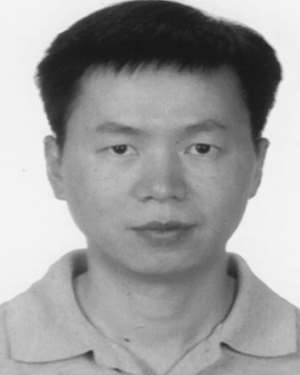 Zhiling Long (龙志玲)合作论文数5
 Adnan Hamida合作论文数4
 Salam Adel Zummo合作论文数Department of Electrical Engineering, College of Engineering and Physics, King Fahd University of Petroleum & Minerals4
 Ali Al-Shaikhi合作论文数Department of Electrical Engineering, King Fahd University of Petroleum and Minerals4
 Khalil Chikhaoui合作论文数King Fahd University of Petroleum and Minerals3
 Ahmad Mustafa合作论文数Gen Syst Engn, October Univ Modern Sci & Arts MSA3
 Emmanuel Okafor合作论文数Univ Groningen, Inst Artificial Intelligence & Cognit Engn, Groningen, Netherlands3
 Zhen Wang合作论文数CeGP, Georgia Inst Technol3
 Mohamed A. Deriche合作论文数Department of Electrical Engineering, King Fahd University of Petroleum & Minerals3
 Mudassir Masood合作论文数3
 Hussein Samma合作论文数2
 Naveed Iqbal合作论文数2
 Saad Aldoihi合作论文数Comp Sci & Syst Engn, ENSTA PARISTECH2
 Maad AlOwaifeer合作论文数Electrical Engineering Department, King Fahd University of Petroleum and Minerals2
 Yuting Hu合作论文数2
 Muhammad Ali Qureshi合作论文数Dept. of Electr. Eng., King Fahd Univ. of Pet. & Miner.;c;Dept. of Electr. Eng., King Fahd Univ. of Pet. & Miner.2
 Umair Bin Waheed合作论文数2
 Abdullatif A. Al-Shuhail合作论文数Earth Sciences Department, King Fahd University of Petroleum and Minerals2Asjad Amin合作论文数2
 Amir Shafiq合作论文数1Evgeny E. Baraboshkin合作论文数1Concetto Spampinato合作论文数1
 Simone Palazzo合作论文数1
 Muaiz Ali合作论文数1Rawwad Alhejaili合作论文数1M. Hashem Shullar合作论文数1Amjad Alsulami合作论文数1
 Patrycja Michałowicz合作论文数1
 Muhammad Khalid合作论文数Electrical Engineering Department, College of Engineering and Physics, King Fahd University of Petroleum and Minerals;Smart Energy Solutions Lab, King Fahd University of Petroleum and Minerals1Salman Abbasi合作论文数1
 Reem Alyami合作论文数1Raidah S Al-Baradie合作论文数1
 Medhat Nemitallah合作论文数KA CARE Energy Res & Innovat Ctr1
 Ali Mir合作论文数Communications should be addressed to: Dr. Mir;Consultant Pediatric Neurologist & Epileptologist;Department of Pediatric Neurology;Neuroscience Center;King Fahad Specialist Hospital;Ammar Bin Thabit Street;Dammam 31444, Saudi Arabia.;Neuroscience Center, King Fahad Specialist Hospital1Sundaresan Anirudha合作论文数1Asma Z. Yamani合作论文数King Fahd University of Petroleum & Minerals1
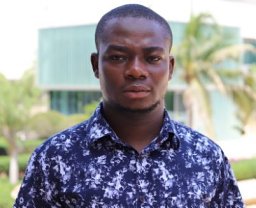 Basit O. Alawode合作论文数Dept Elect Engn, King Fahd Univ Petr & Minerals1
 Bakhtawer Sarosh合作论文数1
 Mohammad Nabhan合作论文数Dept Syst Engn, King Fahd Univ Petr & Minerals1Mansur Aliyu合作论文数Mech Engn Dept, King Fahd Univ Petr & Minerals1
 Mojeed Oyedeji合作论文数Syst Engn Dept, King Fahd Univ Petr & Minerals1
 Ardiansyah Koeshidayatullah合作论文数College of Petroleum Engineering and Geosciences, King Fahd University of Petroleum and Minerals1
 Dmitry Borisov合作论文数Kansas Geol Survey1
 Giovanni Bellitto合作论文数Dipartimento Di Ingegneria Elettrica Elettronica E Informatica, Università di Catania1




