OBJECTIVE:The increasing frequency and severity of climate-related disasters pose major threats to public health, particularly when they intersect with other crises like pandemics. Puerto Rico has faced multiple large-scale disasters in recent years, yet research on their cumulative health effects remains limited. This study examines associations between disaster exposure-Hurricane María and the COVID-19 pandemic-and self-reported physical, mental, and behavioral health among Puerto Rican adults using Behavioral Risk Factor Surveillance System data (2015-2021). METHODS:We used multivariable linear and log-binomial models, adjusting for key sociodemographic factors. RESULTS:Among 35,517 respondents, post-disaster periods were mostly linked to worse health outcomes, including more days of poor mental health, increased substance use, and more negative health perceptions. The early post-hurricane period showed the greatest harm, with participants reporting 2.47 more poor mental health days (P < 0.002), lower likelihood of exercise (PR = 0.65), and higher likelihood of smoking (PR = 1.20). Conversely, early and late pandemic periods showed apparent health improvements, though these findings require cautious interpretation. CONCLUSIONS:Our results underscore the need for disaster-responsive mental health care, resilient infrastructure, and policies addressing financial inequities that heighten vulnerability. Strengthening community networks and ensuring equitable preparedness and relief efforts are essential to reducing the health impacts of future disasters.
BACKGROUND:The United States (U.S.) currently lacks a Federal occupational heat standard and hot weather threatens the safety and health of farmworkers who often work under extreme heat conditions. Chronic disease and related risk factors can enhance worker susceptibility, yet prior studies on heat vulnerability in farmworkers used small samples over short time periods, leaving knowledge gaps about the scope of the problem. OBJECTIVE:To describe temperature exposures and characteristics, including cardiovascular disease (CVD) and risk factors (diabetes, high blood pressure, elevated cholesterol), of a U.S. national sample of farmworkers over a 21-year period. METHODS:We obtained demographic and health data on farmworkers from the U.S. National Agricultural Workers Survey (NAWS) and publicly available temperature data from 1999 to 2020. We aggregated temperature datasets to six NAWS regions and calculated average daily mean temperature days above four absolute thresholds of 32.2-40.6 Celsius (°C) and seasonal average summertime temperatures to represent potential exposure of the survey population. We used joinpoint regression to describe temporal patterns in temperatures and the prevalence of CVD outcomes within the repeated cross-sectional NAWS data. Multivariate logistic regression analysis was used to explore patterns in CVD outcomes across farmworker characteristics. RESULTS:Farmworkers (n = 44,388) were predominantly Hispanic (81%) and male (73%) with 33% below the poverty level and 40% receiving benefits from needs-based government programs. Seasonal temperatures experienced overall increasing trends, and all regions experienced days over heat thresholds. Prevalence of diabetes, high blood pressure, and CVD generally increased over the study period, with some diminishing trends for diabetes and high blood pressure after 2017. SIGNIFICANCE:Increasing prevalence of CVD and related risk factors, combined with the aging workforce and other social vulnerabilities, support targeted actions to mitigate heat-related health risks and ensure safety and health provisions for this essential workforce. IMPACT STATEMENT:Elevated temperatures pose a risk of morbidity and mortality for farmworkers and outdoor workers in general. We present evidence from a nationwide survey that U.S. farmworkers, while generally younger and healthier than the population as a whole, experience potential vulnerability to heat as their prevalence of cardiovascular disease, average age and risk factors have risen nationally over 21 years. These results highlight the need to pass and implement heat standards and policies to ensure the safety and health of this essential workforce, in light of the absence of such standards in all but five states.
BACKGROUND: Extreme heat risk assessments often rely on epidemiologic studies that used the nearest available outdoor airport temperatures (OATs) rather than individually experienced temperatures (IETs) and frequently lack key individual-level determinants of exposure, including occupation, housing, and air conditioning. This hampers efforts to characterize heat burden inequities and guide interventions for vulnerable populations. OBJECTIVES: We developed an approach to estimate individual and subgroup-specific health impacts from modeled IETs before and during extreme heat events for three U.S. cities: Atlanta, Georgia; (hot-humid), Detroit, Michigan (temperate), and Phoenix, Arizona (hot-dry). METHODS: IET profiles were estimated using modeled parcel-linked population microdata, housing-specific indoor temperatures from building energy models, ambient temperatures from urban-scale climate models, and time activity patterns from surveys. We linked each IET profile to daily OATs and then fit mixed-effects regressions to predict "equivalent" OATs (eOATs), based on IET, housing, and demographics. We assigned risk ratios (RRs) from existing literature on all-cause mortality, all-cause emergency department (ED) visits, and preterm births to each person-day's eOAT and estimated 5-day-extreme-heat absolute risks (ARs) by age-race-income-occupation subgroup. RESULTS: The eOATs, RRs, and ARs differed between people due to variability in IETs and baseline health outcome incidence rates. All-cause mortality RRs ranges were 1.00-1.16 (Atlanta), 1.01-7.08 (Detroit), and 1.00-6.38 (Phoenix). All-cause-mortality ARs ranged 0.01-32 (Atlanta), 0.01-1,100 (Detroit), and 0.01-950 (Phoenix) per 100,000 persons. ED visit ARs ranges were 0.2-270 (Atlanta) and 0.04-6,200 (Phoenix) per 100,000 persons. Heat mortality ARs were higher among older adults and, only in Detroit, in young, Black, outdoor workers (median = 6.6 per 100,000) compared to young, non-Black, higher-income, indoor workers (median = 0.3 per 100,000). DISCUSSION: When IETs can be estimated or directly measured, person-specific eOATs can be used to estimate the subgroup-specific heat-health burdens that would be experienced without adaptive behaviors. This approach could be adapted for other contexts to inform climate preparedness and justice policies.
Climate change is a growing threat to human health, particularly in regions facing overlapping environmental hazards and social inequities. Puerto Rico—a U.S. territory with a colonial history—offers a unique case for examining how multiple disasters, including Hurricane Maria, ongoing earthquakes, and the COVID-19 pandemic, interact with structural vulnerabilities to affect maternal and child health. Despite increasing attention to climate-related health outcomes, little is known about the reproductive health impacts of cumulative disaster exposure in colonial contexts. We used U.S. National Vital Statistics System data (2017–2021) to assess associations between disaster exposure and six maternal and newborn outcomes: preterm birth, low birthweight, term low birthweight, gestational hypertension, gestational diabetes, and excessive weight gain. Disaster exposure was defined based on the timing of hurricanes and the pandemic, using a three-month lag period. We analyzed data from Puerto Rico and used Florida and Texas as comparison sites. Multivariable log-binomial regression models estimated adjusted prevalence ratios. Effect modification was tested for (1) region within Puerto Rico and (2) colonial status, comparing Puerto Rico (territory) to Florida and Texas (states). Simulations were conducted to account for potential live-birth bias. Across 104,560 births in Puerto Rico, disaster periods were consistently associated with worse maternal health outcomes. For example, during the late post-hurricane period, gestational diabetes increased (RR = 1.19, 95
Residents in low-income multifamily housing often struggle to afford energy for essential needs such as heating, cooking, and electronics. Climate change may increase these energy demands, and high energy bills can reflect inefficiencies in a home’s systems or envelope. Improving the energy efficiency in low-income housing benefits both social justice and sustainability. However, there is limited information on the impact of energy upgrades in multifamily settings. This study examined the energy-related experiences of low-income families in public housing in Detroit, Michigan, who received energy-conserving measures (ECMs) such as efficient light bulbs, faucets, thermostats, and refrigerators in 2022. Thirty-nine residents completed surveys and provided energy usage data before and after the upgrades; twelve residents provided their hourly energy usage. Over 90% of residents reporting income information had an energy burden exceeding 6%, with higher energy expenses during colder months. While many residents appreciated the upgrades, quantitative evidence of reduced energy burdens was insufficient. Existing utility programs for multifamily residents typically offer minor upgrades but do not include larger appliance replacements or improvements to home insulation. To maximize energy efficiency for low-income families, thus promoting sustainability, more comprehensive programs and retrofits are necessary.
Agricultural work presents significant physical and social challenges globally and in the United States, with women farmworkers facing unique risks that remain underexplored. This study examines the social and occupational hazards confronted by women farmworkers in Michigan using data from the Michigan Farmworker Project. In-depth interviews with farmworkers were thematically analyzed. Results highlight five main dimensions of working and living conditions: gender-based discrimination, sexual harassment, reproductive health concerns, pregnancy challenges, and work-life balance issues. Women and men participants ( n = 35; average age of 42 years; 57% women) reported hazardous and exploitative conditions including sexual harassment, chemical exposures, and challenges with proper hygiene and sanitation—especially during menstruation—including lack of bathroom access and other problems leading to urinary tract infections. Participants discussed pregnancy-specific concerns and concerns regarding work-life balance and childcare (i.e., insufficient time for family, challenges with coordination of childcare). Findings underscore the need for policies to address these disparities, especially for single women farmworkers. Interventions and policies informed by this study can improve the well-being of women workers and their families in agricultural settings.
BACKGROUND:Extreme heat risk assessments often rely on epidemiologic studies that used the nearest available outdoor airport temperatures (OATs) rather than individually-experienced temperatures (IETs) and frequently lack key individual-level determinants of exposure, including occupation, housing, and air conditioning. This hampers efforts to characterize heat burden inequities and guide interventions for vulnerable populations. OBJECTIVES:We developed an approach to estimate individual and subgroup-specific health impacts from modeled IETs before and during extreme heat events for three U.S. cities: Atlanta, Georgia (hot-humid), Detroit, Michigan (temperate), and Phoenix, Arizona (hot-dry). METHODS:IET profiles were estimated using modeled parcel-linked population microdata, housing-specific indoor temperatures from building energy models, ambient temperatures from urban-scale climate models, and time activity patterns from surveys. We linked each IET profile to daily OATs, then fit mixed-effects regressions to predict "equivalent" OATs (eOATs), based on IET, housing, and demographics. We assigned risk ratios (RRs) from existing literature on all-cause mortality, all-cause emergency department (ED) visits, and preterm births to each person-day's eOAT and estimated 5-day-extreme-heat absolute risks (ARs) by age-race-income-occupation subgroup. RESULTS:The eOATs, RRs, and ARs differed between people due to variability in IETs and baseline health outcome incidence rates. All-cause mortality RRs ranges were 1.00-1.16 (Atlanta), 1.01-7.08 (Detroit), and 1.00-6.38 (Phoenix). All-cause-mortality ARs ranged 0.01-32 (Atlanta), 0.01-1,100 (Detroit), and 0.01-950 (Phoenix) per 100,000 persons. ED visit ARs ranges were 0.2-270 (Atlanta) and 0.04-6,200 (Phoenix) per 100,000 persons. Heat mortality ARs were higher among older adults and, only in Detroit, in young, Black, outdoor workers (median = 6.6 per 100,000) compared to young, non-Black, higher-income, indoor workers (median = 0.3 per 100,000). DISCUSSION:When IETs can be estimated or directly measured, person-specific eOATs can be used to estimate the subgroup-specific heat-health burdens that would be experienced without adaptive behaviors. This approach could be adapted for other contexts to inform climate preparedness and justice policies. https://doi.org/10.1289/EHP15223.
INTRODUCTION:Levels of plant-based aeroallergens are rising as growing seasons lengthen and intensify with anthropogenic climate change. Increased exposure to pollens could increase risk for mortality from respiratory causes, particularly among older adults. We determined short-term, lag associations of four species classes of pollen (ragweed, deciduous trees, grass pollen and evergreen trees) with respiratory mortality (all cause, chronic and infectious related) in Michigan, USA. METHODS:We obtained records for all Michigan deaths from 2006-2017 from the Michigan Department of Health and Human Services (MDHHS). Deaths from infectious and chronic respiratory-related causes were selected using International Classification of Diseases (ICD-10) codes. Pollen data were obtained from a prognostic model of daily pollen concentrations at 25 km resolution. Case-crossover models with distributed lag non-linear crossbases for pollen were used to estimate associations between lags of daily pollen concentrations with mortality and to explore effect modification by sex and racial groups. RESULTS:127,163 deaths were included in the study. Cumulative daily high concentrations (90th percentile) of deciduous broadleaf, grass and ragweed were associated with all-cause respiratory mortality at early lags with e.g., a 1.81 times higher risk of all respiratory deaths at cumulative 7 day lag exposure to deciduous broadleaf pollen at the 90th percentile (95% confidence interval: 1.04, 3.15). Exposure to high concentrations of grass and ragweed pollens was associated with increased risk for death from chronic respiratory causes. No association was found for any pollen species with death from infectious respiratory causes though there was a positive but non-significant association of exposure to deciduous broadleaf and ragweed pollens. We found no evidence to suggest effect modification by race or sex. CONCLUSIONS:Modelled exposures to high concentrations of pollen taxa were associated with increased all-cause and chronic respiratory mortality among older adults. Results suggest that pollen exposure may become more important to respiratory mortality as the temperatures increase and pollen seasons lengthen.
Agricultural work presents significant physical and social challenges globally and in the United States, with women farmworkers facing unique risks that remain underexplored. This study examines the social and occupational hazards confronted by women farmworkers in Michigan using data from the Michigan Farmworker Project. In-depth interviews with farmworkers were thematically analyzed. Results highlight five main dimensions of working and living conditions: gender-based discrimination, sexual harassment, reproductive health concerns, pregnancy challenges, and work-life balance issues. Women and men participants (n = 35; average age of 42 years; 57% women) reported hazardous and exploitative conditions including sexual harassment, chemical exposures, and challenges with proper hygiene and sanitation-especially during menstruation-including lack of bathroom access and other problems leading to urinary tract infections. Participants discussed pregnancy-specific concerns and concerns regarding work-life balance and childcare (i.e., insufficient time for family, challenges with coordination of childcare). Findings underscore the need for policies to address these disparities, especially for single women farmworkers. Interventions and policies informed by this study can improve the well-being of women workers and their families in agricultural settings.
This study explores potential associations among ambient particulate matter (PM) exposure, PM load in alveolar macrophage (AM), and biomarkers collected from 53 healthy, adult, nonsmoking residents of the Iztapalapa and Iztacalco municipalities in Mexico City. Ambient PM2.5 concentrations were estimated using an improved Land Use Regression (LUR) model to approximate PM exposure levels. The PM/carbon loading was quantified by the fraction of AM containing PM (%, %AMPM) and the PM area within the AM (µm2) from BAC cytospin microphotography using CellProfiler cell image analysis software. Concentrations of biomarkers were analyzed in bronchoalveolar lavage fluid (BALF), plasma, and urine. Most AM samples contained PM (median = 62.4%, interquartile range [IQR] = 50.0-73.0%). The median PM area in AM was 1.082 µm2 (IQR = 0.607-1.855 µm2). Participant with low %AMPM (< 33 percentile) showed 8% increase in %AMPM per 10 µg/m3 increments of six-month averaged, LUR-estimated PM2.5 concentrations. The %AMPM had a statistically significant, positive association with plasma von Willebrand Factor (vWF) (p = 0.016) and serum lactase dehydrogenase (LDH) (p = 0.026). These findings suggest that ambient urban PM exposure in Mexico City contributes to PM accumulation in AMs and may trigger systemic inflammation and oxidative stress in healthy young residents.
Heatwaves (HWs) pose a severe threat to human and ecological systems. Here we assess the projected changes in heatwaves over Latin America using bias corrected high-resolution regional climate simulations under two Representative Concentration Pathway scenarios (RCPs). Heatwaves are projected to be more frequent, long-lasting, and intense in the mid-century under both RCP2.6 and RCP8.5 scenarios, with severe increases under the RCP8.5 scenario. Even under the low emissions scenario of RCP2.6, the frequency of heatwaves doubles over most of the region. A three- to tenfold rise in population exposure to heatwave days is projected over Central and South America, with climate change playing a dominant role in driving these changes. Results show that following the low emission pathway would reduce 57% and 50% of heatwave exposure for Central and South American regions respectively, highlighting the need to control anthropogenic emissions and implement sustainable practices.
IntroductionLittle is known on the association between cross-shift changes in pulmonary function and personal inhalation exposure to particulate matter (PM) among informal electronic-waste (e-waste) recovery workers who have substantial occupational exposure to airborne pollutants from burning e-waste.MethodsUsing a cross-shift design, pre- and post-shift pulmonary function assessments and accompanying personal inhalation exposure to PM (sizes <1, <2.5 μm, and the coarse fraction, 2.5–10 μm in aerodynamic diameter) were measured among e-waste workers (n = 142) at the Agbogbloshie e-waste site and a comparison population (n = 65) in Accra, Ghana during 2017 and 2018. Linear mixed models estimated associations between percent changes in pulmonary function and personal PM.ResultsDeclines in forced expiratory volume in one second (FEV1) and forced vital capacity (FVC) per hour were not significantly associated with increases in PM (all sizes) among either study population, despite breathing zone concentrations of PM (all sizes) that exceeded health-based guidelines in both populations. E-waste workers who worked “yesterday” did, however, have larger cross-shift declines in FVC [−2.4% (95%CI: −4.04%, −0.81%)] in comparison to those who did not work “yesterday,” suggesting a possible role of cumulative exposure.DiscussionOverall, short-term respiratory-related health effects related to PM exposure among e-waste workers were not seen in this sample. Selection bias due to the “healthy worker” effect, short shift duration, and inability to capture a true “pre-shift” pulmonary function test among workers who live at the worksite may explain results and suggest the need to adapt cross-shift studies for informal settings.
Abstract The objective of this study was to evaluate the association of maternal cardiometabolic markers trajectories (glucose, triglycerides (TG), total cholesterol, systolic blood pressure (SBP) and diastolic blood pressure (DBP)) with estimated fetal weight trajectories and birth weight in Mexican pregnant women without medical complications. Cardiometabolic marker trajectories were characterized using group-based trajectory models. Mixed-effect and linear regression models were estimated to assess the association of maternal trajectories with estimated fetal weight and birth weight. The final sample comprised 606 mother–child dyads. Two trajectory groups of maternal cardiometabolic risk indicators during pregnancy were identified (high and low). Fetuses from women with higher values of TG had higher weight gain during pregnancy ( $$\hat{\beta }$$ β ^ = 24.00 g; 95%CI: 12.9, 35.3), were heavier at the sixth month ( $$\widehat{\beta }$$ β ^ =48.24 g; 95%CI: 7.2, 89.7) and had higher birth weight ( $$\widehat{\beta }$$ β ^ = 89.08 g; 95%CI: 20.8, 157.4) than fetuses in the low values trajectory. Fetuses from mothers with high SBP and DBP had less weight in the sixth month of pregnancy ( $$\widehat{\beta }$$ β ^ = − 42.4 g; 95%CI: − 82.7, − 2.1 and $$\widehat{\beta }$$ β ^ = − 50.35 g; 95%CI: − 94.2, − 6.4), and a higher DBP trajectory was associated with lower birth weight ( $$\widehat{\beta }$$ β ^ = − 101.48 g; 95%CI: − 176.5, − 26.4). In conclusion, a longitudinal exposition to high values of TG and BP was associated with potentially adverse effects on fetal growth. These findings support the potential modulation of children’s phenotype by maternal cardiometabolic conditions in pregnancies without medical complications.
Environmental epidemiologists are increasingly evaluating whether and how human exposure to vegetation (greenspace) can benefit health. Relatedly, scientists and policymakers have highlighted the need to integrate efforts to address the dual crises of accelerating climate change and rapid loss of biodiversity, including nature-based solutions. Greenspace is one solution that can protect humans from climate-related exposures, including heat, air pollution, and flooding. However, most environmental epidemiology research on greenspace occurs in high-income countries, and adverse birth outcomes, previously associated with greenspace, disproportionately occur in low- and middle-income countries (LMICs). Although epidemiology research using existing survey or administrative data and satellite imagery is important for documenting broad patterns, such research is lacking in LMICs. Further, complementary, community-engaged research to inform interventions and policies is needed so that nature-based solutions with co-benefits for climate mitigation and health are adopted effectively and equitably. We provide suggestions for future research that would increase impact and call for better representation of LMICs and vulnerable communities within high-income countries in research and action on greenspace and climate-sensitive birth outcomes.
Several epidemiological studies have demonstrated that particulate matter (PM) in air pollution can be involved in the genesis or aggravation of different cardiovascular, respiratory, perinatal, and cancer diseases. This study assessed the in vitro effects of PM10 on the secretion of cytokines by a human monocytic cell line (THP-1). We compared the chemotactic, pro-inflammatory, and anti-inflammatory cytokines induced by PM10 collected for two years during three different seasons in five different Mexico City locations. MIP-1α, IP-10, MCP-1, TNF-α, and VEGF were the main secretion products after stimulation with 80 μg/mL of PM10 for 24 h. The THP-1 cells showed a differential response to PM10 obtained in the different sites of Mexico City. The PM10 from the north and the central city areas induced a higher pro-inflammatory cytokine response than those from the south. Seasonal pro-inflammatory cytokine secretion always exceeded anti-inflammatory secretion. The rainy-season-derived particles caused the lowest pro-inflammatory effects. We concluded that toxicological assessment of airborne particles provides evidence supporting their potential role in the chronic exacerbation of local or systemic inflammatory responses that may worsen the evolution of some chronic diseases.
BACKGROUND AND AIM: Exposure to particulate matter likely contributes to risk of preterm delivery among pregnant women due to increased oxidative stress and systemic inflammation. Consumption of antioxidants during pregnancy may help to reduce these effects, and ultimately reduce the risk of preterm delivery. We calculated dietary antioxidant intake during pregnancy to evaluate individual and joint associations of prenatal antioxidant intake and exposure to fine particulate air pollution (PM2.5) with preterm delivery. METHOD: Data were from the Pregnancy Research on Inflammation, Nutrition, and City Environment: Systematic Analyses (PRINCESA) cohort in Mexico City; participants were enrolled and followed from 2009-2015. Antioxidant intake was assessed through a food frequency questionnaire based on food servings per week and PM2.5 exposure was estimated using geostatistically kriged data from the Mexico City Atmospheric Monitoring System. Adjusted Cox proportional hazards models were used to evaluate the associations between trimester-specific and entire pregnancy PM2.5 exposure and preterm birth and to assess effect modification by antioxidant intake. RESULTS: Mean antioxidant consumption did not differ by preterm birth status among 817 participants. After adjusting for mother's age, prepregnancy body mass index, education, parity, marital status, secondhand smoke, and infection, PM2.5 exposure was not associated with preterm birth (for any point during pregnancy). The hazard ratios and 95% confidence intervals (CI) for first, second, third trimester and overall exposure to PM2.5 were 0.98 (0.92, 1.04), 1.05 (0.98, 1.12) and 0.95 (0.90, 1.00), and 0.97 (0.84, 1.12), respectively. Considering interaction between PM2.5 and dietary antioxidant index did not affect this null association. CONCLUSIONS: Although no association between PM2.5 exposure and preterm birth was observed in this sample, other research suggests that pollutants may impact the risk of adverse birth outcomes in pregnant women. Future studies should explore the effects of additional pollutants on the risk of preterm delivery as well as their interaction with dietary antioxidant intake.
 Carina J Gronlund合作论文数Department of Epidemiology, University Of Michigan School Of Public Health41
 Joel Schwartz合作论文数Department of Environmental Health, Harvard T.H. Chan School of Public Health, Harvard University24
 Felipe Vadillo-Ortega合作论文数Facultad de Medicina, Universidad Nacional Autónoma de México;School of Public Health, University of Michigan22
 Brisa N Sánchez合作论文数Department of Biostatistics, School of Public Health, University of Michigan-Ann Arbor18
 Antonella Zanobetti合作论文数Department of Environmental Health, Harvard T.H. Chan School of Public Health, Harvard University18
 Joel D. Kaufman合作论文数Department of Epidemiology, School of Public Health, University of Washington;Center for Exposures, Diseases, Genomics and Environment, Department of Environmental and Occupational Health Sciences, School of Public Health, University of Washington16
 Miatta A. Buxton合作论文数Department of Epidemiology, School of Public Health, University of Michigan-Ann Arbor13
 Ana V. Diez Roux合作论文数Dornsife School of Public Health, Drexel University13
 Marisol Castillo-Castrejon合作论文数U.N.A.M., Instituto Nacional de Medicina Genómica;Programa de Posgrado en Ciencias Biológicas, Universidad Nacional Autónoma de México;Instituto Nacional de Medicina Genómica, Universidad Nacional Autónoma de México12
 Alexis J. Handal合作论文数Department of Epidemiology, School of Public Health, University of Michigan-Ann Arbor10
 Alvaro Osornio-Vargas合作论文数Department of Paediatrics, Faculty of Medicine and Dentistry, University of Alberta10
 Evan Mallen合作论文数8
 Kathryn C. Conlon合作论文数University of Michigan School of Public Health8
 Jalonne L White-Newsome合作论文数8
 Sung Kyun Park合作论文数Department of Epidemiology, School of Public Health, University of Michigan-Ann Arbor7
 Sara Dubowsky Adar合作论文数Department of Epidemiology, School of Public Health, University of Michigan-Ann Arbor7
 Bhramar Mukherjee合作论文数Department of Biostatistics, School of Public Health, Yale University;Department of Biostatistics, University of Michigan7
 Larissa Larsen合作论文数A. Alfred Taubman College of Architecture and Urban Planning, University of Michigan-Ann Arbor7
 R. Graham Barr合作论文数Department of Epidemiology and Medicine, Columbia University Mailman School of Public Health7
 Kai Zhang合作论文数Division of Epidemiology, Human Genetics and Environmental Sciences, University of Texas School of Public Health7Lorraine Cameron合作论文数7
 Stuart Batterman合作论文数Center for Occupational Health and Safety Engineering, University of Michigan;School of Public Health, University of Michigan6Meraz-Cruz Noemí合作论文数6Iglesias-Rios Lisbeth合作论文数6
 Adam Szpiro合作论文数Department of Biostatistics, School of Public Health, University of Washington6Daniel G. Brown合作论文数5Leonora Rojas Bracho合作论文数5
 J. Tim Dvonch合作论文数Department of Environmental Health Sciences, School of Public Health, University of Michigan-Ann Arbor5
 Rivera-González Luis O合作论文数School of Public Health, University of Michigan5
 Zhenzhen Zhang合作论文数School of Public Health, University of Michigan5
 Diane Gold合作论文数Department of Environmental Health, Harvard T.H. Chan School of Public Health, Harvard University;Medicine-Brigham and Women's Hospital, Harvard Medical School5
 Sharon L. Harlan合作论文数School of Human Evolution and Social Change, Arizona State University5
 Brian Stone合作论文数School of City & Regional Planning, College of Design, Georgia Institute of Technology5Justin Schott合作论文数4Zoey Laskaris合作论文数4
 Mayuri Rajput合作论文数800 Peachtree St NE4Monica Ancira-Moreno合作论文数4
 Thomas Robins合作论文数Department of Environmental Health Sciences, School of Public Health, University of Michigan-Ann Arbor4
 Ana Navas Acien合作论文数Department of Environmental Health Sciences, Columbia University Mailman School of Public Health4
 John Meeker合作论文数School of Public Health, University of Michigan4
 Larson Peter S合作论文数School of Public Health, University of Michigan4
 Katherine Tucker合作论文数Center for Population Health, University of Massachusetts Lowell;Zuckerberg College of Health Sciences, University of Massachusetts Lowell4Amy H Auchincloss合作论文数4
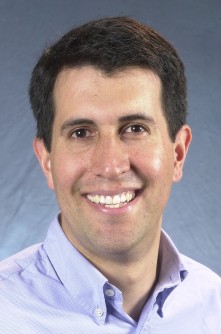 Daniel A. Rodríguez合作论文数Department of City & Regional Planning, University of California, Berkeley4
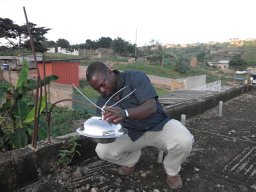 Julius N. Fobil合作论文数University of Ghana4
 David M. Hondula合作论文数Department of Environmental Sciences, University of Virginia4
 Gregory A. Wellenius合作论文数Department of Environmental Health, Harvard School of Public Health4
 nelia Gouveia合作论文数Direcção de Serviços e Investigação das Pescas, Direcção Regional das Pescas4
 Luis A. Cifuentes合作论文数Industrial and Systems Engineering Department, Pontificia Universidad Catolica de Chile4




