PurposeWe examined how different narrative aspects related to the COVID-19 pandemic influenced unvaccinated individuals' willingness to vaccinate (WTV) against a future virus. We tested whether the stories focused on the perspective of the actor (who chose to vaccinate or not) versus the affected (affected by that decision), framing the outcome as death versus survival, and presenting an identified individual versus an unidentified group.MethodsA total of 1,545 respondents read scenarios depicting individuals' (actors') decisions to either vaccinate against COVID-19 or refuse vaccination, alongside the framing of the consequences for the affected individuals: death versus survival. The protagonists were either identified by name and photo or described as a group of unidentified people. Participants reported their emotions, perceived risk from the virus and the vaccine, and their future WTV against a new virus. They also reported their past vaccination decisions.ResultsWhen the narrative focused on affected individuals, framing outcomes in terms of death increased WTV by heightening the perceived threat of the virus. Conversely, when the focus was on the actor, the lifesaving frame was more effective, especially when the actor was identified. A concrete case of someone vaccinated who saved others evoked positive emotions, boosting WTV.LimitationsOur hypothetical scenarios and the cross-sectional methodology might limit understanding of the long-term effects.ConclusionsScenarios highlighting a person who died increase the perceived threat of the virus and enhance WTV. Conversely, information about a person who was vaccinated and saved others boosts positive emotions and increases WTV.ImplicationsPublic health campaigns can boost vaccination by sharing stories of vaccinated individuals who saved lives, evoking positive emotions. Highlighting the virus's dangers can also raise the perceived threat and motivate uptake.HighlightsVariations in narratives influence unvaccinated individuals' willingness to vaccinate.Emphasizing the death of those affected evokes greater threat perception of the virus, enhancing vaccine intent.Personal stories of vaccinated individuals saving others can boost positive emotions and vaccination willingness.
PurposeThis research investigates how individuals' perceived motivations for receiving the COVID-19 vaccine-specifically, feeling pressured versus vaccinating voluntarily-relate to future health-protective behaviors and perceived risk of the vaccine and the virus.MethodsIn 2 studies, with a total of N = 1,252 respondents, participants self-reported their past vaccination motivation and completed measures assessing willingness to receive future vaccines, engage in general health-protective behaviors, and perceived risks associated with the virus and the vaccine.ResultsFindings consistently show that individuals who felt pressured to vaccinate are positioned between unvaccinated individuals and those who vaccinated voluntarily in their perceptions and intentions. Compared with voluntary vaccinators, they reported lower willingness to receive future vaccines and engage in protective behaviors and greater perceived vaccine risk. However, their willingness to engage in these behaviors was still greater than that of unvaccinated individuals.LimitationsThe studies are mainly cross-sectional and do not track the same individuals over time.ConclusionsPerceived motivation for past vaccination significantly predicts vaccinated individuals' attitudes and future intentions related to health behaviors, even unrelated to COVID-19.ImplicationsTreating all vaccinated individuals as a uniform group can be overly simplistic. Public health messaging and interventions may be more effective when considering individuals' vaccination motivation.HighlightsTreating all vaccinated individuals the same can be simplistic.The perception of the vaccine and virus risks differ depending on whether vaccination felt voluntary or coerced.Different motivations behind vaccination can shape future medical decisions beyond the pandemic.
Choosing a short-form measure of conspiracist ideation is fraught. Despite there being numerous scales to choose from, little work has been done to compare their psychometric properties. To address this shortcoming, we compared the internal consistency, two-week test-retest reliability, criterion validity, and construct validity of five short-form conspiracist ideation measures: the Generic Conspiracist Beliefs Scale – 5 (GCB-5), Conspiracy Mentality Questionnaire (CMQ), General Measure of Conspiracism (GMC), American Conspiracy Thinking Scale (ACTS), and One-Item Conspiracy Measure (1CM). The results of our investigation indicated that all five of the scales are reliable and valid measures of conspiracist ideation. That said, the GCB-5 tended to perform the best while the 1CM tended to perform the worst. We conclude our investigation by discussing trade-offs among the five scales, as well as providing recommendations for future research.
Public attitudes toward nuclear weapons remain a critical issue in international security, yet the thinking behind individuals’ support or opposition to their use is not well understood. This study examines how the American public reasons about whether to deploy nuclear weapons in a hypothetical war between the United States and Iran. Participants were asked to state their preference between continuing a ground war, deploying a nuclear strike resulting in 100,000 civilian casualties, or deploying a strike killing 2 million civilians. They then provided an open-ended answer where they described the reasons for their decision. Using Structural Topic Modeling, we identified 10 distinct patterns in participants’ thinking. Some responses emphasized concerns about deterrence or saving lives, while others focused on national security, or retaliation, among other reasons. The type of thinking participants employed was found to be related to their preceding choice, as well as to individual characteristics, such as gender, political affiliation, punitive–authoritarian–nationalist attitudes, and the influence of the relative emotional impact of the 2 bombs (i.e., the better bomb effect). These findings highlight the complexity of the thinking underlying nuclear decision making and help shed light on potential avenues for reducing the risk of a nuclear weapon being deployed again.
Societal challenges like climate change and COVID-19 can be interrelated. The present research examines collectivism as a cultural value that is associated with the tendency to perceive such important interconnectedness. We further examine whether collectivism predicts perceiving interconnectedness specifically for scientifically valid relationships, or generally, regardless of their validity. Using an international sample (Study 1; N = 12,955) and another large U.S. sample (Study 2; N = 1006), we found that more collectivistic individuals perceive stronger interconnectedness between climate change and pandemics. However, collectivistic individuals also perceived stronger interconnectedness even for scientifically invalid ones, such as between the discovery of new constellations among stars and the emergence of new viruses. Exploratory analyses examined political orientation as a potential moderator, but the results were inconsistent, highlighting the need for more systematic future research. Together, these findings suggest that collectivistic individuals do not selectively perceive valid interconnectedness, but they tend to perceive stronger interrelations among phenomena in general, whether true or not, which presents both opportunities and challenges for addressing environmental and other social issues confronting humans today.
A traditional goal of science and environmental communication, including climate communication, has been to encourage disinterested or uninformed audiences to pay more attention to the world around them and to shift disinterest and apathy toward positive engagement with nature and proenvironment lifestyles. We conducted an empirical investigation of audience responses to key aspects of the world scientists' "2024 State of the Climate Report: Perilous Times on Planet Earth," focusing on whether the language of this article manages to sway readers to rethink their attitudes toward climate change. Across many variations, the textual prompts we gave to readers did not overwhelmingly move the needle of public attitudes regarding climate change, suggesting that political affiliation and ideologies may be a much stronger indicator of public actions and attitudes than exposure to scientific information. Regarding climate change, we seem to be living in a time of information saturation and ideological entrenchment.
Crises faced by regional or national governments are usually caused by either natural or human disasters or by the actions of terrorists or other nations. Decision making in the face of a crisis is difficult because the context typically is complex, and decision makers often have insufficient time or information to thoughtfully make decisions that will manage the crisis well. As a result, they often rely on brief discussions and past experiences that omit key dimensions of the crisis, which results in selection of an inferior response alternative. This article describes concepts and procedures to guide the initial phases of planning for crises so that if and when a crisis occurs, a proactively developed framework provides a sound foundation for quickly structuring decisions and implementing more detailed analyses in advance of taking specific crisis-response actions. Case-study examples are used to illustrate three main elements of our suggested approach: identifying the main dimensions of the decisions to be faced, articulating the objectives that are to be achieved, and generating a set of potentially desirable alternatives to best achieve these objectives. Although the decision analysis and behavioral science methods that we rely on are not novel, proactive structuring of crisis decisions that likely will need to be made quickly has been given only limited attention by analysts and decision makers. Improved recognition of the importance of decision-focused proactive planning should result in better decisions when a crisis occurs, leading to a reduction in the adverse consequences for countries and their citizens. Funding: This work was supported by Ben Delo and Longview Philanthropy.
In three studies, with samples from different countries (the United States and Israel) and religions (Christians and Jews), we found that individual levels of fear of death significantly predicted lower willingness to register as organ donors (Studies 1 and 2). Moreover, after being asked about their organ donation status (i.e., whether they are registered as donors), fear of death significantly increased among unregistered people. This did not occur among registered people, who had already faced the decision to become donors in the past (Study 2). Finally, providing non-registered (non-religious) people with a defense strategy to manage their fear of death increased their willingness to sign an organ donation commitment, partially by increasing their feelings of hopefulness. The implications of these findings for increasing organ donation registration are discussed.
The heart of prospect theory is the value function, proposing that the carriers of value are positive or negative changes from a reference point. Daniel Kahneman observed that if prospect theory had a flag, the value function would be drawn on it. The function is nonlinear, reflecting diminishing sensitivity to magnitude. When describing how human lives are valued, the function exposes profound incoherence. An individual life is highly valued and thus vigorously protected if it is the only life at risk. But that life loses its value when it is one of many endangered by a larger tragedy. Beyond this insensitivity, the function may actually decline when many lives at risk become mere numbers. The more who die, the less we care. Implications of this deadly 'arithmetic of compassion' for understanding and managing the risk from nuclear weapons are briefly discussed.
This study examines the relationship between respondents’ vaccine hesitancy, reported media consumption patterns, ideological leanings, and trust in science. A large-scale survey conducted in the US in 2022 (N = 1,646) assessed self-reported COVID-19 vaccination, trust in science, and reported media consumption. Findings show that, regardless of personal ideology, individuals who consumed less conservative media and had a more ideologically diverse media diet were more likely to be fully vaccinated and boosted. Additionally, consuming more conservative media was negatively associated with trust in science, but this relationship was weaker among those with a more ideologically diverse media diet. By incorporating data from an earlier wave of the survey in the summer of 2020, before COVID-19 vaccines were available, we found that a less conservative and more ideologically diverse media diet in 2022 predicted vaccination behavior in 2022, controlling for prior vaccine intentions and media consumption in 2020. A similar survey conducted in the UK in the summer of 2020 paralleled patterns in the US regarding vaccine intentions and media consumption. These results suggest that an ideologically diverse media diet is associated with reduced vaccine hesitancy. Public health initiatives might benefit from encouraging ideologically diverse media consumption.
The Generic Conspiracist Beliefs Scale (GCB-15) is a reliable and valid measure of conspiracist ideation, but it is also inefficient. At 15 items, the GCB-15 can take upwards of four minutes to complete, limiting its usefulness in situations where administration time and participant attention are limited. Here we introduce the GCB-5—a 5-item, short form of the GCB-15. Across five studies, we demonstrate that the GCB-5 is both a reliable and valid measure of conspiracist ideation. With respect to its reliability, we find consistent evidence that a single latent factor underlies the GCB-5 and accounts for a sizeable proportion of the variation in its items. With respect to its validity, we show that the GCB-5 is associated with both self- and informant-report measures of conspiracist beliefs, as well as with a multitude of theoretically relevant constructs, including anomie, fatalism, and delusional ideation. In the final study, we provide evidence that the GCB-5 is not only a reliable and valid measure but also one that has promise for addressing novel research questions. Specifically, we show that people high in conspiracist ideation—as assessed by the GCB-5—are more accepting of the use of nuclear weapons and other forms of so-called “virtuous violence” (e.g., the death penalty; anti-abortion legislation).
In April 2021, the use of the Johnson & Johnson COVID-19 vaccine was paused to investigate whether it had caused serious blood clots to a small number of women (six out of 6.8 million Americans who had been administered that vaccine). As these events were unfolding, we surveyed a sample of Americans (N = 625) to assess their reactions to this news, whether they supported the pausing of the vaccine, and potential psychological factors underlying their decision. In addition, we employed automated text analyses as a supporting method to more classical quantitative measures. Results showed that political ideology influenced the support for the pausing of the vaccine; liberals were more likely to oppose it than conservatives. In addition, the effect of political ideology was mediated by the difference between perceived benefit and risk and the language style used to produce reasons in support (or against) the decision to pause the vaccine. Liberals perceived the benefit of vaccines higher than the risk, used a more analytic language style when stating their reasons, and had a more positive attitude toward the vaccine. We discuss the implications of our findings considering vaccine hesitancy and risk perception during the COVID-19 pandemic.
Crisis decisions made by governments typically involve either natural and humanitarian disasters or actions of terrorists or other nations. Making quality decisions for such crises requires a thorough understanding of the objectives to be achieved, the range of alternatives to consider, and their potential consequences. However, once a crisis decision is recognized, the available time to develop such an understanding is often severely limited. This article provides concepts and procedures to help senior policy makers identify in advance the key foundational components of crisis decisions. Then, when a crisis occurs that requires a quick response, the proactively constructed decision foundation provides the basis to fine-tune a specific response quickly. As a result, more of the available time can be focused on important aspects of the specific decision that could not have been examined earlier. This decision-focused proactive preparation should lead to better informed crisis decisions with better consequences for our nation and its citizens.
People often choose the option that is better on the most subjectively prominent attribute --- the prominence effect. We studied the effect of prominence in health care priority setting and hypothesized that values related to health would trump values related to costs in treatment choices, even when individuals themselves evaluated different treatment options as equally good. We conducted pre-registered experiments with a diverse Swedish sample and a sample of international experts on priority setting in health care (n = 1348). Participants, acting in the role of policy makers, revealed their valuation for different medical treatments in hypothetical scenarios. Participants were systematically inconsistent between preferences expressed through evaluation in a matching task and preferences expressed through choice. In line with our hypothesis, a large proportion of participants (General population: 92%, Experts 84% of all choices) chose treatment options that were better on the health dimension (lower health risk) despite having previously expressed indifference between those options and others that were better on the cost dimension. Thus, we find strong evidence of a prominence effect in health-care priority setting. Our findings provide a psychological explanation for why opportunity costs (i.e., the value of choices not exercised) are neglected in health care priority setting.
The disparity between the number of patients awaiting organ transplantation and organ availability increases each year. One of the chief obstacles to organ donation is religiosity. We examine the role of religiosity and other related beliefs in organ-donation decisions among Christians (studies 1 and 3) and Jews (study 2). In all samples, we found a significant interaction between religiosity and the salience of a religious context, manipulated by the order of the questions, such that religiosity (and specifically, extrinsic religion) was significantly associated with lower support for organ donations—but only when religious attitudes were elicited first, not when support for organ donation, or questions about other beliefs (study 3) appeared first. We examine possible mechanisms underlying this effect and discuss theoretical and practical implications of this finding to increase support for organ donations in both personal and policy decisions.
Political polarization impeded public support for policies to reduce the spread of COVID-19, much as polarization hinders responses to other contemporary challenges. Unlike previous theory and research that focused on the United States, the present research examined the effects of political elite cues and affective polarization on support for policies to manage the COVID-19 pandemic in seven countries (n = 12,955): Brazil, Israel, Italy, South Korea, Sweden, the United Kingdom, and the United States. Across countries, cues from political elites polarized public attitudes toward COVID-19 policies. Liberal and conservative respondents supported policies proposed by ingroup politicians and parties more than the same policies from outgroup politicians and parties. Respondents disliked, distrusted, and felt cold toward outgroup political elites, whereas they liked, trusted, and felt warm toward both ingroup political elites and nonpartisan experts. This affective polarization was correlated with policy support. These findings imply that policies from bipartisan coalitions and nonpartisan experts would be less polarizing, enjoying broader public support. Indeed, across countries, policies from bipartisan coalitions and experts were more widely supported. A follow-up experiment replicated these findings among US respondents considering international vaccine distribution policies. The polarizing effects of partisan elites and affective polarization emerged across nations that vary in cultures, ideologies, and political systems. Contrary to some propositions, the United States was not exceptionally polarized. Rather, these results suggest that polarizing processes emerged simply from categorizing people into political ingroups and outgroups. Political elites drive polarization globally, but nonpartisan experts can help resolve the conflicts that arise from it.
People believe they should consider how their behavior might negatively impact other people, Yet their behavior often increases others' health risks. This creates challenges for managing public health crises like the COVID-19 pandemic. We examined a procedure wherein people reflect on their personal criteria regarding how their behavior impacts others' health risks. We expected structured reflection to increase people's intentions and decisions to reduce others' health risks. Structured reflection increases attention to others' health risks and the correspondence between people's personal criteria and behavioral intentions. In four experiments during COVID-19, people (N = 12,995) reported their personal criteria about how much specific attributes, including the impact on others' health risks, should influence their behavior. Compared with control conditions, people who engaged in structured reflection reported greater intentions to reduce business capacity (experiment 1) and avoid large social gatherings (experiments 2 and 3). They also donated more to provide vaccines to refugees (experiment 4). These effects emerged across seven countries that varied in collectivism and COVID-19 case rates (experiments 1 and 2). Structured reflection was distinct from instructions to carefully deliberate (experiment 3). Structured reflection increased the correlation between personal criteria and behavioral intentions (experiments 1 and 3). And structured reflection increased donations more among people who scored lower in cognitive reflection compared with those who scored higher in cognitive reflection (experiment 4). These findings suggest that structured reflection can effectively increase behaviors to reduce public health risks.
 Baruch Fischhoff合作论文数Department of Engineering & Public Policy, Carnegie Mellon University;Carnegie Mellon Institute for Strategy and Technology, Carnegie Mellon University49
 Daniel Vastfjall合作论文数Department of Applied Acoustics;Chalmers University of Technology;Department of Applied Acoustics, Chalmers University of Technology48
 James Flynn合作论文数44
 Ellen Peters合作论文数School of Journalism and Communication, University of Oregon43C. K. Mertz合作论文数Decision Research43Sarah Lichtenstein合作论文数37
 Howard Kunreuther合作论文数Department of Operations and Information and Decisions, The Wharton School, University of Pennsylvania;Earth Institute, Columbia University;National Bureau of Economic Research32
 Robin Gregory合作论文数Institute for Resources, Environment and Sustainability, Faculty of Science, University of British Columbia27Stephan Dickert合作论文数Vienna University of Economics and Business25
 Donald Macgregor合作论文数MacGregor Bates, Inc.24
 Amos Tversky合作论文数Stanford University23
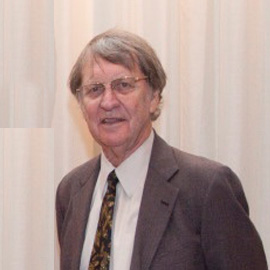 Roger E. Kasperson (Roger Kasperson)合作论文数George Perkins Marsh Institute, Clark University20
 Melissa L. Finucane合作论文数RAND Corporation/Department of Engineering and Public Policy, Carnegie Mellon University/East-West Center18S. Lichtenstein合作论文数17William J. Burns合作论文数17
 Marcus Mayorga合作论文数16
 Daniel Kahneman合作论文数School of Public and International Affairs, Princeton University16
 Enrico Rubaltelli合作论文数Department of Developmental and Socialization Psychology, University of Padova16
 Tehila Kogut合作论文数Department of Education, Ben-Gurion University14
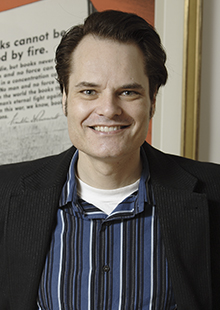 Dan M. Kahan合作论文数Yale Law School, Yale University13
 John Gastil合作论文数Departments of Communication Arts and Sciences, College of the Liberal Arts, Pennsylvania State University/Department of Political Science, College of the Liberal Arts, Pennsylvania State University12
 Donald Braman合作论文数Law School , George Washington University12Lydia Dotto合作论文数8M Layman合作论文数8James Chalmers合作论文数8
 K. David Pijawka合作论文数Coll Liberal Arts & Sci, Arizona State Univ8
 Nathan F Dieckmann合作论文数Oregon Health &, School of Nursing;Science University;School of Nursing, Oregon Health & Science University8
 Judith Hoffman Hibbard合作论文数School of Planning, Public Policy and Management, University of Oregon/College of Design, University of Oregon8
 Douglas Easterling合作论文数Wake Forest School of Medicine8
 David M. Markowitz合作论文数7Roger Kasperson合作论文数7
 Sarah E. Hampson合作论文数Oregon Research Institute7
 Geoffrey L. Cohen合作论文数Department of Psychology, Graduate School of Education, Stanford University7
 John T. Monahan合作论文数School of Law, University of Virginia7Rino Rumiati合作论文数7Alvin Mushkatel合作论文数7Michael P. Eriksen合作论文数6
 Namika Sagara合作论文数6
 Leaf Van Boven合作论文数University of Colorado at Boulder6
 Scott R. Weaver合作论文数Department of Psychology, Georgia State University6
 Arvid Erlandsson合作论文数Department of Psychology, Lund University6
 Alexandra Flores合作论文数Dept Psychol & Neurosci, Univ Colorado5
 Tinghög Gustav合作论文数Div Econ, Linkoping Univ5
 Janet Kleber合作论文数5
 Eric J Pedersen合作论文数RAND Corporation5
 Jiga-Boy Gabriela合作论文数5
 Eom Kimin合作论文数Department of Psychology, University of California.5
 Nick Pidgeon合作论文数Leverhulme Centre for Climate Change Mitigation, The University of Sheffield;School of Psychology, Cardiff University5




