This study examined the factors influencing clients’ decisions to purchase smart apartments in the environment of rapid urbanization and technological advancement in Ho Chi Minh City. By integrating information and communication technologies, smart apartments offer enhanced energy efficiency and overall quality of life in densely populated urban settings. The study initially identified 39 factors, narrowed down to 27 key determinants impacting buyer choices. Results from the exploratory factor analysis revealed seven principal components: internal attributes, design and space, location, legal issues, support services, living environment, and smart device utility. The factors reflected market trends through client feedback and provided evidence for policymakers and technology providers to tailor strategies that meet consumer demands and enhance urban living standards.
Selecting a sustainable construction contractor with sufficient capacity and experience is one of the critical factors in ensuring the quality and effectiveness of school construction projects. However, this selection process is often challenging due to its multi-criteria nature and inherent uncertainties in evaluation. This multi-criteria nature makes contractor selection a complex decision problem requiring systematic evaluation of trade-offs. This paper applies the Evaluation based on Distance from Average Solution (EDAS) to evaluate and rank construction contractors for a school construction project in Ho Chi Minh City. Through a comprehensive review of domestic and international literature and construction expert interviews, the study identifies 26 core criteria for selecting a sustainable construction contractor of school projects. The research findings contribute to systematizing essential criteria for contractor evaluation while proposing a novel contractor selection method grounded in both scientific and practical foundations. This approach enhances the efficiency and objectivity of the decision-making process, assisting project owners and managers in the education sector in making optimal contractor selection decisions.
This study investigates critical risk factors in healthcare construction projects, emphasizing the need for improved risk management strategies to ensure project success in this sector of rapid growth. The study used an additive probability formula approach as the risk assessment methodology. Including a literature review and a survey of construction professionals, 160 valid responses were analyzed via a Likert scale to assess risks for both the consequence and likelihood. The research identified the top five significant risks based on the value of the combined measure of risk: extended appraisal duration, inaccurate equipment valuation, design revisions, land acquisition delays, and cost escalation. These align with previous findings on regulatory and financial challenges but uniquely pinpoint cost escalation impacts due to local economic conditions. The study implied that regulatory frameworks and strategic procurement practices tailored to Vietnam should be enhanced. By highlighting localized challenges, this research supports the evidence on risk management in emerging markets, promoting the integration of other locations’ best practices with local findings to improve healthcare infrastructure and public health outcomes.
The concession period is critical to Public–Private Partnership (PPP) infrastructure project success because it defines how long private investors operate to recoup costs and earn returns. This study investigates risk factors affecting the concession period in Vietnam’s PPP infrastructure projects and introduces a novel evaluation method called FACULTY (Fuzzy AHP integrating Consequences, Uncertainty, and Likelihood Technology). The research objective is to identify which risks most significantly influence concession duration and to demonstrate an improved risk assessment approach. FACULTY combines fuzzy AHP with a traditional consequence-likelihood analysis to capture uncertainty in expert judgments. By surveying 90 PPP experts and analyzing 27 risk factors across five risk categories: construction, revenue, macroeconomic, political, and legal risks, this study identified the ten most critical concession period risks for PPP infrastructure projects. These include land acquisition, access, and compensation issues; construction cost overruns; schedule delays; design deficiencies; geological and site conditions risks; force majeure; traffic demand risk; environmental risks; population growth; and concession price risk. These findings indicate that land acquisition and construction-related risks dominate, reflecting persistent challenges in Vietnam’s infrastructure delivery. This study provides a comprehensive framework for understanding and addressing risks that influence the concession period, offering valuable insights for policymakers and practitioners aiming to optimize PPP project outcomes.
This research employs the spherical fuzzy analytic hierarchy process (SFAHP) to prioritize key factors shaping the higher education quality in Ho Chi Minh City, Vietnam within the context of increasing digitalization. Through a structured hierarchy encompassing criteria such as accessibility of digital resources, adaptability and innovation, pedagogical integration, student engagement, and technological infrastructure, a novel decision-making approach was applied in this study to evaluate the relative importance of these facets, using in-depth expert interviews. The findings underscore pedagogical integration and student engagement as pivotal, indicating the essential role of innovative teaching methodologies integrated with technology. Additionally, accessibility of digital resources emerges as critical, emphasizing the imperative of equitable access to technological tools for diverse student demographics. Lower-ranked criteria such as adaptability and innovation and technological infrastructure, though deemed less critical, are foundational for fostering an agile, innovative, and technology-empowered educational ecosystem. The implications drawn from these findings provide a strategic direction for policymakers and educational stakeholders, aiming to enhance the quality, accessibility, and relevance of higher education in Vietnam’s dynamic digital landscape. This framework could be expanded to different educational contexts to effectively integrate technology in learning environments.
Ensuring the fair and equal availability of healthcare services is an important goal that every country strives for, including the Vietnam economy. The Vietnamese government has launched various strategies to reach healthcare utilization equity since 2008. This study aims to comprehensively investigate healthcare utilization equity trends and their determinants in Vietnam, employing the Concentration Index (CI) approach and decomposed analysis of data from the Vietnam Household Living Standards Survey (VHLSS) conducted in both 2008 and 2018. A decline in the CI from 0.0654 (2008) to 0.0400 (2018), indicating a lower level of healthcare utilization inequality, is evidence of the findings' significant improvements in healthcare access equity in Vietnam. Furthermore, the main determinants of inequality in healthcare utilization including gender (male), age, marital status (single or married), residency (urban), race (majority), education (under primary and primary certificates), household size, and insurance, have been empirically found. In order to mitigate healthcare access inequality, the current universal health insurance policy is workable. However, certain limitations within insurance programs, such as restricted coverage and provider networks, need to be addressed to ensure a comprehensive and accessible policy for all.
Design-related risks negatively affect construction project performance, in which design defects (DD) are considered as one of the most important risks. Previous studies provide a diverse list of important factors related to DD. However, very few of these studies have examined the interactions between factors in a cause–effect relationship. Identifying individual factors based on their importance can make it difficult to propose mitigation or prevention solutions. This study provides the important factors related to DD based on their interactions by combining the rules of systems thinking for iterative cause loop–diagrams (CLD) and Decision-Making Trial and Evaluation Laboratory (DEMATEL). The research results showed that 'poor design consultancy', 'lack of checking and approval during the design process', 'lack or error of data before design', and 'careless, irresponsibility' are the main causes of DD. At the same time, DD greatly influence project efficiency, which is reflected in factors such as 'rework during construction', 'slow completion of the project', 'cost overrun', and 'rework of design documents'.
Trong lĩnh vực hạ tầng kỹ thuật, thiết kế và quản lý dự án đối mặt với nhiều rủi ro, ảnh hưởng đáng kể đến chi phí, chất lượng và tiến độ của dự án. Nghiên cứu này sẽ khám phá lợi ích và thách thức của việc sử dụng mô hình thông tin công trình (Building Information Modeling - BIM) trong quá trình thiết kế và quản lý dự án hạ tầng kỹ thuật, đặc biệt là so sánh và đánh giá tính hiệu quả trong quy trình thiết kế với phương pháp thiết kế 2D truyền thống. Nghiên cứu tập trung vào việc phân tích những hạn chế của phương pháp thiết kế 2D và đề xuất quy trình thiết kế mới sử dụng BIM. Điều này bao gồm việc đánh giá hiệu quả của BIM thông qua nghiên cứu điển hình và khảo sát ý kiến từ các chuyên gia trong lĩnh vực. Kết quả cho thấy BIM cung cấp một giải pháp hiệu quả hơn, giúp cải thiện quản lý dự án, đảm bảo chất lượng và tiến độ, đồng thời tối ưu hóa chi phí. BIM đem lại sự minh bạch và chính xác trong quá trình thiết kế và quản lý dự án, giúp giảm thiểu rủi ro và tăng cường khả năng dự báo. Việc áp dụng BIM không chỉ là một bước tiến công nghệ trong ngành hạ tầng kỹ thuật mà còn góp phần vào sự thành công và bền vững của các dự án hạ tầng trong tương lai.
E-learning in the context of Industry 4.0 and the outbreak of the COVID-19 pandemic has transformed traditional education. However, the smooth transition from face-to-face education to e-learning remains a challenging task, given concerns about e-learning quality. This study aims to explore the quality criteria and the adoption of e-learning via the spherical fuzzy analytic hierarchy process (SF-AHP). The extended technical acceptance model is used as a theoretical framework for constructing quality in an adoption hierarchical model. The input data derived from in-depth interviews of 20 experts in the field and the SF-AHP calculator have generated the priority weights of quality criteria in the model of e-learning adoption. The findings confirm the role of three major criteria, in order of importance, as follows: system, resources and core factors. The results highlight system factors as most crucial, including aspects such as governmental policies and institutional leadership, which are essential for setting a conducive environment for e-learning. Resource factors are ranked second, emphasizing the importance of IT applications, human capital and facilities to support e-learning infrastructure. Core factors, though ranked lower, are vital in ensuring the effectiveness of e-learning through course materials, instruction, and learner support. The weights of 14 sub-criteria have further shed light on policies to promote e-learning quality and its adoption. The implied priority of each weight a valuable guideline for the stakeholders’ actions to reach the targeted goals under the constraint resources.
Over the past four decades, e-learning has experienced rapid global growth, revolutionizing higher education. In Vietnam, universities have increasingly turned their attention and resources toward e-learning development, adapting to specific contexts and needs. This study investigates the drivers of e-learning choice within the framework of the demand-driven learning model (DDLM), with a primary focus on three core factors: quality content, delivery, and service. Employing a quantitative approach and the PLS-SEM technique, this research uncovers significant findings. The results of the study highlight the pivotal role of quality content, which exerts the most potent influence on e-learning choice, evidenced by a robust path coefficient of 0.400. Service and delivery, with direct path coefficients of 0.183 and 0.173, respectively, also play substantial roles in shaping e-learning decisions. Moreover, mediate role of delivery in the the e-learning choice model has been confirmed. Quality content leads to delivery, and delivery, in turn, leads to e-learning choice. Similar pathway has been found with service. A higher level of service increases delivery, which positively impacts on e-learning choice. These findings hold critical implications for the formulation of e-learning development policies in Vietnam’s higher education institutions. Universities should prioritize the continuous development of high-quality, engaging, and up-to-date educational content that aligns with industry needs and student interests. Additionally, emphasis should be placed on providing a supportive e-learning experience, characterized by responsive customer service, accessible technical support, and efficient issue resolution mechanisms. Moreover, universities should consider the implementation of user-friendly and interactive content delivery platforms and methods that actively engage learners. In essence, this research serves as a guide for universities in Vietnam, enabling them to enhance their e-learning offerings by ensuring the content quality, support services, and delivery methods, ultimately fostering a dynamic and accessible learning environment that meets the evolving needs of their students and the demands of the modern educational landscape.
Project stakeholders and the local economy are negatively impacted when state budget funds are not allocated on time, which causes delays in the capital disbursement of public investments, especially in transportation infrastructure projects in Vietnam.Introducing a hybrid approach that combines the Decision Making Trial and Evaluation Laboratory (DEMATEL) method with Grey System Theory (GST), which is effective in handling uncertainty and inadequate data, this research examines the complex relationships between several factors that contribute to disbursement delays.The findings of this study identify eight critical factors, with slow land clearance as the most significant cause influencing these delays.Detailed results reveal that bureaucratic inefficiencies and compensation disputes during the land clearance process are primary contributors to these delays.The results provide policymakers and project managers with practical insights, emphasizing the necessity of focused interventions in land clearance procedures to speed up cash release and improve project delivery schedules.A strong framework for tackling comparable problems in various regional contexts is provided by the study's innovative methodology and empirical findings.
This study explored how teachers adapt their agentic teaching practices in the context of online distance education programmes in Vietnam. A single-institution case study design was used to collect data through online individual semistructured interviews that were conducted via Zoom with five teachers from a variety of disciplines who had been teaching in online distance education programmes at the Centre for E-Learning at a Vietnamese higher education institution. Data analysis highlighted the role of teachers’ agentic teaching presence in the pedagogy used in online distance education programmes. Specifically, the teachers exhibited acceptance of an approach to organising their practice that involved adherence to course outlines that had previously been designed and approved without questioning and modifications. However, the results further revealed the agentic direct instruction strategies used by teachers in terms of the varied delivery of course content, student feedback and assessments, which exhibited a stronger emphasis on facilitating online classroom discourse and interactions via various channels with the goal of enhancing students’ learning support, experience, and engagement. The findings of this research thereby affirm the pivotal role played by teaching presence in the setting investigated in this research in particular as well as in the context of online distance education in general. The study highlights the need for further interconnections to be established to link multiple aspects of social, cognitive and teaching presence to the practices that teachers use to enhance students’ engagement and learning experience. The study also has pedagogical implications with regard to teaching in online distance education programmes that pertain not only to teachers’ classroom practices but also to their professional development.
This study aims to investigate the role of social capital in fortifying resilience within Vietnam's SMEs, in the context of global and domestic volatility, uncertainty, complexity, and ambiguity coupled with resource constraints. Employing quantitative data analysis, the research performs a survey of 500 SMEs located in three regions, including the North, Central, and South of Vietnam. Simple random sampling strategy is applied based on the list of SMEs. Questionnaires have been sent to the representatives of the SMEs management board after being contacted and confirmed the voluntary participation of the survey. Using the PLS-SEM technique, a variance-based approach is conducted. The findings demonstrate the positive influence of both external and internal social capital on distinct aspects of resilience. Specifically, external social capital significantly enhances flexibility and adaptability, while internal social capital correlates with agility, flexibility, and anticipatory capability. These results provide the scientific groundwork for effectively harnessing social capital to augment SMEs resilience in Vietnam. Understanding the impact of social capital on resilience offers practical guidance for policymakers, business owners, and practitioners in shaping strategies and policies to fortify SMEs against the challenges of the dynamic business environment. Furthermore, by contributing insights into the relationship between social capital and SMEs resilience, this research enriches discussions on SMEs development and resilience, thereby fostering sustainable progress in Vietnam.
Small and medium-sized enterprises (SMEs) constitute around 97% of the total number of businesses in Vietnam, which contributes to 60% of the national growth. In a dynamic and uncertain business environment, both domestically and internationally, the resilience of SMEs has become a topic of significant interest among researchers and practitioners. Resilience, however, is a multifaceted concept that depends on the specific context in which it is applied. Therefore, this study aims to construct a measurement model for assessing the resilience of SMEs in Vietnam. Drawing from a dataset collected from 500 SMEs and employing the PLS-SEM technique. the findings of this research indicate that the resilience index is a combination of reflective and formative models. Resilience at level three is a formative construct comprising four prioritized components: agility, anticipatory capability, flexibility, and adaptability. The reflective measurement model of agility, anticipation, flexibility, and adaptability confirms its reliability and validity. These findings form the basis for the effective allocation of resources to enhance resilience within SMEs. Understanding the nuanced aspects of resilience can benefit in developing targeted strategies to bolster SMEs against the challenges posed by an ever-changing business landscape.
Mục tiêu nghiên cứu: Mô tả nhu cầu chăm sóc của sản phụ sau mổ lấy thai tại khoa Sản thườngBệnh viện Phụ sản Trung ương 2022- 2023. Phương pháp: Thiết kế nghiên cứu mô tả cắt ngang,kết hợp nghiên cứu định lượng và định tính trên 385 sản phụ được mổ lấy thai từ 01/08/2022 và cáchộ sinh, điều dưỡng công tác tại khoa Sản thường, Bệnh viện Phụ sản Trung ương. Sử dụng phiếunghiên cứu đã được thiết kế sẵn để phỏng vấn và thăm khám các sản phụ. Tổ chức thảo luận nhómvới các điều dưỡng, hộ sinh. Kết quả: Có 91,4%; 46,5% sản phụ mong muốn có người thân trong giađình; nhân viên y tế chăm sóc sau mổ lấy thai. Tỷ lệ sản phụ mong muốn có 2 người chăm sóc là caonhất, chiếm 82,1%; tỷ lệ sản phụ có nhu cầu về phòng dịch vụ sau mổ là 83,1%. Nhu cầu cần hỗ trợchăm sóc sau mổ của các sản phụ rất cao, trong đó chăm sóc và theo dõi trẻ chiếm tỷ lệ cao nhất là65,2%; cho con bú là 57,9%; tập luyện và phục hồi chức năng chiếm 43,6% và vệ sinh cá nhân chiếm45,2%. Tỷ lệ các sản phụ mong muốn các dịch vụ chăm sóc sau mổ đều cao như: chiếu plasma vếtmổ (chiếm 93,5%); mát xa vú (chiếm 79,7%) và xông hơi tầng sinh môn (chiếm 28,6%). Có lần lượt90,1% và 77,9% sản phụ mong muốn các dịch vụ chiếu plasma rốn và mát xa sơ sinh sau mổ. Kếtluận: Nhu cầu chăm sóc của sản phụ sau mổ lấy thai ngày càng tăng cao, bao gồm các nhu cầu chămsóc về phía mẹ và chăm sóc về phía sơ sinh.
Economic growth has recently been crowded out by life quality in the new development pattern. Unlike the income-based measurement of economic growth, the life quality measure has become a challenge because it is a multi-dimensional concept that relies on the subjective evaluation of the involved stakeholders in a particular context. The objective of this study was to investigate the model of quality of urban life in Ho Chi Minh City, Vietnam based on subjective indicators. The word clouds and grey analytical hierarchy process were employed to analyze the data from thirty in-depth interviews with experts in the field. The empirical model of quality of urban life in Ho Chi Minh City was found with three levels. The ranking results at the second level emphasized the high shares of health, employment, and income compared to self-esteem, socialization, and family happiness. The ranking results at the second level emphasized the high shares of health, employment, and income compared to self-esteem, socialization, and family happiness. Further investigation at the third level has confirmed the superiority of non-material components in the quality of urban life model in Ho Chi Minh City, Vietnam. The findings were critical in implying the policy concentration on non-material values enhancement to raise the quality level of urban life. It was a milestone in switching the focus from material to non-material factors in the life quality model in Vietnam.
Đồng Tháp được đánh giá là điểm đến hội tụ đầy đủ những điều kiện cần và đủ để phát triển các loại hình du lịch. Chính vì vậy, việc xác định các yếu tố ảnh hưởng đến quyết định lựa chọn điểm đến du lịch của du khách nội địa đóng vai trò rất quan trọng đối với tỉnh Đồng Tháp, vì nó cung cấp một cái nhìn rõ ràng hơn về những gì mà khách du lịch nội địa đang tìm kiếm đối với các điểm đến và có ý nghĩa thiết thực trong việc xây dựng những chiến lược thu hút khách du lịch của tỉnh Đồng Tháp. Nghiên cứu này được thực hiện nhằm xác định các yếu tố ảnh hưởng đến quyết định lựa chọn điểm đến du lịch Đồng Tháp đối với du khách nội địa. Để thực hiện nghiên cứu này, với phương pháp chọn mẫu thuận tiện, tác giả đã tiến hành khảo sát trực tiếp 385 du khách nội địa đến tham quan tại các điểm du lịch Đồng Tháp. Đồng thời, tác giả cũng đã sử dụng các phương pháp phân tích dữ liệu: thống kê mô tả, kiểm định độ tin cậy Cronbach’s Alpha, phân tích nhân tố khám phá EFA, phân tích tương quan và hồi quy bội. Kết quả nghiên cứu đã chỉ ra những yếu tố tác động đến quyết định lựa chọn điểm đến du lịch Đồng Tháp của du khách nội địa: (1) Giá cả phù hợp, (2) Hình ảnh điểm đến, (3) Điểm đến hấp dẫn, (4) Động cơ đẩy. Trong đó, yếu tố Giá cả phù hợp có tác động mạnh nhất đến quyết định du lịch nội địa của du khách. Trên cơ sở kết quả này, nhóm tác giả đề xuất các giải pháp: (1) Thiết kế mức giá đối với các sản phẩm cung cấp một cách phù hợp; (2) Xây dựng hình ảnh điểm đến tích cực; (3) Tăng cường sự hấp dẫn đối với điểm đến và (4) tăng cường động cơ du lịch của du khách. Các giải pháp được tác giả đề xuất nhằm thu hút khách nội địa tham gia du lịch và phát triển mạnh mẽ du lịch tại tỉnh Đồng Tháp trong thời gian tới.
This study aims to make traditional books that were packaged electronically with an ethnomathematics approach to traditional snacks, which was adapted from Bruner's theory by presenting three stages of Bruner's theory as enactive, iconic, and symbolic by incorporating elements of traditional snacks as an ethnomathematics approach as an effort to build students' mathematical understanding abilities. The method used the 4-D concept by using questionnaires and test instruments so that this media was valid and suitable for use as a medium in learning mathematics. The results showed a score of 3.86 for material experts and 3.74 for media experts, with 82% eligibility criteria to improve students' mathematical understanding abilities. The response to the ethnomathematics-based e-book was 91% with the "Very Eligible" criteria. It can be concluded that this e-book was developed to meet valid criteria and is practical and effective in use.
Quality of life (QoL) has received more and more attention from scholars and researchers from various fields such as healthcare, philosophy, psychology, sociology, and especially economics after many decades of focusing on income. However, researchers have faced many challenges to gain the proper measurement of QoL due to the contextually based concept. This study employs the primary data conducted in Ho Chi Minh City including 500 observations in 2022, with the application of partial least squares structural equation modeling (PLS-SEM) to construct a hierarchical model to measure the QoL of the dwellers in Ho Chi Minh City. The empirical model supports the multi-level hierarchical structure of the QoL. The statistically significant contribution of economic, social, and environmental dimensions in the integrated index has been confirmed. The environmental component shares the highest weight, followed by the economic factor. The social aspect contributes the least share in the quality- of-life index. Further analysis of the sub-criteria in each dimension has been made. The findings implicitly suggest the policy concentration on sustainable factors enhancement to raise the QoL. It was a milestone for policy makers to switch the focus from material to non-material factors in the life quality model in Vietnam.
 Shankar Lalitha K合作论文数Dept Comp Applicat, Alagappa Univ67
 Quyen Le Hoang Thuy To Nguyen合作论文数56
 Wahidah Hashim合作论文数53V.D.B. Huynh合作论文数43
 Andino Maseleno合作论文数43
 Phuong Thanh Phan合作论文数Dept Project Management, Ho Chi Minh City Open Univ26
 Laxmi Lydia合作论文数Computer Science and Engineering, Vignan’s Institute of Information Technology (Autonomous), India24
 Ayshwarya Balakumar合作论文数20
 Satria Abadi合作论文数STMIK Pringsewu18
 Thu Anh Nguyen合作论文数16Khoa Dang Vo合作论文数Ho Chi Minh City Open Univ, Dept Project Management, Ho Chi Minh City, Vietnam16Loan Phuc Le合作论文数10Phuc Van Nguyen合作论文数10Ngoc Bich Vu合作论文数10
 Cuong Phu Pham合作论文数6
 Sy Tien Do合作论文数6
 M. Ilayaraja合作论文数Sch Comp, Kalasalingam Acad Res & Educ6
 Miftachul Huda合作论文数Faculty of Human Sciences, Universiti Pendidikan Sultan Idris6
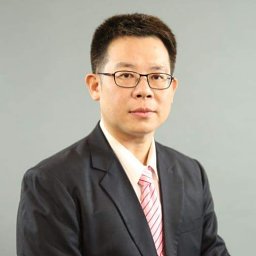 Veerasak Likhitruangsilp合作论文数Dept Civil Engn, Chulalongkorn Univ5
 Robbi Rahim合作论文数Department of Management Technology, Sekolah Tinggi Ilmu Manajemen Sukma;usurobbi85@zoho.com.;Department of Management Technology, Sekolah Tinggi Ilmu Manajemen Sukma5
 Phu-Cuong Nguyen合作论文数5
 PANDI SELVAM RAMAN合作论文数4
 Luan Nguyen合作论文数4
 Elsayed T. Helmy合作论文数Environment Division, National Institute of Oceanography and Fisheries4
 Muhamad Muslihudin合作论文数Faculty of Technology and Computer Science, Institut Bakti Nusantara4
 Mohamed Elhoseny合作论文数College of Computing and Informatics, University of Sharjah4
 Ismail Suardi Wekke合作论文数Faculty of Education, Universiti Kebangsaan Malaysia4
 Masamitsu Onishi合作论文数4Eswaran Perumal合作论文数3Abdul Latif合作论文数3A. Dinesh Kumar合作论文数3Firmansyah Y. Alfian合作论文数3Phu Quang Tran合作论文数3H. T. Dinh合作论文数3S. Rema Devi合作论文数3My Tien Ha Duong合作论文数3
 Rachmad Andri Atmoko合作论文数Guilin University of Electronic Technology3
 Siti Mukodimah合作论文数STMIK Pringsewu3
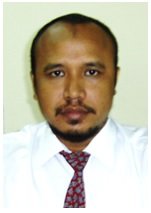 Hendro Agus Widodo合作论文数Politeknik Perkapalan Negeri Surabaya3
 Iswanto Iswanto合作论文数Universitas Muhammadiyah Yogyakarta3N. Sharmili合作论文数2Kunal Kunal合作论文数2Thang Huynh Tat Tran合作论文数2Irina N. Odarich合作论文数2Oksana P. Denisova合作论文数2
 M. Miftakul Amin合作论文数2Indira A. Shakirova合作论文数2Tuyen Mong Thi Nguyen合作论文数2
 Nghia Nguyen合作论文数Fac Civil Engn, Ho Chi Minh City Open Univ2




