Despite their flexibility and success in solving partial differential equations, Physics-Informed Neural Networks (PINNs) often suffer from convergence issues, even failing to converge, particularly in problems with steep gradients or localized features. Several remedies have been suggested to solve this problem, but one of the most promising is the dynamical adaptation of the collocation points. This paper explores a novel adaptive sampling method, of a stochastic nature, based on the Adaptive Mesh Refinement used in the Finite Element Method. The error estimates in our refinement algorithm are based on the value of the residual loss function. We tested our method against a variety of 1D and 2D benchmark problems that exhibit steep gradients near certain boundaries, with promising results.
The paper tries to show the role that can be played by genetic optimization strategies in solving huge global optimization problems in computational mechanics and other branches of high technology. Genetic algorithms are especially recommended as the first phase in two-phase stochastic optimization. The self-adaptability of genetic search is shown on the basis of the mathematical model introduced by M. Vose. Main goals of adaptation are used as leading criteria in the simple taxonomy of genetic strategies.
Synopsis A gene’s response to an environment is tightly bound to the underlying genetic variation present in an individual’s genome and varies greatly depending on the tissue it is being expressed in. Gene co-expression networks provide a mechanism to understand and interpret the collective transcriptional responses of genes. Here, we use the Camoco co-expression network framework to characterize the transcriptional landscape of adipose and gluteal muscle tissue in 83 domestic horses (Equus caballus) representing 5 different breeds. In each tissue, gene expression profiles, capturing transcriptional response due to variation across individuals, were used to build two separate, tissue-focused, genotypically-diverse gene co-expression networks. The aim of our study was to identify significantly co-expressed clusters of genes in each tissue, then compare the clusters across networks to quantify the extent that clusters were found in both networks as well as to identify clusters found in a single network. The known and unknown functions for each network were quantified using complementary, supervised, and unsupervised approaches. First, supervised ontological enrichment was utilized to quantify biological functions represented by each network. Curated ontologies (gene ontology [GO] and Kyoto Encyclopedia of Gene and Genomes [KEGG]) were used to measure the known biological functions present in each tissue. Overall, a large percentage of terms (40.3% of GO and 41% of KEGG) were co-expressed in at least one tissue. Many terms were co-expressed in both tissues; however, a small proportion of terms exhibited single tissue co-expression suggesting functional differentiation based on curated, functional annotation. To complement this, an unsupervised approach not relying on ontologies was employed. Strongly co-expressed sets of genes defined by Markov clustering identified sets of unannotated genes showing similar patterns of co-expression within a tissue. We compared gene sets across tissues and identified clusters of genes the either segregate in co-expression by tissue or exhibit high levels of co-expression in both tissues. Clusters were also integrated with GO and KEGG ontologies to identify gene sets containing previously curated annotations versus unannotated gene sets indicating potentially novel biological function. Coupling together these transcriptional datasets, we mapped the transcriptional landscape of muscle and adipose setting up a generalizable framework for interpreting gene function for additional tissues in the horse and other species.
This work presents a new hybrid approach for supporting sequential niching strategies called Cluster Supported Fitness Deterioration (CSFD). Sequential niching is one of the most promising evolutionary strategies for analyzing multimodal global optimization problems in the continuous domains embedded in the vector metric spaces. In each iteration CSFD performs the clustering of the random sample by OPTICS algorithm and then deteriorates the fitness on the area occupied by clusters. The selection pressure pushes away the next-step sample (population) from the basins of attraction of minimizers already recognized, speeding up finding the new ones. The main advantages of CSFD are low memory an computational complexity even in case of large dimensional problems and high accuracy of deterioration obtained by the flexible cluster definition delivered by OPTICS. The paper contains the broad discussion of niching strategies, detailed definition of CSFD and the series of the simple comparative tests.
A parameter identification problem for nonlinear parabolic equation describing the prelinear filtration phenomenon is considered. It is shown that the problem admits a non-empty solution set which is stable with respect to perturbations in the cost functional and the data. The numerical method for solving the inverse problem is given and the computational results are presented.
Solving parametric inverse problems (IPs) for partial differential equations (PDEs) plays an important role in medical diagnosis, resource investigation, nondestructive testing and many other human activities. Real-world IPs formulated as misfit functional minimization tasks are frequently ill-conditioned. The origins of this ill-posedness are the misfit multimodality and insensitivity as well as the instability of the utilized numerical PDE solver. We propose a complex multi-population memetic strategy HMS combined with the Petrov–Galerkin method stabilized by the Demkowicz operator to overcome these obstacles. The paper delivers a rigorous mathematical formulation of the strategy as well as a theoretical motivation for common inverse/forward error scaling, which significantly reduces the computational cost of the strategy. The presented theory is illustrated with two examples. The first one shows the analytical construction of the Demkowicz operator. The second one is an application of HMS in solving an IP utilizing the approximate stabilization with a forward solver that uses the isogeometric residual minimization (iGRM) method.
The aim of this paper is to analyze the integration for 3D isogeometric finite element method solvers and its effective scheduling on hierarchical computer architecture. Data necessary for concurrency over elements is independent, so computation on this level is trivially concurrent. However, constructing several layers of concurrency for the integration algorithm is challenging. In this work, we propose a multilevel concurrent integration algorithm associated with scheduling that brings one extra degree of possible speedup. Because of one extra degree of possible speedup, we analyze the concurrent integration inside elements. The scheduling algorithm is intended for strongly related hierarchical architectures of a GPU. Using trace theory and Foata Normal Form, we verify integrity of the proposed solution. Summing up, we propose a general method for analyzing concurrency of the integration algorithm. We instantiate this method on a classical element-based integration algorithm, however, this methodology is possible to apply for other integration algorithms, including sum factorization, fast numerical quadrature, or row-wise integration methods.
The paper contains an analysis of a three-level linearized time integration scheme for Cahn-Hilliard equations. We start with a rigorous mixed strong/variational formulation of the appropriate initial boundary value problem taking into account the existence and uniqueness of its solution. Next we pass to the definition of two time integration schemes: the Crank-Nicolson and a three-level linearized ones. Both schemes are applied to the discrete version of Cahn-Hilliard equation obtained through the Galerkin approximation in space. We prove that the sequence of solutions of the mixed three level finite difference scheme combined with the Galerkin approximation converges when the time step length and the space approximation error decrease. We also recall the verification of the second order of this scheme and its unconditional stability with respect to the time variable. A comparative scalability analysis of parallel implementations of the schemes is also presented.
The strength of the stalk rind, measured as rind penetrometer resistance (RPR), is an important contributor to stalk lodging resistance. To enhance the genetic architecture of RPR, we combined selection mapping on populations developed by 15 cycles of divergent selection for high and low RPR with time-course transcriptomic and metabolic analyses of the stalks. Divergent selection significantly altered allele frequencies of 3,656 and 3,412 single- nucleotide polymorphisms (SNPs) in the high and low RPR populations, respectively. Surprisingly, only 110 (1.56%) SNPs under selection were common in both populations, while the majority (98.4%) were unique to each population. This result indicated that high and low RPR phenotypes are produced by biologically distinct mechanisms. Remarkably, regions harboring lignin and polysaccharide genes were preferentially selected in high and low RPR populations, respectively. The preferential selection was manifested as higher lignification and increased saccharification of the high and low RPR stalks, respectively. The evolution of distinct gene classes according to the direction of selection was unexpected in the context of parallel evolution and demonstrated that selection for a trait, albeit in different directions, does not necessarily act on the same genes. Tricin, a grass-specific monolignol that initiates the incorporation of lignin in the cell walls, emerged as a key determinant of RPR. Integration of selection mapping and transcriptomic analyses with published genetic studies of RPR identified several candidate genes including ZmMYB31, ZmNAC25, ZmMADS1, ZmEXPA2, ZmIAA41 and hk5. These findings provide a foundation for an enhanced understanding of RPR and the improvement of stalk lodging resistance.
The paper helps to understand the essence of stochastic population-based searches that solve ill-conditioned global optimization problems. This condition manifests itself by presence of lowlands, i.e., connected subsets of minimizers of positive measure, and inability to regularize the problem. We show a convenient way to analyze such search strategies as dynamic systems that transform the sampling measure. We can draw informative conclusions for a class of strategies with a focusing heuristic. For this class we can evaluate the amount of information about the problem that can be gathered and suggest ways to verify stopping conditions. Next, we show the Hierarchic Memetic Strategy coupled with Multi-Winner Evolutionary Algorithm (HMS/MWEA) that follow the ideas from the first part of the paper. We introduce a complex, ergodic Markov chain of their dynamics and prove an asymptotic guarantee of success. Finally, we present numerical solutions to ill-conditioned problems: two benchmarks and a real-life engineering one, which show the strategy in action. The paper recalls and synthesizes some results already published by authors, drawing new qualitative conclusions. The totally new parts are Markov chain models of the HMS structure of demes and of the MWEA component, as well as the theorem of their ergodicity.
We consider inverse parametric problems for elliptic variational PDEs. They are solved through the minimization of misfit functionals. Main difficulties encountered consist in the misfit multimodality and insensitivity as well as in the weak conditioning of the direct (forward) problem, that therefore requires stabilization. A complex multi-population memetic strategy hp -HMS combined with the Petrov-Galerkin method stabilized by the Demkowicz operator is proposed to overcome obstacles mentioned above. This paper delivers the theoretical motivation for the common inverse/forward error scaling, that can reduce significantly the computational cost of the whole strategy. A short illustrative numerical example is attached at the end of the paper.
Black bear (Ursus americanus) populations in California have increased in abundance and distribution despite rising trends in the urban encroachment of wildlands. As human-black bear conflicts increase, opportunities to study the relocation of black bears in an adaptive management setting are important for improving the management of this high-profile species. Habituated black bears, some tamed and made tractable through human-controlled food conditioning, were relocated to a remote region of the Klamath Mountains to analyze home range use, survival, return rates, and mortality. Relocated black bears with known outcomes demonstrated an 80% return rate, with 55% not surviving beyond five months. Female bears established home ranges significantly larger than males, and may suggest an enhanced maternal instinct in search of similar nutritional conditions prior to relocation. This study showed that the relocation of food-conditioned black bears resulted in high return rates, poor survival, and risk to public safety.
High-quality genomic tools have been integral in understanding genomic architecture and function in the modern-day horse. The equine genetics community has a long tradition of pooling resources to develop genomic tools. Since the equine genome was sequenced in 2006, several iterations of high throughput genotyping arrays have been developed and released, enabling rapid and cost-effective genotyping. This review highlights the design considerations of each iteration, focusing on data available during development and outlining considerations in selecting the genetic variants included on each array. Additionally, we outline recent applications of equine genotyping arrays as well as future prospects and applications.
In this paper we present a complex strategy for the solution of ill posed, in-verse problems formulated as multiobjective global optimization ones.The strategy is capable of identifying the shape of objective insensitivity regions around connected components of Pareto set.The goal is reached in two phases.In the first, global one, the connected components of the Pareto set are localized and separated in course of the multi-deme, hierarchic memetic strategy HMS.In the second, local phase, the random sample uniformly spread over each Pareto component and its close neighborhood is obtained in the specially profiled evolutionary process using multiwinner selection.Finally, each local sample forms a base for the local approximation of a dominance function.Insensitivity region surrounding each connected component of the Pareto set is estimated by a sufficiently low level set of this approximation.Capabilities of the whole procedure was verified using specially-designed two-criterion benchmarks.
One of the most challenging types of ill-posedness in global optimization is the presence of insensitivity regions in design parameter space, so the identification of their shape will be crucial, if ill-posedness is irrecoverable. Such problems may be solved using global stochastic search followed by post-processing of a local sample and a local objective approximation. We propose a new approach of this type composed of Hierarchic Memetic Strategy (HMS) powered by the Covariance Matrix Adaptation Evolutionary Strategy (CMA-ES) well-known as an effective, self-adaptable stochastic optimization algorithm and we leverage the distribution density knowledge it accumulates to better identify and separate insensitivity regions. The results of benchmarks prove that the improved HMS-CMA-ES strategy is effective in both the total computational cost and the accuracy of insensitivity region approximation. The reference data for the tests was obtained by means of a well-known effective strategy of multimodal stochastic optimization called the Niching Evolutionary Algorithm 2 (NEA2), that also uses CMA-ES as a component.
Peanut is an important legume providing products with nutrient dense including mineral nutrition. However, the genetic basis underlying the variations in the mineral composition in peanut is still unknown. Genome-wide association studies (GWAS) of the concentrations of 13 mineral elements combined with coexpression network were performed using a diverse panel of 120 genotypes mainly selected from the U.S. peanut mini core collection. A total of 36 significant quantitative trait loci (QTLs) associated with five elemental concentrations were identified with phenotypic variation explained (PVE) from 18.35% to 27.56%, in which 24 QTLs were for boron (B), 2 QTLs for copper (Cu), 6 QTLs for sodium (Na), 3 QTLs for sulfur (S), and 1 QTL for zinc (Zn). A total of 110 nonredundant candidate causal genes identified were significantly associated with elemental accumulation, which included one high-priority overlap (HPO) candidate gene arahy.KQD4NT, an important elemental/metal transporter gene located on LGB04 with position 5,413,913-5,417,353.
Analysis of the Y chromosome is the best-established way to reconstruct paternal family history in humans. Here, we applied fine-scaled Y-chromosomal haplotyping in horses with biallelic markers and demonstrate the potential of our approach to address the ancestry of sire lines. We de novo assembled a draft reference of the male-specific region of the Y chromosome from Illumina short reads and then screened 5.8 million basepairs for variants in 130 specimens from intensively selected and rural breeds and nine Przewalski's horses. Among domestic horses we confirmed the predominance of a young'crown haplogroup' in Central European and North American breeds. Within the crown, we distinguished 58 haplotypes based on 211 variants, forming three major haplogroups. In addition to two previously characterised haplogroups, one observed in Arabian/Coldblooded and the other in Turkoman/Thoroughbred horses, we uncovered a third haplogroup containing Iberian lines and a North African Barb Horse. In a genealogical showcase, we distinguished the patrilines of the three English Thoroughbred founder stallions and resolved a historic controversy over the parentage of the horse 'Galopin', born in 1872. We observed two nearly instantaneous radiations in the history of Central and Northern European Y-chromosomal lineages that both occurred after domestication 5,500 years ago.
Selective breeding for athletic performance in various disciplines has resulted in population stratification within the American Quarter Horse (QH) breed. The goals of this study were to utilize high density genotype data to: (1) identify genomic regions undergoing positive selection within and among QH subpopulations; (2) investigate haplotype structure within each QH subpopulation; and (3) identify candidate genes within genomic regions of interest (ROI), as well as biological pathways, predicted to play a role in elite performance in each group. For that, 65K SNP genotyping data on 143 elite individuals from 6 QH subpopulations (cutting, halter, racing, reining, western pleasure, and working cow) were imputed to 2M SNPs. Signatures of selection were identified using FST-based (di) and haplotype-based (hapFLK) analyses, accompanied by identification of local haplotype structure and sharing within subpopulations (hapQTL). Regions undergoing positive selection were identified on all 31 autosomes, and ROI on 2 chromosomes were identified by all 3 methods combined. Genes within each ROI were retrieved and used to identify pathways and genes that might contribute to performance in each subpopulation. These included, among others, candidate genes associated with skeletal muscle development, metabolism, and central nervous system development. This work improves our understanding of equine breed development, and provides breeders with a better understanding of how selective breeding impacts the performance of QH populations.
Background Severe equine asthma, also known as recurrent airway obstruction (RAO), is a debilitating, performance limiting, obstructive respiratory condition in horses that is phenotypically similar to human asthma. Past genome wide association studies (GWAS) have not discovered coding variants associated with RAO, leading to the hypothesis that causative variant(s) underlying the signals are likely non-coding, regulatory variant(s). Regions of the genome containing variants that influence the number of expressed RNA molecules are expression quantitative trait loci (eQTLs). Variation associated with RAO that also regulates a gene’s expression in a disease relevant tissue could help identify candidate genes that influence RAO if that gene’s expression is also associated with RAO disease status. Results We searched for eQTLs by analyzing peripheral blood mononuclear cells (PBMCs) from two half-sib families and one unrelated cohort of 82 European Warmblood horses that were previously treated in vitro with: no stimulation (MCK), lipopolysaccharides (LPS), recombinant cyathostomin antigen (RCA), and hay-dust extract (HDE). We identified high confidence eQTLs that did not violate linear modeling assumptions and were not significant due to single outlier individuals. We identified a mean of 4347 high confidence eQTLs in four treatments of PBMCs, and discovered two trans regulatory hotspots regulating genes involved in related biological pathways. We corroborated previous RAO associated single nucleotide polymorphisms (SNPs), and increased the resolution of past GWAS by analyzing 1,056,195 SNPs in 361 individuals. We identified four RAO-associated SNPs that only regulate gene expression of dexamethasone-induced protein ( DEXI ), however we found no significant association between DEXI gene expression and presence of RAO. Conclusions Thousands of genetic variants regulate gene expression in PBMCs of European Warmblood horses in cis and trans . Most high confidence eSNPs are significantly enriched near the transcription start sites of their target genes. Two trans regulatory hotspots on chromosome 11 and 13 regulate many genes involved in transmembrane cell signaling and neurological development respectively when PBMCs are treated with HDE. None of the top fifteen RAO associated SNPs strongly influence disease status through gene expression regulation.
Solving ill-posed continuous, global optimization problems is challenging. No well-established methods are available to handle the objective intensity that appears when studying the inversion of non-invasive tumor tissue diagnosis or geophysical applications. The paper presents a complex metaheuristic method that identifies regions of objective function's insensitivity (plateaus). It is composed of a multi-deme hierarchic memetic strategy coupled with random sample clustering, cluster integration, and a special kind of local evolution processes using the multiwinner selection that allows to breed the demes to cover each plateau separately. The final phase consists in a smooth local objective approximation which determines the shape of the plateaus by analyzing the objective level sets. We test the method on benchmarks with multiple non-convex plateaus and in an actual geophysical application of magnetotelluric data inversion.
 Maciej Smołka合作论文数Institute of Computer Science, Jagiellonian University36
 Maciej Paszynski合作论文数Faculty of Computer Science, AGH University of Krakow26
 Aleksander Byrski合作论文数13Marcin Los合作论文数12
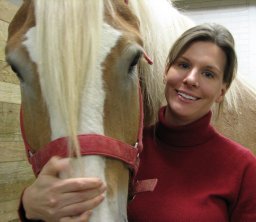 Molly E. Mccue合作论文数Department of Veterinary Population Sciences, University of Minnesota12
 Jakub Sawicki合作论文数AGH University of Science and Technology11
 Carlos Cotta合作论文数Dept. de Lenguajes y Ciencias de la Computacion, Universidad de Malaga.11
 Marek Grochowski合作论文数Department of Informatics, Nicolaus Copernicus University10Piotr Uhruski合作论文数9
 Barbara Barabasz合作论文数Department of Modeling and Information Technology, AGH University of Science and Technology8
 Chad L. Myers合作论文数Department of Computer Science and Engineering, College of Science and Engineering, University of Minnesota8
 David Pardo合作论文数University of the Basque Country (UPV/EHU),7
 Ewa Gajda-Zagórska合作论文数AGH University of Science and Technology7
 Joanna Kołodziej合作论文数Cracow University of Technology6
 Tosso Leeb合作论文数Institute of Genetics, Universität Bern5
 Piotr Faliszewski合作论文数Instytut Informatyki, Wydział Informatyki, Elektroniki i Telekomunikacji, AGH University of Science and Technology5
 Barbara Wallner合作论文数Institute of Animal Breeding and Genetics, University of Veterinary Medicine Vienna4
 James Mickelson合作论文数Department of Veterinary and Biomedical Sciences, College of Veterinary Medicine, University of Minnesota4
 Maciej Wozniak合作论文数AGH University of Science and Technology, Krakow, Poland4
 Kyrre Glette合作论文数Department of Informatics, The Faculty of Mathematics and Natural Sciences, University of Oslo;RITMO Centre for Interdisciplinary Studies in Rhythm, Time and Motion, University of Oslo4
 Briskine Roman合作论文数Dept Comp Sci & Engn, Univ Minnesota4
 Gottfried Brem合作论文数Institut fur Tierzucht und Genetik, Abteilung fur Reproduktionsbiologie, Veterinarmedizinische Universitat Wien4
 Julia Metzger合作论文数Institute for Animal Breeding and Genetics, University of Veterinary Medicine Hannover4
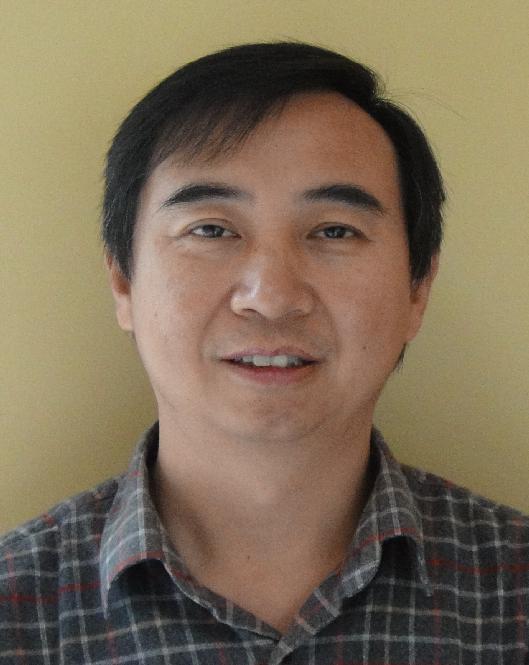 Mengjie Zhang (Meng)合作论文数School of Engineering and Computer Science, Victoria University of Wellington;Centre for Data Science and Artificial Intelligence, Victoria University of Wellington4
 Giovanni Squillero合作论文数Politecnico di Torino4
 Ruedi Fries合作论文数Chair of Animal Breeding, Technical University of Munich4Georg Thaller合作论文数4
 Gabriella Lindgren合作论文数4
 Paolo Burelli合作论文数Center For Computer Games Research;IT University Of Copenhagen;Center For Computer Games Research, IT University Of Copenhagen4
 Stanisław Migorski合作论文数Faculty of Mathematics and Computer Science, Jagiellonian University in Krakow4
 Stefano Cagnoni合作论文数Department of Engineering and Architecture, University of Parma4
 J. Alvarez-Aramberri合作论文数4
 Neil Urquhart合作论文数School of Computing, Napier University4
 Kevin Sim合作论文数Institute for Informatics and Digital Innovation, Edinburgh Napier University4
 Jens Tetens合作论文数4Stefan Rieder合作论文数4Vidhya Jagannathan合作论文数4
 Evert Haasdijk合作论文数Vrije Univ Amsterdam4Ottmar Distl合作论文数3
 Paul Kaufmann合作论文数3
 Annette M Mccoy合作论文数College of Veterinary Medicine and Biomedical Sciences, Colorado State University3
 Nathan M. Springer合作论文数Department of Plant and Microbial Biology, College of Biological Sciences, University of Minnesota;Bayer Crop Sciences3
 Ludovic Orlando合作论文数Centre for Anthropobiology & Genomics of Toulouse, Université Paul Sabatier Toulouse II;CNRS3
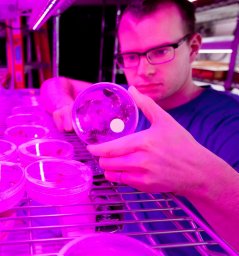 Michno Jean-Michel合作论文数Department of Agronomy and Plant Genetics, University of Minnesota3
 Francisco Fernandez de Vega合作论文数University of Extremadura3
 Vinzenz Gerber合作论文数Departement für Klinische Veterinärmedizin, Vetsuisse-Fakultät, Universität Bern3
 Alexandros Agapitos合作论文数Department of Computer Science, University of Essex3
 Antonio Della Cioppa合作论文数Dipartimento di Ingegneria Dell'informazione ed Elettrica e Matematica Applicata, Università degli Studi di Salerno;Istituto di Calcolo e Reti ad Alte Prestazioni3
 Mikkel Schubert合作论文数Nat Hist Museum Denmark, Univ Copenhagen3




