In this article, we join three distinct literatures on crime control—the deterrence literature, the policing literature as it relates to crime control, and the environmental and opportunity perspectives literature. Based on empirical findings and theory from these literatures, we pose a mathematical model of the distribution of criminal opportunities and offender decision making on which of those opportunities to victimize. Criminal opportunities are characterized in terms of the risk of apprehension that attends their victimization. In developing this model, our primary focus is on how police might affect the distribution of criminal opportunities that are attractive to would‐be offenders. The theoretical model we pose, however, is generalizable to explain how changes in other relevant target characteristics, such as potential gain, could affect target attractiveness. We demonstrate that the model has important implications for the efficiency and effectiveness of police deployment strategies such as hot spots policing, random patrol, and problem‐oriented policing. The theoretical structure also makes clear why the clearance rate is a fundamentally flawed metric of police performance. Future research directions suggested by the theoretical model are discussed.
Tum teori, tamamen dogru olmayan varsayimlara baglidir. Teoriyi olusturan da budur. Basarili bir kuramsallastirma sanatinin amaci, en son sonuclarin fazla hassas olmamasi gibi beklenen bir sadelestirilmis varsayimlar yapmaktir. “Kritik” varsayim, hassasiyetle bagli sonuclarin yaptiklarindan birisi ve kritik varsayimlarin makul surette uygun olmasi acisindan onem tasimaktadir. Ozellikle teorik sonuclar, belirli bir kritik varsayimindan gelen akis gibi gorunmektedir. Oyleyse varsayimlar kesin degilse, sonuclar sakincalidir. Harrod-Domar ekonomik buyume modelinin dogru olmasi gibi bir seyi savunmak isterdim. Harrod-Domar dusunce biriminin karakteristik ve etkili sonucu, uzun donem bile olsa ekonomik sistem, bicak sirti denge noktasinda en iyi sekilde dengelidir. Tasarruf orani, sermaye hâsila orani, isgucu artis orani onemli parametrelerin buyuklukleriydi. Sabit noktadan cok duzgun bir sekilde kaymasi icin, neticede, ya buyuyen issizlik ya da uzamis enflasyon olurdu. Harrod terimlerinde, kritik denge meselesi, teknolojik degisim eksikligindeki isgucu artisina bagli, tabii buyume orani ve ev ve firmalarin tasarruf-yatirim aliskanliklarina bagli gerekli buyume orani arasindaki rekabetten ibarettir.
How is work divided up in the household, within an industry, a nation or between continents? What are the dynamics of the division of labour? The wide-ranging contributions to this book explore these questions from technological, capital and political perspectives. They include in-depth studies of gender, the firm, countries’ economic specializations, ICTs, foreign direct investment and agriculture. In this book, ten distinguished contributors – economists, scholars and practitioners – take stock of the shape of the division of labour and provide useful policy recommendations.
This essay offers an unsystematic sketch of seval ways in which economists have approached the need to represent and model changes in technology. It begins with the failures of Ricardo and Mill to respond adequately to the continueing increase of productivity after the Industrial Revolution, and ascribes it to the lack of appropriate analytical technique. It goes on to the question of classification of inventions posed by Hicks, with responses from other authors. It concludes with comments on the current intereste in endogenizing technical profress as a routine profit-seeking activity, with the thought that an uneasy compormise between exogeneous and endogeneous may be the best that can be done.
Article is made available in accordance with the publisher's policy and may be subject to US copyright law. Please refer to the publisher's site for terms of use. The MIT Faculty has made this article openly available. Please share how this access benefits you. Your story matters. Reproduced with permission of the copyright owner. Further reproduction prohibited without permission.
Paul Samuelson was one of the few men who earned himself a significant place in economics. He was in himself a starting point. We are fortunate to have Robert Solow, his colleague and long-time friend, discuss how Samuelson changed economics. Samuelson was a member of Challenge's Editorial Advisory Board since 1973.
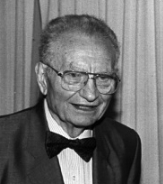 Paul A Samuelson合作论文数Massachusetts Institute of Technology24
 Alan S. Blinder合作论文数11
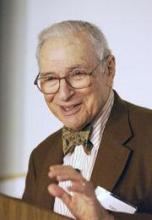 Kenneth J. Arrow (肯尼斯·约瑟夫·阿罗)合作论文数Stanford University9
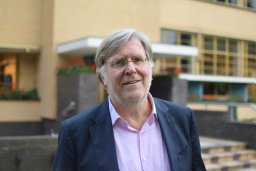 Arjo Klamer合作论文数Erasmus university7Donald N. Mccloskey合作论文数6Ezra J. Mishan合作论文数4
 I. Mcdonald合作论文数University of Melbourne4
 Hal R. Varian合作论文数Department of Economics, College of Letters & Science, University of California, Berkeley;School of Information, University of California, Berkeley;Google4
 Paul Portney合作论文数4
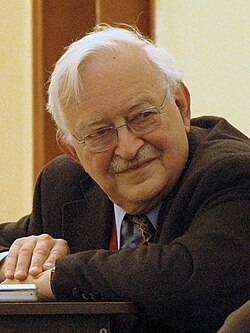 Immanuel Wallerstein合作论文数Yale University4Joseph Alois Schumpeter合作论文数4Terence K. Hopkins合作论文数4William D. Nordhaus合作论文数3Zhou Xiaochuan合作论文数3
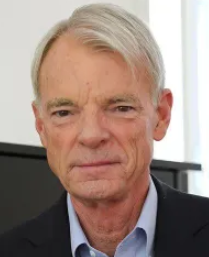 A. Michael Spence合作论文数Graduate School of Business, University of Stanford3
 Ernesto Zedillo合作论文数3Alejandro Foxley合作论文数3Montek Ahluwalia合作论文数3Danny Leipziger合作论文数3Goh Chok Tong合作论文数3
 Edmar Bacha合作论文数Commission on Growth and Development3Kemal Dervis合作论文数3
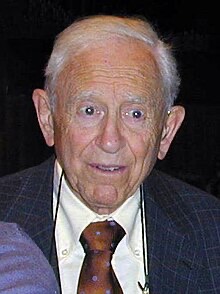 Franco Modigliani合作论文数Sloan School of Management, Massachusetts Institute of Technology3Lord John Browne合作论文数3
 Mahmoud Mohieldin合作论文数Commission on Growth and Development3Hollis B. Chenery合作论文数3Pedro-Pablo Kuczynski合作论文数3
 Ngozi Okonjo-Iweala合作论文数World Trade Organization3Danuta Hübner合作论文数3Han Duck-Soo合作论文数3Robert Rubin合作论文数3K. Dwight Venner合作论文数3Orley Ashenfelter合作论文数University of Oxford;CEPR Margaret Stevens;University of Oxford, University of Oxford3Bruno S. Frey合作论文数2
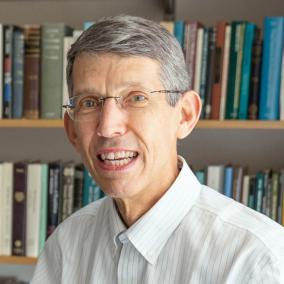 James Poterba合作论文数Department of Economics, Massachusetts Institute of Technology;National Bureau of Economic Research2Eli Ginzberg合作论文数2
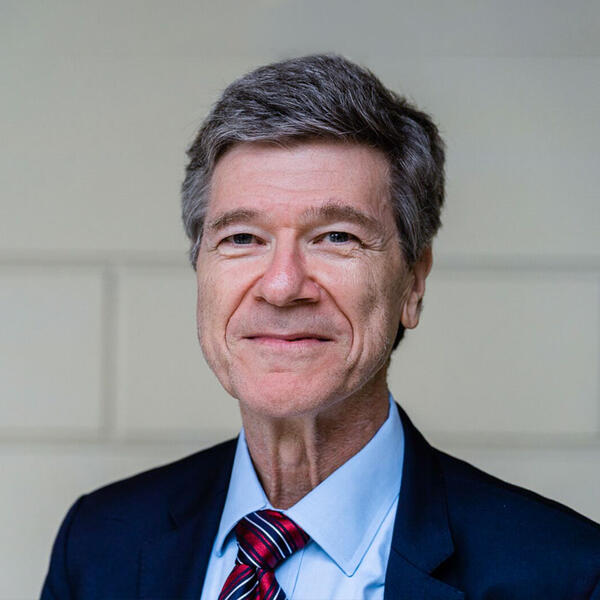 Jeffrey Sachs合作论文数Development of Health Policy and Management, Columbia University2
 William A. Barnett合作论文数Washington University2Daniel Nagin合作论文数2
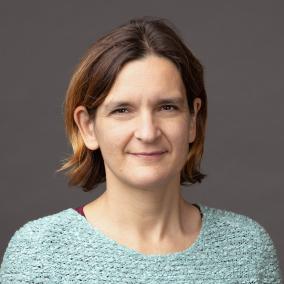 Esther Duflo合作论文数Department of Economics, Massachusetts Institute of Technology2Steven N. Durlauf合作论文数2
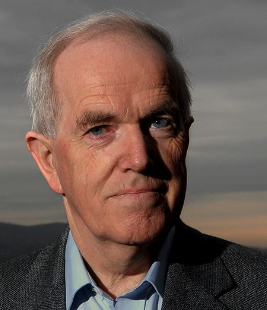 Agnar Sandmo合作论文数Norwegian Research Centre in Organization2
 Richard Smalley (理查德·斯莫利)合作论文数Rice University2




