Bioacoustics is an effective tool for identifying insectivorous bat species, particularly those that forage in the upper forest strata and show low capture probabilities using traditional methods. However, for many rare or range-restricted species, available acoustic information remains limited. In this study, we present the first acoustic description of Saccopteryx antioquensis, an endemic and threatened species restricted to karst ecosystems in southeastern Antioquia, Colombia. We describe echolocation pulses based on reference recordings obtained from an individual captured in 2020 and on free-flying recordings collected in 2022. Echolocation pulses of S. antioquensis were characterized by the alternation of low-frequency (LF) and high-frequency (HF) pulses, inverted U-shaped spectrograms, and a multi-harmonic structure, with most energy concentrated in the second harmonic. Spectral and temporal parameters exhibited distinctive frequency ranges compared to other species within the genus. Multivariate analyses revealed significant acoustic differentiation between S. antioquensis and other Saccopteryx species for both LF and HF pulses, supporting its acoustic identity and interspecific separation. This information provides a solid baseline for acoustic identification and passive monitoring of the species and represents a key tool to support conservation strategies in a context of high anthropogenic pressure on karst ecosystems. Overall, this study contributes to the knowledge of Neotropical bat bioacoustics and highlights the value of acoustic monitoring for the conservation of endemic and threatened species.
Bats host a diverse assemblage of ectoparasites that occupy specific anatomical microhabitats, yet the histological effects of these associations remain poorly documented. Here, we report a case of mite infestation of the external ear in the Neotropical bats species Carollia perspicillata and Carollia brevicauda, with a detailed histological characterisation of the auricle and inner ear of C. perspicillata. Bats were captured during biodiversity monitoring programmes in Antioquia, Colombia, and mites were collected and identified morphologically. Histological and histochemical analyses of ear tissues were conducted using haematoxylin and eosin, periodic acid-Schiff, and Masson's trichrome staining. Mites were identified as Spelaeorhynchus praecursor (Spelaeorhynchidae), occurring exclusively on the external ear with infestation frequencies of 6.6% for C. perspicillata and 5.8% for C. brevicauda. Histological examination of the auricle revealed a thin keratinised stratified squamous epithelium, abundant sebaceous glands, well-developed striated skeletal muscle, elastic cartilage, and prominent white adipose tissue at the auricular base. Only minimal focal leukocytic infiltrates were observed, with no evidence of severe pathological alterations associated with mite attachment. The inner ear displayed preserved cochlear architecture, with eosinophilic fibrillar and granular material in the scala vestibuli and scala tympani, interpreted as perilymphatic content or processing artefacts. This study provides baseline histological data on ear tissues in C. perspicillata and documents a localised mite-host association with limited tissue response, contributing to the understanding of bat ectoparasitism and ear morphology in Neotropical chiropterans.
Genomic resources remain scarce for many ecologically important tropical species. Here, we present genome sequences for two Neotropical weasel species of the genus Neogale : N. frenata , a species widely distributed in Colombia, and the enigmatic N. felipei , which is endemic to Colombia and Ecuador and remains poorly known.
A central quest in conservation biology is to understand how wildlife responds to human-modified landscapes. Yet assessing features of transformed landscapes is non-trivial because categorical maps obscure ecologically meaningful transitions that organisms perceive continuously. We overcame this limitation by using satellite-based fine-scale continuous measures of landscape structure to examine how the cover, complexity, distribution and isolation of exposed and forested areas influence the composition of two guild of aerial insectivorous bats across multiple spatial scales. Although insectivorous bats provide key ecosystem services, it is still unclear which landscape features favor or reduce their abundance, and at what scales these effects occur. Our study was conducted in a heterogeneous agricultural mosaic in the central Andes of Colombia, ranging from well-preserved forests to open-pit mines. Bats that forage within forests or along edges were more abundant at sites with more forest cover but also where vegetation was more complex in terms of roughness and the presence of edges across all spatial scales. Contrary to our predictions, bats that forage in open spaces decreased in areas where exposed lands and fragments were dispersed and isolated at small spatial scales. At large spatial scales, open-space bats required abundant forest cover. These results show that insectivorous bats respond differently to landscape change depending on their ecology and movement behavior, and that these responses vary with spatial scale. Our findings highlight the value of using continuous landscape measures to better understand, manage, and conserve insectivorous bats in regions undergoing rapid land-use change.
Oryzomys couesi (Alston, 1877) has a restricted geographic distribution in South America. Until now, it was only known from Monteria, C & oacute;rdoba, in the Caribbean region of Colombia. Here, we add three geographic records; a recent individual was recorded in Urab & aacute;, Antioquia, and during the identification process, we found six specimens from two localities around Isla de Salamanca National Park, Magdalena, whose identity have remained unpublished so far. These specimens represent additional geographic records of O. couesi in Colombia and South America. A cytochrome b sequence from the Urab & aacute; specimen increases the taxonomic and biogeographic relevance of these records.
La especie Hydrochoerus isthmius, conocida localmente como el ponche, es uno de los roedores más grandes del mundo con distribución desde el área central de Panamá hasta el norte de Colombia y el noroeste de Venezuela. Su importancia en la historia de las comunidades humanas que han habitado el noroccidente de Suramérica y puntualmente la Depresión Momposina en la región Caribe de Colombia está documentada por la presencia de restos óseos en contextos arqueológicos del Holoceno Tardío. Esta investigación se propuso caracterizar las evidencias tafonómicas e histológicas del procesamiento antrópico de los ponches en los depósitos zooarqueológicos del sitio San Pedro que datan del siglo VII d.C. A partir del análisis de una muestra de 314 restos óseos y dentales recuperados por PIDMO-UdeA se encontraron evidencias de fracturas en hueso fresco, marcas de corte y alteraciones térmicas asociadas con los patrones de desarticulación y preparación de los animales para su aprovechamiento en la paleodieta de la población humana que habitó este antiguo poblado. Los análisis en Microscopía Electrónica de Barrido (MEB) y Microscopía Electrónica de Transmisión (MET) de fragmentos de cráneo y tibia evidencian la alteración histológica de los sistemas osteónicos y las fibras de colágeno debido a las condiciones del enterramiento, la incorporación de partículas sedimentarias y la actividad de microorganismos durante la descomposición. Los análisis de composición química en Espectroscopía de Rayos X de Energía Dispersiva (EDS-EDX) indican la incorporación diagenética de Hierro (Fe) en los restos óseos por el contacto prolongado con la matriz sedimentaria. Estas evidencias aportan nueva información paleoecológica y bioestratigráfica acerca de los depósitos de cerámica, carbón y arqueofauna acuática preservados en el yacimiento que dan cuenta del aprovechamiento humano de H. isthmius durante el siglo VII d.C., aportando claves para la conservación actual de la especie.
Natural history collections serve as crucial infrastructure for both basic and applied scientific research, providing temporal and spatial specimen data needed to understand biodiversity, environmental change, and emerging pathogens. This study surveyed mammal collections across South America to assess the scope and quality of this infrastructure. A detailed questionnaire was distributed to curators and collection managers from May 2021 to February 2022, gathering information on institutional characteristics, collection size, taxonomic and geographical scope, preservation methods, genetic resource availability, percentage digitization, financial support, and challenges such as funding limitations. Our survey identified 141 collections; more than twice the number reported by the American Society of Mammalogists in 2018. South American collections house similar to 746000 catalogued specimens, including 452 primary type specimens, representing only a modest proportion of the vast mammalian diversity of South America. Collections are geographically concentrated in Argentina, Brazil, Colombia, and Peru, with a significant gap in the Guianas region and a decline in responses from Venezuela. The survey highlights four major challenges facing South American collections: staffing shortages, minimal cryogenic infrastructure, incomplete digitization, and sustainability issues. This initiative aims to raise awareness of collections in South America, plan for strategic growth, and strengthen research capacity to address pressing global issues, such as climate change, zoonotic disease transmission, and long-term conservation strategies.
The evolutionary history and taxonomy of the Leopardus tigrinus species complex have been studied based on several approaches, mostly employing genetic and morphological data, leading to distinct classification schemes. We approached this problem from an ecological perspective, with 2 main goals: (i) to evaluate ecological niche differences among regional L. tigrinus populations to determine the extent of ecological divergence among them; and (ii) to identify environmental barriers to historical dispersal that could have driven differentiation among the proposed groups. We modeled the ecological niche of all taxonomic/geographic groups proposed so far to comprise the L. tigrinus complex using the Maximum Entropy algorithm, and evaluated geographic and ecological niche differences among them. Furthermore, we investigated possible environmental barriers to historical dispersal that could have driven differentiation among regional groups. We evaluated 4 hypothetical barriers across 3 time periods to assess their potential historical effect. We found high ecological divergence between northeastern tigrina populations and the northern Andean and Central American tigrinas. Other groups within the L. tigrinus complex are less divergent. In addition, the Guiana Shield tigrina, where the type locality of the species is located, seems to be ecologically similar to populations from northeastern Brazil while also showing some overlap with Andean populations. The Panama center, the Llanos of Colombia and Venezuela, and the Amazon region were identified as historical barriers for tigrina dispersal across all time periods. The inferred historical barriers and ecological divergence observed in this study contribute to the inference of evolutionary differentiation among geographic groups comprising the L. tigrinus complex, revealing areas of consistently low habitat suitability that have likely contributed to divergence among regional populations. The study characterizes ecological niche differences among regional L. tigrinus populations and discovers 3 historical environmental barriers (Panama center, the Llanos of Colombia/Venezuela, and the Amazon region) that may have promoted differentiation among these groups. La historia evolutiva y la taxonom & iacute;a del complejo de especies Leopardus tigrinus se han estudiado en base a varios enfoques, en su mayor & iacute;a empleando datos gen & eacute;ticos y morfol & oacute;gicos, lo que ha llevado a distintos esquemas de clasificaci & oacute;n. Abordamos este problema desde una perspectiva ecol & oacute;gica, con dos objetivos principales: (i) evaluar las diferencias del nicho ecol & oacute;gico entre las poblaciones regionales de L. tigrinus para determinar la existencia de divergencia ecol & oacute;gica entre ellas; e (ii) identificar las barreras ambientales para la dispersi & oacute;n hist & oacute;rica de estos organismos que podr & iacute;an haber impulsado la diferenciaci & oacute;n entre los grupos propuestos. Modelamos el nicho ecol & oacute;gico de todos los grupos taxon & oacute;micos/geogr & aacute;ficos propuestos hasta ahora para comprender el complejo L. tigrinus utilizando el algoritmo de M & aacute;xima Entrop & iacute;a y evaluamos las diferencias geogr & aacute;ficas y ecol & oacute;gicas de nicho entre ellos. Adem & aacute;s, investigamos posibles barreras ambientales para la dispersi & oacute;n hist & oacute;rica de estos organismos que podr & iacute;an haber impulsado la diferenciaci & oacute;n entre estos grupos regionales. Evaluamos cuatro barreras hipot & eacute;ticas en tres per & iacute;odos de tiempo para determinar su posible efecto hist & oacute;rico. Encontramos una alta divergencia ecol & oacute;gica entre las poblaciones de tigrinas del noreste de Brazil y las tigrinas del norte de los andes y centroamericanas. Otros grupos dentro del complejo L. tigrinus son menos divergentes. Adem & aacute;s, las tigrinas del Escudo Guayan & eacute;s, donde se encuentra la localidad tipo de la especie, parece ser ecol & oacute;gicamente similar a las poblaciones del noreste de Brasil, mientras que tambi & eacute;n muestra cierta superposici & oacute;n con las poblaciones andinas. El centro de Panam & aacute;, los Llanos de Colombia y Venezuela y la regi & oacute;n amaz & oacute;nica fueron identificados como barreras hist & oacute;ricas para la dispersi & oacute;n de tigrinas en todos los per & iacute;odos de tiempo. Las barreras hist & oacute;ricas inferidas y la divergencia ecol & oacute;gica observada en este estudio contribuyen a la inferencia de la diferenciaci & oacute;n evolutiva entre los grupos geogr & aacute;ficos que comprenden el complejo L. tigrinus, revelando & aacute;reas de baja idoneidad para el h & aacute;bitat que probablemente han contribuido a la divergencia entre estas poblaciones regionales.
El uso histórico de la biodiversidad de peces llevado a cabo por las poblaciones humanas que han habitado el Caribe colombiano se ha registrado en la mayoría de yacimientos arqueológicos de la región. En esta investigación se analizan las evidencias tafonómicas y biomoleculares de termoalteración y formación de los depósitos óseos de peces dulceacuícolas aprovechados por una comunidad indígena en el sitio arqueológico San Pedro de la Depresión Momposina durante el siglo VII d.C. Se evidencia el aprovechamiento de especies migratorias como Pseudoplatystoma magdaleniatum, Prochilodus magdalenae y Ageneiosus pardalis, y taxones residentes como Hoplias malabaricus y Caquetaia kraussii, que presentan evidencias de quema, carbonización y calcinación posterior a su consumo, generando cambios de color, fragmentación, agrietamiento de los sistemas osteónicos, polimerización del colágeno, fusión de los cristales de hidroxiapatita y degradación del ADNa contenido en la matriz ósea. Posterior a la quema, se encontró un patrón de descarte y acopio de las evidencias en depósitos de cerámica, carbón y arqueofauna acuática generando la incorporación diagenética de Hierro en las muestras y la adherencia de concreciones sedimentarias por procesos de lixiviación. Las secuencias estratigráficas y la formación de los depósitos arqueológicos documentan una serie de cambios de composición taxonómica y abundancia relativa de restos óseos en asociación al régimen hidroclimático de la región.
The historical fish biodiversity use of human populations in the Colombian Caribbean has left record at most archaeological sites in the region. This research analyzes the taphonomic and biomolecular evidence of thermoalteration and the formation of freshwater fish bone deposits used by an indigenous community at the San Pedro archaeological site of the Momposina Depression during the 7th century AD. There is evidence of the use of migratory species such as Pseudoplatystoma magdaleniatum, Prochilodus magdalenae, and Ageneiosus pardalis, as well as resident taxa such as Hoplias malabaricus and Caquetaia kraussii , whose skeletal remains show evidence of burning, carbonization, and calcination after consumption, generating color changes, fragmentation, cracking of osteonic systems, degradation of contained aDNA in the bone matrix, collagen polymerization, and the hydroxyapatite crystal fusion. After burning, a pattern of remains from discarding and collecting was found in ceramics, charcoal, and aquatic archaeofaunal deposits, generating iron diagenetic incorporation in the samples and the adhesion of sedimentary concretions by leaching processes. The stratigraphic sequences and the formation of archaeological deposits document a series of changes in taxonomic composition and relative abundance of bone remains in association with the region's hydroclimatic regime.
Ichthyomyini, a morphologically distinctive group of Neotropical cricetid rodents, lacks an integrative study of its systematics and biogeography. Since this tribe is a crucial element of the Sigmodontinae, the most speciose subfamily of the Cricetidae, we conducted a study that includes most of its recognized diversity (five genera and 19 species distributed from southern Mexico to northern Bolivia). For this report we analyzed a combined matrix composed of four molecular markers ( RBP3 , GHR , RAG1 , Cytb ) and 56 morphological traits, the latter including 15 external, 14 cranial, 19 dental, five soft-anatomical and three postcranial features. A variety of results were obtained, some of which are inconsistent with the currently accepted classification and understanding of the tribe. Ichthyomyini is retrieved as monophyletic, and it is divided into two main clades that are here recognized as subtribes: one to contain the genus Anotomys and the other composed by the remaining genera. Neusticomys (as currently recognized) was found to consist of two well supported clades, one of which corresponds to the original concept of Daptomys . Accordingly, we propose the resurrection of the latter as a valid genus to include several species from low to middle elevations and restrict Neusticomys to several highland forms. Numerous other revisions are necessary to reconcile the alpha taxonomy of ichthyomyines with our phylogenetic results, including placement of the Cajas Plateau water rat (formerly Chibchanomys orcesi ) in the genus Neusticomys ( sensu stricto ), and the recognition of at least two new species (one in Neusticomys , one in Daptomys ). Additional work is necessary to confirm other unanticipated results, such as the non-monophyletic nature of Rheomys and the presence of a possible new genus and species from Peru. Our results also suggest that ichthyomyines are one of the main Andean radiations of sigmodontine cricetids, with an evolutionary history dating to the Late Miocene and subsequent cladogenesis during the Pleistocene.
The global decline of terrestrial species is largely due to the degradation, loss and fragmentation of their habitats. The conversion of natural ecosystems for cropland, rangeland, forest products and human infrastructure are the primary causes of habitat deterioration. Due to the paucity of data on the past distribution of species and the scarcity of fine-scale habitat conversion maps, however, accurate assessment of the recent effects of habitat degradation, loss and fragmentation on the range of mammals has been near impossible. We aim to assess the proportions of available habitat within the lost and retained parts of mammals' distribution ranges, and to identify the drivers of habitat availability. We produced distribution maps for 475 terrestrial mammals for the range they occupied 50 years ago and compared them to current range maps. We then calculated the differences in the percentage of 'area of habitat' (habitat available to a species within its range) between the lost and retained range areas. Finally, we ran generalized linear mixed models to identify which variables were more influential in determining habitat availability in the lost and retained parts of the distribution ranges. We found that 59% of species had a lower proportion of available habitat in the lost range compared to the retained range, thus hypothesizing that habitat loss could have contributed to range declines. The most important factors negatively affecting habitat availability were the conversion of land to rangeland and high density of livestock. Significant intrinsic traits were those related to reproductive timing and output, habitat breadth and medium body size. Our findings emphasize the importance of implementing conservation strategies to mitigate the impacts caused by human activities on the habitats of mammals, and offer evidence indicating which species have the potential to reoccupy portions of their former range if other threats cease to occur. This study investigates the impact of habitat degradation on terrestrial mammal species. By comparing historic and current distribution maps for 475 species, we found that 59% of them have less available habitat in their lost ranges, suggesting habitat loss contributed to range declines. Factors like land conversion to rangeland and high livestock density negatively affected habitat availability. Intrinsic traits such as reproductive timing, habitat breadth and medium body size also played a role. The study underscores the need for conservation efforts to mitigate human-induced habitat threats and identifies species that could potentially reclaim lost range if threats are addressed.image
Lasiurus is a bat genus recognised to have migratory species. However, little is known about the seasonal distribution for most of its species. We used spatial analysis of occurrence records and ecological niche modeling to evaluate the seasonal distributions of five species: Lasiurus borealis, Lasiurus frantzii, Lasiurus ega, Lasiurus xanthinus, and Lasiurus intermedius, to disentangle their seasonal distribution patterns. L. intermedius, L. xanthinus, and L. frantzii presented distinct seasonal patterns in the rate of occurrence records in different areas, which accumulate most records in the northern populations in summer. For L. borealis, we found seasonal variation throughout its entire distribution, with most records in summer and a progressive decline towards winter. In contrast, L. ega showed no seasonal changes in any region. In species with seasonal changes in their occurrences records, the projections of summer conditions did not predict their preferred winter conditions, suggesting these species occupy different ecological niches seasonally. We found seasonality in the northern areas of these species' distributions, although we could not distinguish whether migration movements or torpor behaviors are the underlying cause. Conversely, we suggest that most central and southern populations of the five species do not exhibit seasonality and are year-round residents.
In the Colombian Andes, most of the populations of Andean night monkeys ( Aotus lemurinus ) are found in fragmented landscapes due to the predominant changes in land use in the region. Thus, forest fragments differ in shape, size, degree of isolation, and availability of resources. These factors have had a differential effect on the ecology and permanence of their populations. In order to determine the effect of fragmentation on A. lemurinus , we estimated its population density in a protected area of 489 ha of sub-Andean forest - at Otún Quimbaya Wildlife Sanctuary- which is structurally connected with other protected areas; then, we compared it with another study carried out in the unprotected Sub-andean forest fragments (900 ha) of Dapa, at the Valle del Cauca department. To estimate its density, the distance sampling method was used with 31 linear transects, and the data were analyzed with the software Distance. Landscape metrics was estimate with patch analyses tools with a Corine Land Cover information 1:100,000 scale. The plant structure and diversity were measurement with transects to 50 x 4 m and taking account the trees with diameter at breast height over 10 cm. We use average comparison to evaluate the similarities between patrons of the population density and explanatory variables. A population density of 39 ind/km 2 was found in our study, which is lower than the 113 ind/km 2 found in the Dapa. This relation was similar to relations of mean shape index, mean patch size and mean diameter at breast height, and inverse with the relations of proportion of the forest in the area, weighted cover index, plant diversity and density of trees. It is likely that the protected area, by being connected and having a greater diversity of primates and trees, allows this population not to suffer from a crowding phenomenon, and that the population does not increase it carrying capacity due to the low presence of competing species, conversely to what could be occurring in the unprotected fragments. Conversely, high density in Dapa could be reflect a system depletion in diversity and ecological processes.
Aim:Comprehensive, global information on species' occurrences is an essential biodiversity variable and central to a range of applications in ecology, evolution, biogeography and conservation. Expert range maps often represent a species' only available distributional information and play an increasing role in conservation assessments and macroecology. We provide global range maps for the native ranges of all extant mammal species harmonised to the taxonomy of the Mammal Diversity Database (MDD) mobilised from two sources, the Handbook of the Mammals of the World (HMW) and the Illustrated Checklist of the Mammals of the World (CMW). Location:Global. Taxon:All extant mammal species. Methods:Range maps were digitally interpreted, georeferenced, error-checked and subsequently taxonomically aligned between the HMW (6253 species), the CMW (6431 species) and the MDD taxonomies (6362 species). Results:Range maps can be evaluated and visualised in an online map browser at Map of Life (mol.org) and accessed for individual or batch download for non-commercial use. Main conclusion:Expert maps of species' global distributions are limited in their spatial detail and temporal specificity, but form a useful basis for broad-scale characterizations and model-based integration with other data. We provide georeferenced range maps for the native ranges of all extant mammal species as shapefiles, with species-level metadata and source information packaged together in geodatabase format. Across the three taxonomic sources our maps entail, there are 1784 taxonomic name differences compared to the maps currently available on the IUCN Red List website. The expert maps provided here are harmonised to the MDD taxonomic authority and linked to a community of online tools that will enable transparent future updates and version control.
Information from diversity inventories was used to study patterns of biodiversity and species distribution, to identify potential priority areas for conservation, and to guide future sampling efforts. In this context, we compiled information on non-volant small mammal communities from the high Andes (>2000 m). Here, we present an open source dataset containing information on diversity (species composition, number of individuals captured), inventory design (type of traps, sampling efforts), and environment (habitat) for both unpublished and published information. This study covers 630 mammalian communities, geographically distributed throughout the Andes in Venezuela, Colombia, Ecuador, Peru, Bolivia, Argentina, and Chile. We compiled a total of 26,412 individual records belonging to 240 species; the order with greatest number of records was Rodentia (n = 25,319, 96.06%), followed by Didelphimorphia (n = 373, 1.42%), Eulipotyphla (n = 358, 1.36%) and Paucituberculata, (n = 307, 1.16%). Andean non-volant small mammal communities harbor a range from 1 to 17 species, with 93.06% of sites being composed of one to five species, 27.78% of sites with species richness varying from 6 to 10 species, and 4.17% sites composed of more than 10 species. Multiple sampling methods were used to survey non-volant small mammals; the most representative methods were snap-traps and Sherman traps, or a combination of both, in more than 81% of the studies. This data paper represents the first large dataset of faunal species inventories for the Andes. There are no copyright restrictions associated with the use of this dataset. Please cite this data paper when its data are used total or partially in research or teaching.
This study aimed to analyze epidemiological indicators related to seroprevalent and seroincident cases of spotted fever group rickettsiae (SFGR) and to identify housing conditions related to tick infestation. A prospective study (2016-2018) was conducted to examine rickettsial seropositivity in humans, domestic animals, and wild mammals in the municipality of Uramita, Antioquia, Colombia, where a previous Rickettsia rickettsii outbreak was reported from 2014 to 2015. The seroprevalence and its associated factors were estimated at baseline, and the seroincidence and its risk factors for humans were estimated 20 months later. A cross-sectional analysis was performed to evaluate the housing conditions linked to tick infestation. The SFGR seroprevalence was 26.70% (95% confidence interval [CI], 20.79-31.37), and the factors associated with SFGR seropositivity were male sex (adjusted prevalence ratio [PRa], 1.67; 95% CI, 1.19-2.32), age (evaluated in 5-year increments) (PRa, 1.05; 95% CI, 1.01-1.09), and household proximity (PRascattered vs. very near=3.87; 95% CI, 1.12-8.66). The overall seroincidence was 7.40% (95% CI, 4.71-11.06), and the factors associated with SFGR seroincident cases were the presence of wild animals (adjusted relative risk [RRa], 2.46; 95% CI, 1.06-4.72) and the presence of trees in the peri-domiciliary area (RRa, 0.47; 95% CI, 0.23-0.94). The prevalence of house tick infestation was 27.81% (95% CI, 21.93-34.80), and the factors associated with infestation were dirt floors (PRa, 5.88; 95% CI, 2.28-10.31), fiber cement roofs (PRa, 1.76; 95% CI, 1.07-2.83), and the presence of canines in peri-domiciliary or intra-domiciliary areas (PRa, 5.05; 95% CI, 3.31-7.19). Seropositivity rates for canines and opossums were 35.62% (26/73) and 100% (6/6), respectively. Identification of these factors will help to implement efficient surveillance programs in Colombia.
Leptospirosis is a globally distributed zoonotic disease caused by pathogenic bacteria of the genus Leptospira. This zoonotic disease affects humans, domestic animals and wild animals. Colombia is considered an endemic country for leptospirosis; Antioquia is the second department in Colombia, with the highest number of reported leptospirosis cases. Currently, many studies report bats as reservoirs of Leptospira spp. but the prevalence in these mammals is unknown. The goal of this study was to better understand the role of bats as reservoir hosts of Leptospira species and to evaluate the genetic diversity of circulating Leptospira species in Antioquia-Colombia. We captured 206 bats in the municipalities of Chigorodó (43 bats), Carepa (43 bats), Apartadó (39 bats), Turbo (40 bats), and Necoclí (41 bats) in the Urabá region (Antioquia-Colombia). Twenty bats tested positive for Leptospira spp. infection (20/206—9.70%) and the species of infected bats were Carollia perspicillata, Dermanura rava, Glossophaga soricina, Molossus molossus, Artibeus planirostris, and Uroderma convexum. These species have different feeding strategies such as frugivorous, insectivores, and nectarivores. The infecting Leptospira species identified were Leptospira borgpetersenii (3/20–15%), Leptospira alexanderi (2/20–10%), Leptospira noguchii (6/20–30%), Leptospira interrogans (3/20–15%), and Leptospira kirschneri (6/20–30%). Our results showed the importance of bats in the epidemiology, ecology, and evolution of Leptospira in this host-pathogen association. This is the first step in deciphering the role played by bats in the epidemiology of human leptospirosis in the endemic region of Urabá (Antioquia-Colombia).
Biological invasion is one of the main threats to native biodiversity. For a species to become invasive, it must be voluntarily or involuntarily introduced by humans into a nonnative habitat. Mammals were among first taxa to be introduced worldwide for game, meat, and labor, yet the number of species introduced in the Neotropics remains unknown. In this data set, we make available occurrence and abundance data on mammal species that (1) transposed a geographical barrier and (2) were voluntarily or involuntarily introduced by humans into the Neotropics. Our data set is composed of 73,738 historical and current georeferenced records on alien mammal species of which around 96% correspond to occurrence data on 77 species belonging to eight orders and 26 families. Data cover 26 continental countries in the Neotropics, ranging from Mexico and its frontier regions (southern Florida and coastal-central Florida in the southeast United States) to Argentina, Paraguay, Chile, and Uruguay, and the 13 countries of Caribbean islands. Our data set also includes neotropical species (e.g., Callithrix sp., Myocastor coypus, Nasua nasua) considered alien in particular areas of Neotropics. The most numerous species in terms of records are from Bos sp. (n = 37,782), Sus scrofa (n = 6,730), and Canis familiaris (n = 10,084); 17 species were represented by only one record (e.g., Syncerus caffer, Cervus timorensis, Cervus unicolor, Canis latrans). Primates have the highest number of species in the data set (n = 20 species), partly because of uncertainties regarding taxonomic identification of the genera Callithrix, which includes the species Callithrix aurita, Callithrix flaviceps, Callithrix geoffroyi, Callithrix jacchus, Callithrix kuhlii, Callithrix penicillata, and their hybrids. This unique data set will be a valuable source of information on invasion risk assessments, biodiversity redistribution and conservation-related research. There are no copyright restrictions. Please cite this data paper when using the data in publications. We also request that researchers and teachers inform us on how they are using the data.
 Bruce D. Patterson合作论文数Negaunee Integrative Research Center, Field Museum of Natural History;University of Chicago;Museum of Texas Tech University11
 Héctor E. Ramírez-Chaves合作论文数Universidad Nacional de Colombia;Instituto de Ciencias Naturales;Instituto de Ciencias Naturales, Universidad Nacional de Colombia11Robert J. Baker合作论文数Department of Biological Sciences, Texas Tech University9
 Victor R. Pacheco合作论文数Institut für Strukturbiologie und Biophysik 3, Forschungszentrum Jülich8elena vivar合作论文数5
 Andrés Arias-Alzate合作论文数Fac Ciencias & Biotecnol, Univ CES5
 Paúl M. Velazco合作论文数Division of Mammals;Field Museum of Natural History;Division of Mammals|Field Museum of Natural History5Diego Córdoba合作论文数4
 victor m martinezarias合作论文数grupo mexico4Angelica Diaz-Pulido合作论文数4
 Jorge Brito M.合作论文数Núcleo de Ciências Ambientais, Universidade de Mogi das Cruzes4
 Luz F. Jimenez-Segura合作论文数Instituto de Biología, Universidad de Antioquia4
 Juan D Rodas合作论文数4
 Robert S. Voss合作论文数Division of Vertebrate Zoology;American Museum of Natural History;Division of Vertebrate Zoology, American Museum of Natural History4Douglas F. Stotz合作论文数4Germán Corzo合作论文数3Germán Galvis合作论文数3
 Marcela Portocarrero-Aya合作论文数3Angélica Benítez合作论文数3David Marín-C.合作论文数3
 Alejandra Bonilla Sanchez合作论文数3
 Edilson Patino Castillo合作论文数3
 Sebastian Garcia-Restrepo合作论文数3
 Mauricio Aguilar-Garavito合作论文数Ave3
 Sebastian Botero-Cañola合作论文数Wildlife Ecology and Conservation Department, University of Florida3Daisy Alejandra Gomez Ruiz合作论文数Fac Med Vet, Corp Univ Remington3Jose Aguilar-Cano合作论文数Inst Invest Recursos Biol Alexander von Humboldt3
 Hernando García合作论文数Inst Invest Recursos Biol Alexander von Humboldt3
 Robert D Owen合作论文数3
 Olga Lucia Hernandez-Manrique合作论文数3
 Camila Pizano合作论文数Department of Biological Sciences, Universidad Icesi3
 Erik Meijaard合作论文数Department of Geography and Regional Studies, University of Miami;Wageningen University & Research;School of Biological Sciences, The University of Queensland;UNSW Sydney;University of California, Davis;Universiti Brunei Darussalam;Center for International Forestry Research;Southern Cross University;The University of Edinburgh;The Nature Conservancy;Harvard University;Research Centre in Evolutionary Anthropology and Palaeoecology, Liverpool John Moores University3
 Díaz Francisco J合作论文数3
 Fabiano Rodrigues de Melo合作论文数Biological Sciences, Federal University of Goiás3
 Mauricio Talebi合作论文数Biological Sciences Faculty, Federal University of São Paulo3
 Tigga Kingston合作论文数Department of Biology;Boston University;Department of Biology, Boston University3
 Andres F. Londono合作论文数3
 Don E. Wilson合作论文数US Fish and Wildlife Service, National Museum of Natural History3
 Ronald H Pine合作论文数3
 Antonio Guillen-Servent合作论文数Instituto de Ecología3
 P.J. Isaacs-Cubides合作论文数3
 Peter A. Larsen合作论文数Department of Biological Sciences and Museum;Texas Tech University;Department of Biological Sciences and Museum, Texas Tech University3
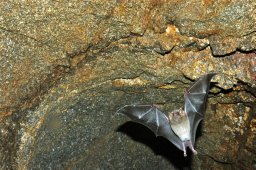 Jorge Salazar-Bravo合作论文数Museum of Southwestern Biology;University of New Mexico;Museum of Southwestern Biology, University of New Mexico3
 Alexandre R. Percequillo合作论文数Escola Super Agr Luiz de Queiroz, Univ Sao Paulo3
 Nelson Ting合作论文数3
 Luis F. Aguirre合作论文数Centro de Biodiversidad y Genetica3Steven R. Hoofer合作论文数3Luz Marina Arias合作论文数2Carolina Castro-Moreno合作论文数2




