Emotional expressions play a central role in social communication. The dominant view assumes that emotional expression is a spontaneous consequence of affect. In everyday social life, however, individuals often suppress internally generated emotions. Here, we investigated the behavioral and neural mechanisms underlying decisions about emotional expression, based on the view that emotional expression constitutes a form of decision-making involving evaluation of social context, anticipation of interpersonal consequences, and consideration of social norms. Using functional magnetic resonance imaging (fMRI), we scanned 40 participants (22 males, 18 females) while they decided whether to express or suppress their emotions in response to emotionally evocative scenarios. We found that decisions to express emotion were positively modulated by perceived valence and arousal. Valence was associated with activity in the inferior frontal cortex and middle temporal gyrus, whereas arousal was associated with activity in the fusiform and parahippocampal gyri. Moreover, decisions to withhold emotional expression were associated with increased activity in regions implicated in mentalizing and cognitive control, including the right temporoparietal junction and dorsolateral prefrontal cortex. Together, these findings suggest that emotional expression reflects a decision-making process integrating affective and contextual information within neural systems supporting social cognition and cognitive control.
Protestantism, as opposed to Catholicism, is widely seen as having contributed to the rise of Western individualism. However, little is known about potential value differences between these two branches of Christianity in contemporary Europe. In the current work, we examined patterns of value endorsement among current and former Protestants and Catholics within and between 20 European countries using data from the European Social Survey (N = 163,586). Results reveal that within a given country, Protestants are more likely to endorse self-transcendence values than Catholics are, and these findings held when controlling for religiosity, differences in socioeconomic status, and differences in religious de-identification. Surprisingly, differences between Protestants and Catholics in value endorsement were sometimes larger among less (vs. more) religious respondents and were detectable even among former Protestants and Catholics, with former Protestants resembling religious respondents more than former Catholics did. Results also reveal that some Protestant-Catholic differences are consistent across cultures, whereas others-principally on the dimension of openness to change versus conservation-are moderated by which group is the majority heritage. We discuss the possible contribution of Protestantism to Western individualism's universalistic orientation, considering the association between Protestantism and self-transcendence values. (PsycInfo Database Record (c) 2025 APA, all rights reserved).
Although individuals of Latin American heritage ( Latin Americans in short) are considered interdependent, they also value traits like uniqueness and positivity, like individuals of European American cultural heritage, who are considered independent. It remains unclear whether this inclination toward positivity extends to a bias in self-perception known as self-enhancement. Moreover, if Latin Americans are indeed self-enhancing, it is uncertain how these tendencies align with their interdependent cultural orientation. In this article, we report three studies ( N = 1,246) with three operationalizations of self-enhancement. We found that Mexicans, Colombians, and Ecuadorians show self-enhancement that is mostly similar in magnitude to European Americans. Notably, Study 3 found that self-enhancement is related to interdependence in Latin America: Unlike European Americans, Latin Americans in Ecuador exhibited stronger self-enhancement when interdependence is primed rather than independence. Our findings suggest that among Latin American individuals, self-enhancement not only exists but also reinforces interdependence.
Sub-Saharan Africa (SSA) exhibits a unique cultural dynamic, herein called self-promotive interdependence, based on the belief that group success depends on the personal achievements of its members. Within this cultural system, individual striving and within-group competition are seen not as contradictions, but as vital contributions to collective welfare. We tested this hypothesis by examining patterns of emotional expression (Total N > 6000). Study participants across several SSA countries reportedly expressed both socially disengaging (e.g., pride) and engaging positive emotions (e.g., feelings of closeness) upon success, regardless of whether it was personal or belonged to an ingroup member. This sharply contrasts with patterns found in the Middle East and North Africa, Latin America, East Asia, and the West. Together, this study offers the first multi-national evidence for self-promotive interdependence, highlighting a cultural logic in SSA where personal advancement and group cohesion are not in conflict, but fundamentally intertwined.
Background:Cardiovascular disease (CVD) remains a key cause of mortality worldwide. Prior work has found that the association between stress and cardiovascular outcomes is moderated by emotion regulation (ER) and expressive suppression (i.e., emotion inhibition), which is linked with adverse outcomes (i.e., inflammation) in Western (Americans) but not Eastern (Japanese) populations. Existing cultural differences in biological stress responses and suppression use suggest that these factors may have different implications for CV outcomes. Objective:We address this gap in the literature by examining if ER differentially moderates the relationship between stress and CVD risk between Japanese and American adults. Method:Participants were from the Midlife in Japan and Midlife in the United States studies and had complete biomarker and psychological data (Japanese: N = 315, M age = 59.22, 149 females; Americans: N = 524, M age = 51.98, 291 females). Stress was indexed using the perceived stress scale. Trait suppression and reappraisal were indexed using the Emotion Regulation Questionnaire. CVD risk was indexed using a composite score of body mass index, C-reactive protein, interleukin-6, systolic blood pressure, and high-density lipoprotein cholesterol ratio. Results:Adjusting for age, sex, education, tobacco, alcohol, and prescription medication use, linear regressions revealed robust cultural differences among those with high suppression (r = -0.10 [-0.19, -0.01]). Higher stress was linked with higher CVD risk in Americans regardless of the level of reappraisal or suppression (r's > 0.11, p's < 0.07). In contrast, among Japanese with high suppression, higher stress was associated with lower CVD risk (r = -0.09 [-0.23, 0.05]). Higher stress was associated with greater inflammation among Japanese with lower suppression (r = 0.10 [-0.07, 0.28]). Conclusions:Consistent with prior work, these findings suggest that adaptive ER moderates the association between stress and CVD risk, and that suppression may not be universally 'maladaptive.' Results emphasize the importance of considering cultural context when assessing the impact of emotion suppression on health, which may help explain differences in CVD outcomes between individuals from Eastern and Western populations.
Cultures, such as Japan, are characterized by tighter or more rigid norms than others, like the United States. However, the mechanism underlying this cultural difference remains unclear. We tested the hypothesis that individuals carrying genetic polymorphisms linked to cultural learning, particularly the 7- or 2-repeat variable number of tandem repeat variants of the dopamine D4 receptor gene, DRD4, would show heightened sensitivity to norm violations if they are from tight cultures but not in loose cultures. A total of 214 Japanese and 236 European American young adults (total N = 450) evaluated the normativity of various behaviors while their electroencephalogram (EEG) was recorded. Consistent with previous findings, norm violations elicited a robust N400 response, an electrocortical marker of expectancy violation. Critically, this N400 norm-violation effect was significantly stronger for Japanese carriers of the DRD4 alleles linked to cultural learning, but no such genetic moderation was observed among European Americans. Moreover, Japanese non-carriers showed a significantly weaker N400 response than their American counterparts. These results suggest that in a tight culture like Japan, heightened neural sensitivity to norm violations may be concentrated among individuals with genetic predispositions for enhanced reward processing, pointing to the dynamic interplay between genetic variations and cultural environments.
Purpose Uric acid (UA), the end product of purine metabolism, serves as a potent deoxidant of the brain. UA may therefore be related to psychological activities that are culturally endorsed and normatively promoted, insofar as such activities would require high levels of cortical processing, and thus, gradually expose the brain to a greater oxidation risk. We tested this analysis in Japan, a society that values interdependence of the self with others. Methods Middle-aged Japanese adults ( N = 243) were tested twice for the serum UA concentration, with five years in-between. Moreover, an assortment of measures assessing culturally sanctioned traits (those related to interdependence) and culturally non-sanctioned traits (those related to independence) were collected. Results We found that the baseline levels of interdependence predicted an increase in the UA in the next five years. In contrast, there was no such effect for independence. Moreover, the effect of interdependence on the UA increase was mediated by cognitive effort in various domains (such as work, finance, and social relations), suggesting that the culturally sanctioned traits increased cognitive effort devoted to mundane everyday activities, which in turn, predicted the UA to increase over time. Notably, baseline UA levels did not affect changes in psychological traits. Conclusion Interpreting these results in light of UA’s role as a potent antioxidant for brain tissues, we propose that higher UA levels may support metabolically demanding actions aligned with culturally sanctioned practices, particularly those associated with interdependence in the Japanese context.
Gratitude confers a sense of indebtedness to repay the benefactor, which poses a limitation on one's autonomy-an aversive experience in individualist cultures. Yet, gratitude is frequently valued and expressed in individualist cultures such as the United States. One solution to this dilemma is that gratitude has different aspects: It confers a sense of obligation but also strengthens social relations. Thus, gratitude might be associated more strongly with indebtedness in cultural contexts where autonomy is less valued, but it might be associated with a desire to be close to others in cultural contexts where autonomy is more valued. We tested how motivations for being indebted, for connecting to others, and for a hedonic emotional balance predict both gratitude to God and interpersonal gratitude in samples from the United States, India, Israel, Poland, South Korea, and Turkey (N = 2,093). Results revealed substantial cultural variation in how these correlates are associated with gratitude. We discuss how gratitude can inform cultural differences in how relationships are construed.
Abstract How does culture influence social cognition? This chapter takes stock of the progress in this research field over the past two decades. The cumulative evidence suggests the cultural environment has two significant influences. First, this environment affects the frequency or saliency of various stimuli and representations which affects the fluency of processing such stimuli and representations. Second, the environment is also organized by cultural models, including independent or interdependent selves, which influence social cognition. The chapter next turns to the issue of cultural acquisition, proposing that the mechanism of cultural acquisition is an integral part of each person’s effort to establish an individual identity. This effort involves sampling select elements of culture and weaving them into a unified profile. Individual profiles may appear random when examined cross-sectionally, however it may show longitudinal stability. The chapter concludes by pointing to some critical directions for future research.
Evidence suggests that Latin Americans display elevated levels of emotional expressivity and positivity. Here, we tested whether Latin Americans possess a unique form of interdependence called expressive interdependence, characterized by the open expression of positive emotions related to social engagement (e.g., feelings of closeness to others). In Study 1, we compared Latin Americans from Chile and Mexico with European Americans in the United States, a group known to be highly independent. Latin Americans expressed positive socially engaging emotions, particularly in response to negative events affecting others, whereas European Americans favored positive socially disengaging emotions, such as pride, especially in response to personally favorable circumstances. Study 2 replicated these findings with another group of Latin Americans from Colombia and European Americans in the United States. Study 2 also included Japanese in Japan, who expressed positive emotions less than Latin and European Americans. However, Japanese displayed a higher tendency to express negative socially engaging emotions, such as guilt and shame, compared to both groups. Our data demonstrate that emotional expression patterns align with overarching ethos of interdependence in Latin America and Japan and independence among European Americans. However, Latin Americans and Japanese exhibited different styles of interdependence. Latin Americans were expressive of positive socially engaging emotions, whereas Japanese were less expressive overall. Moreover, when Japanese expressed emotions, they emphasized negative socially engaging emotions. Implications for theories of culture and emotion are discussed. (PsycInfo Database Record (c) 2024 APA, all rights reserved).
Objective: The present study examined whether the effect of neuroticism on brain structure is moderated by behavioral adjustment.Background: Neuroticism is widely thought to be harmful to health. However, recent work using proinflammatory biomarkers showed that this effect depends on behavioral adjustment, the willingness and ability to adjust and cope with environmental contingencies, such as different opinions of others or unpredictable life situations. Here, we sought to extend this observation to "brain health" by testing total brain volume (TBV).Method: Using a community sample of 125 Americans, we examined structural magnetic resonance imaging of the brain and quantified TBV. We tested whether the effect of neuroticism on TBV was moderated by behavioral adjustment, net of intracranial volume, age, sex, educational achievement, and race.Results: Behavioral adjustment significantly moderated the effect of neuroticism on TBV, such that neuroticism was associated with lower TBV only when behavioral adjustment was low. There was no such effect when behavioral adjustment was high.Conclusion: The present findings suggest that neuroticism is not debilitating to those who constructively cope with stress. Implications are further discussed.
Abstract Coronavirus disease 2019 (COVID-19) has overwhelmed all of entire humanity. Even though a virus—a biological agent composed of DNA—causes the infectious disease, the virus’s behavior is nearly entirely contingent on human behavior. Hence, we must bring together the theories and evidence of social and behavioral sciences to understand how the virus spreads. This chapter analyzes three collective-level dynamics: (a) pluralistic ignorance (which induces complacency); (b) ego-centric motivations (which lead to depletion of collective-level resource); and (c) individualistic cultural ethos (which is related to both loose social norms and more frequent contacts with distant others). In combination, these three collective-level processes contribute powerfully to the spread of infectious diseases, including COVID-19. The chapter concludes with a discussion of evidence-based policy recommendations and a plea for basic research anchored in the urgent practical issues of society.
Japanese adults typically have healthier lipid profiles than American and European adults and a lower prevalence and later onset of atherosclerotic cardiovascular disease (ASCVD). Many Japanese also have uniquely elevated levels of high-density lipoprotein cholesterol (HDL-C). The following analysis examined the relationship between HDL-C level and HDL-C peroxide content, a bioindicator of unhealthy lipid metabolism in Japanese adults. Blood samples were collected from 463 participants, 31-84 years of age, who lived in Tokyo. A second blood sample was collected 5 years later from 241 of the participants, allowing us to evaluate the temporal stability of the inverse correlation between HDL-C level and HDL-C peroxide content. Glucoregulation and inflammatory activity were assessed because both can be associated with dyslipidemia and HDL-C dysfunction. Obesity and central adiposity were also considered. Overall, women had healthier HDL-C profiles than men. Elevated HDL-C (>90 mg/dL) was common (16.6%) and found more often in women. Higher HDL-C peroxide content was associated with older age and central adiposity and incremented further when HA1c and CRP were higher. When assessed 5 years later, lower HDL-C peroxide content continued to be evident in adults with higher HDL-C. While similar associations have been described for other populations, most Japanese adults typically had healthier levels of HDL-C with lower HDL-C peroxide content than previously reported for American adults.
Prior theory and evidence suggest that native East Asians tend to down-regulate their emotional arousal to negatively valenced experiences through expressive suppression, an emotion regulation technique focused on suppressing one's emotional experience. One proposed explanation for this choice of regulation strategy and its efficacy is rooted in their commitment to the cultural value of interdependence with others. However, prior work has not yet thoroughly supported this hypothesis using in vivo neural correlates of emotion regulation. Here, we utilized an established electroencephalogram (EEG) correlate of emotional arousal, the late positive potential (LPP), to examine whether down-regulation of the LPP in native East Asians might be particularly pronounced for those relatively high in interdependent self-construal. In this study, native Japanese participants attempted to suppress their emotional reaction to unpleasant images during EEG recording. In support of the hypothesis that emotion suppression among native East Asians is influenced by the cultural value of interdependence, there was a significant effect of interdependent self-construal on the LPP. Specifically, those relatively high in interdependent (versus independent) self-construal exhibited a smaller LPP in response to unpleasant pictures when instructed to suppress their emotions versus a passive viewing condition. However, this effect was negligible for those relatively low in interdependent self-construal, suggesting that cultural values impact the in vivo efficacy of different emotion regulation techniques. These results demonstrate the importance of identifying correspondence between self-report measures and in vivo correlates of emotion regulation in cross-cultural research.
Sub-Saharan Africa (SSA) is becoming increasingly significant in global cultural, political, and economic contexts. Despite its rich cultural diversity, we hypothesized that many SSA cultures are characterized by a unique combination of intense personal goal pursuit (self-promotion) and strong commitment to ingroup relationships (interdependence). This seemingly paradoxical combination can be reconciled if personal success contributes to collective prosperity. To test this hypothesis, we examined emotional expression patterns in four SSA countries and compared them with those in Latin America, East Asia, and the West. Our findings reveal that in SSA, success elicits not only feelings of pride—indicating the perceived attainment of self-promotion—but also feelings of connection, indicating social bonding. Notably, this pattern was observed regardless of whether the success belonged to the self or someone close, suggesting that success is perceived as group-serving and socially shared. In contrast, in all other cultural regions tested, personal success was primarily linked to pride, while a close other’s success was associated with feelings of connection. Failure experiences elicited complex patterns of emotional expression in SSA— including camaraderie, self-blame, and blaming others—patterns that were relatively unique to SSA. Altogether, our findings offer the first evidence of "self-promotive interdependence" as widely shared in SSA cultures, manifested in distinct patterns of emotional expression that reflect and reinforce the integration of personal identity within densely knit interdependent social relations. This research contributes to a deeper understanding of the unique cultural dynamics in SSA.
Research in cultural psychology over the last three decades has revealed the profound influence of culture on cognitive, emotional, and motivational processes shaping individuals into active agents. This article first appeared in the Annual Review of Psychology (2024). It first reviews four notable cultural dimensions believed to underlie cultural variations: independent versus interdependent self, individualism versus collectivism, tightness versus looseness of social norms, and relational mobility. Then it examines how ecology and geography shape human activities and give rise to organised systems of cultural practices and meanings, called eco-cultural complexes. In turn, the eco-cultural complex of each zone is instrumental in shaping a wide range of psychological processes, revealing a psychological diversity that extends beyond the scope of the current East–West literature. Finally, it explores how some of the non-Western cultural zones of today, namely Arab, East Asian, Latin American, and South Asian zones, and discusses how they may have contributed, to varying degrees, to the formation of the contemporary Western cultural zone.
 Hazel Rose Markus合作论文数Department of Psychology, Stanford University50
 Mayumi Karasawa合作论文数Woman‘s Christian University42
 Michael E. W. Varnum合作论文数Department of Psychology, Arizona State University27
 Yuri Miyamoto合作论文数Department of Psychology, University of Michigan27
 Ishii Keiko合作论文数25
 Carol Ryff合作论文数Department of Psychology, University of Wisconsin-Madison;Institute on Aging, University of Wisconsin-Madison24
 Jiyoung Park合作论文数College of Medicine, Dongguk University24
 Cristina E Salvador合作论文数Department of Psychology and Neuroscience, Trinity College of Arts & Sciences, Duke University23
 Richard Nisbett合作论文数Department of Psychology, College of Literature, Science, and the Arts, The University of Michigan;Institute for Social Research, The University of Michigan20
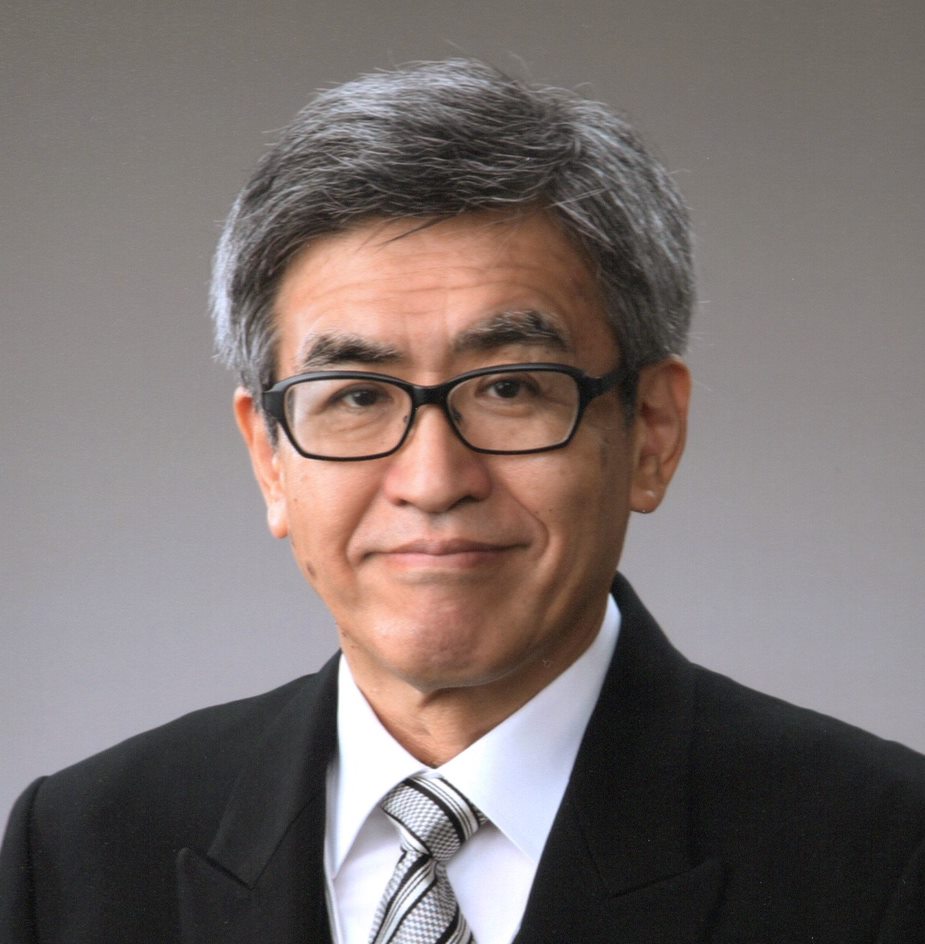 Norito Kawakami (川上憲人)合作论文数Graduate School of Medicine, The University of Tokyo19Christopher L. Coe合作论文数19
 Yukiko Uchida合作论文数Graduate School of Human and Environmental Studies, Kyoto University19Qinggang Yu合作论文数15Love Gayle D合作论文数15
 Steven Tompson合作论文数15
 Jinkyung Na合作论文数13
 Igor Grossmann合作论文数Dept Psychol, Univ Waterloo13
 Ayse K. Uskul合作论文数The Institute for Social Research, The University of Michigan13
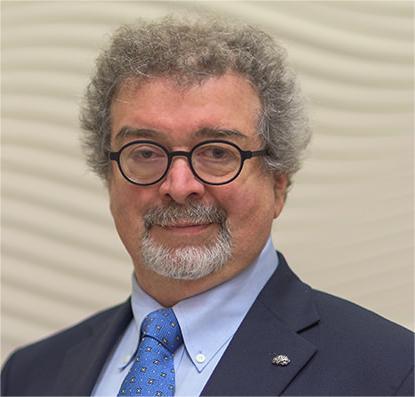 Israel Liberzon合作论文数Department of Psychological & Brain Sciences, College of Arts & Sciences, Texas A&M University12
 Carolyn Yoon合作论文数Stephen M. Ross School of Business, University of Michigan-Ann Arbor12Curhan Katherine B合作论文数12
 Anthony King合作论文数Elizabeth Weiser Caswell Diabetes Institute, Medical School, University of Michigan;Department of Psychiatry and Behavioral Health, College of Medicine, The Ohio State University11
 Martha K. Berg合作论文数Department of Psychology, University of Michigan10
 Jennifer Morozink Boylan合作论文数Department of Health & Behavioral Sciences, College of Liberal Arts and Sciences, University of Colorado Denver9
 Michele Gelfand合作论文数Department of Psychology, School of Humanities and Sciences, Stanford University;Stanford Graduate School of Business8
 Shihui Han (韩世辉)合作论文数School of Psychology and Cognitive Sciences, Peking University8
 A. Timur Sevincer合作论文数8
 Cynthia R. Levine合作论文数Department of Psychology, University of Washington8
 Alvaro San Martin合作论文数7
 Brian Kraus合作论文数Dept Psychol, Northwestern Univ7Kan Chiemi合作论文数7
 Irene Melani合作论文数Dept Psychol, Univ Michigan6
 Huff Sarah合作论文数Department of Psychology.6Aya Kamikubo合作论文数5Imada Toshie合作论文数Department of Psychology, Wesleyan University5
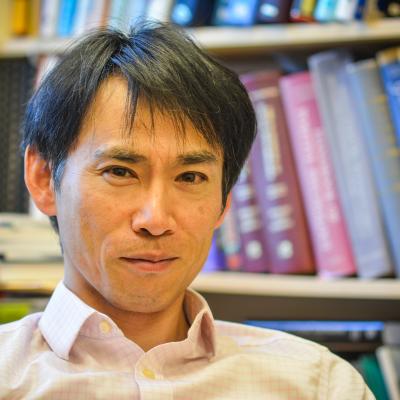 Shigehiro Oishi合作论文数Department of Psychology, University of Virginia5
 Steven Heine合作论文数Department of Psychology, Faculty of Arts, The University of British Columbia5
 Beth Morling合作论文数Union College5
 Sasha Kimel合作论文数5Sean Duffy合作论文数4Hye Kyung Park合作论文数4
 Allon Vishkin合作论文数Faculty of Data and Decision Sciences, Technion-Israel Institute of Technology4
 Krishna Savani合作论文数School of Social Sciences, College of Humanities, Arts, and Social Sciences, Nanyang Technological University4
 Jeremy T. Bruskotter合作论文数Sch Environm & Nat Resources, Ohio State Univ4
 Dov Cohen合作论文数Department of Psychology, College of Liberal Arts & Sciences, University of Illinois at Urbana-Champaign4
 Michael J. Manfredo (Michael Manfredo)合作论文数Department of Human Dimensions of Natural Resources, Warner College of Natural Resources, Colorado State University4
 Tara Teel合作论文数Human Dimensions of Natural Resources Department, Colorado State University4
 Asuka Murata合作论文数University of Michigan, Univ of Michigan4Hannah Faye Chua合作论文数University of Michigan4




