BACKGROUND: Forecasting post-stroke rehabilitation outcome is essential to personalize therapeutic strategies. Traditional approaches rely on clinical assessment scales, which, while essential, may benefit from complementary objective measures. In this direction, robot-assisted assessment offers the unprecedented possibility of precisely collecting patients’ physiological signals, enabling a data-driven approach to recovery assessments. Leveraging the use of multimodal features collected during assessment sessions performed before and after one month of robotic rehabilitation, we developed a machine learning approach to forecast the upper limb (UL) motor recovery in stroke survivors after rehabilitation. METHODS: This study evaluated a 4-week rehabilitation program, using both standard physical therapy and the ALEx robot to promote UL motor recovery in 11 subacute stroke survivors, compared to 6 healthy individuals. Kinematic measures and surface electromyography (sEMG) were collected during a 3D reaching task involving six target points. From these tasks, 76 sEMG features, 18 kinematics features and 1 multimodal feature were extracted. To forecast the UL motor recovery post intervention, a two-step machine learning approach was devised: a machine learning regression model was developed and validated to predict the Fugl-Meyer Assessment for UL (FMA-UL) post rehabilitation, whereas an anomaly detection algorithm identified patients who exhibited limited or no motor recovery post intervention. The anomaly detection approach used a fully-connected autoencoder that identified patients with reduced recovery likelihood. The regression models, optimized via a nested Leave-One-Subject-Out approach, guided feature selection and refined hyperparameters to predict FMA-UL scores post intervention. RESULTS: The optimized regression model achieved an RMSE in predicting the FMA-UL post intervention of 5.45. The autoencoder effectively identified patients with reduced recovery potential, showing a higher distribution of reconstruction errors for these individuals. CONCLUSIONS: The findings confirm that combining kinematic and sEMG data improves motor recovery assessment. The proposed machine learning approach holds potential for aiding clinicians and therapists in identifying patients who are more likely to recover UL motor functions before rehabilitation begins. By accurately predicting recovery outcomes, this method can help guide the development of personalized therapeutic strategies, optimizing treatment planning in advance.
Abstract The somatosensory system encodes peripheral inputs through a sequence of ascending neural relays spanning spinal, subcortical and cortical levels. While multivariate decoding of electroencephalography (EEG) signals has demonstrated that cortical activity contains fine-grained information about somatosensory stimuli, the extent to which earlier processing stages contribute additional, non-redundant information remains unclear. To address this gap, we investigated a dataset comprising peripheral sensory stimulation and mixed stimulation (i.e., stimulation engaging both sensory and motor fibers). We assessed whether stimulation characteristics can be decoded from spinal recordings using high-density electrospinography (ESG), and whether combining ESG with EEG enhances decoding performance. Decoding accuracy varied systematically with both stimulation type and signal modality. ESG was the most informative signal for mixed and mixed vs sensory discrimination, reaching an average accuracy of ∼98%, while EEG provided a relative advantage for purely sensory tasks, though absolute accuracy remained more modest for both modalities. Critically, combining the two modalities together consistently matched or outperformed either one, used alone, across all conditions, with gains most pronounced for mixed vs sensory discrimination. Multi-subject generalization improved progressively with training-set size, rising to ∼88% with 15 training subjects for mixed classification, suggesting that subject-independent decoding of motor intent may be achievable when models are trained on a larger number of subjects. Taken together, these results establish that spinal ESG signals carry decodable information about peripheral stimulation that is complementary to and not redundant with cortical EEG. This finding supports a multilevel framework for decoding sensorimotor processing in humans and motivates the development of dual-modality brain–machine interfaces that leverage both cortical and spinal signals to improve the control of neurostimulation and assistive devices.
Objective.Restoring intuitive and natural hand control remains a key challenge in neuroprosthetics. A promising approach is to decode continuous finger-joint angles from electromyography (EMG) signals, enabling dexterous interaction. Deep neural networks show strong potential for this task, but are often too computationally demanding for embedded deployment and are rarely validated in real-time.Approach.This study presents a unified two-phase framework for real-time decoding of 11 finger-joint angles from medium-density EMG signals. The framework integrates preprocessing selection, architecture optimization, and deployment-related constraints. A convolutional neural network (CNN) baseline and an adapted version of the dual predictive attractor-refinement strategy (DPARS) were evaluated both offline and under closed-loop real-time control, with online data further used to refine the models.Main results.DPARS achieved real-time performance comparable to CNN (= 0.750 vs 0.777), while reducing model size by 7 (227.8 KB) and forward pass latency by 120 (0.25 ms), resulting in approximately 6 lower energy usage (0.0208 Wh) in embedded execution.Significance.These findings highlight the importance of integrated system design for multi-degrees of freedom EMG decoding, where performance emerges from the interplay between preprocessing, model design, and real-time constraints, enabling efficient embedded control and more intuitive, dexterous neuroprosthetics.
A major challenge involved in human-machine interfaces is developing feedback strategies that improve control and benefit patients with motor disabilities. Here, we propose, validate, and mechanistically characterize a personalized, closed-loop strategy that delivers reinforcement feedback in real time during human-machine interface control. Across five experiments involving 106 participants and two control interfaces, fewer than 20 reinforcement trials produced immediate improvements in force control and lasting retention gains. These effects were strongest when visual and/or somatosensory feedback was limited, a finding that suggests translational relevance for tasks, technologies, and pathologies with limited sensory feedback. In chronic stroke patients, real-time reinforcement likewise improved online force control under limited visual feedback, although short training did not yield retention gains. Information-theoretic analyses further revealed that reinforcement compensates for reduced feedback control when sensory feedback is sparse and promotes motor exploitation of successful actions. Overall, these findings identify real-time reinforcement as a promising strategy for enhancing human-machine interface control.
Objective.Loss of hand function following spinal cord injury (SCI) severely impacts independence and quality of life. Restoring volitional hand control in individuals with SCI remains a critical challenge, addressed using different approaches, including physiotherapy, occupational therapy, and assistive technologies such as neuroprostheses and robotic systems. This study aimed to develop and evaluate an easy-to-setup and user-friendly electromyography (EMG) system for decoding attempted hand and finger movements in individuals with SCI.Approach.We implemented an EMG decoding system for hand opening/closing (2 classes) and single-finger flexion (3 classes) attempts, using a fast-donning 32-channel dry EMG sleeve integrated with a seamless deep learning-based decoding pipeline. Eight people with different classifications of SCI tested the system over two sessions while receiving real-time feedback through a virtual hand interface.Main results.The system achieved high online accuracy for hand open-close discrimination across all subjects (mean 92.5%), and an accuracy that was consistently above chance for single-finger flexion classification (mean 74.2%), with a greater error observed for more nuanced movements in participants with higher motor impairment. Performance plateaued quickly over time, indicating that user learning did not play a relevant role within the limited number of sessions performed.Significance.These findings demonstrate that our system allows good online decoding of different hand and finger movements in people with SCI. The approach supports pathways toward intuitive, digit-level control of neuroprostheses and robotic devices, with strong potential for clinical translation due to its quick setup and ease of use.
Conventional neural interfaces are typically manufactured by photolithographic micromachining using thermoplastic insulators and noble-metal conductors. Although effective, these approaches require costly, time-intensive infrastructure, restrict material selection, and often produce devices with substantial mechanical and interfacial mismatch relative to soft neural tissue, limiting long-term performance. Here, we introduce CASPER (CAsted and Screen-Printed polymeric ElectRodes), a cleanroom-free and low-cost benchtop strategy for the fully manual fabrication of implantable neural interfaces from biocompatible polymeric materials. By combining polymer casting with manual screen printing and reusable molds, CASPER enables rapid electrode fabrication without specialized microfabrication equipment. As a proof of concept, we developed CASPER-cuff, a fully polymeric cuff electrode tailored to the swine cervical vagus nerve, integrating PDMS insulation with metal-free PEDOT:PSS conductive hydrogel active sites. CASPER-cuff exhibited tissue-compliant mechanical properties (E < 1 MPa), together with competitive electrochemical performance (|Z|@1 kHz = 3.58 ± 1.78 kΩ; cCSC = 74.98 ± 20.27 mC cm-2), demonstrating that marked simplification of manufacturing does not compromise device function. In vivo implantation further showed stable nerve coupling and reliable stimulation and recording of evoked compound action potentials, consistent with vagal B-fiber recruitment. CASPER establishes an accessible route toward customizable, fully polymeric soft neural interfaces for bioelectronic medicine.
Restoring lower-limb function in patients with severe spinal cord injury (SCI) remains challenging. Spinal cord stimulation may enhance and reinstate lower-limb movements, but it is either used in open-loop control or its control depends upon residual motor functions, limiting its applicability in severely paralyzed individuals. The decoding of motor intentions from cortical signals may provide an interesting alternative in such cases. Electroencephalography (EEG) is an ideal solution since it is noninvasive and has been employed diffusely in the past to decode upper-limb movement intentions. Nonetheless, its application in lower-limb control remains underexplored. In this study, we investigated whether EEG can be used to decode lower-limb movement correlates in four SCI patients with varying injury severity during attempted left/right hip flexion or knee extension across four experimental sessions. We performed statistical analysis of event-related desynchronization/synchronization and machine learning classification to evaluate single and multi-window decoding performance. Our results suggest that EEG signals can often differentiate lower-limb movement attempts from rest, whereas decoding of left vs right and hip vs knee movements was more elusive. Left vs right decoding accuracy was improved through multi-window decoding, showing multiple sessions with above-chance results. In one patient, it was possible to attain above-chance three-class decoding (left/right/rest). Discriminating hip and knee movements proved more challenging. These findings establish a baseline for EEG decoding of lower-limb motor attempts in severely paralyzed individuals and pave the way for the development of brain-controlled neuroprosthetic systems.
Electroencephalography (EEG) has shown promise in assessing and monitoring functional recovery in stroke survivors, but its utility in predicting upper limb motor recovery in a data-driven framework remains underexplored. This study presents a novel EEG-based machine-learning model, StrokeRecovNet, developed to predict motor recovery outcomes based on the upper extremity subscale of the Fugl-Meyer Assessment (FMAUE). StrokeRecovNet is a feed-forward neural network optimized for regression tasks, leveraging 221 candidate EEG biomarkers, spanning spectral and functional connectivity domains, along with baseline clinical information. These inputs are used to predict follow-up FMAUE scores in stroke survivors who underwent standard rehabilitative protocols. We validated our pipeline on two independent datasets of patients in the acute and subacute post-stroke phases. StrokeRecovNet consistently outperformed the proportional recovery rule (PRR), a standard benchmark based on initial impairment, in predicting FMAUE scores in the subacute stage (median absolute error, MAE: StrokeRecovNet = 5.85, PRR = 19.00). Incorporating support data from the subacute dataset led to improved predictive performance in the acute sample (MAE: StrokeRecovNet = 5.87, PRR = 8.80), whereas the model trained solely on the acute data did not (MAE: 13.74). Key features contributing to the model's success included brain symmetry indices and functional connectivity measures, evolving across recovery stages. These findings demonstrate the potential of EEG-based biomarkers to predict individual recovery trajectories. This work introduces a novel, data-driven approach to forecasting upper limb recovery using EEG and suggests that EEG data from the subacute stage, which is more readily available in clinical settings, can enhance early predictions, paving the way for personalized post-stroke rehabilitation strategies.
Spinal cord injury (SCI) severely impairs motor function and quality of life. Transcutaneous spinal cord stimulation (tSCS) has emerged as a promising non-invasive neuromodulation technique to restore voluntary motor function by engaging spinal circuits below the lesion. While standard tonic tSCS with a single electrode at T11-T12 offers limited gait-specific selectivity, recent studies show that multi-electrode configurations can recruit better proximal and distal muscles on the ipsilateral side. However, clinical translation of such approaches is still limited due to individual variability and the need for time-consuming calibration procedures that rely on manual electrode placement and offline analysis. We aim to enhance the selectivity of tSCS in multi-electrode configurations and to implement online spinal reflex detection and automated algorithms for personalizing stimulation parameters, enabling selective activation of target muscle groups. We propose an automated protocol with online spinal reflex detection and muscle response analysis and developed two algorithms based on near-instantaneously generated online data to determine the optimal electrode position and stimulation amplitude to maximize the selective recruitment of target muscle groups. The approach was tested in 14 healthy participants in the supine position using two distinct multi-electrode configurations: midline configuration employs three electrodes aligned rostrocaudally along the spinal midline to target proximal, distal, and all lower limb muscle groups and bilateral configuration employs six electrodes, with three electrodes positioned rostrocaudally and symmetrically on each side of the spinal midline to target six muscle groups (rostrocaudal and ipsilateral). Both setups integrated an automated posterior root-muscle reflex protocol with online spinal reflex detection. Electromyography (EMG) data recorded during stimulation were processed by two independent algorithms: (1) the ranking-based approach (RBA), which applies rule-based hierarchical criteria to rank electrodes based on spinal reflex responses, and (2) selectivity-driven approach (SDA), which computes a selectivity index to quantitatively assess muscle activity. For each target muscle group, the output of the algorithms is the selection of the optimal electrode and stimulation amplitude that achieves the most selective recruitment. We found that both developed approaches contribute to enhancing the rostrocaudal and ipsilateral selectivity in multi-electrode tSCS. We suggest that SDA is more suitable for selectively recruiting target muscle groups, as it quantifies selectivity based on graded EMG responses, while the RBA is well-suited for rapid, generalized applications, such as the conventional single-electrode tSCS to maximize overall muscle activation. Furthermore, our results challenge common assumptions about tSCS selectivity, including rostrocaudal recruitment of proximal/distal muscles and ipsilateral activation. Indeed, in the midline configuration, 9/13 participants showed greater recruitment with the T11-T12 electrode; when in the bilateral configuration, 5/11 had stronger contralateral leg activation in at least one of the electrodes, possibly due to anatomical variability of the spinal cord. These deviations highlight the value of online spinal reflex detection and automated algorithms for optimizing single- and multi-electrode tSCS, reducing reliance on manual electrode placement and accounting for inter-subject variability, thereby enabling more targeted neuromodulation and personalized gait rehabilitation for SCI and other neurological conditions.
Hand impairment following neurological disorders substantially limits independence in activities of daily living, motivating the development of effective assistive and rehabilitation strategies. Soft robotic gloves have attracted growing interest in this context, yet persistent challenges in customization, ergonomic fit, and user comfort constrain their clinical utility. Here, we present an ergonomic, customizable fabric-based soft robotic glove whose actuators can be tailored to individual finger-joint geometry. The glove comprises five dual-action actuators supporting finger flexion and extension, together with a dedicated thumb abduction actuator. Leveraging computer numerical control heat sealing technology, we fabricated symmetrical-chamber actuators that adopt a concave outer surface upon inflation, thereby increasing finger contact area and improving comfort. Characterization confirmed joint moment and grasping force sufficient for ADL-relevant tasks. In ten healthy subjects, active assistance significantly reduced forearm muscle activity during manipulation, and a pilot study in three individuals with cervical spinal cord injury showed more natural grasp patterns and reduced reliance on tenodesis grasp.
The brain coordinates multiple parallel motor programs, ensuring synergy and preventing interference during movements. Yet, performance often degrades when brain-machine interfaces are used during concurrent tasks or ongoing movements. We suggest that latent neural representations may represent a strategy to solve this issue. In this study, we addressed this question using neural signals from a tetraplegic individual with partial residual motor function, implanted with a wireless epidural electrocorticography (ECoG) device. By adapting dimensionality reduction techniques, we found that motor execution and motor imagery span partially overlapping subspaces in mesoscale neural signals, shaped by specific frequency band contributions. Despite substantial shared variance, we show that identifying orthogonal, condition-specific dimensions enables successful decoding of executed and imagined movements, even when performed simultaneously. These findings show that ECoG signals can expose separable neural subspaces, allowing executed and imagined actions to be harnessed independently and in concert. This opens a promising avenue to develop brain-machine interfaces that can simultaneously control multiple external devices or operate alongside natural movements.
The loss of hand function is one of the most devastating impairments for individuals with paralysis. While current neurotechnologies can partially restore prehensile control, they fall short of enabling independent finger movements — an essential requirement for full hand dexterity. Achieving this level of precision demands highly selective activation of individual muscles or muscle groups. In this first-in-human study, we explored a novel approach in an individual with chronic tetraplegia. Our method combined targeted surgery to isolate functionally relevant branches of the median and radial nerves with custom intrafascicular electrodes to interface with them. By precisely stimulating motor fibers within these nerves, we successfully restored independent movement in four fingers, including the thumb. The combination of these movements allowed the recreation of the lateral, hook, and palmar grasps with smoothly modulated forces. Furthermore, the participant regained the ability to perform functional tasks, such as pouring water from a bottle. These findings hold significant promise for individuals with hand paralysis, paving the way for neurotechnologies that can bypass spinal cord injuries and restore fine motor control.
Goal: The experimental study of the stumble phenomena is essential to develop novel technological solutions to limit harmful effects in at-risk populations. A versatile platform to deliver realistic and unanticipated tripping perturbations, controllable in their strength and timing, would be beneficial for this field of study. Methods: We built a modular tripping-eliciting system based on multiple compliant trip blocks that deliver unanticipated tripping perturbations. The system was validated with a study with 9 healthy subjects. Results: The system delivered 33 out of 34 perturbations (a minimum of 3 per subject) during the desired gait phase, and 31 effectively induced a tripping event. The recovery strategies adopted after the perturbations were qualitatively consistent with the literature. The analysis of the inertial motion unit signals and the questionnaires suggests a limited adaptation to the perturbation throughout experiments. Conclusions: The platform succeeded in providing realistic trip perturbations, concurrently limiting subjects' adaptation. The presence of multiple compliant obstacles, tunable regarding position and perturbation strength, represents a novelty in the field, allowing the study of stumbling phenomena caused by obstacles with different levels of sturdiness. The overall system is modular and can be easily adapted for different applications
Recent research demonstrates that naïve users can be trained to perform complex motor tasks, including trimanual activities, using an extra robotic arm (XRA). While previous studies show task‐specific improvements with XRAs, it remains uncertain whether skills acquired in one task generalize to others with differing cognitive and motor demands. This study investigates whether multitasking training enhances performance on untrained tasks involving XRA. The training combined biological functions (button pressing, slider movement, and speech) with XRA control via voluntary diaphragmatic modulation. Untrained tasks include trimanual block manipulation and concurrent block manipulation with keyboard typing. We compared performance in the untrained tasks between a group that only perform those tasks and one that completes the training beforehand. Training significantly improves performance in the trimanual block manipulation task ( t = 3.45, p = 0.001). Additionally, users’ performance in this task is significantly higher than when they used only their biological limbs, demonstrating true functional augmentation ( t = 2.70, p = 0.021). However, no differences are observed between groups in the concurrent block manipulation and typing task ( t = 163.50, p = 0.880). These findings highlight the need to explore adaptive training protocols enhancing XRA‐biological limb coordination for improved skill transfer across diverse multitasking environments.
The use of self-paced omnidirectional treadmills equipped with body weight support and virtual reality environments in the clinical practice may allow the training of walking in safe and repeatable conditions across different pathologies. One premise for this to be true is that the conditions of overground and treadmill walking may be similar, so that the latter can be used as an early training to develop the former. Here, we study the equivalence in the spatio-temporal parameters of gait between walking overground and on the Moonwalker, an omnidirectional treadmill equipped with body weight support and virtual reality. Additionally, we show that such gait parameters could be used to distinguish between healthy and parkinsonian patients with similar accuracies for the overground and treadmill condition. Overall, this work contributes to justify the introduction of self-paced omnidirectional treadmill in the clinical and rehabilitative practice.
Restoring natural sensation via neuroprosthetics relies on the possibility of encoding complex and nuanced information. For example, an ideal brain-machine interface with sensory feedback would provide the user with sensation about movement, pressure, curvature, texture, etc. Despite advances in neural interfaces that allow for complex stimulation patterns (e.g., multisite stimulation or the possibility of targeting a precise neural ensemble), a key question remains: How can we best exploit the potential of these technologies? The increasing number of electrodes coupled with more parameters being explored leads to an exponential increase in the number of possible combinations, making a brute-force approach, such as systematic search, impractical. This Perspective outlines three different optimization frameworks-namely, the explicit, physiological, and self-optimized methods-allowing one to potentially converge faster toward effective parameters. Although our focus will be on the somatosensory system, these frameworks are flexible and applicable to various sensory systems (e.g., vision) and stimulator types.
Unmyelinated fibers account for a remarkable fraction of the peripheral nervous system and their activity is linked to many autonomic and somatic functions. While electrical recording of such activity from human-sized peripheral nerves holds significant potential for neuroengineering applications, it has been shown only in acute settings via microneurography. This leaves unclear whether current implantable electrodes could achieve the same outcome. To address this matter, we simulated recordings from the human vagus nerve through a transverse intrafascicular multichannel electrode (TIME), a microneurographic (μNG) needle, and a commercial cuff electrode. Recording signals were studied fiber-wise across relevant electrode insertions, revealing that the possibility of recording unmyelinated activity is shared by the TIME but unlikely by the cuff. These results suggest that no physical limitations of implantable electrodes underlie the missing evidence of recordings from unmyelinated fibers, and draw attention to experimental design choices that may have concealed this capability thus far.
The auricular muscle (AM) is a promising yet understudied candidate for human–machine interfaces (HMIs) with the potential to improve motor functions and expand user capabilities. This study investigates the potential of AM-based control for motor augmentation. We conducted an in-depth neural and behavioral assessment to evaluate the feasibility and effectiveness of AM-based control. Over ten sessions, eight participants engaged in biofeedback and cursor control tasks designed to refine AM contractions and enhance independent muscle control. Our structured training protocol, which divided tasks into simpler subcomponents, facilitated de novo motor learning by combining real-time biofeedback with progressive control tasks. Participants achieved success rates of 86.67 ± 10.00% in coordination tasks and developed effective cursor control strategies while managing concurrent cognitive demands, reflecting their ability to handle increased cognitive loads without compromising performance. Corticomuscular coherence (CMC) analyses indicated a progressive increase in connectivity between the primary motor cortex and the AM, accompanied by a reduction in motor preparation correlates as evidenced by the beta rhythm’s event-related desynchronization (ERD). These findings on CMC and beta ERD support a functional adaptation of the AM for HMI use, demonstrating the potential of AM-based HMIs to augment motor capabilities and provide a new approach to human–machine interfacing.
 Paolo Dario合作论文数BioRobotics Institute, Scuola Superiore Sant’Anna73
 Jacopo Carpaneto合作论文数Advanced Robotics Technology and Systems Lab., Scuola Superiore Sant’Anna, Pisa, Italy64
 Stanisa Raspopovic合作论文数Department of Health Sciences and Technology, Eidgenossische Technische Hochschule Zurich53
 Vito Monaco合作论文数ARTS and EZ Labs, Scuola Superiore Sant’Anna48
 Alberto Mazzoni合作论文数Institute for Scientific Interchange47
 Fiorenzo Artoni合作论文数Functional Brain Mapping Lab, University of Geneva41
 Thomas Stieglitz合作论文数Department of Microsystems Engineering, University of Freiburg38
 Xavier Navarro Acebes合作论文数Departament de Biologia Cel·lular, de Fisiologia i d'Immunologia, Universitat Autònoma de Barcelona37
 Alessandro Panarese合作论文数Istituto di Biofisica CNR, Sezione di Pisa36
 Grégoire Courtine合作论文数Interschool Institute Neuro-X, School of Life Sciences, Ecole Polytechnique Fédérale de Lausanne;ONWARD;Centre Hospitalier Universitaire Vaudois33
 Martina Coscia合作论文数32
 Solaiman Shokur合作论文数Logic Systems Laboratory, Lausanne Swiss Federal Institute of Technology31
 Francesco Maria Petrini合作论文数SensArs Neuroprosthetics Sarl30
 Marco Capogrosso合作论文数29
 Ivo Strauss合作论文数Sant'Anna School of Advanced Studies28
 Maria Chiara Carrozza合作论文数Scuola Superiore Sant’Anna, Pisa27Giuseppe Granata合作论文数26
 Pirondini Elvira合作论文数26
 Eugenio Guglielmelli合作论文数Campus Bio-Medico University26Simone Romeni合作论文数EPFL25
 Giacomo Valle合作论文数Scuola Super Sant Anna, BioRobot Inst, Pisa, Italy25
 Paolo Maria Rossini合作论文数Dipartimento di Neuroscienze e Neuroriabilitazione, IRCCS San Raffaele;Centro Alzheimer e Disturbi Cognitivi, IRCCS San Raffaele24
 Matteo Caleo合作论文数Department of Biomedical Sciences, University of Padua24
 Jack Digiovanna合作论文数Department of Biomedical Engineering, University of Florida24
 Rossini Paolo Maria合作论文数Medicine of the Catholic University22
 Peppino Tropea合作论文数The BioRobotics Institute, Scuola Superiore Sant'Anna20
 Jacopo Rigosa合作论文数Advanced Robotics Technology and Systems Lab., Scuola Superiore Sant’Anna20
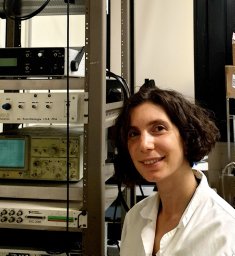 Spalletti Cristina合作论文数Neuroscience Institute, Scuola Superiore Sant'Anna19
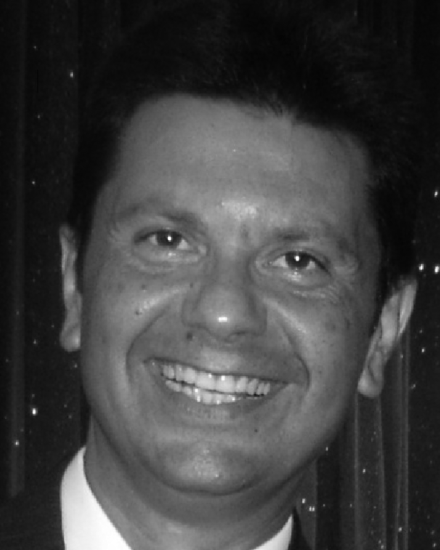 Carmelo Chisari合作论文数18Aprigliano Federica合作论文数18
 Arianna Menciassi合作论文数BioRobotics Institute, Sant'Anna Scuola Universitaria Superiore Pisa18
 Pier Nicola Sergi合作论文数CRIM and IIT Labs, Scuola Superiore Sant’Anna18
 Ken Yoshida合作论文数Department of Biomedical Engineering, Indiana University-Purdue University17
 Ciro Zinno合作论文数16
 Annarita Cutrone合作论文数16
 Claudia Alia合作论文数Neuroscience Institute, Italy Scuola Normale Superiore16
 Winnie Jensen合作论文数Center for Neuroplasticity and Pain, Department of Health Science and Technology, The Faculty of Medicine, Aalborg University16
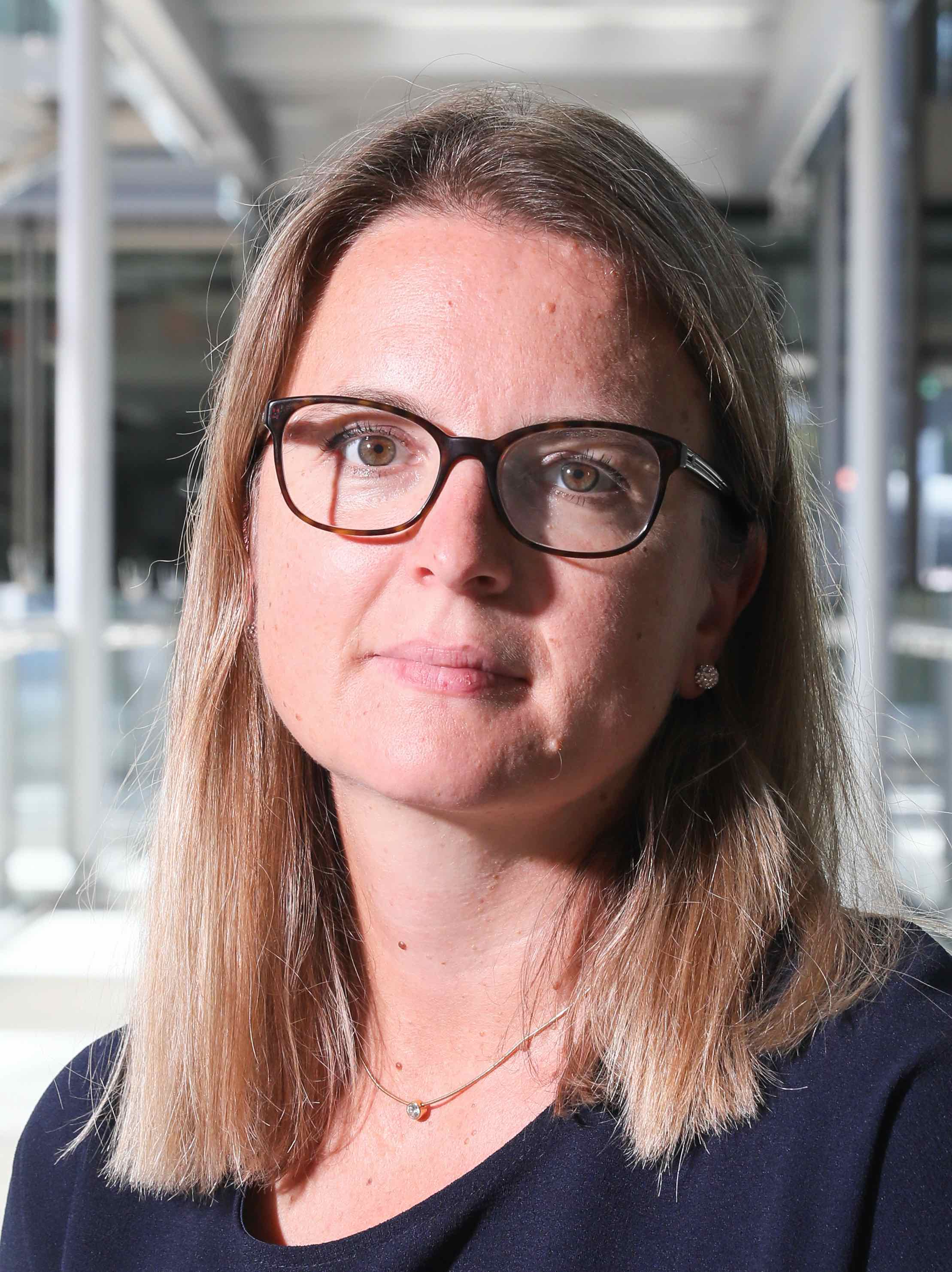 Stéphanie Lacour合作论文数Bertarelli Foundation, School of Engineering, Ecole Polytechnique Federale de Lausanne;Laboratory for Soft Bioelectronic Interfaces, Ecole Polytechnique Federale de Lausanne;Center for Neuroprosthetics, Ecole Polytechnique Federale de Lausanne;Neuro-X institute, Ecole Polytechnique Federale de Lausanne16
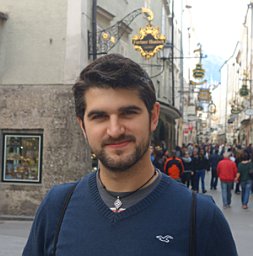 Eduardo Martin Moraud合作论文数Center for Neuroprosthetics and Institute of Bioengineering, EPFL16
 Nawal Kinany合作论文数Inst Bioengn, Ecole Polytech Fed Lausanne15Francesco Iberite合作论文数Department of Excellence in Robotics & A.I, Scuola Superiore Sant'Anna15
 Calogero Maria Oddo合作论文数BioRobotics Institute, Scuola Superiore Sant'Anna15
 Anna Letizia Allegra Mascaro合作论文数15
 Andrea Crema合作论文数Automatic Control Laboratory, Swiss Federal Institute of Technology15
 Francesco Saverio Pavone合作论文数Department of Physics, University of Florence;European Laboratory for Non-Linear Spectroscopy, University of Florence;Laboratory for Advanced Biological Sensing, Department of Physics and Astronomy, University of Florence;Museo Galileo15
 Dario Martelli合作论文数Department of Physics;Theory Division, CERN;Department of Physics, CERN15
 Emilia Conti合作论文数European Laboratory for Non-linear Spectroscopy, University of Florence, Via Nello Carrara 1, 50019 Sesto Fiorentino, Italy14
 Maria Pasquini合作论文数14




