Protecting the intellectual property of large language models (LLMs) is a critical challenge due to the proliferation of unauthorized derivative models. We introduce a novel fingerprinting framework that leverages the behavioral patterns induced by safety alignment, applying the concept of refusal vectors for LLM provenance tracking. These vectors, extracted from directional patterns in a model's internal representations when processing harmful versus harmless prompts, serve as robust behavioral fingerprints. Our contribution lies in developing a fingerprinting system around this concept and conducting extensive validation of its effectiveness for IP protection. We demonstrate that these behavioral fingerprints are highly robust against common modifications, including finetunes, merges, and quantization. Our experiments show that the fingerprint is unique to each model family, with low cosine similarity between independently trained models. In a large-scale identification task across 76 offspring models, our method achieves 100% accuracy in identifying the correct base model family. Furthermore, we analyze the fingerprint's behavior under alignment-breaking attacks, finding that while performance degrades significantly, detectable traces remain. Finally, we propose a theoretical framework to transform this private fingerprint into a publicly verifiable, privacy-preserving artifact using locality-sensitive hashing and zero-knowledge proofs.
Knee osteoarthritis is a widespread chronic condition that significantly affects quality of life, yet selecting effective over-the-counter (OTC) medications and exercise modalities remains largely a trial-and-error process due to substantial inter-patient variability. Existing machine learning studies have primarily focused on disease diagnosis and progression prediction, while personalized conservative treatment recommendation has received limited attention, particularly under highly imbalanced long-tail treatment distributions. In this study, we analyzed clinical and demographic data from 1,687 patients and developed a machine learning framework for personalized recommendation of OTC medications and exercise modalities. To address the severe class imbalance across 36 OTC categories and 53 exercise modalities, we systematically investigated class reweighting, SMOTE, and missing-label utilization strategies, and compared six representative machine learning and deep learning models, including Logistic Regression, Random Forest, Focal Loss Neural Network, LightGBM, TabNet, and Sentence-BERT. Experimental results show that LightGBM combined with SMOTE consistently achieved the best overall performance, reaching 47.3% accuracy for OTC recommendation and 62.7% for exercise recommendation while substantially improving balanced accuracy and Macro-F1 for minority classes. Additional experiments demonstrate that advanced deep learning models do not outperform LightGBM on this moderate-sized structured clinical dataset. These findings demonstrate the potential of machine learning to provide practical decision support for personalized conservative treatment recommendations and reduce reliance on trial-and-error approaches in knee pain management.
Despite the rapid progress in large language models (LLMs), even sub-billion-scale systems perform at chance level on challenging natural language inference (NLI) benchmarks such as Adversarial Natural Language Inference (ANLI), while training larger models is often impractical due to limited computational resources. We address this parameter-efficiency bottleneck in NLI with a Complex-Vector Token Representation that explicitly decouples each token from its context, and a Token-Context Attention mechanism that updates each token based on the most informative contextual semantics. On ANLI, a 0.8B-parameter Token-Context Attention model achieves higher parameter efficiency (accuracy per parameter) than all 1B and comparable 0.8B self-attention baselines; it also suffers smaller performance degradation under Fast Gradient Sign Method (FGSM) and Projected Gradient Descent (PGD) attacks and achieves the largest few-shot gains on SNLI and MNLI while exhibiting no significant degradation in ANLI accuracy after adaptation. These results suggest that explicitly disentangling token and context offers a viable alternative to standard self-attention for NLI tasks.
Deep Reinforcement Learning (DRL) has garnered significant attention as a promising approach for developing intelligent and adaptive recommender systems. This paradigm is especially well-suited for recommendation scenarios characterized by dynamic user environments, temporally delayed feedback signals, and continuously shifting user preferences. However, deploying DRL within recommendation scenarios introduces a range of intricate challenges. These include the design of meaningful and task-aligned reward functions, effective navigation of vast and complex action spaces, and the need to maintain sample efficiency in data-sparse environments. Ensuring robust and stable training dynamics adds further difficulty. This special issue brings together a diverse collection of cutting-edge research that addresses these pressing challenges, showcasing advances that move the field toward more adaptive, robust, and personalized recommendation systems grounded in reinforcement learning.
Clinical prediction increasingly relies on multi-modal inputs, where reliability and efficiency are crucial for real-world deployment. However, mainstream fusion and MoE gating typically treat all available modalities as uniformly beneficial and allow noisy or weakly informative modalities to perturb routing, leading to instability, routing collapse, and miscalibrated confidence under missingness and shift. We propose QA-MoE, a Quality-Aware and stable multimodal Mixture-of-Experts that decouples reliability estimation from routing to enable robust, sparse, and interpretable fusion. QA-MoE adopts a modular architecture where each modality is initially encoded into a shared embedding space. To deal with structurally missing data, we employ a completion pathway that maintains a consistent interface. Unlike standard approaches, QA-MoE separates reliability estimation from the routing process. We propose an Evidential Quality Scorer to measure epistemic uncertainty, which then guides a Stability-Enhanced Subset Selector to filter out noisy modalities on the fly. Additionally, we include a Ternary Expert Aggregation mechanism acting as a specialized branch to stabilize predictions when data missingness is severe. Evaluations on clinical benchmarks (ADNI for Alzheimer’s staging and MIMIC-IV for Length-of-Stay) demonstrate that QA-MoE outperforms strong multimodal baselines, improving reliability while cutting down unnecessary computation. This indicates that QA-MoE offers a robust solution for multimodal decision support, especially in clinical settings prone to noise and missing data.
Controlling stylistic attributes in large language models (LLMs) remains challenging, with existing approaches relying on either prompt engineering or post-training alignment. This paper investigates this challenge through the lens of representation engineering, testing the hypothesis that distinct stylistic attributes - from emotional tone to linguistic structure - are encoded as linear directions in the model's activation space. We provide strong empirical evidence for this hypothesis across a wide range of styles and, based on this finding, present a lightweight, training-free method for precise style control. Our approach supports linear style composition, enhances safety by ablating undesirable behaviors, and, as confirmed by experiments on over a dozen models, achieves high style adherence while preserving core capabilities at minimal computational cost.
We propose a Cognitive Load Theory (CLT)-informed attention mechanism for transformer-based text classification. The proposed attention mechanism computes a per-token cognitive-load signal—derived from attention entropy, margin-based classification uncertainty, and optional inverse document frequency—and maps this signal to a learnable attention “budget” that scales outgoing attention mass during decoding. Unlike architectural efficiency techniques such as Multi-Query or Grouped-Query Attention, the CLT mechanism requires no structural modifications and introduces only modest per-step computational overhead while preserving full compatibility with standard transformer architectures. Experiments across four datasets (IMDB, AG News, SST-2, and DBpedia) show that CLT-informed attention achieves accuracy comparable to or exceeding a fixed-budget baseline while delivering consistently lower test loss, faster convergence to the best validation checkpoint, reduced attention entropy, and strong alignment between cognitive load and attention mass. Among all variants, an entropy-only load signal yields the most stable and consistent performance across datasets. These results demonstrate that lightweight, cognitively motivated constraints can structure transformer attention while maintaining or improving downstream classification performance.
Inductive knowledge graph completion (KGC) aims to represent unseen entities and complete triplets in emerging knowledge graphs (KGs), while the existing studies ignore that unseen elements combined with seen ones constitute a holistic new relational graph, where emerging KGs have inescapable impacts backtracking to original ones. Therefore, it is not only necessary to predict triplets in emerging KGs, but also with particular significance to further improve the completeness of original ones, considering the semantic and topological variations in the holistic new graph. To fill in this gap, we formulate a new IT (Inductive-Transductive) KGC task to transductively complete triplets inside original KGs after entities in the emerging scenario are represented and fine-tuned in an inductive manner. In order to handle this task, a novel model entitled StaR (Self-adaptive Retroaction-aware Representation) is proposed consisting of the following two modules: 1) a self-adaptive semantic encoding network is designed to adaptively adjust embeddings of seen entities to their surrounding semantic mutations; 2) a relation-aware transformer layer is developed to represent both seen and unseen entities in a unified representation space and generalize evolving reasoning paradigms to the whole graph. Our experimental results demonstrate that, compared with state-of-the-art methods, StaR is not only competitive in inductive KGC for unseen entities, but also ulteriorly improves the completeness of original parts inside the holistic new relational graph in our IT KGC task.
With the rapid advancement of AI, multi-modal tasks have become key components in enhancing machine intelligence. We can observe their presence in everyday technology. A prominent example is Visual Question Answering (VQA), where users interact with AI systems to receive contextual responses based on visual input. Applications such as real-time translation, image captioning, and information retrieval through smartphone cameras highlight the growing impact of multi-modal AI in our daily lives. While these innovations make AI indispensable for modern problem-solving, their implementation often requires significant computational resources. To address this, model compression techniques such as Knowledge Distillation (KD) have been highly effective. KD aims to improve the performance of compact models by transferring knowledge from larger, more cumbersome models. However, traditional KD methods typically transfer only the probability distribution of the final layer, which may not capture the full complexity of the knowledge in tasks like VQA. In this paper, we propose a novel approach where, instead of transferring probabilities, we use object embeddings as the source of rich knowledge. These embeddings, learned from a high-performing teacher model, provide a deeper level of knowledge transfer. This rich presentation enables the compact model to better understand visual and contextual relationships, ultimately improving its performance on complex VQA tasks.
As the scale of data grows for machine learning, annotating data accurately is extremely time-consuming and with high economic costs. To alleviate this dilemma, crowdsourcing has been widely used for data collection and annotation. Learning from crowds gradually becomes a popular machine learning paradigm, where learning models are trained with datasets labeled by different crowd workers. Therefore, it inevitably introduces label noise, which seriously degrades the performance of models. Previous research reveals that modeling the process of generating crowdsourced labels is a powerful tool to solve label noise. However, the sparsity of crowdsourced labels in practice hinders the effectiveness of modeling the capabilities of workers. To address this issue, this paper proposes a novel Multi-Feature Dynamic Fusion Annotation Generation Network (MFDFAGen-Net). The proposed model can dynamically rectify the learning process by using the correlation between noise transition and instance dependency, which enables the learned worker-capability and instance-rectification confusion matrices to optimize with each other. In addition, two confusion matrices are fused with both worker and instance features to enhance the expression of the capability of workers. Theoretical analysis indicates that MFDFAGen-Net can better learn the reliability and bias of instances and workers, providing more fine-grained knowledge. Extensive experimental results on a variety of synthetic and real-world datasets consistently also show that the proposed MFDFAGen-Net significantly outperforms many state-of-the-art methods.
Reentrancy vulnerabilities in smart contracts have been exploited to steal enormous amounts of money, thus detecting reentrancy vulnerabilities is a hotspot issue in security research. However, a new attack is emerging in which attackers continuously release new reentrancy patterns to exploit fresh vulnerabilities and obfuscate existing ones. Existing detection methods neglect the time-series evolution of vulnerabilities across different smart contract versions, leading to a gradual decline in their effectiveness over time. We investigate the time-series correlations among vulnerabilities in various versions and refer to these as Evolutionary Reentrancy Vulnerabilities (ERVs). We summarize that ERVs detection faces two key challenges: (i) capturing the evolving pattern of ERVs along a complete evolutionary chain and (ii) detecting fresh reentrancy vulnerabilities in new versions. To address these challenges, we propose CLEP, a novel Contrastive Learning with Evolving Pairs detection method. It can effectively capture the evolving patterns by discerning similarities and differences across versions. Specifically, we first modified the sample distribution by incorporating version declarations as time-series evolution information. Then, leveraging the hierarchical similarity, we design an evolving pairs scheme to form negative and positive contract pairs across versions. Finally, we build a complete evolutionary chain by proposing a version-aware contrastive sampler. Our experimental results show that CLEP not only outperforms state-of-the-art baselines in version-specific scenarios but also shows promising performance in cross-version evolution scenarios.
Image segmentation is one of the key factors in diagnosing glioma patients with brain tumors. It helps doctors identify the types of tumor that a patient is carrying and will lead to a prognosis that will help save the lives of patients. The analysis of medical images is a specialized domain in computer vision and image processing. This process extracts meaningful information from medical images that helps in treatment planning and monitoring the condition of patients. Deep learning models like CNN have shown promising results in image segmentation by identifying complex patterns in the image data. These methods have also shown great results in tumor segmentation and the identification of anomalies, which assist health care professionals in treatment planning. Despite advancements made in the domain of deep learning for medical image segmentation, the precise segmentation of tumors remains challenging because of the complex structures of tumors across patients. Existing models, such as traditional U-Net- and SAM-based architectures, either lack efficiency in handling class-specific segmentation or require extensive computational resources. This study aims to bridge this gap by proposing Segment Anything Model 2-UNetwork, a hybrid model that leverages the strengths of both architectures to improve segmentation accuracy and consumes less computational resources by maintaining efficiency. The proposed model possesses the ability to perform explicitly well on scarce data, and we trained this model on the Brain Tumor Segmentation Challenge 2020 (BraTS) dataset. This architecture is inspired by U-Networks that are based on the encoder and decoder architecture. The Hiera pre-trained model is set as a backbone to this architecture to capture multi-scale features. Adapters are embedded into the encoder to achieve parameter-efficient fine-tuning. The dataset contains four channels of MRI scans of 369 glioma patients as T1, T1ce, T2, and T2-flair and a segmentation mask for each patient consisting of non-tumor (NT), necrotic and non-enhancing tumor (NCR/NET), and peritumoral edema or GD-enhancing tumor (ET) as the ground-truth value. These experiments yielded good segmentation performance and achieved balanced performance based on the metrics discussed next in this paragraph for each tumor region. Our experiments yielded the following results with minimal hardware resources, i.e., 16 GB RAM with 30 epochs: a mean Dice score (mDice) of 0.771, a mean Intersection over Union (mIoU) of 0.569, an Sα score of 0.692, a weighted F-beta score (Fβw) of 0.267, a F-beta score (Fβ) of 0.261, an Eϕ score of 0.857, and a Mean Absolute Error (MAE) of 0.04 on the BraTS 2020 dataset.
Quantum machine learning as a field has emerged rather quickly thanks to developments in quantum computing. Of these developments, the one of primary interest is the Quantum Generative Adversarial Network or QGAN which is an enhancement of the familiar GAN to use quantum computation necessary for producing synthetic images. To sum up, based on different types of experiments, QGANs outperformed classical GANs, especially in cases with images such as MNIST and Fashion MNIST datasets. Nevertheless, their capabilities are not fully comprehensible due to existing constraints in quantum systems technology, especially in the NISQ era. In this regard, the current study undertakes a proposed research direction that focuses on improving the resolution of grayscale images that have been produced from the “optdigits” dataset, which contains handwritten digit images. Our work then contrasts this with prior work in terms of FID scores, loss function values, runtime, and the resolution of the images. Further, we extend the work by carrying out the proposed methodology on the FMNIST dataset and provide results to corroborate the efficacy of the proposed technique, besides enabling comparison on the same platform with prior works.
Crowdsourcing platforms have transformed data collection and problem-solving by leveraging the diverse skills of a global workforce. However, collusion among workers, ranging from duplicate submissions to sophisticated spam networks, poses significant challenges to the reliability and integrity of crowdsourced data. This paper reviews various methods proposed for detecting collusion among workers in crowdsourcing environments, covering approaches from early similarity-based techniques to recent adaptive, graph-based, and statistical and machine learning models. We examine the underlying theories, strengths, limitations, and performance of these methods as evaluated on both real-world and synthetic datasets. In addition, we discuss challenges in obtaining high-quality datasets with reliable ground truth and highlight emerging trends such as multi-modal data integration and real-time adaptive detection systems. Our review aims to provide valuable insights into current detection approaches and to suggest directions for future research that may contribute to the development of more secure, reliable, and trustworthy crowdsourcing systems.
In the field of information management, effective event intelligence management is crucial for its development. With the continuous evolution of events, predicting future events has become a key task in information management. Event Prediction aims to predict upcoming events based on given contextual information. This requires modeling events and their relationships in the context to infer the structure of future events. However, the existing event prediction methods ignore that the event graph schema based on core events can provide more knowledge about history and future for event prediction through induction and deduction, so as to achieve accurate event prediction. In addressing this issue, we directed our focus towards Event Schema Induction. Inspired by it, we propose the Pred-ID model, designed to build event evolutionary pattern through Inductive Event Graph Generation, Deductive Event Graph Expansion, and Graph Fusion for Event Prediction. Specifically, in the Inductive Event Graph Generation phase, Pred-ID extracts the event core subgraph and event developmental trends from the instance event graph, learning the global structure and uncovering the main processes of event development. Then, in the Deductive Event Graph Expansion phase, by expanding future event node and stretching the main processes of event development into future directions, Pred-ID obtains deductive results, so as to construct the event evolutionary pattern. Finally, in the Graph Fusion for Event Prediction phase, aligning and merging the event evolutionary pattern with the instance event graph enables collaborative prediction of future events. The experimental results indicate that our proposed Pred-ID achieves optimal performance in event evolutionary pattern generation and event prediction tasks.
With the development of event graphs, events, entities, and relationships are represented as interconnected nodes and edges, revealing the complex connections between events. Most existing event prediction methods are based on event pairs or event chains, and there is still room for improvement in handling event and its argument information, as well as mining the overall development context of events. Therefore, we introduce a novel event prediction method that improves accuracy by aggregating event and argument information. The method involves edge-aware and bidirectional graph propagation to understand the overall event development distribution, followed by the use of attention mechanisms to mine the event context and match it with event development to generate events and arguments synchronously. To demonstrate the effectiveness of the model, we conducted experiments on three publicly available IED datasets and achieved improvements of 1.5, 1.5, and 0.9
A fundamental challenge in remote sensing-based forest fire detection lies in accurately discerning fire characteristics on various scales against the backdrop of intricate and heterogeneous forest landscapes. In response to this challenge, we propose a dual-path network (DPMNet) with multidimensional feature interaction for real time remote sensing forest fire detection. Initially, a dual-path backbone network is designed, integrating coarse-grained and fine-grained parallel pathways, working in tandem to capture both global visual features and nuanced local texture details. Subsequently, we develop the Multidimensional Interactive Feature Pyramid Network (MiFPN), a novel structure that amalgamates information streams from varied levels through a three-branch structure and engenders profound fusion and dynamic interaction of features across multiple scales. Thereafter, the Context-Enriched Adaptive Fusion Module (CEAFM) is proposed, which emerges to meticulously blend macroscopic visual elements harvested via coarse-grained conduits, employing a multi-faceted pathway strategy to bolster the model’s overarching comprehension and precision in forest fire detection. Finally, the Enhanced Contextual Pooling Bottleneck (ECPB) is put forward, an integration that augments the model’s spatial perception and contextual acumen through the incorporation of dilated convolution and global pooling techniques. Extensive experiments are conducted on the remote sensing forest fire dataset in order to confirm the efficacy of DPMNet. The experimental results demonstrate that our DPMNet achieves satisfactory performance in terms of real-time performance as well as accuracy and provides an effective solution for real-time detection of remote sensing forest fires based on UAVs.
The development of Internet of Things and the prosperity of 5G communication technologies generate enormous data that promotes the rapid progress of artificial intelligence applications. However, with the progress of social civilization and the increment of the well-defined laws, the emphasis on the ownership and security of data as well as the user privacy have become a worldwide major issue that challenges the centralized computing. Although existing federated learningbased studies have been fruitful, they still face the challenges from inference attacks and reconstruction attacks. Therefore, we propose a novel security aggregation mechanism of confusion gradients (namely SAM) to withstand the inference and reconstruction attacks that against federated learning-based systems, and build a novel framework (namely D-FLSPL) to perform SAM for server-level privacy leakage defense. Our experimental results on three real-world datasets show that D-FLSPL performs well, which demonstrates the correctness and the security of our proposed SAM.
 Pengpeng Zhao (赵朋朋)合作论文数School of Computer Science and Technology, Soochow University89
 Zhiming Cui (崔志明)合作论文数School of Electronic & Information Engineering, Suzhou University of Science and Technology55
 Jing Zhang (张静)合作论文数School of Cyber Science and Engineering, Southeast University39
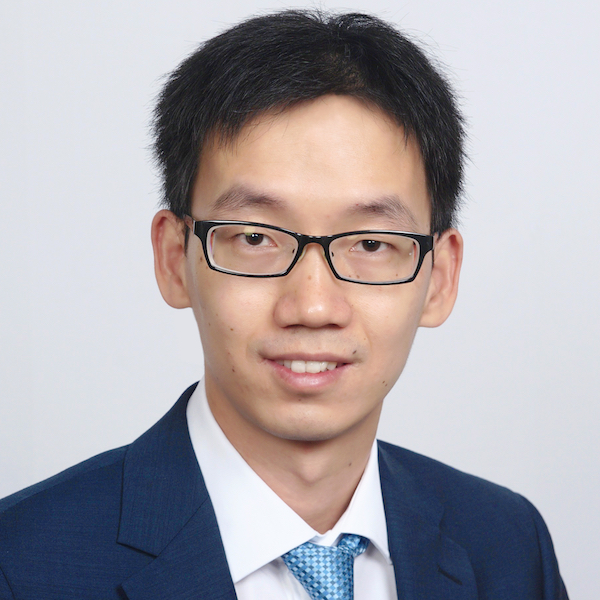 Yanchi Liu合作论文数NEC Laboratories America, Inc.36
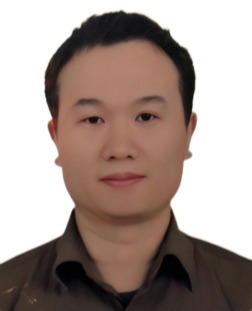 Jieren Cheng (程杰仁)合作论文数School of Computer Science and Technology, Hainan University28
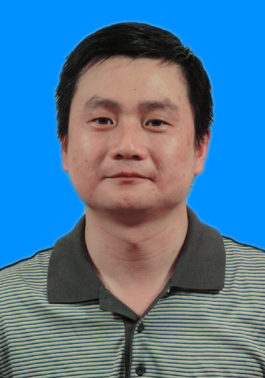 Wei Fang (方巍)合作论文数School of Computer Science, Nanjing University of Information Science & Technology;Engineering Research Center of Digital Forensics Ministry of Education, Nanjing University of Information Science & Technology28
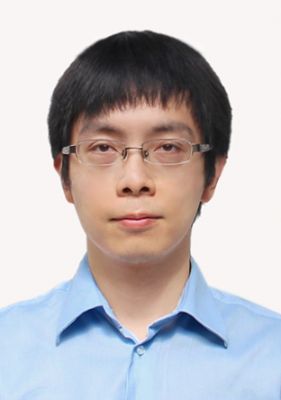 Jiajie Xu (许佳捷)合作论文数School of Computer Science and Technology, Soochow University26
 Guanfeng Liu合作论文数School of Computing, Macquarie University25
 Huixin Zhan合作论文数Division of Artificial Intelligence in Medicine, Department of Computational Biomedicine, Cedars-Sinai Medical Center22
 Kun Zhang合作论文数Xavier University of Louisiana20
 Jian Wu (吴健)合作论文数School of Medicine, Zhejiang University20
 Fuzhen Zhuang (庄福振)合作论文数Research Center for Intelligent Perception and Cognition, Institute of Artificial Intelligence, Beihang University16
 Junhua Fang (房俊华)合作论文数School of Computer Science&Technology, Soochow University16
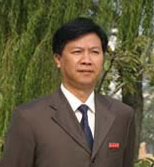 Yuqing Song (宋余庆)合作论文数School of Computer Science and Communication Engineering, Jiangsu University16
 Xindong Wu (吴信东)合作论文数School of Computer Science and Information Engineering, Hefei University of Technology;Key Laboratory of Knowledge Engineering with Big Data, Ministry of Education of China, Hefei University of Technology16
 Zhixu Li (李直旭)合作论文数School of Information, Renmin University of China;School of Smart Governance, Renmin University of China16
 Huan Rong (荣欢)合作论文数School of Artificial Intelligence, Nanjing University of Information Science and Technology15
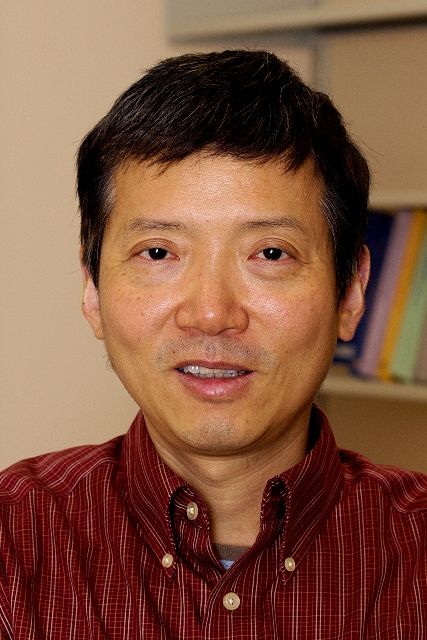 Charles Ling (凌晓峰)合作论文数Department of Computer Science, Western University15
 Xuefeng Xian (鲜学丰)合作论文数苏州市职业大学计算机系15Xiangyan Tang (唐湘滟)合作论文数School of Computer Science and Technology, Hainan University14
 Yongjing Hao合作论文数13
 Bin Gu (顾彬)合作论文数School of Artificial Intelligence, Jilin University13
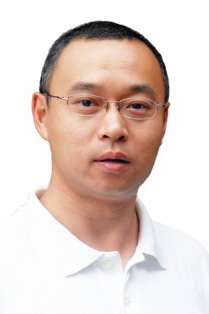 Lei Zhao (赵雷)合作论文数School of Computer Science and Technology, Soochow University13
 Xiaofang Zhou (周晓方)合作论文数Department of Computer Science and Engineering, School of Engineering, The Hong Kong University of Science and Technology;Big Data Institute, The Hong Kong University of Science and Technology13
 Zhenyu Xu合作论文数Department of Computer Science, Texas Tech University13Zhe Liu合作论文数Jiangsu University, Jilin Normal University13Liyuan Gao合作论文数Texas Tech University12
 Hui-juan Zhu合作论文数12
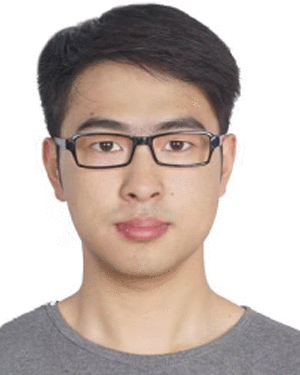 Huanhuan Yuan合作论文数School of Computer Science and Technology, Soochow University11Chris Drummond合作论文数11Anthony Wirth合作论文数11
 Qingren Wang (王庆人)合作论文数School of Computer Science and Technology of Anhui University11
 Yiwen Zhang (张以文)合作论文数School of Computer Science and Technology, Anhui University;Big Data and Cloud Service Laboratoey, Anhui University11
 Panayiotis Tsaparas合作论文数Department of Computer Science & Engineering, University of Ioannina11
 Sanjay Jain合作论文数School of Computing, National University of Singapore11
 Nicola Cancedda合作论文数Fundamental AI Research, Meta11
 Daniel Oblinger合作论文数SportsVisio, Inc.11
 Periklis Andritsos合作论文数Faculty of Information, University of Toronto11Chenyi Hu合作论文数University of Central Arkansas11
 João Gama合作论文数Laboratory of Artificial Intelligence and Decision Support, Institute for Systems and Computer Engineering, Technology and Science;Faculty of Economics, University of Porto11
 Galileo Namata合作论文数Verisign11
 Pietro Michelucci合作论文数11
 Susan Craw合作论文数School of Computing, Robert Gordon University11Bernhard Pfahringer合作论文数10
 Zhong Chen合作论文数Xavier Univ Louisiana, Dept Comp Sci, New Orleans, LA 70125 USA10
 Claude Sammut合作论文数School of Computer Science & Engineering, Faculty of Engineering, The University of New South Wales10Siegfried Nijssen合作论文数9
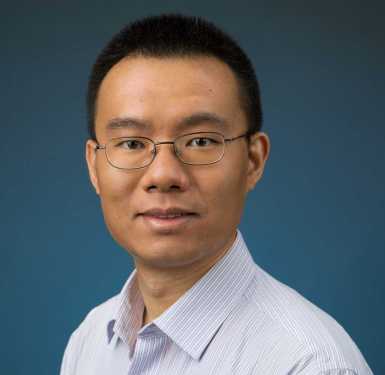 Xinhua Zhang (张歆华)合作论文数Department of Computer Science, University of Illinois Chicago9