Fostering sustainable building practices is essential to mitigating the environmental impact of human activity. Education and training play a critical role in this effort. However, developing nations have yet to fully adopt sustainable construction strategies. This study investigates how education and training influence the adaptive capacity of Ghana’s construction sector. A quantitative approach was employed, with data collected from 400 participants. The data were analysed using IBM SPSS (version 26), and structural equation modelling (SEM) was conducted using AMOS (version 24). The analysis revealed two key latent constructs of education and training: adaptive barriers (ADBs) and implementation awareness (IPA). The findings suggest that enhancing education and training is essential to building adaptive capacity within the industry. The study recommends that government agencies and construction stakeholders implement advocacy programmes and workshops to promote sustainable construction practices among contractors and professionals. The novelty of this research lies in its contribution to achieving Sustainable Development Goal (SDG) 11 by proposing a structured pathway for integrating sustainability into construction practices. It uniquely highlights the direct impact of targeted education and training initiatives on adaptive capacity in Ghana’s construction industry.
Purpose Accessing decent, affordable housing is becoming more and more difficult for all countries, but especially for those in the global south. This paper aims to identify factors influencing housing finance from a neoliberal viewpoint using Lusaka as a case study. Design/methodology/approach The study used a quantitative methodology and recruited 214 respondents from key institutions involved in housing planning and development in Lusaka, Zambia. A structured questionnaire containing 13 indicator variables informed by literature was used for data collection. The acquired data underwent exploratory factor analysis (EFA) and confirmatory factor analysis (CFA), and goodness-of-fit was used to assess the model’s acceptability using a two-index technique. Findings Results revealed that housing finance is defined by five variables: low-interest commercial bank loans, public–private partnerships, employer-assisted (housing allowance), community financing initiatives and pension-backed housing finance. Research limitations/implications The research is limited to a specific geographical area (Lusaka, Zambia) and may only be generalisable to other locations with the same economic metrics. Practical implications This paper provides a guide for improving urban housing by highlighting the areas housing finance should concentrate on. The identified variables can inform policymakers and stakeholders in developing strategies to address affordability challenges and improve access to housing. Originality/value This research contributes to the understanding of housing finance models from a neoliberal perspective, particularly in the context of urban areas in the global south. The findings offer insights into the specific variables that define housing finance and can inform interventions to improve housing affordability and access.
The Fourth Industrial Revolution (4IR) has transformed numerous sectors, yet the construction industry lags in adopting technologies such as artificial intelligence (AI), robotics and Internet of things (IoT). This study explores how leadership styles can drive the integration of 4IR technologies in construction, aiming to identify approaches that foster innovation and technological advancement. Using principal component analysis (PCA), the research examines data collected via a structured questionnaire from built environment professionals in Gauteng Province, South Africa. The data were analysed with Statistical Package for Social Sciences v29 to uncover key leadership patterns. The findings highlight four pivotal leadership styles: transformational, transactional, charismatic and autocratic, as essential for 4IR technology adoption. Transformational leadership encourages innovation and empowerment, transactional leadership ensures procedural compliance, charismatic leadership inspires during uncertainty and autocratic leadership offers decisive guidance. Based on these insights, a four-dimensional leadership framework was developed to assist stakeholders in balancing these styles for effective 4IR integration. The study underscores the importance of leadership training and adaptability to accelerate technological uptake and support industry progress. Despite the limitations emanating from this study, it contributes to practice by providing a practical four-dimensional leadership framework for construction stakeholders to enhance 4IR technology adoption, improving efficiency and innovation. It also provides a roadmap for further research to validate the framework and expand across different industries and regions.
The study establishes the combustion temperature and duration that optimize the chemical composition of rice husk ash as a supplementary cementitious material through a literature inquiry. Concentration of SO3, (SiO2 + Al2O3 + Fe2O3), and CaO in rice husk ash (RHA), in accordance with ASTM C618-2019 classification for fly ash, aided in achieving the study's aim. The combustion temperature and duration in existing studies that satisfied the requirements of SO3, CaO, and recorded the maximum (SiO2 +Al2O3 + Fe2O3) score, were recommended as the optimal combustion temperature and duration of RHA. Sources of data included conference and journal articles which clearly stated the combustion temperature and/or duration, and were not older than 9 years. The optimal combustion temperature was 600 °C for a duration of 6 hours. The corresponding CaO (3.85) did not exceed 18.00%, SO3 (0.00) did not exceed 5%, and (SiO2 + Al2O3 + Fe2O3) was 95.47%, exceeding the minimum required of 50%. This study has established the optimal combustion temperature and duration of RHA as a supplementary cementitious material, which hitherto was largely missing in existing literature. Practically, it serves as a reference guide to academics and construction practitioners as to the combustion temperature and duration that optimize the chemical composition of RHA. It promotes rice husk waste valorisation and addresses Sustainable Development Goal 13, Climate Action.
PurposeArtificial intelligence (AI) is attracting attention across major global sectors, including construction, due to its relevance. Studies showed that AI can significantly improve construction project performance. AI may improve sustainable construction projects in this technological era. However, there is a paucity of studies on the possible challenges stakeholders in a developing economy like Nigeria face in embracing AI applications to improve project social and environmental performance. Therefore, this research aims to investigate the perceived hindrances facing Nigerian stakeholders in using AI to improve sustainable construction projects.Design/methodology/approachThe researchers conducted a virtual interview in Lagos and Abuja, Nigeria, to investigate the issues. This study engaged 24 knowledgeable participants in AI and sustainable construction projects and achieved saturation at the 21st participant. The researchers analysed the collected data using a thematic method.FindingsDespite AI's numerous roles in achieving sustainable construction projects, its use is not encouraging in Nigeria. Also, the findings suggested measures to improve the achievement of sustainable construction projects by embracing AI. This includes government support in all its ramifications, an enabling environment, government collaboration with construction contracting and manufacturing firms, construction practitioners focusing on improving project performance and investing in research to foster local innovation.Originality/valueThis study is intended to spur policymakers and construction practitioners, including construction manufacturing firms, to appreciate the significance of AI in the industry and embrace it, given its long-term benefits to them and the environment.
Purpose There is a rising concern about climate change and its impacts on the physical products of the construction industry. Studies concerning mitigating the impact of climate change on construction-related Sustainable Development Goals (SDGs) projects using a soft systems methodology (SSM) framework are scarce. This study aimed to investigate the root causes of climate change and developed an SSM-based framework to mitigate the negative impacts on construction-related SDG projects in Nigeria.Design/methodology/approach This research used a SSM to understand the impact of climate change on Nigeria's construction-related SDG projects, using a developed framework. The researchers conducted 40 face-to-face interviews with experts aligned with the SSM stages. The researchers manually analysed the collected data and presented the results.Findings This study shows that, besides the signs of climate change's negative impacts and the absence of an institutional framework, particularly during the rainy season, it threatens value-driven construction-SDGs projects. The research findings developed a framework to improve the carbon neutrality of construction-related SDG projects, enhance risk management associated with climate change, enhance infrastructure system resilience and sustainability, and improve general operations, thereby improving construction-related SDG projects.Originality/value As part of the research's implications, this study proposed measures to mitigate the impacts of climate change on construction-related SDG projects. Findings will also encourage stakeholders to consider relevant mechanisms to meet construction-related SDG project requirements and ensure satisfaction, thereby enhancing productivity and excellence.
Informal settlements across Ghana's Savannah peripheries face recurrent seasonal flooding yet remain absent from mainstream engineering literature. This study documents and categorises the structural modifications and material choices, specifically raised plinths, perimeter barriers, and sandcrete construction, deployed by residents to mitigate flooding, examining how tenure security and socioeconomic factors shape adaptation intensity. A cross-sectional survey of 384 household heads in Tamale's peri-urban peripheries was conducted using structured questionnaires. Analysis employed independent samples t-tests, chi-square tests, and ordinal logistic regression to examine structural inventories, material trust, implementation timing, and perceived efficacy across tenure groups. Secure tenure households constructed significantly higher plinths (31.2 cm vs 20.3 cm) and deployed more barrier types (mean 2.1 vs 1.7). Sandcrete was the dominant material choice (82%). Proactive builders achieved plinth heights that were 43% higher than those of their reactive counterparts. Each 10 cm increase in elevation raised safety odds by 52% (OR = 1.52), yet plinth height correlated strongly with neighbour flood impacts (rho = 0.64), exposing adaptation as a competitive rather than cooperative process. This study provides the first systematic structural audit of bottom-up flood adaptation in Ghana's Savannah peripheries, quantifying how tenure insecurity drives reversible, suboptimal construction. Findings challenge assumptions that individual adaptation improves collective resilience, with direct implications for tenure regularisation and block-level drainage policy.
The rising cost of cement amidst the increasing degradation of the environment through the processes involved in cement manufacturing has given rise to the search for supplementary cementitious materials (SCM) that are affordable, locally available, and environmentally friendly. This study seeks to establish the supplementary cementitious composition (SCC) of coconut shell ash (CSA) produced from locally available coconut fruits in Ghana and ascertain if their SCCs are the same as those available within some national contexts. CSA was obtained through processes of burning, grinding and sieving of coconut shells. A sample of CSA (4 g) was fetched for X-ray fluorescence (XRF) analysis using the Rigaku NEX CG desktop XRF, which analyses from ₁₁Na to ₉₂U non-destructively. The results indicated the existence of resemblance in the SCC of the CSA in Ghana compared to those of Nigeria and Kenya. However, the concentrations of Al2O3 (2.43
This current study established the optimal processing temperature and duration for the oxide composition of coconut shell ash (CSA) through a literature inquiry. Parameters such as the concentrations of (SiO2 +Al2O3 + Fe2O3), CaO, and SO3 in CSA, in reference to ASTM C618-2019, classification for fly ash, were figured from existing studies. The temperature and duration in existing studies, with the highest (SiO2 +Al2O3 + Fe2O3) score and satisfying the requirements of CaO and SO3, were recommended as the optimal processing temperature and duration for the optimization of the oxide composition of CSA. Data source included journals and conference publications not older than 7 years, and clearly stated the processing temperature and/or duration. The optimal processing temperature was 700 °C for a duration of 3 hours. The corresponding (SiO2 +Al2O3 + Fe2O3) score in mass percentage was 80.46, exceeding the minimum required of 50%. Mass percentage concentration of CaO (6.25) did not exceed 18.00% and SO3 (0.69) did not exceed 5%. Thus, both the concentrations of CaO and SO3 were within acceptable limits. The findings offer a practical guide to construction practitioners as to the optimal processing temperature and duration that optimize the oxide composition of CSA as supplementary cementitious material, limiting discrepancies in processing temperatures and duration characterizing previous studies.
This current study sought to empirically ascertain the influence of combustion temperature on oxide compounds of coconut shell ash (CSA) and compressive strength of CSA-modified concrete. CSA was obtained at combustion temperatures of 500 °C and 700 °C, both at a duration of 2 hours each. The XRF results indicated that the influence of combustion temperature on the oxide compounds of CSA varied. For instance, SiO2 (9.33%) optimized at 700 °C combustion temperature, with 500 °C (9.18%) combustion temperature yielding silica in amorphous form. Also, CaO (5.32%) was optimized at a 500 °C combustion temperature. At age 28 days, 10%CSA@ 500 °C recorded the optimum compressive strength value of 27.80 N/mm2, with compressive strength decreasing to 26.70 N/mm2 when CSA was obtained at a combustion temperature of 700 °C. Thus, for combustion temperatures of 500 °C and 700 °C, the higher the combustion temperature, the lower the compressive strength at ages 7 days and 28 days. Therefore, the optimal combustion temperature for CSA was 500 °C for 2 hours of combustion. Practically, an equation was developed, Y = −0.00002T2 + 0.02T + 23.8, to guide construction practitioners to optimize combustion temperature, CSA oxide compounds, and compressive strength of CSA-modified concrete at age 28 days. The study promotes waste valorization. It has a direct link with combating climate change.
Purpose This study applies critical success factors (CSF) theory to address collaboration challenges in Ghana's building information modeling (BIM) construction projects, where stakeholder engagement is hindered by fragmentation, misaligned expectations, and limited digital integration. It identifies and prioritizes CSF influencing stakeholder collaboration and proposes structured strategies that align with Sustainable Development Goals (SDG) 9 and SDG 11.Design/methodology/approach A two-round Delphi method was conducted with 17 experts in the first round and 13 in the second, selected through purposive sampling for their BIM expertise in Ghana. The iterative process facilitated expert consensus on the most critical collaboration challenges and success factors in BIM-enabled construction.Findings The study identifies 16 CSF for BIM stakeholder collaboration. Seven were ranked as very highly influential (VHI: 9.00-10.00), including communication, collaborative attitudes, early involvement, coordination, joint decision-making, BIM infrastructures and fostering trust, mutual respect and understanding. The remaining nine were categorized as highly influential (HI: 7.00-8.99). These findings support SDG 9 by promoting digital innovation in infrastructure and SDG 11 by enhancing inclusive and sustainable urban development.Originality/value This research integrates CSF theory with collaborative delivery models such as integrated project delivery (IPD) and lean project delivery (LPD), offering a validated framework for improving stakeholder collaboration in BIM projects. It contributes to both academic understanding and practical implementation of BIM in developing contexts.
Purpose The use of technological innovations to effectively deliver construction projects is gaining significant coverage. This study aims to assess the inhibiting factors to the utilisation of laser scanners for the delivery of construction projects in developing economies using South Africa as the study area. Design/methodology/approach Adopting a quantitative technique, this study elicited responses from construction professionals using a questionnaire as the instrument for data collection. A four-pronged data analysis method was used, comprising descriptive statistics, Kruskal−Wallis h-test, exploratory factor analysis (EFA) and confirmatory factor analysis (CFA). Findings Findings from the study show that lack of awareness and high cost of acquisition are the barriers rated by the study’s respondents the most. Also, findings from the EFA and CFA conducted showed and affirmed the significance of three constructs inhibiting factors to the utilisation of laser scanners for construction project delivery: technical hindrances, financial impediments and institutional challenges. Practical implications This study makes practical contributions to the discourse of using innovative technologies for effective construction project delivery by inhibiting factors to the use of laser scanners. Originality/value Evidence from the literature shows that no study has assessed the barriers to the utilisation of laser scanning technology for construction projects in the South African construction industry. This study strives to close this gap in the literature.
The target date for achieving the 2030 UN Agenda [Sustainable Development Goals (SDGs)] is fast approaching. The construction sector is critical to achieving many SDGs, including Goal 5. Studies regarding achieving Goal 5 (Gender Equality) in the construction industry, especially women’s consultancy participation in developing countries, are scarce and complexly interrelated. Societal problems and divergence may have contributed to this. Therefore, this study explores issues hindering gender equality and suggests measures to promote more women construction consultants through policy to improve achieving Goal 5 in Nigeria. The research employed face-to-face data collection via a qualitative mechanism to achieve this. The study covered Abuja and Lagos. It accomplished saturation at the 20th participant. The research utilised a thematic method to analyse the collected data from knowledgeable participants. The perceived hindrances facing Nigerian construction consultants’ gender equality were clustered into culture/religion-related, profession-related, and government-related encumbrances. Achieving Goal 5 will be a mirage if these issues are not addressed. Thus, the study recommended measures to motivate women to study construction-related programmes and employment opportunities, including consultancy services slots through programmes and policy mechanisms to achieve Goal 5. As part of the implications, the study suggests that Nigerian construction consultants and other stakeholders need to make feasible improvements to achieve gender equality (Goal 5).
Studies showed that unethical practices in public procurement may hinder construction projects and economic development, particularly in developing cities and states, such as Edo State, Nigeria. The Nigerian Government enacted the Public Procurement Act (2007) to address the issues. Many states domesticated the Act, including Edo State (Edo State Public Procurement Law (ESPPL) 2020). However, implementation in some states may be challenging and can thwart achieving Sustainable Development Goal 11 (Sustainable Cities and Communities – SDG 11). This study investigated ESPPL implementation issues in construction projects and their outcome to Goal 11. It also proffered ways to boost implementation and, by extension, improve achieving SDG 11 and related SDGs. The researchers engaged knowledgeable respondents within Edo State, Nigeria, via a questionnaire survey approach. This study analysed the collected data with descriptive statistics. The results showed that the issues facing ESPPL implementation can hinder the achievement of Goal 11 if not curbed. As part of the study’s implication, the researchers proffered measures to mitigate the issues and, by extension, improved the achievement of Goal 11 and other SDGs related to construction project performance and excellence.
Sustainable urban governance and planning (SUG&P) within the context of sustainable urban transformation (SUT) in developing countries introduces a novel conceptual framework for SUG&P based on the synthesis of various theories and models in the field. This framework is structured around seven key constructs: leadership commitment (LC), good governance principles (GGP), green economy (GE), built environment (BE), cultural identity (CI), historical antecedent (HA), and urban stakeholder management (USM). The chapter details the components of LC, emphasizing the necessity of government leadership in achieving SUT and outlining key elements like sustainable vision, actions, impact, and organizational establishment. GGP are explored, highlighting the application of accountability, equity, health, safety, security, and participatory decision-making in urban governance. In discussing the BE, the chapter focuses on the efficient design and planning of urban infrastructure for sustainability. CI is addressed as a vital factor in urban development, emphasizing the integration of local traditions and values. HA is identified as a crucial aspect, considering the impact of a city’s history on its current social, economic, and environmental development. The USM section underscores the importance of managing the expectations of various urban stakeholders affected by SUT. This chapter presents a comprehensive and integrated approach to SUG&P in the context of SUT, providing a valuable guide for policymakers and practitioners in developing countries. It underscores the importance of combining historical insights, CI, stakeholder management, and governance principles to foster sustainable urban development.
The utilization of virtual reality (VR) in safety training in the construction industry is increasingly driven by the requirement to enhance both the level of safety and the effectiveness of safety training. The research takes a quantitative approach toward the determination and exploration of the determinants for VR uptake for safety training. Standardized questionnaires were distributed to sample a cross-section of Ghanaian construction professionals to find areas of commonality regarding the drivers of VR use in construction safety training. Technological advancement and boosting the culture of safety were found to be the highest drivers based on exploratory factor analysis (EFA). Technological advancement and boosting safety culture are the two highest drivers the research recommends. Technological advancements facilitate the creation of realistic simulation and training environments, significantly enhancing the learning process. The improvement in safety culture is facilitated by VR-based training, which renders safety proactive and enables a higher level of knowledge retention through frequent safety-free simulations. This study provides industry stakeholders with valuable insights into how the advantages of VR applications should be maximized to enhance the level of safety standards and train efficiency. The findings provide a foundation for formulating new ways to effectively utilize VR in safety training construction industries of developing nations.
 Clinton Aigbavboa合作论文数Department of Construction Management & Quantity Surveying, Faculty of Engineering & the Built Environment, University of Johannesburg;The Sustainable Human Settlement and Construction Research Centre, Faculty of Engineering & the Built Environment, University of Johannesburg373
 Ayodeji Emmanuel Oke合作论文数Centre of Excellence, Faculty of Engineering and Built Environment, University of Johannesburg;Department of Quantity Surveying, Federal University of Technology Akure47
 Andrew Ebekozien合作论文数SARChI Construct Management & Leadership Built En, Univ Johannesburg42
 Simon Ofori Ametepey合作论文数Koforidua Technical University27
 Douglas Omoregie Aghimien合作论文数Cidb Ctr Excellence, Univ Johannesburg27
 Zakari Mustapha合作论文数Cape Coast Technical University26
 Nokulunga XOLILE Mashwama合作论文数University of Johannesburg25
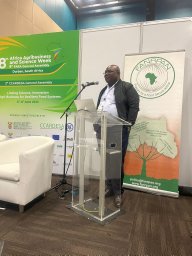 Erastus Mwanaumo合作论文数University of Zambia24
 Ogunbayo Babatunde Fatai合作论文数Covenant University19
 Titus Ebenezer Kwofie合作论文数Dept Architecture, Kwame Nkrumah Univ Sci & Technol19
 Opeoluwa Akinradewo合作论文数Cidb Ctr Excellence, Univ Johannesburg19
 David Edwards合作论文数Birmingham City University;Off-Highway Plant and Equipment Research Centre19
 John Aliu合作论文数Cidb Ctr Excellence, Univ Johannesburg18Clinton O. Aigbavboa合作论文数17
 Mohamad Shaharudin Samsurijan合作论文数Dev Planning & Management, Univ Sains Malaysia17
 Seyi Segun Stephen合作论文数16
 Samuel Adeniyi Adekunle合作论文数Sustainable Human Settlement & Construct Res Ctr, Univ Johannesburg16Matthew Kwaw Somiah合作论文数Takoradi Tech Univ16
 Callistus Tengan合作论文数Dept Bldg Technol, Bolgatanga Tech Univ14
 Obuks Ejohwomu合作论文数Department of Mechanical, Aerospace and Civil Engineering, School of Engineering, Faculty of Science and Engineering, The University of Manchester13
 Emmanuel Bamfo-Agyei合作论文数Dept Bldg Technol, Cape Coast Tech Univ12
 Olushola Akinshipe合作论文数CIDB Ctr Excellence, Univ Johannesburg10
 Matthew Ikuabe合作论文数cidb Ctr Excellence, Univ Johannesburg10
 Olusegun Aanuoluwapo Oguntona合作论文数Sustainable Human Settlement & Construct Res Ctr, Univ Johannesburg10
 Murendeni Liphadzi合作论文数9
 Solomon Pelumi Akinbogun合作论文数School of Environmental Technology, Federal University of Technology9
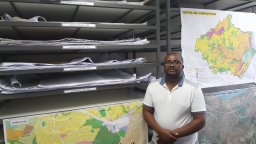 Trynos Gumbo合作论文数Sustainable & Smart Cities & Reg Res Grp, Univ Johannesburg9
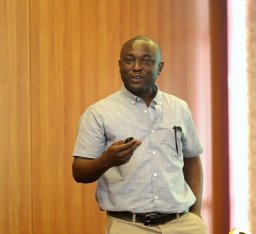 Abdul-Majeed Mahamadu合作论文数9Rembuluwani Bethuel Netshiswinzhe合作论文数8Mohamed Ahmed Hafez Ahmed合作论文数8
 Tawakalitu Bisola Odubiyi合作论文数8
 Sampa Chisumbe合作论文数Coll Sci Engn & Technol, Univ South Africa8Mulenga Mukuka合作论文数7
 Osunsanmi Temidayo合作论文数CIDB Ctr Excellence, Univ Johannesburg7
 Morena william Nkomo合作论文数Dept Construct Management & Quant Surveying, Univ Johannesburg6
 Chikezie Eke合作论文数Sustainable Human Settlement & Construct Res Ctr, Univ Johannesburg5
 Olalekan Oshodi合作论文数Sch Engn & Built Environm, Anglia Ruskin Univ5K Dithebe合作论文数4Hutton Addy合作论文数4Bernard Martins Arthur-Aidoo合作论文数4
 Mark Pim-Wusu合作论文数4
 Timothy Adu Gyamfi合作论文数4
 Lerato Aghimien合作论文数SARChi Sustainable Construct Management & Leaders, Univ Johannesburg4
 Jonas Yankah合作论文数Dept Construct Management & Quant Surveying, Univ Johannesburg4
 Chijioke Emere合作论文数4
 Ifije Ohiomah合作论文数University of Johannesburg4




