This book has been produced to give a total overview of the Activated Sludge Model (ASM) family at the start of 2000 and to give the reader easy access to the different models in their original versions. It thus presents ASM1, ASM2, ASM2d and ASM3 together for the first time. Modelling of activated sludge processes has become a common part of the design and operation of wastewater treatment plants. Today models are being used in design, control, teaching and research. Contents This title belongs to Scientific and Technical Report Series ISBN: 9781900222242 (Print) ISBN: 9781780402369 (eBook)
Data-driven modeling techniques are applied to process data from wastewater treatment plants to provide valuable additional information for optimal plant control. The application of data-driven modeling techniques, however, bears some risk because the generated models are of non-mechanistic nature and they thus do not always describe the plant processes appropriately. In this study, a procedure to build software sensors based on sensor data available in the process information system is defined and used to compare several techniques suitable for data-driven modeling, including generalized least squares regression, artificial neural networks, self-organizing maps and random forests. Three different degrees of expert knowledge are defined and considered mainly for optimum input signal selection and model interpretation. In two full-scale experiments, software sensors are created. The experiments reveal that even with linear modeling techniques, it is possible to automatically generate accurate software sensors. Hence, this justifies the selection of the most parsimonious and transparent models and to motivate their investigation by taking into account available expert knowledge. A high degree of expert knowledge is valuable for long-term accuracy, but can lead to performance decreases in short-term predictions. With regard to safe on-site deployment, the consideration of uncertainty measures is crucial to prevent misinterpretation of software-sensor outputs in the cases of rare events or model input failures.
Despite more than a decade of research, the magnitude of wastewater leakage from defective sewer systems into groundwater supplies is still largely unknown, partly because reliable measurement methods are lacking. Although recently suggested in‐sewer tracer studies present a promising solution, it is unclear how to optimally design such studies in network settings. In this study we present a formal experimental design procedure, which uses Bayesian data analysis to improve the diagnosis of sewer leakage by combining tracer test data with prior knowledge on network topology and condition. From a simulation study, we show that (1) if a single sewer section is expected to have high leakage, that section should be distinguished in measurement layouts through isolated tests or appropriate overlapping of multiple tests; (2) if multiple sections are expected to have high leakage, layouts with tests that cover more than one high‐leakage section should be avoided; and (3) if a robust experimental design is desired, a balanced layout of tests that overlap multiple sections of high leakage, yet minimizes stretch length, should be chosen. This design will have the additional benefit of inducing covariance in the posterior distribution of exfiltration estimates, which can be used to advantage in subsequent studies. We apply these guidelines to a case study of a catchment in Zurich, Switzerland, and find that optimal layout design can improve the anticipated gain of information substantially relative to designs based on practical considerations alone. Remaining concerns regarding the procedure include (1) the generally poor understanding of the mechanisms governing sewer leakage, which can hamper reliable prior information on exfiltration; (2) the currently low measurement precision of sewer tracer studies, which might only allow for the detection of large leaks; and (3) the need for numerical implementation of the Bayesian inference procedure, which requires careful tuning and long computation times. In general, we were able to demonstrate that the incorporation of prior information through a Bayesian procedure adds significant value to experimental design, especially in situations with few “hard” data but good site‐specific knowledge, which is common in water resources research.
Two innovative tracer methods for the quantification of extraneous discharges in sewers have been proposed as routine applications within the scope of the European research project APUSS (Assessing Infiltration and Exfiltration on the Performance of Urban Sewer Systems). In order to improve the accuracy of wastewater hydrograph separation compared to conventional practice, the novel approaches use intrinsic physicochemical characteristics (stable isotopes, pollutographs) of the wastewater as a natural tracer for the differentiation of its constituting components. The methods were evaluated and tested under field conditions and have been validated in the course of a comparative experimental study. We analyse the state of development achieved and demonstrate the application of the protocols with data from a reference experiment conducted in a combined sewer catchment housing 5400 inhabitants. The article details the requirements for suitable boundary conditions and presents a comprehensive assessment of measurement uncertainties.
Down-the-drain household chemicals are mostly discharged intermittently (i.e. with water pulses, e.g. pharmaceuticals from toilet flushing) and well soluble micropollutants can, therefore, be subject to significantly high short-term fluctuations. It is not known how these fluctuations are attenuated by sorption to sewer sediments or biofilm. First, we investigated in this paper the effect of sorption for substances with high, medium and low affinity to particulate matter based on computational experiments. For substances with high K(oc) we found that the additional attenuation of a load pattern due to sorption is in the same order of magnitude as caused by dispersion in a typical main sewer. The mass flux between wastewater and the first biofilm layer was identified as the most sensitive parameter. Furthermore, the interplay of systematic, slow diurnal variations does not affect short-term fluctuations. Second, during rain events partial erosion of the biofilm can lead to increased micropollutant loads for substances with high K(oc). This increase is in the same order of magnitude as diurnal variations of the loads in the liquid phase and the TSS.
Sewer systems constitute a very significant patrimony in European cities. Their structural quality and functional efficiency are key parameters to guarantee the transfer of domestic and trade wastewater to treatment plants without infiltration nor exfiltration. Infiltration of groundwater is particularly detrimental to treatment plant efficiency, while exfiltration of wastewater can lead to groundwater contamination. During the period 2001-2004, the European research project APUSS (Assessing infiltration and exfiltration on the Performance of Urban Sewer Systems) was devoted to sewer infiltration and exfiltration questions. It was structured on three main Work Areas dealing respectively with i) the development of new measurement methods based on tracer experiments and accounting for detailed uncertainty analyses, ii) the implementation of models and software tools to integrate structural and experimental data and to facilitate data display, operational management and decision making process and iii) the integration of economic and operational questions by means of costs estimation, economic valuation, performance indicators and multi-criteria methods applied to investment/rehabilitation strategies. This overview paper describes synthetically the objectives, methods and main achievements for each Work Area. References to both antecedent and companion papers are given for results and more detailed information.
Most commercially available auto-sampling devices do not support a continuous flow-proportional sampling mode, which would conceptually be the best for collecting representative composite samples. Instead different discrete sampling modes are available. Household chemicals can show considerable random short-term variations. With the anticorrosive benzotriazole, relating to a middle-frequent household activity, we show that, besides an accurate flow meter, mainly three factors are decisive for the representativeness of a substance's average load: the substance's load pattern, the sampling frequency and the length of the composite sample. When the sampling intervals are 10 minutes or longer, errors in the order of +/-40% (standard deviation) or more have to be accepted, if the substance of interest is contained in a low number of wastewater pulses (i.e., the level of household activity). This particularly holds true for specific pharmaceuticals e.g. carbamazepine. Ammonium would be less critical, because it relates to a larger number of sources in the same catchment.
A model for the response time of aeration systems at WWTPs is proposed. It includes the delays caused by the air supply system (consisting of blowers, throttles and pipes), the rise time of the air bubbles and all control loops except the master DO controller. Beside a description of the required step-change experiments, different approaches for model calibration are given depending on the available data. Moreover, the parameters for the oxygen transfer and the response time of the aeration system model are not clearly identifiable. The model can be used for simulation studies which compare different types of controllers under changing loading and process conditions. The results from full-scale experiments at three different plants show that the response times of the aeration systems are in the range of 4-5 min. Taking all processes and time constants into account, some 30 min are needed to reach a new steady state after a step change of the airflow rate.
To develop and implement Information Governance (IG) in a public utility is a challenging task. While many studies focus on the “what” question of IG, less attention is paid to how IG may be realized within the utilities. However, well-organized IG is essential to guarantee effective management of information resources. We argue that IG is a complex and knowledge-intensive process. The ability to manage critical knowledge and to systematically support IG knowledge work are presented as key issues for public utilities. Most of their critical organizational knowledge is currently fragmented, not explicitly documented and difficult to share. We formulate requirements for designing IG for public utilities from a knowledge perspective. On the basis of three case studies of Swiss wastewater utilities, we present an approach for supporting IG via an Organizational Knowledge Base (OKB). We provide a framework for representing critical organizational knowledge for IG in an OKB, illustrate how an OKB supports knowledge work and explain why it guides public utilities towards more effective management of their information resources.
Quantification of bacteria using Fluorescence In Situ Hybridization (FISH), confocal laser scanning microscopy (CLSM) and image analysis is very time consuming and requires the availability of an expensive microscope. Therefore, a rapid method to quantify nitrifying bacteria in activated sludge using FISH and epifluorescence microscopy was developed. The quantification of the biovolume is based on manual counting of the aggregates formed by nitrifying bacteria and determination of their size. The overall uncertainty of the method was evaluated as a function of the number of analyzed microscopic fields. It was found that 10-15 microscopic fields for ammonia-oxidizing bacteria and 6-8 microscopic fields for nitrite-oxidizing bacteria per sample were optimal regarding effort and accuracy. Accordingly, the time needed for one sample was only 5-15 min, compared to about 1h for the quantification with CLSM and image analysis. As a consequence, this method also allows for the measurement of extended time series with a reasonable effort. The comparison of the determined biovolume and the measured activity showed an explicit correlation.
In wastewater treatment and environmental risk assessments increasing attention is paid to the fate of micropollutants. These are time-consuming, expensive and difficult to detect and quantify. If a substance's load or concentration is subject to high dynamic fluctuations, it is demanding to take representative samples, especially when the “variation” is unknown. Therefore, we developed a concept to model stochastic load variations in sewer systems. We gathered readily available information from existing databases (population and consumption data) and combined it with the characteristics of household activities and appliances. We succeeded in predicting realistic short-term variations of benzotriazole (contained in dishwasher detergents) and validated them with a high-frequency measuring campaign. Benzotriazole stands as an example for other household chemicals, which cannot be measured so easily. All required information used within this case study is also available for other substances and catchments. This allows the forecast of stochastic load variations for many chemical compounds of interest. It helps to plan measuring campaigns, to estimate discharged loads from combined sewer overflows and to have a characteristic input for modeling purposes.
Although membrane bioreactors have attracted increasing attention in recent years, little research has been undertaken on the influence of the membrane separation on the microbial community composition. This paper compares the startup behaviour and the performance of the subsequent eight months of a membrane bioreactor with a conventional activated sludge pilot plant. Both plants were operated in parallel at the same sludge age and treated the same domestic wastewater. The identification of the nitrifying community composition using fluorescent in situ hybridization revealed only minor differences between the two reactors for both ammonia-oxidizing bacteria and nitrite-oxidizing bacteria. Accordingly, both systems exhibited the same maximum nitrification rates. Confocal laser scanning microscopy showed that the aggregates formed by nitrifying bacteria were located mostly in the inner part of the flocs and were overgrown by heterotrophic bacteria. It is concluded that the membrane separation itself does affect neither the nitrifying community composition nor the nitrification performance. However, impacts on kinetic parameters are emphasized.
Ecologically based criteria require an integrated modeling approach. Due to the complexity of the system, the stochastic nature of loads, and the model abstractions, many uncertainties are involved. In this study, a simple integrated model is applied, which Swiss engineers employ to assess the impact of urban stormwater discharges on riverbed stability. In the course of a case study, an uncertainty analysis is carried out focusing on parameter uncertainties. The underlying context of the uncertainties is evaluated, and a variance-based sensitivity analysis is presented estimating the local uncertainty contribution of each parameter. The results reveal that the largest contributions stem from the model components describing the natural system. An experimental design is proposed that manages to reduce the output uncertainty significantly. Finally, we discuss the benefits of following the proposed procedure.
In this paper, 60 tracer experiments in 37 different sewer reaches have been analyzed for longitudinal dispersion under dry weather flow conditions. It was found that dispersion coefficients of sewers are two to three orders of magnitude smaller than those measured in rivers and do not differ much from system to system. Suitable equations were identified to predict reasonable dispersion coefficients in sewer reaches with uniform geometry and stable flow conditions, For engineering applications that require a high degree of accuracy the performance of tracer measurements is recommended.
We introduce the concepts of a novel approach that allows for the quantification of infiltrating non-polluted waters by a combined analysis of time series of pollutant concentrations and discharged wastewater volume. The methodology is based on the use of automated sensors for the recording of the pollutant concentrations. This provides time series in a high temporal resolution that are suitable for a detailed data analysis and discussion on the underlying assumptions. The procedure is demonstrated on two examples from recent measurement campaigns in Switzerland.
Extended studies of measuring and control systems in activated sludge plants at EAWAG revealed that the measuring devices remain the weakest point in control applications. To overcome this problem, a software package was developed which analyses and evaluates the residuals between a reference measurement and the sensor and collects the information in a database. The underlying monitoring concept is based on a two-step evaluation of the residuals by means of statistical evaluations using control charts with two different sets of criteria. The first step is a warning phase in which hints on probable errors trigger an increase in the monitoring frequency. In the second step, the alarm phase, the error hypothesis has to be validated and should allow immediate and targeted reactions from the operator. This procedure enables an optimized and flexible monitoring effort combined with an increased probability of early detection of systematic measuring errors. Beside the monitoring concept, information about the measuring device, the performed servicing actions and the responsibilities is stored. Statistical values for the quantitative characterization of the measuring system during operation will be given. They are needed to parameterise controllers or to guarantee the accuracy of the instrument in order to allow reliable calculations of effluent tax. In contrast to other concepts, not only is the measuring device examined under standard conditions, but so is the entire measuring chain from the liquid to be analysed to the value stored in the database of the supervisory system. The knowledge of the response time of the measuring system is then required in order to allow a comparison of the corresponding values.
The urban drainage cycle is a very complex system with many interacting processes. Models are a great help to test different scenarios and improve the understanding of this system. At present, good models exist for the hydrodynamics of the sewer systems, for the biological conversions in the wastewater treatment plant (ASM 1 to 3) and for the receiving water (RWOM1). However, the traditional transport and conversion models for the sewer system are incompatible with the ASM definitions, making it difficult to link the models to come an integral and unified urban drainage model. In this work, a new sewer system model that is based on ASM3 has been coupled to an advanced nutrient removal model for the wastewater treatment plant. As both models are based on ASM3, they are unified in their definitions of the state variables and processes. This new combination has been used to test different scenarios and to test the influence of the sewer system on the treatment plant.
In laboratory experiments, source-separated urine was stabilised with nitrification and denitrified via nitritation and anaerobic ammonium oxidation. The highest total ammonia concentration in the influent was 7,300 gN/m3, the maximum pH 9.2. In a moving bed biofilm reactor (MBBR) with Kaldnes biofilm carriers, we stabilised urine as a 1:1 ammonium nitrate solution. The maximum nitrification rate was 380 gN/m3/d corresponding to 1.7 gN/m2(biofilm)/d. Nitrite ammonium solutions were produced in a continuous flow stirred tank reactor (CSTR) with 4.8 days sludge retention time (SRT) at 30 degrees C and in a sequencing batch reactor (SBR) with more than 30 days SRT. Nitrate build-up was negligible in both reactors. Nitritation rates were 780 gN/m3/d in the CSTR and 280 gN/m3/d in the SBR, respectively. However, shortening the cycles would increase nitritation in the SBR. High concentrations of nitrous acid, salts, and presumably hydroxylamine suppressed nitrite oxidation in the nitritation reactors. In all three nitrification reactors, maximally 50% of the influent total ammonia was oxidised without pH control. None of the common inhibition or limitation approaches could explain why ammonia oxidation always stopped at pH values around 6. In a batch experiment, we showed that source-separated urine can be denitrified autotrophically by anammox bacteria.
An additional module for the prediction of enhanced biological phosphorus removal is presented on the basis of a calibrated version of ASM3. The module uses modified processes from ASM2d but neglects the fermentation of readily degradable substrate. Biomass decay is modeled in the form of endogenous respiration as in ASM3. The glycogen pool and biologically induced P-precipitation is not taken into account. The module was systematically calibrated with experimental data from various batch experiments, a full-scale WWTP and a pilot plant treating Swiss municipal wastewater. A standard parameter set allowed all data to be simulated.
 M Henze合作论文数12J KAPPELER合作论文数9T MINO合作论文数7
 Mark Van Loosdrecht (马克·梵·洛斯德莱特)合作论文数Section of Environmental Biotechnology, Department of Biotechnology, Faculty of Applied Sciences, Delft University of Technology7
 Hansruedi Siegrist合作论文数Department of Environmental Engineering, Swiss Federal Institute for Environmental Science and Technology;Institute of Hydromechanics and Water Resources Management5T MATSUO合作论文数4
 Christoph Ort合作论文数Advanced Water Management Centre, University of Queensland4
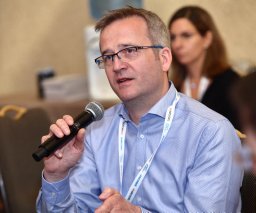 Leiv Rieger合作论文数modelEAU, Université Laval4C.P.L. Grady合作论文数4P. M. Sutton合作论文数3Tove A. Larsen合作论文数3J. Koller合作论文数3S. Elmaleh合作论文数3Martin Kuhni合作论文数3Petr Grau合作论文数3
 Mogens Henze合作论文数Department of Environmental Science and Engineering, Technical University of Denmark3U. Sollfrank合作论文数2G KOCH合作论文数2J HUISMAN合作论文数2
 Walter Giger合作论文数Department of Environmental Systems Science, Eidgenossische Technische Hochschule Zurich2
 Peter Krebs合作论文数Dresden University of Technology2O. Kracht合作论文数2
 David Jenkins合作论文数David Jenkins and Associates Inc.2Reto Manser合作论文数2Oskar Wanner合作论文数2Michael Thomann合作论文数2I Purtschert合作论文数2
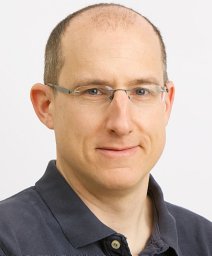 Jorg Rieckermann合作论文数Swiss Federal Institute of Aquatic Science and Technology;Swiss Federal Institute of Technology;Swiss Federal Institute of Aquatic Science and Technology, Swiss Federal Institute of Technology2M. C. Wentzel合作论文数2C. Pahl-Wostl合作论文数1G. Nyhuis合作论文数1T Mino合作论文数1D. Tillman合作论文数1G. V. R. Marais合作论文数1Gv Marais合作论文数1H. Siegrist合作论文数1G. Koch合作论文数1j alex合作论文数1
 Jean-Luc Bertrand-Krajewski合作论文数Institut National des Sciences Appliquees de Lyon1Daebel H合作论文数1Dürrenmatt David J合作论文数1
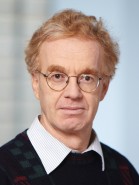 Peter Reichert合作论文数Department of Systems Analysis, Integrated Assessement and Modelling, Swiss Federal Institute for Environmental Science and Technology1
 Mark Borsuk合作论文数Department of Civil & Environmental Engineering, Pratt School of Engineering, Duke University1D Wild合作论文数1G Marais合作论文数1Christian Schaffner合作论文数1M. Gresch合作论文数1




