Blue carbon ecosystems, classically defined as mangroves, tidal marshes and seagrasses, but increasingly expanded to include ecosystems such as tidal flats, macroalgal forests and shelf sediments, contribute to climate change mitigation and biodiversity support. Here, seven years after the last global assessment of research priorities, we conducted a priority-setting exercise to identify persistent knowledge and implementation gaps, and the strategic priorities that must be addressed to enable scalable, high-integrity and equitable management of blue carbon ecosystems in a rapidly evolving policy and finance landscape. The highest priority focuses on managing blue carbon ecosystems to support coastal communities while integrating traditional ecological knowledge, emphasizing the essential role of social legitimacy and equity in enabling scalable, long-lasting outcomes. Additional priorities focus on developing cost-effective restoration methods, improving the accuracy of greenhouse gas flux estimates, quantifying the impacts of human activities on carbon cycling and integrating co-benefits such as biodiversity and coastal protection into natural capital frameworks. Emerging technologies like remote sensing, machine learning and data-sharing platforms are also highlighted as transformative tools to fill knowledge gaps and scale solutions. Collectively, these priorities highlight the complexity of blue carbon science and the need for inclusive interdisciplinary approaches that support the resilience and livelihoods of coastal communities.
AbstractIndia’s extensive coastline supports all three recognized blue carbon ecosystems (BCEs): mangroves, seagrasses and saltmarshes, with limited spatial and long-term data on seagrasses and saltmarshes. Under the guidance of the Intergovernmental Panel for Climate Change (IPCC), BCEs can be included for their climate change mitigation capacity under nationally determined contributions (NDCs). These coastal ecosystems also play a vital role in climate change adaptation, providing multiple co-benefits. There is further scope for their inclusion in National Adaptation Plans, the United Nations Sustainable Development Goals and the Kunming-Montreal Global Biodiversity Framework. This study presents 10 priority areas for blue carbon science and policy development in India, identified from a consultative workshop held in Gujarat, India in January 2024. The priority themes that emerged included—data on BCEs extent and stocks across India, establishment of long-term monitoring programmes, assessment of BCEs co-benefits and creation of programmes for capacity building, alternative livelihoods and equitable conservation and restoration. Based on these priorities, a five-step blue carbon roadmap is outlined to support the development of an ambitious national programme for BCEs. Standardized methods and scientific approaches will ensure India’s ongoing efforts to protect and restore these vulnerable coastal habitats. This will contribute significantly to realizing the global benefits of BCEs for climate, people and nature.
A laboratory-based experiment was conducted to evaluate how resuspension affects the amount and composition of the organic matter in the surface sediments of Loch Etive, a fjord in Western Scotland with a pronounced gradient of organic carbon content and organic matter reactivity. Sediment samples collected from the fjord's frequently hypoxic upper basin and its more well-mixed lower basin were completely resuspended in well-oxygenated seawater to simulate a potential maximum disturbance event. Resuspension of the sediments resulted in a loss of organic carbon and a decrease in the labile organic matter in all sediments over the 120-h measurement period. Organic carbon loss was greatest in sediments from the upper hypoxic basin of the fjord, where both initial organic carbon and labile organic matter content were highest. The largest changes occurred in the first 24 h (first-order organic carbon decay rates (k-values) ranged from 0.403 to 0.951 d-1) while average rates for the whole incubation period were lower (ranging from 0.071 to 0.151 d-1), implying that the first 24 h after a seabed disturbance may be crucial for OC loss. This research highlights the importance of considering organic carbon content and organic matter reactivity in developing protections for the management of carbon-rich marine sediments.
1. Nature-Based Solutions, green-finance instruments and policies are now routinely constructed around carbon sequestration/storage (CSS) and nutrient bioremediation (NB). This integration builds on how Market-Based Instruments (e.g. payments-for-ecosystem-services) are regularly used in policies focused on terrestrial ecosystems. In marine and coastal systems poor understanding of CSS/NB biophysical processes and impacts of ecosystem quality/stressors, combined with methods and governance framework knowledge gaps, generate substantial uncertainty in outcomes. Reductions in output confidence preclude integration into Nature-Based Solutions, stifling market-based investment centred on conserving and restoring temperate coastal ecosystems. 2. To navigate this complex, rapidly evolving area, researchers from six continents engaged in a Priority Setting Exercise to generate 25 questions that, if answered within 10 years, will increase robustness, scalability and applicability of CSS/NB data across regions and ecosystems. We then used a modal analysis across five categories (time, geographic scale, technology complexity, cost and policy relevance) to expedite research-investment decisions. 3. Questions (numbers in brackets) were organised across six themes as follows: maps/quantitative evidence/long-term data (3), Processes/variability (6), Connectivity (2), Anthropogenic impacts (4), Methods/standards (6), Governance/conservation (4). 4. Questions under methods/standards and governance/trading schemes themes were generally identified to be the cheapest to answer and quickest to complete, whilst still having considerable geographic and policy relevance. 5. Policy implications: Identifying the enabling conditions for more efficient and successful approaches will greatly improve our understanding of ecosystem services. Together, these answers will then deliver the decision-grade data necessary to strengthen green-finance opportunities and address urgent climate and pollution (nutrient) crise
Sea-level and coastal changes are reconstructed on the Isle of Mull, western Scotland, from 10 988 to 10 507 cal BP to the present. This research has produced the first SLIP for the Isle of Mull. A multiproxy approach including pollen, spore, foraminifera and diatom analyses reveals palaeoenvironmental changes from two coastal sites. Marine phases are recorded from 10 988 to 10 507 cal BP in eastern Mull, when the relative sea level (RSL) was higher at 1.98 +/- 0.15 mOD, and coinciding with the end of the Loch Lomond Stadial. The sea-level record for north-west Mull commences from 7570 to 7431 cal BP (285 cm [4.56 mOD]), showing higher RSL at 4.69 +/- 0.14 mOD and approximately corresponding with the timing of the highstand recorded at nearby Arisaig. RSL is higher than present levels following marine transgression at 2273-1926 cal BP (153 cm [6.47 mOD], RSL: 3.78 +/- 0.13 mOD) in north-west Mull and at 3460-2469 cal BP (317 cm [7.31 mOD, RSL: 2.39 +/- 0.14 mOD]) in eastern Mull. Sea-level index points generally align well with RSL changes recorded regionally, though there is some indication that RSL was higher in north-west Mull. The data point at 10 988-10 507 cal BP can contribute to constraining the thickness of the British and Irish ice sheet as the thickest central dome of the ice sheet extended along this area of the British Isles. Coastal vegetation changes show little variation from grass-, sedge- and heather-dominated heathlands, with oak and birch shrublands throughout the Holocene. Following marine regression, there is indication of arboreal expansion in eastern areas, whilst a progressively more open environment is evident in north-west Mull. Corresponding changes in the herb pollen mosaic, NPPs and microcharcoal levels indicate a long-term anthropogenic presence on the island.
Saltmarshes are globally important coastal wetlands which can help to mitigate the impacts of climate change. They accumulate organic carbon from both modern and aged sources through in-situ biological production and the capture of ex-situ sources which are deposited during tidal inundation. Previous studies have found that long-term organic carbon storage in saltmarsh soils is driven by the net contribution from the older fraction, implying that the inputs of young organic carbon derived from in situ production are recycled at a faster rate. Using ramped oxidation, we assessed the composition (14C and 13C) of saltmarsh soil carbon pools defined by their thermal reactivity. By relating 14C measurements of the soil carbon pools to CO2 respired in aerobic incubations of the same soils, we provide the first empirical evidence linking the thermal reactivity of saltmarsh soil organic carbon with its bioavailability for remineralization. We found that old (14C-depleted) carbon dominates the thermally recalcitrant organic carbon pools, whereas the thermally labile carbon is composed of younger organic carbon sources. In most cases, the 14C content of the most thermally labile carbon pool was closest to the previously reported 14C content of the CO2 evolved from aerobic incubations of the same soils, implying that the bioavailability of saltmarsh soil organic carbon to remineralisation in oxic conditions is closely related to its thermal lability. Our results highlight the importance of saltmarshes as stores of both old, thermally recalcitrant organic carbon, as well as younger, thermally labile organic carbon that is vulnerable to decomposition under oxic conditions. Management interventions (e.g. rewetting by tidal inundation) to limit the exposure of saltmarsh soils to elevated oxygen availability may help to protect and conserve these stores of thermally labile organic carbon and hence limit CO2 emissions. We also present evidence to support the inclusion of thermally labile allochthonous OC stored in saltmarsh soils in additionality assessments for projects which aim to prevent the drainage of saltmarshes, with relevance to international carbon crediting projects and National GHG Inventories.
Blue carbon ecosystem restoration (and avoided conversion) are important natural climate solutions. Blue carbon ecosystems accumulate carbon through in situ photosynthesising vegetation (autochthonous) and deposition of sediments during tidal inundation (allochthonous). We debate the treatment of allochthonous carbon (which was not taken out of the atmosphere by the blue carbon ecosystem) in blue carbon projects.
Saltmarshes play a key role in the coastal carbon cycle through the capture and storage of organic carbon. Assessments of both organic carbon (OC) stocks and rates of OC accumulation are vital for quantifying saltmarsh contributions to climate-change mitigation and for guiding efforts to protect and restore coastal ecosystems. Current assessments of the magnitude of the store and rate of OC accumulating in UK saltmarshes are based on a small and spatially limited dataset. To address this knowledge gap, we collected sediment cores to quantify the OC stored in the soil and biomass of 26 saltmarshes and estimate OC accumulation rates for 22 saltmarshes distributed around the UK.Across the saltmarshes, the estimated average store is 11.55 ± 1.56 kg C m-2 with values ranging between 2.24 kg C m-2 and 40.51 kg C m-2. These saltmarshes accumulate OC at a rate of 110.88 ± 43.12 g C m-2 yr-1 with values ranging from 27.57 g C m-2 yr-1 to 343.68 g C m-2 yr-1. These highly variable OC stocks and accumulation rates are dependent on interlinked factors, including local geomorphology, organic carbon source, sediment type (mud vs sand), sediment supply, and relative sea-level history.By upscaling these estimates to all UK saltmarshes, it is calculated that these systems currently store 5.20 ± 0.65 Mt of OC and accumulate 46563 ± 4353 tonnes of OC annually. The low OC accumulation rates indicate that UK saltmarshes have relatively low additional Greenhouse Gas (GHG) abatement potential, but that they contain significant stores of OC within the ecosystem. This highlights the crucial need for the protection and restoration of existing OC stores within UK saltmarshes, providing climate benefits several times more significant than the annual accumulation of OC in these ecosystems.
Loch Sunart, a fjord in NW Scotland, UK, records Late Glacial to Holocene sedimentation preserving palaeoenvironmental changes associated with the deglaciation of the British-Irish Ice Sheet (BIIS). This study combines a multi-proxy approach (osmium isotope analysis, carbon, sulphur and nitrogen elemental and isotopic analysis together with X-ray fluorescence, alkenone biomarkers and benthic foraminifera) to contribute to our understanding of the regional nature of BIIS deglaciation and enable the reconstruction of palaeoclimate variations since the last glacial. The observed patterns in the applied proxies collectively suggest that between similar to 18 and 12.9 cal ka BP as the BIIS retreated, Loch Sunart experienced increased glacial meltwater discharge. Throughout this period, Os-187/Os-188 values are more radiogenic than the contemporaneous open ocean waters (similar to 1.04-1.06), which are interpreted to reflect an increase in glacially eroded sediment flux directly associated with glacial retreat following the Last Glacial Maximum. During the Younger Dryas, the fjord experienced a pause in glacially derived sediment reflected by a minimum in Os-187/Os-188 (similar to 1.1), which was followed by an increase in Os-187/Os-188 to more radiogenic values (similar to 1.3) at the end of the Younger Dryas. Coincident with changes in Os-187/Os-188 values, alkenone-based %C-37:4 values increase (40-60%), delta C-13(org) values decrease (- 24 parts per thousand) and foraminifera species indicative of restricted water renewal increased in abundance, suggesting a period of water stratification. A rapid shift in Os-187/Os-188 values toward a marine signature of similar to 1 indicates that the basin experienced a breakdown in water stratification and renewed mixing from 5 cal ka BP. This interpretation is further supported by a coincident decrease in %C-37:4 to <15%, and by distinct increases in wt% C, wt % N and delta C-13(org). This multi-proxy approach, specifically integrating Os, provides additional insight to the BIIS in NW Scotland, in particular how such fjords can respond to glacial readvance during the Younger Dryas, which was not captured by previous studies.
The ability of saltmarshes to accrete sediments and keep pace with sea-level rise is key to their multifaceted role as nature-based solutions to current environmental challenges, including their capacity to accumulate and store ‘blue’ carbon. While saltmarshes can gain elevation through in-situ organic production and trapping of organic and minerogenic sediments, thresholds exist above which rates of sea-level rise outstrip saltmarshes’ vertical accretion capability. Current and future anthropogenically enhanced rates of sea-level rise may therefore pose a significant threat to saltmarsh resilience. A negative accretionary balance (i.e. sea-level rates exceeding sediment accumulation) may result in transgression and potentially erosion, impacting on a range of ecosystem services and threatening stored carbon. Consequently, understanding the relationship between sea-level rise and saltmarsh accretion is critical for projecting future changes to saltmarsh ecosystems. Here, we use age-depth models based on Bayesian analysis of 210Pb, 137Cs and 241Am activities to quantify sediment accumulation rates for 34 cores from 21 saltmarshes distributed around the coastline of England, Scotland, and Wales. These sites were selected to encompass the range of different marsh types found in Great Britain, including large open-coast systems, back barrier, estuarine-fringing, and loch-head marshes. Site average sedimentation rates vary between 0.12 and 1.28 cm yr-1, with a mean of 0.41 ± 0.16 cm yr-1. We compare sedimentation rates at 1 cm depth increments with corresponding site- and time-specific rates of sea-level rise, modelled using estimates of barystatic, sterodynamic and inverse barometric contributions that we benchmark against long tide-gauge records. This comparison enables us to determine the accretionary balance and its development since the start of the 20th century at each core location. We discuss these results in the context of spatially explicit projections of accelerated future sea-level rise around the coast of Great Britain.
Marine and salt marsh sediments contain large amounts of organic carbon (OC) and are therefore important in the global carbon cycle. Here, we collated previously published and unpublished measurements of sediment OC in marine and salt marsh sediments in European regional seas (EURO-CARBON; available at https://doi.org/10.5281/zenodo.14905489). To the extent possible the OC data were complemented by variables such as sediment porosity and dry bulk density. The EURO-CARBON dataset holds 61306 individual data entries of sediment OC content from different regions of European regional seas. Around three quarters (76%) were collected in coastal and deep sea bare sediments, 18% from salt marshes, 7% from seagrass habitats, and 0.03% from macroalgal habitats. For all habitats and sediment depth layers the OC content varied between <0.1 and 41.56 % (avg.: 2.47 ± 3.37 %; median: 1.39 %), with the content generally decreasing in the following sequence: salt marsh (5.01 ± 5.96 %; 3.03 %) > seagrass (2.37 ± 5.96 %; 3.03 %) > bare sediment (1.88 ± 2.03 %; 1.20 %). The EURO-CARBON dataset will serve as a basis for future work, and it will be an important resource for researchers, managers, and policymakers working towards protecting sediment OC pools.
Saltmarshes are widely thought to sequester carbon at rates significantly exceeding those found in terrestrial environments. This ability arises from the in-situ production of plant biomass and the effective trapping and storage of both autochthonous and allochthonous organic carbon. The role saltmarshes play in climate change mitigation, through accumulating ‘blue’ carbon, depends on both the rate at which carbon accumulates within sediments and the rapidity with which carbon is remineralised. It has been hypothesised that carbon accumulation rates, in turn, depend on the local rate of relative sea-level rise, with faster sea-level rise providing more accommodation space for carbon storage. This relationship has been investigated over long (millennial) and short (decadal) timescales but without accounting for the impact of higher quantities of labile carbon in more recently deposited sediment. This study addresses these three key aspects in a saltmarsh sediment study from Lindisfarne National Nature Reserve (NNR), northern England, where there is a comparatively pristine marsh. We quantify rates of carbon accumulation by combining a Bayesian age-depth model based on 210Pb and 137Cs activities with centimetre-resolution organic carbon density measurements. We also use thermogravimetric analyses to determine the relative proportions of labile and recalcitrant organic matter and calculate the net recalcitrant organic matter accumulation rate. Results indicate that during the 20th century more carbon accumulated at the Lindisfarne NNR saltmarsh during decades with relatively high rates of sea-level rise. The post-depositional loss of labile carbon down the core results in a weaker though still significant relationship between recalcitrant organic matter accumulation and sea-level change. Thus, that increasing saltmarsh carbon accumulation is driven by higher rates of sea-level rise is demonstrated over recent multi-decadal timescales.
Saltmarshes are a crucial component of the coastal carbon (C) system and provide a natural climate regulation service through the accumulation and long-term storage of organic carbon (OC) in their soils. These coastal ecosystems are under growing pressure from a changing climate and increasing anthropogenic disturbance. To manage and protect these ecosystems for C and to allow their inclusion in emissions and natural-capital accounting, as well as carbon markets, accurate and reliable estimates of OC accumulation are required. However, globally, such data are rare or of varying quality. Here, we quantify sedimentation rates and OC densities for 21 saltmarshes in Great Britain (GB). We estimate that, on average, saltmarshes accumulate OC at a rate of 110.88 +/- 43.12 g C m- 2 yr- 1. This is considerably less than widely applied global saltmarsh averages. It is therefore highly likely that the contribution of northern European saltmarshes to global saltmarsh OC accumulation has been significantly overestimated. Taking account of the climatic, geomorphological, oceanographic, and ecological characteristics of all GB saltmarshes and the areal extent of different saltmarsh zones, we estimate that the 451.65 km 2 of GB saltmarsh accumulates 46,563 +/- 4353 t of OC annually. These low OC accumulation rates underline the importance of the 5.20 +/- 0.65 million tonnes of OC already stored in these vulnerable coastal ecosystems. Going forward the protection and preservation of the existing stores of OC in GB saltmarshes must be a priority for the UK as this will provide climate benefits through avoided emissions several times more significant than the annual accumulation of OC in these ecosystems.
AbstractTidal marshes are threatened coastal ecosystems known for their capacity to store large amounts of carbon in their water-logged soils. Accurate quantification and mapping of global tidal marshes soil organic carbon (SOC) stocks is of considerable value to conservation efforts. Here, we used training data from 3710 unique locations, landscape-level environmental drivers and a global tidal marsh extent map to produce a global, spatially explicit map of SOC storage in tidal marshes at 30 m resolution. Here we show the total global SOC stock to 1 m to be 1.44 Pg C, with a third of this value stored in the United States of America. On average, SOC in tidal marshes’ 0–30 and 30–100 cm soil layers are estimated at 83.1 Mg C ha−1 (average predicted error 44.8 Mg C ha−1) and 185.3 Mg C ha−1 (average predicted error 105.7 Mg C ha−1), respectively.
The burial of organic carbon (OC) in coastal and continental shelf sediments contributes to the regulation of atmospheric carbon dioxide on geological timescales and potentially mitigates present-day climate change. Major efforts are now underway to map and quantify the OC held in our continental shelf seas, including the first ever assessment of a national Exclusive Economic Zone (EEZ) sediment OC resource for the United Kingdom. When these OC-rich sediments are disturbed, either by natural or (increasingly) anthropogenic pressures, there is potential for significant quantities of carbon dioxide to be released to the water column and potentially the atmosphere. The reactivity of sedimentary OC is generally defined as a susceptibility to decomposition, biotically or abiotically. Reactivity of OC in marine sediments determines the role the store plays in climate regulation and, equally, determines the vulnerability of the sedimentary OC store to disturbance both natural and anthropogenic. The recent development of the Carbon Reactivity Index (CRI) as a novel measure of OC reactivity based on thermogravimetric analysis has highlighted a wide continuum of OC reactivity in sediments across continental shelf seas. Here, we present new results that highlight the continuity of these processes across the land-ocean transition in the major estuaries (Clyde and Forth) of Scotland. Our results highlight new opportunities to integrate the protection of vulnerable sediment OC stores into objective marine management plans across coastal and shelf seas.
Saltmarsh environments are recognised as key components of many biophysical and biochemical processes at the local and global scale. Accurately mapping these environments, and understanding how they are changing over time, is crucial for better understanding these systems. However, traditional surveying techniques are time-consuming and are inadequate for understanding how these dynamic systems may be changing temporally and spatially. The development of uncrewed aerial vehicle (UAV) technology presents an opportunity for efficiently mapping saltmarsh extent. Here we develop a methodology which combines field vegetation surveys with multispectral UAV data collected at two scales to estimate saltmarsh area and organic carbon storage at three saltmarshes in Loch Fleet (Scotland). We find that the Normalised Difference Vegetation Index (NDVI) values for surveyed saltmarsh vegetation communities, in combination with local tidal data, can be used to reliably estimate saltmarsh area. Using these area estimates, together with known plant community and soil organic carbon relationships, saltmarsh soil organic carbon storage is modelled. Based on our most reliable UAV-derived saltmarsh area estimates, we find that organic carbon storage is 15 %–20 % lower than previous area estimates would indicate. The methodology presented here potentially provides a cheap, affordable, and rapid method for saltmarsh mapping which could be implemented more widely to test and refine existing estimates of saltmarsh extent and is particularly well-suited to the mapping of small areas of saltmarsh environments.
International policy frameworks recognize the net drawdown and storage of atmospheric greenhouse gases through management interventions on blue carbon ecosystems (saltmarshes, mangroves, seagrasses) as potential emissions offset strategies. However, key questions remain around the “additionality” of the carbon sequestered by these ecosystems, and whether some fraction of the organic carbon (OC) that does not derive from in situ production (allochthonous) should be included in carbon budgets. This study compares the radiocarbon ( 14 C) contents of saltmarsh soils and CO 2 evolved from aerobic laboratory incubations to show that young OC is preferentially respired over aged OC, and that the latter is also vulnerable to remineralization under oxic conditions. This highlights that management interventions which reduce the exposure of saltmarsh soils to oxic conditions support the inclusion of some portion of allochthonous OC in carbon budgets. Elevated temperature incubations provide preliminary evidence that the predominant source of respired OC will not change under predicted future warmer conditions. Saltmarsh typology also influences the 14 C content of both the bulk soil and respired CO 2 , highlighting the importance of site selection for optimized blue carbon additionality.
Blue carbon ecosystems (BCEs) remove carbon dioxide from the atmosphere and store significant amounts of organic carbon (OC) in their soils. Consequently, the protection and restoration of BCEs may contribute to net greenhouse gas emissions abatement and help address the global challenges of both mitigating and adapting to climate change. An ongoing debate is whether OC sequestered out with the blue carbon (BC) project and transported to its present location (allochthonous) should be counted as 'additional'. There are inconsistencies in the treatment of allochthonous carbon between BCE methodologies, potentially undermining the credibility of global BC accounting initiatives. To explore these inconsistences, we compare the methodologies which we were able to find online, with particular focus on the VERRA, IPCC and BlueCAM methodologies, and review the science underlying any approach to account for allochthonous OC. Our findings indicate that there are currently no robust scientific approaches to define an appropriate apportioning of allochthonous OC for discounting in the calculation of additionality. We therefore advocate for the inclusion of allochthonous OC in BC crediting projects when an observational and experimental approach does not support the calculation (and discounting) of the refractory allochthonous carbon contribution.
Saltmarshes are acknowledged to be "carbon hotspots" due to their capacity to trap and store large quantities of carbon (C) within their soils and potentially have the ability to regulate climate over different timescales. In-turn governments and international organizations are now recognizing the need to include these intertidal ecosystems in national and global C accounting. Yet, in many regions, estimates of organic carbon (OC) storage and the rate at which OC is buried in saltmarsh soils either do not exist or are not at the scale necessary for inclusion in national C budgets. Here we bring together tools from across the geosciences to investigate the quantity of OC held within the soil and above/belowground biomass, alongside estimates of the rate at which OC accumulates and the source of the OC within the soils of four contrasting Scottish saltmarshes. Using radiometric dating techniques it is estimated that OC accumulates at a rate of between 29.1 and 198.1 g C m 2 yr 1 across the different study sites. In contrast, the source of the OC varies little across the sites with 73%-99% of the OC within the saltmarsh soil originating from terrestrial/in situ sources; marine-derived OC plays a minor role in the development of the saltmarsh OC stocks. Using average values derived from the four sites it is possible to make first-order estimates of saltmarsh OC stocks and accumulation rates for all Scotland's 240 mapped saltmarshes (58.68 km2). It is estimated that across Scotland saltmarsh habitat stores 1.15 & PLUSMN; 0.21 Mt OC which is supple-mented by an additional 4385 & PLUSMN; 481 tonnes of OC each year.
 Craig Smeaton合作论文数Sch Geog & Sustainable Dev, Univ St Andrews67
 Peter M. Abbott合作论文数Department of Geography, Swansea University22
 Alix Cage合作论文数University of St Andrews, University of St Andrews21
 Magali Schweizer合作论文数20
 Fiona D. Hibbert合作论文数20
 John A. Howe合作论文数Department of Biology, McMaster University18
 Kate Darling合作论文数Global Change, School of GeoSciences, The University of Edinburgh17
 Clare Bird合作论文数15
 Althea L Davies合作论文数School of Biological and Environmental Sciences, University of Stirling14
 Lukas Wacker合作论文数Institute for Particle Physics and Astrophysics, Department of Physics, Eidgenössische Technische Hochschule Zürich;Department of Earth and Planetary Sciences, Eidgenössische Technische Hochschule Zürich14
 Paul C. Knutz合作论文数Geological Survey of Denmark and Greenland (GEUS), Øster Voldgade 10, 1350 Copenhagen K, Denmark13
 Victoria Peck合作论文数School of Earth, Ocean and Planetary Science, Cardiff University13
 Katharine Evans合作论文数12
 Trond M. Dokken合作论文数Bjerknes Centre for Climate Research12
 Jean-Pascal Dumoulin合作论文数11
 Rodrigo Da Costa Portilho-Ramos合作论文数11
 Wiem Fersi合作论文数11
 Janne Repschlager合作论文数Max Planck Inst Chem, Hahn Meitner Weg 1, D-55128 Mainz, Germany11Lise Missiaen合作论文数11
 Melanie Wary合作论文数Institut de Ciència i Tecnologia Ambientals (ICTA-UAB),, Universitat Autònoma de Barcelona11
 Simon Jung合作论文数Global Change, School of GeoSciences, The University of Edinburgh11
 David Thornalley合作论文数Department of Geography, University College London;Woods Hole Oceanographic Institution11
 Lougheed Bryan C合作论文数11François Thil合作论文数11
 Mary Elliot合作论文数Laboratoire de Planetologie;Geodynamique, UMR-CNRS 6112, Universite de Nantes11
 A. Penaud合作论文数11
 Frank Peeters合作论文数Limnological Institute;University of Konstanz;Limnological Institute, University of Konstanz11Alexander J. Dickson合作论文数Royal Holloway, University of London | RHUL · Department of Earth Sciences11Carsten Rühlemann合作论文数11
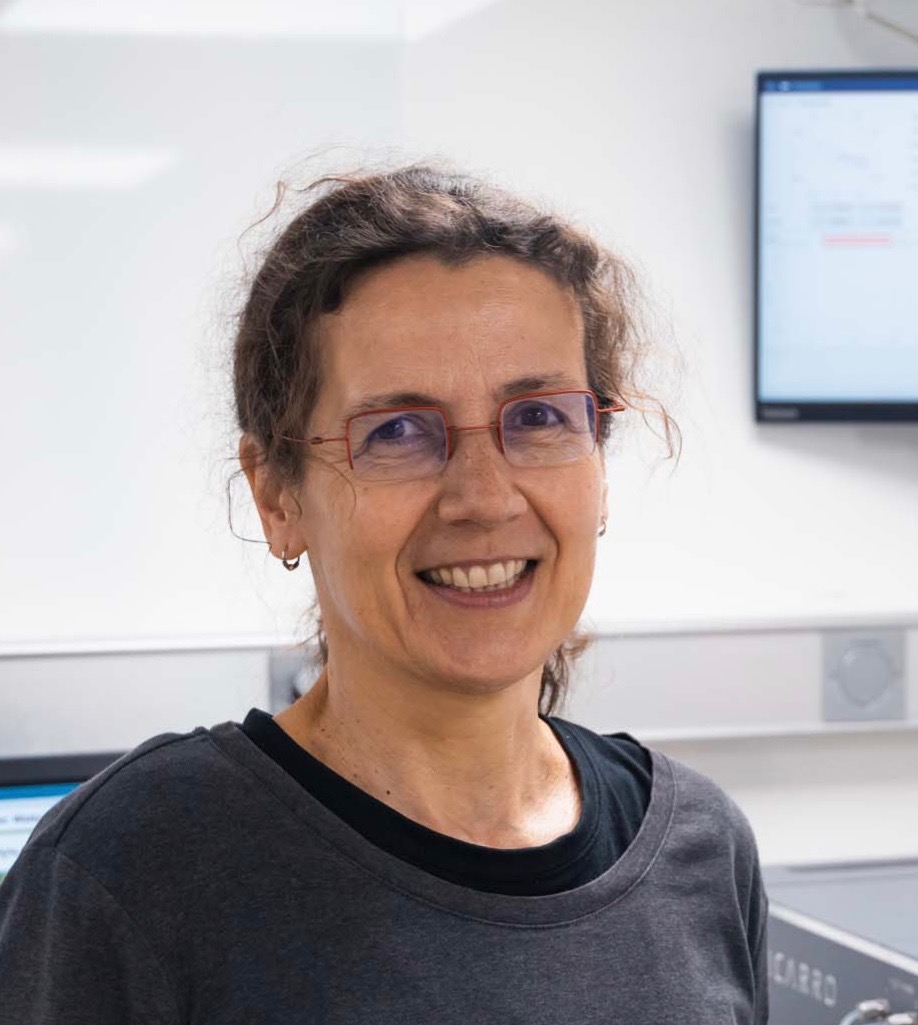 Claire Waelbroeck合作论文数Laboratoire d'Océanographie et du Climat - Expérimentations et Approches Numériques11
 Susana M. Lebreiro合作论文数Department of Geoscience Research and Prospective, Instituto Geológico y Minero de España11
 Ana Luiza Spadano Albuquerque合作论文数Departamento de Geoquimica, Universidade Federal Fluminense11
 Jean Lynch-Stieglitz合作论文数School of Earth and Atmospheric Sciences, College of Sciences, Georgia Institute of Technology11
 Maria Fernanda Sanchez Goni合作论文数Ecole Pratique des Hautes Etudes-PSL;Environnements et Paleoenvironnements Oceaniques et Continentaux, Universite de Bordeaux11
 James D. Scourse (James Scourse)合作论文数University of Exeter11
 Rosemarie E. Came合作论文数Geology and Planetary Sciences;California Institute of Technology;Geology and Planetary Sciences, California Institute of Technology11David C. Lund合作论文数Dept Marine Sci, Univ Connecticut11
 James A. Collins合作论文数Electricity Department, Athlone Power Station11
 Syee Weldeab合作论文数Department of Earth Science, College of Letters and Science, University of California, Santa Barbara11
 Irka Hajdas合作论文数Lab Ion Beam Phys, ETH11
 Stephanie Desprat合作论文数Section Sciences de la Vie et la Terre, École Pratique des Hautes Études - EPOC - Université de Bordeaux11
 Paolo Scussolini合作论文数Faculty of Biology, Universitat de Barcelona11Bruno Malaize合作论文数UMR Environnements et Paléo-environnements OCéaniques (EPOC),, Université Bordeaux 111
 C. Skonieczny合作论文数FRE CNRS 3298, Université Lille111Silvia Nave合作论文数11
 Jacques Giraudeau合作论文数University of Bordeaux11
 Gema Martinez Mendez合作论文数Institut de Ciència i Tecnologia Ambientals, Universitat Autònoma de Barcelona11
 L. Rossignol合作论文数Laboratoire de Morphog;Universit ~ Paris-Sud;Laboratoire de Morphog, Universit ~ Paris-Sud11
 Joel Pedro合作论文数Australian Government Antarctic Division11




