Responsible leadership (RL) has gained growing attention in both academia and organizational practice. However, extant research faces three key limitations: a lack of conceptual clarity (i.e., tautologies and overlaps with other leadership constructs), a conflation of leader behaviors with follower evaluations, and overreliance on surveys, which typically capture supervisory rather than top-executive perspectives. To address these issues, we introduce a novel behavioral measure of responsible CEOs based on linguistic markers. We leverage computeraided text analysis (CATA) to develop and validate a keyword-based CEO RL measure, combining deductively derived words with inductively derived words from machine learning (ML) and human raters. We then empirically examine the relationship between CEO RL and firm Corporate Social Responsibility (CSR). Using a sample of 955 CEOs over 19 years, we find that CEO RL is positively associated with CSR. Finally, we derive a taxonomy of RL behaviors (RLBs) and show overlaps and distinctions with Ethical Leader Signals (ELS). We conclude with a roadmap for future research.
This article describes how people in formal leadership roles shape and develop a leader identity through meaning-making of experiences across time and situations. Drawing on qualitative data from in-depth life narrative interviews with 22 organizational leaders, enriched through photo and object elicitation techniques as well as timeline mapping, we offer an understanding of how meanings made and meaning-making modes impact leader identity development. We found that most organizational leaders in our sample described an evolving sense of self as a leader over the course of their careers, moving from identity uncertainty and imposter feelings to identity coherence and feeling like an original. This transition was connected to three key shifts in meanings made: (1) a development of cognitive complexity, (2) a development of schema alignment, and (3) a development of self-schema clarity. These shifts were facilitated by leaders' ongoing, deliberate engagement in specific modes of meaning-making (i.e., cognitive identity work). These findings contribute a new dimension to leader identity scholarship by highlighting the importance of schema growth, alignment, and integration in the development and maintenance of leader identity, as well as to the value of deep thinking and purposeful acting as complementary modes of identity work.
Academic faculty face high rates of indicators of low well-being, such as burnout, stress, and even mental illness, making monitoring employee well-being imperative. However, well-being is a complex construct with various conceptualizations and associated measures. This lack of consensus creates difficulties in interpreting well-being findings, with consequences for practice. We have conducted a systematic review by qualitatively analyzing 161 articles from EBSCOhost, Web of Science, PsycNet, ERIC, and Scopus. Our findings provide an overview of how faculty well-being is defined and measured. Well-being is poorly defined in the current research, given that definitions are sometimes implied rather than stated or omitted altogether. Well-being conceptualizations and measures from different categories are often combined to provide a more holistic perspective. Based on these findings, we have developed a series of guiding questions to support researchers in conceptualizing and measuring well-being.
Higher education has implemented various pedagogical interventions to increase connectivity with the workplace and ease students' education-to-work transition. However, the effectiveness and underlying mechanisms of these interventions in supporting students with this transition remains largely unexplained. The present review article analyzed 49 articles bringing together two theoretical frameworks on this transition: connectivity and boundary crossing. Results show that connectivity can be increased by collaborating with the workplace in several ways. However, our results also show that higher education seldom learns from this collaboration, resulting in a lack of effective boundary practices to support students in their education-to-work transition. On top of that, our research demonstrates the importance of assessing the effectiveness of any of these interventions from both a student and a labor economics perspective.
Auditors at all ranks should be skeptical when searching for information throughout audits. However, we lever domain learning theory from educational psychology to posit that their skepticism unlikely develops evenly across ranks, but rather depends on a supportive learning culture, a construct from the management literature. To test that perceived learning culture moderates the association between auditor rank and skeptical information search, we use a laboratory study with 166 Dutch auditors at a Big 4 firm and follow-up interviews with seven top leaders of that firm. A more supportive perceived learning culture is associated with more skeptical information search, but only in audit managers and partners - not in associates and seniors. Interviewees attribute this pattern to values acquired over time through socialization, role expectations, knowledge development, and wider task characteristics.
Purpose Organizations increasingly call for teamwork when working on challenges such as implementing new technologies or creating innovations. Teams require team leaders who analyze the situations at hand. This study explores team leaders’ mental representations of such situations and their decisions on how to act. Design/methodology/approach To study such team leaders’ cognitions, four types of mental representations were explored – team leaders’ mental representations of team leadership, self-view as team leaders, understanding of teams and team tasks and team leadership behavior repertoires – and any alignment between these mental representations was analyzed. Various elicitation techniques were used in interviews with 15 team leaders. Findings The analysis showed that team leaders thought differently about leadership and teams and did not necessarily present a collective leadership perspective or a broad view of teams. Furthermore, those with more varied mental representations of leadership and situations in teams mentioned a greater variety of leadership behaviors in their repertoires that they would apply in different situations. Originality/value The inclusion of these cognitive properties in “team” leadership advances leader cognition research, which predominantly takes a leader–follower perspective and contributes to research that strongly focuses on the mental representations of team members. Combinations of methods were used (e.g. survey data and vignette-driven interviews), adding empirical depth and representing methodological rigor and novelty. This study reveals the diversity and particularity of team leader cognitions and their alignment, showing the importance of a cognitive approach to complement team leadership based on behavioral research traditions.
Responding to climate change and avoiding irreversible climate tipping points requires radical and drastic action by 2030. This urgency raises serious questions for energy companies, one of the world’s largest emitters of greenhouse gases (GHGs), in terms of how they frame, and reframe, their response to climate change. Despite the majority of energy companies releasing ambitious statements declaring net zero carbon ambitions, this ‘talk’ has not been matched with sufficient urgency or substantive climate action. To unpack the disconnect between talk and action, this paper draws on the literature on framing, organisational hypocrisy, and collective moral responsibility. We conduct a longitudinal qualitative content analysis of the framing of climate change used by the ten largest European investor-owned energy companies and the actions they have taken to shift their business practices. Our findings reveal three main categories of energy companies: (i) deflecting, (ii) stagnating, and (iii) evolving. We show key differences in the relationship between framing and action over time for each category, revealing how deflecting companies have larger and persistent gaps between green talk and concrete action and how stagnating companies are delaying action despite increased green talk, while evolving companies exhibit a closer link between talk and action that tends to be realised over time. Our analysis reveals how competing approaches to framing collective moral responsibility help understand the trajectories of talk and action across the different categories of energy companies. This research makes several contributions to the literature on organisational hypocrisy and collective moral responsibility in the context of climate change. Our analysis highlights the complex relationship between collective moral responsibility, organisational hypocrisy and climate action, revealing how different collective framings—diffuse, teleological, or agential—can both enable and offset substantive climate action. The study also enriches our understanding of the performative nature of collective moral responsibility by examining its temporal dimensions and showing how an agential, backward-looking focus is associated with more meaningful climate action.
In deze bijdrage combineren we kwantitatieve en kwalitatieve inzichten over virtueel teamwerk in het accountantsberoep. We illustreren dat hoewel meer virtueel werk de prestaties van controleteams kan verminderen, de controlekwaliteit als hoog wordt ervaren – ook bij een toegenomen mate van virtueel teamwerk.1 Verder tonen we dat virtueel teamwerk niet intrinsiek goed of slecht is, maar om een afweging vraagt tussen flexibiliteit en structurele nadelen, zoals beperkte leermomenten. Ook tonen we hoe accountantskantoren optimale omstandigheden kunnen scheppen voor virtuele auditteams door het bevorderen van leergedrag en empowerend leiderschap.
Higher education plays a pivotal role in preparing students for the dynamic and complex labour market. Helping students develop employability competences supports them in obtaining the necessary expertise and skills to facilitate their transition to the labour market and to address the requirements of their new jobs. Employability competences are considered to contribute to students' wellbeing and economic prosperity. Colleges and universities offer career coaching programmes to support students in developing their employability competences. Despite the importance of employability competences, empirical studies on the impact of such coaching programmes remain scarce. The present study aims to fill that gap by exploring the relationship between career coaching and the development of employability competences. A two-study design based on a multiple-methods approach was used to gain more insight in how coaching in higher education contributed to the development of students' employability. Data were collected at institutions of higher education in the Netherlands and Belgium via student surveys (n = 491) and interviews with coaches (n = 9). Our quantitative data showed a significant positive relationship between coaches' autonomy support and the development of students' employability competences. The interviews provided in-depth detailed findings on how coaches support students in their learning process. Coaching sessions became most effective by encouraging students to engage in trial and error and by stimulating (self-) reflection. Taken together, our results show that (career) coaching in higher education has the potential to support students' development of employability competences, which will, in turn, foster their transition to the workplace.
Dutch accounting education has an excellent reputation; yet future-proofing it is challenged by a tight labour market and the continuously expanding societal roles and expectations imposed on accountants. In this article, we share insights on how three other professions – healthcare, law and aviation – have approached challenges similar to those currently faced by accounting educators. First, we show how healthcare education deals with ever-growing amounts of knowledge that young professionals should master. Second, we share how law educators have developed a new post-graduate approach linking theory and practice. Third, we demonstrate how aviation training fosters competence development without overloading the curriculum.
This study explores the potential of a new perspective on research into the impact higher education has on the civic engagement of students. We propose a shift from viewing engagement itself as the key dependent variable to two ‘fundamental constituents’, political interest and agency. Both constituents have been presented as either static or determined entirely by factors external to education such as maturation, but also as dynamic and affected by various aspects of the educational experience in higher education. Furthermore, as analyses of these effects based on sample means do not account sufficiently for the intersectionality of background variables that define the student experience, we propose that data are explored through cluster analysis. Employing this type of analysis, a case study conducted at a small international liberal arts college in the Netherlands showed four distinctly different patterns in the development of both constituents of civic engagement. Based on further data obtained from the same sample, we offer suggestions for specific foci in further research about the impact of higher education on the development of civic engagement.
PurposeEmployers increasingly require students to possess competences that go beyond theoretical knowledge and academic expertise, such as lifelong learning skills. To equip students with these competences, higher education institutes have introduced coaching as part of their teaching programs. The present study qualitatively evaluates a career coaching practice in higher education.Design/methodology/approachWe conducted semi-structured interviews with graduates who had participated in career coaching activities at a Dutch university (N = 12). The interviews were conducted between February and May 2022. Atlas.ti version 9 was used to analyse the interviews.FindingsResults revealed that graduates believed that career coaching helped them to adjust to the workplace. They indicated that the coaching practice helped them to acquire reflection skills, which was considered the main mechanism for adjustment to the workplace.Research limitations/implicationsThese results add to the transition-related literature by identifying one way that graduates successfully adjust to the workplace.Practical implicationsThe results also provide insight into how higher education can best prepare students for their transition to the workplace.Originality/valueAs the education-to-work transition does not end upon graduation, this research focusses on graduate employees' work adjustment as an important phase in the transition process.
Many students approaching adulthood often choose high-calorie food products. Concurrently, health interventions applied during this life phase can potentially lead to a healthier lifestyle. Nudge health interventions in experimental cafeteria settings have been found to improve eating behavior effectively, yet research in real-world settings is lacking. Accepting nudges as health interventions impacts nudge effectiveness. The present study applies a pretest–posttest design for a period of three consecutive weeks (no nudge, nudge, no nudge), testing the effectiveness of the so-called Giacometti cue on the number of calories purchased in a real-world cafeteria. Students were exposed to the nudge during the intervention week when entering the cafeteria and when choosing their meals. After purchasing a meal, their choice was recorded, and they completed a questionnaire. The Giacometti cue immediately reduced the number of calories purchased (comparing weeks one and two). After nudge removal, an effect was identified, increasing the number of calories purchased (comparing weeks two and three). Contrary to expectations, higher nudge acceptance resulted in more calories purchased. Neither awareness of the nudge’s presence when buying food nor the interaction between acceptance and awareness played a role. We explore potential explanations for the Giacometti cue’s effects.
Current clinical workplaces require a variety of health care professionals to work together on solving patientcare or health care problems.1 In the era of team-based patient care, collaborative practice with colleagues across clinical disciplines and health care professions requires additional skills and abilities.2 However, we tend to take it for granted that many of our daily routines—including working together—do not require possessing fundamental understanding of definitions or core skills of collaboration. Such an approach may no longer be sustainable as we educate and prepare future clinical practitioners to work in complex health care settings and navigate changes in health care systems as well as population and societal health care needs.3 We tend to take it for granted that many of our daily routines do not require possessing a fundamental understanding of collaboration. As educators and researchers, we should strive to foster awareness among health care professionals and clinical teachers on the importance of successful collaboration and, consequently, patient safety and quality improvement in patient care.4, 5 To ensure that our learners become effective collaborators, it is important for clinical teachers to understand what real collaboration entails and put deliberate strategies for daily collaborations in place. This toolbox article provides theoretical principles and practical strategies for both clinical teachers and learners on the importance of and know-how for effective collaborative practice. We first define and elaborate on terminology often used when talking about collaboration. Then, we discuss key concepts, related to inherent challenges of collaboration in the workplace and the important role of constructive conflicts, hierarchy and psychological safety within an organisation. Lastly, to help clinical teachers improve learners' collaboration beyond their own discipline or profession, we provide approaches to integrate these concepts into day-to-day clinical teaching. There are terms related to collaboration commonly used in the health care professions, but it is not certain that individuals involved have a shared mental model of their meaning. We define and expand upon commonly used terminology: Although groups and teams are often used interchangeably, there is a clear difference. A group can be defined as 'a collection of individuals who perform similarly on complementary tasks as different individuals'.6 A team can be defined as 'a collection of individuals who are interdependent in their tasks, share responsibility for outcomes, see themselves and are seen by others as an intact social entity embedded in one or more larger social systems'.7 Typical examples of groups can be found in schools, for example, student learning groups, with every individual student having an individual goal: for example, reaching learning goals. Examples of teams can be often found in sports, for example, baseball, with the team having a clear mutual goal: winning the game. Because current complex patient management requires coordinated care from diverse professionals, health care, too, demands unprecedented teamwork.3 Although groups and teams are often used interchangeably, there is a clear difference. In multidisciplinary teams, team members from diverse disciplines (pulmonology, thoracic surgery, radiology, etc.) work on the same project independently or in parallel. These various clinical disciplines combine to formulate a treatment plan that includes treatment options according to their individual expertise. A greater degree of collaboration is implied in interdisciplinary teams, which work towards cohesion and integration of expertise while carving out professional territories.8 The various disciplines provide their input at team meetings but formulate a shared team recommendation. An interprofessional team brings together individuals from two or more different professions and are exemplars of high-level collaboration. For example, a hospital interprofessional unit can involve a social worker, public health administrator, physician and nurse who collaborate on shared patient care goals. A greater degree of collaboration is implied in interdisciplinary teams, which work towards cohesion and integration of expertise while carving out professional territories. Health care professionals and learners face a variety of challenges to collaborative, interprofessional patient care in their practice; these can pertain to knowledge, skills and attitudes. Knowledge deficits relate to lack of awareness of the roles of professionals from other practice arenas. Skill deficits can be ineffective communication skills, integrating a variety of perspectives in addressing patient and family needs, and ability to anticipate and navigate conflicts. Examples of attitudinal challenges are continuing traditional hierarchies, fixed ideas about team leadership and lack of perceived psychological safety. These challenges often remain hidden under the surface. In this section, we focus on three key challenges: managing conflicts, hierarchy and psychological safety. The final part of this section outlines the role organisations can have in addressing these challenges. A variety of conflicts can arise within multidisciplinary or interprofessional teams. Conflicts can either be destructive, leading to a poor outcome and unsuccessful collaborations, or constructive, leading to successful outcomes.9, 10 Destructive conflicts typically start with differences in opinion but often escalate quickly under the conditions such as (a) an insistence that one's singular opinions are best due to high-level credentials; (b) rejecting others' suggestions without pursuing an explanation or understanding separate reasoning; or (c) being dismissive and disrespectful of others' opinions. These behaviours could create personal, emotional or even hostile conflicts and lead to a toxic environment which quickly deteriorates team performance.10 Conflicts can either be destructive, leading to a poor outcome and unsuccessful collaborations, or constructive, leading to successful outcomes. In contrast, constructive conflicts are often necessary for positive team outcomes. It allows team members to present, question and integrate individual perspectives, suggestions and reasons that support or challenge others' ideas.9 Effective leaders and team members model a willingness to be questioned, listen to all team members' viewpoints and maintain readiness to change their minds. Explicitly asking for and providing evidence to support decision making, showing respect and appreciation for all opinions and recommendations and stimulating disagreement among members with the goal of reaching the best solution for the current problem can all prove value added.11 Given its beneficial effects on learning and innovation, Eichbaum earlier called to integrate conflict in teamwork.12 The scenario on interprofessional collaboration, outlined in Box 1, shows the necessity to invest in collaborative skills when conflicts arise and how constructive conflicts can be achieved. During the COVID-19 pandemic, one internal medicine ward was quickly changed into a COVID-19 cohort ward. Internal medicine patients were relocated to the former day admission unit, where experienced nurses were used to doing many procedures independently with senior doctors dropping by once daily for patient rounds. This ward now housed general medicine patients accompanied by internal medicine physicians, residents and other learners. Initially, the unit nurses made it clear that they did not see the relevance of joining ward rounds or afternoon updates at the doctors' station (team huddle). Sometimes, their verbal and non-verbal behaviours demonstrated disagreement with certain treatments given. Curiously, it was the non-verbal behaviour that started a conversation. One resident asked nurses to explain their perception on patients and their treatments; each group shared their opinions that initiated a dialogue seeking to understand each other's reasoning. During this conversation, nurses and doctors were able to explain and discuss their viewpoints, their advantages as well as disadvantages. Ultimately, this led to a consensus where differing viewpoints came together for the patients' benefit. When the time came for patients and teams to move back to the original internal medicine ward, nurses and residents shared their gratitude for such collaboration and the unique learning opportunities that occurred. An important concept in many of our learners' daily encounters with other disciplines and professions is hierarchy. Team members will assess a member's hierarchical position by judging their professional status, formal position and expertise. Hierarchy often has a negative impact on team effectiveness and makes teams prone to relational conflict.13 When team members lack clarity about their own and others' roles or the task to be accomplished, hierarchy does have its merits: the leader decides. However, in situations calling for input from every team member, hierarchy is the 'big elephant' in the room. Because hierarchy can jeopardise team communication and patient safety, it is important to democratise learning environments. Democratisation has been stated to enable integration of conflict in teamwork.12 However, in practice, health care professionals struggle to cross specific boundaries in teams.14 Maintaining professional autonomy and avoiding conflict are among the most prominent factors that withhold team members from sharing essential information to accomplish tasks. These priorities adversely impact psychological safety. Maintaining professional autonomy and avoiding conflict are among the most prominent factors that withhold team members from sharing essential information to accomplish tasks. Edmondson defined psychological safety as 'a shared belief held by members of a team that the team is safe for interpersonal risk-taking'.15 The level of psychological safety in an organisation can be recognised by the degree to which people perceive the environment to be safe for such risk-taking.15 As such, psychologically safe places are recognised because people speak up and share doubts, ask questions and debate; when people fail to speak up and a culture of silence is present, psychological safety is low.16 In a psychologically safe place, it is acknowledged that all team members, including leaders, have strengths and deficits, can learn from failures and welcome and respect all opinions. Edmondson's work on how surgical teams acquire new knowledge and skills highlights the importance of good leadership in navigating and crossing team boundaries by professionals from different disciplines.17 The research from her group has consistently demonstrated that good leaders invite, inform, support and challenge input from others. This requires them to create a team climate of high psychological safety allowing team members to speak up when necessary, without having fear for hierarchy.14, 15 Psychologically safe places are recognised because people speak up and share doubts, ask questions and debate. Health care organisations like hospitals, academic medical centres or even departmental structures play an equally important role in ensuring a productive yet safe learning environment that effectively seeks to prevent, limit and at times actually address and embrace conflict.12 Organisations can enable workplace collaboration through several mechanisms. Foremost, organisations are able to mandate the structure of the clinical environment, inclusive of factors such as staffing levels and even geography of care. In doing so, they make decisions that balance income with the many competing expenditures and missions that health care organisations must face—inclusive of medical education. Organisations also define rules, policies and disciplinary actions. When necessary, these forces help learners overcome political or seniority hurdles. Finally, through symbolism and cultural processes, an organisation defines its values and goals. Pride in a collective mission, as well as an understanding of a team's common goals, is as much defined by symbolism as by statement. These four frames—structural, human resource, political and symbolic—demonstrate how an organisational system can align itself to positively impact a psychologically safe learning environment for successful teamwork.18 An organisational system can align itself to positively impact a psychologically safe learning environment for successful teamwork. Owing to the pressing need for effective collaborations in the health care workplace, it is important for clinical teachers and learners to be able to work on main ingredients of collaboration and participate in constructive conflicts. Therefore, the emphasis of teaching should be on both the awareness and creation of constructive conflicts, with a psychologically safe learning environment as its prerequisite. Clinical teachers could work from the three main approaches that are listed in Figure 1 and described in detail below. Besides raising awareness of learners in these three areas, clinical teachers and learners must demonstrate and model these behaviours as well. Moreover, as a tool for constructive conflicts, we could build upon different team behaviours known from literature.9, 14 These behaviours could be translated to educational practice in a comprehensive way by integrating them to a '3D tool': disclose, dialogue and discuss (see Figure 2). Clinical teachers could help their learners to move away from destructive conflicts and work towards constructive conflicts by using these '3Ds', especially when various disciplines or professions take part. After all, it is important to let everyone feel engaged and be heard, use each other's expertise and not shy away from discussions but work towards real teamwork instead.12, 19 The scenario in Box 2 illustrates how disclosures can lead to further dialogue and discussions. The resident introduces the recent admission of a patient suffering from severe COPD. 'This patient has been admitted with an exacerbation of his COPD, his third admission this year. He is recovering well again so we are planning to discharge him within the next few days. Ok with you?' The physiotherapist waits a second but then addresses the following concern: 'His condition has really gone worse, so I feel he needs time to regain physical strength.' Immediately, the social worker adds that the patient lives alone with limited social support, and she sees that this, in combination with limited strength, brings lots of insecurities. The resident has started to frown. 'Indeed, I didn't see him walking on the ward, but we still have a few days left.. And regarding those insecurities, I think he didn't bring that up to me yet. Did you notice that?' The spiritual counsellor and nurse are explicitly invited to speak now, and they both reveal how the patient has been showing concerns and emotions about leaving the hospital again. All team members are nodding now. After some further discussion, they all agree on the need for rehabilitation so the patient can recover before going back home and reducing the risk of a quick re-admission. It is important to not shy away from discussions but work towards real teamwork instead. The need for various health care professionals to work collaboratively is critical to current clinical practice. Therefore, we need to ensure that we train effective collaborators in the workplace. Clinical teachers should understand what successful collaboration entails and how to put deliberate strategies in place for our learners to become successful collaborators across disciplines and professions. First, it is important to stress the acknowledgement of interdependence when striving for collaboration, as can be found in effective teamwork. Second, challenges such as hierarchies and lack of perceived psychological safety need to be combatted. By disclosing information, starting dialogues and even discussions on content, constructive conflicts and positive team outcomes can be reached. Finally, alignment at an organisational level, inviting and appreciating multiple perspectives can lead to creation of environments where successful collaboration takes place. By disclosing information, starting dialogues and discussions on content, constructive conflicts can be reached. Stephanie N.E. Meeuwissen: Conceptualization; writing—original draft; visualization; writing—review and editing. Wim H. Gijselaers: Writing—review and editing; writing—original draft. Erik K. Alexander: Writing—original draft; writing—review and editing. Subha Ramani: Writing—review and editing; writing—original draft; conceptualization. The authors have no acknowledgement to disclose. The authors have no conflicts of interest to declare. The authors have no ethical statement to declare. Data sharing is not applicable to this article as no new data were created or analyzed in this study.
This paper explores how European energy companies, some of the world’s largest emitters of greenhouse gases, have understood and responded to climate change in recent years. Finding solutions to climate change is one of the greatest challenges facing governments, corporations, and society. In response to this challenge, many companies have declared their net zero carbon ambitions by 2050. However, recent studies suggest that we need drastic climate action by 2030, not 2050. Understanding a company’s framing of climate change and their responses to it can provide a good indicator for how effective a company will be in achieving positive climate change outcomes in the future. We explore how ten European energy companies have framed climate change from 2010-2019, the actions they’ve taken in response to climate change, and what this may signal for future climate change responses in the energy sector. Through analysing 111 energy company sustainability reports, we propose a new framework (The Climate Framing Framework) that identifies four inter-related frames that energy companies use to make sense of, and respond to, climate change. We illustrate the actions that align with these four dominant climate change frames and explore how energy company framing has either stagnated, evolved, or rewound over time. Finally, by exploring the triggers that stimulated changes in framing, we draw attention to how the actions of government, civil society, and energy companies themselves can influence future climate change responses.
PurposeThe present study proposes coaching as a pedagogical intervention to prepare students for transitioning to the labour market. Taking a competence-based approach, the proposed coaching practice aims to enhance students' employability competences to facilitate a smoother school-to-work transition. However, what transition coaching looks like remains largely unclear. Moreover, in competence-based education, teachers are expected to be highly skilled coaches, facilitating students' transition to the labour market. The present study aims to map the core competencies of a transition coach.Design/methodology/approachA qualitative design was adopted to map the core competences of a transition coach. Data were collected from two focus groups, consisting of coaches in higher education and in the workplace.FindingsResults show that, to create the necessary support conditions, a coach creates a safe coaching environment and supports students in setting goals, guide them in the activities they undertake to attain these goals, and asks reflective questions. Moreover, the coach stimulates students' ownership by putting the student in the centre of the decision-making process. Furthermore, the results emphasize the importance of the coach's professional attitude and knowledge about the transition process and the labour market.Practical implicationsThe article concludes with practical implications for novice transition coaches and teachers in higher education.Originality/valueThe present study adds to the agenda of graduate work readiness by proposing a coaching practice aimed at preparing students for their transition to the labour market.
Part of the work of hierarchical temporary teams found in Professional Service Firms (PSF), is to form judgments based on ambiguous information. In this study, we propose that teams that hold a similar understanding of their client’s situation, in other words, have similar team situation models (TSM), achieve stronger team judgment performance. In addition, we investigate whether a reflexivity intervention helps teams cope with information ambiguity. To test our hypotheses, we collected data from 94 ad-hoc, hierarchical teams of financial auditors from a Big 4 firm, participating in a 2x2 experiment of a judgment task, varying information ambiguity and participation in the reflexivity intervention. We examined two types of TSMs relevant to the context. On the one hand, we looked at the teams’ similarity of perception of the relevant information (TSMinfo) and on the other, the similarity of perception of the judgment complexity (TSMjdm). Our results show that (1) information ambiguity is not directly related to team performance, (2) teams facing high information ambiguity have stronger TSMinfo, (3) teams achieve higher judgment performance with more similar TSMinfo and more dissimilar TSMjdm and (4) reflexivity helps the formation of TSMinfo when information ambiguity is moderate but hurts when it is high.
Purpose Learning from errors is a complex process that requires careful support. Building on affective events theory, the purpose of this paper is to explore how a supportive learning from error climate can contribute to social learning from errors through affective and cognitive error responses by individual professionals. Design/methodology/approach A total of 139 early-career auditors completed an online questionnaire consisting of validated survey scales, allowing for serial mediation analysis to compare direct and indirect effects. Findings Learning from error climate was directly and positively related to engagement in social learning activities after committing an error. Furthermore, the authors found a double mediation by error strain (an affective error response) and reflecting on errors (a cognitive error response) on this relationship. Practical implications Organizations can actively encourage professionals to learn from their errors by creating a supportive learning from error climate and holding professionals accountable for their errors. Originality/value The present study enriches the authors’ understanding of the mechanisms through which learning from error climate influences engagement in social learning activities. It extends prior research on learning from errors by investigating the sequential effects of engagement in error-related learning activities performed individually and in social interaction.
Research has identified nudging as a promising and effective tool to improve healthy eating behavior in a cafeteria setting. However, it remains unclear who is and who is not "nudgeable" (susceptible to nudges). An important influencing factor at the individual level is nudge acceptance. While some progress has been made in determining influences on the acceptance of healthy eating nudges, research on how personal characteristics (such as the perception of social norms) affect nudge acceptance remains scarce. We conducted a survey on 1032 university students to assess the acceptance of nine different types of healthy eating nudges in a cafeteria setting with four influential factors (social norms, health-promoting collaboration, responsibility to promote healthy eating, and procrastination). These factors are likely to play a role within a university and a cafeteria setting. The present study showed that key influential factors of nudge acceptance were the perceived responsibility to promote healthy eating and health-promoting collaboration. We also identified three different student clusters with respect to nudge acceptance, demonstrating that not all nudges were accepted equally. In particular, default, salience, and priming nudges were at least moderately accepted regardless of the degree of nudgeability. Our findings provide useful policy implications for nudge development by university, cafeteria, and public health officials. Recommendations are formulated for strengthening the theoretical background of nudge acceptance and the susceptibility to nudges.
This paper explores the role of learning in organizational responses to sustainability. Finding meaningful solutions to sustainability challenges requires companies and other actors to broaden their thinking, go beyond organizational boundaries and engage more with their stakeholders. However, broadening organizational perspective and collaborating with diverse stakeholders involves inherent political and process-related tensions. Learning has been identified as a key organizing process for overcoming the challenges that arise through collaborative action for sustainability. In order to understand the role of learning in organizational responses to sustainability, we conduct a cross-disciplinary systematic review of the literature on learning for sustainability and incorporate perspectives from diverse disciplines including business, management, environmental science, sociology, policy, urban planning, and development. The review explores how different disciplines conceptualize and operationalize learning for sustainability and identifies the common themes and challenges. Our findings highlight the different ways that power relations influence learning and decision-making processes, and how entrenched traditional value structures and ‘reflexive complicity’ limit practitioners and researchers alike in finding meaningful sustainability solutions. We conclude that shifting how we motivate business and management research on learning for sustainability, in a way that prioritizes sustainability outcomes over firm performance, could bring us a step closer to more meaningful responses to sustainability. Similarly, breaking patterns of ‘reflexive complicity’ by key actors in business could assist in shifting toward more radical and long-term responses to sustainability in practice.
 Mien S. R. Segers合作论文数School of Business and Economics, Maastricht University56
 Dirk Tempelaar合作论文数University of Maastricht36
 Piet Van den Bossche合作论文数26
 Simon Beausaert合作论文数School of Business and Economics, Maastricht University24
 Bart Rienties合作论文数Maastricht University21
 Therese Grohnert合作论文数School of Business and Economics, Maastricht University21
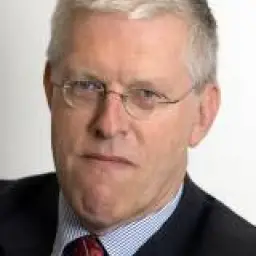 (Henk) HG Schmidt合作论文数Erasmus Medical Center, Erasmus University Rotterdam18
 Roger Meuwissen合作论文数15
 Paul Kirschner合作论文数Netherlands Laboratory for Lifelong Learning, Welten Institute, Open Universiteit;Kirschner-Ed13
 Bas Giesbers合作论文数Open University of the Netherlands12
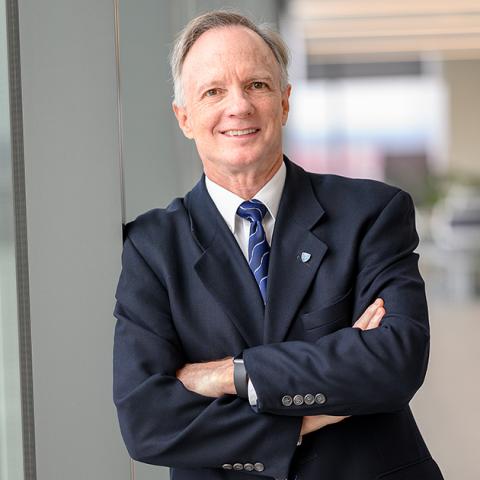 Richard Milter合作论文数Carey Business School, Johns Hopkins University9
 Henny Boshuizen合作论文数9
 Mien Segers合作论文数University Maastricht Department of Educational Development and Research8
 Amber Dailey-Hebert合作论文数Park University8sybrand schim van der loeff合作论文数7
 Pieter J. Beers合作论文数Delft University of Technology7
 Ineke H. A. P. Wolfhagen合作论文数Department of Educational Development & Research;University of Maastricht;Department of Educational Development & Research, University of Maastricht7
 Catherine Gabelica合作论文数6
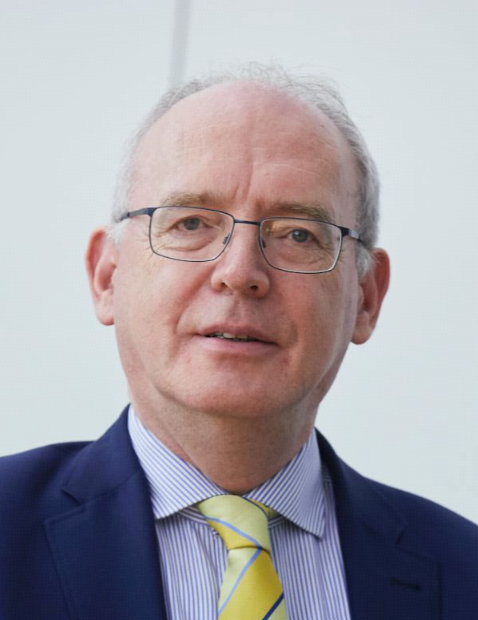 Peter L. H Van Den Bossche合作论文数School of Law, Xi'an Jiaotong University;World Trade Institute, University of Bern6
 Stephanie Meeuwissen合作论文数6Jan Nijhuis合作论文数6
 Jos A.R. Arts合作论文数6Janine Van Der Rijt合作论文数6
 Martin Rehm合作论文数Maastricht University6
 inken gast合作论文数Dept Educ Res & Dev, Maastricht Univ5Geert Woltjer合作论文数5
 Mirjam G A oude Egbrink合作论文数Cardiovascular Research Institute Maastricht (CARIM), Maastricht University5
 Nga Thi Phuong Pham合作论文数4Mariëlle Jippes合作论文数4
 Alexandra C. Niculescu合作论文数4
 Niels van der Baan合作论文数4volder de maurice l合作论文数4
 Oscar van den Wijngaard合作论文数4Christine Kawa合作论文数4
 Mieke Koeslag-Kreunen合作论文数Res Grp Working Educ, Univ Appl Sci Utrecht4
 Willem De Grave合作论文数Sch Hlth Profess Educ, Maastricht Univ4
 Patrizia M. Ianiro-Dahm合作论文数4G. D. MAJOOR合作论文数4
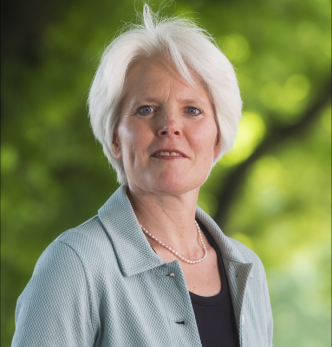 Diana Henriëtte Josephina Maria Dolmans合作论文数Department of Educational Development and Research, Faculty of Health, Medicine and Life Sciences, Maastricht University4
 Cornelis van der Vleuten (C.P.M.)合作论文数School of Health Professions Education, Faculty of Health, Medicine and Life Sciences, Maastricht University4Margje Van De Wiel合作论文数4
 Erik W. Driessen合作论文数Department of Educational Development and Research, Maastricht University4
 Marcel Van Der Klink合作论文数Centre for Learning Sciences;Open University of the Netherlands;Centre for Learning Sciences, Open University of the Netherlands4Melanie Feeney合作论文数3
 Jeroen J. G. van Merrienboer合作论文数School of Health Professions Education, Maastricht University3
 Pim Martens合作论文数Maastricht Sustainability Institute, School of Business and Economics, Maastricht University3
 Liesbeth Kester合作论文数Open University of the Netherlands3
 Gemma Corbalan合作论文数3
 Thomas J P Thijssen合作论文数3




