This cross-sectional correlational study was conducted with 479 nurses working at educational and medical centers affiliated with Tabriz University of Medical Sciences in 2022-2023 to examine the relationships among social intelligence, moral courage, and resilience. Participants were selected using a multistage sampling method. Data were collected using validated Persian versions of the TSIS Social Intelligence Scale, Sekerka's Moral Courage Scale, and the CD-RISC Resilience Scale, with Cronbach's alpha coefficients of 0.75, 0.85, and 0.94, respectively. Data were analyzed using SPSS version 19. The findings showed that nurses had moderate social intelligence scores (94.98 +/- 14.55) and relatively high moral courage (78.99 +/- 17.98), while their resilience level was moderate to high (65.77 +/- 15.56). A positive and statistically significant relationship was found between resilience and both social intelligence and moral courage (P < 0.001). Given the importance of resilience in stressful nursing environments and the positive influence of social intelligence and moral courage on resilience, educational interventions focusing on these characteristics may help improve nurses' resilience.
Objectives The intergenerational gap, as one of the prominent consequences of social, cultural, and technological transformations in societies, has led to significant changes in relationships between the elderly and younger generations. The present study aimed at discovering and explaining the perceived challenges of the elderly regarding the intergenerational gap. Methods & Materials This qualitative study was conducted in Tehran, Iran, between 2023 and 2024. The participants included 21 elderly individuals (11 women and 10 men) aged between 65 and 80 years, who were selected through purposive sampling. Data were collected through semi-structured interviews and analyzed using the steps of qualitative content analysis. Results Data analysis led to the extraction of 97 initial codes, which were ultimately classified into three main categories: (1) Rejection: the experience of reduced communication between the elderly and the younger generation and the feeling of being sidelined from family and social contexts; (2) Diminished dignity: the perception of decreased respect, disregard for the roles and experiences of the elderly, and a decline in their social position among the younger generation; and (3) Intergenerational conflicts: the emergence of tensions and incompatibilities between the elderly and the younger generation. Conclusion The results of this study show that, from the perspective of the elderly, the intergenerational gap is a multidimensional phenomenon that can lead to negative experiences and unpleasant challenges. These challenges may expose the elderly generation to various disorders. Therefore, it is necessary for policymakers, social planners, and aging-related professionals to adopt intergenerational approaches that facilitate effective interaction and dialogue between generations and to take steps toward reducing the intergenerational gap through cultural, educational, and social programs.
Introduction: Although cognitive interviewing is an efficient method for assessing and enhancing the face validity of self-report instruments, the lack of a structured framework can limit its effectiveness. This study aims to introduce and apply Tourangeau’s Question-and-Answer Framework as a systematic guide for conducting cognitive interviews and enhancing face validity. Methods: This methodological study was conducted in two phases. First, Tourangeau’s theoretical framework comprising the four cognitive stages of comprehension, retrieval, judgment, and response was used to structure interview probes. Second, this framework was applied in a case study to improve the Nursing Talent Identification Scale. Cognitive interviews using think-aloud and verbal probing techniques were conducted with 20 first-year undergraduate nursing students selected via purposive sampling. Data were analyzed through qualitative content analysis explicitly guided by Tourangeau’s stages. Results: The application of Tourangeau’s framework enabled the precise identification and categorization of item-level issues. Analysis of the initial 95-item pool revealed problems primarily related to ambiguous wording and misinterpreted intent. Most issues were traced to the comprehension (16 items) and judgment (11 items) stages, leading to the revision of 20 items. For example, items with vague phrases (e.g., "relationships between components") or negative wording were clarified. Conclusion: Tourangeau’s framework provides a systematic approach to conducting cognitive interviews and improving face validity in healthcare research. Its application enhanced the Nursing Talent Identification Scale; however, the small, region-specific sample may limit generalizability. Future studies should apply this framework in larger and more diverse populations to strengthen its external validity and broader applicability.
Background: The increasing incidence of uncivil behaviors in nursing education has become a major global concern, particularly in clinical learning environments where professional interactions are essential. Although previous studies have documented various forms of incivility, less attention has been given to distinguishing incivility from related phenomena, such as stress responses, role ambiguity, and structural challenges. Objectives: This study aimed to explore and clarify manifestations of uncivil behavior in clinical nursing education. Methods: A qualitative exploratory design was used. Participants comprised nursing students, faculty members, administrators, and healthcare staff at Shahid Beheshti University of Medical Sciences in Tehran, Iran. Purposive and snowball sampling techniques were used to ensure diverse perspectives. Data were collected over 5 months through semistructured interviews with 27 participants, and sampling continued until data saturation was reached. Conventional content analysis, supported by MAXQDA 2020 software, guided the analysis. Reflexivity was maintained throughout data collection and analysis. Results: Uncivil behaviors were categorized into 4 main groups: student-related, faculty-related, healthcare staff-related, and organizational behaviors. The findings indicated that incivility is a multidimensional phenomenon shaped by interactions across these groups. Importantly, not all identified behaviors constituted incivility in a strict sense; some reflected stress responses, role ambiguity, or organizational constraints. Incivility was characterized by violations of professional respect and interpersonal norms, whereas contextual factors were interpreted as underlying conditions influencing these behaviors. Conclusions: Uncivil behaviors in clinical nursing education arise from complex interactions among students, faculty members, healthcare staff, and organizational systems. The findings distinguish incivility from related phenomena, such as stress responses, role ambiguity, and structural constraints, clarifying that not all negative behaviors constitute incivility per se. Incivility was specifically characterized by violations of professional respect and interpersonal norms, whereas contextual factors served as underlying conditions. Addressing incivility therefore requires multilevel interventions that target both interpersonal behaviors and systemic organizational factors to promote respectful and effective clinical learning environments.
The present study aimed to determine the effect of spiritual interventions on hope among patients with chronic diseases. This systematic review and meta-analysis study was conducted based on the PRISMA 2020 guidelines. International databases (PubMed, Web of Science, Scopus, Embase, Science Direct, Google Scholar) and Iranian databases (Magiran, SID) were searched up to September 8, 2025, using the operators “AND” and “OR” without time restrictions. The inclusion criteria consisted of randomized controlled trials or clinical trial studies that examined various spiritual interventions to promote hope in adults with chronic physical illnesses. After removing duplicates, initial and secondary screenings were independently performed by two reviewers, and finally, a total of 18 eligible studies were included. Risk of bias was assessed using the Cochrane tool. A total of 18 studies involving 1410 participants (intervention = 708; control = 707), conducted between 2008 and 2024 across five countries, were included in the review. The interventions consisted of structured spiritual care, religious counseling, self-care education, and prayer. Hope was assessed using validated instruments, including the Herth Hope Index (HHI), the Miller Hope Scale (MHS), and Snyder’s Adult Hope Scale (AHS). The majority of studies reported significant improvements in hope among participants in the intervention groups compared with controls, whereas only one study found nonsignificant results. Overall, the meta-analysis demonstrated a strong and significant effect in favor of the intervention group (Cohen’s d = 1.90, p < 0.001). According to the findings, spiritual interventions effectively enhance hope in patients with chronic physical diseases. These results highlight the importance of integrating spiritual interventions into the care plans of such patients and underscore the need for further research on standardized protocols and long-term outcomes.
Background Heart transplantation (HT) outcomes are greatly affected by psychological, social, behavioral, and self-care aspects. But still, there is no suitable instrument available for measuring readiness of HT among adult waiting-list patients, especially in the case of Iran. Objective To develop and validate the Heart Transplantation Readiness Scale for Adult Patients on the Waiting List (HTRW-A). Methods This exploratory sequential mixed-methods research consists of two phases at five cardiac centers in Tehran, Iran. In Phase 1 (qualitative), semi-structured interviews will be conducted with the participants including HT candidates, HT recipients, family members, nursing staff, medical doctors, transplant coordinators, and managers (estimated n=20-30). The qualitative data will be analyzed using the conventional content analysis method to find out the concept and dimensions of HT readiness. In Phase 2 (quantitative), the qualitative findings will be used to generate the items. Psychometric properties will be assessed based on numerous stated evaluations; these will include: face validity, content validity (CVR, CVI), construct validity (exploratory factor analysis), convergent validity (using SIPAT) and also Cronbach’s alpha to measure internal consistency, and ICC to evaluate test-retest reliability using data collected from approximately 250 to 300 patients who are placed on a waiting list for HT. Expected Outcomes The HTRW-A is intended to serve as a valid, reliable, and culturally sensitive method of obtaining the multidimensionality of one’s readiness for HT. By identifying areas where a patient may be lacking in their preparedness for the transplant process, healthcare providers can better offer specific interventions prior to a transplant.
Social accountability directs educational efforts toward developing a responsible workforce that meets community health needs. This study assessed processes and content in the surgical technology laboratory at Tabriz Nursing Faculty based on an accountability model (Responsibility, Responsiveness, Accountability) and designed a new model. A Delphi panel consisting of 15 experts rated 12 survey statements on a four-point Likert scale. The mean scores and Content Validity Index (CVI) were calculated, with a consensus defined as CVI above 79%. The Accountability 3A model includes three stages: Awareness (needs assessments, situation analysis, strategic and operational planning), Action (planning, capacity building, innovative methods), and Achievement (impact evaluation, reflective criticism, and evidence provision). Feedback over multiple Delphi rounds confirmed consensus, as the average score of all checklist components exceeded 3, with a CVI of 80% or above. Thus, the Accountability 3A model can serve as a valid guide for planning clinical education.
The global nursing shortage and the tendency to leave the profession, especially in middle-income countries, are recognized as critical challenges in the healthcare system. Without effective strategies to increase nurse retention, the global nursing shortage will not only persist but is likely to worsen over time. This qualitative study aimed to explain leadership and managerial factors affecting nurse retention as perceived by clinical nurses. A qualitative study using conventional content analysis was conducted. Fifteen clinical nurses were purposively recruited from public and private hospitals in Iran, and sampling continued until theoretical data saturation was achieved. Data were collected through semi-structured interviews and analyzed using Graneheim and Lundman’s conventional content analysis. Data analysis revealed three categories representing leadership and managerial factors that reinforced nurse retention: “Human-Centered Leadership,” “Structuring for Resilience,” and “Value Reflection.” Five categories represented leadership and managerial factors that weakened nurse retention: “Systemic Invisibility,” “Hierarchical Disconnect,” “Context-Blind Policy Imposition,” “Relationship-Based Discrimination,” and “Blaming Culture.” Nurse retention depends not only on adequate staffing but also on leadership practices that foster fairness, professional dignity, and organizational support. For the Iranian healthcare system, strengthening empathetic leadership and eliminating discriminatory and blame-oriented management practices should be a priority for improving nurse retention. These findings provide context-specific evidence to inform leadership development and retention policies in Iran and other resource-constrained healthcare systems.
Aim and Background: Incivility in clinical nursing education undermines civility and respect, harming the well-being and dignity of individuals and creating a toxic environment. It is crucial to define and understand incivility to address such behaviors in this setting. Methods: This study used Walker and Avant’s eight-step concept analysis to explore incivility in clinical nursing education. A literature review was conducted through databases like CINAHL, MEDLINE, and others, focusing on the period from 2010 to 2024. Results: Incivility examples included faculty humiliating students, harsh language, and disengagement, while students exhibited disruptive behaviors and lack of participation. Conclusion: The study highlights that incivility, including harassment, rudeness, and exclusion, damages trust, empathy, and interpersonal relationships, creating a hostile learning environment and causing psychological and physical harm. Understanding these behaviors is essential to foster a positive, respectful clinical education space.
This study aims to determine and compare the achieved competencies of graduating nursing students of public and private universities in Iran. The main responsibility of nursing education is to train nurses who possess the necessary competencies to provide safe and high-quality care. Given that a significant proportion of nursing education in Iran is the responsibility of private universities, it is essential to ensure that nursing graduates acquire the required competencies. A quantitative study with a comparative descriptive design was conducted. A convenience sample of 721 graduating nursing students, including 301 from private universities and 420 from public universities, participated in the study. Data was collected using a nursing competence questionnaire developed in the Iranian cultural context and rated on a 5-point Likert scale (1 = dependent to 5 = independent). The research findings were analyzed using descriptive statistics and the independent t-test. The students from public and private universities achieved the highest scores in work readiness and professional development, with means of 3.58 (SD = 0.39) and 3.48 (SD = 0.37), respectively. The lowest scores were obtained by both the public and private groups for evidence-based care, with means of 2.89 (SD = 0.54) and 2.54 (SD = 0.50), respectively. The mean score of core competence obtained by public nursing students across all 5 themes was higher than that of private students, and this difference was statistically significant (p < .05). The evidence-based nursing care showed the greatest difference in means (mean difference = 0.35), while individualized care had the smallest difference (mean difference = 0.09) according to the results of the independent t-test. Neither public nor private university nursing students achieved an independent level in any of the competencies. However, public university students demonstrated greater success in acquiring most of the competencies compared private students. To enhance nursing students’ competencies, future studies should focus on developing operational solutions, particularly for students at private universities.
Improving the quality of nursing services and enhancing ethical decision-making in clinical settings require greater attention to professional ethics. This study aimed to review and synthesize existing research on professional ethics in nursing in Iran, to organize, plan, and establish knowledge- and evidence-based decision-making, and also provide strategies for ethics-centered nursing in Iran. Iranian studies on ethics were reviewed without time limitations until June 22, 2023. Database search was conducted using keywords including "Nurse", "Nursing", "Ethics", "Professional ethics", "Nursing Care", "Codes of Ethics", "Patient Rights", "Conscience", and "Iran", as well as their Persian equivalents, combined with "AND" or "OR" operators. The included studies were analyzed utilizing the five-stage integrative review method proposed by Whittemore and Knafl. A total of 103 Persian and 59 English articles were reviewed. The results were organized into two main categories: achievements of professional ethics (encompassing knowledge, attitudes, and professional performance of nurses; nurses’ experiences with ethical care; positive outcomes of professional nursing ethics education; and the convergence of spiritual health with adherence to professional ethics and the need for an Islamic approach) and factors influencing ethical performance (including facilitators of ethical performance and barriers to adherence to professional ethics). Based on the findings, it is recommended that nursing care protocols and standards be developed, and various educational programs be conducted, including those on ethical care in emergencies and disasters, emotional and spiritual intelligence, training for clinical nursing managers, and the application of creative strategies for teaching clinical professional ethics.
This study aimed to identify the requirements for implementing a virtual care programme for patients with chronic wounds. It was conducted in two consecutive phases: (1) scoping review, (2) descriptive qualitative study. In the first phase, texts published in English until 2024 were identified using international databases. Data analysis was carried out using textual content analysis. In the second phase, 12 participants from Iranian wound care clinics participated. Data were collected through focus group discussion and analysed using conventional content analysis. Integration of both phases was conducted in the data analysis stage. The most important requirements for the implementation of the virtual care programme for patients with chronic wounds were identified in five main categories, including providing a basic infrastructure for virtual care, changing users' views on acceptance, the presence of competent specialised wound therapists, the necessity of teamwork and interprofessional cooperation of specialists, and the existence of a suitable platform equipped with video conferencing software. The findings of this study provide good practical guidance for policymakers and health system decision-makers to develop and implement virtual care programmes in the wound and other health care domains.
Purpose Although palliative care plays a vital role in improving the quality of life for cancer patients and their caregivers, its delivery often involves considerable complexity. Case management has been recommended as a systematic and collaborative approach. Understanding experiences and perceptions of case management in palliative cancer care can provide valuable insights for the development of coordinated, continuous, and patient-centered interventions. Methods A qualitative study was conducted based on the Chronic Care Model framework. Data were collected through semi-structured, in-depth interviews with 40 participants, including patients, family caregivers, care providers, and policymakers in the field of cancer care. They were analyzed using the directed content analysis approach described by Hsieh and Shannon (2005) and coded using MAXQDA 10 software. Results Analysis of the interviews guided by the Chronic Care Model components yielded six main categories comprising 16 subcategories: community policies and resources; self-management support; decision support; delivery system design; clinical information systems; and healthcare organizations. Conclusions The findings indicate that all Chronic Care Model components are essential for a ‘palliative care case management’ framework. This study provides a conceptual extension of the Chronic Care Model and can be used as a sound reference for the development of cancer-related policies and interventions in the healthcare system.
Background and Purpose: Since self-efficacy is a significant factor influencing the self-management of chronic diseases, including thalassemia major, it is considered a key concept in chronic diseases. This study aimed to develop and psychometrically evaluate the self-efficacy scale for patients with thalassemia major. Methods: This was a mixed-methods study conducted in two phases. In phase 1, a qualitative study with a conventional content analysis design was conducted. In phase 2, which was a quantitative one, the psychometric analysis of the instrument's phrases was done. Results: The instrument has 35 items and 3 factors. The coefficient α and the intraclass correlation coefficient were .93 and .94, respectively. Conclusions: This study confirms the validity and reliability of the Beta Thalassemia Major Self-Efficacy Scale. With this tool, nurses can evaluate the self-efficacy of patients with thalassemia major.
BACKGROUND:Maintaining and promoting patient safety is a shared responsibility among all participants in the health care system. Educators are required to balance patients' rights to receive safe care and create a suitable and safe environment for nursing students to learn. Therefore, early identification of students with unsafe clinical practice and intervention may be important measures for improving patient safety. Therefore, the present study was conducted with the aim of identifying the main hallmarks of nursing students with unsafe clinical practice. METHODS:This qualitative study was conducted with 19 faculty members, nursing students, and supervisors of medical centers. Data collection was performed through purposive sampling and semi structured interviews. Data analysis was performed via conventional qualitative content analysis via MAXQDA10 software. RESULTS:The results of the study led to the identification of 2 main categories, "Underdeveloped knowledge and cognitive capacity" and "Underdeveloped personal-professional capacity", and 6 and 4 subcategories, respectively, as the main hallmarks for identifying students with unsafe clinical practice. CONCLUSION:The findings of this qualitative study expand our understanding of the hallmarks of nursing students with unsafe clinical practice. Undergraduate nursing students with unsafe clinical practice may not have acquired sufficient development and progress in terms of knowledge, skills, and personal-professional characteristics or may not be able to demonstrate them in their practices. Nursing schools must ensure that students have the necessary knowledge, skills, competencies, and personal-professional characteristics to participate in clinical training programs. It is recommended that students with unsafe clinical practices be identified early so that patient safety is maintained and that students are supported in order to correct their weaknesses and improve.
INTRODUCTION:Chronic and complex wounds are serious public health problems worldwide. Given the time-consuming nature of chronic wound healing and the need for long-term follow-up, a virtual care approach can effectively manage these patients. Identifying the care needs of patients with chronic wounds is key to successfully managing their care remotely. This study aimed to identify the care needs of patients with chronic wounds for implementing a virtual care program to manage this group of patients remotely. METHODS:This descriptive qualitative study was conducted using a conventional content analysis approach in wound care clinics of East Azerbaijan Province (northwestern Iran). Data were collected through six focus group discussions with wound therapists and six semi-structured individual interviews with patients with chronic wounds. Participants were recruited using purposive sampling. The data were analyzed by MAXQDA 10 software. RESULTS:After analyzing the data, the most important care needs of patients with chronic wounds for implementing a virtual care program were identified into three main categories, including the need for awareness-raising, needs related to health dimensions, and the need for specialized financial support (insurance). CONCLUSION:The findings of this study indicated that the successful implementation of a virtual care program for patients with chronic wounds requires addressing three core needs: enhancing patients' awareness regarding wound management, attending to their physical, emotional, and social health dimensions, and providing financial support through insurance coverage for wound care services. Addressing these needs can significantly improve the quality of care and therapeutic outcomes for patients in a virtual care setting.
Objectives The transition back to work after cancer is a significant milestone for many survivors, affecting their financial stability, psychological well-being and overall quality of life. Return-to-work (RTW) process is often complicated by lingering physical and cognitive impairments, changes in self-identity and workplace dynamics. Understanding how cancer survivors navigate this process is crucial for the development of effective support systems. This study aimed to explore strategies employed by cancer survivors in managing the RTW process.Design This study employed a qualitative content analysis approach to explore RTW strategies used by cancer survivors.Setting The study was conducted at a referral cancer centre and the workplaces of cancer survivors located in East Azerbaijan, Iran.Participants A total of 22 cancer survivors were selected using purposive sampling. These participants had completed primary cancer treatment and had rich and diverse RTW-related experiences. Data were collected through semi-structured, face-to-face interviews and then analysed using the inductive content analysis approach described by Graneheim and Lundman (2004).Results ‘Active Strategies for Returning to Work’ constituted the main theme and consisted of three categories, including assessing the situation, self-accommodation and impressing the workplace.Conclusions Cancer survivors actively engaged in RTW. They evaluate their situations before returning to work, seek to accommodate themselves to their circumstances and impress their workplaces to gain the necessary support. Healthcare providers, employers and families, as the most influential parties in the RTW process of cancer survivors, should recognise survivors’ positive strategies and provide informational, financial, emotional and occupational support.
BACKGROUND:The successful transition of stroke patients from hospital to home relies on the preparedness of caregivers. Assessing this preparedness is crucial, but existing tools need adaptation and validation for Iranian caregivers. OBJECTIVES:This study aimed to translate, culturally adapt, and validate the Persian version of the "Preparedness Assessment for the Transition Home After Stroke" (PATH-s) for use among Iranian caregivers of stroke survivors. It also assessed the association of patient and caregivers' characteristic association with the final PATH score. METHODS:The PATH-s was translated and culturally adapted using the Backward-Forward translation method and expert consultations. Face and content validity were ensured through input from both caregivers and experts. Participants were recruited from two referral hospitals in Tehran, Iran. The sample consisted of 386 caregivers, 74.4% female with a mean age of 47.18 years (SD = 12.2). Construct validity was assessed using Exploratory and Confirmatory Factor Analyses (EFA and CFA). Convergent validity was evaluated through the correlation with Zarit Burden Interview scores. Reliability was tested through internal consistency (Cronbach's alpha) and test-retest reliability (Intraclass Correlation Coefficient, ICC). RESULTS:The factor analysis revealed a seven-factor structure with robust fit indices (CFI = 0.92, TLI = 0.90, RMSEA = 0.068, SRMR = 0.074). Convergent validity was supported by a significant negative correlation with the Zarit Burden Interview (r = -0.27, p < 0.001). Reliability analysis showed good internal consistency (Cronbach's alpha = 0.84) and excellent test-retest reliability (ICC = 0.96). CONCLUSIONS:The Persian version of PATH-s is a valid and reliable tool for assessing caregiver preparedness in Iran. Its use can improve patient outcomes and caregiver support during hospital-to-home transitions.
Professional ethics are essential for supporting nurses in making ethical decisions and responding to current challenges. This study aimed to explore professional ethical challenges and the strategies nurses use to address them in Iran. An exploratory descriptive qualitative approach was employed, with data collected through two focus groups involving 16 nurses and semi-structured individual interviews with six nursing faculty members. Data were analyzed using thematic analysis following Braun and Clarke’s method. Participants shared their experiences and perceptions of professional ethical challenges and proposed strategies to address them. Nine categories and 51 subcategories were identified, including: 1) Deficiencies in patient-centered care; 2) Communicating bad news to patients and families; 3) Decisions on withholding or withdrawing life-sustaining treatments; 4) Lack of cultural consideration in nursing care; 5) Challenges of incorporating new technology; 6) Ethical concerns in managing and using large patient datasets; 7) Upholding ethical principles in disaster or crisis nursing; 8) Gaps in providing palliative care; and 9) Fear of causing moral distress. The findings underscore the ethical challenges faced by nurses in clinical practice and suggest strategies for addressing each challenge in Iran.
Background The TPSN model is an innovative model to create an integration and structured relationship between educational and healthcare provider institutions. This model is done to reduce the theoretical-practical gap in nursing. The present study aimed to explore the experiences of nursing students. Methods In a conventional content analysis, 11 undergraduate nursing students, 7 graduate nursing students, and 4 doctoral students were selected. Data was collected through focus group discussions and individual interviews. Results The findings from analyzing the students’ experiences who had received education using this model resulted in four main categories: the feeling of being a nurse, an integrated and collaborative clinical education platform, the development of nursing clinical education, and educational challenges. Conclusion The TPSN model provides a suitable platform for nursing clinical education. This model helps students integrate theoretical knowledge with clinical practice and helps them act as professional nurses in the future.
 Leila Valizadeh合作论文数167
 Ghahramanian Akram合作论文数Nursing and Midwifery School, Tabriz University of Medical Sciences62
 Azad Rahmani合作论文数School of Nursing and Midwifery, Tabriz University of Medical Sciences47
 Mojgan Lotfi合作论文数34
 Rassouli Maryam合作论文数19Faranak Jabbarzadeh合作论文数Hlth Management & Safety Promot Res Inst, Tabriz Univ Med Sci18
 Hassankhani Hadi合作论文数Fac Nursing & Midwifery, Tabriz Univ Med Sci16
 Madineh Jasemi合作论文数School of Nursing and Midwifery, Urmia University of Medical Sciences12
 Fariba Taleghani合作论文数School of Nursing and Midwifery, Isfahan University of Medical Sciences11
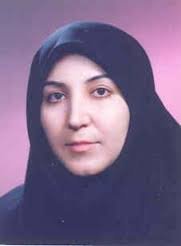 Parvan Kobra合作论文数Faculty of Nursing and Midwifery, Tabriz University of Medical Sciences11
 farzaneh bagheriyeh合作论文数Urmia University of Medical Sciences10
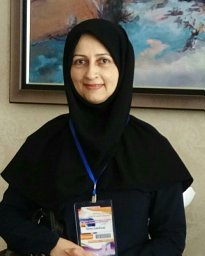 Lakdizaji Sima合作论文数Faculty of Nursing and Midwifery, Tabriz University of Medical Sciences10Elnaz Asghari合作论文数Fac Nursing & Midwifery, Tabriz Univ Med Sci9
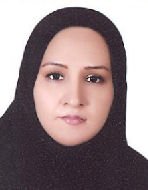 Leyla Alilu合作论文数Dept Med Surg Nursing, Urmia Univ Med Sci9
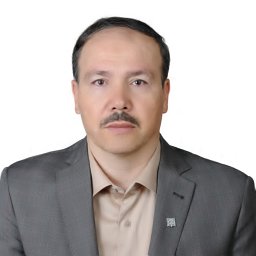 Reza Negarandeh合作论文数Nursing & Midwifery Care Res Ctr, Univ Tehran Med Sci9
 Alireza Irajpour合作论文数9
 Hosein Habibzadeh .合作论文数9
 Majid Purabdollah合作论文数Nursing & Midwifery Coll, Tabriz Univ Med Sci8
 Dadashzadeh Abbas合作论文数8Nikanfar Ali-Reza合作论文数Hematology-oncology Research Center, Tabriz University of Medical Science8Masoumeh Shohani合作论文数Student Research Committee, Tabriz University of Medical Sciences8
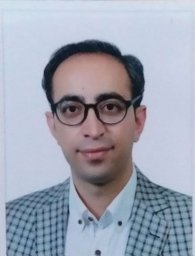 Ghasempour Mostafa合作论文数Nursing and Midwifery Faculty, Tabriz University of Medical Sciences8
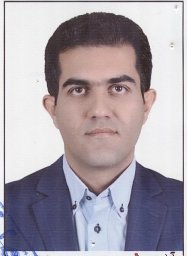 Pakpour Vahid合作论文数Department of Community Nursing, Nursing and Midwifery Faculty, Tabriz University of Medical Sciences8Nasib Babaei合作论文数7
 Arman Azadi合作论文数Department of Nursing, Tabriz University of Medical Sciences7
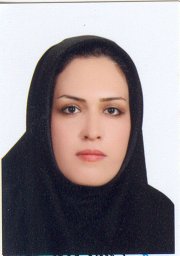 Zahra Sheikhalipour合作论文数7
 Mark Gillespie合作论文数7
 Tonia Onyeka合作论文数Department of Anaesthesia/Pain and Palliative Care Unit, University of Nigeria Teaching Hospital (UNTH),7
 Fariborz Roshangar合作论文数7Abdollahzadeh Farahnaz合作论文数School of Nursing and Midwifery, Tabriz University of Medical Sciences7
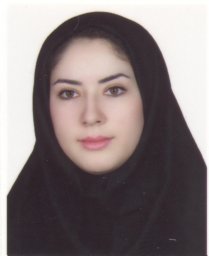 Avazeh Marziyeh合作论文数Department of Nursing;Midwifery Faculty, Tabriz University of Medical Sciences;Department of Nursing, Nursing & Midwifery Faculty, Tabriz University of Medical Sciences7Mazaheri Effat合作论文数7
 A. Fuchsia Howard合作论文数School of Nursing, Faculty of Applied Science, The University of British Columbia7Eesa Mohammadi合作论文数6Maryam Namadi Vosoughi合作论文数6
 Abbas Abbaszadeh合作论文数6
 Mohammad Khajehgoodari合作论文数Dept Med Surg Nursing, Tabriz Univ Med Sci6
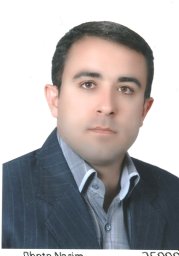 Ebrahim Aliafsari Mamaghani合作论文数Department of Nursing, Maragheh University of Medical Sciences6
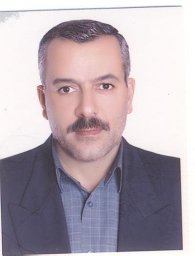 Ali Zabihi合作论文数Health Research Institute, Babol University of Medical Sciences6
 Keogh Brian合作论文数6
 Mohammad Asghari Jafarabadi合作论文数School of Clinical Sciences at Monash Health, Faculty of Medicine, Nursing and Health Sciences, Monash University6
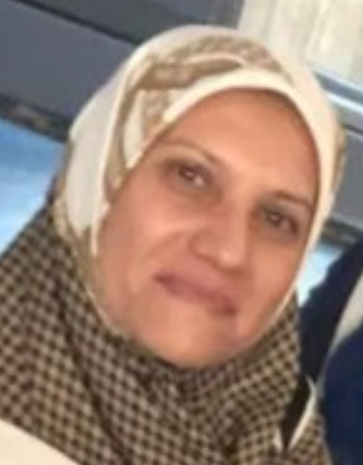 Afsaneh Arzani合作论文数Babol University of Medical Sciences6Aghajari Parvaneh合作论文数Faculty of Nursing and Midwifery, Tabriz University of Medical Sciences6
 Atefeh Allahbakhshian合作论文数5
 Hosein Namdar Areshtanab合作论文数5
 Marjan Ghofrani合作论文数5Samira Orujlu合作论文数5
 Mansour Ghafourifard合作论文数Faculty of Nursing and Midwifery, Tabriz University of Medical Sciences5




