Solving Partial Differential Equations (PDEs) is fundamental to numerous scientific and engineering disciplines. A common challenge arises from solving the PDE families, which are characterized by sharing an identical mathematical structure but varying in specific parameters. Traditional numerical methods, such as the finite element method, need to independently solve each instance within a PDE family, which incurs massive computational cost. On the other hand, while recent advancements in machine learning PDE solvers offer impressive computational speed and accuracy, their inherent “black-box" nature presents a considerable limitation. These methods primarily yield numerical approximations, thereby lacking the crucial interpretability provided by analytical expressions, which are essential for deeper scientific insight. To address these limitations, we propose a neuro-assisted multitasking symbolic PDE solver framework for PDE family solving, dubbed NMIPS. In particular, we employ multifactorial optimization to simultaneously discover the analytical solutions of PDEs. To enhance computational efficiency, we devise an affine transfer method by transferring learned mathematical structures among PDEs in a family, avoiding solving each PDE from scratch. Experimental results across multiple cases demonstrate promising improvements over existing baselines, achieving up to a ∼35.7
Wheel-type elastic emission machining (EEM) holds great promise for achieving atomic-level, low-damage optical fabrication. However, existing material removal models fail to account for the inherently coupled physicochemical removal mechanism of EEM, leaving deterministic process control a challenge. In this study, a physicochemical synergistic material removal model was developed for wheel-type elastic emission machining, and an optimal process window was established. A three-dimensional fluid-structure interaction (FSI) simulation model was constructed to resolve the fluid pressure, wall shear stress, and velocity distributions at the polishing interface, while simultaneously capturing the elastic deformation of the polyurethane polishing wheel. The results confirm that the predicted removal profiles are in excellent agreement with the experimental measurements, with coefficients of determination exceeding 0.99 in both the XZ- and YZ-planes. Experimental investigations revealed a three-stage nonlinear response of removal depth to polishing speed, polishing time, and polishing gap. Normalized sensitivity analysis indicated that polishing time is the dominant factor, followed by the polishing gap and polishing speed. A hierarchical optimization framework was adopted, in which efficiency served as a hard constraint and stability was maximized among all qualified candidates. The resulting optimal process window achieves a synergistic balance between high removal efficiency and disturbance rejection. This work provides reliable process guidance for the application of wheel-type EEM to atomic-level fabrication of ultra-precision optical surfaces.
Dynamic multiobjective optimization problems (DMOPs) feature time-varying objectives, which cause the Pareto optimal solution (POS) set to drift over time and make it difficult to maintain both convergence and diversity under limited response time. Many existing prediction-based dynamic multiobjective evolutionary algorithms (DMOEAs) either depend on learned models with nontrivial training cost or employ one-step population mapping, which may overlook the gradual nature of POS evolution. This paper proposes DD-DMOEA, a training-free diffusion-based dynamic response mechanism for DMOPs. The key idea is to treat the POS obtained in the previous environment as a "noisy" sample set and to guide its evolution toward the current POS through an analytically constructed multi-step denoising process. A knee-point-based auxiliary strategy is used to specify the target region in the new environment, and an explicit probability-density formulation is derived to compute the denoising update without neural training. To reduce the risk of misleading guidance caused by knee-point prediction errors, an uncertainty-aware scheme adaptively adjusts the guidance strength according to the historical prediction deviation. Experiments on the CEC2018 dynamic multiobjective benchmarks show that DD-DMOEA achieves competitive or better convergence-diversity performance and provides faster dynamic response than several state-of-the-art DMOEAs.
Accurate and efficient simulations of physical phenomena governed by partial differential equations (PDEs) are important for scientific and engineering progress. While traditional numerical solvers are powerful, they are often computationally expensive. Recently, data-driven methods have emerged as alternatives, but they frequently suffer from error accumulation and limited physical consistency, especially in multiphysics and complex geometries. To address these challenges, we propose PEGNet, a Physics-Embedded Graph Network that incorporates PDE-guided message passing to redesign the graph neural network architecture. By embedding key PDE dynamics like convection, viscosity, and diffusion into distinct message functions, the model naturally integrates physical constraints into its forward propagation, producing more stable and physically consistent solutions. Additionally, a hierarchical architecture is employed to capture multi-scale features, and physical regularization is integrated into the loss function to further enforce adherence to governing physics. We evaluated PEGNet on benchmarks, including custom datasets for respiratory airflow and drug delivery, showing significant improvements in long-term prediction accuracy and physical consistency over existing methods.
Nickel-based superalloys(Ni-based superalloys)have attracted extensive attention in laser additive manufacturing(LAM)due to their capability to directly fabricate complex and high-performance structural components.However,the rapid melting and solidification inherent to LAM result in intense thermal cycling,which induces high residual stresses and microstructural heterogeneity within the fabricated parts.Among them,cracks,as the most destructive defects,can have a typical crack density of over five per mm2 without optimized processes.Moreover,the sudden failures of components caused by cracks account for more than 40%of the total failures of additively manufactured nickel-based superalloy components.They can rapidly expand along grain boundaries or brittle phases,significantly weakening the mechanical properties of components and causing sudden failures.To achieve highly reliable additive manufacturing components,it is essential to conduct in-depth research on the types,formation mechanisms of cracks in Ni-based superalloys,and their relationships with microstructure,residual stress,etc.This paper systematically reviews the crack characteristics and formation mechanisms of Ni-based superalloys during the laser additive manufacturing process,post-manufacturing,and service stages and comprehensively summarizes the current main-stream crack suppression strategies,specifically including process parameter optimization,residual stress regulation,alloy composition design,and subsequent post-treatment technologies,as well as incorporating emerging machine learning-assisted methods.The review aims to provide theoretical insights and technical guidance toward the development of crack-free Ni-based superalloy components fabricated by laser additive manufacturing.
With the rise of 3D Gaussian Splatting (3DGS), a variety of digital watermarking techniques, embedding either 1D bitstreams or 2D images, are used for copyright protection. However, the robustness of these watermarking techniques against potential attacks remains underexplored. This paper introduces the first universal black-box attack framework, the Group-based Multi-objective Evolutionary Attack (GMEA), designed to challenge these watermarking systems. We formulate the attack as a large-scale multi-objective optimization problem, balancing watermark removal with visual quality. In a black-box setting, we introduce an indirect objective function that blinds the watermark detector by minimizing the standard deviation of features extracted by a convolutional network, thus rendering the feature maps uninformative. To manage the vast search space of 3DGS models, we employ a group-based optimization strategy to partition the model into multiple, independent sub-optimization problems. Experiments demonstrate that our framework effectively removes both 1D and 2D watermarks from mainstream 3DGS watermarking methods while maintaining high visual fidelity. This work reveals critical vulnerabilities in existing 3DGS copyright protection schemes and calls for the development of more robust watermarking systems.
Dynamic multiobjective optimization problems (DMOPs) involve multiple conflicting objectives that change over time. Over the past decade, many dynamic multiobjective optimization algorithms have been developed to effectively track the evolving Pareto optimal solutions. Among these, a promising approach is learning-driven dynamic multiobjective optimization algorithms, which leverage search experience or optimization knowledge to accelerate the evolutionary process. Despite their promising performance, these methods often suffer from low data efficiency and poor model usability. Specifically, they are data-hungry and require extensive strategy design and hyperparameter tuning. To address these challenges, this work introduces a novel approach for DMOPs using large language models (LLMs). Specifically, we reformulate the solution prediction in DMOPs as a time-series prediction problem and guide the LLMs to predict solutions using four carefully crafted prompts. These four types of prompts provide LLMs with different knowledge, enabling distinct reasoning abilities for solution prediction. This prompt-based approach allows LLMs to accurately predict solutions using minimal historical data, without requiring model training or hyperparameter tuning. Experiments on benchmark problems and a real-world application demonstrate the potential of using LLMs to solve DMOPs.
Twin-wire laser directed energy deposition (TW-LDED) offers a viable route for the in-situ fabrication of functionally graded materials, yet reliable component-scale deposition remains limited by unstable melt pool transition states. In addition, the transition-state-dependent in-situ alloying mechanism remains insufficiently understood, particularly with respect to the coupling among droplet transfer, melt pool convection, heat and mass transfer, and solute redistribution. Here, the role of melt pool transition state control in In718/SS316L TW-LDED is investigated through a combined modelling-control-manufacturing framework. A multi-physics model for TW-LDED is developed to elucidate the physical mechanisms governing droplet-force evolution, melt pool flow, alloy mixing, and defect formation under different transition states. Three representative transition states are identified, namely twin-wire droplet transfer (TW-DT), droplet-liquid bridge mixed transfer (D-LBT), and twin-wire liquid bridge transfer (TW-LBT). The results show that TW-LBT sustains continuous momentum input and a reproducible convection pattern, thereby promoting stable heat transfer and uniform alloy mixing, whereas bridge rupture in D-LBT and TW-DT induces local vortex formation, heat accumulation, segregation, and cracking. On this basis, a droplet-recognition-based closed-loop control strategy is developed to regulate wire height in real time and stabilize TW-LBT during multilayer deposition. Combined with an intermittent raster path and a continuous spiral path with fixed front-and-back wire feeding, wall-shaped and ring-shaped graded components are fabricated with smooth compositional transitions within approximately 2 mm. The droplet occurrence rate is reduced to about 3% in the spiral path and remains below 10% in the raster path. For wall-shaped specimens, the defect ratio decreases from 0.11% to 0.01%, while the ultimate tensile strength, yield strength, and elongation increase from 372.3 MPa, 283.1 MPa, and 5.9% to 675.5 MPa, 356.9 MPa, and 18.6%, respectively. The study identifies stable TW-LBT as an important process condition for reliable graded-component fabrication and provides a mechanistic basis for controllable multi-material wire-based additive manufacturing.
The intrinsic dynamics of an object governs its physical behavior in the real world, playing a critical role in enabling physically plausible interactive simulation with 3D assets. Existing methods have attempted to infer the intrinsic dynamics of objects from visual observations, but generally face two major challenges: one line of work relies on manually defined constitutive priors, making it difficult to align with actual intrinsic dynamics; the other models intrinsic dynamics using neural networks, resulting in limited interpretability and poor generalization. To address these challenges, we propose VisionLaw, a bilevel optimization framework that infers interpretable expressions of intrinsic dynamics from visual observations. At the upper level, we introduce an LLMs-driven decoupled constitutive evolution strategy, where LLMs are prompted as a physics expert to generate and revise constitutive laws, with a built-in decoupling mechanism that substantially reduces the search complexity of LLMs. At the lower level, we introduce a vision-guided constitutive evaluation mechanism, which utilizes visual simulation to evaluate the consistency between the generated constitutive law and the underlying intrinsic dynamics, thereby guiding the upper-level evolution. Experiments on both synthetic and real-world datasets demonstrate that VisionLaw can effectively infer interpretable intrinsic dynamics from visual observations. It significantly outperforms existing state-of-the-art methods and exhibits strong generalization for interactive simulation in novel scenarios.
Wire Laser Directed Energy Deposition (WL-DED) offers significant advantages in the efficient and low-cost fabrication of complex metal components. However, issues such as heat accumulation and melt pool instability often lead to dimensional deviations and structural defects. To mitigate these challenges, this study proposes a feedforward–feedback (FF-FB) control strategy. The feedforward component incorporates an ARIMA time-series model to predict inter-layer melt pool temperature trends, enabling proactive thermal regulation. Simultaneously, a PID-based feedback loop ensures in-situ melt pool temperature correction. The method is validated through both offline prediction and physical experiments, and benchmarked against three control strategies: no control (Normal), feedback control (FB), and FF-FB. Results show that FF-FB control reduces vertical dimensional deviation by 99.27
Twin-wire laser directed energy deposition (TW-LDED) provides a promising route for alloying and fabrication of compositionally graded structures. However, inherent multiparameter coupling in twin-wire systems critically exacerbates both process instabilities and compositional inhomogeneity. This unresolved issue escalates into a fundamental technological bottleneck, as the underlying physical mechanisms remain poorly understood. This study developed a high-fidelity multi-physics and multiphase simulation framework coupled with experimental validation to reveal thermal-fluid behavior and heat-mass transfer mechanisms in TW-LDED using Inconel 718 and SS316L fine wires. Three distinct transition modes were identified: twin-wire melt droplet, twin-wire liquid bridge, and droplet-bridge mixed transitions, with the twin-wire liquid bridge regime delivering optimal stability and uniform mixing. Parametric analysis demonstrates that increasing wire feeding speed or decreasing wire initial height promotes stable liquid bridge formation, while small laser spots at low feeding speeds induce excessive volumetric energy density and bridge instability. Simulation and single-track experiments confirm that liquid bridge transitions reduce dimensional fluctuations by 85
Bonnet polishing has been extensively applied in the fabrication of optical components due to its high material removal efficiency and superior surface-shaping capability. However, the conventional raster polishing path inevitably introduces mid-spatial frequency (MSF) error. To address this issue, the influence mechanism of the tool influence function (TIF) and the azimuthal angle of the feed direction on MSF error were investigated. Based on the principle of uniformly distributing MSF error, a multi-step overlap path strategy was proposed, and its feasibility was validated through numerical simulations. Subsequently, polishing experiments were conducted to further validate the effectiveness of the method. After figuring, the peak power spectral density (PSD) at the polishing interval of the traditional raster path was 1160.44 nm2·mm, whereas that of the proposed multi-step overlap path was reduced to 235.6 nm2·mm, demonstrating a remarkable suppression of MSF error. These findings suggest that optimizing the azimuthal feed angle and employing a multi-step overlap path provide an effective approach for reducing MSF error in optical component manufacturing.
Aspheric optical elements play a crucial role in optical engineering, owing to their distinctive optical properties. The grinding process, crucial in the manufacturing of aspheric components, significantly impacts the performance of these components through its machining accuracy. In this paper, based on the theory of multi-body kinematics, the motion error model of a three-degree-of-freedom ultra-precision grinder is established. The workpiece is processed using grating parallel grinding method, with an analysis of the principal errors in parallel grinding. Additionally, considering the motion error of the machine tool and the principle error of parallel grinding, a prediction model for grinding accuracy is developed. This model establishes a correlation between the machine tool’s motion error and the resultant surface shape of the workpiece. Validation of this model is achieved through grinding experiments conducted on aspheric optical elements. The simulation forecasts a PV value of 9.7 μ m for the workpiece surface type, while the actual machined workpiece surface type exhibits a PV value of 11.71 μ m , resulting in a relative error of 17.2% . These findings confirm the accuracy of the prediction model for grinding accuracy and extend its potential engineering applications in aerospace and other fields.
The hydrostatic guideway has been widely used in ultra-precision machine tools. The flow stability of the hydrostatic guideway has a significant impact on its bearing characteristics, and the flow controller is critical to safeguard the flow stability of the hydrostatic guideway. Currently, most engineering applications use fixed, fluid-resistance flow controllers, which have a simple structure, low cost, and high reliability. However, when facing complex working conditions, the fixed, fluid-resistance flow controller cannot maintain the flow stability of the hydrostatic guide. In this study, a membrane-type flow controller with variable fluid resistance is designed, and a theoretical model of the flow controller’s bearing characteristics is established, which is verified by fluid–solid coupling simulation and flow rate experiments. Analyzing the influence of the design parameters of the membrane-type flow controller on the performance according to the theoretical model, the design guidelines of the membrane-type flow controller are established, the key structure of the flow controller is clarified, and the design range of the key structure dimensions is given. The results show that the gasket thickness of the membrane-type flow controller has the greatest impact on the performance of the hydrostatic guideways, which should be ensured to have a machining error of less than 0.005 mm. This study is a guide for the design and manufacture of flow controllers, as well as for engineering applications.
Fused silica glass, known for its exceptional physical and chemical properties, is widely used across diverse industries. Cerium oxide (CeO2), a common polishing abrasive, is extensively employed in polishing fused silica surfaces. Studies have revealed that chemical reactions occur on fused silica surfaces during polishing processes with CeO2 abrasives. While these chemical reactions have been studied in the context of chemical-mechanical polishing on fused silica surfaces, the chemical impacts of employing a small, compliant polishing tool on fused silica surfaces remain unclear. In this study, we use CeO2 abrasive and alumina (Al2O3) abrasive as polishing slurries and utilize a bonnet tool to polish fused silica surfaces. Through a comparative analysis of the removal efficiency of the tool influence function, alterations in surface hardness, and the sub-surface damage layer, we found that the primary factor governing material removal is the chemical reactions between CeO2 and fused silica. These reactions effectively soften the fused silica molecule layers and contribute to rapid material removal. This research fills the knowledge gap regarding the chemical effects during bonnet polishing with CeO2 abrasive. It offers valuable insights for efficient material removal control in the context of bonnet polishing fused silica surfaces. These insights will also be applicable to other computer-controlled polishing processes for fused silica glass utilizing CeO2 slurry.
4D content generation focuses on creating dynamic 3D objects that change over time. Existing methods primarily rely on pre-trained video diffusion models, utilizing sampling processes or reference videos. However, these approaches face significant challenges. Firstly, the generated 4D content often fails to adhere to real-world physics since video diffusion models do not incorporate physical priors. Secondly, the extensive sampling process and the large number of parameters in diffusion models result in exceedingly time-consuming generation processes. To address these issues, we introduce Phy124, a novel, fast, and physics-driven method for controllable 4D content generation from a single image. Phy124 integrates physical simulation directly into the 4D generation process, ensuring that the resulting 4D content adheres to natural physical laws. Phy124 also eliminates the use of diffusion models during the 4D dynamics generation phase, significantly speeding up the process. Phy124 allows for the control of 4D dynamics, including movement speed and direction, by manipulating external forces. Extensive experiments demonstrate that Phy124 generates high-fidelity 4D content with significantly reduced inference times, achieving stateof-the-art performance. The code and generated 4D content are available at the provided link: https://anonymous.4open.science/r/BBF2/.
Optical freeform surfaces (OFS) have been extensively employed as core components in advanced optical systems for their excellent performances. However, the surface complexity and the high surface accuracy do impose challenges to the processing of OFS, especially the surface form maintaining or control during polishing. As one of the promising ultra-precision machining technologies to fabricate OFS, the flexible ball-end tool (FBET) polishing becomes available due to its attractive technical advantages. Nevertheless, there are still lack of more comprehensive insights on material removal mechanisms for FBET polishing incorporating the curvature effect, particularly from a microscopic scale, which is of great significance to determine the surface quality and form control in ultra-precision polishing process. In this paper, different from those published macro-scale Preston law-based models, a micro-scale material removal model is developed based on the mutual interaction of the slurry, polishing pad and curved workpiece among the FBET polishing interfaces with micro-contact theory and tribology theory, wherein various parameters embodied in FBET polishing are formulated quantitatively, such as slurry characteristics, pad properties, tool features, processing conditions, as well as workpiece curvature effect. The FBET is designed and adopted to conduct the spot polishing experiments within the concave curvature radius range from 75 mm to 225 mm, wherein the curvature radius range from 225 mm to 800 mm is theoretically chosen as an extension of this research. The predicted results agree well with the experimentally measured section profiles of polishing spots, thereby demonstrating the correctness and effectiveness of the proposed model. Furthermore, the effective relative velocity U together with the separation gap d between reference plane and workpiece surface are known as the two key parameters to account for the material removal mechanisms, and the latter is figured out to be the sensitive one to the curvature effect rather than the former. Through the analysis of key parameters, the established model is capable of helping to strengthen the understanding of material removal mechanisms for FBET polishing with the consideration of curvature effect, addressing those cannot be interpreted by the classical Preston equation previously, which is meaningful for precision control of material removal during polishing of OFS.
While graph neural networks (GNNs) have become the de facto standard for graph-based node classification, they impose a strong assumption on the availability of sufficient labeled samples. This assumption restricts the classification performance of prevailing GNNs on many real-world applications suffering from low-data regimes. Specifically, features extracted from scarce labeled nodes could not provide sufficient supervision for the unlabeled samples, leading to severe overfitting. We point out that leveraging subgraphs to capture long-range dependencies can augment the node representation, thus alleviating the low-data regime. To this end, we present a novel self-supervised learning (SSL) framework, called multiview subgraph neural networks (Muse), for handling the long-range dependencies. In particular, we propose an information theory-based identification mechanism to identify two types of subgraphs from the views of input space and latent space, respectively. The former is to capture the local structure of the graph, while the latter captures the long-range dependencies among nodes. By fusing these two views of subgraphs, the learned representations can preserve the topological properties of the graph at large, including the local structure and long-range dependencies, thus maximizing their expressiveness. Theoretically, we provide the generalization error bound to show the effectiveness of capturing complementary information from multiview subgraphs. Empirically, we show a proof-of-concept of Muse on canonical node classification problems on graph data.
4D content generation aims to create dynamically evolving 3D content that responds to specific input objects such as images or 3D representations. Current approaches typically incorporate physical priors to animate 3D representations, but these methods suffer from significant limitations: they not only require users lacking physics expertise to manually specify material properties but also struggle to effectively handle the generation of multi-material composite objects. To address these challenges, we propose Phys4DGen, a novel 4D generation framework that integrates multi-material composition perception with physical simulation. The framework achieves automated, physically plausible 4D generation through three innovative modules: first, the 3D Material Grouping module partitions heterogeneous material regions on 3D representations' surfaces via semantic segmentation; second, the Internal Physical Structure Discovery module constructs the mechanical structure of object interiors; finally, we distill physical prior knowledge from multimodal large language models to enable rapid and automatic material properties identification for both objects' surfaces and interiors. Experiments on both synthetic and real-world datasets demonstrate that Phys4DGen can generate high-fidelity 4D content with physical realism in open-world scenarios, significantly outperforming state-of-the-art methods.
Dynamic multiobjective optimization problems (DMOPs) involve optimizing multiple, often conflicting, goals that change over time. In recent years, numerous algorithms have been developed to track these moving optimal solutions, which rely on machine learning and historical optimization data, struggle with data inefficiency-a critical bottleneck in expensive DMOPs where objective evaluations are resource-intensive and historical data is scarce. This paper investigates the capabilities of large language models (LLMs) to address this challenge. The core idea is to reframe the solution prediction process in DMOPs as a time-series forecasting task. LLMs are then guided to predict solutions using carefully constructed prompts. This prompt-based method enables LLMs to effectively predict solutions with only a limited amount of historical data. Our experiments on multiple benchmark problems show the efficacy of LLMs in handling expensive DMOPs, offering a promising direction for efficient and adaptive dynamic optimization.
 Yinbiao Guo (郭隐彪)合作论文数Department of Mechanical and Electrical Engineering, School of Aerospace Engineering, Xiamen University66
 Ri PAN (潘日)合作论文数36
 Yunfeng Peng (彭云峰)合作论文数Department of Mechanical and Electrical Engineering, School of Aerospace Engineering, Xiamen University36
 Chunjin Wang (王春锦)合作论文数Corresponding author.27
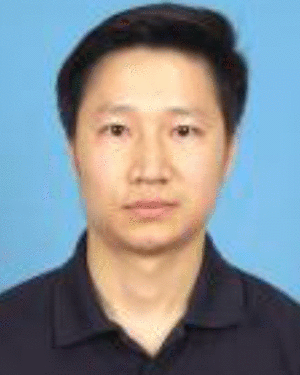 Bo Zhong合作论文数21
 Xuepeng Huang合作论文数16
 Min Jiang (江敏)合作论文数Department of Artificial Intelligence, School of Informatics, Xiamen University16
 Chenchun Shi合作论文数15
 Qiao Xu (许乔)合作论文数Laser Fusion Research Center, China Academy of Engineering Physics14
 Dongxu Zhang (张东旭)合作论文数School of Public Health, Xiamen University14
 Wei Yang (杨炜)合作论文数Department of Mechanical and Electrical Engineering, School of Aerospace Engineering, Xiamen University14
 Guo Bi (毕果)合作论文数Department of Mechanical and Electrical Engineering, Xiamen University14
 Jiang Guo (郭江)合作论文数Dalian University of Technology and Belarusian State University Joint Institute12
 Jinwei Fan (范晋伟)合作论文数Beijing University of Technology11Pengli Lei合作论文数10Xiaolong Ke合作论文数10
 Chenhui An (安晨辉)合作论文数College of Mechanical and Vehicle Engineering, Hunan University9
 Ping Yang (杨平)合作论文数Department of Mechanical and Electrical Engineering, Xiamen University9Yinhui Xie合作论文数8Xiangyang Lei合作论文数8
 Xu Yang (杨旭)合作论文数School of Mechanical Engineering, Xi'an Jiaotong University8
 Xiaohui Lin (林晓辉)合作论文数8
 Dongju Chen (陈东菊)合作论文数Beijing University of Technology8Quanjin Wang合作论文数7
 Wei Xiao (肖伟)合作论文数State Key Laboratory on Technologies for Chinese Medicine Pharmaceutical Process Control and Intelligent Manufacture,Nanjing University of Chinese Medicine7Ruocheng Wei合作论文数6Bingyi Shen合作论文数6Liuwei KONG (孔刘伟)合作论文数6Chenlei Li合作论文数6Shiping CHEN (陈世平)合作论文数6Tao Jiang (姜涛)合作论文数College of Marine Equipment and Mechanical Engineering, Jimei University6Hao Huang合作论文数5Zewen Lin合作论文数5Yongheng Yu合作论文数5
 Wei Wu合作论文数5Yunpeng Gong合作论文数College of Computer and Cyber Security, Fujian Normal University, P. R. China5Feng Lu (陆锋)合作论文数5
 Tianyi Wang合作论文数National Synchrotron Light Source II, Brookhaven National Laboratory, Upton, NY 11973, USA5
 Liang Hou (侯亮)合作论文数Pen-Tung Sah Institute of Micro-Nano Science and Technology, Xiamen University;Innovative Design Engineering Application Lab, Xiamen University;Mechanical and Electrical Department, Xiamen University5Jian Wang合作论文数5
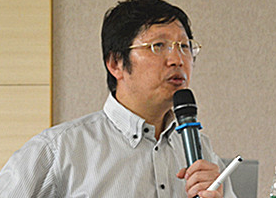 Yongbo Wu (吴勇波)合作论文数South University of Science and Technology of China5Ning Ning Zhang合作论文数5Lucheng Li合作论文数4Shuting Ji合作论文数4Qilin TANG (汤期林)合作论文数4Zhiji Sun (孙郅佶)合作论文数4
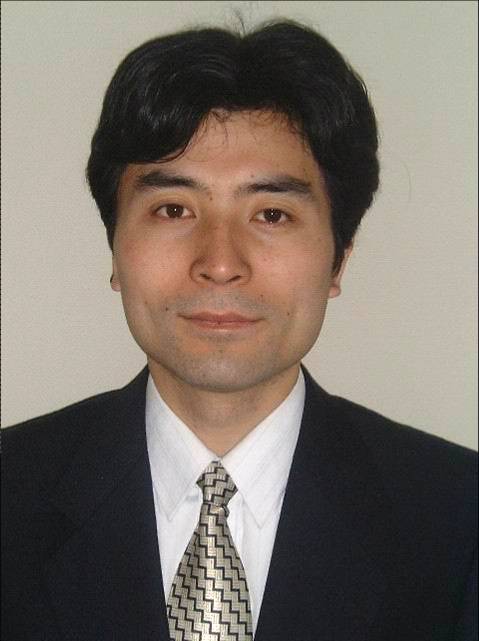 Yajun Zhang (张亚军)合作论文数College of Mechanical and Electrical Engineering, Beijing University of Chemical Technology4yan ting zhang合作论文数3Zuhui Liu合作论文数3




