Using the state-space method and D'Alembert's principle, a novel analytical solution was derived for the longitudinal dynamic response of shield tunnel linings. Timoshenko beams are used to model the tunnel lining rings, the joints connecting the rings are idealized by a series of springs, and the lining–surrounding soil interaction is described by distributed reaction springs with viscous dampers. By applying the state-space method, the governing equations along with the boundary conditions can be concisely expressed in matrix form. A variable separation method, in conjunction with a frequency-scanning strategy, was employed to obtain the natural frequencies and corresponding mode shapes of the tunnel. The orthogonal relationships of the mode shapes were also demonstrated by introducing the symplectic inner product. The tunnel responses under arbitrary dynamic loads were obtained using the mode-superposition method. Finally, numerical examples are presented to verify the efficiency and robustness of the proposed solutions and to predict the dynamic responses of tunnel linings to moving subway trains. The results demonstrate that the proposed method can solve the longitudinal dynamic response of shield tunnel linings by considering the joint effect with high efficiency and accuracy.
Based on the state space method and D'Alembert's principle, a new analytical method is established to study the dynamic response of circular segmental linings of shield tunnels. The tunnel lining segments are considered to be curved Euler-Bernoulli beams, the joints connecting the segments are modeled by a series of distributed springs, and the lining-surrounding soil interaction is represented by distributed reaction springs with viscous dampers. With the state space method, the governing equations can be concisely expressed in matrix form, and a separate variable method in conjunction with a frequency scanning strategy is employed to obtain the natural frequencies and corresponding modal shapes of the free vibration of the linings. The orthogonality of the vibration modes of the linings is demonstrated using a symplectic inner product, and the response of the linings under arbitrary dynamic loads is solved using the modal superposition method. Numerical and model experimental examples are presented to verify the efficiency and robustness of the proposed method. We prove that the proposed method can solve the dynamic response of segmental linings by considering the effect of joint and asymmetric loading conditions with high efficiency and accuracy.
This paper studies scheduling games with potential penalties on the move of jobs. There are a set of machines and a set of jobs. Each job could choose one machine and be processed by the chosen one. Jobs that try to change their original choice will incur additional costs, which is proportional to its processing time with proportional parameter δ⩾ 0 . A schedule is a δ -NE if no job has the incentive to change its choice unilaterally. The δ -NE is a generation of Nash equilibrium, and its inefficiency can be measured by the δ -PoA, which is also a generalization of the Price of Anarchy. For the game with the social cost of minimizing the makespan, the exact δ -PoA for any number of machines and any δ⩾ 0 is obtained. For the game with the social cost of maximizing the minimum machine load, an upper bound on the δ -PoA is presented, and tight bounds are given for 2⩽ m⩽ 11 and any δ⩾ 0 , where m is the number of machines.
BACKGROUND:ABO blood type associated with differentiated onset of infectious diseases. AIMS/OBJECTIVE:To investigate whether people with different blood types were vulnerable in developing chronic otitis media (CSOM) and if the risk and protective factors varied among them. MATERIAL AND METHODS:The study was a case-control study that included 206 participants in the case group and 210 in the control group. Stratified analysis for blood type was adopted. RESULTS:Patients with different blood types were insignificantly different in the incidence of CSOM. Upper respiratory tract infection (URTI, OR = 21.81, 95% CI: 4.80-99.06), socioeconomic status (OR = 3.02, 95% CI: 1.35-6.74), and were risk factors in blood type A. In blood type B, smoking and urban residence were risk factors. The OR (95% CI) were 11.42 (2.77-47.08), and 0.14 (0.03-0.65). Urban residence, BMI and blood calcium increase, male gender were protective factors for different blood types. CONCLUSIONS AND SIGNIFICANCE:Our study identified the risk and protective factors for CSOM among different blood types. The findings might provide new insights into taking precautions against CSOM in people of different blood types.
NO conversion to NO2 by DBD (Dielectric Barrier Discharge) was investigated in the N2/O2/NO system. Since NO2 could be generated from NO oxidation by O species, the increase of specific energy input (SEI), function of discharge power and residence time, facilitated the production of O radicals, promoting NO2 production. However, high temperature accomplished by DBD inhibit the NO2 generation to some extent. Also, the conversion is affected by stoichiometric ratio, i.e., oxygen content and inlet NO concentration, which makes a challenge to characterize and predict the products using traditional methods, such as chemical kinetic model. To address above problem, an artificial neural network (ANN) model was developed to predict NO conversion by DBD in the N2/O2/NO system. The experimental data was adopted to train the proposed ANN model in order to simulate and predict the concentrations of NO, NO2, N2O and NOx during reactions. Good agreement was observed between the simulated results and the validated tests. The ANN model showed that inlet NO concentration plays a dominant role in NO2 generation, accounting for 36.22%, followed by residence time and discharge power, which were 26.25% and 23.52%, respectively. O2 content has marginal effect, taking 14.01%. As a byproduct, N2O was much more affected by stoichiometric ratio, which accounted for 64.75%, compared to 35.25%, belonging to discharge power and residence time.
In-situ bioprinting is attractive for directly depositing the therapy bioink at the defective organs to repair them, especially for occupations such as soldiers, athletes, and drivers who can be injured in emergency. However, traditional bioink displays obvious limitations in its complex operation environments. Here, we design a bioconcrete bioink with electrosprayed cell-laden microgels as the aggregate and gelatin methacryloyl (GelMA) precursor solution as the cement. Promising printability is guaranteed with a wide temperature range benefiting from robust rheological properties of photocrosslinked microgel aggregate and fluidity of GelMA cement. Composite components simultaneously self-adapt to biocompatibility and different tissue mechanical microenvironment. Strong binding on tissue-hydrogel interface is achieved by hydrogen bonds and friction when the cement is photocrosslinked. This bioink owns good portability and can be easily prepared in urgent accidents. Meanwhile, microgels can be cultured to mini tissues and then mixed as bioink aggregates, indicating our bioconcrete can be functionalized faster than normal bioinks. The cranial defects repair results verify the superiority of this bioink and its potential in clinical settings required in in-situ treatment.
Background At present, there is no consensus on the optimal methods for the diagnosis of vestibular dysfunction. Objective To explore the advantages of bone-conducted vibration (BCV) related vestibular-evoked myogenic potentials (VEMPs). Material and methods Fifty patients with otitis media volunteered for VEMP examination. They were randomly selected with air-conducted sound and BCV stimulation VEMPs assessed in both ears. Results The provocation rate of BCV-VEMPs was significantly higher than that of air-conducted sound VEMPs. Among 50 affected ears, there was no significant difference in the provocation rate of BCV-VEMPs between patients with air-bone conduction gaps lower or higher than 20 dB. There was no significant difference in the provocation rate of BCV-VEMPs between both ears in 30 patients with unilateral otitis media and the comparison of BCV-oVEMP parameters made no significant difference in amplitude, N1 latency, P1 latency, or N1-P1 duration, except for the threshold. A comparison of BCV-cVEMP parameters between affected and healthy ears revealed no significant difference between groups in terms of threshold, amplitude, N1 latency, P1 latency, or n1-p1 duration. Conclusions and significance BCV-VEMPs may be stably induced in patients with conductive hearing loss.
As a key indicator reflecting the working accuracy of rotary functional units, the error motions of the precision shafting are very necessary to be measured. In this paper, the main error sources for the error motion measurement of a precision shafting using a T-type capacitive sensor were investigated. The theoretical modeling error due to the approximate simplification for the output capacitance expressions was firstly analyzed. By means of the 3D-FEA method, the influence of fringe effects was subsequently investigated. Finally, the analysis of electrode installation errors was emphasized on the tilt error of the cylindrical electrode and coaxiality error of the fan-shaped electrode by establishing mathematical models and numerical simulation. Based on the theoretical analysis and simulation results, the methods of decreasing the approximate error and the nonlinear error caused by fringe effects were subsequently proposed; for the installation errors, the tilt error of cylindrical electrode only makes the solution of phase angle have a certain deviation and has almost no effect on solving the radial displacement, especially for the measurement range less than 0.1 mm; the measurement of the rotor tilt displacement was basically not affected by the coaxiality error of the fan-shaped electrode.
Centimeter-scale tissue with angiogenesis has become more and more significant in organ regeneration and drug screening. However, traditional bioink has obvious limitations such as balance of nutrient supporting, printability, and vascularization. Here, with “secondary bioprinting” of printed microspheres, an innovative bioink system was proposed, in which the thermo-crosslinked sacrificial gelatin microspheres encapsulating human umbilical vein endothelial cells (HUVECs) printed by electrospraying serve as auxiliary component while gelatin methacryloyl precursor solution mixed with subject cells serve as subject component. Benefiting from the reversible thermo-crosslinking feature, gelatin microspheres would experience solid-liquid conversion during 37°C culturing and form controllable porous nutrient network for promoting the nutrient/oxygen delivery in large-scale tissue and accelerate the functionalization of the encapsulated cells. Meanwhile, the encapsulated HUVECs would be released and attach to the pore boundary, which would further form three-dimensional vessel network inside the tissue with suitable inducing conditions. As an example, vascularized breast tumor tissue over 1 cm was successfully built and the HUVECs showed obvious sprout inside, which indicate the great potential of this bioink system in various biomedical applications.
Background: The Head Impulse Paradigm (HIMP) and Suppression Head Impulse Paradigm (SHIMP) are objective, quantitative methods that directly test the vestibulo-ocular reflex (VOR) and are increasingly becoming a standard in evaluating patients with vestibular disorders. Objective: The main objective was to assess the correlations between HIMP and SHIMP parameters in patients with superior vestibular neuritis (VN) and healthy participants. Additionally, the correlations between the parameters of each method were analyzed. Methods: A retrospective cohort, non-randomized study was designed. HIMP and SHIMP were performed on 40 patients with VN and 20 healthy participants (40 ears). HIMP and SHIMP parameters were measured and calculated. Pearson's or Spearson's correlations were used to establish the associations among them. Results: A strong positive correlation was found between HIMP and SHIMP gain (Pearson's r = 0.957, p = 0.000), while strong negative correlations were detected between HIMP and SHIMP saccade amplitudes (r = -0.637, p = 0.000) and percentages of overt saccades (r = -0.631, p = 0.000). In HIMP, strong and moderate positive correlations were identified between gain and saccade amplitude (R-2 = 0.726, p = 0.000) and gain and saccade percentage (R-2 = 0.558, p = 0.000), respectively. By contrast, an extremely weak positive correlation was observed between gain and latency (R-2 = 0.053, p = 0.040). In SHIMP, strong and moderate positive correlations were found between gain and saccade percentage (R-2 = 0.723, p = 0.000) and gain and saccade amplitude (R-2 = 0.525, p = 0.000), respectively, but no correlation was detected between gain and latency (R-2 = 0.006, p = 0.490). Conclusions: HIMP and SHIMP-related parameters were highly correlated (inter-method). Within each method (intra-method), moderate to strong correlations in VOR assessment were observed. These results further contribute to our understanding of the relationship between HIMP and SHIMP as well as to the diagnosis.
Coal water slurry technology and gasification technology are used to simultaneously treat wastewater and CO2; coal water slurry is prepared from fixed-bed coal gasification wastewater; and then, thermogravimetric analysis, Fourier-transform infrared spectrometry, scanning electron microscopy, energy-dispersive spectrometry, and X-ray diffraction are used to analyze the characteristic parameters of CO2 gasification and the products that formed. The results reveal the following: (a) compared with coal water slurry, coal gasification wastewater slurry shows decreases in the gasification start temperature, gasification weight loss peak temperature, and gasification end temperature of 12 degrees C, 22 degrees C, and 17 degrees C, respectively, and shows increases in the maximum and average reaction rates. In addition, the reactivity index for coal gasification wastewater slurry is found to be 14.29% higher than that for ordinary coal water slurry. (b) Coal gasification wastewater slurry produces more methane and other aliphatic hydrocarbon gases in the pyrolysis stage and more CO in the coke gasification stage than coal water slurry. (c) Coal gasification wastewater slurry contains many small particles and flocs on the surface of the coal and a high Na content (up to 8.07%) in the microarea. In addition, a richer pore structure exists on the surface of the gasification residue of the coal gasification wastewater slurry. (d) The components of the gasification residue for coal gasification wastewater slurry show relatively larger changes. Moreover, the catalytic effect of alkali metal may be weakened due to the reaction of the minerals in the coal to form a complex.
Biomedical field has been seeking a feasible standard drug screening system consisting of 3 D tumor model array for drug researching due to providing sufficient samples and simulating actual in vivo tumor growth situation,which is still a challenge to rapidly and uniformly establish though.Here,we propose a novel drug screening system,namely 3 D tumor array chip with "layer cake" structure,for drug screening.Accurate gelatin methacryloyl hydrogel droplets(~0.1 μL) containing tumor cells can be automatically deposited on demand with electrohydrodynamic 3 D printing.Transparent conductive membrane is introduced as a chip basement for preventing charges accumulation during fabricating and convenient observing during screening.Culturing chambers formed by stainless steel and silicon interlayer is convenient to be assembled and recycled.As this chip is compatible with the existing 96-well culturing plate,the drug screening protocols could keep the same as convention.Important properties of this chip,namely printing stability,customizability,accuracy,microenvironment,tumor functionalization,are detailly examined.As a demonstration,it is applied for screening of epirubicin and paclitaxel with breast tumor cells to confirm the compatibility of the proposed screening system with the traditional screening methods.We believe this chip will potentially play a significant role in drug evaluation in the future.
设计并制造在线测量注射成形过程中聚合物熔体黏度变化的装置.在测量装置中,非等温高剪切流变模具的型腔结构设计成厚度为1 mm或2 mm的狭缝,底部不封口,维持熔体的持续流动;在流动中心线上沿流动方向布置一组压力传感器实时检测聚合物熔体在模具型腔中的压力变化情况,并使用模温机控制模具温度.使用PXIe采集系统采集、显示、记录实验数据.实验通过压力传感器测量得到不同位置熔体压力,根据修正的牛顿黏性定律计算熔体黏度,并与Cross-WLF模型的理论值进行对比.实验结果表明:所设计的模具安全可靠,可获得低密度聚乙烯(LDPE)熔体在注射成形过程中熔体压力的变化情况,从而可以计算出材料在成形过程中的表观黏度演化情况.实验测量结果与理论值在剪切速率大于500 s-1的高剪切速度范围内较吻合,误差均在18%以内,最小为4%.该装置能满足真实成形条件下聚合物熔体信息的在线检测要求.
Gelatin methacryloyl (GelMA) has become a popular biomaterial in the field of bioprinting. The derivation of this material is gelatin, which is hydrolyzed from mammal collagen. Thus, the arginine-glycine-aspartic acid (RGD) sequences and target motifs of matrix metalloproteinase (MMP) remain on the molecular chains, which help achieve cell attachment and degradation. Furthermore, formation properties of GelMA are versatile. The methacrylamide groups allow a material to become rapidly crosslinked under light irradiation in the presence of a photoinitiator. Therefore, it makes great sense to establish suitable methods for synthesizing three-dimensional (3D) structures with this promising material. However, its low viscosity restricts GelMA's printability. Presented here are methods to carry out 3D bioprinting of GelMA hydrogels, namely the fabrication of GelMA microspheres, GelMA fibers, GelMA complex structures, and GelMA-based microfluidic chips. The resulting structures and biocompatibility of the materials as well as the printing methods are discussed. It is believed that this protocol may serve as a bridge between previously applied biomaterials and GelMA as well as contribute to the establishment of GelMA-based 3D architectures for biomedical applications.
军民融合发展战略是我们的兴国之举、强军之策,肩负着支撑国家由大向强、构建一体化的国家战略体系和能力的伟大使命.要充分发挥科技优势、人才优势和创新优势,在新的起点开创科技创新军民融合发展的新局面.
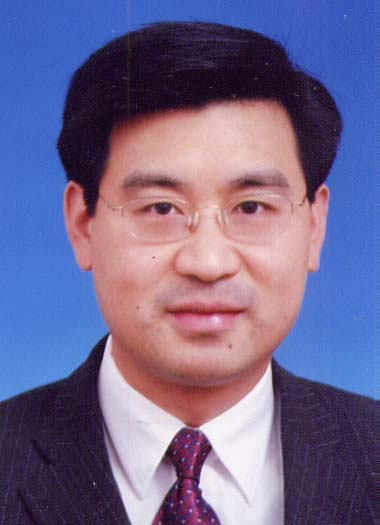 Jianzhong Fu (傅建中)合作论文数Institute of Manufacturing Technology and Equipment Automation, School of Mechanical Engineering, Zhejiang University120
 Deqing Mei (梅德庆)合作论文数School of Mechanical Engineering, Zhejiang University;Institute of Manufacturing Technology and Equipment Automation, Zhejiang University108
 Wen Wang (王文)合作论文数School of Mechanical Engineering, Hangzhou Dianzi University61
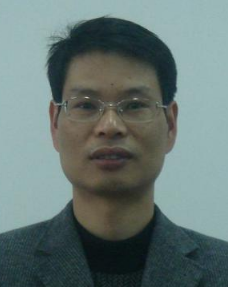 Yuetong Xu (徐月同)合作论文数Institute of Modern Manufacturing, School of Mechanical Engineering, Zhejiang University;Department of Mechanical Engineering, Zhejiang University25
 Yong He (贺永)合作论文数State Key Laboratory of Fluid Power and Mechatronic Systems, School of Mechanical Engineering, Zhejiang University22
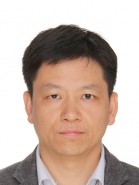 Yancheng Wang (汪延成)合作论文数School of Mechanical Engineering, Zhejiang University21
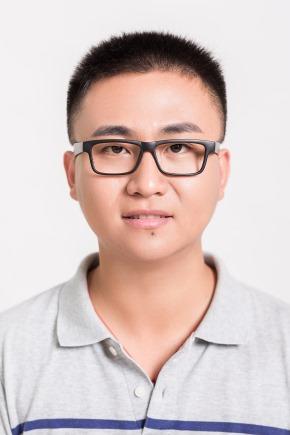 Zhehe Yao (姚喆赫)合作论文数College of Mechanical Engineering, Zhejiang University of Technology19
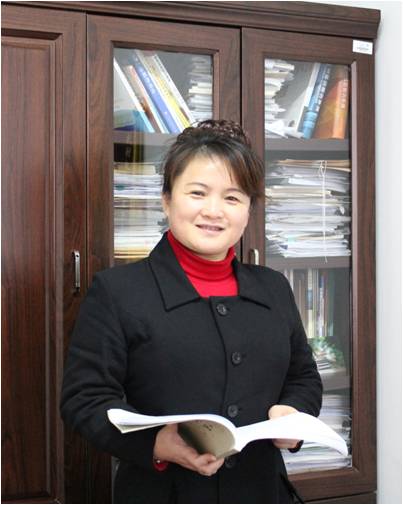 Li Xiong (熊励)合作论文数上海大学管理学院信息管理系18
 Ji Ying (应济)合作论文数Institute of Manufacturing Technology and Equipment Automation, Zhejiang University17
 Yanding Wei (魏燕定)合作论文数Institute of Manufacturing Engineering and Automation, School of Mechanical Engineering, Zhejiang University15
 Keqing Lu合作论文数14
 Heng-kui WANG (王恒奎)合作论文数12
) Xinjian Gu (顾新建)合作论文数Zhejiang University;Hangzhou Honghua Digital Technology Stock Company Ltd.11
Xinjian Gu (顾新建)合作论文数Zhejiang University;Hangzhou Honghua Digital Technology Stock Company Ltd.11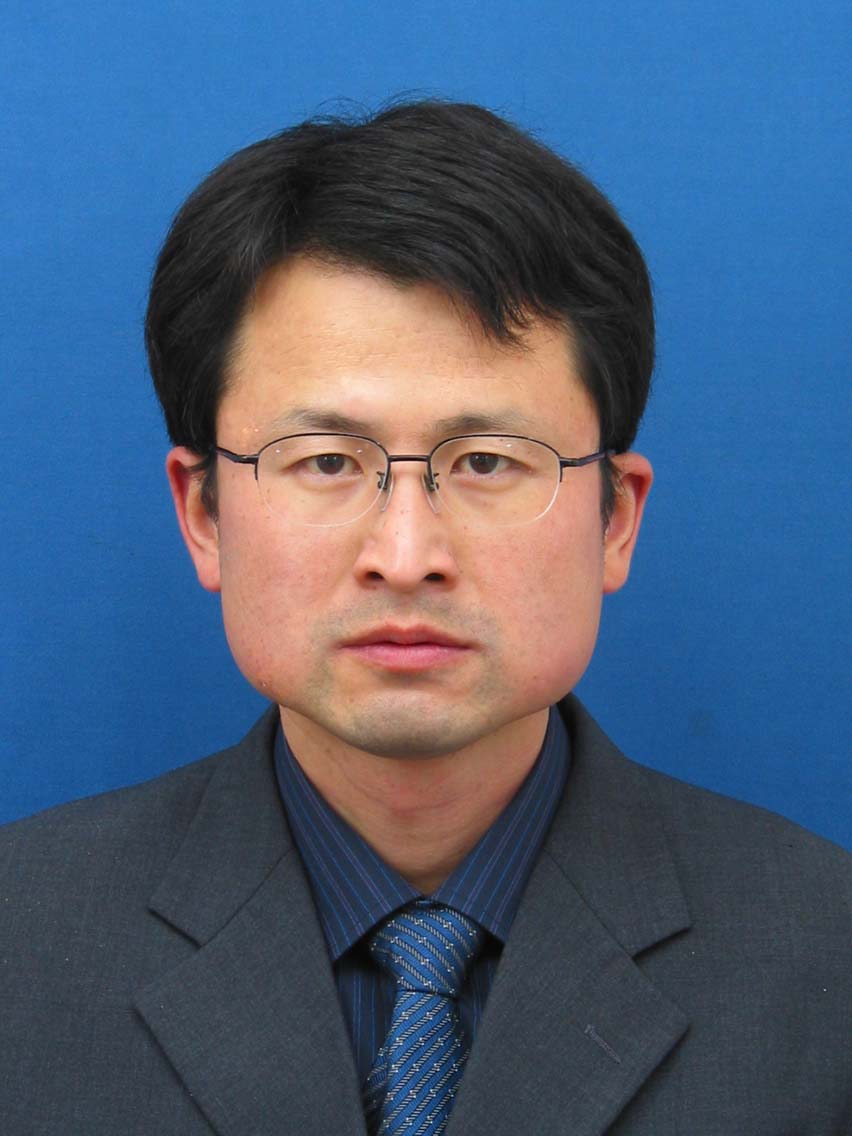 Wen He (何闻)合作论文数School of Mechanical Engineering, Zhejiang University;Institute of Manufacturing Technology and Equipment Automation, Zhejiang University10
 Guanhao Liang合作论文数10
 Hongyao Shen (沈洪垚)合作论文数School of Mechanical Engineering, Zhejiang University10
 Peiqiong Yu (余佩琼)合作论文数College of Information Engineering, Zhejiang University of Technology10Jian Li (李剑)合作论文数9
 Shuming Gao (高曙明)合作论文数State Key Lab of CAD&CG, College of Computer Science and Technology, Zhejiang University9Guoshun Ji合作论文数8Tian-rong KONG (孔天荣)合作论文数8
 Miao Qian (钱淼)合作论文数8Lu Huacai合作论文数7chenhui xia合作论文数7
 Yaoguang Shi (史尧光)合作论文数School of Aerospace Science and Technology, Xidian University7WeiMin Yang (杨伟民)合作论文数7
 Jin Xie (谢金)合作论文数School of Mechanical Engineering, Zhejiang University7
 Kailun Xi合作论文数7
 Wujia Yu合作论文数7Fanghua Ning合作论文数7
 Yi Mei (梅益)合作论文数School of Mechanical Engineering, Guizhou University7
 Hua Ju (鞠华)合作论文数School of Rail Transportation, Soochow University7
 Yuguang Wu (吴玉光)合作论文数School of Mechanical Engineering, Hangzhou Dianzi University7
 Runjie Shen (沈润杰)合作论文数Intelligent Robotics and Computational Perception Lab, Tongji University;College of Electronic and Information Engineering, Tongji University7Erzhen Zhou合作论文数6
 Mingjun Xie (谢明君)合作论文数Department of Orthopedics, The First Affiliated Hospital, Zhejiang University School of Medicine6
 Xiaojing Yang (杨晓京)合作论文数Faculty of Mechanical and Electrical Engineering, Kunming University of Science and Technology6Jiabin Xi合作论文数6Nai-xin BIAN (边耐欣)合作论文数6
 Qing Gao合作论文数6
 Xiezhao Lin (林谢昭)合作论文数School of Mechanical Engineering and Automation, Fuzhou University6Zongwei Fan合作论文数6
 Hengfu Xiang (相恒富)合作论文数College of Mechanical and Electronic Engineering, China University of Petroleum6
 Deng Xiaolei合作论文数6Ya Zhang合作论文数6Xinxin Li (李欣欣)合作论文数School of Mechanical Engineering, Guangxi University6
 Chao Gao (高超)合作论文数Department of Polymer Science and Engineering, Zhejiang University6
 Sheng Liu (刘盛)合作论文数College of Computer Science and Technology, Zhejiang University of Technology6
 Keji Yang (杨克己)合作论文数Institute of Manufacturing Technology and Equipment Automation, School of Mechanical Engineering, Zhejiang University6




