This article proposes GhostConv-Dynamic Snake Convolution Network (GHD Net), a lightweight segmentation model designed to accurately recognize overlapping green tomatoes in complex facility environments. It is optimized using the YOLOv8-n algorithm. GHD Net efficiently recognizes and segments green fruit images affected by overlapping occlusions, varying illumination conditions, and capture angles. Specifically, the model enhances the feature extraction network by introducing a lightweight convolutional technique, GhostConv, to extract features more efficiently while maintaining high performance. In the feature fusion stage, the dynamic snake convolution module adaptively adjusts its position based on the shape and boundary information of the target, accurately capturing target edges and enhancing the representation of overlapping and occluded edge features. The classification and regression subnetworks predict fruit categories and bounding boxes, respectively, while the segmentation subnetwork generates mask prototypes and mask coefficients through Proto branches, ensuring the accuracy and consistency of the segmentation process. The GHD Net model has a parameter count of 3.242 M and a computational complexity of 12.0 GFLOPs, achieving average accuracies of 79.7% and 73.9% in green tomato detection and segmentation tasks, respectively. GHD Net outperforms existing models in terms of accuracy and computational complexity, meeting the accuracy and efficiency requirements for green fruit recognition in smart agricultural equipment.
Low-light conditions in orchards and facility agriculture hinder accurate fruit recognition. To enhance efficiency in such environments, an optimized semantic contrastive learning-based nighttime fruit image enhancement model, OSCL (Optimized Semantic Contrastive Learning), is proposed. This model integrates semantic contrastive learning for processing low-light fruit images and consists of three modules: image enhancement, semantic segmentation, and contrastive learning. First, the Zero-DCE network is used as the image enhancement network, requiring only input nighttime images for training, resulting in enhanced images through iterative processing. The semantic segmentation module employs a dual attention network (DANet), with a backbone and two parallel attention branches to capture contextual information and meet recognition needs for green fruits. Finally, the VGG-16, known for its regular structure and depth, is selected for feature extraction in the contrastive learning module, effectively analyzing low-light fruit features and preserving information on small fruits. To validate OSCL’s enhancement effect, low-light images of green fruits from apple, persimmon, and pear orchards were collected under active and passive lighting conditions. Both subjective visual assessments and objective numerical evaluations confirmed the model’s efficacy. The generalized peak signal-to-noise ratios (GPSNR) for low-light images processed by OSCL reached 16.23 dB, 15.77 dB, and 15.30 dB under active illumination, and 16.89 dB, 14.38 dB, and 14.17 dB under passive illumination. Overall, OSCL outperforms classical enhancement models, enhancing operational efficiency in low-light conditions. This method offers a theoretical basis for future research on green fruit detection and yield prediction in nighttime environments.
The Granular-Ball Density Peaks Clustering (GB-DP) is a clustering method that applies the idea of Granular-Ball (GB) to Density Peaks Clustering (DPC), significantly improving the efficiency of DPC. Research shows that the GB-DP's method for generating GBs relies solely on the number of data points contained within the GB, ignoring the distribution of the data, which leads to generally low quality of the generated GB. Density is estimated using a single GB without fully considering the neighborhood information of the GBs, resulting in poor performance on data with uneven density distribution. The Euclidean distance is used to calculate the distance between GBs, which fails to produce ideal results when handling manifold data. To address these issues, this paper proposes an efficient Granular-Ball Density Peaks Clustering for manifold data (EGBDPM). This algorithm uses an adaptive, fast GB generation method that combines the distribution of data points to generate GBs adaptively. It improves the quality of the GBs while ensuring generation efficiency. The algorithm estimates local density by considering both the neighborhood relationship and the quality of GBs, effectively addressing complex datasets with uneven density distributions. Replacing Euclidean distance with spherical geodesic distance effectively enhances the ability to handle manifold datasets. To validate the performance of EGBDPM, comparative experiments were conducted on 10 synthetic datasets and 10 real datasets, comparing it with seven advanced clustering algorithms. The results show that EGBDPM excels in both efficiency and performance, effectively handling complex data such as manifolds. Code: https://github.com/SunnyZCode/EGBDPM
Food semantic segmentation is of fundamental importance for applications such as nutrition analysis and dietary monitoring. While existing general-purpose segmentation methods have shown promise, they still fall short in food-related scenarios, particularly those involving multiple foreground objects. This limitation arises because such methods typically assume clear boundaries between different categories and focus primarily on modeling discriminative features of individual objects. However, in multi-foreground food scenes, items of the same category are often scattered across different locations, whereas different categories frequently exhibit ambiguous boundaries as well as complex co-occurrence relationship. As a result, existing methods tend to overlook the spatial relationships {within each category and the correlations between categories, leading to insufficient modeling of intra- and inter-category dependencies in food images. In this work, we propose IIRM-Net, a novel food semantic segmentation network that explicitly captures both intra-category and inter-category relationships while maintaining computational overhead. Furthermore, IIRM-Net introduces a contextual-geometric boundary supervision strategy that jointly exploits intra- and inter-boundary cues among multi-foreground instances, providing effective guidance for boundary-aware learning. This design substantially enhances the model’s ability to accurately delineate complex and ambiguous object contours, particularly when different food categories exhibit similar shapes and appearances. Extensive experiments on three public food segmentation datasets demonstrate that IIRM-Net consistently outperforms existing methods. Moreover, evaluations on the general-purpose dataset ADE20K further verify its strong generalization capability for broader semantic segmentation tasks. The source code will be publicly available at https://github.com/housujuan123/IIRM-Net.
Monitoring the blooming stages of apple flowers is crucial for orchard management, as different floral stages directly influence the timing and success of pollination. A novel deep learning framework, DyRFA-Net, is proposed in this study, where the blooming stages of apple flowers are detected based on anther color features as the core visual indicator. Instead of adopting conventional physiological definitions, this study classifies apple flowers into two blooming stages based on anther color. Flowers with unopened florets or pale-yellow anthers are considered to be in the early blooming stage, while those with orange anthers are regarded as being in the later stage of flowering. DyRFA-Net integrates a Receptive-Field Attention Convolution (RFAConv) to enhance flower feature extraction in complex orchard scenes. A Partial Multi-Scale Attention (PMA) module is introduced to capture subtle changes in stamen color while maintaining a lightweight model architecture. Additionally, Dynamic Upsampling (DySample) is employed to improve detection precision for small and densely clustered flowers. The model is evaluated on a self-constructed apple flower dataset annotated according to the anther color-based blooming stage. Experimental results show that DyRFA-Net achieves mAP50 detection accuracies of 88.2% for flowers in the later blooming stage and 86.7% for those in the early blooming stage, with an overall mAP50 of 87.4%. For mAP50-95, the model achieves 69.3% and 68.2%, respectively. The proposed method also outperforms several state-of-the-art detectors in stage classification accuracy. These results demonstrate that DyRFA-Net provides an effective and biologically grounded solution for apple flower blooming stage detection, offering practical support for intelligent orchard management and precise pollination scheduling.
Accurate management of maize diseases and pests plays a vital role in ensuring stable grain production. Conventional detection methods dependent on manual experience exhibit limited efficiency and unsatisfactory accuracy. To enhance the detection performance of maize diseases and pests, this study proposes an improved object detection model, named ASCC-Net, which is optimized based on the YOLOv9 framework. The new model innovatively integrates Spatial and Channel Reconstruction Convolution (SCConv) with AConv in the base model, forming ASCConv. By constructing a spatial context path and a channel reconstruction mechanism, the model significantly alleviates spatial and channel redundancy in image features, improving its robustness and generalization capability for detecting maize diseases and pest targets of various sizes and shapes. Meanwhile, the Convolutional Block Attention Module (CBAM) is introduced to further improve the model's attention to key target areas, reduce background noise interference, and strengthen semantic feature extraction. Experiments were conducted on four common maize disease types, including Leaf Spot, Corn Brown Spot, Corn Pest, and Corn Downy Mildew. The results indicate ASCC-Net achieves notable improvements compared with the baseline model, with detection precision improved by 1.9%, mAP@50 improved by 2.2%, and mAP@50-95 improved by 1.1%. These findings provide an efficient and deployable model reference for intelligent agricultural disease and pest detection.
The granular-ball clustering has become a research hotpots in recent years. By leveraging the efficiency of granular-balls in data representation and processing, the performance of traditional clustering methods has been significantly improved. However, existing granular-ball clustering methods still face limitations when dealing with noise points and boundary points between clusters. To address these issues, this paper proposes a novel multi-granularity collaborative clustering based on adaptive granular-balls (AGB-MCC). First, a nearest neighbor method is introduced to generate granular-balls adaptively. Then, the set of granular-balls is divided into high-compactness and low-compactness subsets based on their compactness. At the coarse-granularity level, clustering is performed on the high-compactness granular-balls using an intersection-based principle, and a pruning strategy is employed to optimize the clustering results. Finally, at the fine-granularity level, data points within the low-compactness granular-balls are further clustered based on the shortest-distance criterion to produce the final clustering outcome. Extensive experiments on both synthetic and real-world datasets demonstrate that, compared with the latest granular-ball-based methods, AGB-MCC achieves superior performance in handling noise and overlapping points. Moreover, it exhibits strong adaptability across diverse datasets while maintaining high clustering robustness and computational efficiency. Code: https://github.com/SunnyZCode/AGB-MCC.
Granular ball (GB) density peaks clustering (GB-DP) is a fast-clustering method that applies the concept of coarse-granular GB computation to density peaks clustering (DPC), effectively addressing the slow running efficiency of DPC. However, studies have shown that GB-DP fails to accurately identify cluster centers when dealing with data that have uneven density distributions and cannot effectively handle manifold data. To address these is sues, this paper proposes a new Density Peaks Clustering method that integrates local granular ball information and spherical geodesic distances (LGS-DPC). By redesigning the GB generation method, as well as the density and distance calculation approaches, the algorithm is better adapted to handle uneven density distributions and manifold data. First, a simplified adaptive neighbor search algorithm is used to achieve adaptive generation of GBs. Then, by combining the local density information of the GBs themselves and their nearest neighbors, a new density calculation formula is proposed to improve the handling of uneven density distributions and manifold data. Finally, spherical geodesic distances are introduced to replace traditional Euclidean distance calculations, allowing for more precise capture of the geometric features of manifold data. Experiments on synthetic and real datasets against eight advanced baselines show that LGS-DPC achieves a strong accuracy-efficiency trade-off. Compared with the strongest baseline, the average ACC/NMI gains are 5.5%/11.7% on synthetic datasets and 3.1%/1.6% on real datasets. Code: https://github.com/SunnyZCode/LGS-DPC.
Wet-blue hides are a critical intermediate product in the leather manufacturing process, and their surface defects can significantly affect the final leather quality and market value. To improve the quality and efficiency of modern leather production, this paper proposes an efficient and accurate surface defect detection model for wet-blue hides, named SCSAB-Net, based on an optimized You Only Look Once version 8 (YOLOv8) architecture. To enhance the model's ability to accurately identify defects against similar textured backgrounds, Spatial and Channel Synergistic Attention (SCSA) mechanism is integrated into the backbone network, guiding the model to focus on defect-relevant regions while suppressing background interference. In the feature fusion stage, a lightweight weighted bi-directional feature pyramid network (DSC-BiFPN) is designed, incorporating depthwise separable convolutions (DSC) to improve multi-scale feature fusion while reducing computational complexity. Furthermore, the Scylla Intersection over Union (SIoU) loss function is introduced to optimize bounding box regression, enabling more precise and efficient localization. To evaluate the model's performance, a dedicated dataset was constructed for wet-blue hides defect detection, covering three categories: brands, broken holes, and broken surfaces. Experimental results demonstrate that the proposed model achieves detection accuracies of 86.4%, 98.6%, and 89.4% for brands, broken holes, and broken surfaces, respectively, thereby effectively balancing the industrial demands for both high accuracy and efficiency in surface defect detection tasks.
Accurate segmentation of spinal structures in X-ray images is a prerequisite for quantitative scoliosis assessment, including Cobb angle measurement, vertebral translation estimation and curvature classification. In routine practice, clinicians acquire coronal, left-bending and right-bending radiographs to jointly evaluate deformity severity and spinal flexibility. However, the segmentation step remains heavily manual, time-consuming and non-reproducible, particularly in low-contrast images and in the presence of rib shadows or overlapping tissues. To address these limitations, this paper proposes R2MF-Net, a recurrent residual multi-path encoder–decoder network tailored for automatic segmentation of multi-directional spine X-ray images. The overall design consists of a coarse segmentation network and a fine segmentation network connected in cascade. Both stages adopt an improved Inception-style multi-branch feature extractor, while a recurrent residual jump connection (R2-Jump) module is inserted into skip paths to gradually align encoder and decoder semantics. A multi-scale cross-stage skip (MC-Skip) mechanism allows the fine network to reuse hierarchical representations from multiple decoder levels of the coarse network, thereby strengthening the stability of segmentation across imaging directions and contrast conditions. Furthermore, a lightweight spatial-channel squeeze-and-excitation block (SCSE-Lite) is employed at the bottleneck to emphasize spine-related activations and suppress irrelevant structures and background noise. We evaluate R2MF-Net on a clinical multi-view radiograph dataset comprising 228 sets of coronal, left-bending and right-bending spine X-ray images with expert annotations.
Accurate assessment of apple flower maturity plays a pivotal role in ensuring successful pollination and subsequent fruit development. However, the inherently complex and unstructured orchard environment presents substantial challenges to reliable and efficient evaluation, limiting the application of intelligent agricultural technologies. To address this issue, we propose GLD-Net, a customized detection framework built upon RT-DETR, specifically adapted for fine-grained recognition of flower maturity stages. In the feature fusion network, we incorporate a Global-to-Local Spatial Aggregation (GLSA) module to replace conventional lateral convolutions and input projections. This module enhances spatial representation by combining global contextual cues- reflecting overall floral morphology-with fine-grained local focus, which sharpens the delineation of petals and stamens. Additionally, to improve the model's sensitivity to diverse floral structures, we strengthened the standard RepC3 component with a Diversified Branch Block Convolutional (DBBC3) module, utilizing multi-branch convolutions for comprehensive multi-scale feature extraction and deep-level information integration. We further introduce the AppleFlowers dataset, which includes flower images taken under a range of natural lighting and scene variations, enabling robust benchmarking in real orchard environments. Experimental results show that GLD-Net achieves a precision of 88.2%, a recall of 78.2%, and a mAP50 of 86.0%, confirming its effectiveness and applicability in precision horticultural systems.
The thinning period in orchards poses significant challenges, including small object detection, occlusions, dense distributions, and size variations. To address these issues, this study proposes MRtic-Det, an advanced object detection model designed to enhance accuracy and efficiency in fruit detection tasks. Built on the RT-DETR-L architecture, MRtic-Det incorporates the MODMamba backbone for superior feature extraction and the CrossSourceMerge Neck to improve multi-scale information fusion by integrating high-level spatial features with lowlevel visual cues. Additionally, a P2 layer detection head is introduced to strengthen small-object detection capabilities. The performance of MRtic-Det is evaluated on two self-collected datasets, including an apple thinning dataset and a golden pear thinning dataset. Experimental results demonstrate significant improvements, with MRtic-Det achieving an AP50 increase of 4.9 percentage points and an AP50-95 increase of 5.8 percentage points on the apple thinning dataset, while reducing model parameters by 45.4 %. The golden pear thinning dataset further validates the model's generalization capability, underscoring its adaptability to various fruit types and orchard environments. MRtic-Det offers a robust and efficient solution for fruit thinning robots, advancing the field of precision agriculture.
The semi-supervised person re-identification(Re-ID) task only manually annotates a small portion of person identities to reduce costs, but existing methods suffer from insufficient and incomplete utilization of hard unlabeled data, which leads to performance bottleneck. In this paper, we propose a new semi-supervised Re-ID framework to address this issue. In this framework, hard unlabeled samples participate in dual feature consistency learning by generating Multi-perturbation views. The proposed multi-perturbations include three different image-level perturbations and one feature-level perturbation, and the combination of these perturbations can fully simulate the complex changes of persons. To further improve the disturbance quality, a semi-supervised image generation network Semi-DGNet and a Perturbation Scheme Generator (PSG) are proposed to enhance the disturbance effect and control the disturbance intensity. Furthermore, a new Quintuplet loss is proposed to further reduce intra-class distance and increase inter-class distance through a metric learning strategy that involves the joint participation of labeled and unlabeled samples. The above work effectively explores the guiding role of labeled samples in training hard unlabeled data, which has inspiring value for future weakly supervised learning research. Extensive experiments on two datasets and sufficient comparisons with other existing state-of-art methods validate the effectiveness of the proposed framework, and verify its successful integration of multiple training strategies and process, modules, and optimization techniques.
Accurate three-dimensional delineation of liver tumors on contrast-enhanced CT is a prerequisite for treatment planning, navigation and response assessment, yet manual contouring is slow, observer-dependent and difficult to standardise across centres. Automatic segmentation is complicated by low lesion-parenchyma contrast, blurred or incomplete boundaries, heterogeneous enhancement patterns, and confounding structures such as vessels and adjacent organs. We propose a hybrid framework that couples an attention-enhanced cascaded U-Net with handcrafted radiomics and voxel-wise 3D CNN refinement for joint liver and liver-tumor segmentation. First, a 2.5D two-stage network with a densely connected encoder, sub-pixel convolution decoders and multi-scale attention gates produces initial liver and tumor probability maps from short stacks of axial slices. Inter-slice temporal consistency is then enforced by a simple three-slice refinement rule along the cranio-caudal direction, which restores thin and tiny lesions while suppressing isolated noise. Next, 728 radiomic descriptors spanning intensity, texture, shape, boundary and wavelet feature groups are extracted from candidate lesions and reduced to 20 stable, highly informative features via multi-strategy feature selection; a random forest classifier uses these features to reject false-positive regions. Finally, a compact 3D patch-based CNN derived from AlexNet operates in a narrow band around the tumor boundary to perform voxel-level relabelling and contour smoothing.
Pathological Image Classification (PIC) holds critical significance in the field of medicine, yet it faces challenges such as image similarity, diverse tumor morphologies, and insufficient sample sizes. Current methods primarily leverage single-scale deep semantic information, failing to fully utilize multi-scale and detailed information. To address these issues, we propose MSCL-Net, a network that combines CNN and Transformer architectures. We regard them as distinct ’experts’ to simultaneously capture multi-scale information and focus on crucial regions. The strength of this model design lies in emphasizing unique features, complementary learning among different ’experts,’ and the comprehensive utilization of both data volume and semantic information. Our research reveals that on a lung adenocarcinoma pathological image dataset, MSCL-Net achieves an optimal performance of 86.74% compared to other models. It attains a 1% improvement in accuracy and, upon increasing the model’s width and depth, reaches 89.04%, resulting in a 3% performance gain. The uniqueness of this innovative framework lies in the ’experts’ ability to generate additional training samples, effectively addressing the issue of data scarcity. This mechanism holds significant importance for PIC tasks, not only enhancing accuracy but also expanding the dataset, further boosting model performance. Our code is open-source and available at https://github.com/KKKKKKai6/MSCL-Net.
In the production environment of the leather industry, there is an urgent need to implement automated detection of surface defects in leather due to the increasing demand for high-quality leather. However, due to the similarity of leather defects to the background, complex textures, and the variable nature of defects, automated detection faces significant challenges. To address this, this study proposes a semantic segmentation model for the segmentation of surface defects in wet-blue hide, named Bilateral Triple-Interaction Segmentation Network. First, a Boundary Branch is introduced to more accurately identify and process the subtle boundaries between defects and normal leather textures. Secondly, a bidirectional transformer feature fusion module is proposed to guide feature fusion and help maintain the continuity of global features. Finally, a Triple Branch Integrator module is proposed to enhance the fusion of details, context, and boundary features. The proposed method was evaluated on a wet-blue hide surface defect dataset, achieving Intersection over Union (IoU) scores of 83.9 %, 95.3 %, and 88.1 % for brand, hole, and broken surface defects, respectively. This study establishes a theoretical framework for the precise segmentation of leather surface defects and is expected to drive advancements in automation technology within the leather industry.
Accurate detection of apple blossoms is critical for monitoring flowering status and optimizing agricultural management. Traditional methods often fail to address challenges such as overlapping petals and environmental variability, leading to inefficiency and inaccuracy. In this paper, LEAF-Net, a modified YOLOv11-based target detection model, is proposed. The original C3k2 module in YOLOv11 lacks a targeted attention mechanism and exhibits insufficient enhancement of key features such as petal edges. Therefore, we propose our model, LEAF-Net, which incorporates a Multi-scale Attention Enhanced Block (MAEB) that enhances edge feature extraction through a hierarchical attention mechanism and reconstructs the C3k2 module. A Frequency-aware Feature Pyramid Network (Freq-FPN) that optimizes multi-scale feature fusion while preserving high-frequency details; and a comprehensive apple blossom dataset capturing diverse growth stages and environmental conditions. To address the dataset deficiencies, a specialized apple blossom dataset with complex backgrounds is constructed. Experimental results demonstrate state-of-the-art performance, with LEAF-Net achieving 90.4% mAP50 and 70.4% mAP50-95, significantly outperforming existing benchmarks. The framework’s computational efficiency (7.1 GFLOPs) and adaptability make it suitable for real-time deployment in precision agriculture. These advancements provide an extensible framework for precision orchard surveillance, thereby paving the way for their adaptive deployment in diverse agricultural automation contexts.
Image segmentation of target fruits is an essential part of machine vision systems, aiming to facilitate more accurate early fruit measurement and machine harvesting in natural orchard environments. Given that instance-level pooling and down-sampling operations in conventional segmentation models often lead to the loss of detailed information, resulting in coarse partitioning masks, we endeavor to restore the boundary information of the masks. To achieve high-quality fruit segmentation with clear boundaries and refined masks, a Foveabox-based boundary-aware segmentation model (FBSM) is constructed by adding a multi-stage mask prediction head incorporating fine-grained features to the anchor-free detection model FoveaBox to realize accurate segmentation of green apple fruits. At each stage, a bi-layer fusion structure (BFS) is employed to fully fuse the fine-grained features in a double-fusion manner to guide the subsequent instance mask prediction. Finally, the boundary recovery module (BRM) is leveraged to recover the lost boundary detail information and obtain more accurate boundaries for the continuous optimization process of the fruit instance mask. Experimental results demonstrate that the proposed FBSM model achieves a mean average precision (mAP) of 60.7% for green apple instance segmentation in unstructured natural orchard environments, surpassing traditional instance segmentation models. Moreover, it enhances base model detection accuracy by 1.3% while striking a better balance between detection and segmentation performance.
Cross-modal learning has become a fundamental paradigm for integrating heterogeneous information sources such as images, text, and structured attributes. However, multimodal representations often suffer from modality dominance, redundant information coupling, and spurious cross-modal correlations, leading to suboptimal generalization and limited interpretability. In particular, high-variance modalities tend to overshadow weaker but semantically important signals, while naïve fusion strategies entangle modality-shared and modality-specific factors in an uncontrolled manner. This makes it difficult to understand which modality actually drives a prediction and to maintain robustness when some modalities are noisy or missing. To address these challenges, we propose a Dual-Stream Residual Semantic Decorrelation Network (DSRSD-Net), a simple yet effective framework that disentangles modality-specific and modality-shared information through residual decomposition and explicit semantic decorrelation constraints. DSRSD-Net introduces: (1) a dual-stream representation learning module that separates intra-modal (private) and inter-modal (shared) latent factors via residual projection; (2) a residual semantic alignment head that maps shared factors from different modalities into a common space using a combination of contrastive and regression-style objectives; and (3) a decorrelation and orthogonality loss that regularizes the covariance structure of the shared space while enforcing orthogonality between shared and private streams, thereby suppressing cross-modal redundancy and preventing feature collapse. Experimental results on two large-scale educational benchmarks demonstrate that DSRSD-Net consistently improves next-step prediction and final outcome prediction over strong single-modality, early-fusion, late-fusion, and co-attention baselines.
Accurate fruit detection in complex orchard environments remains challenging due to variable lighting conditions and weather factors. This paper proposes an optimized contour segmentation model for green spherical fruits (apples and persimmons) based on the E2EC framework. The model employs DLA34 as the backbone network for feature extraction enhanced by a path aggregation balanced feature pyramid network (PAB FPN) with embedded attention mechanisms to refine feature representation. For contour segmentation, we introduce a Cycle MLP Aggregation Deformation (CMAD) module that incorporates cycleMLP to expand the receptive field and improve contour accuracy. Experimental results demonstrate the model’s effectiveness, achieving average precision (AP) and average recall (AR) of 75.5% and 80.4%, respectively, for green persimmons and 57.8% and 64.0% for green apples, outperforming previous segmentation methods. These advancements contribute to the development of more robust smart agriculture systems.
 Yuanjie Zheng (郑元杰)合作论文数School of Information Science and Engineering, Shandong Normal University62
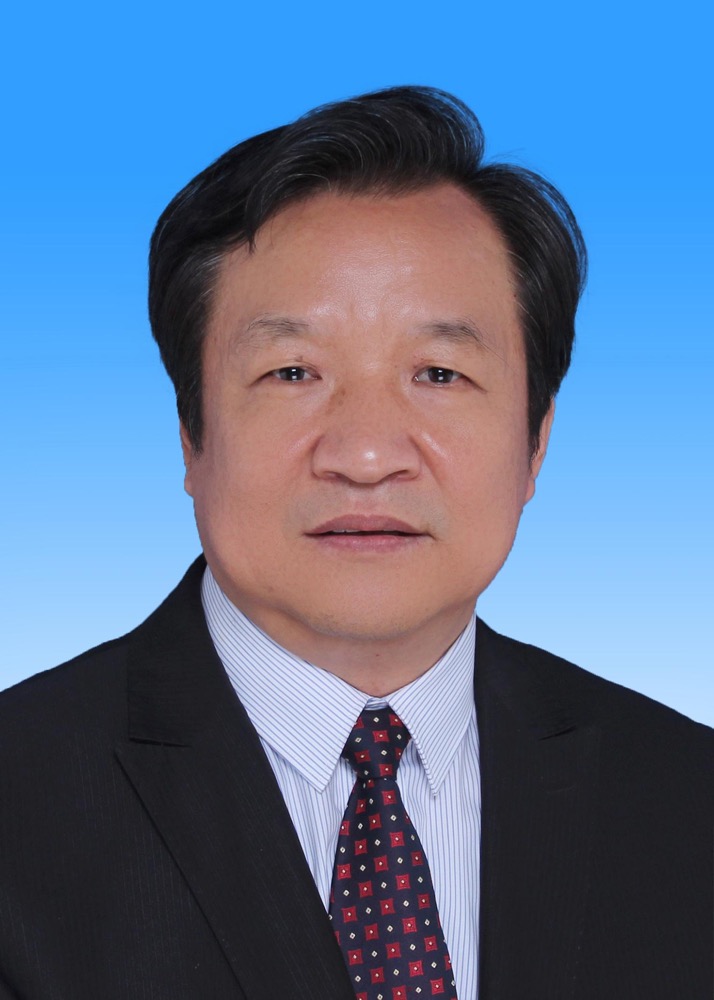 Shifei Ding (丁世飞)合作论文数School of Computer Science and Technology, China University of Mining and Technology36
 Chengzhi Ruan合作论文数23
 Dean Zhao (赵德安)合作论文数23LIAN Jian (连剑)合作论文数20
 Sujuan Hou (侯素娟)合作论文数School of Information Science and Engineering, Shandong Normal University20
 Rong Luo合作论文数Qilu Univ Technol, Sch Light Ind Sci & Engn, Jinan 250351, Peoples R China17
 Xiao-Yang Liu合作论文数Department of Electrical Engineering, Columbia University17Xiang Yin (尹翔)合作论文数15
 Ze Ji合作论文数School of Engineering, Cardiff University;Royal Academy of Engineering15Chunyang Su合作论文数14
 Yuqi Lu合作论文数10Yanna Zhao合作论文数10
 Wei Ji合作论文数Yale University10Zhifen Wang合作论文数8Xinbo Yang合作论文数8Tian Shen合作论文数8
 Chengjiang Li (李成江)合作论文数Shandong University of Science and Technology8Zhang Zhong-hua合作论文数7Meili Sun合作论文数7Chanli Hu合作论文数7
 Yan Zhang合作论文数6
 Yunlong He合作论文数Shandong Normal Univ, Sch Informat Sci & Engn, Jinan 250358, Shandong, Peoples R China6Yuyan Zhao合作论文数6Ge Xinting合作论文数6
 Guoliang Liu (刘国良)合作论文数School of Control Science and Engineering, Shandong University6
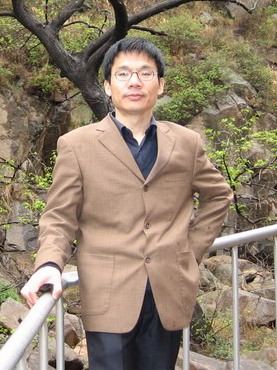 Huichuan Duan (段会川)合作论文数School of Information Science and Engineering, Shandong Normal University6
 Xinzheng Xu (许新征)合作论文数China University of Mining and Techology6Yujie Guan合作论文数5Ningning Pan合作论文数5Liang-Liang YANG合作论文数5
 Xiaodan Sui合作论文数Shandong Normal Univ, Sch Informat Sci & Engn, Jinan 250358, Peoples R China5XiuDe Chen (陈修德)合作论文数5
 Zhongzhi Shi (史忠植)合作论文数Key Laboratory of Intelligent Information Processing, Institute of Computing Technology, Chinese Academy of Sciences5Qiaolian Liu合作论文数4Awudu Karim合作论文数4Xuecheng Li合作论文数4Xiaojie Li合作论文数4Jie Liu合作论文数4
 Yuyu Tian合作论文数4LianCheng Xu (徐连诚)合作论文数4Jing Wang (王静)合作论文数College of Information Technology, Shanghai Ocean University4De'an Zhao合作论文数4
 Xingyu Zhao (赵星宇)合作论文数PAttern Learning and Mining Lab, School of computer science and engineering, Southeast University4Wenjing Shao (邵文静)合作论文数3Shuping Tang合作论文数3Yi Niu合作论文数3Yuansheng Zheng合作论文数3




