Intracranial pressure (ICP) is the pressure exerted by the contents of the skull cavity on the wall of the skull cavity. When ICP levels continue to increase in patients with traumatic brain injury (TBI), it may cause a series of nerve damage, and even lead to brain herniation leading to respiratory and circulatory failure and death. The emergence of multi-modal monitoring technology based on ICP monitoring enables clinicians to dynamically and real-time monitor the changes of ICP and related parameters in the treatment of TBI patients. At present, invasive monitoring techniques mainly focus on ventricular type ICP monitoring, with the most accurate results; while many new non-invasive monitoring techniques have also been widely concerned and studied. This article mainly reviews the application of multimodal ICP monitoring technology in TBI treatment, and compares the advantages and disadvantages of various monitoring technologies based on literature, providing a basis for clinical selection of corresponding monitoring methods.
Objective:To investigate the application value of transcranial Doppler ultrasound (TCD) in the assessment of intracranial pressure (ICP) in patients with traumatic brain injury (TBI).Methods:A retrospective analysis was conducted on the clinical data of 26 patients with TBI who underwent invasive ICP monitoring early after admission from October 2018 to December 2020 in the Neurotrauma Department of the First Hospital of Jilin University. The TCD parameters of all patients (260 cases) were collected, including systolic blood flow velocity (FVs), diastolic blood flow velocity (FVd), mean blood flow velocity (FVm), pulsatility index (PI) and resistance index (RI). We documented invasive monitoring parameters during the same period, including ICP and mean arterial pressure (MAP). Modeling formula 1 [non-invasive ICP 1 (nICP 1) = 4.47×PI+ 12.68], formula 2 [nICP 2 = MAP×(1-FVd/FVm) -14], formula 3 (nICP 3 = 10.93×PI-1.28) were utilized to calculate nICP. The bivariate Pearson correlation coefficient was used to analyze the correlation between nICP and ICP at the same time, the Bland-Altman test plot of nICP and ICP was drawn to compare the consistency deviation, the receiver operating characteristic (ROC) curve was drawn for predicting the increase of ICP [ICP≥20 mm Hg (1 mm Hg=0.133 kPa)] using nICP and its predictive power was calculated. According to the applied invasive monitoring technology, the patients were divided into hydraulic group (159 cases) and piezoelectric group (101 cases). According to whether the patients underwent decompressive craniectomy, they were divided into decompressive craniectomy group (201 cases) and non-decompressive craniectomy group (59 cases). Subgroup analyses were performed separately. Results:Among the parameters of TCD, PI was positively correlated with ICP ( r=0.74, P<0.001). The results of Pearson correlation analysis showed that nICP 1, nICP 2, nICP 3 were all positively correlated with ICP (all P<0.001). Bland-Altman test results showed that the deviations of nICP 1, nICP 2, and nICP 3 were 1.3±2.4 mm Hg, -2.1±6.3 mm Hg, -6.2±2.1 mm Hg respectively. Similar results were obtained in subgroup analyses. The ROC curve analysis results showed that the area under curve(AUC) of nICP 1, nICP 2, and nICP 3 for predicting increased ICP were 0.91, 0.79, and 0.89 respectively (all P<0.001), and nICP 1 had higher accuracy, corresponding sensitivity was 94.44%, specificity was 83.48%. Conclusion:Calculation of nICP based on TCD parameters can assist dynamically assess the changes in ICP in patients with traumatic brain injury, which is simple, accurate, and has certain value of clinical application.
BackgroundTraumatic brain injury (TBI) is considered a risk factor for the development of stroke (Hemorrhagic Stroke and Ischemic Stroke). We performed this systemic review and meta-analysis to determine the association of prior TBI with the subsequent diagnosis of stroke.MethodsWe systematically searched PubMed, EMBASE, and the Cochrane Library for cohort studies involving TBI patients who subsequently developed stroke. Study selection, data extraction, and quality assessment were performed by two separate researchers. Data were analyzed with random-effects models, and a secondary analysis stratified by the type of stroke was performed.ResultsOf the 741 identified studies, 6 studies were eligible for inclusion, with more than 2,200,000 participants. TBI predicted the occurrence of stroke in the random-effect model, with a relative risk of 2.14 (95% CI 1.97–2.32, P < 0.001). Furthermore, in the analysis of each type of stroke, TBI was associated with the incidence of ischemic stroke (RR 1.351 95% CI 1.212–1.506, P < 0.001), and TBI was associated with an even greater increase in the incidence of hemorrhagic stroke (RR 6.118 95% CI 5.265–7.108, P < 0.001).ConclusionOur meta-analysis showed that TBI was associated with a more than two-fold increase in the risk of stroke. However, owing to the high degree of heterogeneity, decisions should be made on a patient-by-patient basis. The occurrence of TBI is associated with the development of both hemorrhagic and ischemic stroke, and the risk of hemorrhagic stroke is much higher than that of ischemic stroke in TBI patients.
目的 通过分析脑死亡判定自主呼吸激发试验(AT)的质控指标,探讨改进策略,提高AT的实施率和完成率.方法 收集吉林省脑损伤质控中心2017年-2020年脑死亡判定病例相关资料,依据标准进行AT技术质控,分析AT实施率和完成率情况.结果 AT实施率由2017年的4.3%提升至2020年的83.5%;完成率由2017年的66.7%提升至2020年的96.1%.实施AT后可出现严重酸中毒、低血压、低血氧、低血钾等风险,未实施AT和未完成AT的原因主要为血压、心率、血氧不稳定.结论 通过医师间、医护间的技术合作,有利于提升实施AT的安全性.为进一步提升AT实施率和完成率,建议制定出现AT相关心跳骤停情况的不苛责机制,健全AT相关培训及考核制度.
Background Chronic subdural hematoma (CSDH) is a common neurological disease, and the surgical evacuation of subdural collection remains the primary treatment approach for symptomatic patients. Postoperative recurrence is a serious complication, and several factors are correlated with postoperative recurrence. Methods We searched Embase, Web of Science, PubMed, and Cochrane Library from their establishment to September 2020. Reports on randomized, prospective, retrospective, and overall observational studies on the management of surgical patients with CSDH were searched, and an independent reviewer performed research quality assessment. Factors that affect the postoperative recurrence of CSDH were extracted: social demographics, drugs (as the main or auxiliary treatment), surgical management, imaging, and other risk factors. We evaluated the recurrence rate of each risk factor. A random effect model was used to perform a meta-analysis, and each risk factor affecting the postoperative recurrence of CSDH was then evaluated and graded. Findings In total, 402 studies were included in this analysis and 32 potential risk factors were evaluated. Among these, 21 were significantly associated with the postoperative recurrence of CSDH. Three risk factors (male, bilateral hematoma, and no drainage) had convincing evidence. The classification of evidence can help clinicians identify significant risk factors for the postoperative recurrence of CSDH. Interpretation Only few associations were supported by high-quality evidence. Factors with high-quality evidence may be important for treating and preventing CSDH recurrence. Our results can be used as a basis for improving clinical treatment strategies and designing preventive methods. Copyright (C) 2021 The Authors. Published by Elsevier Ltd.
Objective:To systematic review coma arousal effect of median nerve electrical stimulation (MNS) on patients with traumatic brain injury (TBI).Methods:Pubmed, Web of Science, Embase, The Cochrane Library, CNKI, China Biomedical Literature Database, Wanfang Database, and VIP Database were searched for randomised controlled trials of median nerve electrical stimulation therapy and conventional coma awakening therapy in the treatment of TBI. The search time was from the establishment of the database to March 2022. Two researchers conducted literature screening, data extraction and quality evaluation according to the inclusion and exclusion criteria. According to the different intervention measures, the patients were divided into conventional treatment group and MNS group. The conventional treatment group was treated with conventional treatment methods, and the MNS group was treated with MNS on the basis of conventional treatment methods. Stata 12.0 software was used to calculate the pooled effect size of meta-analysis, and to test for heterogeneity and publication bias.Results:A total of 21 articles with a total of 1684 patients were included in our study. Meta-analysis results showed that, compared with conventional treatment, after 1, 2, 3, and 4 weeks of treatment, MNS therapy could improve the GCS score of patients (P<0.001), and the recovery rate was higher (OR=2.13, 95%CI: 1.56-2.91). The brain dysfunction score was lower than that in the conventional treatment group [SMD=-0.66, 95%CI: -0.96-(-0.36)], the motor performance score (SMD=0.25, 95%CI: 0.00-0.50), quality of life score (SMD=0.85, 95%CI: 0.53-1.18), EEG score (SMD=1.04, 95%CI: 0.23-1.86) in MNS therapy group were higher than those in the conventional treatment group.Conclusion:MNS therapy can improve consciousness level within 4 weeks and have Coma arousal effect on patients with TBI.
Objective:To investigate the effects of G protein coupled bile acid receptor agonist INT-777 on brain edema and blood brain barrier (BBB) permeability after traumatic brain injury (TBI) in mice.Methods:A total of 52 healthy male C57BL/6J mice were randomly divided into sham operation group (Sham group), craniocranial trauma group (TBI group), DMSO treatment group (TBI+DMSO group) and INT-777 treatment group (TBI+INT-777 group), with 13 rats in each group. In Sham group, only had the bone window open without treatment. TBI model was established with a brain fluid-percussion instrument in TBI group, TBI+DMSO group and TBI+INT-777 group after the bone window was open. Among them, the TBI group was modeled without intervention, and the TBI+DMSO group and TBI+INT-777 group were modeled after given 10%DMSO (30 μL) and INT-777 (30 μg/kg) by transnasal administration, respectively. 48 h after modeling, the water content of the injured area and contralateral brain tissue was measured by dry-wet weight method. The blood-brain barrier permeability was measured by Evans-blue (EB) extravasation method, and the protein expression levels of MMP-2, MMP-9, ZO-1, Claudin-5 and Occludin in brain tissue were measured by Western blot.Results:48 h after TBI, compared with Sham group, the water content (on the injured side) and extravasation of EB in brain tissue in the other three groups were significantly increased, the protein expressions of MMP-2 and MMP-9 in brain tissue were up-regulated, and the protein expressions of ZO-1, Claudin-5 and Occludin were decreased, the difference was statistically significant (P<0.05). Compared with TBI group and TBI+DMSO group, brain tissue water content and EB extravasation in TBI+INT-777 group were significantly decreased, the expression of MMP-2 and MMP-9 in brain tissue was down-regulated, and the expression of ZO-1, Claudin-5 and Occludin in brain tissue was increased, the difference was statistically significant (P<0.05).Conclusion:INT-777 can reduce the cerebral edema after TBI in mice and improve the damage of the blood-brain barrier. The mechanism may be related to the inhibition of MMP-2 and MMP-9 expression and the down-regulation of ZO-1, Claudin-5 and Occludin in brain tissue after injury.
目的 探讨器官捐献脑死亡判定中的护理配合方法.方法 总结吉林大学第一医院神经创伤外科2019年6月至2020年5月93例患者脑死亡判定的护理配合要点.提前预判脑死亡情况与医生及时沟通,确定脑死亡判定启动时间点;合理布局床旁仪器,预留脑死亡判定操作空间;监测生命体征,调整升压药物使用;快速完成自主呼吸激发试验的动脉血气抽取.结果 脑死亡判定93例,成功捐献89例,完成肝脏移植76例,完成肾脏移植164例.脑死亡判定确认试验完成情况:脑电图89例(95.7%),经颅多普勒超声88例(94.6%),正中神经短潜伏期体感诱发电位55例(59.1%).72例(77.4%)完成脑死亡自主呼吸激发试验,其中动脉留置针进行动脉血气抽取病例为12例(16.6%).结论 熟知脑死亡判定流程,优质的护理配合,是保证脑死亡判定快速顺利完成的重要环节.
Transcranial doppler (TCD) can dynamically and non-invasively monitor and evaluate cerebral hemodynamic changes, and intracranial pressure (ICP) is an important indicator for assessing the intracranial condition of patients with traumatic brain injury. In clinical work, an accurate and convenient non-invasive ICP monitoring method has been being explored. Because TCD has the advantages of non-invasive, low-cost and quick at the bedside, and the detection of cerebral blood flow spectrum by TCD can also indirectly evaluate ICP changes. This is great significance for clinical guidance of treatment. Now this article combines domestic and foreign research, and combines ICP monitoring technology and TCD technology, the formula and method of establishing ICP evaluation model based on pulsatility index in the previous literature are integrated, and the research progress of TCD cerebral blood flow spectrum evaluation ICP is reviewed. Key words: Transcranial doppler; Traumatic brain injury; Intracranial pressure
创伤性脑损伤(TBI)是神经外科较为常见的外伤性疾病.TBI患者在损伤局部发生由免疫炎症瀑布反应导致的继发性损伤,甚至部分患者会出现神经功能缺失的严重症状,因此在TBI患者的治疗措施中,将损伤修复治疗与抗炎修复治疗相结合便显得尤其重要.神经生长因子(NGF)是最早发现且研究最为广泛的神经相关生长因子,曾被认为在参与神经再生、损伤修复方面具有非常重要的作用.近年来越来越多的研究表明NGF可以与免疫细胞表面的受体相互作用,发挥相应的抗炎作用.本文围绕NGF治疗TBI的抗炎机制进行综述,以期为后续的研究及治疗提供一定的参考.
Objective To evaluate the clinical application of self-developed novel 16-slice mobile CT head scan in traumatic brain injury (TBI). Methods A total of 100 cases from 16 October 2018 to 16 November 2018 who were selected from Department of Neurological Trauma Surgery, First Hospital of Jilin University were performed by 16-slice mobile CT scan in the lead-protection room in the buffer of neurotrauma intensive care unit (ICU), including 50 healthy participiants, 25 patients with TBI in general ward and 25 patients with TBI in ICU. Moreover, the 50 patients with TBI were performed by general CT. And Time consuming of patients with TBI in ICU by 16-slice mobile CT head scan and to department of radiology by general CT head scan were compared. Results The head CT scan of 50 healthy participiants showed that the shape, structure and density of the brain tissue was clear. The head CT scan of 50 patients with TBI showed that brain contusion, intracranial hematoma, cerebral infarction, skull fractures and other lesions were high level to meet the clinic diagnostic criteria of TBI. Time consuming of TBI in ICU by 16-slice mobile CT head scan [ (7.2 ±0.4) min) ] was shorter than ones of the patients with TBI in ICU by general CT head scan [ (22.3 ±1.9) min] (P <0.05). Conclusion Selfdeveloped novel 16-slice mobile CT head scan with high imaging quality and short time consuming was suitable for patients with TBI, especially patients with TBI in ICU.
脊髓穿刺伤是一种十分少见的神经外科学紧急事件,常见于枪械射击伤、炸弹爆破伤、尖锐物体穿刺及少见的自杀机制[1,2]. 除了火器伤,脊髓穿刺伤一般不会致命,但往往伴有严重的神经功能缺损[3]. 此类病例较罕见,国内外尚无针对此类病例的管理条例, 本文报道1例胸10椎体上缘水平的脊髓穿刺伤且伴有明显的神经功能缺失病例,以期为临床工作者提供一定的管理建议.
RATIONALE:Anti-N-methyl-D-aspartate receptor (NMDAR) encephalitis is an autoimmune disorder that is most frequently induced by ovarian teratoma in young females. The condition can be controlled and reversed via ovarian tumor resection and immunotherapy. However, anti-NMDAR encephalitis induced by bilateral ovarian teratomas with distinct histopathologic types is rarely reported in the literature.PATIENT CONCERNS:A 23-year-old woman presented with seizures.DIAGNOSES:The diagnosis was anti-NMDAR encephalitis associated with ovarian teratomas based on positive anti-NMDAR antibody tests in both the cerebrospinal fluid and serum, and the detection of bilateral ovarian lesions on pelvic computed tomography. The postoperative histopathologic examination confirmed that the left lesion was an immature teratoma, and the right lesion was a mature teratoma.INTERVENTIONS:We performed surgical resection of the ovarian teratomas and administered immunotherapy for the control of anti-NMDAR encephalitis. Chemotherapy was administered for the immature teratoma.OUTCOMES:The patient recovered without any postoperative complications. She has been confirmed to be in complete clinical remission, and has not had a recurrence during 18 months of follow-up.LESSONS:Anti-NMDAR encephalitis induced by bilateral ovarian teratomas of differing histopathologic types (1 immature and 1 mature) is rare. Early diagnosis and treatment with tumor resection, immunotherapy, and chemotherapy are critical for a good prognosis.
BACKGROUND: Congenital microcephaly could result from a gene mutation. Asparagine synthetase deficiency, which is caused by the asparagine synthetase (ASNS) mutation, is a rare autosomal-recessive neurometabolic disorder. It is characterized by severe developmental delay, congenital microcephaly, and seizures. CASE DESCRIPTION: Here we present the first report on a progressive intracerebral cyst associated with ASNS mutation, which caused neurodevelopmental dysplasia. ASNS mutation was confirmed by whole-exome sequencing and is the most likely reason for the neurodevelopmental dysplasia, which results in microcephaly, refractory seizures, and congenital visual impairment. Antiepileptic drugs have limited therapeutic effect on these epileptic seizures. CONCLUSIONS: Although there is no cure for this disorder so far, the huge progressive intracerebral cyst can be cured by a cyst-peritoneal shunt.
Rationale: Iatrogenic cerebrospinal fluid (CSF) rhinorrhea in a bilateral frontal decompressive craniectomy patient triggered by strenuous sport is rare. To the best of our knowledge, no similar case has yet been reported. Patient concerns: Herein, we report a case of CSF rhinorrhea in a 37-year-old man. He had previously suffered a traumatic brain injury in a traffic accident, and a subsequent bilateral frontal decompressive craniectomy operation was performed. Based on the frontal skull defect peculiarity, strenuous exercise may have caused drastic CSF pressure waves to tear the dura mater of the anterior skull base, resulting in CSF rhinorrhea. Diagnoses: The thin-slice computerized tomography (CT) images revealed a frontal skull defect and the open frontal sinus. In addition, in the opened frontal sinus, low-density liquid-filled areas were visible. Interventions: During surgery, the torn dura was carefully repaired, and the frontal sinus was filled with temporal muscle, fascia, and fibrin glue. A simultaneous cranioplasty was performed. Outcomes: The patient was followed-up postoperatively for 12 months to date without rhinorrhea recurrence. Recovery was uneventful. Lessons: Patients with skull defects should avoid strenuous sports, and cranioplasty should be performed as early as possible in order to decrease the likelihood of a dural tear and prevent the occurrence of CSF leakage. After cranioplasty, the skull should be restored to a closed state to reduce the damaging effects of CSF waves during movement. It is important to maintain normal intracranial pressure to reduce the recurrence rate of CSF rhinorrhea.
我国人体器官移植事业在几代器官移植工作者的积极探索和实践下,尤其是2000年以后发展迅速,已取得了显著成绩.2007年,国务院颁布了我国首部器官移植条例——《人体器官移植条例》,使我国的器官移植事业走上法治化道路,揭开了我国器官移植事业改革的序幕.2014年12月3日,我国宣布自2015年1月1日起停用死囚器官,公民自愿器官捐献为唯一合法器官来源,实现了中国公民逝世后器官来源的转型[1].截至2017年12月10日,中国大陆已累计实现公民逝世后器官捐献14 861例,捐献大器官4.1万个,器官捐献者志愿捐献登记人数超过36万人,预计2020年成为世界第一移植大国[2].
Traumatic brain injury (TBI) is a common clinical disease in neurosurgery, among which the mortality rate of severe and extra-severe TBI is very high. The primary or secondary TBI can easily lead to severe damage to the structure and function of the brain, some patients may develop into brain death. In addition, TBI patients are usually complicated with multiple injuries, so the accuracy and reliability of brain death diagnosis for TBI patients are increasingly required in clinic. Most countries in the world mainly rely on clinical diagnosis of brain death combined with assistive technology, which can further improve the accuracy of brain death diagnosis. In this paper, the concept, development and several assistive techniques of brain death diagnosis are summarized, so as to provide reference for the accurate diagnosis of brain death after TBI. Key words: Brain death diagnosis; Brain evoked potentials; Electroencephalogram; Transcranial Doppler; Neuroimaging
Glioma is the most prevalent malignant brain tumor. A comprehensive analysis of the glioma metabolome is still lacking. This study aims to explore new special metabolites in glioma tissues. A non-targeted human glioma metabolomics was performed by UPLC-Q-TOF/MS. The gene expressions of 18 enzymes associated with 3’-phosphoadenylate (pAp) metabolism was examined by qRT-PCR. Those enzymes cover the primary metabolic pathway of pAp. We identified 15 new metabolites (13 lipids and 2 nucleotides) that were significantly different between the glioma and control tissues. Glycerophosphatidylcholine [PC(36:1)] content was high and pAp content was significantly low in the control brain (p < 0.01). In glioma tissues, PC(36:1) was not detected and pAp content was significantly increased. The gene expressions of 3′-nucleotidases (Inositol monophosphatase ( IMPAD-1 ) and 3′(2′),5′-bisphosphate nucleotidase 1( BPNT-1 )) were dramatically down-regulated. Meanwhile, the gene expression of 8 sulfotransferases (SULT) , 2 phosphoadenosine phosphosulfate synthases ( PAPSS-1 and PAPSS-2 ) and L-aminoadipate-semialdehyde dehydrogenase-phosphopante-theinyl transferase ( AASDHPPT ) were up-regulated. PC(36:1) absence and pAp accumulation are the most noticeable metabolic aberration in glioma. The dramatic down-regulation of IMPAD-1 and BPNT-1 are the primary cause for pAp dramatic accumulation. Our findings suggest that differential metabolites discovered in glioma could be used as potentially novel therapeutic targets or diagnostic biomarkers and that abnormal metabolism of lipids and nucleotides play roles in the pathogenesis of glioma.
器官移植是挽救终末期器官衰竭患者的重要手段,而器官短缺是世界性难题[1-3].2015年1月1日中国停止使用死囚器官,公民逝世后器官捐献成为器官来源的主要途径[4].脑死亡判定是公民逝世后器官捐献的重要环节[5].脑电图、经颅多普勒超声和体感诱发电位是评估脑功能的重要方法 [6].脑电图和体感诱发电位是从电生理角度对脑损伤进行评估,而经颅多普勒超声是从脑血流角度对脑损伤进行评估[7-8].由于床旁操作的便捷性,脑电图、体感诱发电位和经颅多普勒超声被世界许多国家及中国作为确认脑死亡的检查方法 [9-11].高效、准确地进行脑死亡患者的脑电图检查对于器官捐献意义重大,本研究主要比较脑电图针电极和盘状电极在脑死亡判定时安放时间和阻抗值之间的差异,探讨针电极在器官捐献脑死亡判定中的作用.
Meta-analysis is a new method involving multi-disciplinary knowledge such as literature search, statistics and epidemiology. It has been widely used in medical science and social sciences. The identification of heterogeneity is an important part of Meta-analysis, which is a key step to ensure the reliability of Meta-analysis conclusion. This paper introduces the definition and classification of heterogeneity in Meta-analysis, and focuses on the identification and solution of heterogeneity to help medical researchers to better understand the important role of heterogeneity and to deal with heterogeneity.
 Shuanglin Fu (付双林)合作论文数吉林大学第一医院神经外科30
 HaiFeng Wang (王海峰)合作论文数28
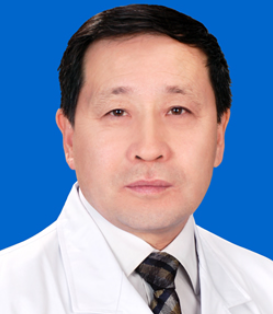 Yinan Luo (罗毅男)合作论文数The First Bethune Hospital, Jilin University27
 Pengfei Ge (葛鹏飞)合作论文数Bethune First Hospital, Jilin University19
 Yhu-Chering Huang合作论文数Division of Pediatric Infectious Diseases, Chang Gung Memorial Hospital;Pediatric Research Center, Chang Gung Memorial Hospital11Ri Li (李日)合作论文数10
 Tzou-Yien Lin (林奏延)合作论文数Department of Pediatrics, Chang Gung Children's Hospital;Medical College, Chang Gung University9HONG Xin-yu (洪新雨)合作论文数8ShuYan Zhang (张舒岩)合作论文数8
 Cheng-Hsun Chiu合作论文数Division of Microbiology and Immunology, Graduate Institute of Biomedical Sciences, Chang Gung University;Molecular Infectious Diseases Research Center, Chang Gung Memorial Hospital;Department of Pediatrics, Chang Gung Children’s Hospital7JingWei Zhao (赵景伟)合作论文数6
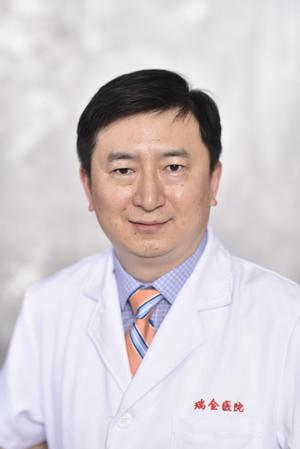 Chuan He (何川)合作论文数Shanghai Jiaotong University School of Medicine6Guangming Wang (王光明)合作论文数6Kuo Chien Tsao合作论文数5Li Bie合作论文数5Jie Pan (潘杰)合作论文数5
 Chung-Guei Huang合作论文数5Yongxin Luan (栾永昕)合作论文数5Lei Sun (孙雷)合作论文数4ZhiJun Lun (伦志军)合作论文数4
 Bo Chen (陈博)合作论文数School of Archaeology and Cultural Heritage, Zhengzhou University4Han Shuai合作论文数4
 Dawei Chen (陈大伟)合作论文数Jilin University4
 Libo Sun (孙立波)合作论文数Department of Gastrointestinal Surgery, China-Japan Union Hospital of Jilin University4Chui-bing ZHOU (周垂兵)合作论文数3qinghua ni (倪清华)合作论文数3Ao Sun (孙奥)合作论文数3
 XianLi Lv (吕宪利)合作论文数Beijing Tsinghua Changgung Hospital3Luo Tianfei合作论文数3Shih-Cheng Chang合作论文数3Lixiang Zhou合作论文数3Fulei Zhu (朱富磊)合作论文数2Chunyun Zhang合作论文数2Li Hanxin (李翰新)合作论文数2Zhanfeng Wang合作论文数Jilin Univ, China Japan Union Hosp, Dept Neurosurg, 126 Xiantai St, Changchun 130033, Jilin, Peoples R China2Haifeng Wang合作论文数2Zean Li (李泽安)合作论文数2Li Bai (李柏)合作论文数2Jia-teng ZHONG (钟加滕)合作论文数2
 Baofeng Xu (徐保锋)合作论文数2ChongHao Wang (王翀昊)合作论文数2Xuan Chen (陈儇)合作论文数2FanKai Meng (孟繁凯)合作论文数2JiZhou Zhang (张纪周)合作论文数2JiaLe Cui (崔佳乐)合作论文数2HaiLing Han (韩海玲)合作论文数2WeiTao Zhang (张伟涛)合作论文数2




