Deep learning has shown great promise in hyperspectral unmixing (HU), especially the unmixing methods based on autoencoder (AE) networks, which are the most prevalent these days. Since most spectral mixing problems are nonlinear and cannot effectively utilize global context information, these methods have limited generalization ability under different ground features and scenarios. To address these limitations, an enhanced network based on spatial-spectral information attention is proposed. A two-channel attention mechanism is embedded within the convolutional AE to acquire the feature dependencies. The spatial information extraction uses the dynamic large kernel block (DLK) to obtain the global spatial attention of the image. The DLK module uses multiple large kernels with different kernel sizes and dilation rates to capture multiscale features, and the spectral information extraction uses coordinate attention (CA) to capture spectral correlation information. This can improve the quality of the endmember spectra and abundance maps. On real and synthetic data, this model is compared with several advanced unmixing methods, and the results show the effectiveness of this method.
Traditional HDR image generation relies on multi-exposure images to capture a wider luminance range, but this approach is often limited by time, environmental conditions, and hardware constraints. To address these issues, we propose a single-exposure HDR image reconstruction method based on a dual-branch high-low frequency decomposition strategy. The goal is to convert standard dynamic range (SDR) images into high dynamic range (HDR) images with enhanced visual quality and detail representation.The proposed method adopts an efficient U-Net architecture integrated with a High-Low Frequency Decomposition Block (HLFB) for multi-scale feature extraction and fusion. Wavelet Transform Block (WTB) decomposes the image into high- and low-frequency components, while a Frequency Enhancement Block (FEB) further strengthens frequency-domain features. In addition, a Refinement Block is introduced to enhance details and improve fine reconstruction.Experimental results demonstrate that the proposed method achieves significant improvements across multiple evaluation metrics while maintaining low computational complexity, validating its effectiveness and robustness in practical HDR image reconstruction tasks.
Low-light images are often challenged by significant noise,lack of contrast, low brightness, and color distortion. Accurate portrayal of local details and reasonable calibration of global information are crucial for image enhancement: the former facilitates texture restoration, and the latter guarantees accurate brightness. Based on this, this paper proposes a new low-light image enhancement algorithm combining local-global convolutional neural network and Laplace pyramid decomposition. The algorithm focuses on local detail enhancement and global luminance distribution under low-light conditions, extracts and supplements local details through simultaneous multi-scale top-down and bottom-up feature learning, and then realizes global recalibration of channel weights with the help of global merging and projection operations. The Laplace pyramid is further used to decompose the image into low-frequency and high-frequency components, enhance the high-frequency details and use the low frequency global information for calibration and optimization, and ultimately merge the high and low-frequency information to achieve fine enhancement. Test results on LOL and four other unpaired datasets show that the LG-LPDNet proposed in this paper outperforms the state-of-the-art algorithms both subjectively and objectively, and is able to effectively restore normal brightness images with vivid colors and clear textures.
In response to the growing threat of deepfake technology, we introduce BENet, a Cross-Domain Robust Bias Expansion Network. BENet enhances the detection of fake faces by addressing limitations in current detectors related to variations across different types of fake face generation techniques, where ``cross-domain" refers to the diverse range of these deepfakes, each considered a separate domain. BENet's core feature is a bias expansion module based on autoencoders. This module maintains genuine facial features while enhancing differences in fake reconstructions, creating a reliable bias for detecting fake faces across various deepfake domains. We also introduce a Latent-Space Attention (LSA) module to capture inconsistencies related to fake faces at different scales, ensuring robust defense against advanced deepfake techniques. The enriched LSA feature maps are multiplied with the expanded bias to create a versatile feature space optimized for subtle forgeries detection. To improve its ability to detect fake faces from unknown sources, BENet integrates a cross-domain detector module that enhances recognition accuracy by verifying the facial domain during inference. We train our network end-to-end with a novel bias expansion loss, adopted for the first time, in face forgery detection. Extensive experiments covering both intra and cross-dataset demonstrate BENet's superiority over current state-of-the-art solutions.
Natural gradient descent (NGD) is a powerful optimization technique for machine learning, but the computational complexity of the inverse Fisher information matrix limits its application in training deep neural networks. To overcome this challenge, we propose a novel optimization method for training deep neural networks called structured natural gradient descent (SNGD). Theoretically, we demonstrate that optimizing the original network using NGD is equivalent to using fast gradient descent (GD) to optimize the reconstructed network with a structural transformation of the parameter matrix. Thereby, we decompose the calculation of the global Fisher information matrix into the efficient computation of local Fisher matrices via constructing local Fisher layers in the reconstructed network to speed up the training. Experimental results on various deep networks and datasets demonstrate that SNGD achieves faster convergence speed than NGD while retaining comparable solutions. Furthermore, our method outperforms traditional GDs in terms of efficiency and effectiveness. Thus, our proposed method has the potential to significantly improve the scalability and efficiency of NGD in deep learning applications. Our source code is available at https://github.com/Chaochao-Lin/SNGD.
The popular softmax loss and its recent extensions have achieved great success in deep learning-based image classification. However, the data for training image classifiers often exhibit a highly skewed distribution in quality, i.e., the number of data with good quality is much more than that with low quality. If this problem is ignored, low-quality data are hard to classify correctly. In this paper, we discover the positive correlation between the quality of an image and its feature norm (L2-norm) learned from softmax loss through careful experiments on various applications with different deep neural networks. Based on this finding, we propose a contraction mapping function to compress the range of feature norms of training images according to their quality and embed this contraction mapping function into softmax loss and its extensions to produce novel learning objectives. Experiments on various applications, including handwritten digit recognition, lung nodule classification, and face recognition, demonstrate that the proposed approach is promising to effectively deal with the problem of learning quality imbalance data and leads to significant and stable improvements in the classification accuracy. The code is available at https://github.com/HuiyuLi/CM-M-Softmax-Loss.
Thyroid nodule segmentation is a crucial step in the diagnostic procedure of physicians and computer-aided diagnosis systems. Mostly, current studies treat segmentation and diagnosis as independent tasks without considering the correlation between these tasks. The sequence steps of these independent tasks in computer-aided diagnosis systems may lead to the accumulation of errors. Therefore, it is worth combining them as a whole through exploring the relationship between thyroid nodule segmentation and diagnosis. According to the thyroid imaging reporting and data system (TI-RADS), the assessment of shape and margin characteristics is the prerequisite for the discrimination of benign and malignant thyroid nodules. These characteristics can be observed in the thyroid nodule segmentation masks. Inspired by the diagnostic procedure of TI-RADS, this paper proposes a shape-margin knowledge augmented network (SkaNet) for simultaneously thyroid nodule segmentation and diagnosis. Due to the similarity in visual features between segmentation and diagnosis, SkaNet shares visual features in the feature extraction stage and then utilizes a dual-branch architecture to perform thyroid nodule segmentation and diagnosis tasks simultaneously. To enhance effective discriminative features, an exponential mixture module is devised, which incorporates convolutional feature maps and self-attention maps by exponential weighting. Then, SkaNet is jointly optimized by a knowledge augmented multi-task loss function with a constraint penalty term. It embeds shape and margin characteristics through numerical computation and models the relationship between the thyroid nodule diagnosis results and segmentation masks.
Face parsing infers a pixel-wise label map for each semantic facial component. Previous methods generally work well for uncovered faces, however, they overlook facial occlusion and ignore some contextual areas outside a single face, especially when facial occlusion has become a common situation during the COVID-19 epidemic. Inspired by the lighting phenomena in everyday life, where illumination from four distinct lamps provides a more uniform distribution than a single central light source, we propose a novel homogeneous tanh-transform for image preprocessing, which is made up of four tanh-transforms. These transforms fuse the central vision and the peripheral vision together. Our proposed method addresses the dilemma of face parsing under occlusion and compresses more information from the surrounding context. Based on homogeneous tanh-transforms, we propose an occlusion-aware convolutional neural network for occluded face parsing. It combines information in both Tanh-polar space and Tanh-Cartesian space, capable of enhancing receptive fields. Furthermore, we introduce an occlusion-aware loss to focus on the boundaries of occluded regions. The network is simple, flexible, and can be trained end-to-end. To facilitate future research of occluded face parsing, we also contribute a new cleaned face parsing dataset. This dataset is manually purified from several academic or industrial datasets, including CelebAMask-HQ, Short-video Face Parsing, and the Helen dataset, and will be made public. Experiments demonstrate that our method surpasses state-of-the-art methods in face parsing under occlusion.
This paper proposes a new convolutional neural network (CNN) with multi-scale processing for detecting ground-glass opacity nodules (GGO) in 3D computed tomography (CT) images, which is referred to as Pi-aNet for short. PiaNet consists of a feature-extraction module and a prediction module. The former mod-ule is constructed by introducing pyramid multi-scale source connections into a contracting-expanding structure. Besides, a new multi-receptive-field convolution block (MRCB) is presented to fuse the convo-lutions with multiple kernels of varying sizes for capturing features in each scale of information better. The latter module includes a bounding-box regressor and a classifier that are employed to simultane-ously recognize GGO nodules and estimate bounding boxes at multiple scales. To train the proposed Pi-aNet, a two-stage transfer learning strategy is developed. In the first stage, the feature-extraction module is embedded into a classifier network that is trained on a large data set of GGO and non-GGO patches, which are generated by performing data augmentation from a small number of annotated CT scans. In the second stage, the pretrained feature-extraction module is loaded into PiaNet, and then PiaNet is fine-tuned using the annotated CT scans. We evaluate the proposed PiaNet with the LIDC-IDRI dataset. The experimental results demonstrate that our method outperforms state-of-the-art counterparts, including the Subsolid CAD and Aidence systems and CPM-Net and S4ND and GA-SSD methods. PiaNet achieves a sensitivity of 93.6% with only one false positive per scan.(c) 2022 Elsevier Ltd. All rights reserved.
Low-light images have low contrast and unclear details, resulting in the reduction of available information for human vision. The current mainstream enhancement algorithms have problems such as noise amplification, color distortion, and dependence on data sets during the enhancement process. Therefore, a low-light image enhancement algorithm based on Retinex model and deep learning is proposed. First, the proposed residual network cascade is applied to the decomposition network based on Retinex theory to improve the gradient disappearance problem of the deep neural network, and at the same time obtain the illumination and reflection components of the image. Secondly, an adaptive gamma transformation function is designed to enhance the illumination component, which can effectively improve the low contrast problem of the image; since the noise in the dark area is amplified during the enhancement process, a full-scale learning network is designed to improve the image quality. The reflection component is denoised. Finally, the enhanced illumination component and reflection component are fused to obtain the final enhanced image. In the data set test results, the peak signal-to-noise ratio of the proposed algorithm is improved by an average of 0.33dB compared with the mainstream algorithm Zero-DCE, and by an average of 0.48dB compared with the URetinex-Net algorithm. The experimental results show that the algorithm can effectively improve the brightness of the image while reducing the image noise and accurately restore the texture information of the image.
The automated generation of radiology diagnostic reports helps radiologists make timely and accurate diagnostic decisions while also enhancing clinical diagnostic efficiency. However, the significant imbalance in the distribution of data between normal and abnormal samples (including visual and textual biases) poses significant challenges for a data-driven task like automatically generating diagnostic radiology reports. Therefore, we propose a Dynamic Multi-Domain Knowledge(DMDK) network for radiology diagnostic report generation. The DMDK network consists of four modules: Chest Feature Extractor(CFE), Dynamic Knowledge Extractor(DKE), Specific Knowledge Extractor(SKE), and Multi-knowledge Integrator(MKI) module. Specifically, the CFE module is primarily responsible for extracting the unprocessed visual medical features of the images. The DKE module is responsible for extracting dynamic disease topic labels from the retrieved radiology diagnostic reports. We then fuse the dynamic disease topic labels with the original visual features of the images to highlight the abnormal regions in the original visual features to alleviate the visual data bias problem. The SKE module expands upon the conventional static knowledge graph to mitigate textual data biases and amplify the interpretability capabilities of the model via domain-specific dynamic knowledge graphs. The MKI distills all the knowledge and generates the final diagnostic radiology report. We performed extensive experiments on two widely used datasets, IU X-Ray and MIMIC-CXR. The experimental results demonstrate the effectiveness of our method, with all evaluation metrics outperforming previous state-of-the-art models.
HSI fusion approaches aims to recover high spatial resolution hyperspectral image (HSI) with the preservation of original spectral information. The existed fusion framework are designed to establish a spatial feature mapping relationship between low/high resolution HSIs, which is always an under-determined problem affected by artifacts and distortions. In this paper, a multi-layer residual learning fusion approach is proposed for HSI resolution enhancement. It is believed that there are residuals between recovered result and ideal ground truth HSI. Our method focuses on reducing the residuals to gradually modify the recovered HSI and iteratively make it approximate to the ground truth. Firstly, the back propagation neural network (BPNN) is employed to acquire an intermediate recovered result. Then, a series of online residual dictionaries are trained from residuals to update modified recovered HSIs in successive iterations. Therefore, the accurate recovered high resolution HSI less errors and spectral distortions.can be achieved. Experimental results on two different HSI datasets show that the proposed method can acquire better or comparable evaluation metric and visual fusion result with the current state-of-the-art methods.
The rapid advancement of deepfake technologies raises significant concerns about the security of face recognition systems. While existing methods leverage the clues left by deepfake techniques for face forgery detection, malicious users may intentionally manipulate forged faces to obscure the traces of deepfake clues and thereby deceive detection tools. Meanwhile, attaining cross-domain robustness for data-based methods poses a challenge due to potential gaps in the training data, which may not encompass samples from all relevant domains. Therefore, in this paper, we introduce a solution - a Cross-Domain Robust Bias Expansion Network (BENet) - designed to enhance face forgery detection. BENet employs an auto-encoder to reconstruct input faces, maintaining the invariance of real faces while selectively enhancing the difference between reconstructed fake faces and their original counterparts. This enhanced bias forms a robust foundation upon which dependable forgery detection can be built. To optimize the reconstruction results in BENet, we employ a bias expansion loss infused with contrastive concepts to attain the aforementioned objective. In addition, to further heighten the amplification of forged clues, BENet incorporates a Latent-Space Attention (LSA) module. This LSA module effectively captures variances in latent features between the auto-encoder's encoder and decoder, placing emphasis on inconsistent forgery-related information. Furthermore, BENet incorporates a cross-domain detector with a threshold to determine whether the sample belongs to a known distribution. The correction of classification results through the cross-domain detector enables BENet to defend against unknown deepfake attacks from cross-domain. Extensive experiments demonstrate the superiority of BENet compared with state-of-the-art methods in intra-database and cross-database evaluations.
Face anti-spoofing (FAS) is crucial for securing face recognition systems. However, existing FAS methods with handcrafted binary or pixel-wise labels have limitations due to diverse presentation attacks (PAs). In this paper, we propose an attack type robust face anti-spoofing framework under light flash, called ATR-FAS. Due to imaging differences caused by various attack types, traditional FAS methods based on single binary classification network may result in excessive intra-class distance of spoof faces, leading to a challenge of decision boundary learning. Therefore, we employed multiple networks to reconstruct multi-frame depth maps as auxiliary supervision, and each network experts in one type of attack. A dual gate module (DGM) consisting of a type gate and a frame-attention gate is introduced, which perform attack type recognition and multi-frame attention generation, respectively. The outputs of DGM are utilized as weight to mix the result of multiple expert networks. The multi-experts mixture enables ATR-FAS to generate spoof-differentiated depth maps, and stably detects spoof faces without being affected by different types of PAs. Moreover, we design a differential normalization procedure to convert original flash frames into differential frames. This simple but effective processing enhances the details in flash frames, aiding in the generation of depth maps. To verify the effectiveness of our framework, we collected a large-scale dataset containing 12,660 live and spoof videos with diverse PAs under dynamic flash from the smartphone screen. Extensive experiments illustrate that the proposed ATR-FAS significantly outperforms existing state-of-the-art methods. The code and dataset will be available at https://github.com/Chaochao-Lin/ATR-FAS.
It is of vital importance to eliminate the electromagnetic interference of various electronic devices in military and civil fields. However, many researches focus on electromagnetic shielding while ignoring the practical environmental suitability of materials. In this work, the Dimethyl octadecyl (3- trimethoxylsilyl propyl) ammonium chloride (DMAOP) chains were introduced into reduced oxide graphene sheets to achieve the composite films (RGOFs) with "brick-slurry" structure by simple room temperature chemical reaction combined with vacuum filtration technology. Ultimately, the RGOFs exhibited multifunctional features, including great electromagnetic shielding (EMI) performance (above 6.6 x 10(4) dB.cm(-1)), high strength and toughness properties (similar to 240 MPa, 6.28%), and excellent environmental adaptability. The formed dense "brick-slurry" structure is conductive to the construction of conductive path, contributing to the high EMI. Further, molecular dynamics simulation, in situ scanning and in situ Raman illustrated that the DMAOP molecular chain could strengthen the orientation, stress transfer, and delay the crack propagation by connecting graphene sheets, resulting high strength and toughness. Besides, the obtained films also exhibited excellent antibacterial properties, and acid, alkali environment adaptability due to their special components and interface design scheme. This work can provide ideas for developing effective preparation approaches of graphene-based membranes with excellent properties in the context of the requirements of a new generation of high-performance materials.
BACKGROUND:Acute lung injury (ALI) after liver transplantation (LT) may lead to acute respiratory distress syndrome, which is associated with adverse postoperative outcomes, such as prolonged hospital stay, high morbidity, and mortality. Therefore, it is vital to maintain hemodynamic stability and optimize fluid management. However, few studies have reported cardiac output-guided (CO-G) management in pediatric LT. AIM:To investigate the effect of CO-G hemodynamic management on early postoperative ALI and hemodynamic stability during pediatric living donor LT. METHODS:A total of 130 pediatric patients scheduled for elective living donor LT were enrolled as study participants and were assigned to the control group (65 cases) and CO-G group (65 cases). In the CO-G group, CO was considered the target for hemodynamic management. In the control group, hemodynamic management was based on usual perioperative care guided by central venous pressure, continuous invasive arterial pressure, urinary volume, etc. The primary outcome was early postoperative ALI. Secondary outcomes included other early postoperative pulmonary complications, readmission to the intense care unit (ICU) for pulmonary complications, ICU stay, hospital stay, and in-hospital mortality. RESULTS:The incidence of early postoperative ALI was 27.7% in the CO-G group, which was significantly lower than that in the control group (44.6%) (P < 0.05). During the surgery, the incidence of postreperfusion syndrome was lower in the CO-G group (P < 0.05). The level of intraoperative positive fluid transfusions was lower and the rate of dobutamine use before portal vein opening was higher, while the usage and dosage of epinephrine during portal vein opening and vasoactive inotropic score after portal vein opening were lower in the CO-G group (P < 0.05). Compared to the control group, serum inflammatory factors (interleukin-6 and tumor necrosis factor-α), cardiac troponin I, and N-terminal pro-brain natriuretic peptide were lower in the CO-G group after the operation (P < 0.05). CONCLUSION:CO-G hemodynamic management in pediatric living-donor LT decreases the incidence of early postoperative ALI due to hemodynamic stability through optimized fluid management and appropriate administration of vasopressors and inotropes.
Video surveillance contains a lot of facial occlusion, which brings great difficulties to the detection of criminal investigation cases. Current face inpainting algorithms are difficult to meet the uniqueness requirements of face comparison, due to the lack of a priori information within the occluded area. Face sketch drawn by experienced simulated portrait artist according to low-quality video or description of the victim contains lots of useful information. There, this paper proposes a face inpainting algorithm combining face sketch and gate convolution. First, the face sketch, used as guided information, integrates into the occluded face image to complete the missing area. Then, a generative adversarial networks (GAN) with gate convolution is designed for model training, which effectively suppresses the interference of the occlusion area to the inpainting process. The experimental results show that the proposed algorithm obtain the better inpainting results and larger SSIM compared with the other algorithm. The proposed obtain better comprehensive performance.
In order to better improve the image quality of high dynamic range (HDR) scenes, the single-exposure image is used to generate HDR images without increasing the hardware cost. In order to achieve more effective feature learning, a deep learning model based on dense reverse connection network is proposed. Compared with continuously learning redundant features, feature reuse through dense connections is a better way to acquire features. On the basis of dense connections, local feedback and residual connections are added to further improve the information flow, increase the network representation ability, and achieve better performance. During the training process, the high-level features delivered by the residual reverse connection modules of each layer all contain some of the optimal weights and rich local feature information required for image reconstruction. Global reverse connection adds the high-level features of each layer to the input, and uses the high-level features to guide the low-level features to train through the hidden state. Compared with other forward transfer networks, it avoids the loss of optimal results, obtains higher image brightness and contrast, reduces gradient disappearance, and enhances high-frequency details. The model is an end-to-end training network. The experimental results show that the method in this paper has higher SSIM and PSNR indicators than existing methods, and achieves better subjective vision results. The brightness and details of the LDR image are better restored.
A 304 stainless steel weld overlay pipe was manufactured, and the nickel-base alloy was applied as the overlay weld. The local region of the pipe was treated using ultrasonic impact treatment (UIT). The surface stresses were measured by the hole-drilling method, and the full map internal stresses were measured by the contour method. The effects of local UIT and overlay on the stresses in the overlay pipe were investigated. Results show that the local UIT induces a compressive stress layer in the treated region with a depth of about 2–3 mm. Weld overlay can extend the compressive stress depth at the weld zone, resulting in the compressive hoop stress at the weld centerline to a depth of 68–79% original girth weld wall thickness and compressive axial stress with a depth of 80% girth weld wall thickness.
 Yangyu Fan (樊养余)合作论文数School of Electronics and Information, Northwestern Polytechnical University10
 Xiabi Liu (刘峡壁)合作论文数School of Computer Science & Technology, Beijing Institute of Technology9
 Chaochao Lin合作论文数8Chunyan Yin合作论文数7
 Tao Lei合作论文数Schole of Electric Information and Artificial Intelligence, Shaanxi University of Science and Technology6
 Said Boumaraf合作论文数Beijing Lab Intelligent Informat Technol, Beijing Inst Technol6Yuquan Gan (甘玉泉)合作论文数5
 Murong Wang合作论文数Beijing Lab of Intelligent Information Technology, School of Computer Science, Beijing Institute of Technology, Beijing 100081, China5
 Yanfeng Xiao (肖延风)合作论文数The Second Affiliated Hospital of Xi'an Jiaotong University (Xibei Hospital);Xi'an Jiaotong University Health Science Center5
 Qingmei Sui (隋青美)合作论文数School of Control Science and Engineering, Shandong University5Yuefeng Chen合作论文数4Jingni Guo合作论文数Southwest Jiaotong Univ, Sch Transportat & Logist, Chengdu, Peoples R China4Junxiang Xu合作论文数Southwest Jiaotong Univ, Sch Transportat & Logist, Chengdu, Peoples R China4Hui Ma合作论文数4Na Li合作论文数4Huiyu Li合作论文数Beijing Lab of Intelligent Information TechnologySchool of Computer ScienceBeijing Institute of TechnologyBeijing100081China4YiQi Weng (翁亦齐)合作论文数4WenLi Yu (喻文立)合作论文数4
 Zuofeng Zhou (周祚峰)合作论文数Xi'an Institute of Optics and Precision Mechanics of Chinese Academy of Sciences;University of Chinese Academy of Sciences4
 Wei Cao (曹伟)合作论文数济南大学化学化工学院4
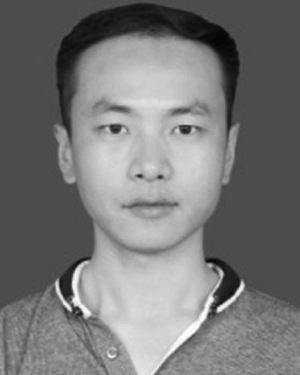 Zuhe Li合作论文数4Jianzhong Cao (曹剑中)合作论文数4
 Jin Zhang (张锦)合作论文数School of Transportation and Logistics, Southwest Jiaotong University4
 Humphrey Gardner合作论文数Department of Cell Biology, The Scripps Research Institute4
 Xinming Zhao (赵心明)合作论文数中国医学科学院肿瘤医院4
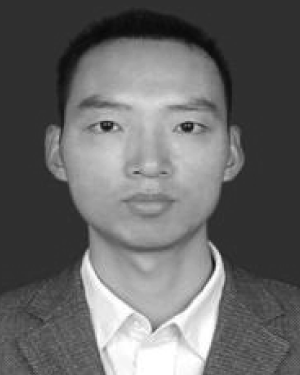 Guanghui Han (韩光辉)合作论文数北京理工大学4
 Bingliang Hu (胡炳樑)合作论文数University of Chinese Academy of Sciences;Xi'an Institute of Optics and Precision Mechanics, Chinese Academy of Sciences3
 Nouman Qadeer Soomro合作论文数Mehran Univ Engn & Technol, Dept Software Engn, SZAB Campus, Khairpur 66020, Pakistan3Hai-ping CHU (楚海平)合作论文数3Wenwen Liu合作论文数3PiXue Gong (公丕学)合作论文数3TingGe Zhu (朱婷鸽)合作论文数3DaXiang Li (李大湘)合作论文数3
 Zheng Zhu (朱政)合作论文数GigaAI3
 Ying Liu (刘莹)合作论文数School of Advanced Manufacturing, Nanchang University3Fanbin Meng (孟凡彬)合作论文数School of Materials Science and Engieering, Southwest Jiaotong University3Kang Du合作论文数3
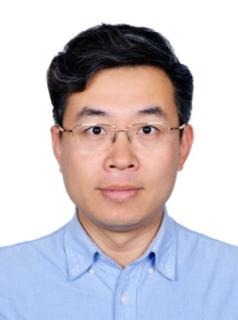 Yongjia Zhao (赵永嘉)合作论文数School of Automation Science and Electrical Engineering, Beihang University3Raj Bandaru合作论文数3
 Fengqin Wang (王凤勤)合作论文数School of Chemical Engineering and Technology, Tiangong University3
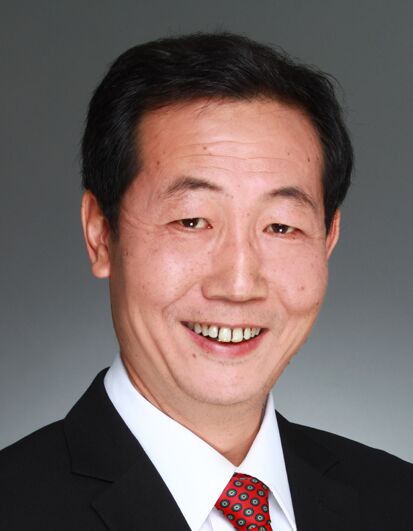 Shiqian Wu (伍世虔)合作论文数Artificial Intelligence and Machine Vision Laboratory, Wuhan University of Science and Technology;School of Information Science and Engineering, Wuhan University of Science and Technology;Institute of Robotics & Intelligent Systems, Wuhan University of Science and Technology3
 Xiangpeng Feng合作论文数2Yuyao Duan合作论文数2Beining Zhang合作论文数2lan yajing合作论文数2Yuanyuan Zheng合作论文数2
 Anne-Vibeke Lænkholm合作论文数Department of Clinical Medicine, University of Copenhagen;Department of surgical Pathology, Zealand University Hospita2Yuqiang Ji合作论文数2




