Berberine has been widely used in traditional and folk medicine for many years. The molecular mechanisms of berberine's action are pleiotropic and have been fairly well studied. Its applications are generally limited to cardiometabolic diseases and cancer therapy, and a focused critical evaluation of berberine and its derivatives in the specific context of immunosenescence remains limited. Immunosenescence represents an age-associated remodeling of the innate and adaptive immune systems, closely linked to impaired immunometabolism, chronic inflammation, and shifts in the AMPK/mTOR, NF-κB, autophagy, and inflammasome pathways; therefore, berberine is a logical candidate for the role of a multi-target regulator of these processes. In this review, we examine the molecular mechanisms of immunosenescence and their biomarkers, and critically evaluate the effects of berberine on these parameters. Here we provide a detailed examination of the rationale for using berberine as a modulator of immunosenescence and proposes a design for future studies.
Air pollution remains a major environmental challenge, largely driven by urban dust composed of suspended solid particles of diverse origins and chemical compositions. Particulate matter (PM2.5) and ultrafine urban dust nanoparticles (NPs), with diameters smaller than 2.5 μm and 100 nm, respectively, pose a particular threat to human health. In this study, we present the first evidence that NPs induce pro-inflammatory activation of human bronchial epithelial cells. Exposure to non-cytotoxic concentrations of NPs led to a significant increase in the mRNA levels of pro-inflammatory markers IL-8, IL-1β, IL-6, and ICAM-1, accompanied by increased secretion of the cytokines IL-8 and IL-6. Heat treatment of NPs, which removed their organic components, completely abolished their ability to stimulate cytokine secretion. NP-induced upregulation of pro-inflammatory gene expression depended on both surface-adsorbed organic compounds and inorganic particle constituents.
Urban dust particles are a major pathogenic factor in respiratory diseases such as asthma and chronic obstructive pulmonary disease, and also increase the risk of cardiovascular diseases, and lung cancer. Nanoparticles (NPs) of various origins are an important component of urban dust, but their effects on the human body are barely studied. In the present work, the effect of urban dust NPs on innate immune cells, neutrophils and macrophages was investigated in vitro. The study used urban dust NPs isolated from urban dust samples using the coiled tube field-flow fractionation technique. Urban dust NPs were shown to induce a significant increase in the production of reactive oxygen species in human neutrophils. Preincubation of neutrophils with dust NPs resulted in a fourfold increase in production of reactive oxygen species in response to the chemoattractant peptide N-formyl-methionyl-leucyl-phenylalanine (fMLP), which indicates an effect of neutrophil priming with nanoparticles. On macrophages differentiated from the monocytic line THP-1, urban dust NPs stimulated the secretion of pro-inflammatory cytokines, tumor necrosis factor, and interleukin-6. The inflammatory activation of neutrophils and macrophages was reduced by antibiotic polymyxin B, which is able to bind bacterial wall lipopolysaccharide. The results suggest that the pro-inflammatory effect of urban dust NPs on neutrophils and macrophages is, at least in part, due to the presence of bacterial wall lipopolysaccharide.
Nanoparticles (NPs) of urban dust pose a potential threat to public health. Nevertheless, this issue remains largely unexplored due to a lack of biological research related to these NPs. This may be attributed to the complexity of the separation, characterization, analysis, and subsequent preparation of NPs of urban dust for biological studies. In the present work, the methodology for the separation and preparation of NPs of urban dust for biological assays has been developed. The isolation of NPs from bulk samples of urban dust has been carried out using coiled tube field-flow fractionation, which allows one to recover a fraction of NPs, which is sufficient for further research. The weight of the recovered fraction of NPs was 0.42 ± 15 mg; the mean size of particles in the fraction was 220 nm. Albumin was employed as a stabilizing agent for NPs, a phosphate buffer solution simulated physiological salt concentrations. The isolated NPs were found to contain microorganisms, and a sterilization procedure was therefore applied. A 5 min UV treatment ensured sterilization of the suspension of NPs. Ultrafiltration was used to pre-concentrate NPs of urban dust required for biological studies; the ultrafiltration procedure did not affect the stability of the NPs suspension. The concentrations of toxic elements like Cu, Zn, As, Mo, Cd, Sn, Sb, Hg, Pb and Bi in the obtained NPs were found to be up to 10 times higher than in the bulk dust samples, indicating a potential health threat. The proposed procedure for the separation and preparation of NPs of urban dust can serve as a reliable basis for further biological studies.
Antibiotics are certainly the most important agents in the fight against human and animal bacterial infections. Widespread use of antibiotics has a positive impact on the treatment of infectious diseases but may be accompanied by serious side effects. Clinical aspects of these side effects are well understood, but nonspecific molecular targets are not fully recognized. It is generally known that many antibiotics can damage mitochondria, intracellular organelles responsible for aerobic metabolism as well as regulating a number of important processes, including cellular redox balance and inflammatory responses. Mitochondrial dysfunction commonly leads to the development of oxidative stress and inflammation, which are known stimuli of cellular senescence. On the other hand, the same stimuli could induce death of senescent cells. Thus, mitotoxic antibiotics could influence both the cellular senescence process and elimination of senescent cells. The effect of antitumor antibiotics on the induction of cell aging has been studied in detail, but the effect of antibacterial antibiotics on this process is still essentially unknown. This review aims to draw attention of the researchers to the possibility of accelerated cellular aging induced by common antibacterial antibiotics and to discuss potential mechanisms of this process.
Today, the majority of the world’s population lives in urban environments, where they are constantly exposed to dust particles of varying sizes, including urban dust nanoparticles (NPs). The minute size of NPs ensures their quick and efficient penetration into inner body parts, where they can interact with many cell types, including epithelial, endothelial, and immune cells. Despite their pervasive distribution and considerable potential health hazards, little is known about the ability of NPs to activate innate immune cells of the first line of defense (neutrophils) and the second line of defense (macrophages). The majority of research focuses on coarse (< 10 μm) and fine (< 2.5 μm) particles or employs engineered NPs. The aim of the study was to evaluate the potential of urban dust NPs to activate human neutrophils and macrophages in vitro. NPs were separated from urban dust samples collected in central Moscow (Russia) using coiled tube field-flow fractionation followed by ultrafiltration. Pre-incubation of human neutrophils with NPs primed the cells for fMLP-induced oxidative burst. The NPs also induced the formation of neutrophil extracellular traps (NETs) when neutrophils were adsorbed onto poly-L-lysine, which mimics some extracellular matrix proteins. In THP-1 monocytes differentiated to macrophages, NPs upregulated mRNA expression of the pro-inflammatory cytokines TNF, IL-6, IL-8, and IL-1β as well as of monocyte chemoattractant protein-1 (MCP-1) and stimulated secretion of TNF and IL-6, indicating inflammatory activation of macrophages. Notably, heat treatment of the NPs to remove organic components decreased all observed immunostimulatory effects. Similarly, the antibiotic polymyxin B, which binds bacterial lipopolysaccharides (LPSs), partially prevented the effects of NPs. These data indicate that the organic compounds, including LPS, sorbed on urban NPs are predominantly responsible for the activation of human neutrophils and macrophages in vitro. It can be assumed that dust NPs are important components of urban air pollution that initiate the activation of the innate immune system, contributing to the pathogenesis of inflammatory respiratory diseases.
Genotoxic and cytotoxic drugs, widely used in anticancer therapy, target proliferating cells and induce cell death through a variety of cell cycle-dependent mechanisms. The mechanisms of the delayed toxicity induced by chemotherapy are not fully understood. The accumulation of senescent cells may underlie some of the mechanisms for the development of late adverse effects of chemotherapy on muscle tissue. Cellular models are necessary for the development of therapeutic approaches to these side effects. In our study we used human immortalized myoblast MB135 to optimize the protocol for obtaining the senescent phenotype of muscle cells under the influence of chemotherapeutic drugs such as doxorubicin, cisplatin and arsenic trioxide (As 2 O 3 ). We evaluated the dynamics of changes in senescence proteins pRb, p21 and p53 and SASP-associated proteins such as TNF, IL-1b, IL-6, IL-8, CXCL2, GDF15 using Western blot, RT-PCR and ELISA. Cell senescence was confirmed by the measurement of cell senescence index by flow cytometry after 7 days of exposure to chemotherapeutic agents. The obtained results indicate that all three investigated chemotherapeutic compounds induce the appearance of senescence markers, but the dynamics of these changes are somewhat different for them, which may reflect differences in the mechanisms of senescence phenotype induction.
The search for reliable biomarkers for various diseases is a crucial focus of both applied and scientific research. Recent advancements in the study of noncoding RNAs, particularly miRNAs, have provided a wealth of data on their expression in healthy and diseased states. This has spurred numerous investigations into the potential use of miRNAs as disease biomarkers. This review critically examines the concept of utilizing miRNAs as biomarkers, delving into the methods for detecting miRNAs and assessing their feasibility. Additionally, it addresses unresolved issues surrounding the use of miRNAs as prognostic and predictive biomarkers, suggesting potential solutions and outlining future research directions in this field.
Quinone derivatives of triphenylphosphonium have proven themselves to be effective geroprotectors and antioxidants that prevent oxidation of cell components with participation of active free radicals – peroxide (RO2·), alkoxy (RO·), and alkyl (R·) radicals, as well as reactive oxygen species (superoxide anion, singlet oxygen). Their most studied representatives are derivatives of plastoquinone (SkQ1) and ubiquinone (MitoQ), which in addition to antioxidant properties also have a strong antibacterial effect. In this study, we investigated antibacterial properties of other quinone derivatives based on decyltriphenylphosphonium (SkQ3, SkQT, and SkQThy). We have shown that they, just like SkQ1, inhibit growth of various Gram-positive bacteria at micromolar concentrations, while being less effective against Gram-negative bacteria, which is associated with recognition of the triphenylphosphonium derivatives by the main multidrug resistance (MDR) pump of Gram-negative bacteria, AcrAB-TolC. Antibacterial action of SkQ1 itself was found to be dependent on the number of bacterial cells. It is important to note that the cytotoxic effect of SkQ1 on mammalian cells was observed at higher concentrations than the antibacterial action, which can be explained by (i) the presence of a large number of membrane organelles, (ii) lower membrane potential, (iii) spatial separation of the processes of energy generation and transport, and (iv) differences in the composition of MDR pumps. Differences in the cytotoxic effects on different types of eukaryotic cells may be associated with the degree of membrane organelle development, energy status of the cell, and level of the MDR pump expression.
Introduction: The study aimed to investigate the effects of low concentrations of mitochondrial uncouplers in endothelial cells on the CpG dinucleotide methylation of the ICAM1 gene promoter. The excessive inflammatory response in the endothelium is responsible for the development of many cardiovascular diseases. Mitochondria are important regulators of endothelial cell functions. Mild uncoupling of oxidative phosphorylation and respiration in endothelial mitochondria exerts a long lasting anti-inflammatory effect. However, the detailed mechanism of the anti-inflammatory activity of mitochondrial uncouplers remains unclear.We hypothesized that mild mitochondrial uncoupling leads to epigenetic changes in genomic DNA contributing to the anti-inflammatory response. Methods: We studied the long-term effects of mitochondria-targeted compounds with the uncoupler's activities: the antioxidant plastoquinonyl-decyltriphenylphosphonium (SkQ1), dodecyl-triphenylphosphonium (C12TPP), and 2,4-dinitrophenol (DNP). The mRNA expression of the intercellular adhesion molecule 1 (ICAM1), a marker of inflammatory activation of endothelial cells, was measured by RT-qPCR. Cytosine methylation in the CpG sites of the ICAM1 gene promoter was estimated by bisulfite sequencing of individual clones. Results: It was found that downregulation of ICAM1 expression caused by DNP and C12TPP was accompanied by an increase in the methylation of CpG sites in the ICAM1 gene promoter. None of the compounds affected intracellular or intramitochondrial ATP levels. Conclusion: Low concentrations of mitochondrial oxidative phosphorylation uncouplers are able to increase methylation of ICAM1 gene promoter, which corresponds to the observed decrease in the levels of mRNA of this gene. Thus, the change in methylation of the ICAM1 gene promoter may underlie the mechanism of decreased ICAM1 expression caused by mild mitochondrial depolarization. Mitochondrial uncouplers may be exploited as possible therapeutic candidates to treat excessive inflammation in endothelium, by changing the methylation status of genomic DNA.
There is accumulating evidence that mitochondria and mitochondrial STAT3 are involved in the activation of mast cells. The mitochondria-targeted curcuminoids Mitocur-1 and Mitocur-3 have been suggested to reduce antigen-dependent mast cell activation by inhibiting mitochondrial STAT3. The aim of the current work was to investigate the mechanisms of action of these mitocurcuminoids on mast cells and mitochondrial functions. The pretreatment of rat basophilic leukemia cells RBL-2H3 with Mitocur-1 and Mitocur-3 decreased antigen-dependent degranulation but did not affect spontaneous degranulation. Both compounds caused mitochondrial fragmentation and increased mitochondrial ROS. Inhibition of Drp1 prevented mitochondrial fragmentation induced by Mitocur-3 but not by Mitocur-1. The antioxidant N-acetylcysteine inhibited mitochondrial fission induced by Mitocur-1 but not Mitocur-3. Mitochondrial fragmentation caused by Mitocur-3 but not Mitocur-1 was accompanied by activation of Drp1 and AMPK. These data suggest a distinct mechanism of action of mitocurcuminoids on the mitochondria of RBL-2H3 cells: Mitocur-3 stimulated AMPK and caused Drp1-dependent mitochondrial fragmentation, while Mitocur-1-induced mitochondrial fission was ROS-dependent. This difference may contribute to the higher toxicity of Mitocur-3 compared to Mitocur-1. The findings contribute to further drug development for inflammatory and allergic diseases.
The response to stress involves the activation of pathways leading either to protection from the stress origin, eventually resulting in development of stress resistance, or activation of the rapid death of the organism. Here we hypothesize that mitochondrial reactive oxygen species (mtROS) play a key role in stress-induced programmed death of the organism, which we called "phenoptosis" in 1997. We demonstrate that the synthetic mitochondria-targeted antioxidant SkQ1 (which specifically abolishes mtROS) prevents rapid death of mice caused by four mechanistically very different shocks: (a) bacterial lipopolysaccharide (LPS) shock, (b) shock in response to intravenous mitochondrial injection, (c) cold shock, and (d) toxic shock caused by the penetrating cation C12TPP. Importantly, under all these stresses mortality was associated with a strong elevation of the levels of pro-inflammatory cytokines and administration of SkQ1 was able to switch off the cytokine storms. Since the main effect of SkQ1 is the neutralization of mtROS, this study provides evidence for the role of mtROS in the activation of innate immune responses mediating stress-induced death of the organism. We propose that SkQ1 may be used clinically to support patients in critical conditions, such as septic shock, extensive trauma, cooling, and severe infection by bacteria or viruses.
The transcription factor NRF2 is a major regulator of cell antioxidant defense. NRF2 is activated by various stimuli, such as oxidants and electrophiles, to induce transcription of a number of genes whose products are involved in xenobiotic metabolism and contribute to the reduction of oxidative stress. NRF2 is one of the key transcription factors that ensure the endothelial cell function. The endothelium is a cell layer that lines the lumens of blood vessels and performs various homeostatic functions, controlling migration of leukocytes, regulating thrombosis and vascular tone, and playing a role in angiogenesis. Endothelial dysfunction is often accompanied by inflammation and oxidative stress, which may lead to cell aging and cell death by apoptosis, necrosis, or ferroptosis. Endothelial dysfunction contributes to the development of diabetes and common cardiovascular disorders, such as hypertension and atherosclerosis. Many pathophysiological processes in the endothelium, including senile changes, are associated with decreased NRF2 activity, leading to inflammatory activation and decreasing activity of the cell antioxidant defense systems. Activation of the NRF2 signaling pathway generally contributes to the resolution of inflammation and oxidative stress. The review focuses on the role that NRF2 plays in basic functions of the endothelium in normal and pathological conditions. Advantages and disadvantages of NRF2 activation as a way to prevent and treat cardiovascular diseases are discussed additionally.
Granulocytes (neutrophils, eosinophils, and basophils) are the most abundant circulating cells in the innate immune system. Circulating granulocytes, primarily neutrophils, can cross the endothelial barrier and activate various effector mechanisms to combat invasive pathogens. Eosinophils and basophils also play an important role in allergic reactions and antiparasitic defense. Granulocytes also regulate the immune response, wound healing, and tissue repair by releasing of various cytokines and lipid mediators. The effector mechanisms of granulocytes include the production of reactive oxygen species (ROS), degranulation, phagocytosis, and the formation of DNA-containing extracellular traps. Although all granulocytes are primarily glycolytic and have only a small number of mitochondria, a growing body of evidence suggests that mitochondria are involved in all effector functions as well as in the production of cytokines and lipid mediators and in apoptosis. It has been shown that the production of mitochondrial ROS controls signaling pathways that mediate the activation of granulocytes by various stimuli. In this review, we will briefly discuss the data on the role of mitochondria in the regulation of effector and other functions of granulocytes.
For a long time Nrf2 transcription factor has been attracting attention of researchers investigating phenomenon of aging. Numerous studies have investigated effects of Nrf2 on aging and cell senescence. Nrf2 is often considered as a key player in aging processes, however this needs to be proven. It should be noted that most studies were carried out on invertebrate model organisms, such as nematodes and fruit flies, but not on mammals. This paper briefly presents main mechanisms of mammalian aging and role of inflammation and oxidative stress in this process. The mechanisms of Nrf2 activity regulation, its involvement in aging and development of the senescence-associated secretory phenotype (SASP) are also discussed. Main part of this review is devoted to critical analysis of available experimental data on the role of Nrf2 in mammalian aging.
Oxidative stress nearly always accompanies all stages of cancer development. At the early stages, antioxidants may help to reduce reactive oxygen species (ROS) production and exhibit anticarcinogenic effects. In the later stages, ROS involvement becomes more complex. On the one hand, ROS are necessary for cancer progression and epithelial-mesenchymal transition. On the other hand, antioxidants may promote cancer cell survival and may increase metastatic frequency. The role of mitochondrial ROS in cancer development remains largely unknown. This paper reviews experimental data on the effects of both endogenous and exogenous antioxidants on cancerogenesis focusing on the development and application of mitochondria-targeted antioxidants. We also discuss the prospects for antioxidant cancer therapy, focusing on the use of mitochondria-targeted antioxidants.
Transcription factor NRF2 is involved in inflammatory reactions, maintenance of redox balance, metabolism of xenobiotics, and is of particular interest for studying aging. In the present work, the CRISPR/Cas9 genome editing technology was used to generate the NRF2ΔNeh2 mice containing a substitution of eight amino acid residues at the N-terminus of the NRF2 protein, upstream of the functional Neh2 domain, which ensures binding of NRF2 to its inhibitor KEAP1. Heterozygote NRF2wt/ΔNeh2 mice gave birth to homozygous mice with lower than expected frequency, accompanied by their increased embryonic lethality and visual signs of anemia. Mouse embryonic fibroblasts (MEFs) from the NRF2ΔNeh2/ΔNeh2 homozygotes showed impaired resistance to oxidative stress compared to the wild-type MEFs. The tissues of homozygous NRF2ΔNeh2/ΔNeh2 animals had a decreased expression of the NRF2 target genes: NAD(P)H:Quinone oxidoreductase-1 (Nqo1); aldehyde oxidase-1 (Aox1); glutathione-S-transferase A4 (Gsta4); while relative mRNA levels of the monocyte chemoattractant protein 1 (Ccl2), vascular cell adhesion molecule 1 (Vcam1), and chemokine Cxcl8 was increased. Thus, the resulting mutation in the Nfe2l2 gene coding for NRF2, partially impaired function of this transcription factor, expanding our insights into the functional role of the unstructured N-terminus of NRF2. The obtained NRF2ΔNeh2 mouse line can be used as a model object for studying various pathologies associated with oxidative stress and inflammation.
Alzheimer’s disease (AD) is an incurable, age-related neurological disorder, the most common form of dementia. Considering that AD is a multifactorial complex disease, simplified experimental models are required for its analysis. For this purpose, genetically modified Yarrowia lipolytica yeast strains expressing Aβ42 (the main biomarker of AD), eGFP-Aβ42, Aβ40, and eGFP-Aβ40 were constructed and examined. In contrast to the cells expressing eGFP and eGFP-Aβ40, retaining “normal” mitochondrial reticulum, eGFP-Aβ42 cells possessed a disturbed mitochondrial reticulum with fragmented mitochondria; this was partially restored by preincubation with a mitochondria-targeted antioxidant SkQThy. Aβ42 expression also elevated ROS production and cell death; low concentrations of SkQThy mitigated these effects. Aβ42 expression caused mitochondrial dysfunction as inferred from a loose coupling of respiration and phosphorylation, the decreased level of ATP production, and the enhanced rate of hydrogen peroxide formation. Therefore, we have obtained the same results described for other AD models. Based on an analysis of these and earlier data, we suggest that the mitochondrial fragmentation might be a biomarker of the earliest preclinical stage of AD with an effective therapy based on mitochondria- targeted antioxidants. The simple yeast model constructed can be a useful platform for the rapid screening of such compounds.
Mitochondria-targeted antioxidants have become promising candidates for the therapy of various pathologies. The mitochondria-targeted antioxidant SkQ1, which is a derivative of plastoquinone, has been successfully used in preclinical studies for the treatment of cardiovascular and renal diseases, and has demonstrated anti-inflammatory activity in a number of inflammatory disease models. The present work aimed to investigate the therapeutic potential of SkQ1 and C12TPP, the analog of SkQ1 lacking the antioxidant quinone moiety, in the prevention of sodium dextran sulfate (DSS) experimental colitis and impairment of the barrier function of the intestinal epithelium in mice. DSS-treated animals exhibited weight loss, bloody stool, dysfunction of the intestinal epithelium barrier (which was observed using FITC-dextran permeability), reduced colon length, and histopathological changes in the colon mucosa. SkQ1 prevented the development of clinical and histological changes in DSS-treated mice. SkQ1 also reduced mRNA expression of pro-inflammatory molecules TNF, IL-6, IL-1β, and ICAM-1 in the proximal colon compared with DSS-treated animals. SkQ1 prevented DSS-induced tight junction disassembly in Caco-2 cells. Pretreatment of mice by C12TPP did not protect against DSS-induced colitis. Furthermore, C12TPP did not prevent DSS-induced tight junction disassembly in Caco-2 cells. Our results suggest that SkQ1 may be a promising therapeutic agent for the treatment of inflammatory bowel diseases, in particular ulcerative colitis.
 Boris V Chernyak合作论文数Belozersky Institute of Physico-Chemical Biology, Lomonosov Moscow State University32
 Ekaterina N Popova合作论文数23
 Ivan I Galkin合作论文数Faculty of Bioengineering and Bioinformatics, Lomonosov Moscow State University22
 Vladimir P. Skulachev合作论文数Lomonosov Moscow State University21
 Prikhodko Anastasia S合作论文数17
 Vlada V Zakharova合作论文数15Chelombitko M A合作论文数12L. A. Zinovkina合作论文数11
 Konstantin Lyamzaev合作论文数A. N. Belozersky Institute of Physico-Chemical Biology, Moscow State University;Laboratory of Cellular Mechanisms of Aging, Pirogov Russian National Research Medical University;Russian Clinical Research Center for Gerontology, Pirogov Russian National Research Medical University11
 Alexey A Agranovsky合作论文数9Pletjushkina Olga Yu合作论文数8V. N. Manskikh合作论文数8
 Dmitry Zorov合作论文数Laboratory of Structure and Functions of Mitochondria, A.N.Belozersky Institute of Physico-Chemical Biology, Moscow State University;Department of Bioenergetics, Moscow State University7Maria V. Vitushkina合作论文数7Ludmila A. Zinovkina合作论文数6Artem V. Fedorov合作论文数6
 Nataliya G. Kolosova合作论文数6
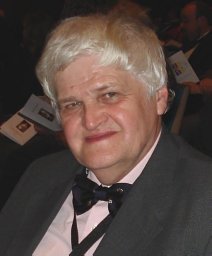 Alexander A. Zamyatnin合作论文数Bach Institute of Biochemistry;Russian Academy of Sciences;Bach Institute of Biochemistry, Russian Academy of Sciences6NINA V. VOROBJEVA合作论文数5
 Anna Lapashina合作论文数Department of Biological Chemistry, Sechenov First Moscow State Medical University5
 Plotnikov Egor Y合作论文数AN Belozersky Inst Physicochem Biol, Moscow MV Lomonosov State Univ5Wilhelm Jelkmann合作论文数5Fedor F. Severin合作论文数5L. E. Bakeeva合作论文数5Б.В. Черняк合作论文数4O. Y. Pletjushkina合作论文数4E. M. Karger合作论文数4M. V. Egorov合作论文数4
 Tatiana Erokhina合作论文数4O. Yu. Pletjushkina合作论文数4
 Natalia Stefanova合作论文数4
 Alexander Andreev-Andrievskiy合作论文数4
 Boris Feniouk合作论文数4O. A. Grebenchikov合作论文数4Natalia V Bobkova合作论文数4Maria Vitushkina合作论文数4Olga A. Averina合作论文数3A. I. Shchipanova合作论文数3D. I. Pilipenko合作论文数3Zh N Ivashchenko合作论文数3
 Ludmila Anatolievna Katargina合作论文数3V. B. Saprunova合作论文数3Olga S Tarasova合作论文数3Olga Pletjushkina合作论文数3a k shabanov合作论文数3I V Tsapenko合作论文数3A Zh Fursova合作论文数3
 Alexander Nikolaevich Samokhin合作论文数Russian Acad Sci, Inst Cell Biophys3Khoroshilova-Maslova I P合作论文数3




