BACKGROUND:The development of international clinical practice guidelines offers an opportunity to harmonize evidence-based care across diverse health-care systems but presents substantial logistical, methodological, and implementation challenges. These challenges are particularly pronounced for nontraumatic osteonecrosis of the femoral head, a condition characterized by heterogeneous disease biology, evolving diagnostic criteria, and limited high-certainty evidence. METHODS:This article summarizes key lessons learned during the development of the first international, evidence-based clinical practice guidelines for osteonecrosis of the femoral head led by the Association Research Circulation Osseous. RESULTS:Key lessons emerged across multiple domains, including optimization of panel structure and workflow, effective use of virtual collaboration platforms, early engagement of methodological experts, refinement of literature search and data abstraction approach, and staged formulation and approval of recommendations. Additional insights highlighted the need to anticipate global variability in resources, language, and clinical context, underscoring the value of resource-stratified recommendations, early planning for translation and cultural adaptation, incorporation of patient values and preferences, and linkage of guideline recommendations to measurable quality indicators to assess real-world uptake and impact. CONCLUSIONS:The lessons learned emphasize that international guideline development should adopt a life cycle approach extending beyond publication to promote equitable adoption, continuous refinement, and meaningful improvements in patient care worldwide.
Background/Objectives: Diagnostic evaluation and management of nontraumatic osteonecrosis of the femoral head (ONFH) vary substantially. This systematic review was conducted to inform development of the Association Research Circulation Osseous (ARCO) clinical practice guideline for diagnosis and treatment of ARCO stages I to III ONFH. Methods: We searched MEDLINE, EMBASE, Web of Science, SCOPUS, Global Index Medicus, and the Cochrane Library for studies evaluating imaging modalities and treatments for adult ONFH. We assessed risk of bias using the QUADAS-2, the ROB-2, and the ROBINS-I tools; conducted meta-analyses using random-effects regression; and evaluated certainty of evidence using GRADE methodology. Results: Among 36 included studies, 18 addressed diagnostic test accuracy and 18 addressed comparative effectiveness of treatments. Magnetic resonance imaging (MRI) demonstrated the highest pooled sensitivity (0.91; 95% confidence interval (CI), 0.87 to 0.94) and specificity (0.96; 95% CI, 0.87 to 0.99) for ONFH diagnosis. Bone marrow edema and grade 2+ joint effusion on MRI differentiated symptomatic versus asymptomatic disease. Computed tomography and MRI better detected subchondral fractures than plain radiography. Very low-grade evidence suggested lower rates of femoral head collapse with core decompression plus bone marrow concentrate compared with core decompression alone (pooled relative risk [RR], 0.55; 95% CI, 0.36 to 0.83), and with vascularized versus non-vascularized bone grafting (RR, 0.35; 95% CI, 0.14 to 0.84) over a ≤5-year follow-up. Based on three non-comparative case series, osteotomies might have a lower risk of collapse over a 10- to 20-year follow-up, but this needs to be evaluated in future comparative research. Inconsistent outcome reporting hindered treatment outcome pooling. There were no comparative studies that evaluated observation only versus intervention in asymptomatic disease or strategies for monitoring treatment response. Conclusions: Evidence supporting optimal imaging modalities and early joint-preserving interventions remains limited and predominantly observational, underscoring the need for high-quality comparative studies with consistently defined core outcomes to guide clinical decision-making.
Knee osteoarthritis (KOA) is a prevalent and disabling disease with limited nonsurgical options for pain management. Magnetic resonance-guided focused ultrasound (MRgFUS) is a noninvasive technique for targeted thermal ablation and has emerged as a potential therapy for pain control. Large-animal models that better replicate human joint anatomy are needed for translational evaluation. Although monosodium iodoacetate (MIA) is widely used to induce KOA in small animals, its application in sheep remains limited. KOA was induced in the right knees of nine sheep using intra-articular MIA injections on days 8 and 29, with contralateral knees serving as controls. Animals were monitored for 12 weeks with serial behavioral and radiographic assessments. MRgFUS treatment was performed between weeks 6 and 8 after the first MIA injection. At the study endpoint, knee joints were obtained for macroscopic and histological evaluation. MIA-treated knees demonstrated radiographic features of KOA, including joint space narrowing and osteophyte formation. Gross and histological analyses confirmed cartilage degeneration, with surface erosion, reduced proteoglycan staining, and disrupted cartilage architecture. Despite consistent structural changes, only two animals developed persistent pain-related behaviors. In these animals, MRgFUS treatment was associated with improved pain scores and activity levels. No treatment-related increases in pain, functional impairment, or tissue damage were observed. Intra-articular MIA injection produced a reproducible structural model of KOA in sheep. MRgFUS was well tolerated and exhibited preliminary potential for pain relief, supporting further evaluation in larger controlled studies.
BACKGROUND:Nontraumatic osteonecrosis of the femoral head (ONFH) can lead to major disability in patients of all ages. It presents at various levels of severity and can be either symptomatic or asymptomatic. There is a vast array of management strategies. Treatment is often subject to physician bias. Clinical practice guidelines that are broad-based, internationally developed, consensus-driven, and strictly evidence-based are needed. The aim of this guideline by the Association Research Circulation Osseous (ARCO) was to develop international evidence-based recommendations to assist physicians and patients in managing ONFH. METHODS:ARCO convened an international, multidisciplinary guideline panel that was balanced to minimize potential bias from conflicts of interest. The Grading of Recommendations Assessment, Development and Evaluation (GRADE) approach was utilized, including GRADE Evidence-to-Decision frameworks. The panel prioritized clinical questions, defined criteria for the systematic review of evidence, evaluated the statistical analysis, and, by consensus, approved recommendation statements, which were then subject to external review by content experts and stakeholders (a health policy-maker and a patient). RESULTS:The panel agreed on 12 recommendations for the diagnosis, evaluation, and management of ONFH. CONCLUSIONS:Key recommendations of these guidelines require accurately staging ONFH and determining when pain may be due to ONFH. They establish principles for optimal decision-making by assessing the quality of evidence backing various treatments and identifying numerous areas for additional investigation. CLINICAL RELEVANCE:This international evidence-based guideline provides standardized recommendations for the diagnosis and management of nontraumatic ONFH. It synthesizes all available evidence using GRADE methodology and offers practical, consensus-supported guidance for accurate staging, imaging selection, treatment decision-making, and the identification of patients who would benefit from joint-preserving interventions. The guideline supports clinicians in reducing practice variation, improving diagnostic accuracy, and optimizing treatment pathways for patients with ONFH.
Is there a difference in outcome of total joint arthroplasty when regional versus general anesthesia are used? Response/Recommendation: The literature supports the notion that various perioperative complications are reduced when neuraxial anesthesia is used, with less evidence that long term outcomes are affected. We therefore recommend that regional anesthesia should be utilized whenever feasible, and when no contraindications are present. Level of Evidence: Moderate. Expert vote: Agree 85 (62%); disagree 10 (6%); abstain 4 (32%).
Background Nontraumatic osteonecrosis has historically been attributed to vascular insufficiency, leading to oxygen and nutrient deprivation and subsequent bone death. However, terminology used to describe this condition remains inconsistent and often fails to capture its complex pathogenesis. Terms such as “avascular necrosis” and “ischemic necrosis” may inappropriately emphasize vascular mechanisms, potentially limiting diagnostic and therapeutic approaches. Methods We performed a comprehensive review of the literature to examine the evolution of terminology for nontraumatic osteonecrosis and to evaluate the breadth of underlying pathophysiologic mechanisms. Particular attention was given to the clinical and conceptual implications of commonly used terms. Results Evidence indicates that disrupted bone homeostasis represents the final common pathway in the development of nontraumatic osteonecrosis, which may result from vascular or vascular-independent mechanisms. Continued use of terms that focus solely on vascular insufficiency may bias clinical management toward revascularization strategies, overlooking other contributory factors. Conclusions The term “osteonecrosis” more accurately reflects the multifactorial nature of this condition. Broader adoption of this terminology may foster a more comprehensive understanding of disease mechanisms and stimulate the development of innovative, multimodal treatment strategies.
Introduction: Osteonecrosis (ON) of the femoral head is responsible for roughly 2 to 10% of total hip arthroplasty (THA) indications. The purpose of this study is to compare complication rates for patients under 50 years old undergoing THA for ON versus osteoarthritis (OA). Methods: Patients between the ages of 18- and 50-years old undergoing THA for ipsilateral osteonecrosis were identified in the PearlDiver database. A control cohort of patients between the same age thresholds were identified who underwent THA for osteoarthritis. Any patient with a history of proximal femur fracture or prior operative fixation of a proximal femur fracture was excluded. Patients were included if they had a 5-year postoperative database followed up after THA. The 90-day rates of post-operative medical and 5-year surgical complications were recorded. Multivariate analysis was conducted to account for confounding variables and covariates. Subgroup analyses were also performed stratified by age (<30, 30–40, and 40–50 years) to assess revision outcomes. Results: A final cohort of 6,955 patients met inclusion criteria, 1,769 (25.4%) underwent THA for osteonecrosis while 5,186 (74.6%) underwent THA for OA. Patients undergoing THA for ON had a higher incidence of 5-year post-surgical instability (3.1% vs. 2.2%, OR 1.51, P=0.025) when compared to THA for OA. Similarly, those undergoing THA for OA had a higher incidence of 5-year revision (4.4% vs. 3.0%, OR 1.45, P=0.018) and 90-day readmission (8.0% vs. 4.4%, OR 1.41, P=0.006), and emergency department visits (18.4% vs. 11.1%, OR 1.33, P=0.001) when compared to those undergoing THA for OA. Conclusion: Patients younger than 50 years old undergoing THA for ON experience increased post-surgical complications such as revision, dislocation, hospital readmission and emergency department visits compared to patients under 50 years old undergoing THA for OA. These findings provide insight for preoperative considerations for arthroplasty surgeons in this patient population.
Inflammatory macrophages play a role in cartilage degeneration associated with osteoarthritis (OA) via signaling cascades that result in production of inflammatory substances. This study aims to characterize compound F2, C 60 (NCH 2 CH 2 OCH 2 CH 2 OH) 5 , a newly synthesized ethoxyethanol derivative of iminofullerene, and its potential to reduce inflammatory macrophage activity. First, compound F2 is synthesized and labeled with 99m Tc to create 99m Tc‐F2. It is then added to lipopolysaccharide (LPS)‐exposed bone marrow macrophages (BMMs) to determine its effect on macrophage activation, nitric oxide production, and expression of inflammatory markers iNOS, IL‐6, Fpr2, and TLR4. An animal model of osteoarthritis is also injected with 99m Tc‐F2 to visualize its localization in vivo. This study demonstrates successful synthesis and radiolabeling of the compound F2 molecule. It also demonstrates that compound F2 reduces nitrite production and suppresses the expression of TNF α, IL‐6, iNOS, Fpr2, and TLR4 in BMMs exposed to LPS. Additionally, in rats with surgically transected anterior cruciate ligaments, intravenous administration of radioisotope‐labeled compound F2 exhibits selective enrichment in the injured knee. These findings suggest that compound F2 mitigates macrophage activation, decreases inflammatory marker expression, and is located to damaged areas, highlighting its potential as a therapeutic option for OA management.
PURPOSE:Previous studies have demonstrated a role for oxidative stress in promoting osteoclastogenesis and bone loss. This study aimed to assess the ability of fullerol, a powerful nano-antioxidant, to prevent bone loss and promote osteogenesis, and additionally provide novel insight into mechanisms of action. METHODS:Osteoclastogenesis assays were conducted in murine progenitor cells stimulated with receptor activator of nuclear factor kappa-B ligand (RANKL), with and without fullerol. The cells were stained to detect the presence of osteoclastic markers and RT-PCR was used to measure the expression of osteoclastic genes. To assess osteogenesis, stem cells were incubated in osteogenic medium with or without fullerol, as well as with an inhibitor of p38-MAPK, then stained to determine mineralization. RT-PCR was used to measure osteoblastic gene expression. In the animal model, rabbits were injected with methylprednisolone with or without fullerol, or a control. Animals were later euthanized and spine fragments underwent imaging assessment. RESULTS:Fullerol prevented formation of osteoclasts in RAW264.7 cells exposed to RANKL as well as the expression of osteoclastic genes TRAP, CATK, and MMP9. D1 cells exposed to fullerol displayed an increase in extracellular matrix mineralization and expression of osteoblastic genes. However, when fullerol was added in the presence of a p38-MAPK inhibitor, its effects on mineralization were attenuated. In a rabbit model of steroid-induced osteoporosis, simultaneous injection of fullerol reduced vertebral bone loss, decreased trabecular separation, and increased trabecular number. CONCLUSION:Fullerol shows early potential for use in osteoporosis therapy, due to its ability to inhibit osteoclast formation and stimulate osteogenesis.
BACKGROUND:Alcohol abuse is an important risk factor for osteonecrosis of the femoral head (ONFH), which often requires total hip arthroplasty (THA). This study aimed to assess the effect of alcohol abuse on outcomes of THA. METHODS:Patients who underwent THA for ONFH with at least 2 years of follow-up were identified in a national insurance database and placed into four groups: group A (never abused alcohol), group B (abused alcohol before and after THA), group C (abused alcohol only after THA), and group D (abused alcohol only before THA). Differences in age, sex, and comorbidities among the groups were assessed using t-tests and Chi-square tests, while multivariate logistic regression analyses evaluated post-THA complication rates. There were 71,165 patients included: 61,469 in group A, 3,588 in group B, 2,532 in group C, and 3,576 in group D. RESULTS:Patients in groups B and C experienced significantly higher rates of medical complications within 90 days postoperatively compared to those in group A. Surgical complications within 2 years postoperatively, such as periprosthetic joint infections, dislocations, periprosthetic fractures, aseptic loosenings, and revisions, were also more common in groups B and C. Additionally, emergency department visits and readmissions within 90 days postoperatively were more frequent in these groups. Conversely, patients in group D, who stopped consuming alcohol after surgery, showed outcomes comparable to those in group A and better than those in groups B and C. CONCLUSIONS:Alcohol abuse after THA significantly worsens outcomes in patients who have ONFH, regardless of whether the patient abused alcohol before surgery. However, alcohol abstinence after surgery is associated with improved THA outcomes. Our study provides valuable insights into the preoperative assessment process for THA in ONFH patients and strongly advocates for alcohol abstinence following surgery to optimize outcomes.
BACKGROUND:Polymyositis (PM) is a systemic connective tissue disorder that can lead to early onset degenerative joint disease and a need for total knee arthroplasty (TKA). Outcomes of TKA in patients who have PM are not well documented in the literature. The purpose of this study was to evaluate PM as a risk factor for complications after TKA. METHODS:Using a national private payer insurance database from 2010 to 2022, PM patients undergoing primary TKA were compared to 10:1 matched controls based on age, sex, and comorbidities. Multivariable logistic regression analyses were done for medical complications up to 90 days and surgical complications up to 2 years. 90-day emergency department visits and inpatient readmissions were also documented. A total of 25,039 patients undergoing primary TKA were queried, of which 2,290 had PM. RESULTS:Compared to the matched controls, patients who had PM demonstrated higher rates of medical and surgical complications, including pulmonary embolism (1.0% versus 0.5%, P = .001), cerebrovascular accident (1.3% versus 0.7%, P = .002), wound complications (3.4% versus 2.1%, P < .001), and periprosthetic joint infection at 1 year (1.7% versus 1.3%, P = .042) and 2 years (2.6% versus 1.9%, P = .006). Patients who had PM displayed elevated 90-day emergency department (14.9% versus 13.3%, P = .032) and hospital readmission rate (7.1% versus 4.8%, P < .001). CONCLUSIONS:Patients who have PM are at higher risks of postoperative medical and surgical complications, including pulmonary embolism, cerebrovascular accident, wound complication, and periprosthetic joint infection. Given these results, it is helpful for orthopedic surgeons and patients to consider these risks when considering TKA for patients who have PM.
Background:Gout is the most prevalent form of inflammatory arthritis in the world. Total hip arthroplasty (THA) has emerged as a widely sought-after and highly effective surgical procedure for advanced hip diseases. However, there is a lack of research on the impact of gout on primary THA outcomes in large cohorts. This study aimed to address this gap by primarily investigating complications following THA in patients with or without gout. Methods:Patients with records of gout in the 2 years leading up to their primary THA and who also have at least 2 years of follow-up were identified using a national insurance database and compared to a 5:1 matched control. A total of 32,466 patients with gout and 161,514 patients without gout undergoing THA were identified. Multivariable logistic regression analyses were done for medical complications up to 90 days and surgical complications up to 2 years. In addition, 90-day emergency department (ED) visits and inpatient readmission were also documented. Results:Patients with gout demonstrated higher rates of medical complications including deep vein thrombosis, transfusion, acute kidney injury, and urinary tract infection than non-gout patients (p < 0.001). Gout patients also showed higher rates of pulmonary embolism (p = 0.017). Increased incidences of surgical complications were identified in gout patients, specifically wound complications and periprosthetic joint infection (p < 0.001). There was an increased risk of revision for gout patients up to 90 days (p = 0.003), 1 year (p = 0.027), and 2 years (p = 0.039). There was also an increased risk of dislocation for gout patients up to 90 days (p = 0.022) and 1 year (p = 0.047), but not at 2 years. No significant difference was observed in aseptic loosening or periprosthetic fracture. Additionally, gout patients also demonstrated a higher likelihood of 90-day ED visits and readmission (p < 0.001). Conclusions:Primary THA in gout patients is associated with increased risks of multiple medical and surgical complications. Our findings provide insights into the planning and expectation of THA for patients with gout. These insights have the potential to benefit the decision-making process for gout patients considering THA.
Background: While it is known that patients with end -stage renal disease (ESRD) are at an increased risk of complications following total hip arthroplasty (THA), there is a gap in the literature in comparing patients with ESRD to patients who undergo renal transplant (RT) before or after THA. This study is to address this gap by analyzing outcomes of THA in ESRD patients, RT patients, and RT candidates. Methods: Using the PearlDiver Mariner database, ESRD patients, RT patients, and RT candidates undergoing primary THA were identified and compared. Multivariable logistic regression analyses were done for medical complications up to 90 days and surgical complications up to 2 years. Ninety -day emergency department (ED) visits and inpatient readmission were also documented. Results: A total of 7,868 patients were included: 5,092 had ESRD, 2,520 had RT before THA, and 256 were candidates for RT. Compared to patients with ESRD, RT patients demonstrated lower rates of medical complications such as pneumonia (3.61% vs. 5.99%, p = 0.039) and transfusion (4.60% vs. 7.66%, p < 0.001). Additionally, RT patients displayed decreased rates of surgical complications, including wound complications (2.70% vs. 4.22%, p = 0.001), periprosthetic joint infection (PJI) at 1 year (2.30% vs. 4.81%, p < 0.001) and 2 years (2.58% vs. 5.42%, p < 0.001), and aseptic loosening at 2 years (0.79% vs. 1.43%, p = 0.006). Similarly, when compared to RT candidates, RT patients demonstrated a lower incidence of postoperative complications, including 1 -year PJI (2.30% vs. 5.08%, p = 0.013), 2 -year PJI (2.58% vs. 5.08%, p = 0.028), 1 -year aseptic loosening (0.56% vs. 2.73%, p < 0.001), and 2 -year aseptic loosening (0.79% vs. 2.73%, p = 0.005). RT patients also had lower rates of ED visits and hospital readmissions. Conclusions: Compared to ESRD patients and RT candidates, patients with RT have a significantly lower likelihood of medical complications, PJI, aseptic hardware loosening, ED visits, and hospital readmission. Patients with ESRD on the RT waiting list should delay THA until after RT surgery. For those not eligible for RT, it is vital to take extra precautions to reduce the risk of complications.
N-acetyl glucosamine (NAG) is a natural amino sugar found in various human tissues with previously described anti-inflammatory effects. Various chemical modifications of NAG have been made to promote its biomedical applications. In this study, we synthesized two bi-deoxygenated NAG, BNAG1 and BNAG2 and investigated their anti-inflammatory properties, using an in vivo and in vitro inflammation mouse model induced by lipopolysaccharide (LPS). Among the parent molecule NAG, BNAG1 and BNAG2, BNAG1 showed the highest inhibition against serum levels of IL-6 and TNF alpha and the leukocyte migration to lungs and peritoneal cavity in LPS challenged mice, as well as IL-6 and TNF alpha production in LPS-stimulated primary peritoneal macrophages. BNAG2 displayed an anti-inflammatory effect which was comparable to NAG. These findings implied potential application of these novel NAG derivatives, especially BNAG1, in treatment of certain inflammation-related diseases.
 Abhijit S Dighe合作论文数27
 Khaled Saleh合作论文数25
 William Mihalko合作论文数Department of Orthopaedic Surgery, The University of Tennessee Health Science Center22Vedavathi Madhu合作论文数Department of Orthopaedic Surgery, Sidney Kimmel Medical College15
 Thomas Brown合作论文数Department of Orthopedics and Rehabilitation, Carver College of Medicine, University of Iowa Health Care15G. Balian合作论文数15Gary Balian合作论文数14
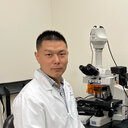 Zhichang Zhang合作论文数13
 Wendy M Novicoff合作论文数Department of Orthopaedic Surgery, University of Virginia13Edward Y. Cheng合作论文数University of Minnesota Department of Orthopaedic Surgery13
 Lynne C. Jones合作论文数Department of Orthopaedic Surgery, School of Medicine, Johns Hopkins University;Center for Osteonecrosis Research and Education, Johns Hopkins University;Center for Metabolism & Obesity Research, Institute for Basic Biomedical Sciences, Johns Hopkins University13
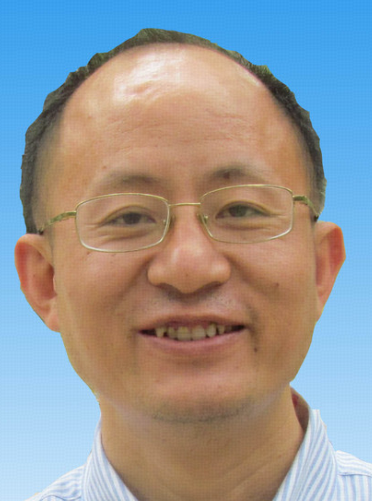 Xinlin Yang (杨新林)合作论文数College of Chemistry, Nankai University13
 Kyung-Hoi Koo合作论文数Department of Orthopaedic Surgery, Seoul National University Bundang Hospital;Department of Orthopaedic Surgery, College of Medicine, Seoul National University13
 Stuart Goodman合作论文数Department of Orthopaedic Surgery, Stanford University;Department of Bioengineering, Stanford University12
 Jialun Chi合作论文数10
 Michael Mont合作论文数Northwell Orthopedics;Lenox Hill Hospital10Varatharaj Mounasamy合作论文数University of Virginia Department of Orthopedics10GJ Wang合作论文数9
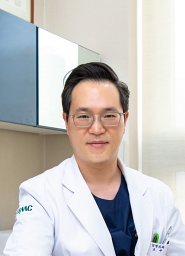 Yoon Byung-Ho合作论文数8Philippe Hernigou合作论文数8Yong-Chan Ha合作论文数7G. Wang合作论文数7GuoWei Shang (尚国伟)合作论文数7Das Anusuya合作论文数7
 Yisheng Wang (王义生)合作论文数The First Affiliated Hospital of Zhengzhou University7Nobuhiko Sugano合作论文数Osaka University Graduate School of Medicine7
 Wolf Drescher合作论文数7Takuaki Yamamoto (山本卓明)合作论文数School of Medicine, Fukuoka University7Elizabeth Driskill合作论文数6Lee Yun Jong合作论文数6
 Dewei Zhao (赵德伟)合作论文数Affiliated Zhongshan Hospital of Dalian University6Shin-Yoon Kim合作论文数6
 Takashi Sakai合作论文数6
 Mel S. Lee合作论文数Taipei Medical University;Department of Orthopaedic Surgery, Paochien Hospital;Department of Orthopaedic Surgery, Kaohsiung Chang Gung Memorial Hospital6
 Youngkyun Lee合作论文数5
 Quang Le合作论文数5
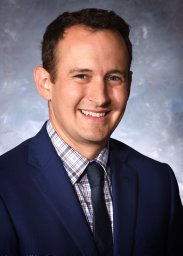 Christophel J Jared合作论文数Department of Otolaryngology-Head and Neck Surgery, University of Virginia Health System5
 Edward Botchwey合作论文数Wallace H. Coulter Department of Biomedical Engineering, College of Engineering, Georgia Institute of Technology5Ching-Ju Li合作论文数5
 Dongfeng Pan合作论文数5
 Fuai Cui (崔福爱)合作论文数Department of Biochemistry & Molecular Biology, School of Basic Medical Sciences, Shandong University5Xuejun Du合作论文数4
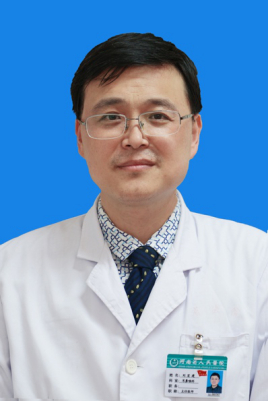 Hongjian Liu (刘宏建)合作论文数Henan Provincial People's Hospital4
 Tae-Young Kim合作论文数4Wellman Samuel S合作论文数4
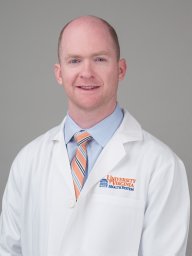 Werner Brian C合作论文数Department of Orthopaedic Surgery, University of Virginia Health System4
 Anjan Kaushik合作论文数4Jo Woo-Lam合作论文数4James A. Browne合作论文数4




