Nitrous oxide (N2O), a potent greenhouse gas primarily from agricultural soils, is mainly produced via microbial nitrification. Newly discovered complete ammonia oxidizers (comammox) challenge conventional two-step nitrification by directly oxidizing ammonia to nitrate, yet differential responses of its two predominant evolutionary clades (clade A/B) under long-term fertilization remain unclear. This study investigated the impacts of long-term fertilization (30-year), e.g., non-fertilization control (CK), chemical fertilization (CF), and integrated organic-inorganic fertilization (chemical + manure, OF), on N2O fluxes in paddy fields, especially the response mechanisms of comammox clades A and B. Long-term CF generally increased N2O emissions, particularly during drying periods, which may be partly attributed to the proliferation of comammox clade B. In contrast, OF enhanced soil pH, organic carbon, and phosphorus content, and was associated with a higher abundance of comammox clade A. The community structure and abundance of comammox clades A and B was significantly influenced by soil physicochemical properties such as pH, NH4+-N, and dissolved organic carbon, with clade A being more sensitive to integrated organic-inorganic amendments and clade B responding strongly to chemical fertilization. These findings underscore clade B's potential role in N2O emissions under chemical fertilization and highlight integrated organic-inorganic fertilization as a sustainable strategy to mitigate N2O emissions while enhancing soil fertility. Future research should focus on regulating comammox clade B activity to optimize nitrogen cycling and reduce N2O emissions in paddy field.
Continuous cropping obstacles (CCOs) severely impede cut chrysanthemum (Chrysanthemum morifolium Ramat.) cultivation by degrading soil health and suppressing yield. While excessive mineral fertilization exacerbates soil degradation, partial substitution with bio-fertilizers offers a promising mitigation strategy; however, the underlying microbial mechanisms remain elusive. To address this, a two-year trial was conducted in 12-year continuously cropped soil, substituting 20 % and 40 % of mineral fertilizer with chrysanthemum residue compost (OF) or Bacillus subtilis-inoculated bio-organic fertilizer (BF) on an equivalent nitrogen basis. Organic substitution, particularly high-rate BF in the second year, significantly enhanced plant biomass and quality parameters (e.g., chlorogenic acid and flavonoid), alongside markedly increasing the activities of urease and beta-glucosidase, compared to conventional chemical fertilization (P < 0.05). Concurrently, organic substitution effectively ameliorated soil acidification (increasing pH by 18.0-21.4 %) and compaction. Notably, BF treatments demonstrated the greatest potential for boosting soil fertility, with soil available phosphorus peaking at 114.6 g kg(-1). The BF treatments effectively suppressed the fungal community, notably reducing the abundance of the pathogen Fusarium oxysporum, while simultaneously promoting bacterial proliferation and enriching the inoculated Bacillus subtilis (P < 0.05). Furthermore, BF application maintained bacterial alpha-diversity but reduced fungal diversity (P < 0.05). Co-occurrence network analysis revealed that BF shifted the microbial interaction pattern from intense intra-kingdom bacterial competition (under chemical fertilization) toward enhanced inter-kingdom bacteria-fungi interactions, which fostered a more antagonistic profile among the core microbial taxa. Redundancy analysis identified soil pH and available phosphorus as primary drivers of this community reassembly. We conclude that bio-fertilizer substitution overcomes CCOs by restoring edaphic properties and fostering a specific, antagonistic core microbiome, providing a vital waste-to-value strategy to manage continuous cropping problems in the cut chrysanthemum industry.
The intensification of drought and heat waves under climate change poses a severe threat to the stability of soil nitrogen (N) cycling. However, the legacy effects of these extremes on the recovery of key nitrifiers, specifically ammonia-oxidizing archaea (AOA), bacteria (AOB), and complete ammonia oxidizer (comammox Nitrospira), and their subsequent regulation of nitrous oxide (N2O) emissions remain poorly understood. We conducted parallel microcosm experiments in acidic red and alkaline calcareous soils to examine microbial responses across a 30-day stress period (control, drought, and extreme drought-heat) and a subsequent 28-day rewetting recovery. Drought legacy significantly delayed and attenuated both peak and cumulative N2O emissions during rewetting. Drought and extreme drought-heat stress significantly decreased abundance of AOA, AOB, and comammox in both soils, they led to significant shifts in the α- and β-diversity of AOA and comammox in red soils, and of AOB in calcareous soils. Regarding ecological strategies, AOA and comammox possessed superior resistance compared to AOB in both soils; while nitrifier resilience exhibited clear soil-specific patterns shaped by co-varying edaphic factors, including pH, NH4+ availability, and DOC/DON, with faster AOB recovery in calcareous soil and stronger AOA persistence in red soil. Co-occurrence network analysis indicated that comammox shared closer associations with AOA in red soil but with AOB in calcareous soil. Structural equation modeling further revealed that the resilience of the soil-specific dominant nitrifying guild was the primary driver of the post-drought N2O fluxes. These findings imply that the mitigation of N2O emissions following extreme drought should focus on modulating nitrifier resilience.
The responses of complete ammonia oxidization (comammox) to compound drought and heat and their contributions to post-drought nitrous oxide (N2O) emissions remain unclear. Through selective inhibition coupled with qPCR quantification, we partitioned N2O production from ammonia-oxidizing archaea (AOA), bacteria (AOB), and comammox Nitrospira in acidic red and alkaline calcareous soils under three treatments: (i) control (CK): 60 % water holding capacity (WHC), 25 degrees C; (ii) drought (D): 3 % WHC, 25 degrees C; and (iii) compound drought and heat (CDH) stress: 3 % WHC, 45 degrees C. Comammox Nitrospira exhibited faster recovery rates than AOA and AOB during the 28-day rewetting phase. AOA dominated N2O emissions in red soil, contributing 34.41 % in CK, 43.91 % in D, and 42.97 % in CDH. AOB dominated N2O emissions in calcareous soil, accounting for 81.78 % in CK, 76.46 % in D, and 69.77 % in CDH. D stress elevated comammox-driven N2O contributions by 10.43 % in red soil and 1.67 % in calcareous soil compared with CK, while CDH stress increased them by 18.24 % and 4.27 % in these soils, respectively. These results highlight comammox Nitrospira as pivotal and non-negligible regulators in post-drought nitrification, particularly when heat and drought conditions coincide.
Organic amendments are widely used to activate soil phosphorus (P) and stimulate phoD-harboring bacteria. However, their effects on P dynamics and the phoD community under soil drying remain unclear. Here, we investigated the effects of fulvic acid on P transformation and the phoD community under soil drying (100 → 60 → 20% water-holding capacity (WHC)). Soil drying accelerated the transformation of labile-P (CaCl2-P, citrate-P, Ca2-P) and moderately labile-P (Ca8-P) to recalcitrant P (occluded-P, Ca10-P), thereby decreasing the integrated P availability index (IPAI) by 49.4-54.1%. FA increased microbial biomass-carbon (MBC), -phosphorus (MBP), and phoD abundance. It also strengthened the phoD community's network complexity. However, FA's beneficial effects were attenuated along the soil drying gradient. Overall, the beneficial effect of FA in activating soil P was greatly counteracted by soil drying. Our findings highlight that maintaining optimal moisture (60%WHC) is essential to realize FA's potential in activating soil P and recruiting phoD bacteria in calcareous soils.
Emerging ecological risks of Per - and polyfluoroalkyl substances (PFASs) in terrestrial environments have received extensive attention. Yet, their impact on microbially-mediated nitrification processes in soils remains insufficiently investigated. Through a 42-day microcosm incubation experiment, we examined how two representative PFASs exposure, i.e., perfluorooctanoic acid (PFOA) and perfluorooctane sulfonic (PFOS), influence nitrification potential (PNR) and the community dynamics of ammonia-oxidizing archaea (AOA), bacteria (AOB), and complete ammonia oxidization (comammox) in calcareous soil. Both PFOA and PFOS exposure significantly enhanced PNR and the Chao1 index of AOA and comammox (P < 0.05), but had a little effect on AOB. The structure of AOA and comammox was significantly shaped by the PFASs exposure. Mantel test and redundancy analyses identified soil pH, NH4+, DON, and MBC/MBN as critical determinants of community assembly. Network analysis uncovered intensified cross-domain synergies between AOA and comammox, with Candidatus Nitrosocosmicus, Nitrososphaera, and Nitrosospira emerging as keystone taxa governing nitrification. Random forest and structural equation modeling indicated that PFASs exposure altered the nitrification by directly changing soil pH, NH4+, DON, and MBC/MBN and indirectly shifting AOA and comammox co-occurrence patterns. Our results underscored that PFASs contamination accelerates nitrogen cycling through reinforced AOA-comammox cooperation, potentially exacerbating nitrogen depletion in agroecosystems.
Organic phosphorus (Po) is the dominant phosphorus (P) fraction in grassland soils, which plays a pivotal role in maintaining P fertility. The mineralization of Po is mainly mediated by phoD-harboring bacteria through secreting alkaline phosphatase (ALP). However, the responses of organic P fractions and phoD community to different grazing intensities have not been well-documented. Herein, an investigation was conducted in two contrasting steppes in Inner Mongolia, four sheep grazing intensities were established: no grazing (UG), light grazing (LG), moderate grazing (MG), and heavy grazing (HG). Various Po fractions; ALP activity; and the diversity, composition, and abundance of phoD-harboring bacterial community were analyzed. In the typical steppe, compared with the UG treatment, integrated phosphorus availability index, NaOH-Po, and total Po decreased by 41.6-51.4 %, 7.6-10.4 %, and 5.0-17.7 %, respectively, under the treatments of HG and MG. Similar observations were noted in the desert steppe. Moreover, in the typical steppe, the influences of four grazing intensities on ALP activity, phoD gene copies, and alpha-diversity of phoD-harboring bacterial community followed the order: LG > UG > MG > HG. In the desert steppe, heavy grazing decreased soil ALP activity and phoD gene copies, but did not significantly influence alpha-diversity of phoD-harboring bacterial community. The network complexity of phoD community decreased with increasing grazing intensity, heavy grazing obviously weakened the interconnections between phoD species and different Po fractions in both typical and desert steppes. Additionally, Variibacter and Hartmannibacter were identified as the keystone bacteria genera involved in Po transformation. Taken together, our findings suggested that overgrazing decreased P availability, which was closely associated with the adverse effects of heavy grazing on ALP activity and the composition, abundance and co-occurrence networks of phoD-harboring bacterial community.
Soil continuous monocropping obstacles pose a significant challenge to the sustainable production of cut chrysanthemums. Yet, the effectiveness of integrating biochar and microbial antagonists in alleviating these obstacles in cut chrysanthemum production remains unclear. Here, we collected soils from a 12-year continuous cropping system with a high incidence of disease to establish a pot experiment comprising four treatments: control (CK), biochar (BC), Bacillus subtilis (BM), and their combined addition (BM_BC), investigating the effects of biochar and B. subtilis on the disease incidence, plant growth, pathogenic and antagonistic microbial populations, and the bacterial and fungal communities in diseased soil. The results showed that BM_BC treatment effectively controlled the disease and significantly increased (P < 0.05) the plant biomass and root activity of cut chrysanthemum by 41.3% and 254%, respectively, compared to the CK. Notably, the BM_BC exhibited the lowest population of Fusarium oxysporum and the highest population of B. subtilis, along with the greatest alpha diversity (measured by Chao1 and Shannon indices) of both bacterial and fungal communities among the four treatments. The amendments of BC, BM, and BM_BC significantly altered the structure and composition of bacterial and fungal communities, with BM_BC primarily enriching beneficial bacteria and suppressing pathogen. Microbial co-occurrence network analysis revealed that BM_BC increased the abundance of module 2, co-dominated by bacterial and fungal species, and strengthened the interactions between them. The PLS-PM analysis demonstrated that bacteria-fungi interkingdom interactions played a crucial role in promoting the growth of cut chrysanthemums in diseased soil. Therefore, our findings underscore the synergistic effects of biochar and B. subtilis in suppressing Fusarium wilt disease and enhancing the growth of cut chrysanthemums by strengthening microbial interkingdom interactions.Graphical Abstract
The legacy effects of historical different fertilization on the crop growth under heavy metal contamination are less studied, and the behind soil bacterial mechanisms remain unclear. The long-term (thirty years) different fertilized soils (chemical fertilizer alone, CF; organic manure alone, OM) were collected to perform a controlled pot experiment with CuSO4 exposure, we determined soil enzymatic activities, bacterial communities (abundance, structure, composition, and diversity), and rice plant growth. OM-history soils exhibited superior functional stability under Cu stress, sustaining 44.40
Purpose Uncovering the diversity of abundant and rare bacterial subcommunities in different years of continuous monocropping are essential to predict microbial community changes and understand soil functions in the cut chrysanthemum cropping system. Methods The Illumina MiSeq high-throughput sequencing platform was employed to analyze the composition, structure, and diversity of rare and abundant bacterial subcommunities in three different continuous monocropping years of cut chrysanthemum, namely, 1 year (Y1), 6 years (Y6), and 12 years (Y12) Results The short- (Y6) and long-term (Y12) monocropping significantly enhanced the alpha diversity (e.g., Shannon index) of the abundant bacterial subcommunity ( P < 0.05), but Y6 and Y12 treatments had a completely opposite impact on the rare bacterial subcommunity, with a remarkable decline in the Y12 and an increase in the Y6. Both Y6 and Y12 significantly reshaped the subcommunity structure of rare and abundant bacteria; Y12 significantly enriched the Acidobacteria in both rare and abundant taxa and decreased the abundant taxa Proteobacteria, while Y6 mainly increased the relative abundance of Gemmatimonadetes in the abundant phylum. The imbalance of soil nutrients including carbon, nitrogen, and phosphorus drove alterations of abundant and rare subcommunities. Conclusion The monocropping obstacle of cut chrysanthemum may be attributed to the decrease in the rare bacterial diversity.
With rapid urbanization and economic development, the area of paddy fields has seriously declined in rice-producing region. However, the impacts of land use change (LUC) on soil enzymatic stoichiometry, microbial metabolic limitations and ecosystem multifunctionality (EMF) have not been well-documented. Hence, four adjacent paired soil samples were collected in rice-producing areas. Soil microbial carbon (C), phosphorus (P) and nitrogen metabolic limitations were assessed via vector model. The impacts of LUC on soil structure, microbial activity, quality and multifunctionality were evaluated via soil structure stability index (SSI), soil biological activity (SBA), soil quality index (SQI) and EMF, respectively. Result showed that LUC from rice paddies to upland fields markedly decreased soil structure stability by 19.6%. Soil microbial biomass carbon (MBC), microbial biomass nitrogen (MBN), microbial biomass phosphorus (MBP) and nutrient-acquiring enzymes activities in the paddy soils were significantly higher than that in upland soil. Compared with paddy soil, microbial relative C and P limitations in upland soil were significantly aggravated by 10.9% and 4.2%, respectively. Additionally, variation partitioning and redundancy analyses revealed that soil pH, available P and P-acquiring enzymes were the crucial edaphic factors affecting microbial metabolic limitations. Comprehensive assessment showed that LUC from rice paddies to upland fields significantly reduced SBA, SQI and EMF by 5.2%, 17.4% and 17.2%, accordingly. Overall, LUC from rice paddies to upland fields significantly destroyed soil structure, aggravated microbial relative C and P limitations and reduced soil quality. Therefore, artificial managements should be strengthened to counteract the adverse effects of LUC on soil quality and EMF. This study deepened our understanding of sustainable development and efficient management of field under LUC condition.
Di-(2-ethylhexyl) phthalate (DEHP) has increasingly accumulated in soils due to DEHP-containing plastic film has been extensively used in agriculture. However, the exposure of DEHP on calcareous soil nitrification potential, ammonia-oxidizing archaea (AOA) and ammonia-oxidizing bacteria (AOB) are poorly investigated. Here, an incubation experiment was established containing four treatments:(ⅰ) unfertilized blank control, (ⅱ) urea addition alone, (ⅲ) urea plus DEHP (10mgkg-1), (ⅳ) urea plus DEHP (100mgkg-1). The influences of DEHP exposure on soil NH4+-N, NO3--N, soil potential nitrification rate (PNR), ammonia monooxygenase (AMO) activity, AOA and AOB were analyzed. We found that DEHP exposure (10 and 100mgkg-1) lowered NO3--N in the treatments of urea plus DEHP10 and urea plus DEHP100, and it significantly decreased soil PNR and AMO activity. Also, the exposure of DEHP reduced the numbers of AOA and AOB gene copies, and decreased AOB community’s α-diversity. Moreover, DEHP exposure destabilized AOB community’s co-occurrence network and decreased key module abundance, but its influences on AOA community was not significant. Taken together, the exposure of DEHP inhibited PNR in a calcareous soil through decreasing AOB gene copies and weakening the co-occurrence network of AOB community. Our findings provide a novel insights into microbial mechanisms about the detrimental effects of DEHP pollution on soil PNR and nitrification process in calcareous soil.
The newly discovered complete ammonia oxidizer (comammox Nitrospira) is able to single-step nitrification capability, and increased our understanding of soil nitrogen cycling. However, the response of comammox and ammonia-oxidizing bacteria (AOB) and archaea (AOA) to long-term fertilization and rhizosphere effects in paddy soils and their relative contribution to the nitrification-derived N2O emissions is still unclear. Here, we collected rhizosphere and bulk soils with thirty years of different fertilization strategies, i.e., non-fertilization (CK), chemical N, P, and K application (NPK), and NPK plus pig manure application (NPKM), respectively, to test changes in nitrification potential rate (PNR), N2O emission fluxes, abundance of ammonia oxidizers and their significant drivers. The result showed that NPKM significantly increased soil C and N levels, the proportion of soil middle-size particles (40.35-148.00 mu m class), and soil PNR, but decreased soil N2O emissions, especially in the drying time of paddy (P < 0.05), compared to NPK fertilization. NPKM had the highest values of AOA, AOB, and comammox clade A amoA gene copy numbers (P < 0.05), but clade B was increased by the NPK in the rhizosphere soil. Furthermore, fertilization showed greater effects on ammonia oxidizers (except for clade B) than the rhizosphere effect. Mantel test showed that SOM, TP, pH, NH4+, and NO3- were main abiotic factors causing the niche separation among ammonia oxidizers. Linear regression analysis and structural equation model (SEM) showed that both PNR and N2O emission fluxes were significantly associated with the abundance of AOB and comammox clade A (P < 0.05). Therefore, our results underline the importance of AOB together with comammox clade A in nitrification and N2O production in long-term organic fertilized paddy fields, which could provide new ideas for the mitigation of N2O emission by adopting organic fertilization scenarios in Chinese paddy fields.
Investigating the impacts of soil conversion on soil organic carbon (OC) content and its fractions within soil aggregates is essential for defining better strategies to improve soil structure and OC sequestration in terrestrial ecosystems. However, the consequences of soil conversion from paddy soil to upland soil for soil aggregates and intra-aggregate OC pools are poorly understood. Therefore, the objective of this study was to quantify the effects of soil conversion on soil aggregate and intra-aggregate OC pool distributions. Four typical rice-producing areas were chosen in North and South China, paired soil samples (upland soil converted from paddy soil more than ten years ago vs. adjacent paddy soil) were collected (0–20 cm) with three replicates in each area. A set of core parameters (OC preservation capacity, aggregate carbon (C) turnover, and biological activity index) were evaluated to assess the responses of intra-aggregate OC turnover to soil conversion. Results showed that soil conversion from paddy soil to upland soil significantly improved the formation of macro-aggregates and increased aggregate stability. It also notably decreased soil intra-aggregate OC pools, including easily oxidized OCa (EOCa), particulate OCa (POCa), and mineral-bound (MOCa) OC, and the sensitivity of aggregate-associated OC pools to soil conversion followed the order: EOCa (average reduction of 21.1%) > MOCa (average reduction of 15.4%) > POCa (average reduction of 14.8%). The potentially mineralizable C (C0) was significantly higher in upland soil than in paddy soil, but the corresponding decay constant (k) was lower in upland soil than in paddy soil. Random forest model and partial correlation analysis showed that EOCa and pH were the important nutrient and physicochemical factors impacting k of C mineralization in paddy soil, while MOCa and C-related enzyme (β-D-cellobiohydrolase) were identified as the key factors in upland soil. In conclusion, this study evidenced that soil conversion from paddy soil to upland soil increased the percentage of macro-aggregates and aggregate stability, while decreased soil aggregate-associated C stock and k of soil C mineralization on a scale of ten years. Our findings provided some new insights into the alterations of soil aggregates and potential C sequestration under soil conversion system in rice-producing areas.
The recently discovered complete ammonia oxidation (comammox Nitrospira) containing clade A and clade B has further complemented our understanding of nitrification process. Nevertheless, understanding the community feature of comammox Nitrospira clades A and B and their relative contribution to nitrification in paddy rhizosphere are still in its infancy. In this study, we assessed the community diversity and structure of comammox Nitrospira clades A and B in paddy rhizosphere and bulk soils under thirty years of different fertilization strategies, i.e., non-fertilization control (CK), chemical fertilizers application (NPK), and NPK plus swine manure (NPKM), respectively. NPKM significantly increased the a-diversity (Chao1 and Shannon indices) of comammox Nitrospira clade A and altered the community structure (P < 0.05) but had little effect on clade B. A two-way analysis of variance (ANOVA) showed that the effect of long-term fertilization on soil comammox Nitrospira community and nitrification potential rate (PNR) was much greater than that of rhizosphere. Compared with NPK, soil PNR was greatly increased by 51.0% under the NPKM treatment in the rhizosphere (P < 0.05). Phylogenetic analysis showed that NPKM improved the relative abundances of sub-clade A.2.1 and sub-clade A.3.2 of the comammox clade A community, with an average increase of 212.2 and 210.4% in both rhizosphere and bulk soils relative to the NPK treatment. Soil organic matter, NH4+-N, and pH were significant soil drivers of comammox Nitrospira clades A and B community. Furthermore, linear regression and structural equation modeling clearly showed that comammox Nitrospira clade A a-diversity were significantly associated with soil PNR (P < 0.05). Our results suggest (i) that comammox Nitrospira clade A are sensitive to the organic fertilization; and (ii) that comammox Nitrospira clade A contribute more to nitrification than clade B under the long-term organic fertilized paddy soil.
Soil fungi play key roles in agricultural ecosystem. Yet, little is currently known about the dynamic pattern and driving factors of the rare and abundant fungal subcommunities in response to the short- and long-term continuous cropping. Here, we comparatively investigated the diversity and structure of rare and abundant fungal subcommunities with varying histories of continuous chrysanthemum (Chrysanthemum morifolium Ramat.) cropping, that is, cropping for 1 year (CP1), 6 years (CP6) and 12 years (CP12). The alpha diversity (estimated as Shannon index) of abundant and especially rare fungal subcommunities increased with continuous cropping years. The structure of both rare and abundant subcommunities varied notably with the increasing of continuous cropping years, but the value of dissimilarity for rare taxa (average of 0.988) was significantly higher than for abundant taxa (average of 0.243). The abundant taxon Mortierellomycota and rare taxa Nitrospirae and Elusimicrobia were significantly enriched in the CP12 treatment. Soil rare fungal taxa were mainly affected by the available nutrients (i.e., carbon, nitrogen and phosphorus) and pH, while the abundant fungal taxa were majorly influenced by soil total nutrients. The growth indicators (e.g., plant biomass, plant height, and flower diameter) of cut chrysanthemum significantly decreased under 12-year continuous cropping system. Random forest models showed that abundant rather than rare fungi played key roles in the chrysanthemum growth even though the rare fungi were more significantly affected during continuous cropping.
Aims Continuous cropping is known to have profound effects on the soil microbial community in different planting systems. However, we lack an understanding of how different years of continuous cropping affects rhizosphere soil bacterial community co-occurrence pattern and assembly processes in the cut chrysanthemum (Chrysanthemum morifolium Ramat.) field. Methods and results We collected the soils from cut chrysanthemum rhizospheres with planting for 1 year (PY1) and continuous cropping for 6 years (CY6) and 12 years (CY12). Real-time quantitative PCR and flow cytometry (FCM) techniques were used to test the 16S rRNA gene copy number and bacterial cell count, respectively. The bacterial community structure was analysed by using high-throughput sequencing technology. The CY12 had a significantly decreased soil fertility index and rhizosphere bacterial living cell counts and gene copy numbers compared to CY6 and PY1 (P < 0.05). The rhizosphere bacterial community dissimilarity increased as the continuous cropping years increased. Three main ecological clusters (modules #1, #2, and #3) were observed in the bacterial co-occurrence network across all samples, and only the relative abundance of module #1 (enriched in the CY12) was significantly correlated with soil fertility (P < 0.05). Moreover, the rhizosphere bacterial community assembly was primarily governed by the deterministic process under 12 years of continuous cropping. Conclusions Soil fertility decline correlates with ecological network modularization and the deterministic assembly process of the rhizosphere bacterial community of cut chrysanthemum during continuous cropping.
Soil extracellular enzyme stoichiometry (EES) and microbial metabolic limitation deeply reflect soil quality. However, knowledge about the impacts of different grazing intensities on microbial metabolic limitation has not been well‐documented. Herein, the influences of four sheep grazing intensities (ungrazed, UG; lightly grazed, LG; moderately grazed, MG; and heavily grazed, HG) on microbial metabolic limitation were investigated in typical steppe (14‐year grazing) and desert steppe (17‐year grazing). The activities of an extracellular enzyme (EEAs) involved in soil C, N, and P transformation were determined by fluorimetric microplate assay. We found that different grazing intensities significantly affected extracellular enzyme activities and EES. Compared to the treatments of UG, LG, and MG, microbial relative C limitation in the HG treatment increased by 30.5–64.7% and 18.9–33.1%, respectively, in typical and desert steppes, indicating that heavily grazing aggravated soil microbial relative C limitation. Moreover, along with grazing intensity, vector angle decreased from 50.3° to 27.6° and from 71.5° to 58.9° in desert steppe and typical steppe. This indicated that the pattern of microbial metabolism limitation shifted from P limitation to N limitation in desert steppe, and heavily grazing significantly aggravated microbial N limitation in desert steppe. In addition, the desert steppe was more pronounced than the typical steppe to grazing intensity increasing. Therefore, heavily grazing aggravated microbial metabolism limitation, deteriorated grassland quality. The outcomes of this study highlight that lightly grazing can be an effective management practice to maintain grassland ecological services in semi‐arid areas from the perspective of soil microbial metabolic limitation.
Land reclamation significantly impacts the transformation and availability of phosphorus (P) in soils. P‐solubilizing microorganisms (PSMs) play key roles in activating soil P. However, the responses of PSMs to the buildup of P under land reclamation and the relationship between different P fractions and PSMs have not been clearly clarified. Here, an investigation was carried out containing three treatments: (i) vegetable field (VF), (ii) cropland (CF), and (iii) uncultivated land (UL). Different P fractions were measured; the abundance of stable oxygen isotope in phosphate of D.HCl‐Pi was determined. The diversity, composition, and co‐occurrence network of P‐solubilizing glucose dehydrogenase community ( gcd ) were analyzed. Compared with the UL treatment, soil total P in the treatments of VF and CF was significantly increased by 1.5 and 1.2 times, respectively. The proportions of labile and moderately labile P in the treatments of VF and CF were 151% and 58% higher than in the UL treatment. The α‐diversity of gcd community (i.e., Shannon and Chao1 indices) in the VF and CF treatments was significantly greater than in the UL treatment. The change in gcd community structure was closely associated with resin‐Pi, NaHCO 3 ‐Pi, and NaOH‐Pi. The nodes and edges in the co‐occurrence networks of VF and CF treatments were higher than in the UL treatment. Overall, a substantial amount of P was accumulated after land reclamation, which was more pronounced by labile and moderately labile P than non‐labile P; the complexity and robustness of gcd community's co‐occurrence network were notably strengthened by land reclamation.
Purpose Nanoparticles (NPs) have been considered to improve phosphorus (P) availability and activation of soil P in agroecosystems. However, the effects of NPs addition on soil P fractions, microbial characteristics, and plant growth are not well-understood. This study aims to investigate the influences of titanium dioxide ( TiO(2)NPs) and iron oxide ( Fe(3)O(4)NPs) addition on soil P fractions, microbial characteristics, and plant growth of oilseed rape (Brassica napus L.). Materials and methods Pot experiment was conducted in 2020 and 2021 years. The exposure of TiO(2)NPs/ Fe(3)O(4)NPs (1000 mg kg(-1) dry soil) to oilseed rape cultivated was investigated in two contracting calcareous soils (i.e., vegetable field (VF) and cotton field (CF)) for 86 days. Soil pH, Olsen-P, available-Ti/Fe, and Fe-oxides were determined. Different P fractions ( CaCl2-P, Citrate-P, Enzyme-P, and HCl-P) were tested by biologically based P fractionation method (BBP). Soil microbial biomass phosphorous (MBP) and alkaline phosphatase activity (ALP) were analyzed. The numbers of bacteria and fungi count were measured by flow cytometry method. Plant biomass and total P uptake were examined in the TiO(2)NPs/ Fe(3)O(4)NPs treatments. Results and discussion Compared with the CK treatment, soil pH was decreased by 12.0-18.0% in the TiO2NPs- and Fe3O4NPs- added treatments in both the VF and CF soils. In contrast, soil Olsen-P was increased by 12.0-19.0%, respectively, implying that TiO(2)NPs/ Fe(3)O(4)NPs addition improved soil P availability. The addition of TiO(2)NPs/ Fe(3)O(4)NPs significantly affected different soil P fractions. For example, the TiO2NPs/ Fe(3)O(4)NPs treatments increased CaCl2- P and Citrate- P while decreased Enzyme-P content, indicating that a great portion of soil Enzyme-P was transformed into CaCl2- P and Citrate-P in the TiO(2)NPs/ Fe(3)O(4)NPs-treated soils. However, TiO(2)NPs/ Fe(3)O(4)NPs addition had no significant influences on HCl-P. Soil microbial biomass phosphorus (MBP), ALP activity, and available-Ti/Fe contents were almost unaffected by TiO(2)NPs/ Fe(3)O(4)NPs addition. In addition, the addition of TiO(2)NPs/ Fe(3)O(4)NPs had no influence on the numbers of soil bacteria and fungi and plant biomass and total P uptake of oilseed rape. Conclusions This study demonstrated that the addition of TiO(2)NPs/ Fe3O(4)NPs in calcareous soils improved soil P availability, and promoted insoluble P transformed to labile-P ( CaCl2-P and Citrate-P). However, TiO(2)NPs/ Fe(3)O(4)NPs addition at dose of 1000 mg kg(- 1) dry soil had no toxic effect on oilseed rape (Brassica napus L.). The proper application dosage should be further explored to activate soil P and promote crop growth. Our results provide theoretical basis for the effects of nanoparticles addition on soil P activation, microbial characteristics, and plant growth of Brassica napus L.
 Rui Tao合作论文数31
 Yongchao Liang (梁永超)合作论文数Key Laboratory of Environment Remediation and Ecological Health, Ministry of Education, College of Environmental and Resource Sciences, Zhejiang University;Chinese Academy of Agricultural Sciences28
 Baowei Hu (胡保卫)合作论文数Shaoxing University24
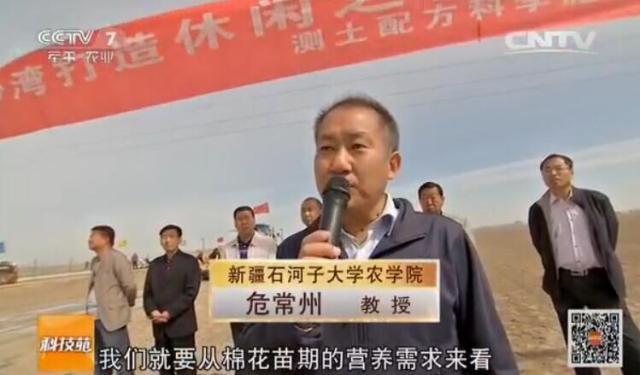 Changzhou Wei (危常州)合作论文数石河子大学农学院14
 Junhua Li (李俊华)合作论文数石河子大学农学院14
 Tao LIU (刘涛)合作论文数12
 Qirong Shen (沈其荣)合作论文数Nanjing Agricultural University11
 Steven A. Wakelin合作论文数Environmental Biogeochemistry, CSIRO Land and Water11
 Cheng Tang (唐诚)合作论文数Agricultural of College of Shihezi University10
 Jun Li (李俊)合作论文数Institute of Agricultural Resources and Regional Planning, Chinese Academy of Agricultural Sciences10
 Jun Ye (冶军)合作论文数Agricultural of College of Shihezi University9Ruixi Zhang (张瑞喜)合作论文数9Licun Zhang合作论文数7
 Longfei Kang (亢龙飞)合作论文数7RiQuan Song (宋日权)合作论文数7Yanju Gao合作论文数6Xiran Zhao合作论文数5yonggang yang (杨勇刚)合作论文数5Hanjie Zhang合作论文数5Wen-hao XIA (夏文豪)合作论文数5QIAO Xu (乔旭)合作论文数5
 Jianguo Liu (刘建国)合作论文数Agricultural of College of Shihezi University5
 Xin Lv (吕新)合作论文数Agricultural College, Shihezi University5cheng yao (姚成)合作论文数4Guo-qiao ZHANG (张国桥)合作论文数4WANG Jin (王进)合作论文数4Rui LI (李锐)合作论文数4FangZhi Zhou (周芳芝)合作论文数4JinLiu Cao (曹金留)合作论文数4ShuYing Zhang (张淑英)合作论文数4
 Xuewei Wang合作论文数University of Macau, University of Macau4Xiaoming Tian (田小明)合作论文数4
 Ke-Ru Wang (王克如)合作论文数Institute of Crop Sciences, Chinese Academy of Agricultural Sciences4Yongsheng Guo (郭永盛)合作论文数4Weibing Wang (王卫兵)合作论文数石河子大学机械电气工程学院4Fuyu Ma合作论文数3Jawad Ali Shah合作论文数3Mei Zhang合作论文数3tijiang maimai (买买提江)合作论文数3Yan-fei HU (胡艳飞)合作论文数3Jiajie CHEN (陈家杰)合作论文数3
 Bo Zhang (张波)合作论文数Xinjiang Institute of Ecology and Geography, Chinese Academy of Sciences3ZeSheng Mao (茆泽圣)合作论文数3ShuQi Wang (王树起)合作论文数3




