In the face of agricultural labor shortages, reducing labor and costs in rice production while meeting demand or increasing yield is crucial for sustainable agricultural development. Using crop straw boards and raising seedlings at a high-density can reduce labor demand and enhance rice yield. This study investigated the effects of seeding density and transplanting age on tillering patterns, panicle formation rates, and yield to determine the optimal cultivation practices for maximizing rice yield. Two-year field experiments were conducted in Sihong County, Jiangsu Province, China, using the japonica rice variety Nanjing 5718. Five seeding densities (150-350 g/tray) and four transplanting ages (10-25 days) were evaluated to assess their impacts on tillering patterns, panicle formation rates, and yield. Innovative crop straw boards were employed to enhance planting efficiency and reduce dependence on soil for raising seedlings. This approach also lessened tillage layer destruction, promoting sustainable practices. The results indicated that increasing seeding density significantly altered tillering and panicle formation patterns by reducing the occurrence and panicle formation rates of lower-position tillers. Although the occurrence of middle-and high-position tillers increased, the overall number of panicles per hill decreased, especially at higher densities, negatively affecting yield. Reducing the transplanting age promoted the emergence and panicle formation of lower-position tillers, thus mitigating these negative effects. Specifically, compared to traditional methods (150 g/tray, 20-day seedlings), the higher seeding density (300 g/tray) and reduced transplanting age (15-day seedlings) increased total panicle number by 3.79-4.73% and yield by 3.38-5.05%. Combining higher seeding densities with reduced transplanting ages offers significant advantages over conventional practices by enhancing resource utilization and improving tillering efficiency. These findings provide actionable recommendations for optimizing rice cultivation practices and contribute to sustainable agricultural development.
Mechanically transplanted rice faces critical bottlenecks of yield stagnation and high greenhouse gas emissions. Although tillage pattern and planting density are core regulators of rice production and greenhouse gas dynamics, it remains unknown whether optimized tillage combined with suitable planting density can synergistically increase yield and reduce emissions in machine-transplanted rice. To address these issues, a three-year field experiment (2021, 2022 and 2024) was set up with three treatments, namely integrated dryland tillage incorporation with reduced planting density (T1), integrated dryland tillage incorporation with conventional planting density (T2), and traditional wet tillage incorporation with conventional planting density (CK). The results showed that the average annual grain yield of T1 was 12.2 t ha−1, which was 8.0% and 11.0% higher than T2 and CK, respectively. This yield improvement was mainly attributed to the increased productive tiller rate and the shoot dry matter accumulation after the heading time. Compared with CK, T1 and T2 reduced seasonal CH₄ emissions by 23.1% and 23.0%, but slightly increased N₂O emissions by 20.7% and 18.3%, owing to improved soil aeration. Consequently, T1 achieved 18.5% lower global warming potential than CK and similar global warming potential to T2, while reducing greenhouse gas intensity by 7.9% and 27.9% relative to T2 and CK. These findings demonstrate that integrated dryland tillage combined with reduced planting density provides a robust, mechanization‑compatible strategy to simultaneously boost yield and mitigate greenhouse gas emissions in mechanically transplanted rice systems.
A comprehensive management framework integrating environmental and agronomic factors is critical for stable and resource-efficient rice production. The primary objective of this study was to develop an optimization framework for transplanted rice in Jiangsu Province, China, using a Generalized Additive Model (GAM). The framework was used to quantify the inter-annual stability of optimized management schemes and assess their sensitivity to future climate scenarios. The study evaluated the model's generalization capability using two cross-validation strategies: Leave-One-Year-Out (LOYO) and Leave-One-Site-Out (LOSO). By predicting the yield of each candidate, the scheme maximizing yield was selected as the annual optimal management practice. Validation results demonstrated robust generalization capabilities across both spatial and temporal dimensions, with the model achieving an R2 of 0.66 and an RMSE of 836 kg ha-1 in LOSO validation, and an R2 of 0.61 and an RMSE of 848 kg ha-1 in LOYO validation. Analysis of the optimized schemes revealed that transplanting date and seedling age functioned as relatively stable planning benchmarks across years, whereas inter-annual adaptation was achieved primarily through adjustments in planting density and nitrogen inputs. Beyond yield prediction alone, this framework translates interpretable GAM response surfaces into spatially differentiated management prescriptions and highlights both soil-conditioned variable-rate strategies and the distinction between stable and adaptive management components under future climate scenarios.
Achieving simultaneous improvements in rice yield, reductions in greenhouse gas (GHG) emissions, and enhanced energy efficiency represents a critical challenge for sustainable food production. Currently, Eastern China is actively promoting intelligent rice cultivation technologies, including intelligent precision dry directseeding (IDS), unmanned aerial vehicle sowing (UAS), and intelligent mechanical transplanting (IMT). Comprehensive assessments of yield, GHG emissions, and energy consumption under these patterns are currently lacking, thereby limiting technological optimization and dissemination decisions. Here, we carried out field trials in 2022-2023 to systematically evaluate these cultivation patterns. The results showed that IMT achieved the highest mean yield (11.1 t ha-1), exceeding IDS (10.5 t ha-1) and UAS (10.2 t ha-1) due to greater sink capacity. IDS reduced global warming potential (GWP) and greenhouse gas intensity (GHGI) by 53.7 % and 50.3 %, respectively, compared to IMT, and by 22.0 % and 23.2 % compared to UAS. This reduction stemmed primarily from lower methane (CH4) emissions, despite higher nitrous oxide (N2O) emissions, which were largely associated with changes in microbial gene abundance (e.g., lower mcrA/pmoA ratio, higher AOA-amoA and narG ). IDS also demonstrated excellent energy efficiency, boosted energy use efficiency by 9.7 % and 3.4 % over UAS and IMT, respectively, with total energy input of 43,171.7, 46,113.5, and 46,311.4 MJ ha- 1. Our results suggest that IDS can achieve acceptable yields in rural areas with significant reductions in greenhouse gas emissions and energy consumption.
Lodging is one of the key limiting factors in achieving high wheat yield. The application of plant growth retardants (PGRts) is regarded as an effective practice to prevent lodging. For accurate PGRt selection and the establishment of stable, high-yield production plans, it is essential to make clear the regulation strategies for lodging resistance and yield in PGRts. Field experiments were conducted at two test sites. At the initial jointing stage of wheat, Chlormequat Chloride (CCC) or Uniconazole (S3307) was sprayed. Compared with the control (CK), spraying CCC or S3307 significantly reduced the culm lodging index (CLI) and decreased the lodging rate from 7.1% to 15.6%. CCC was more capable of adjusting plant morphology (reducing plant height and second internode length and increasing stem diameter), while S3307 was more effective in enhancing breaking strength. The contents of GA, IAA, and zeatin nucleoside (ZR) and the activities of lignin-related enzymes (TAL and CAD) were significantly correlated with different stem indicators and CLI. Compared with CK, the yield after spraying CCC or S3307 increased by 6.5% and 6.0%, respectively. CCC mainly enhanced the yield by increasing grain weight per spike and the SPAD value of leaves, while S3307 mainly did so by increasing the number of spikes and the effective leaf area. Moreover, carbon metabolism-related enzymes (Rubisco, SS, and SPS) were significantly positively correlated with the yield. The enzyme activity of CCC was higher at the heading stage, while that of S3307 was higher at the filling stage. Hence, spraying CCC or S3307 can significantly enhance lodging resistance and yield. The optimal PGRts should be selected based on the climate and the growth stage of the wheat.
High-density dry direct-seeded rice is commonly practiced to maximize land use efficiency for rice-wheat rotation system in the lower reaches of Yangtze River, China. However, efficient nitrogen management remains a challenge due to the need for labor- and resource-saving practices without compromising yield. While conventional nitrogen management typically involves multiple split applications, the potential of a single nitrogen application based on specific leaf age stage remains underexplored in this system. Field experiments were conducted in 2019 and 2020, with 180 kg ha- 1 nitrogen applied once at the sixth (L6) to tenth (L10) leaf stages. The L8 treatment produced 4.0% to 9.9% higher grain yield than other treatments, along with a 2.1% to 11.8% increase in biological yield and a relatively high harvest index. Higher mean leaf area index, grain-to-leaf ratio, and above-ground dry matter weight from heading to maturity contributed to L8's superior biological yield. L8 also showed higher leaf area duration, crop growth rate, and net assimilation rate from jointing to heading, promoting dry matter accumulation. These results indicate that applying nitrogen at the eighth leaf stage could be an effective way to enhance productivity for high-density dry direct-seeded rice within the rice-wheat rotation system.
ABSTRACT Unmanned aerial seeding (UAS) is a promising rice direct seeding method with excellent regional adaptability, operational efficiency, and economic benefits. To characterize the plant type and lodging resistance of the optimal UAS population and to distinguish it from other unmanned planting methods, a 2‐year field experiment was conducted. Four UAS populations (UAS105, UAS150, UAS195 and UAS240 = 105, 150, 195 and 240 seedlings m−2) were established using the inbred japonica cultivar Nanjing5718 as the material, and the appropriate unmanned populations of dry direct seeding (UDDS) and carpet transplanting (UCT) were employed as controls. The results showed that more UAS basic seedlings caused lower grain yield per panicle (9.56%–29.48%), worse leaf and culm configurations, and higher lodging risk (2.43%–9.11% and 0.86%–10.60% in the 2nd and 3rd basal internodes, respectively). But the proper increase (UAS195) improved population yield (3.38%–16.52%), leaf area index (LAI) and grain‐leaf ratio. Among the methods, UAS195 ranked behind UCT in all aspects of plant type and lodging resistance, as well as population yield and grain‐leaf ratio, and only the LAI excelled. However, it produced more population yield (4.86% on average) and larger panicles (2.02% on average in grain yield per panicle) than UDDS, due to the larger basal and drooping angles, longer pillow distances, and higher SPAD values in high‐efficiency leaves, more LAI, and grain‐leaf ratio. Furthermore, UAS195 had taller plant height, gravity center height, and basal internodes with more bending moment, but its relative gravity center height and lodging index did not deteriorate significantly. This was attributed to increased breaking strength from stronger internodes with thicker walls. The findings suggest that the optimal increase in UAS basic seedlings (UAS195) could produce more population yield by improving photometric area and grain‐leaf ratio, despite compromises in plant type and lodging resistance. Furthermore, not comparable to UCT, but it provides better vertical canopy structure and population yield than UDDS and maintains similar lodging resistance.
To explore the potential application value of various unmanned rice planting methods, we performed quantitative comparisons of energy utilization and economic benefits for unmanned aerial seeding (UAS), unmanned dry direct seeding (UDDS), and unmanned carpet transplanting (UCT) from 2021 to 2023. The results showed that the total energy inputs in UAS and UDDS were significantly lower than that in UCT, reflecting decreases of 10.13 % and 13.84 %, respectively. UCT demanded considerably more diesel, water, plastics, and labor than the other methods, while UAS significantly reduced inputs of machinery, diesel, water, and labor but increased inputs of electricity, seeds, and farm chemicals. Meanwhile, UDDS further decreased diesel and water consumption despite more machinery input. Although both UAS and UDDS caused lower energy outputs of grain and straw yields, only UDDS showed a significant difference from UCT, while all methods exhibited similar net energy. Additionally, UAS and UDDS significantly outperformed UCT in energy use efficiency, profitability, and productivity, while also significantly reducing specific energy consumption. Both economic income and cost trends were UCT > UAS > UCT, with UAS and UCT differing significantly only in costs, while UDDS and UCT differed significantly in both indicators. However, there was no statical difference in net profit or net return rate among the methods. These findings suggest that UAS is promising for rice unmanned cultivation with the characteristics of low-cost and high-income and coordinating grain yield and food security.
The rice false smut disease, caused by Ustilaginoidea virens, represents a significant fungal threat to rice production. Our investigation aimed to elucidate the functional roles of two β-tubulin paralogs (Uvβ1tub and Uvβ2tub) in fungal biology and chemical adaptation. Through targeted gene editing, it was demonstrated that both Uvβ1tub and Uvβ2tub were essential for vegetative growth, cellular morphology maintenance, conidiation, stress adaptation, and virulence in U. virens. The contrasting resistance phenotypes of ΔUvβ1tub (enhanced carbendazim resistance) versus ΔUvβ2tub (hypersensitivity) demonstrate that Uvβ1tub serves as the primary target of carbendazim. The critical determinant of this differential sensitivity was the natural amino acid divergence at position 198, specifically alanine (A198) in Uvβ2tub versus glutamic acid (E198) in Uvβ1tub. Site-directed mutagenesis confirmed this molecular mechanism: the A198E substitution in Uvβ2tub abolished its intrinsic carbendazim insensitivity, while the reciprocal E198A mutation in Uvβ1tub conferred carbendazim resistance. Expression analysis revealed stable transcript levels of both β-tubulin genes during vegetative growth and infection; however, deletion of either gene triggered compensatory upregulation of its paralog. Collectively, our results elucidate the functional significance of β-tubulin isotypes and their evolutionarily conserved structural motifs in U. virens, thereby advancing the mechanistic understanding of β-tubulin-mediated sensitivity to carbendazim in phytopathogenic fungi.
Excessive nitrogen fertilization poses a threat to agricultural sustainability. Achieving high crop yield while improving soil health under reduced nitrogen (N) input is a global concern. This two-year rice-wheat rotation study was designed with two N fertilizer levels (conventional N level and reduced N level) and four controlled-release urea (CRU) application modes, along with a control CK (farmer's conventional fertilization mode). Effects on yield, nitrogen use efficiency (NUE), and soil fertility were compared. Polymer-coated urea (PCU) was employed as the CRU material in this study. Significantly lower annual yields were observed under sole PCU. The PCU + U treatments increased yields by 9.16-15.00% over CK. The highest rice-wheat yield and nitrogen recovery efficiency occurred with 40% PCU + 30% U basal fertilizer + 30% U panicle fertilizer application mode. Nitrogen reduction decreased yield and plant nitrogen but improved nitrogen recovery efficiency. However, the RN-PCU + U mode achieved yields comparable to CK. RN-PCU + U treatments provided stable yields and higher economic benefits, with the latter increasing by 6.3-35.7% compared to CK. Soil nutrient content varied significantly among PCU application modes. The RN 70% PCU + 30% U basal fertilizer showed the best performance on soil fertility: organic matter content was 2.9% higher than CK, and total nitrogen was 9.3% higher than CK after two rice-wheat rotations. Panicle fertilizer enhanced nutrient uptake and reduced residual soil nutrient levels. Correlation analysis indicated that increased plant N and soil available phosphorus were associated with higher yields, whereas elevated soil alkali-hydrolyzed N content promoted organic matter accumulation. PCU + U application can compensate for the decrease of rice-wheat yield under nitrogen reduction and improve the activity of soil nutrients. Our results suggest that the 70% PCU + 30% U basal application mode optimizes nitrogen efficiency, sustains rice-wheat yields, and enhances soil fertility under reduced nitrogen input. These findings could inform future sustainable agricultural practices designed to reduce nitrogen use while maintaining crop yield.
Climate change threatens rice production by increasing the frequency of adverse weather conditions, such as continuous rainy and overcast days, which lead to combined low temperature and weak light stress (LTWL) during the rice growing stage. To investigate the impact of LTWL stress on rice grain yield and its physiological mechanisms, we conducted a 2-year study focusing on the panicle differentiation stage. Two rice cultivars were examined: conventional japonica rice and indica-japonica hybrid rice. The experimental treatments consisted of varying durations of LTWL exposure during panicle differentiation, namely T1 (0-7 days), T2 (0-14 days), T3 (0-21 days), T4 (8-14 days), and T5 (15-21 days) in 2021 and 2023, with the addition of T6 (22-28 days) in 2023. In addition, the normal temperature and sunlight treatment were conducted as the control (CK). The results revealed that, compared to the CK treatment, LTWL during panicle differentiation reduced rice grain yield by 6.25%-26.84% for NG9108 and by 3.05%-20.51% for YY2640. This yield reduction was primarily attributed to a decrease in the number of grains per panicle, with NG9108 experiencing a range of 4.60%-22.62% and YY2640 showing a range of 1.76%-20.14%, which resulted from reduced spikelet differentiation and increased spikelet degeneration. Among the 7-day LTWL treatments, the T5 treatment caused the most significant yield loss. Furthermore, as the duration of the LTWL stress increased, the decline in grain yield became more substantial. For the two types of cultivars, conventional japonica rice was more sensitive to LTWL treatments compared to the indica-japonica hybrid rice. Physiological analysis indicated that LTWL treatments enhanced internode elongation and increased leaf SPAD values. Additionally, the activity of antioxidant enzymes was elevated, suggesting a stress response to mitigate oxidative damage. However, LTWL stress also reduced leaf photosynthetic rates and root activity, which collectively contributed to the observed decline in grain yield during panicle differentiation.
The high labor demand during rice seedling cultivation and transplantation poses a significant challenge in advancing machine-transplanted rice cultivation. This problem may be solved by increasing the seeding rate during seedling production while reducing the number of seedling trays. This study conducted field experiments from 2021 to 2022, using transplanting seedling ages of 10 and 15 days to explore the effects of 250, 300, and 350 g/tray on the seedling quality, mechanical transplantation quality, yields, and economic benefits of rice. The commonly used combination of 150 g/tray with a 20-day seedling age in rice production was used as CK. The cultivation of seedlings under a high seeding rate and short seedling age significantly affected seedling characteristics, but there was no significant difference in seedling vitality compared to CK. The minimum number of rice trays used in the experiment was observed in the treatment of 350–10 (300 g/tray and 10-day seedling age), only 152–155 trays ha–1, resulting in a 62% reduction in the number of trays needed. By increasing the seeding rate of rice, missed holes during mechanical transplantation decreased by 2.8 to 4%. The treatment of 300–15 (300 g/tray and 15-day seedling age) achieved the highest yields and economic gains. These results indicated that using crop straw boards can reduce the application of seedling trays. On that basis, rice yields can be increased by raising the seeding rate and shortening the seedling age of rice without compromising seedling quality.
Mechanical transplanting has been limited to the blanket seedling cultivation, due to the heavy weight of seedling substrates, high labor intensity, and the large number of seedling trays. In this study, the high-density seeding was employed to replace the conventional seedling soil with the lightweight crop straw boards. The mechanic transplanting was then enhanced the seedling quality and transplanting performance. The labor inputs were also reduced to promote the rice blanket seedling. The japonica rice cult
Ultra-high-density rice seedling cultivation using crop straw boards provides a labor-saving method for mechanized transplanting, yet frequently triggers early physiological aging and depletes internal nutrient reserves, thereby impairing post-transplant carbon-nitrogen (C–N) metabolic efficiency. This study examined whether optimizing transplanting age could alleviate these constraints and enhance C–N coordination and yield formation. A three-year field experiment (2021–2023) conducted in Sihong, Jiangsu, China, applied five nursery-stage seeding densities (D1–D5, 150–350 g/tray) and three transplanting ages (A1–A3, 10–20 days). Early transplanting extended the post-transplant thermal duration, promoting greater nitrogen uptake predominantly during vegetative and early reproductive phases. This facilitated enhanced leaf area expansion, increased dry matter accumulation, and higher photosynthetic assimilate production. Subsequently, improved sink strength—manifested as greater numbers of productive tillers and larger panicles—supported increased pre-heading non-structural carbohydrate (NSC) storage and enabled more efficient remobilization of stem NSC to grains during grain filling. Thus, nitrogen assimilation and NSC translocation were temporally distinct but metabolically synergistic, contributing to superior source–sink coordination. Notably, the optimal treatment, D4A2 (300 g/tray, 15-day-old seedlings), designed under labor-saving and high-efficiency nursery conditions, achieved a grain yield 2.91% higher than the conventional D1A3 treatment, demonstrating that enhanced C–N metabolism can maintain or slightly increase yield while reducing nursery labor input and tray usage. These findings indicate that aligning high seeding density with moderately early transplanting improves post-transplant C–N metabolism and presents a practical strategy for enhancing yield stability in mechanized rice production systems.
Biaxial rotary tillage in dryland (DBRT) can complete biaxial rotary tillage with straw incorporation, secondary suppression, and ditching, and it has been previously studied in direct -seeded rice and wheat. However, the effects of DBRT on the mechanically transplanted rice yield and greenhouse gas emissions remain unclear. To evaluate the effects of DBRT on improving the food security of mechanically transplanted rice and reducing the greenhouse gas emissions, we conducted an experiment for two years with wheat straw incorporation. Three tillage methods were set up: DBRT, uniaxial rotary tillage in dryland and paddy (DPURT), and uniaxial rotary tillage in paddy (PURT). The results showed that compared with DPURT and PURT, DBRT increased the yield of machine -transplanted rice by 7.5-11.0% and 13.3-26.7%, respectively, while the seasonal cumulative CH 4 emissions were reduced by 13.9- 21.2% and 30.2-37.0%, respectively, and the seasonal cumulative N 2 O emissions were increased by 13.5-28.6% and 50.0-73.1%, respectively. Consequently, DBRT reduced the global warming potential by 10.7-15.5% and 23.7- 28.6%, respectively, and the yield -scaled global warming potential by 18.2-21.8% and 36.4-39.3%, respectively, compared to DPURT and PURT. These results were mainly related to the fact that DBRT significantly reduced soil bulk density and increased soil redox potential (Eh). Therefore, implementing DBRT in machine -transplanted rice fields is feasible, which cannot only increase the rice yield, but also reduce the greenhouse gas emissions.
Crop straw boards, a novel nursery material, has proven effective for cultivating dense, young rice seedlings suitable for mechanized transplanting, thereby saving labor. However, under high-density nursery conditions, the biomass accumulation and yield formation in rice vary with different seedling ages, necessitating exploration of optimal seeding densities and seedling ages to achieve high yields. This study aims to determine the appropriate seeding densities and seedling ages using crop straw boards to maximize rice yield. Over two years, field studies were conducted using crop straw boards for rice cultivation at seeding densities of 150, 200, 250, 300, and 350 g/tray (labeled as D1, D2, D3, D4, and D5) and seedling ages of 10, 15, 20, and 25 days (labeled as A1, A2, A3, and A4).The results indicated that D4A2 significantly enhanced tiller number, dry matter accumulation, and photosynthetic capacity, resulting in a yield increase of 2.89% compared to the conventional method of D1A3. High-density and short-aged seedlings cultivated with crop straw boards can enhance rice yield by improving photosynthetic capacity and crop quality. This study emphasizes the importance of using crop straw boards for rice nursery practices, as well as selecting the appropriate seeding densities and seedling ages for optimizing rice production.
Accordingly, a lot of dry direct seeding rice would be dense planted, that the initial seedling quantity could approach or even exceed the targeted effective panicle number. While limit information is available to evaluate the effects of involved novel nitrogen application methods, that total nitrogen once applied at a determined leaf age stage, on the yield formation traits of such dense planted dry direct seeding rice. The two-year experiments with total 180 kg ha-1 nitrogen once applied time treatments at sixth (L6), seventh (L7), eighth (L8), ninth (L9) and tenth (L10) leaf age stages were carried out. Results showed that the above-ground dry matter weight at maturity and grain yield of L8 was 2.1% ~ 11.8% and 4.0% ~ 9.9% higher than those of other treatments. Compared to other treatments, the higher above-ground dry matter weight after heading stage, bigger mean leaf area index with higher leaf area index at heading stage, increased leaf area duration, crop growth rate and net assimilation rate from jointing to heading period were important traits of higher grain yield formation of L8. In addition, the L8 had relative higher grain-leaf ratio traits than other treatments. Overall, a total 180 kg ha-1 nitrogen with mixed urea and compound fertilizer once applied at eighth leaf age stage would be suggest a useful high yield cultivation method for dense planted dry direct seeding rice in rice-wheat rotation system.
On-farm trials were performed to investigate the nitrogen (N) uptake, N translocation, and grain yield of rice planted via different direct seeding methods into a field after wheat straw incorporation. The study conducted using two direct seeding methods, dry direct seeding of rice (DDSR) and wet direct seeding of rice (WDSR), in a field without or with straw incorporation demonstrated that straw incorporation negatively influenced both grain yield and N uptake in direct-seeded rice. Compared with WDSR, DDSR suffered significant negative effects, with a 7.2% decrease in grain yield and an 8.0% decrease in N uptake. Additionally, N uptake in direct-seeded rice with straw addition decreased by 6.5% at the middle stage and 9.5% at the late stage compared with that without straw incorporation. Straw incorporation prolonged the initial phase of growth and thus shortened the N uptake days in the last two phases. Moreover, the total N uptake of rice was positively associated with the uptake rate and the uptake days during the latter stages. Specifically, WDSR exhibited a higher N uptake rate, N uptake days, and N translocation ability than DDSR, which increased the N uptake in stem and panicle, total N uptake, and grain yield at maturity. These results indicated that straw incorporation decreased grain yield and N uptake, which was related to the fewer N uptake days in the latter stages caused by the prolonged early growth stage for direct-seeded rice. Nevertheless, using WSDR in a field incorporated with straw alleviated the losses in N uptake and grain yield.
Planting patterns have significant effects on rice growth. Nonetheless, little is known about differences in annual crop yield and resource utilization among mechanized rice planting patterns in a rice-wheat cropping system. Field experiments were conducted from 2014 to 2017 using three treatments: pot seedling transplanting for rice and row sowing for wheat (PST-RS), carpet seedling transplanting for rice and row sowing for wheat (CST-RS) and row sowing for both crops (RS-RS). The results showed that, compared with RS-RS, PST-RS and CST-RS prolonged annual crop growth duration by 25-26 and 13-15 days, increased effective accumulated temperature by 399 and 212 degrees C days and increased cumulative solar radiation by 454 and 228 MJ/m(2) because of the earlier sowing of rice by 28 and 16 days in PST-RS and CST-RS, respectively. Compared with RS-RS, the annual crop yield of PST-RS and CST-RS increased by 3.1-3.8 and 2.0-2.6 t/ha, respectively, because of the increase in the number of spikelets/kernels per hectare, aboveground biomass, mean leaf area index and grain-leaf ratio. In addition, temperature production efficiency, solar radiation production efficiency and solar radiation use efficiency were higher in PST-RS, followed by CST-RS and RS-RS. These results suggest that mechanized rice planting patterns such as PST-RS increase annual crop production in rice-wheat cropping systems by increasing yield and solar energy utilization.
Dry direct-seeded rice (DDR) sown using a multifunctional seeder that performs synchronous rotary tillage and sowing has received increased attention because it is highly efficient, relatively cheap, and environmentally friendly. However, this method of rice production may produce lower yields in a rice–wheat rotation system because of its poor seedling establishment. To address this problem, we performed field experiments to determine the rice yield at five seedling density levels (B1, B2, B3, B4, and B5=100, 190, 280, 370, and 460 seedlings m−2, respectively) and clarify the physiological basis of yield formation. We selected a representative high-quality rice variety and a multifunctional seeder that used in a typical rice–wheat rotation area in 2016 and 2018. The proportion of main stem panicle increased with increasing seedling density. There was a parabolic relationship between yield and seedling density, and the maximum yield (9.34−9.47 t ha−1) was obtained under B3. The maximum yield was associated with a higher total spikelet number m−2 and greater biomass accumulation from heading to maturity. The higher total spikelet number m−2 under B3 was attributed to an increase in panicle number m−2 compared with B1 and B2. Although the panicle numbers also increased under B4 and B5, these increases were insufficient to compensate for the reduced spikelet numbers per panicle. Lower biomass, smaller leaf area, and lower N uptake per plant from the stem elongation stage to the heading stage were partially responsible for the smaller panicle size at higher seedling density levels such as B5. The higher biomass accumulation under B3 was ascribed to the increases in the photosynthetic rate of the top three leaves m−2 of land, crop growth rate, net assimilation rate, and leaf area index. Furthermore, the B3 rice population was marked by a higher grain–leaf ratio, as well as a lower export ratio and transport ratio of biomass per stem-sheath. A quadratic function predicted that 260−290 seedlings m−2 is the optimum seedling density for achieving maximum yield. Together, these results suggested that appropriately increasing the seedling density, and thereby increasing the proportion of panicles formed by the main stem, is an effective approach for obtaining a higher yield in DDR sown using a multifunctional seeder in a rice–wheat rotation system.
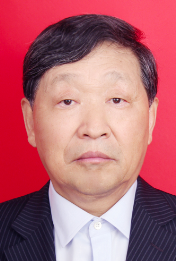 Hongcheng Zhang (张洪程)合作论文数Agricultural College of Yangzhou University102
 Haiyan Wei (魏海燕)合作论文数Agricultural College, Yangzhou University;Research Institute of Rice Industrial Engineering Technology, Yangzhou University83
 YaJie Hu (胡雅杰)合作论文数68BaoWei Guo (郭保卫)合作论文数46
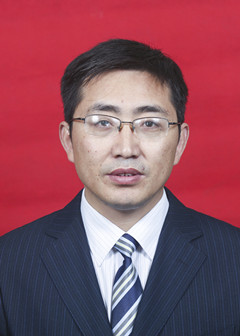 Zhongyang Huo (霍中洋)合作论文数Agricultural College, Yangzhou University34
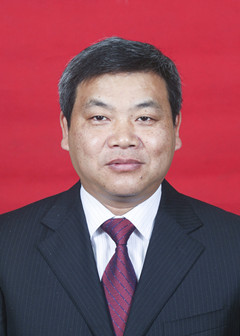 Qigen Dai (戴其根)合作论文数Agricultural College of Yangzhou University33Ke Xu (许轲)合作论文数27Shuang Cheng合作论文数24Jinyu Tian合作论文数21JinLong Gong (龚金龙)合作论文数16QiuYuan Liu (刘秋员)合作论文数15HaiJun Qian (钱海军)合作论文数13Lei Zhou合作论文数10
 Guodong Liu (刘国栋)合作论文数10YouYan Zhou (周有炎)合作论文数10WeiWei Cao (曹伟伟)合作论文数10
 Hui Gao (高辉)合作论文数10Shaoping Li合作论文数9Yu Tao合作论文数9Fang-Fu Xu合作论文数8Pei Wu合作论文数8AnQin Sha (沙安勤)合作论文数8
 Xu Ke (许轲)合作论文数College of Agricultural, Yangzhou University8Zhenzhen Zhang合作论文数6YouHong Qian (钱有宏)合作论文数6
 Ping Liao (廖萍)合作论文数6Jie Wang (王洁)合作论文数6Enwei Yu合作论文数5Chao Tian合作论文数5LING Yufei (凌宇飞)合作论文数5Zhi Dou合作论文数5Nian-bing Zhou合作论文数5Guangyan Li合作论文数5WENG WenAn (翁文安)合作论文数5Ming Zhu合作论文数5Dihui Fu (付第慧)合作论文数4
 Peiyuan Cui合作论文数4Shi Qiu合作论文数4TANG Jian (唐健)合作论文数4Yang Che (车阳)合作论文数4
 Haipeng Zhang (张海鹏)合作论文数4GuoLin Liu (刘国林)合作论文数4Yuan Feng合作论文数3Mengzhu Liu合作论文数3
 Qiang Xu合作论文数Department of Engineering, School of Computing and Engineering, University of Huddersfield3Haibin Zhu合作论文数3Luan Li合作论文数3CAI Jiaxin (蔡嘉鑫)合作论文数3ZHOU Miao (周苗)合作论文数3




