Risk assessments of powdered formula commonly use as-sold concentrations, although exposure occurs after reconstitution and may depend on the quality of the water used for preparation. This study used ICP-MS to quantify As, Pb, Cr, Cd, and Hg in 42 powdered infant and young child formula products sold in Pakistan. The framework integrated deterministic risk estimates, product-preserving second-order Monte Carlo modeling, and an as-consumed dual-pathway exposure model. As and Cr were detected in all products, Pb and Hg in 83.3%, and Cd in 78.6%. Pb and Cd exceeded the applicable EU maximum levels in 71.4% and 31.0% of products, respectively. Under conservative screening assumptions, the margin of exposure (MOE) for As was below 1 in all products, the HI exceeded 1 in 97.6% of products, and the combined As + Cr ILCR exceeded the 1 × 10⁻⁴ screening benchmark in 45.2% of products. Monte Carlo modeling showed persistent HI exceedance in Stages 1–3, whereas Stage 4 showed a weaker and more uncertain signal. Modeled as-consumed scenarios based on published Pakistani water data indicated that reconstitution water could dominate total exposure. The findings support control priorities aligned with hazard analysis and critical control point (HACCP) principles.
Oil-water pollution poses a significant environmental threat due to frequent oil spills and industrial discharges, which severely impact aquatic ecosystems and human health. Conventional separation methods, such as gravity separation, centrifugation, and chemical coagulation, often incur high operational costs, generate secondary pollution, and exhibit low reusability, necessitating sustainable alternatives. Chitosan, a biodegradable and renewable biopolymer derived from chitin, has emerged as an effective adsorbent owing to its abundant amino and hydroxyl groups and tunable surface chemistry. However, Chitosan magnetic nanocomposites (CMNCs) comprise magnetic nanoparticles functionalized with chitosan, thereby enhancing separation efficiency, recoverability, and recyclability. This review systematically discusses the structural and physicochemical fundamentals of chitosan and magnetic nanoparticles, along with various synthesis routes, such as in situ co-precipitation, solvothermal, and green synthesis methods. Surface wettability, electrostatic interactions, and hydrogen-bonding interactions elucidate the mechanisms of oil-water separation. Furthermore, this review also elucidates the roles of magnetic recovery and fluid dynamics, including particle image velocimetry (PIV) analysis. The review also explores the physicochemical and adsorption properties of magnetic chitosan composites across various separation techniques, including filtration and coagulation, and highlights their regeneration and recyclability. Post-spectroscopic analysis further elucidates the structural integrity, surface topology, and bonding interactions. Besides, advanced computational methods, such as Density Functional Theory (DFT), Molecular Dynamics (MD) simulations, and emerging Machine Learning (ML) approaches, are discussed to understand interfacial interactions, optimize adsorbent design, and predict separation performance. Overall, this comprehensive review highlights the potential of CMNCs as reconfigurable materials for sustainable oil-water separation and environmental remediation.
Levonorgestrel (LNG) is a prevalent contraceptive progestin frequently detected in aquatic systems. Although the endocrine disruptive effect of levonorgestrel on parental fish has been documented, its intergenerational effects at environmentally relevant concentrations remain unclear. In this study, zebrafish embryos were exposed to LNG at nominal concentrations of 0.0, 5.0, 50.0, or 500.0 ng L-1 from 2 h post fertilization (hpf) to 144 days post fertilization (dpf). Chronic exposure to LNG caused sex ratio skew toward males in zebrafish. These F0 males were subsequently crossed with solvent control females to establish the F1 lineages. Integrated transcriptomic and neurochemical analyzes revealed a thyro-catecholaminergic-GABAergic (TCGA) axis dysregulation, characterized by up-regulation of tpo, dio2, DBH and downregulation of gadA/B. This multi-level dysregulation converged on neurotransmitter imbalance: elevated dopamine (DA) and reduced γ-aminobutyric acid (GABA), resulting in elevated triiodothyronine (T3) and reduced thyroxine (T4). These interdependent hormonal shifts were paternally transmitted to F1 offspring, manifesting as heritable hyperlocomotion. Elevated DNA methyltransferase (DNMT) activity and reduced Ten-eleven translocation (TET) activity in the F0 testes and 120 hpf F1 larvae suggested altered DNA methylation maintenance capacity. In addition, paternal exposure led to reduced fecundity, survival, and motor deficits in F1 offspring. Our data indicate that LNG at concentrations from 5 ng L-1 upward disrupts the integrated TCGA axis, with DNMT/TET alterations suggesting potential paternal epigenetic mechanisms, supporting a framework for progestin-induced intergenerational toxicity.
Coastal zones are economically vital but are increasingly threatened by potential toxic elements pollution. Despite hosting a national fishing port and intensive mariculture, Dongping town, still lacks a detailed study focusing on PTEs contamination in its coastal area. This study investigated eight PTEs (As, Cd, Cr, Cu, Hg, Ni, Pb, Zn) in 26 sediments and 45 seawater samples from Dongping in wet (July) and dry (December) seasons. Hg was consistently high in seawater in both seasons with means of 0.62 μg/L in July (0.39-0.85) and 0.49 μg/L in December (0.21-0.97), and exceeded GB Class IV limit at 83% and 33% sites, respectively, with heavy CF contamination in both seasons. HPI classified all July samples in poor or very poor category. In sediments, July showed severe contamination by As (mean CF = 6.18; Igeo Class 2-3) and Hg (mean CF = 5.26; Igeo Class 1-3) but As declined in December (CF = 0.5) meanwhile Hg persisted (mean CF = 3.58). NPI indicated moderate contamination in December sediments but serious pollution at all July sites. Hakanson RI averaged 321 (July) and 180 (December), with Hg contributing 64% and 79% of total risk. BCR identified Cd as most labile (34.6% average; 83% sites at high risk) and Zn (mean 22.7%), whereas Hg was mainly residual (F4 = 88.9%). Spearman Correlation, PCA, and HCA linked Cu-Ni-Zn to ship maintenance/dry-dock activities, Cd to agricultural runoff, PbCr to electroplating effluents, and Hg to atmospheric deposition.
Anthropogenic discharges of radionuclides and heavy metal ions have exacerbated global water pollution and posed severe ecological risks, stimulating the development of selective removal and resource recovery strategy. So far, electrode materials for electrosorption (Capacitive Deionization, CDI) have expanded to carbon composite systems, MXenes, transition metal oxides/sulfides, metal-organic frameworks and covalent organic frameworks. Conventional flow-between CDI reactors have been innovatively optimized into advanced architectures including membrane capacitive deionization, flow-electrode capacitive deionization and hybrid capacitive deionization. Combining bibliometric mapping and network analysis, this paper delineates the evolution of electrosorption research, elucidates its fundamental mechanisms, and identifies electrode performance as the decisive factor governing treatment efficiency. This review systematically evaluates recent advances in carbon-based, Faradaic, and novel composite electrodes, verifying their exceptional selectivity and adsorption capacity toward radionuclides, and summarizes cutting-edge technological trends in this field and thoroughly analyzes the long-standing core bottlenecks that hinder the practical deployment of electrosorption technology. This work offers theoretical references for research hotspots in this field and facilitates the innovative development of advanced electrosorption technologies for sustainable water purification.
This study developed a low-cost approach for recycling graphite from spent Li-ion batteries into a vanadium-oxide-functionalized graphene oxide (VrG) composite, demonstrating a high efficacy in extracting U(VI) from wastewater. The VrG composite exhibited a maximum U(VI) adsorption capacity of 232.7 mg/g at pH 4.0 and 298 K. This composite also showed good selectivity, even amidst various competing ions. Moreover, the composite demonstrated a very high stability. Its U(VI) removal efficiency decreased by merely 2.3% over five adsorption-desorption cycles and retained a removal efficiency of approximately 83% after intense γ-ray irradiation. The structural characteristics and distinctive surface functional groups of VrG were identified as crucial determinants for its efficient uranium recovery. DFT calculations elucidated the role of coordination interactions and electrostatic attraction in the adsorption of U(VI) with VrG. Overall, this approach converts waste into a high-performance, recyclable adsorbent for U(VI) recovery, offering a sustainable solution for wastewater remediation.
Radioactive cesium released from nuclear activities poses persistent threats to ecosystems and human health, necessitating low cost and highly efficient remediation techniques such as adsorption process. Machine learning has been considered to be a powerful tool to guide the design of novel adsorbents. This study developed a robust predictive framework by optimizing XGBoost, LightGBM, CatBoost, and Random Forest using Bayesian optimization and five-fold cross-validation. In addition, two Stacking ensemble strategies with Ridge and ElasticNet were developed to be meta-learners to compensate for the prediction errors of individual base models. It was found that the Stacking ensemble could substantially enhance the predictive performance, with the Ridge meta-model achieving the best outcomes, yielding a coefficient of determination (R2) of 0.9761 and a root-mean-square error (RMSE) of 10.9208, outperforming all base learners. SHAP analysis reveals that Stacking leverages the complementary strengths of individual base learners. This study implements a Stacking-based transfer learning strategy that addresses the prediction accuracy bottleneck for novel adsorbent systems under limited data, offering predictive support for the rational design of advanced cesium adsorbents with both scientific and practical value.
Uranium (U) contamination poses a critical challenge for the safe management of radioactive wastewater. However, the role of hydrogen-bond-mediated electron transfer in U bioreduction remains poorly understood. This study investigates how riboflavin (RF) enhances U removal in microbial electrolysis cell (MEC), achieving a removal efficiency of up to 89.8 %, significantly higher than that in RF-free systems. Molecular dynamics (MD) simulations demonstrated that RF facilitates the diffusion of uranyl ions (UO22+) and strengthens RF-UO22+interactions, thereby accelerating U reduction and inhibiting re-dissociation through hydrogen bonding. Life cycle assessment (LCA) showed that the proposed bioelectrochemical system (BES) reduces environmental impacts, offering lower energy consumption and enhanced U removal efficiency. Further results indicated that RF not only promotes efficient electron transfer through mediated shuttling but also increases biofilm density, facilitating the formation and stabilization of tetravalent uranium [U(IV)]. Moreover, RF supplementation selectively enriches microbial genera with high electron-transfer capacity and metal resistance (e.g., Enterobacter), while maintaining stable expression of key metabolic genes involved in energy production and redox processes. These findings demonstrate the potential of hydrogen-bond-mediated electron transfer for sustainable U bioremediation and underscore the environmental benefits of this strategy.
Toxic Cs+ and Tl+ ions are highly soluble and environmentally mobile; the effective and selective elimination of both elements from waste streams is of great significance. Herein, Ni-Co PBA (NCP) nanocubes were tailored through a facile coprecipitation process and found to have excellent adsorption performance. The pseudo-secondorder kinetic and Langmuir models fit the observed adsorption of Cs+ and Tl+ on NCP nanocubes. The Langmuir model indicated that the maximum capacity of NCP nanocubes to adsorb Cs+ and Tl+ was 201.09 and 39.26 mg/ g, respectively. NCP nanocubes exhibited excellent stability and was efficient for adsorption in a wide pH range (pH = 2-11) and in the presence of high concentrations of interfering cations, and even after strong irradiation. The mechanism of Cs+ and Tl+ adsorption was found to primarily be ion exchange of Cs+ and Tl+ with K+ in the cubic skeleton; on the other hand, surface complexation and electrostatic interactions also occurred during Tl capture. NCP nanocubes holds great potential for Cs+ and Tl+ removal from contaminated media due to its costeffectiveness, high adsorption capacity, irradiation resistance, and selectivity. This work thoroughly examined an economic and efficient materials for Cs and Tl removal, providing theoretical support for the facile fabrication and utilization of low-cost NCP nanocubes as sustainable and emergency materials for Cs or Tl contamination accident. This study also provides a preliminary discussion on the potential impacts on these stakeholders.
Biomineralization is considered an eco-friendly in-situ uranium contamination remediation strategy. However, the fate and behavior of uranium biomineralization by the native bacterium is still under-explored. In this study, a uranium-tolerant bacterium, Burkholderia sp. S1, was isolated from a uranium tailings area and carefully investigated its capacity and mechanistic pathways for uranium immobilization via biomineralization. The stability of U(VI) in the mineralization products was also rigorously evaluated. The strain achieves > 95 % uranium removal under acidic conditions (pH 4-6) and a broad temperature range (25-35 degrees C). During the interaction of Burkholderia sp. S1 with uranium, the functional groups on the surface of the bacterium showed shift and expansion, while crystalline minerals were gradually formed with the hydrolysis of organophosphorus to PO43-. It indicated that Burkholderia sp. S1 forms amorphous complexes by biosorption, and then hydrolyzes organophosphorus to PO43-by enzymatic metabolism, in which abundant PO43-promotes the formation of crystalline precipitates (U(VI)-phosphate minerals). Notably, approximately 80 % of immobilized uranium is changed into the stable insoluble crystalline precipitates, which pose no remobilization risk. Thus, this study systematically analyzes the potential of native bacterium Burkholderia sp. S1 biomineralization for uranium immobilization, and provide a theoretical basis for in-situ remediation of uranium-contaminated areas.
Given the escalating environmental risks posed by radioactive uranium contamination, there is an urgent demand for rapid and precise assessment of uranium levels in environmental and biological matrices. In this study, an ultrasensitive donor-acceptor fluorescent probe, TPA-BH, was developed for on-site rapid detection of uranium in both environmental samples and living systems. Owing to the synergistic effects of aggregation-induced emission (AIE), twisted intramolecular charge transfer (TICT) and specific coordination reactions, the probe achieved exceptional sensing performance: an ultra-low detection limit (0.0417 ppb, 720-fold below the WHO drinking water threshold), ultra-fast response (<1 min), and large Stokes shift (140 nm) with excellent selectivity across wide pH ranges (2-10). The probe demonstrated remarkable anti-interference capability in complex matrices while maintaining low cytotoxicity, enabling its successful application in real water analysis and live-cell imaging. Systematic investigations including photophysical characterization, real sample analysis, and recognition mechanism studies confirm the probe's potential for early warning of uranium pollution and public health risk assessment.
Nano zero-valent iron (nZVI) has been widely reported to attract uranium (U(VI)) from wastewater through surface adsorption and reduction. However, surface oxidation and agglomeration of nZVI significantly limited the application of nZVI in removing U(VI) from wastewater. In this study, a novel porous nZVI/BC composite (Fe1Zn3-BC(900)) was synthesized via a one-step process coupling carbothermal reduction and ZnCl2 activation. In this process, ferric chloride and zinc chloride were employed as the Fe and Zn precursors, while starch was utilized as the biochar precursor. Zn and Fe were formed in the carbothermal reduction process. The Zn was sacrificed through evaporation to increase the porosity, providing sufficient inner space for well-dispersing the nZVI, what could be wrapped and protected by the porous carbon. Besides, the galvanic cell between the nZVI-C interface was formed, accelerating the electron transfer for reduction of U(VI) into U(IV). As expected, the Fe1Zn3-BC(900) performed a high efficiency of 94.3% for separating the U(VI) in an initial concentration of 10 mg/L within 30 min, confirming the positive effect of ZnCl2 sacrifice on enhancing separation of U(VI) onto the Fe1Zn3-BC(900). The high uranium removal efficiency can be attributed to the fact that the enhanced porosity resulting from Zn evaporation facilitates U(VI) adsorption. The reduction of U(VI) is further facilitated by the high dispersion of nZVI and the formation of Fe/C galvanic cell. Therefore, this work has developed a promising method to address the agglomeration of nZVI in the separation of U(VI) from wastewater, which provides a new idea for the subsequent efficient uranium removal.
Uranium-bearing wastewater poses serious risks to ecosystem and human beings, necessitating high-performance and reliable materials to eliminate U(VI) from contaminated medium. This study establishes a comprehensive uranium adsorption database (1760 datapoints) which encompasses three critical domains, viz., sorbent properties, reaction thermodynamics and critical reaction factors. Three gradient boosting decision tree models (i.e., XGBoost, LightGBM, CatBoost) were trained and optimized via Bayesian hyperparameter tuning with 5-fold cross-validation. XGBoost demonstrated superior predictive accuracy (R2 = 0.958, RMSE = 29.543) while SHapley Additive exPlanations (SHAP) analysis could identify adsorbent dosage (38.847 average absolute SHAP value) as the most dominant predictor. NSGA-II was employed to identify the optimal set of parameters that satisfied the multi-objective requirements. Within the full studied ranges, material MC-NH2 exhibited the most optimal performance, achieving an adsorption capacity of 478.120 mg/g. Furthermore, the integration of machine learning with the NSGA algorithm enables the identification of optimal conditions across different intervals, providing a methodological framework and guidance for optimizing uranium adsorption under varying conditions.
In consideration of the severe hazards of perfluorooctane sulfonate (PFOS) pollution, this study presents a bifunctional luminescent ionic covalent organic framework (iCOF), N⁺-DT-COF, engineered for the simultaneous ultrasensitive detection and highly efficient removal of PFOS in water. The material was synthesized via post-functional modification by grafting quaternary ammonium cationic chains onto a parent spherical DT-COF framework, which was comprehensively confirmed through SEM, XPS, FT-IR, and PXRD analyses. This strategic modification induced a critical photophysical transition that converted the non-emissive DT-COF into a highly fluorescent material by disrupting its inherent π–π stacking. The resulting N⁺-DT-COF functioned as a superior sensor, achieving an ultra-low detection limit of 0.079 ng/L for PFOS via a fluorescence quenching mechanism, with a rapid response within 5 min and exceptional selectivity. Concurrently, it served as a powerful adsorbent, exhibiting a remarkable maximum adsorption capacity of 561.8 mg/g, following pseudo-second-order kinetics. Validation using real Pearl River water samples demonstrated not only high analytical accuracy (102.9–107.4
Bentonite has been considered as backfill material in the long-term deep geological disposal sites for radioactive waste. The performance of raw and irradiated bentonite based on the retention of radioactive nuclides, such as U(VI), is a critical factor for its application. Herein, the intrinsic features and adsorption behavior of Gao Miao Zi (GMZ) bentonite based on uranyl ions was investigated. In aqueous solutions, bentonite can achieve an adsorption rate of up to 100% for U(VI). The primary mechanism of U(VI) adsorption by GMZ bentonite is ion exchange, supplemented by surface complexation. Strong irradiation can introduce slight structural changes and framework fractures in bentonite, reducing its adsorption capacity for U(VI). This study provides an in-depth analysis of the adverse effects of high doses of radiation (100 kGy) on the microstructure and adsorption properties of bentonite, offering important insights for the safe storage of radioactive waste.
Developing a cost-effective approach for the remediation of wastewater containing uranyl [U(VI)] ions is essentially important to ecosystems and human health. In this study, a Zn-based ZIF-8 framework was fabricated from wasted batteries through an environmentally friendly ball milling process featuring a distinct microstructure compared to those synthesized from commercial Zn(II) sources. The as-obtained Zn-based ZIF-8 framework can effectively remove U(VI) ions from water, and a high removal efficiency of up to 99% is achieved across different process parameters, including initial dosage, pH values, and the presence of interfering ions. The superior U(VI) removal performance is attributed to the synergistic effect of microstructural features (e.g., crystallite size, specific surface area and pore diameter) and chemical interaction within the framework of Zn-based ZIF-8, resulting in the formation of the U···N chelates. This study integrates waste upcycling and hazardous U(VI) removal in an environmentally sound way, thereby promoting a circular economy.
Microbial electrolysis cells (MECs) face challenges in hexavalent uranium (U(VI)) remediation due to inefficient extracellular electron transfer (EET), slow biofilm formation, and uranium toxicity. This study developed a cobalt nanoparticles and nitrogen-co-doped carbon (CoNPs/NC) modified biocathode to address these limitations. Material characterization, electrochemical analysis, and density functional theory (DFT) calculations demonstrate that CoNPs/NC enhances biocathode conductivity and promotes EET efficiency while alleviating the toxic inhibition of uranium on microorganisms. The confinement effect facilitates electron delocalization, accelerating electron transfer to adsorbed uranyl ions (UO22+) and driving U(VI) to tetravalent uranium (U(IV)) reduction. By optimizing electrode-microbe interactions, CoNPs/NC improves biofilm stability and uranium recovery efficiency. This work provides a novel strategy to synchronize uranium detoxification with sustainable resource recovery in contaminated water systems through nanomaterial-driven electron transfer enhancement.
This study addresses the challenge of eliminating persistent antibiotics like levofloxacin (LEV) from wastewater by developing a ZnO/ZnFe2O4 heterojunction catalyst through a sol-gel method. The heterojunction synergistically combines ZnO and ZnFe2O4 to reduce bandgap energy (1.89-1.99 eV) and enhance visible-light absorption. Under energy-efficient LED irradiation (5 W, 320-780 nm), the ZnO/ZnFe2O4-PMS system achieved 94.11 % LEV degradation within 90 min, alongside 58.61 % total organic carbon removal efficiency and 71.69 % defluorination efficiency, outperforming individual components and physical mixtures. Mechanistic investigations revealed that reactive oxygen species (O-1(2), SO4-center dot, center dot O-2(-) and center dot OH) and holes jointly oxidize LEV. The heterojunction's built-in electric field effectively suppressed charge recombination, as being confirmed by photoluminescence and photocurrent analyses. Remarkably, the catalyst retained > 87 % efficiency over four cycles with negligible metal leaching efficiency (<1 %), demonstrating robust stability. This work highlights the dual advantages of the ZnO/ZnFe2O4 heterojunction and LED-driven activation, offering a scalable and energy-efficient strategy for antibiotic wastewater remediation.
The escalating levels of uranium contamination in aquatic environments present serious environmental and public health concerns, necessitating the development of effective and sustainable remediation techniques. The development of an environmentally friendly and economically viable adsorbent for the extraction of U(VI) from radioactive wastewater is crucial for environmental protection. This study introduces a novel eco-friendly adsorbent, achieved through doping Bacillus amyloliquefaciens into corn stover biochar, which demonstrated enhanced efficacy in U(VI) removal from aqueous solutions. Extensive characterizations (SEM, FTIR, BET, and XPS) of the biochar-based composites (BCB) and pristine biochar (BC) was conducted. The kinetic study revealed that the adsorption of U(VI) onto BCB adheres to the pseudo-second-order kinetics with high correlation coefficient (R-2 > 0.999) values. Isotherm data were well described by the Langmuir model, exhibiting a high correlation coefficient (R-2 > 0.999), confirms the occurrence of monolayer adsorption behavior. From Langmuir isotherm the maximum sorption capacity of BCB for U(VI) was found to be 515.90 mg/g at 313.15 K. Thermodynamic analysis reveals that U(VI) sorption onto BCB was found to be feasible (Delta G degrees = -7.047, -7.712 and -8.688 kJ/mol), spontaneous (Delta S degrees = 81.725 J/mol K) and endothermic (Delta H degrees = 16.947 kJ/mol) pr degrees cess. Further investigation into the role of Bacillus amyloliquefaciens through oxidative stress assessments demonstrated that antioxidant enzymes, specifically superoxide dismutase (SOD) and catalase (CAT), effectively alleviate uranium-induced toxicity. XPS analysis confirmed the biological reduction of U(VI) to U(IV), signifying that the composite not only facilitates uranium adsorption but also stabilizes it in a less toxic oxidation state.
The extraction of uranium (U) from wastewater is of vital importance for ensuring the sustainable and safe development of nuclear energy, as it addresses both environmental protection and resource recycling. Vanadium (V) and its compounds are extensively employed in iron and steel manufacturing, and their utility in pollutant remediation further promotes the circular use of V-bearing materials. However, studies on utilizing inexpensive and readily available vanadium oxides (e.g., V2O5) for the treatment of highly acidic uranium-containing wastewater remain scarce. This study investigated the effectiveness of V2O5 in removing U(VI) and immobilizing it into crystalline uranyl vanadates, providing the first confirmation of the feasibility of using V2O5 for uranium elimination and capture. The results indicate that V2O5 exhibits excellent extraction capacity and selectivity for uranyl ions in contaminated solutions, achieving a U(VI) extraction efficiency exceeding 97 % even under highly acidic conditions (e.g., pH = 2.0). Adsorption equilibrium was attained within 240 min, and kinetic studies combined with model fitting indicated that the process was governed by both intra-particle diffusion and chemical adsorption mechanisms. It was discovered that the captured U(VI) was ultimately incorporated into a stable crystalline phase, identified as uvanite (U2V6O21·15H2O), through a coprecipitation pathway, revealing a novel crystallization mechanism. The overall immobilization process was attributed to the synergistic effects of chemical adsorption and coprecipitation. These findings support the development of vanadium oxide-based technologies for U(VI) purification and recovery from complex wastewater.
 Minhua Su (苏闽华)合作论文数82
 Kong Lingjun合作论文数67Gang Song (宋刚)合作论文数59Chen Yong-heng合作论文数41
 Hongguo Zhang (张鸿郭)合作论文数School of Environmental Science & Engineering, Guangzhou University;Research Center on Urban Sustainable Development, Linköping University - Guangzhou University36
 Zeng-Hui Diao合作论文数30
 Juan Liu合作论文数Guangzhou University, Guangzhou University ^25DingGui Luo (罗定贵)合作论文数22
 Kaimin Shih (施凱閔)合作论文数Department of Civil Engineering,The University of Hong Kong21
 Jin Wang (王进)合作论文数School of Resources and Environmental Engineering, Hefei University of Technology20Ying Huang合作论文数18
 Jianyou Long (龙建友)合作论文数17Lian Hou (侯立安)合作论文数Xi’an High-Tech Institute17
 Yang Ruan合作论文数School of Environmental Science and Engineering, Guangzhou University15
 Sajid Mehmood合作论文数School of Tropical Agriculture and Forestry, Hainan University14
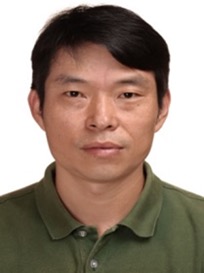 Tangfu Xiao (肖唐付)合作论文数广州大学环境科学与工程学院14
 Jinfeng Tang合作论文数School of Environmental Science and Engineering, Guangzhou University13
 Gutha Yuvaraja合作论文数Biopolymers and Thermophysical Laboratories, Sri Venkateswara University13Cuiqin Wu合作论文数12
 Waqas Ahmed合作论文数12Jian Gong (龚剑)合作论文数11
 Yong Ran (冉勇)合作论文数中国科学院广州地球化学研究所11
 Tasawar Hayat合作论文数Department of Mathematics, Quaid-i-Azam University11Weixing Han合作论文数10Meiling Yin合作论文数10WenBiao Xie (谢文彪)合作论文数10
 Huosheng Li合作论文数9
 Changlun Chen (陈长伦)合作论文数Institute of Plasma Physics, Chinese Academy of Sciences;University of Chinese Academy of Sciences9
 Xiangyang Chang (常向阳)合作论文数广州大学环境科学与工程学院9Yixiong Pang合作论文数8Wanying WU (吴婉滢)合作论文数8
 Muhammad Qaswar合作论文数Institute of Agricultural Resources and Regional Planning, Chinese Academy of Agricultural Sciences8Sehrish Ali合作论文数7Ying Zhou合作论文数7Tao Ou合作论文数7
 Dan Tsang合作论文数The Hong Kong University of Science and Technology7Liao Changzhong合作论文数7
 Munagapati Venkata Subbaiah合作论文数Biopolymers and Thermophysical Laboratories, Sri Venkateswara University7Heyao Liu合作论文数6Nan Chen合作论文数6Hairong Peng合作论文数6Zeping Tang合作论文数6Zequan Liu合作论文数6Xiao-feng ZHANG (张晓峰)合作论文数6Yan Peng (彭燕)合作论文数6
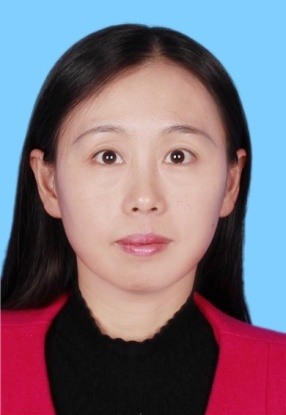 Hui Sun (孙慧)合作论文数南开大学组合数学中心6Ya Xiong (熊亚)合作论文数School of Chemistry, Sun Yat-sen University6




