Although the relationship between psychological factors and pancreatic cancer outcomes has been widely discussed, controversy remains. We will for the first time systematically summarize the literature to explore the correlation of anxiety and depression to the prognosis of patients with pancreatic cancer. The findings will fill existing research gaps, informing healthcare providers about better psychological care and medical treatment. The following databases will be retrieved from their inception to July 2023: Cochrane Library, MEDLINE (PubMed), Web of Science, EMBASE, and four Chinese databases (Chinese National Knowledge Infrastructure, Wanfang Database, Chinese Biomedical Literature Database, and Chongqing VIP Chinese Science and Technology Periodical Database). The World Health Organization Clinical Trials Registry, Chinese Clinical Registry, and ClinicalTrials.gov will be searched to identify other related studies. A manual search will be performed to identify missing eligible studies based on the reference list of selected articles. The search will focus on studies published in Chinese or English. To assess the risk of bias in the selected articles, Newcastle-Ottawa Quality Assessment Scale (NOS) will be used for the cohort study. Funnel plots and Egger's test will be used to assess whether publication bias exists. Moreover, the Grading of Recommendations Assessment Development and Evaluation (GRADE) will be utilized to analyze the credibility of the results from selected articles. Two independent evaluators will implement the study selection and data extraction, as well as evaluate the risk of bias and evidence quality. Data will be analyzed using Stata 16.0.Trial registration: PROSPERO registration number is CRD42022366232.
BACKGROUNDS:KLKs have been proved to be key regulators of the tumor microenvironment. In this study, we explored the potential of Kallikrein-related peptidases (KLKs) as clinical diagnostic and prognostic markers in patients with kidney renal clear cell carcinoma (KIRC) as well as their relationship with common immuno-inhibitor and immune cell infiltration in the tumor microenvironment to provide new targets and novel ideas for KIRC therapy. METHODS:Oncomine, Gene Expression Profiling Interactive Analysis (GEPIA), UCSC Xena, Genotype-Tissue Expression (GTEx), Kaplan-Meier plotter, cBioPortal, STRING, GeneMANIA, and TISIDB were used to analyze the differential expression, prognostic value, gene changes, molecular interaction, and immune infiltration of KLKs in patients with KIRC. RESULTS:From the gene expression level, it can be determined that KLK1, KLK6, and KLK7 are differentially expressed in KIRC and normal tissues. From the perspective of clinical prognosis, KLK1, KLK13, and KLK14 are highly correlated with the clinical prognosis of KIRC. The expression of KLKs is regulated by various immunosuppressive agents, with KDR, PVRL2, and VTCN1 being the most significant. The expression of KLKs is significantly correlated with the infiltration of various immune cells, of which Eosinophils and Neutrophils are the most significant. CONCLUSIONS:KLK1, KLK6, KLK7, KLK13, and KLK14 have potential as diagnostic and prognostic biomarkers, among which KLK1 is the most significant. This study may provide detailed immune information and promising targets for KIRC immunotherapy to assist in designing new immunotherapies.
ObjectiveLung cancer is a leading cause of cancer-related morbidity and mortality worldwide, with patients frequently experiencing significant psychological distress, particularly anxiety. Despite the high prevalence of anxiety in patients with cancer, there is limited comprehensive research focusing on the specific factors influencing anxiety in patients with early- and middle-stage lung cancer within the context of Chinese medicine hospitals. Therefore, we aimed to investigate the epidemiology and factors influencing anxiety disorders in patients with early- and middle-stage primary bronchial lung cancer through a cross-sectional study.MethodsA total of 340 patients with early and middle-stage lung cancer admitted to the outpatient ward of the oncology department at Guang’anmen Hospital from June 2023 to December 2023 were included in this study. Survey data, including the patients’ general condition questionnaire, Generalized Anxiety Scale (GAD-7), Hospital Anxiety and Depression Scale (HADS), and Mental Toughness Scale (CD-RISC-10), were collected and recorded in a database using a two-person input format. Data analysis was performed using SPSS 27.0 software.ResultsOut of the 340 patients with early- and middle-stage lung cancer included in this study, 133 had anxiety, resulting in an overall anxiety detection rate of 39.12%. The chi-square test showed that statistically significant differences in religion, marital status, surgical treatment, tobacco use, and alcohol history between the anxious and non-anxious groups (p < 0.05). Moreover, statistically significant differences were observed in per capita annual family income, pathological type, VAS score, targeted therapy, treatment stage, and mental toughness level (p < 0.001). Other factors were not significantly correlated with anxiety onset. Multivariate logistic regression analysis showed that higher per capita family income and completed treatment independently acted as protective factors against anxiety onset in patients with early- and middle-stage lung cancer. Conversely, rare pathological types, increased pain severity, and lower levels of mental toughness were identified as independent risk factors for anxiety onset in these patients.ConclusionAnxiety was prevalent in patients with early- and middle-stage lung cancers. Rare pathological types, increased pain severity, and lower levels of mental toughness were independent risk factors for anxiety. Therefore, clinicians and psychologists should pay more attention to patients with rare types of tumors, actively manage their pain symptoms, and consider implementing mental resilience training to improve patients’ mental toughness.
目的:采用证候分层诊断法分析原发性肺癌患者证候分布规律.方法:收集2020 年6 月1 日至2022 年5 月31 日在中国中医科学院广安门医院肿瘤科门诊就诊及住院的514 例肺癌患者资料,采用证候分层辨证后分析其证候分布规律.结果:原发性肺癌患者证候分布的一级诊断实证多于虚证;二级诊断以气逆证、血瘀证、痰证、饮证、实热证、气虚证最多见;配属病位后,三级诊断以肺气逆证、肺血瘀证、肺痰证、脑血瘀证、肺气虚证为多见.肺癌患者病位涉及广泛,以肺、脾、胃、脑、肝为主.肺癌患者的证候分布与病理类型、治疗手段显著相关,不同分期患者的证候分布总体上差异不明显,但个别证型仍与特定分期相关.结论:原发性肺癌患者证候表现虚实夹杂,病性与病位均涉及较广,提示肺癌病机复杂,病情多变,病理类型、疾病分期、治疗手段均是影响肺癌证候分布的相关因素.
Cancer-related fatigue (CRF) belongs to the category of "consumptive disease" in TCM, and its occurrence is based on "internal deficiency" of the body causing by the tumor. Its nature is intermingled deficiency and excess. Its pathogenesis is the deficiency of qi, blood, yin and yang and zang-fu viscera dysfunction caused by disorders of "rise and fall of middle qi" and kidney origin depletion. The theory of "treating overstrain syndrome with warming methods" originates from Huang Di Nei Jing, which proposes that warming methods are the basic methods of treating consumptive disease. Therefore, starting from the cause and pathogenesis of CRF, this article sorted out the theoretical origin of "treating overstrain syndrome with warming methods", and discussed the clinical application of warming methods for the treatment of CRF combining with modern clinical research, with the purpose to provide references for clinical practice.
血小板在肿瘤转移前生态位的形成中起着特殊且关键的作用,削弱或抑制血小板在转移前生态位形成过程中的作用可能成为中医药干预恶性肿瘤转移的研究方向之一.该文将从"痰夹瘀血,遂成窠囊"理论初步探讨血小板在肿瘤转移前生态位形成过程中引起的痰瘀问题,并简述活血化瘀中药对转移前生态位的潜在调节作用,为活血化瘀中药防治肿瘤转移提供理论依据和为未来研究方向提供新思路.
Objective: The objective of this study was to examine the effect of the postsurgical administration of Shenyi capsules on the outcome and overall survival of patients with nonsmall cell lung cancer (NSCLC). Materials and Methods: This was a multicenter, randomized, placebo-controlled, double-blind clinical trial. Patients with stages I–IIIA NSCLC were randomized to Shenyi or placebo groups (treatment duration: 6 months) and followed up for 10 years. One-year, 2-year, 5-year, and 10-year survival rates and survival times were calculated. Symptoms, quality of life, traditional Chinese medicine (TCM) syndrome, and recurrence were evaluated. Results: A total of 361 patients (treatment group, n = 185; placebo group, n = 176) were randomized and followed up for 10 years. The two groups had similar baseline demographic and clinical characteristics. Among all 361 patients, the treatment group had significantly longer median survival (31 months, respectively) than the placebo group (22.3 months, P < 0.01). In stage II or III patients, recurrence and metastasis rates in the treatment group were lower than those in the placebo group (P < 0.05). The treatment group also had significantly longer 1-year and 2-year survival rates based on the full analysis set and per-protocol set; however, there was no statistically significant difference in the 5-year and 10-year survival rates (P < 0.01 for all comparisons). Multivariate analysis of variance showed that the interaction between stage and age had a significant impact on overall survival (P < 0.05). Compared with the placebo group, the treatment group showed a significant decrease in TCM syndrome (P < 0.01) and a significant increase in the Karnofsky Performance Score (P < 0.01) and body weight (P < 0.05). Conclusions: Adjunctive therapy with Shenyi capsules significantly prolonged the 1-year and 2-year survival rates after surgery and improved the quality of life. Moreover, none of the patients experienced severe adverse effects. These results suggest that Shenyi capsules may have clinical applications in treating patients with NSCLC.
角药作为中医药治疗肿瘤的特色之一,将3味中药联用,配伍精当可发挥药味的最佳疗效.张培彤认为虚、痰、瘀、毒结聚为小细胞肺癌的核心病机.现从扶正散结、防治不良反应方面归纳张培彤针对小细胞肺癌不同阶段病机及临床表现的9组角药,生黄芪-知母-浙贝母、熟地黄-山茱萸-杜仲、瓜蒌-山慈菇-陈皮等5组角药以抑制小细胞肺癌转移,陈皮-姜竹茹-姜半夏、枸杞子-菟丝子-酒黄精等4组角药以防治毒副反应,药专力宏,疗效显著,以期为临床治疗小细胞肺癌提供参考.
中医学病机理论认为,毒邪是恶性肿瘤发病及进展的重要因素,由毒邪积聚侵犯人体所表现出的证候被称为"毒证"."毒证"属于证候的概念,是"风毒证""湿毒证"等一类证候的总称.而根据不同病邪性质细分后的"毒证"均是内涵独立的病性证素,与"风证""湿证"等病性证素呈并列关系.但"毒证"在临床中如何被准确辨识仍是目前亟待解决的问题."癌毒病机学说"明确了"癌毒"是恶性肿瘤的核心病机,也是影响肿瘤发生、进展的特异性病因与病理产物."癌毒"内涵丰富,其概念属于辨病层次而非辨证层次,不能等同于"毒证".本文通过对"毒证"与"癌毒"概念的梳理与辨析,对证候要素理论中的"毒证"概念进行补充和完善,亦为恶性肿瘤"毒证"辨识研究提供理论基础与参考.
回顾不同书籍中气滞证诊断的相关内容,分析不同病位气滞证诊断及病证结合气滞证量化分级诊断的研究现状,总结气滞证诊断方法研究所取得的成果与存在的问题.认为现阶段气滞证具有较明确的证型内涵,诊断方法研究已取得一定成果,但气滞证量化诊断研究仍处于初步探索阶段;提出基于病证结合模式建立气滞证量化分级诊断方法,主要包括筛选相关因素范围、确立证候诊断条目及赋权、确立证候诊断阈值三个关键步骤,以期提高气滞证辨证的规范化、客观化及可分级量化.
化疗是中晚期恶性肿瘤重要的治疗手段,其治疗效果与肿瘤微环境相互影响,其中血小板在微环境中与各种细胞之间复杂的相互作用是导致耐药形成的关键因素之一.化疗后患者血瘀证加重,而虚、寒、毒致瘀可能是导致化疗耐药的机制.现以血小板为切入点,初步探讨血瘀证与肿瘤化疗耐药的关系,阐述活血法降低耐药的发生机制,为活血类中药防治肿瘤转移提供理论依据,并为未来研究方向提供新思路.
肿瘤相关性抑郁具有高发病率、低治疗率的特点,是肿瘤患者预后的不利因素,探究其合理的治疗方案能够改善患者的生活质量和远期预后.形气神一体观根植于中国古代哲学,是中医学意象思维的重要体现,在治疗疾病方面发挥纲领性的指导作用.张培彤教授归纳肿瘤相关性抑郁的核心病机为肝郁气滞,兼有脏腑亏虚、痰瘀与癌毒相互搏结,病位主要在肝,与心、脾关系密切.他强调肿瘤相关性抑郁在形、气、神 3 个维度存在特异性的病理改变,认为形神相失是肿瘤相关性抑郁的重要病机,气化失司是形神共病的中间环节.攻伐肿瘤之形是总体治疗方案的基石,顾护气之充盈调畅应贯穿治疗始终,适时通过调节脏腑功能达到御神的目的.由此提出祛形为基、始终调气、适时御神的治疗原则,以恢复人体达到形健、气调、神安的平和状态,尝试为肿瘤相关性抑郁的综合治疗提供更好的思路.
Objective:To explore the clinical medication rules and characteristics of traditional Chinese medicine(TCM) in the treatment of the hypercoagulable state of malignant tumors based on data mining.Methods:The research articles on TCM in the treatment of the hypercoagulable state of malignant tumors were retrieved from CNKI,CSPD,and CCD,and basic information was extracted to establish a database.Drug frequency statistics,analysis of four qi properties,five flavors,and meridian tropism,association rule analysis,and system cluster analysis were carried out.Results:Sixty research articles were included,involving 61 effective prescriptions and 173 drugs.High-frequency drugs included Angelicae Sinensis Radix,Astragali Radix,Chuanxiong Rhizoma,and Glycyrrhizae Radix et Rhizoma.The drugs were warm,cold,and plain in nature and sweet,bitter,and pungent in flavor,acting on the liver,spleen,and lung meridians.Through the analysis of association rules,22 binomial associations were obtained.The Cluster analysis yielded four drug combinations.Conclusion:TCM treatment of the hypercoagulable state of malignant tumors focuses on the principles of nourishing qi,tonifying blood,activating blood,and resolving blood stasis,highlights both dredging and invigorating methods,and emphasizes strengthening and protecting healthy qi while eliminating pathogenic factors.
目的:通过网络药理学和分子对接方法探究"川芎-丹参"药对治疗肺癌的作用机制.方法:运用中药系统药理学数据库与分析平台(traditional Chinese medicine systems pharmacology database and analysis platform,TCMSP)筛选"川芎-丹参"药对药物成分和靶点,运用Genecards数据库筛选疾病靶点,获取共同靶点;通过Cytoscape软件构建药物活性成分-共同靶点-疾病网络;利用STRING数据库构建蛋白互作网络;利用Metascape数据库进行基因本体论功能富集分析(gene ontology,GO)和京都基因与基因组百科全书富集分析(kyoto encyclopedia of genes and genomes,KEGG);通过CB-Dock网站进行分子对接验证.结果:"川芎-丹参"共筛选得到木犀草素、丹参酮ⅡA、杨梅酮等79个活性成分,主要作用于TP53、AKT1、MAPK1等149个肺癌疾病靶点上,主要富集在促分裂素原活化蛋白激酶(mitogen-activated proteink inases,MAPK)、磷脂酰肌醇3激酶和蛋白激酶B(phosphatidylinositol 3-kinase and protein kinase B,PI3K-Akt)、Thyroid hormone等相关通路上.结论:"川芎-丹参"主要通过调控细胞增殖凋亡、抑制侵袭转移等方面发挥抗肺癌作用.
目的:分析胰腺癌中医证候分布规律及特点,为中医药辨治该病提供思路及数据支持.方法:采用回顾性研究方法,纳入胰腺癌患者234例,采集患者的年龄、性别、病程、病位、临床分期、远处转移、刻下症等信息,运用EXCEL及SPSS软件统计分析各证候频率及有无肝转移、病位、临床分期对证候的影响,探讨胰腺癌患者证候分布规律及特点.结果:①234例胰腺癌患者基本证候占比依次为气滞证(70.94%)、气虚证(60.26%)、血瘀证(59.83%)、血虚证(30.34%)、阴虚证(25.21%)、热毒证(16.24%)、阳虚证(15.38%)、痰湿证(13.25%);②基本证候常组合出现,其中3种证候组合(38.46%)、2种证候组合(26.07%)最为多见,多虚实夹杂;③胰腺癌常见症状(>10%)依次为腹痛、腹胀、乏力、纳差、眠差、体重下降、后背疼痛、大便干、便溏、口干、口苦、恶心;④胰腺癌肝转移较之无肝转移患者气虚证、血虚证的分布较多见(P<0.05);胰头癌患者出现热毒证的频率较胰体尾癌患者低(P<0.05),余证候分布差异无统计学意义(P>0.05);不同临床分期的证候分布显示气虚证、血虚证在Ⅳ期患者中多见(P<0.05).结论:胰腺癌患者以气滞证、气虚证、血瘀证、血虚证为主,多虚实夹杂,病位虽在胰腺,但与脾胃、肝关系密切,其辨治应重视扶正与调气,应以调理中焦气机、疏泄肝气与补益脾胃法为主.
证候是中医辨证论治的主要依据.从肺癌的证候与客观指标相关性研究、证候规范化研究、证候研究的常用方法三方面着手,对近年来肺癌证候研究现状加以梳理和分析.多数研究认为肺癌证型分布与TNM分期、舌象、影像学表现、卡氏评分、系统生物学、各理化指标等存在相关性,而在与不同病理分型之间有无相关性方面,仍存在争议;证候规范化研究是肺癌证候研究长期以来的重点和难点,证候诊断标准规范化、证候量表规范化和术语规范化是证候规范化研究的重要环节,研究者在这些方面进行的探索性研究取得了一些成果,但尚未成熟,其推广应用亦显不足;肺癌证候研究的常用方法有聚类分析、主成分分析、关联分析、Logistic回归分析、因子分析、隐结构模型、贝叶斯网络等,各研究方法有其自身特点,适应不同的研究需求.针对研究中的问题,提出综合多学科知识和成果,结合多种研究方法,参考专家经验,在证候规范化基础上开展肺癌的多中心、大样本、前瞻性研究会更有价值.
目的 基于证候分层诊断模式探讨胰腺癌中医证候的特点.方法 回顾性收集223例胰腺癌患者初诊时的一般情况、既往治疗情况、临床分期、肿瘤原发部位、有无远处转移、中医刻下症、既往史、舌象、脉象信息.采用中医证候分层诊断模式,包括一层级诊断:实证、虚证.二层级诊断:里实证、里虚证(本研究不涉及表实证、表虚证).里实证的三层级诊断有气实证、血实证、津液实证、实寒证、实热证;里虚证的三层级诊断有气虚证、血虚证、阴虚证、阳虚证、津亏证、精亏证、虚热证.四层级诊断及五层级诊断均在符合上一层级诊断基础上进一步辨证.对证型进行例数和百分比进行统计,并分析胰腺癌患者远处转移与无远处转移、肝转移与仅无肝转移、不同临床分期、不同肿瘤原发部位的患者其证型分布特征.结果 223例胰腺癌患者中里实证者214例(96.0%),里虚证者198例(88.8%).里实证以血实证-血瘀证-脾血瘀证(84.3%)最多见,其次为气实证-气滞证-胃气滞证(61.9%)、血实证-血瘀证-肝血瘀证(37.2%);里虚证以气虚证-脾气虚证(58.7%)最多见,其次为气虚证-胃气虚证(34.1%)、阴虚证-脾阴虚证(21.5%).远处转移患者中气实证、胃气虚证、肝血瘀证、胃气上逆证、大肠气滞证、肺血瘀证均较无远处转移患者多见(P<0.05).不同临床分期的气实证、血实证、血瘀证、脾气虚证、胃气虚证、胆气虚证、脾血瘀证、肝血瘀证、大肠气滞证的分布差异具有统计学意义(P<0.05).胰腺癌肝转移患者中胃气虚证、胆气虚证、大肠气滞证、胃气上逆证、肝血瘀证较无肝转移患者多见,血实证、实热证较无肝转移患者少见(P<0.05).胰头癌患者血瘀证、脾血瘀证较胰体尾癌患者多见,津亏证、脾阴虚证、胃气上逆证较胰体尾癌患者少见(P<0.05).结论 胰腺癌患者中医证型多虚实夹杂,气滞证、血瘀证、气虚证、阴虚证为胰腺癌的主要证型,病位主要在胃、脾、肝.
静脉血栓栓塞是恶性肿瘤常见并发症之一,中医药在其防治中显示出了良好的临床效果.叶天士所创"久病入络"学术思想揭示了疾病邪气由浅入深的发展规律,并指出了络脉阻滞这一病机,这与肿瘤相关VTE的发生、发展过程相契合.该文从叶氏"久病入络"理论入手,对肿瘤相关VTE发病机制进行阐述,并从络病角度对其防治进行探讨,以期为临床治疗提供理论依据与思路方法.
目的:观察川芎和丹参以及两药配伍后对不同氧环境下肺癌干细胞样细胞(CSLCs)血管内皮生长因子(VEGF)表达的影响.方法:采用无血清成球培养法分离A549 CSLCs,建立常氧组和乏氧组A549CSLCs荷瘤小鼠模型,分为对照组、川芎组、丹参组、川丹组及恩度组,ELISA法和RT-PCR法检测各组VEGF蛋白及mRNA的表达.结果:小鼠移植瘤形成实验发现A549球细胞较原代A549细胞更早成瘤,且成瘤率更高.ELISA法和RT-PCR法结果均显示,在常氧环境下,与对照组比较,川芎组、丹参组、川丹组和恩度组均显著抑制VEGF蛋白及mRNA的表达(P<0.01);在乏氧环境下,各组之间对VEGF蛋白及mRNA表达差异无统计学意义;与常氧组比较,乏氧环境下各组VEGF表达普遍增高.结论:无血清培养法分离富集的球细胞具有干细胞样细胞的干性,常氧环境下各给药组均抑制VEGF的表达;与常氧相比,乏氧环境各组VEGF表达普遍增高,这可能与乏氧本身作为信号促进VEGF的表达有关.
目的 探讨原发性支气管肺癌伴发焦虑情绪的发病危险因素.方法 对2020年8-12月于该院肿瘤科治疗的350例原发性支气管肺癌患者进行横断面调查.采用肺癌患者基本情况调查表、肺癌患者病史资料收集表、医院焦虑抑郁量表(H ADS)采集数据,若患者焦虑情绪阳性,归为焦虑组,反之归为非焦虑组,使用SPSS23.0进行统计学分析,探讨原发性支气管肺癌伴发焦虑情绪的发病率及危险因素.结果 该研究所纳入的350例肺癌患者中,焦虑情绪的发病率为18.00%.单因素分析发现,肺癌患者的生活状况、病情知晓度、确诊时长、IASLC临床分期、正在靶向或免疫治疗、已完成西医治疗、是否中药治疗、中药治疗时长、疼痛程度9个因素与焦虑情绪的发病相关(P<0.05).多因素logistic回归分析结果显示,与伴侣共同生活(OR=0.230,95%CI:0.063~0.835)、确诊时长2~3年(OR=0.130,95%CI:0.019~0.880)为焦虑的保护因素(P<0.05),卡氏评分60分(OR=9.031,95%CI:1.483~55.003)、轻度疼痛(OR=2.350,95%CI:1.017~5.428)为焦虑的危险因素(P<0.05).结论 原发性支气管肺癌伴发焦虑情绪的发病率较高,多种因素影响焦虑情绪的发生.
 XiuWei Guo (郭秀伟)合作论文数23
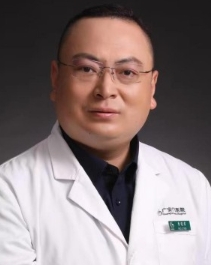 Daorui Li (李道睿)合作论文数Guang’anmen Hospital, China Academy of Chinese Medical Sciences19GuiZhi Sun (孙桂芝)合作论文数16
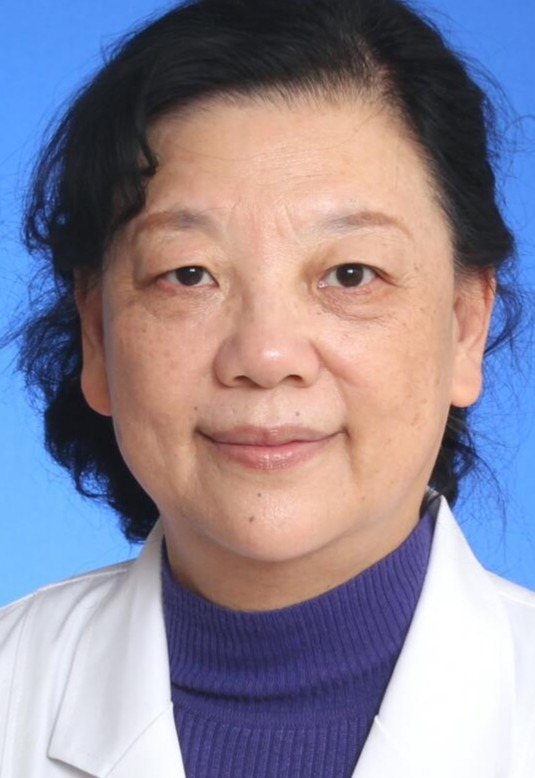 Hongsheng Lin (林洪生)合作论文数Guang'anmen Hospital, China Academy of Chinese Medical Sciences16XiaoRu Yan (燕晓茹)合作论文数15YaoHan Wang (王耀焓)合作论文数15Meng Li (李蒙)合作论文数15LIU Bin (刘槟)合作论文数13BingKui Pu (朴炳奎)合作论文数13
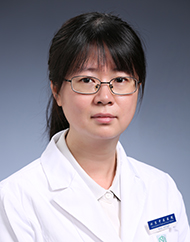 Mingwei Yu (于明薇)合作论文数北京中医医院13Xin Qi (祁鑫)合作论文数12LIN Yuejie (林月洁)合作论文数10YingXia Pei (裴迎霞)合作论文数10Dong Yang (杨栋)合作论文数10MA Xueman (马雪曼)合作论文数8WANG Luyao (王璐瑶)合作论文数8JiuBin Wu (吴玖斌)合作论文数8何杰合作论文数中国中医科学院广安门医院7Tian Zhou (周天)合作论文数7
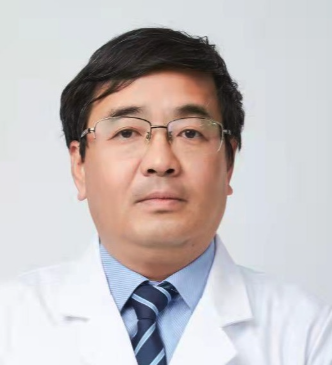 Wei Hou (侯炜)合作论文数Guang’anmen Hospital, China Academy of Chinese Medical Sciences7
 Baojin Hua (花宝金)合作论文数Guang'anmen Hospital, China Academy of Chinese Medical Sciences7ZHANG Ruoqi (张若琪)合作论文数6Zhongning HE (贺忠宁)合作论文数6Lumin QIAO (乔路敏)合作论文数6LUO Yue (罗钺)合作论文数6Rong HUANG (黄蓉)合作论文数6LI Fengjie (李凤杰)合作论文数5YongHeng Liu (刘永衡)合作论文数5WeiMin Ren (任为民)合作论文数5LiLi He (何立丽)合作论文数5HaiYing Han (韩海英)合作论文数5
 Hao Liu (刘浩)合作论文数Guang'anmen Hospital, China Academy of Chinese Medical Sciences5
 Zongyan Yang (杨宗艳)合作论文数Department of Oncology,Guang'anmen Hospital,China Academy of Chinese Medical Sciences,Beijing 5
 Chaoyong Wu合作论文数4Xing Zhang合作论文数4BAO Yu (包瑜)合作论文数4Baoquan WANG (王宝泉)合作论文数4Xiao-dan WANG (王笑丹)合作论文数4XiaoQing Xu (徐筱青)合作论文数4TianBo Zhang (张天博)合作论文数4PengXiang Xu (徐鹏翔)合作论文数4MingHui Zhang (张明辉)合作论文数4Dapeng Yao (姚大鹏)合作论文数4Baozhong Jiang (江保中)合作论文数4
 Wenping Lu (卢雯平)合作论文数Guang'anmen Hospital, China Academy of Chinese Medical Sciences4
 Bingkui Piao (朴炳奎)合作论文数China Academy of Chinese Medicine Sciences4
 Jing Wang (王婧)合作论文数Dongzhimen Hospital, Beijing University of Chinese Medicine4Miaomiao Wang (王苗苗)合作论文数3MIAO Rui (缪锐)合作论文数3




