BACKGROUND:Depression in Parkinson's disease (dPD) is common and heterogeneous, impairs quality of life, and may accelerate disease progression. Tools that predict long-term dPD progression are lacking. METHODS:We retrospectively analyzed de novo, drug-naïve Parkinson's disease (PD) participants in the Parkinson's Progression Markers Initiative (PPMI; 2011-2024). The primary outcome was depressive progression, defined as a sustained worsening in Geriatric Depression Scale-15 (GDS-15) category over 12 months. Candidate predictors included demographic, motor, and non-motor variables at both total and sub-item levels. Four survival machine learning models, Random Survival Forests (RSF), Extreme Gradient Boosting, Support Vector Survival Machines, and Gradient Boosting Survival Analysis, were evaluated using concordance index (C-index). Shapley Additive exPlanations were applied to identify key predictors and construct an integer-based risk score. RESULTS:Of 1819 eligible participants, 496 met inclusion criteria (median age 62 years [IQR: 55-69]; 61.3% male); 94 (19.0%) progressed over a median 6 year follow-up. RSF achieved the best discrimination (test-set C-index 0.744). Key predictors included age, baseline GDS-15; SCOPA-AUT subscores (thermoregulatory, gastrointestinal, cardiovascular); cognition (BJLOT, SDMT); impulse control disorder (QUIP-CS score), and MDS-UPDRS I (sleep problems night, pain and other sensations). The SHAP-derived score stratified patients into low (progression 7.3%), moderate (14.7%), and high-risk (36.5%) groups with clear Kaplan-Meier separation (log-rank p < 0.001). Time-dependent AUCs were 0.721, 0.770, 0.794, 0.792, and 0.812 at 2, 4, 6, 8, and 10 years. CONCLUSIONS:An explainable survival model and integer-based risk score using routinely collected measures predicted long-term dPD progression and enabled pragmatic risk stratification to support early, personalized management.
Neuroinflammation plays a key role in exacerbating dopaminergic neuron loss in Parkinson's disease (PD). We identified TAB2 as an early-stage biomarker, which was elevated in PD patients' microglia. However, the role of TAB2 in the pathogenesis of PD remains unknown. In this study, we found that Tab2 knockdown inhibited the activation of microglia and protected neurons in PD models. STAT3, as a transcription factor for TAB2, regulated TAB2 expression. Mechanistically, TAB2 interacted with α-synuclein and facilitated the recognition of K63-linked ubiquitin chains, leading to the formation of the TAK1-TABs complex and activation of TAK1, which was ultimately followed by activation of the nuclear factor-kappa B (NF-κB) signaling pathway. Furthermore, microglia-specific knockdown of Tab2 significantly inhibited microglia activation, protected dopaminergic neurons, improved motor function, and attenuated anxiety-like behaviors in PD mouse model. We further showed that the FDA-approved drug, lumacaftor, suppressed microglial TAB2 expression and had potent anti-inflammatory and neuroprotective effects in PD models. Taken together, our study reveals that the STAT3-TAB2-NF-κB-IL-1β positive feedback axis in microglia is a crucial checkpoint that exacerbates neuroinflammation in PD. Therefore, these findings identify a pivotal role of TAB2 in regulating microglia-mediated neuroinflammation, suggesting that targeting TAB2 may be a possible therapeutic strategy for PD.
BACKGROUND:Though deep brain stimulation (DBS) has emerged as a promising treatment for idiopathic cranio-cervical dystonia (iCCD), the best location at which to stimulate remains unclear at a granular level. This study aimed to identify optimal sites and related white matter pathways of globus pallidus internus (GPi) and subthalamic nucleus (STN) for DBS therapy. METHODS:We analyzed a total of 70 iCCD patients treated with bilateral DBS, targeting the STN (n = 40) or GPi (n = 30). A retrospective cohort (n = 48) was utilized for training, while a prospective cohort (n = 22) was used for out-of-sample validation. We identified optimal stimulation sites, validating their spatial specificity and reproducibility. Target-specific and convergent "sweet tracts" for STN and GPi-DBS were identified based on a human axonal pathway model (the Basal Ganglia Pathway Atlas). RESULTS:Optimal stimulation in both GPi and STN targeted distinct subregions mapped to cranio-cervical motor control-specifically, the posterior ventrolateral GPi and dorsolateral STN. Therapeutic "sweet tracts" engaged craniocervical- and dystonia-specific fiber pathways within the basal ganglia-thalamo-cortical loop, including the GPi-specific lenticular fasciculus, the STN-specific hyperdirect pathway and corticospinal tract, and the convergent posterior subthalamo-pallidal connections pathway. This convergent pathway was independently validated using a streamline-level analysis. CONCLUSION:Our work provides a network-based explanation for the comparable efficacy of GPi and STN stimulation, suggesting that therapeutic benefit is driven by modulating specific pathways rather than the nucleus alone. This provides a new framework for refining and personalizing therapy.
Closed-loop deep brain stimulation (DBS) relies on continuous neural biomarker sensing, yet clinical utility is often limited by signal dropout, stimulation artifacts, and hardware constraints in subcortical recordings. Here, we develop a deep learning framework combining spectral processing with generative diffusion models to digitally reconstruct deep brain signals from cortical electrocorticography (ECoG), enabling continuous subcortical biomarker inference without direct deep brain sensing. We validate this approach across 723 h of simultaneous cortico-subcortical recordings from 49 patients with movement disorders (Parkinson’s disease, dystonia, Tourette syndrome) across three international centers. The framework decodes subcortical activity across multiple deep brain targets (subthalamic nucleus, globus pallidus internus, thalamus), behavioral states (rest, movement, sleep), and therapeutic conditions (medication and stimulation ON and OFF), with performance remaining above chance in every condition tested. Using generative diffusion models, we achieve raw signal reconstruction that preserves clinically relevant neural features, including beta burst dynamics that correlate with motor symptom severity (UPDRS-III R² = 0.70). We demonstrate clinical utility by showing that cortically-derived signals can rescue state detection during DBS recording failures and augment limited sensing configurations. This digital approach to deep brain inference could expand the applicability of adaptive neuromodulation therapies and enable closed-loop control for emerging non-invasive stimulation techniques.
AimDeep brain stimulation of the nucleus basalis of Meynert (NBM-DBS) represents an emerging therapeutic strategy for Alzheimer’s disease (AD), yet clinical outcomes have been inconsistent and its mechanistic underpinnings are not fully elucidated. This study aimed to assess the cognitive and psychobehavioral effects of NBM-DBS and to explore its potential impact on systemic inflammatory markers.MethodsIn this open-label trial, nine individuals with moderate-to-severe AD underwent bilateral NBM-DBS. Six participants (four with moderate and two with severe AD) completed the full 12-month protocol, which included serial neuropsychiatric assessments and serum cytokine profiling.ResultsStratification by baseline disease severity revealed divergent cognitive trajectories. Patients with moderate AD (CDR = 2) maintained their preoperative performance on the Montreal Cognitive Assessment (MoCA) and Boston Naming Test (BNT) over the 12-month follow-up. In contrast, patients with severe AD (CDR = 3) experienced significant decline on these measures. Serum analyses demonstrated a significant immunomodulatory effect, characterized by elevated levels of the anti-inflammatory cytokines IL-10 and IL-27, and reduced levels of the pro-inflammatory chemokines CXCL10 and RANTES at the 12-month timepoint.ConclusionOur findings indicate that NBM-DBS may be associated with stabilization of cognitive function in patients with moderate AD, potentially through the modulation of inflammation. The therapeutic benefit appears to be more pronounced in the moderate stage of the disease.
Background:Subthalamic deep brain stimulation (STN-DBS) has emerged for Parkinson's disease (PD), but its long-term effects on levodopa-induced dyskinesia (LID) remain poorly understood. Objective:To assess the long-term LID outcomes and prognostic factors of STN-DBS. Methods:A single-blind longitudinal cohort study was conducted in evaluating 84 PD patients with LID (mean age 61.89 years; 46.4% female; mean disease duration 10.30 years; and mean baseline levodopa-equivalent dose 854.16 mg/day) who underwent STN-DBS at Beijing Tiantan Hospital, Capital Medical University between 2019 and 2021. Assessments at baseline, 1-year (short-term), and 3-year (long-term) regarding motor symptoms, quality of life, neuropsychological status, and cognitive function were analyzed. Primary outcomes focused on LID symptoms (Unified Dyskinesia Rating Scale [UDysRS]). Multivariable linear regression identified prognostic factors. Results:At 1-year, the UDysRS score improved significantly (74.4% reduction, P<0.001), with sustained but diminished benefits at 3-year (64.9% reduction vs baseline, P<0.001; 36.9% decline vs 1 year, P=0.012). The time and functional impact of LID also improved initially (62.5% and 64.3% reduction) but worsened over time (38.8% and 33.3% decline). Motor function and quality of life showed similar trends, while neuropsychological symptoms improved stably even after long-term follow-up; and cognitive function remained unchanged. Multivariable regression identified diphasic dyskinesia as a negative prognostic factor (short-term std.β=-0.296; long-term std.β=-0.239), whereas a higher levodopa-equivalent dose (short-term std.β=0.275; long-term std.β=0.261) and greater levodopa responsiveness (short-term std.β=0.215; long-term std.β=0.216) predicted better short- and long-term results. A longer disease duration correlated with worse long-term outcomes (std.β=-0.212). Conclusion:STN-DBS was associated with significant long-term improvements in LID, although the effectiveness gradually declined. The identified prognostic factors help in patient selection and counseling.
AbstractBackground: Dentate nucleus deep brain stimulation (DN-DBS) is a promising approach for post-stroke motor impairments, yet human single-unit firing properties of the DN after stroke remain poorly characterized.Objective: To characterize intraoperative DN single-unit activity after stroke, examine its association with motor impairment and stroke etiology, and explore whether intrinsic firing dynamics relate to early post-implantation motor changes before stimulation activation.Methods: Patients with ischemic (IS) or hemorrhagic stroke (HS) undergoing unilateral DN-DBS completed preoperative and 1-month postoperative FMA assessments with stimulation off. Intraoperative microelectrode recordings were spike-sorted. Firing rate (FR) and ISI–Gamma–based firing patterns were computed, and neurons were classified as tonic, burst-like, or irregular. Group differences were tested using the Mann–Whitney U and chi-square tests (with adjusted residuals), and associations were evaluated using Spearman correlation with false discovery rate correction.Results: 16 out of 17 participants contributed 130 quality-controlled units. Mean FR did not differ between IS and HS (p = 0.753), but firing-pattern distribution differed (χ² = 8.596, p = 0.0136), driven by fewer tonic units in HS. Across patients, higher FR correlated with worse FMA-UE (ρ = −0.596, p = 0.0149), while a higher proportion of irregular firing correlated with better preserved FMA-UE (ρ = 0.690, FDR p = 0.0372). At 1 month after surgery with stimulation off, FMA-UE improved (+3.19 points, p = 0.00318), indicating a microlesion effect. Firing-pattern composition differed between improved and non-improved patients (χ² = 6.814, p = 0.0331).Conclusions: Dentate nucleus single-unit firing dynamics are associated with post-stroke motor impairment and support a pathophysiological framework that may guide individualized DN-DBS targeting strategies.
BACKGROUND:Beta-band (13-30 Hz) oscillations in the cortico-basal ganglia-thalamic (CBT) network strongly correlate with motor deficits in Parkinson's disease (PD), yet their synaptic origins remain unclear. Given that dopamine (DA) loss is necessary but not sufficient to produce sustained beta rhythms, we hypothesised that corticostriatal glutamatergic overdrive may function as a significant non-dopaminergic amplifier of pathological synchrony. METHODS:Using an integrated experimental-computational approach, we combined 6-hydroxydopamine (6-OHDA) male rat models, ex vivo striatal patch-clamp recordings, chemogenetic modulation of corticostriatal projection, and multiscale computational network modelling to examine beta oscillation dynamics in the CBT network. FINDINGS:Early DA denervation caused akinesia without beta elevation, while advanced degeneration triggered robust high-beta (25-40 Hz) oscillations and increased corticostriatal coherence. Ex vivo, medium spiny neurons (MSNs) exhibited heightened presynaptic glutamate release correlated with beta power. Computational modelling showed that excessive corticostriatal input under DA depletion increased MSN synchrony, disrupted striatal decorrelation, and was associated with the emergence of pathological beta rhythms, effects reversed by reducing glutamatergic input. In vivo chemogenetic silencing of corticostriatal projections suppressed beta synchrony and improved motor performance in 6-OHDA rats, whereas activation in DA-intact rats had no effect. Notably, striatal NMDA, not AMPA, receptor blockade reduced beta oscillations and motor deficits. Network simulations implicated the subthalamic → motor cortex feedback loop in the maintenance of this pathological beta state. INTERPRETATION:Corticostriatal glutamatergic overdrive, through NMDA receptor-dependent signalling, is linked to the amplification and propagation of beta synchronisation across the CBT circuit, highlighting it as a potential biomarker and a promising therapeutic target in PD. FUNDING:This research was supported by the National Natural Science Foundation of China (32271173, 82371256) and the Natural Science Foundation of Beijing Municipality (7242214, 7252213). This study was also supported by the Swedish Research Council (VR-M-2020-01652), the Swedish e-Science Research Centre (SeRC), Science for Life Laboratory, KTH Digital Future, EU/Horizon 2020 No. 945539 (HBP 935 SGA3) and No. 101147319 (EBRAINS 2.0 Project), the European Union's Research and Innovation Program Horizon Europe under grant agreement No. 101137289(the Virtual Brain Twin Project).
OBJECTIVE:Research on freezing of gait (FOG) in Parkinson's disease (PD) has identified relevant electrophysiological markers. However, their brief temporal windows limit their utility for individualized deep brain stimulation (DBS). This study explored gait performance and neural features in freezing-susceptible walking to develop novel FOG-predictive biomarkers. METHODS:Gait kinematics and local field potentials (LFP) from the cortex and subthalamic nucleus (STN) were simultaneously acquired in FOG patients during walking. Using the gait cycle as the analytic unit, we compared freezing trials (FOGT) and non-freezing trials (nFOGT) under the no-intervention condition (OFF) to identify gait parameters and neural features associated with FOG risk. Subsequently, we assessed the modulatory effects of high-frequency (HFS) and low-frequency (LFS) STN-DBS on abnormal gait and cortical power. Finally, we analyzed changes in abnormal gait and cortico-STN coherence after levodopa administration. RESULTS:FOGT showed aberrant gait parameters compared to nFOGT, along with disrupted lowbeta oscillations in primary somatosensory cortex (S1) and superior parietal lobule (SPL). Both HFS and LFS mitigated gait impairment and freezing severity, with LFS exerting broader effects: HFS reversed pathological lowbeta power reduction in SPL during the double support phase, while LFS restored phase-dependent oscillations between the stance phase and swing phase in S1. Additionally, abnormal theta coherence between S1 and STN could be modulated by levodopa, accompanied by gait recovery. CONCLUSION:This study identifies gait-cycle-locked cortico-STN signatures for FOG, which have extended temporal windows and are modulable by DBS, suggesting the gait cycle as a promising intervention target.
Freezing of gait (FOG), particularly during turning, is common in Parkinson’s disease (PD), but its phase-specific neural mechanisms remain unclear. This study investigated cortico-subthalamic dynamics underlying turning-induced FOG and their modulation by dopaminergic medication. Local field potentials from primary motor cortex (M1), premotor cortex (PMC), bilateral subthalamic nucleus (STN), and kinematic data were recorded from 19 PD patients during timed up-and-go tasks in medication-off and medication-on states. Turns were segmented into four phases: TurnPre, TurnStart, TurnEnd, and TurnPost. During freezing episodes, alpha power in M1 and PMC significantly decreased in early turning phases. Enhanced PMC-STN coherence appeared during TurnPre in normal turning and TurnStart in freezing turning, with TurnPre alpha suppression and coherence predicting freezing duration. Medication normalized these abnormal oscillations and improved turning. These findings reveal phase-specific cortico-subthalamic disruptions in FOG and suggest novel electrophysiological biomarkers for intervention. Trial Registration: ChiCTR1900026601, registered October 15, 2019.
BACKGROUND AND OBJECTIVES:Deep brain stimulation (DBS) of the subthalamic nucleus (STN) is an effective treatment for medically refractory cranial-cervical dystonia (CCD or Meige syndrome). However, clinical responses vary substantially across individuals, likely due to differences in electrode placement and modulation of target neural circuits. METHODS:We retrospectively analyzed 51 patients with CCD treated with STN-DBS at a single center. Pre- and postoperative imaging was used to reconstruct electrode locations and model patient-specific electric fields. We then performed (i) voxel-wise sweet spot mapping to identify optimal stimulation sites, (ii) fiber filtering using normative tractography to determine white matter pathways associated with clinical improvement, and (iii) network mapping based on resting-state fMRI to identify functional connectivity patterns predictive of DBS response. RESULTS:Voxel-wise correlation analysis revealed that the optimal stimulation localized to the STN motor subregion (R = 0.52, p < 0.001). Normative structural connectivity analysis showed that symptom improvement correlated strongly with modulation of fibers projecting to the cranial and cervical regions of sensorimotor cortex (R = 0.52, p < 0.001) and sensorimotor-associated basal ganglia pathways (R = 0.62, p < 0.001). Functional network mapping further revealed connectivity to the sensorimotor cortex as significantly associated with clinical improvement (R = 0.43, p = 0.002). CONCLUSION:These findings inform refinement of STN targeting strategies in DBS for CCD. The involvement of cranial and cervical sensorimotor regions highlights the importance of symptom-based dystonia classification for individualized neuromodulation approaches.
Freezing of gait (FOG) in Parkinson’s disease (PD) is a debilitating motor symptom linked to executive dysfunction, particularly impaired conflict resolution. However, the underlying neural mechanisms and optimal treatment remain unclear. We assessed conflict resolution using a modified Flanker task in 90 PD patients (52 with FOG) and 37 healthy controls. PD-FOG patients exhibited significantly greater conflict costs than patients without FOG and healthy controls. Task-based fMRI revealed enhanced frontal cortical activation associated with conflict processing deficits in PD-FOG, positively correlating with FOG severity. In a subgroup of 18 PD-FOG patients undergoing fMRI during subthalamic nucleus deep brain stimulation (STN-DBS), theta-frequency (5 Hz) stimulation improved conflict resolution and increased frontal activation, whereas high-frequency (130 Hz) stimulation primarily activated motor regions without cognitive benefit. These findings indicate that frontal dysfunction contributed to the conflict resolution deficits in PD-FOG and support theta-frequency STN-DBS as a promising therapeutic approach for enhancing cognitive function.
Tremor-dominant Parkinson’s disease (TD) and Essential Tremor (ET) are the two most common types of tremors, posing huge challenges in diagnosis. This study was to investigate the pathogenesis of tremors using brain morphology and employ artificial intelligence techniques for distinguishing them. The cortical thickness differences in TD were primarily centered on the right precuneus, while in ET were mainly observed in the right medial orbitofrontal cortex. Subcortical analysis revealed that TD patients primarily exhibited an increase in pallidum, whereas ET patients showed a significant reduction in thalamus. Causal network analysis indicated that in TD, the right temporal lobe exhibited the highest out-degree, and gradually extended to motor control regions. In contrast, ET primarily exhibits initial changes in the prefrontal and occipital visual cortices. Finally, by incorporating these specific characteristics, we developed a machine learning model capable of accurately distinguishing between different tremor types, providing valuable insights for clinical practice.
OBJECTIVE:The aim of this study was to evaluate outcomes of deep brain stimulation (DBS) for Meige syndrome, compare the efficacy of globus pallidus internus (GPi) and subthalamic nucleus (STN) as targets, and identify potential outcome predictors. METHODS:The PubMed, Embase, and Web of Science databases were systematically searched to collect individual data from patients with Meige syndrome receiving DBS. Outcomes were assessed using the Burke-Fahn-Marsden Dystonia Rating Scale motor (BFMDRS-M) and disability (BFMDRS-D) scores. Data were analyzed using pooled meta-analysis. The study is registered in the PROSPERO database. RESULTS:The analysis included 233 patients from 26 studies, with significant publication bias (p = 0.008, Egger's test), but showed significant improvements in BFMDRS-M (65.09% ± 26.65%) and BFMDRS-D (53.48% ± 42.44%) scores at the final follow-up (mean duration 27.10 ± 33.64 months). No significant differences were observed in BFMDRS-M score improvement (mean difference -2.58%, 95% CI -15.84% to 10.69%; p = 0.430) or risk difference for response (-0.97%, 95% CI -10.08% to 8.15%; p = 0.835) between the GPi and STN target groups at the final follow-up across all follow-up periods (0 to ≤ 6, > 6 to ≤ 12, > 12 to ≤ 24, > 24 to ≤ 36, and > 36 months). Multiple regression analysis revealed a negative correlation between disease duration and treatment efficacy and a positive correlation between preoperative BFMDRS score and treatment outcome. CONCLUSIONS:DBS significantly improves motor symptoms and disability in patients with Meige syndrome, with GPi and STN targets providing comparable efficacy. The efficacy of DBS diminishes with longer disease duration, underscoring the importance of early intervention.
The tremor-dominant (TD) subtype of Parkinson's disease (PD) is characterized by prominent tremor symptoms. However, the temporal and causal relationships between brain structural alterations in TD patients remain unexplored. A total of 61 TD patients and 61 matched healthy controls (HCs) were included in this study. The gray matter volume (GMV) of the bilateral precuneus (PCUN) was significantly reduced in TD patients. A structural covariance network analysis seeded with the left pallidum (PAL.L), which had the most significant differences, revealed a substantial reduction in covariance with precentral gyrus in TD patients. We performed a causal structural covariance network analysis using the TD duration as a pseudotime series. The PCUN, with the highest out-degree in the cortex, regulates numerous regions, including the supplementary motor area and the extensive temporal lobe. Machine learning was utilized to construct a model that accurately assesses the surgical prognosis based on the above cortical volume and clinical scale, with the aim of assisting in clinical deep brain stimulation (DBS) treatment. These findings suggested a progressive pattern of GMV changes extending from the PAL.L to the PCUN region and continuing to other brain regions, providing insights into the progression of TD and enhancing DBS treatment strategies.
BACKGROUND AND OBJECTIVES:Deep brain stimulation (DBS) targeting the globus pallidus internus (GPi) or subthalamic nucleus (STN) is well established for treatment of craniocervical dystonia (CCD). This study aims to compare the long-term outcomes of GPi-DBS and STN-DBS for CCD and identify potential prognostic factors. METHODS:This retrospective study analyzed 78 consecutive patients with CCD treated with bilateral DBS at a single medical center, comprising 2 nonrandomized cohorts: GPi-DBS (n = 38) and STN-DBS (n = 40). Motor and nonmotor symptoms were assessed using standardized rating scales at baseline, 6 months, and 1, 2, 3, and 4 years after surgery. Multiple linear and logistic regression analyses were performed to identify potential prognostic factors for long-term outcomes. RESULTS:At 6 months, the STN group showed greater improvement in motor symptoms compared with the GPi group (50.48% [95% CI, 40.12%-60.84%] vs 34.92% [95% CI, 24.84%-45.00%], P = .046), although this difference was not significant after adjusting for multiple comparisons (threshold P < .01). No significant differences in motor symptom improvement were observed between the 2 groups at later follow-up points. Among all Burke-Fahn-Marsden dystonia rating scale movement subscale scores, the STN group showed greater improvement in the eye subscore at 6 months, 2 years, 3 years, and 4 years, but these differences were also not significant after adjusting for multiple comparisons. Both groups demonstrated significant improvements in mood and quality of life at the last follow-up. Cognitive functions remained stable. Multiple regression analysis revealed a negative correlation between disease duration and motor improvement (standardized β = -.023, 95% CI, -0.044% to -0.003%, P = .028). CONCLUSION:Both GPi- and STN-DBS can effectively improve motor symptoms and quality of life of patients with CCD, with comparable long-term efficacy. Early intervention is critical, with disease duration being an important prognostic factor for long-term motor improvement.
BACKGROUND:Subthalamic nucleus (STN) deep brain stimulation (DBS) is used to treat Parkinson's disease (PD), yet neither high-frequency stimulation (HFS) nor low frequency stimulation (LFS) fully resolves gait issues. Previous studies indicate that STN-DBS modulates motor-related brain networks. Given that PD patients with gait disturbances exhibit cognitive deficits-and considering the extensive projections between the STN and cerebral cortex-we hypothesized that varying STN stimulation frequencies may improve gait by modulating distinct brain networks. METHODS:We collected gait data, cortical electrophysiological signals, and resting-state fMRI from 44 PD patients and 32 healthy controls. Multi-network cortical activity and functional connectivity were c ompared under three conditions: DBS OFF, HFS, and LFS. Additionally, the connectivity values were correlated to the gait behaviors and clinical assessment scores. RESULTS:We found that: (1) HFS improved both motor and gait performance, while LFS enhanced gait but may not be optimal for long-term use; (2) STN-DBS induced widespread modulation across sensorimotor, frontoparietal, salience, dorsal attention, and default mode networks. HFS improved motor and gait functions via network modulation related to motor control, whereas LFS may enhance gait by boosting executive-related cortical activities and connections; (3) Relative to healthy controls, PD exhibited widespread reductions in functional connectivity, with DBS modulation trending toward normalization. CONCLUSIONS:These results reveal distinct brain network responses to different STN-DBS frequencies in PD, offering a theoretical basis for optimizing DBS treatment for gait impairments. These findings provide critical insights for tailoring DBS parameters to maximize both motor and cognitive benefits in PD patients.
Background: This study investigated the subthalamic nucleus (STN) function and deep brain stimulation (DBS) effects on single-unit activity (SUA) in Parkinson's disease (PD) patients with dysarthria. Methods: After presurgical speech analysis, we recorded STN neuronal activities while PD patients (n = 16) articulated Chinese Pinyin consonants. The Pinyin consonants were categorized by the manner and place of articulation for SUA cluster analysis. The cohort was then divided into normal articulation and dysarthria groups based on diadochokinetic (DDK) assessments. The STN SUA patterns, represented by the mean firing rate (FR), peak time, and response intensity during articulation, were analyzed and compared between the two groups. Finally, a stimulation cohort of 7 PD patients was included to test articulation and SUA pattern changes following intraoperative DBS. Results: Clustering analysis of STN neuronal firing patterns demonstrated that neurons encode articulation by grouping consonants with the same manner of articulation into distinct clusters. Using k-means clustering, we further classified SUAs into two waveform types: negative spikes (type 1) and positive spikes (type 2). Dysarthria patients exhibited an increased mean FR of type 1 spikes and a reduced response intensity of type 2 spikes. During intraoperative stimulation, PD patients showed accelerated DDK, accompanied by a decrease in type 1 mean FR and an increase in type 2 mean FR. Conclusion: Our findings indicate the crucial role of the STN in consonant encoding and dysarthria at the single-unit level. Both SUA firing patterns in the STN and DDK performance can be modulated by DBS.
OBJECTIVES:To evaluate the efficacy and safety of combined deep brain stimulation (DBS) with capsulotomy for comorbid motor and psychiatric symptoms in patients with Tourette's syndrome (TS). METHODS:This retrospective cohort study consecutively enrolled TS patients with comorbid motor and psychiatric symptoms who were treated with combined DBS and anterior capsulotomy at our center. Longitudinal motor, psychiatric, and cognitive outcomes and quality of life were assessed. In addition, a systematic review and meta-analysis were performed to summarize the current experience with the available evidence. RESULTS:In total, 5 eligible patients in our cohort and 26 summarized patients in 6 cohorts were included. After a mean 18-month follow-up, our cohort reported that motor symptoms significantly improved by 62.4 % (P = 0.005); psychiatric symptoms of obsessive-compulsive disorder (OCD) and anxiety significantly improved by 87.7 % (P < 0.001) and 78.4 % (P = 0.009); quality of life significantly improved by 61.9 % (P = 0.011); and no significant difference was found in cognitive function (all P > 0.05). Combined surgery resulted in greater improvements in psychiatric outcomes and quality of life than DBS alone. The synthesized findings suggested significant improvements in tics (MD: 57.92, 95 % CI: 41.28-74.56, P < 0.001), OCD (MD: 21.91, 95 % CI: 18.67-25.15, P < 0.001), depression (MD: 18.32, 95 % CI: 13.26-23.38, P < 0.001), anxiety (MD: 13.83, 95 % CI: 11.90-15.76, P < 0.001), and quality of life (MD: 48.22, 95 % CI: 43.68-52.77, P < 0.001). Individual analysis revealed that the pooled treatment effects on motor symptoms, psychiatric symptoms, and quality of life were 78.6 %, 84.5-87.9 %, and 83.0 %, respectively. The overall pooled rate of adverse events was 50.0 %, and all of these adverse events were resolved or alleviated with favorable outcomes. CONCLUSIONS:Combined DBS with capsulotomy is effective for relieving motor and psychiatric symptoms in TS patients, and its safety is acceptable. However, the optimal candidate should be considered, and additional experience is still necessary.
 Jianguo Zhang (张建国)合作论文数Beijing Tiantan Hospital, Capital Medical University;Graduate School of Capital Medical University65
 Fangang Meng (孟凡刚)合作论文数Beijing Tiantan Hospital, Capital Medical University;Beijing Neurological Institute40
 Anchao Yang (杨岸超)合作论文数Beijing Tiantan Hospital, Capital Medical University37
 Guanyu Zhu合作论文数34Xin Zhang合作论文数25
 Zixiao Yin合作论文数23
 Lin Shi (石林)合作论文数Beijing Neurosiurgical Institute23Ying-Chuan Chen合作论文数20
 Yutong Bai合作论文数Beijing Key Lab Neurostimulat, Beijing, Peoples R China18
 De-Feng Liu合作论文数16Yuye Liu合作论文数14Baotian Zhao合作论文数Capital Med Univ, Beijing Tiantan Hosp, Dept Neurosurg, Beijing, Peoples R China12Yichen Xu合作论文数11
 Huanguang Liu合作论文数11Du Tingting合作论文数11
 Ruoyu Ma合作论文数10
 Hutao Xie合作论文数10Quan Zhang合作论文数10
 Xiu Wang合作论文数10Yifei Gan合作论文数9Tianshuo Yuan合作论文数9Qi An合作论文数9
 Cailian Cui (崔彩莲)合作论文数Neuroscience Research Institute, Peking University9Hua Zhang合作论文数8Houyou Fan合作论文数7
 Wolf-Julian Neumann合作论文数Dept Neurol, Univ Med Berlin7
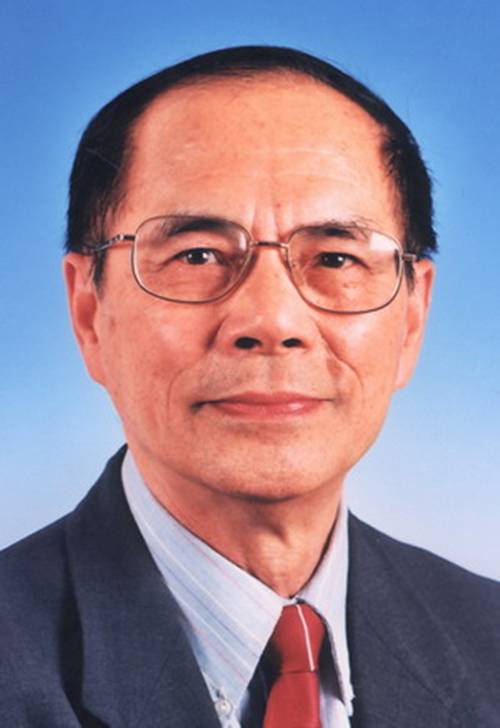 Jisheng Han (韩济生)合作论文数School of Basic Medical Sciences, Peking University;Neuroscience Research Institute, Peking University;Gannan Medical University7Tao Xue合作论文数6Guofan Qin合作论文数6
 Chun-Lei Han合作论文数Departments of1Neurosurgery and.5
 Shu Wang (王澍)合作论文数Department of Neurosurgery, Beijing Tiantan Hospital, Capital Medical University5
 Kai Zhang (张凯)合作论文数Beijing Tiantan Hospital, Capital Medical University5Hong Wang合作论文数4Delong Wu合作论文数4Yu-ru DONG (董玉茹)合作论文数4Yue Dong (董悦)合作论文数4HuiMin Wang (王慧敏)合作论文数4
 Jue Zhang (张珏)合作论文数College of Engineering, Peking University;Academy for Advanced Interdisciplinery Studies, Peking University4
 Jing Fang (方竞)合作论文数College of Engineering, Peking University;Academy for Advanced Interdisciplinary Studies, Peking University4
 Andrea A Kuhn合作论文数3Dong-Mei Gao合作论文数3Tianqi Hu合作论文数3Moxuan Zhang合作论文数3Junkai Wang合作论文数3Chong Qi合作论文数3JunJu Li (李俊驹)合作论文数3Feng Tao合作论文数3




