Background: Thrombocytopenia is one of the common serious complications among complicated intra-abdominal infection (cIAI) patients. Maximum amplitude (MA), a thromboelastography parameter, represents fibrinogen levels, platelet count, and platelet function. Our study aimed to elucidate the association between decreased MA and mortality among cIAI patients with thrombocytopenia. Methods: cIAI patients with thrombocytopenia were enrolled-in. Clinical data and various laboratory values were collected. Uni-variable analysis and multi-variable logistic regression were used to evaluate the correlation between decreased MA and mortality. The area under the curve (AUC) was calculated to evaluate the predictive performance. Results: A total of 58 cIAI patients with thrombocytopenia were included. According to the uni-variable analysis, decreased MA was significantly associated with patient mortality (odds ratio [OR]: 15.41, 95% confidence interval [CI]: 4.03-58.91; p < 0.001). In the multi-variable analysis model 1, which was adjusted for age and gender, decreased MA remained significantly associated with increased patient mortality (OR: 10.96, 95% CI: 2.44-49.20; p = 0.002). After adjusting for age, gender, platelet count, acute physiology and chronic health evaluation II score, and sequential organ failure assessment score (model 2), decreased MA was also a risk factor for patient mortality (OR: 12.66, 95% CI: 1.81-88.78; p = 0.011). MA levels were significantly lower in non-survivors than in survivors (all p < 0.05). The AUC of MA for predicting mortality was 0.72 (95% CI: 0.58-0.87; p = 0.0036). Conclusion: Decreased MA may be a potential parameter to help predict the likelihood of mortality in cIAI patients with thrombocytopenia.
Studies focusing on surgical recurrence of Crohn’s disease (CD) after ileocecal resection (ICR) are limited. This study aimed to identify the risk factors for long-term CD surgical recurrence following ICR. We retrospectively analyzed 504 patients who underwent ICR for CD between July 2016 and September 2020. The primary outcome was surgical recurrence, and anastomotic recurrence was also evaluated. Survival and associations between clinical factors and outcomes were investigated using Kaplan-Meier analyses and Cox proportional hazards models. We observed 76 surgical recurrences with a median follow-up of 75 (67–84 months). The surgical recurrence rate was significantly lower in patients who received prophylactic biologic therapy (P < 0.001). Preoperative anti-TNF exposure (HR, 1.659; 95
STUDY QUESTION:How can rare spermatozoa be identified efficiently during microsurgical testicular sperm extraction (micro-TESE)? SUMMARY ANSWER:An artificial intelligence (AI)-assisted system was developed to flag candidate rare spermatozoa in real time during micro-TESE, and it may support embryologists as a decision-support tool. WHAT IS KNOWN ALREADY:Patients with non-obstructive azoospermia (NOA) can obtain sperm for procreation through micro-TESE. During this procedure, sperm retrieval primarily relies on embryologists or laboratory technicians visually searching for sperm under a microscope, which is not only laborious and inherently subjective but also susceptible to errors. Although AI technology has been applied to identify trace amounts of sperm, existing models lack sufficient efficiency and true real-time performance. STUDY DESIGN SIZE DURATION:This study included model development followed by a single-centre clinical evaluation. An improved YOLO (You Only Look Once)-based rare sperm detection model, termed YOLOv11-RSD, was developed using microscopy data from 1165 surgical patients, comprising 1932 image samples containing a total of 5032 annotated sperm objects with confirmed identification. Clinical evaluation was performed between May 2024 and July 2025. Performance was assessed across confidence thresholds in obstructive azoospermia (OA) patients with normal spermatogenesis, and the system was then applied during micro-TESE in NOA patients and compared with routine embryologist assessment. PARTICIPANTS/MATERIALS SETTING METHODS:The model was developed using testicular sperm microscopy images collected at a single hospital. Real-time clinical feasibility was evaluated in 10 OA cases and 30 NOA cases. Embryologist assessment was used as the reference standard, and performance was assessed using PPV, sensitivity, F1-score, and 95% confidence intervals. Discordant AI-assisted detections were reviewed by embryologists in real time. MAIN RESULTS AND THE ROLE OF CHANCE:YOLOv11-RSD achieved real-time detection of candidate spermatozoa in microscopy images with high sensitivity and acceptable PPV under the selected operating threshold. Compared with baseline YOLOv11, YOLOv11-RSD showed improved overall detection performance across representative evaluation settings. In OA cases, the system achieved high sensitivity for sperm detection, reaching up to 96.7% across evaluated thresholds. During micro-TESE in NOA patients, at a confidence threshold of 0.50, positive predictive value (PPV), sensitivity, and F1-score were 80.58%, 96.11%, and 87.66%, respectively. The system highlighted candidate spermatozoa that were not identified during the initial manual assessment in six NOA cases, including two cases initially classified as sperm-negative; these findings were confirmed upon immediate re-review. Follow-up reproductive outcomes were available for six cases in which AI-assisted detection contributed to the search-and-confirmation workflow: embryo cleavage was achieved in all six cases, and three cases ultimately resulted in live births. Notably, among the two cases initially classified as sperm-negative, one case resulted in a singleton live birth. LARGE SCALE DATA:N/A. LIMITATIONS REASONS FOR CAUTION:This was a single-centre clinical evaluation with a limited clinical cohort. Although model inference was rapid, procedure-level efficiency was constrained by image acquisition and scanning logistics, and no definitive reduction in total procedure time was demonstrated. External multi-centre validation is required. WIDER IMPLICATIONS OF THE FINDINGS:AI-assisted sperm detection may support embryologists during micro-TESE by flagging candidate rare spermatozoa for rapid review. Further prospective multi-centre validation is required to determine whether this approach improves procedure-level efficiency or clinical outcomes. FUNDING:This work was supported by grants from National Natural Science Foundation of China (82301794), Shanghai Science and Technology Innovation Action Plan (24Y12800702), Natural Science Foundation of Shanghai (25ZR1401300), National Key Research and Development Program of China (2022YFC270300), China Jiliang University Research Grant (No. H251120), and Shanghai General Hospital Basic and Clinical Collaborative Research Program (JC202612). DISCLOSURES:The authors declare no competing interests.
Non-obstructive azoospermia (NOA) represents the most severe type of male infertility. The linker of nucleoskeleton and cytoskeleton (LINC) complex and the TERB1-TERB2-MAJIN (TTM) telomere-tethering complex are essential for meiotic chromosome dynamics; however, pathogenic variants in these pathways have rarely been characterized in human NOA. In this study, whole-exome sequencing (WES) identified novel bi-allelic variants in genes encoding components of the LINC and TTM complexes in patients with NOA, including compound heterozygous variants in KASH5 (NM_144688.5:c.149-1G>A; NM_144688.5:c.876+1G>A), homozygous variant in TERB1 (NM_001136505:c.1814G>A, p.Arg605Gln), compound heterozygous variants in TERB2 (NM_152448.3:c.39dup, p.Ser14Ter; NM_152448.3:c.522A>G, p.Thr174Thr), and homozygous splice-site variant in MAJIN (NM_001318808.2:c.219+1G>T). Testicular histology and immunofluorescence analyses concordantly demonstrated a shared phenotype of meiotic prophase I arrest and absence of post-meiotic germ cells in these patients. Minigene assays demonstrated that the splice-site variants in KASH5 (c.149-1G>A; c.876+1G>A), TERB2 (c.522A>G), and MAJIN (c.219+1G>T) induced aberrant exon-skipping events. The frameshift variant in TERB2 (c.39dup) resulted in complete loss of protein expression, whereas the missense variant of TERB1 (c.1814G>A) led to markedly reduced protein levels and disruption of the TRF1-binding domain via in silico structural modeling. Collectively, this study demonstrated that novel variants in LINC and TTM complexes of meiotic chromosome dynamics are associated with meiotic arrest and NOA, which expanded the mutational spectrum of LINC- and TTM-related genes and deepen our knowledge of the role of LINC- and TTM-complex in male fertility.
Background: Anorectal stricture is a challenging complication of Crohn’s disease (CD). Endoscopic needle-knife stricturotomy (NKSt) has emerged as a minimally invasive treatment option, but its long-term outcomes and factors influencing recurrence remain underexplored. Objectives: This study aimed to prospectively evaluate the long-term efficacy, safety, and risk factors for recurrence after NKSt for primary high-grade anorectal strictures in CD. Design: Single-center prospective cohort study. Methods: Between October 2020 and September 2023, 54 consecutive CD patients with primary high-grade anorectal strictures undergoing NKSt were enrolled. The primary endpoint was stricture recurrence requiring re-intervention. Risk factors were analyzed using univariable and multivariable Cox proportional hazards regression. Recurrence-free survival was estimated with the Kaplan-Meier method. A restricted cubic spline model within the Cox framework was employed to explore the nonlinear relationship between stricture length and recurrence. Results: The median follow-up was 24 months (interquartile range (IQR): 6–43). Immediate technical success was achieved in all patients (100%), and 38 patients (70.4%) reported symptomatic improvement at 3 months. Recurrence occurred in 20 patients (37.0%). Multivariable analysis identified stricture length (hazard ratio (HR) 1.184 per cm increase, 95% confidence interval (CI): 1.015–1.380; p = 0.032), the presence of an ostomy (HR 3.901, 95% CI: 1.406–10.823; p = 0.009), and concurrent biologic therapy (HR 0.177, 95% CI: 0.057–0.546; p = 0.003) as independent predictors of recurrence. In univariable analysis, NKSt combined with bleomycin injection was associated with a lower recurrence risk compared to NKSt alone ( p = 0.027). Conclusion: NKSt is an effective and safe treatment for primary high-grade anorectal strictures in CD, although recurrence is common. Stricture length, ostomy status, and the use of biologic agents are independent predictors of recurrence, while concomitant bleomycin injection may reduce recurrence risk. These findings can inform individualized treatment strategies and highlight the need for validation in larger, multicenter trials.
Uniform testicular maturation arrest is a severe form of male infertility characterized by the presence of germ cells that do not complete spermatogenic development. It is usually caused by meiotic arrest with genetic variants and is difficult to treat via drugs or surgery. mRNA-lipid nanoparticle (LNP) delivery is a promising therapeutic option for maturation arrest with monogenic variants via protein replacement therapy. Herein, a spermatocytes-tropic LNP (Pool1-LNP3) was identified via a library of 30 ionizable lipids screening. And in vivo delivery of this novel LNP composition using rete testis microinjection was shown to be high spermatocytes targeting with high transfection efficiency. Thereafter, it was revealed that in vivo delivery of Pool1-LNP3 encapsulating Msh5 mRNA could promote crossover formation and restore spermatogenesis in Msh5D486Y/D486Y mouse models with DNA double-strand break (DSB) recombination defects. Notably, the offspring without genomic integration was born using intracytoplasmic sperm injection (ICSI) derived from the rescue of Msh5D486Y/D486Y mouse and embryo transfer. In addition, it was demonstrated that Maps mRNA-LNP3 recovered spermatogenesis in Maps KO mouse with meiotic arrest. Altogether, these findings suggested that this spermatocyte-tropic mRNA-LNP delivery could become a viable and applicable strategy for the treatment of spermatogenic disorders with genetic defects, providing a foundation for future clinical application.
During meiosis, ZMM proteins play essential roles in stabilizing the recombination intermediates and promoting crossover (CO) formation. In mice, shortage in chiasmata 1 (SHOC1) forms a trimeric complex with the other two ZMM proteins, SPO16 and TEX11, to bind recombination intermediates after strand invasion. Although genetic variants of SHOC1 are clinically associated with male infertility, their conserved functions in human gametogenesis remain enigmatic. Here, we delineated species-specific divergences between human and mouse SHOC1 complex and identified a missense variant within the XPF-like domain in SHOC1 (p.Q590R). This variant impaired DNA double-strand breaks repair by compromising its ability to bind branched DNA structures and the recruitment of crucial proteins to recombination intermediates, ultimately abolishing CO formation. Furthermore, the variant disrupted dynamic chromatin structure in pachytene spermatocytes and induced synapsis defects. Importantly, the XPF-like domain in SHOC1 was revealed to prevent autosome intrusion into the sex body compartment, thereby protecting critical autosomal loci from meiotic silencing of unsynapsed chromatin (MSUC). Overall, our study underscores the critical role of the XPF-like domain in human SHOC1 in CO formation and in protecting autosomes from MSUC.
Metabolic dysfunction-associated steatotic liver disease (MASLD) is the most prevalent chronic liver disease worldwide with limited effective clinical treatments. Previous high-throughput drug screening identified Curcusone D as a promising candidate for MASLD treatment. This study aimed to validate its therapeutic effects and underlying molecular mechanism. In vivo efficacy was evaluated in high-fat and high-cholesterol (HFHC) diet-fed mice, while in vitro hepatocyte models were used for mechanistic verification. The results demonstrated that Curcusone D significantly improved liver function, reduced serum pro-inflammatory cytokines, and suppressed hepatic inflammation and fibrosis in MASLD mice. It also markedly reversed excessive lipid accumulation and inhibited inflammatory responses in hepatocytes. Mechanistically, Curcusone D specifically activated the adenosine monophosphate-activated protein kinase (AMPK) signaling pathway. Pharmacological inhibition of AMPK fully abolished the protective effects of Curcusone D against HFHC-induced hepatic steatosis, insulin resistance, inflammation and fibrosis. In conclusion, Curcusone D ameliorates MASLD progression via AMPK pathway activation, serving as a novel and druggable natural candidate for future MASLD clinical therapy.
Gastrointestinal wall defects (e.g., perforations and leaks) present significant clinical challenges due to high rates of leakage, infection, and postoperative tissue adhesions. Current synthetic patches lack biocompatibility, leading to chronic inflammation, poor tissue integration, and postoperative tissue adhesion. To overcome these issues, this study introduces a multifunctional tissue-engineered gastrointestinal patch (TEGIP) that combines an extracellular matrix (ECM)-derived biomaterials with a wet-adhesive system and an anti-adhesion layer. The tri-layer TEGIP, designed for rapid modular assembly using off-the-shelf components, comprises an acellular dermal matrix (ADM) for mechanical support and tissue repair; a photo-crosslinkable methacrylated hyaluronic acid (HAMA) hydrogel layer to minimize peritoneal attachments; and a polyethyleneimine/polyacrylic acid (PEI/PAA) powder-based adhesive for rapid wet bonding. The structural integrity of tri-layer TEGIP is maintained through physical interlocking and interfacial interpenetration without the need for additional chemical crosslinking. In vitro evaluations confirmed robust mechanical durability (11.6 ± 2.0 MPa), effective reduction of cell adhesion by the HAMA layer, and PEI/PAA bonding strength comparable to fibrin glue, and high burst pressures (155 ± 22 mmHg) when sealing a 10-mm perforation. In a rat acute gastric perforation model, the TEGIP effectively sealed defects and significantly reduced postoperative adhesions. Moreover, TEGIP potentially facilitated tissue repair by guiding M2 macrophage polarization and mitigating excessive collagen deposition at repair stie. Additionally, no adverse hepato-renal toxicity was observed, ensuring sustained biocompatibility. These findings position the TEGIP as a promising sutureless solution for gastrointestinal defect sealing, offering robust sealing, enhanced biocompatibility, and reduced adhesion-related complications. STATEMENT OF SIGNIFICANCE: Tri-layered tissue-engineered gastrointestinal patch (TEGIP) was developed as a multifunctional sealant for gastrointestinal defect repair, comprising a middle layer of acellular dermal matrix for mechanical strength, an anti-adhesion layer of photo-crosslinkable methacrylated hyaluronic acid hydrogel to minimize postoperative adhesions, and an adhesive layer of polyethyleneimine/polyacrylic acid (PEI/PAA) hydrogel for robust wet adhesion. The PEI/PAA powder, applied directly to the TEGIP, forms a physical crosslink by absorbing tissue moisture, ensuring secure adhesion.
Objective To explore the current status and influencing factors of opportunistic infections in Crohn disease.Methods Data on demographic characteristics,disease features,treatment regimens and laboratory results of 369 patients with Crohn disease admitted to a tertiary grade A hospital in Shanghai from January 2020 to August 2024 were retrospectively collected.Univariate analysis and multivariate Logistic regression were employed to identify the influencing factors of opportunistic infections in Crohn disease.Results The incidence of opportunistic infections in patients with Crohn disease was 32.25%.Specifically,the incidence rates of viral infections,bacterial infections,and multiple infections were 16%,12.2%,and 3.8%,respectively.Multivariate Logistic regression analysis showed that low disease activity[odds ratio(OR)=3.22,95%CI:1.18-8.81,P=0.023],moderate disease activity(OR=7.16,95%CI:1.88-27.31,P=0.004),albumin<30 g/L(OR=4.99,95%CI:2.04-12.18,P<0.001),and C-reactive protein>10 mg/L(OR=3.70,95%CI:1.27-10.78,P=0.016)were independent risk factors for Crohn disease complicated with Epstein-Barr virus infection.A Charlson comorbidity index score of 1(OR=5.01,95%CI:1.51-16.60,P=0.008),albumin<30 g/L(OR=3.45,95%CI:1.23-9.72,P=0.019),and C-reactive protein>10 mg/L(OR=13.06,95%CI:2.46-69.40,P=0.003)were independent risk factors for Crohn disease complicated with latent mycobacterium tuberculosis infection.C-reactive protein>10 mg/L(OR=20.41,95%CI:2.13-195.52,P=0.009)was an independent risk factor for Crohn disease complicated with multiple infections.Conclusions Disease activity,co-existing chronic diseases,hypoalbuminemia,and elevated C-reactive protein levels are predictive factors for opportunistic infections in patients with Crohn disease.Active prevention as well as early diagnosis and treatment should be implemented for these patients at risk.
During meiosis, a group of evolutionarily conserved ZMM proteins plays essential roles in stabilizing the recombination intermediates and promoting crossover (CO) formation. In mice, SHOC1 forms a trimeric complex with the other two ZMM proteins, SPO16 and TEX11, to bind recombination intermediates after strand invasion. Although genetic variants of SHOC1 are clinically associated with meiotic arrest and male infertility, their precise molecular mechanisms and evolutionarily conserved functions in human gametogenesis remain enigmatic. Here, we delineated species-specific divergences between human and mouse SHOC1 complex, and identified a missense variant within the XPF-like domain in SHOC1 (c.A1769G:p.Q590R) that was associated with meiotic arrest and non-obstructive azoospermia (NOA). The disorder of the XPF-like domain in SHOC1 impaired DNA double-strand breaks repair by compromising its ability to bind branched DNA structures and the recruitment of M1AP, REDIC1, and ZMM factors to recombination intermediates, ultimately abolishing CO formation. Furthermore, the variant disrupted dynamic 3D chromatin structure in pachytene spermatocytes and induced defects in homologous chromosome synapsis. More importantly, the XPF-like domain in SHOC1 was revealed to prevent autosome intrusion into the sex body compartment, thereby safeguarding critical autosomal loci from meiotic silencing of unsynapsed chromatin (MSUC). Overall, our study demonstrated that the XPF-like domain in SHOC1 is required for homologous recombination and safeguarding autosome from MSUC in meiosis. ### Competing Interest Statement The authors have declared no competing interest. National Key Research and Development Program of China, 2022YFC2702701, 2022YFC2703000 National Natural Science Foundation of China, 82401869, 82371616, 82371607, 82171590, 82401868 Inner Mongolia Academy of Medical Sciences Public Hospital Joint Science and Technology Project, 2023GLLH0045 Scientific Research Startup Funding for High-Level Talents of Taizhou School of Clinical Medicine Fujian Provincial Natural Science Foundation of China, 2023J05271 Scientific Research Startup Funding for High-Level Talents of Taizhou School of Clinical Medicine, TZKY2023RC01
Non-obstructive azoospermia (NOA) represents the severe form of male infertility, affecting approximately 1% of men during their reproductive years. It is marked by the absence of sperm production caused by testicular dysfunction and has many genetic origins. However, the genetic factors underlying most NOA cases are still unclear. Meiosis, a crucial process ensuring accurate chromosome segregation and generating genetic diversity in gametes, is susceptible to genetic disruptions that may result in NOA. In this study, whole exome sequencing (WES) was conducted on 969 NOA patients, identifying six compound heterozygous KCTD19 variants in three Chinese pedigrees. KCTD19 has been demonstrated to interact with ZFP541 and HDAC1, thereby participating in the modulation of chromatin remodeling and transcriptional programs during meiosis in mice. Herein, our findings expand the phenotypic and mutational spectrum of KCTD19 in male infertility and provide further insights into its role during meiosis. This research underscores the importance of KCTD19 in meiotic progression and male fertility, highlighting the need for further investigation into the molecular mechanisms underlying gametogenic failure in NOA.
BackgroundCutaneous myiasis, one of the most frequently diagnosed myiasis types, is defined as skin or soft tissue on a living host infested by dipterous larvae (maggots). However, bibliometric analysis of this disease remains sparse. Machine learning techniques and updated publications provide an opportunity for such an investigation.Materials and methodsAll the studies were retrieved from PubMed and were processed using R software in the bibliometric analysis and latent Dirichlet allocation (LDA) topic modeling. Furthermore, the clinical management of two diabetes patients with serious soft tissue infection-associated sepsis was analyzed.ResultsA total of 211 results were retrieved and 50 topics relevant to cutaneous myiasis were determined by the LDA algorithm. The topics of uncommon fly species, nasal infestation, and physician discussion of cutaneous myiasis were consistently common over the last 20 years. Case report remains one of the key features in myiasis. Four major clusters were identified, i.e., case report related, disease type and development, travel in the tropics, and skin disease. To further delve into clinical practice, the clinical features of two patients with soft tissue infection-related sepsis were demonstrated, and a distinct beneficial role of myiasis was found. The levels of white blood cell, blood glucose, and C-reactive protein in the case with cutaneous myiasis were more stable than the other case without cutaneous myiasis but with sepsis shock.ConclusionMaggot debridement therapy may be a promising treatment and beneficial for soft tissue infection-related sepsis. The model analysis of maggot therapy and its clinical advantages shows increasing research value and possible application in future clinical practice.
Objectives: To identify transfusion thresholds and risk factors for acute kidney injury (AKI) in gastrointestinal oncology surgery, enhancing early intervention and improving postoperative outcomes. Methods: From 2018 to 2022, 765 patients with gastric or colorectal cancer who underwent major gastrointestinal surgery were retrospectively enrolled. The primary outcome was AKI development within 7 days postoperatively. Clinicopathological characteristics and short-term outcomes were recorded and compared. Results: Of all enrolled patients, 39 (5.1%) developed AKI. Patients with AKI were predominantly older and had more preoperative comorbidities, lower levels of preoperative hemoglobin and serum albumin, but higher levels of blood urea nitrogen and serum creatinine (SCr). Patients developing AKI experienced higher rates of in-hospital complications (overall: 48.3% vs. 14.2%, p < 0.001), prolonged hospital stays (25.4 ± 22.5 days vs. 12.3 ± 7.9 days, p < 0.001), increased intensive care unit (ICU) admissions (53.8% vs. 22.5%, p < 0.001), and higher rates of 30-day re-admission (13.9% vs. 2.4%, p = 0.003). Significant AKI risk factors included age (per 10 years, OR: 1.567, 95% CI: 1.103-2.423, p = 0.043), preoperative SCr (per 10 μmol/L, OR: 1.173, 95% CI: 1.044-1.319, p = 0.007), intraoperative RBC transfusion (per 1000 mL, OR: 1.992, 95% CI: 1.311-3.027, p = 0.001 with a significant surge in AKI risk at transfusions exceeding 1500 mL), patient-controlled analgesia (protective, OR:0.338, 95% CI: 0.163-0.928, p = 0.033), and diuretic use (OR: 5.495, 95% CI: 1.720-17.557, p = 0.004). Conclusions: Early intervention is essential for patients with preoperative low perfusion or anemia, with particular emphasis on moderating interventions to avoid fluid overload while carefully avoiding nephrotoxic medications, thereby improving postoperative outcomes.
Testicular somatic cells play an important role in supporting spermatogenesis. Leydig cells (LCs) and peritubular myoid cells (PTMs) originate from a common progenitor population and show similar expression signatures in adulthood, making it difficult to distinguish and isolate the two in vitro. In this study, new surface markers for identifying adult LCs (ALCs) and PTMs were discovered by reanalyzing testicular single-cell dataset. Differential expressions of ITGA9 and NGFR were confirmed through immunofluorescence staining of human testes. A novel Fluorescence activated Cell Sorting (FACS) protocol is established for the isolation of ALCs and PTMs based on the two markers. Long-term culture of both cells were performed and their characteristics were characterized and explored. ITGA9+ /NGFR + cells were positive for markers of PTMs (SMA, CNN1) and negative for markers of ALCs (HSD3B, STAR), and were able to form tubular and spheroid structures in vitro. In contrast, ITGA9-/NGFR + cells were positive for ALC markers and negative for PTM markers, and showed a capacity of testosterone production in vitro. Also, both cells were negative for Sertoli cell marker SOX9. When the two cells were cultured, they can expand for more than 15 passages. Our study established a novel and efficient method for identifying and isolating human ALCs and PTMs, which provides a great potential for researches of the two cell types in human.
Background:Massive postoperative gastrointestinal bleeding is a severe postoperative complication of Crohn's disease (CD) with a high mortality rate, and deteriorating patients' recovery. However, there are few related studies, and it lacks effective prevention measures. Therefore, we conducted a multicenter study to explore the risk factors for massive postoperative gastrointestinal bleeding in CD patients. Methods:This study was a multicenter retrospective case-control study. Patients who were diagnosed with CD and underwent gastrointestinal (GI) surgery were enrolled. The control group was matched 1:4 for gender and age. By comparing perioperative medical information between two groups, risk factors were identified through logistic regression analysis. A nomogram was constructed and internal validation was performed by bootstrap resampling. Results:A total of 170 patients were included. Multivariable logistic regression revealed the independent predictors of massive postoperative gastrointestinal bleeding involving the number of previous abdominal surgeries (OR = 2.56, 95% CI = 1.54-4.24), GI bleeding history (OR = 6.17, 95% CI = 1.59-23.97), serum albumin (ALB) (OR = 0.88, 95% CI = 0.81-0.96), and Nutrition Risk Screening 2002 (OR = 1.57, 95% CI = 1.08-2.29). The nomogram achieved an area under the curve (AUC) value of 0.85 (95% CI: 0.76-0.93). In internal validation, the AUC value was 0.976 (95% CI: 0.955-0.997). Calibration curves showed good alignment. DCA demonstrated that the diagnostic model had good clinical efficiency. Conclusion:The risk of massive postoperative gastrointestinal bleeding in CD patients will be increased with a GI bleeding history, more previous abdominal surgeries, higher nutrition risk, and lower ALB level. Our nomogram model is effective and could be a useful tool for prediction.
Background:Previous studies have indicated that corporal venous occlusive dysfunction (CVOD) may be misdiagnosed in some patients with psychogenic erectile dysfunction (ED), as the observed venous leakage could actually reflect cavernous smooth muscle (CSM) relaxation failure due to sympathetic overactivity. Misdiagnosed CVOD can lead to inappropriate treatment decisions, such as unnecessary penile venous surgery or reliance solely on phosphodiesterase type 5 inhibitors (PDE5i), overlooking the need for psychogenic interventions. Therefore, it is important to identify the misdiagnosis of CVOD. Corpus cavernosum electromyography (CC-EMG) offers unique insights into the autonomic and myogenic integrity of CSM. This retrospective analysis aimed to evaluate the clinical value of spontaneous cavernous activity (SCA) assessment in identifying misdiagnosed CVOD in psychogenic ED. Methods:The study enrolled 168 ED patients who underwent comprehensive evaluation using color duplex Doppler ultrasound (CDDU) and CC-EMG-based SCA assessment (amplitude and duration). Psychogenic ED was confirmed through nocturnal penile tumescence and rigidity (NPTR) monitoring. CVOD patients identified by CDDU were stratified into two subgroups based on NPTR results: psychogenic ED group (misdiagnosed CVOD) and organic ED group (actual CVOD). Results:The cohort comprised 69 cases (41.1%) of non-vascular ED (NVED), 67 cases (39.9%) of CVOD, 15 cases (8.9%) of arterial ED (AED), and 17 cases (10.1%) of mixed ED (MED). Among CVOD patients, 30 cases were classified as misdiagnosed CVOD and 37 as actual CVOD. Comparative analysis demonstrated that the SCA parameters were significantly higher in the misdiagnosed CVOD group compared to those of the actual CVOD group, with notable differences in amplitude (305.65±196.79 vs. 172.07±86.36 µV, P=0.002) and duration (3.31±1.94 vs. 2.36±1.26 s, P=0.046). Receiver operating characteristic (ROC) curve analysis demonstrated an area under the curve (AUC) of 0.666 [P=0.02, 95% confidence interval (CI): 0.503-0.830] for SCA amplitude, with an optimal cutoff of 357.50 µV yielding 94.7% specificity and 55.0% sensitivity, indicating its potential predictive value for identifying misdiagnosed CVOD in psychogenic ED. Conclusions:The findings suggested that elevated SCA may contribute to CVOD development in psychogenic ED through impaired CSM relaxation due to sympathetic overactivity. SCA assessment might be a useful diagnostic tool for identifying misdiagnosed CVOD in psychogenic ED. However, given the modest AUC, along with high specificity but low sensitivity of SCA parameters for diagnosing misdiagnosed CVOD, further research is needed to identify additional clinical parameters with better predictive performance.
Nonobstructive azoospermia (NOA), one of the most severe types of male infertility, etiology often remains unclear in most cases. Therefore, this study aimed to detect four biallelic detrimental variants (0.5%) in the minichromosome maintenance domain containing 2 (MCMDC2) genes in 768 NOA patients by whole-exome sequencing (WES). Hematoxylin and eosin (H&E) demonstrated that MCMDC2 deleterious variants caused meiotic arrest in three patients (c.1360G>T, c.1956G>T, and c.685C>T) and hypospermatogenesis in one patient (c.94G>T), as further confirmed through immunofluorescence (IF) staining. The single-cell RNA sequencing data indicated that MCMDC2 was substantially expressed during spermatogenesis. The variants were confirmed as deleterious and responsible for patient infertility through bioinformatics and in vitro experimental analyses. The results revealed four MCMDC2 variants related to NOA, which contributes to the current perception of the function of MCMDC2 in male fertility and presents new perspectives on the genetic etiology of NOA.
Background This study aims to investigate the changing trends in the penile prothesis implantation(PPI) of male with refractory erectile dysfunction(ED) in China. Method We retrospectively reviewed medical records from January 2019 to October 2023 to identify men who had undergone PPI in China. We also retrospectively reviewed medical records of PPI we had undergone during that time at Shanghai General Hospital. Results The overall trajectory of PPI surgeries exhibits an upward trend in China. Concurrently, the expertise in this surgical technique is currently limited to a minority of surgeons. A total of 112 patients were included in the study. Median age was 39[27–63] years, median International Index of Erectile Function-5 score (IIEF-5) significantly improved from 10.23 ± 1.26 to 22.6 ± 2.73. The causes of severe ED were: vasculogenic tower (n = 58, 51.8%), diabetes (n = 21,18.8%) and pelvic/spinal cord injury (n = 14, 12.5%). Overall satisfaction rate for the PPI surgery was 93.0% for men and 90.4% for their partners. The 3-year PPI survival rate was 87%. Conclusion The prevalence of PPI has witnessed a steady increase since 2019 in China, indicating a growing acceptance and endorsement of this surgical intervention among both patients and andrological practitioners for the treatment of severe ED. PPI is a safe and effective treatment option for Chinese patients with refractory ED and experienced surgeon perform PPI according to standard PPI procedure could reduce the complications and improve sexual satisfaction of patients and sexual partners .
Background Vasoepididymostomy (VE) is an important surgical treatment to achieve natural conception for patients with obstructive azoospermia (OA), and only unilateral VE can be performed under certain conditions, such as OA patients with congenital unilateral absence of the vas deferens (CUAVD) and some acquired OA. There is a lack of relevant reports assessing the clinical outcomes of unilateral VE in OA patients with different causes. This study is aimed to describe the clinical features and evaluate treatments and outcomes of unilateral single-armed VE in OA patients. Methods From December 2015 to June 2021, 46 OA patients (including 13 CUAVD-associated OA and 33 acquired OA) underwent unilateral single-armed VE in Shanghai General Hospital (Shanghai, China). Patient information, semen analysis, hormone profiles, and treatment information were collected, and the clinical outcomes were evaluated. Results Obstruction in distal of unilateral vas deferens (16/46) was the most common cause for OA patients underwent unilateral VE, and CUAVD accounts for 28.4% (13/46). The overall patency rate was 50.0% (23/46), with 38.5% (5/13) for the CUAVD group and 54.5% (18/33) for the acquired group (p > 0.05). The natural pregnancy rates in CUAVD group and acquired group were 20.0% and 33.3%, respectively (p > 0.05). Conclusions These findings suggest unilateral single-armed VE can achieve high patency and pregnancy rates in OA patients, whether for CUAVD or acquired OA patients.
 Zhi Erlei合作论文数59
 Zheng Li (李铮)合作论文数Department of Urology and Androlgoy, Renji Hospital, School of Medicine, Shanghai Jiao Tong University;Shanghai General Hospital59
 Chencheng Yao合作论文数School of Medicine, Shanghai Jiao Tong University52Peng Li (李朋)合作论文数39Huixing Chen合作论文数38Ruhui Tian (田汝辉)合作论文数37
 Liangyu Zhao合作论文数<institution>Department of Andrology, the Center for Men’s Health, Urologic Medical Center, Shanghai Key Laboratory of Reproductive Medicine, Shanghai General Hospital, Shanghai Jiao Tong University School of Medicine</institution>, Shanghai 200080, <country>China</country>26
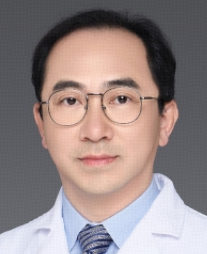 Fujun Zhao (赵福军)合作论文数Shanghai General Hospital20
 Yousheng Li (李幼生)合作论文数Shanghai Ninth People's Hospital, School of Medicine, Shanghai Jiao Tong University;Nanjing University;People's Liberation Army Second Military Medical University19Jingpeng Zhao合作论文数17Haowei Bai合作论文数15Zhi-Yong Ji合作论文数14Danhua Yao合作论文数14
 Zhi Zhou (周智)合作论文数School of Life Science and Technology, ShanghaiTech University13Nachuan Liu合作论文数School of Medicine, Shanghai Jiaotong University11Yuxiang Zhang合作论文数11Hui-Rong Chen合作论文数10Shuai Xu合作论文数9JiaQiang Luo合作论文数<institution>Department of Andrology, the Center for Men’s Health, Urologic Medical Center, Shanghai Key Laboratory of Reproductive Medicine, Shanghai General Hospital, Shanghai Jiao Tong University School of Medicine</institution>, Shanghai 200080, <country>China</country>9
 Shujie Xia (夏术阶)合作论文数Clinical Medical Center for Urology, Shanghai General Hospital;Institute of Urology, Shanghai Jiao Tong University9Chenwang Zhang合作论文数8Zijue Zhu (朱子珏)合作论文数8Ningjing Ou合作论文数7
 Feilong Guo合作论文数7Jian-Xiong Zhang合作论文数7Hong-fang SUN (孙红芳)合作论文数7Chao Yang合作论文数6Zhiyuan Zhou合作论文数6YiSun Fan (樊一笋)合作论文数6
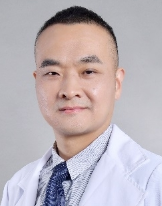 Yuchuan Zhou (周玉传)合作论文数Shanghai Key Laboratory of Embryo Original Diseases, Shanghai Jiao Tong University School of Medicine;International Peace Maternity & Child Health Hospital, Shanghai Jiao Tong University School of Medicine6
 Jing Zhang合作论文数6Chenkun Shi合作论文数5Zhong Wan合作论文数5Junwei Xu合作论文数5Cunzhong Deng (邓存忠)合作论文数4Sha Han合作论文数4Yan Hong (洪艳)合作论文数4Gong Yuehua合作论文数4
 Zuping He (何祖平)合作论文数Hunan Normal University School of Medicine4
 Jieshou Li (黎介寿)合作论文数Medicine School of Nanjing University4Pengfei Wang合作论文数4Jian-Jun Dong合作论文数3Aoxue Chen合作论文数3Lei Zheng合作论文数3Tao TIAN (田涛)合作论文数3Shiwei Liu合作论文数3




