N-Phenyloxycarbonyl-amino acids (NPCs) are promising monomers to synthesize both polypeptides and polypeptoids exhibiting great tolerance for nucleophiles. However, the polymerization mechanism of NPCs remains unclear since it is hard to distinguish intermediates including N-carboxyanhydrides (NCA) from byproducts of direct polycondensation. In this contribution, the polycondensation pathway is disproved by the impossible polymerization of alanine dimer NPC. Isocyanate acid (ICA) has been captured as an intermediate of NPC polymerization. In an attempt to monitor the polymerization of 15N-labeled leucine-NPC by 15N NMR for the first time, reactive species including ICA are identified and traced. A kinetic model is established based on the 15N NMR data and validated by Monte Carlo simulation. Two possible polymerization pathways are evidenced by a density functional theory (DFT) calculation. The ICA-meditated NCA ring-closing pathway is preferred over the direct NCA ring-closing pathway for lower Gibbs energy barriers. A direct ring-closing path is feasible only for Sar-NPC, which explains its low polymerization reactivity.
The development of advanced epoxy resin (EP) composites that simultaneously integrate mechanical toughness, flame retardancy, and early fire-warning functionality represents a challenge for safety-critical engineering applications. To overcome these limitations, this study designed a multifunctional EP/HMN-MXene system through the incorporation of phosphorus-nitrogen (P-N) co-modified MXene (HMN-MXene) into EP matrix. This innovative material was fabricated by first synthesizing a water-soluble P-N compound (HMN) via nucleophilic substitution reaction, subsequently grafting it onto hydroxylated Ti3C2Tx MXene, and finally introducing the resulting HMN-MXene into EP precursors to yield a composite exhibiting a remarkable negative temperature coefficient (NTC) effect, significantly enhanced toughness, and exceptional flame retardancy. The EP/HMN-MXene system demonstrates three distinct advantages: the synergistic combination of phosphorus-nitrogen-rich HMN with MXene's catalytic charring effect improves both thermal stability and flame retardancy, the unique wrinkled morphology of HMN-MXene effectively deflects crack propagation, resulting in toughness improvement compared to pure EP, and the intrinsic NTC effect of MXene enables rapid resistance response to temperature at 100 degrees C (similar to 1.25 s) and direct flame exposure for fire-warning activation. Furthermore, the system exhibits excellent ambient-temperature curing behavior, achieving rapid gelation within approximately 20 min. These combined functionalities position EP/HMN-MXene as a promising candidate for demanding safety-critical applications requiring multifunctional performance.
Currently, developing environmentally friendly materials with fire warning capabilities is an attractive topic in the field of flame retardant. This study uses the biomass-derived material polylactic acid (PLA) as a matrix, and hydroxyapatite (HA) and phytic acid (PA) as flame retardants, to prepare a fully biomass aerogel (P-HA-PA) with excellent flame retardancy and thermal insulation properties. The limiting oxygen index (LOI) of the P-HA-PA aerogel is 38.9 %, which meets the vertical burning test (UL-94) V-0 rating and has good insulation and drip resistance. Compared to pure PLA aerogel, the total heat release (THR) of P-HA-PA is reduced by 60 %, and the total smoke production (TSP) is reduced by about 70 %. Additionally, the aerogel exhibits an ultra-long fire response time upon contact with flames. The composite aerogel prepared in this study shows great potential application value in fire protection and early warning
The hydrocyclone is a critical component in oilfield water treatment engineering and is highly valued in the petroleum industry. However, the challenge of separating small-sized oil droplets limits its widespread adoption and application. To enhance the separation accuracy of hydrocyclones and improve the performance in separating small-sized oil droplets, an equal-diameter hydrocyclone coalescer has been designed. This design is based on the principles of cyclone separation and droplet collision coalescence, with the aim of improving the hydrocyclone's separation efficiency. The average diameter of oil droplet Dm and the average pressure loss Delta p at the exit is taken as the evaluation criteria, and the response surface BBD and CCD test design optimization methods are adopted. The multiple regression relationship between the structure parameters of the hydrocyclone coalescer and the two response values was established, and the optimization research of the structure parameters of the hydrocyclone coalescer was carried out. The results show that when L2= 89.241 mm, L3= 195.435 mm, D2= 8.069 mm, and N = 4, the coalescence performance of the hydrocyclone coalescer is optimal. The average diameter of oil droplet at the outlet increases from 599.10 mu m to 632.10 mu m, and the pressure loss at the outlet does not differ significantly from that before optimization. The oil-water separation performance of the hydrocyclone coalescer, both before and after optimization under different operating parameters, was tested using experimental methods. The experimental results demonstrate a significant improvement in the separation performance of the optimized structure. The research results can provide support and reference for the application of hydrocyclone in oilfield wastewater treatment processes.
With the increasing constraints on urban development spaces and the rapid rise in traffic flow, there is a growing demand for urban overpasses and elevated bridges that utilize less land while exhibiting superior performance. Laminated polyurethane seismic isolation bearings (LPEB) have been widely adopted due to its high load bearing capacity. However, the isocyanate (NCO) content of polyurethane elastomer (PUE) materials has a serious effect on the mechanical properties and fatigue life of LPEB. In this study, PUEs with Shore hardness values exceeding 80 HA were synthesized by varying the NCO content from 8.4 % to 9.2 %, achieving tensile stresses ranging from 22.89 to 52.41 MPa and elongation at break between 358.01 % and 530.71 %. Notably, the PUE demonstrated high vertical stiffness and deformation resistance under 25 MPa compressive stress. Micromechanical analysis revealed that increasing NCO content to 9.2 % enhanced hardness and stiffness but reduced damping properties and low-temperature flexibility, accompanied by an elevated glass transition temperature. Conversely, the load carrying capacity and susceptibility of PUEs with lower NCO content are affected under high stress loading. Therefore, three PUE samples with NCO contents of 8.6 %, 8.8 % and 9.0 % were fabricated into LPEB and tested for mechanical properties. Their seismic effectiveness and fatigue life were further analyzed using numerical simulations in Opensees, Abaqus, and FE-Safe. The result indicated that LPEB with 9.0 % NCO exhibits vertical stiffness, horizontal equivalent stiffness, and damping ratio that are 1.15, 1.23, and 0.88 times higher, respectively, than those of the LPEB8.6 % NCO. Moreover, under identical ground vibration energy, the LPEB-9.0 % NCO reduced deformation displacement by 5.98-31.89 % and extended service life by 33.2-44.1 %. This study provides a reference for the application of LPEB with different NCO.
Structural health monitoring (SHM) plays a vital role in engineering by enhancing the safety and longevity of structures through the use of various sensors. This study presents a flexible polyvinylidene fluoride/carbon black (PVDF/CB) nanofiber sensor for SHM applications. The sensor was fabricated via electrospinning and demonstrated strong piezoelectric performance. Incorporation of CB effectively promoted the transformation of alpha -phase to the piezoelectric beta-phase by 6.1% compared to pure PVDF nanofibers. In addition, the sensitivity of the piezoelectric nanofibers was increased from 0.75 to 2.05 V/N due to the addition of CB. To further enhance SHM accuracy, a multilayer perceptron (MLP) neural network optimized with the adaptive moment estimation (Adam) algorithm was trained using simulated model frequency data. The proposed SHM system integrates the PVDF/CB nanofiber sensors, trained MPL model, and signal processing module for modal frequency extraction. This system enables real-time damage detection while the structure under investigation is subjected to vibration. The system achieved a minimum detection error of 2.15 mm, and a stable detection rate of 95% (relative standard deviation (RSD) = 3.6%). These findings suggest that this flexible PVDF/CB sensor offers promising potential for real-time SHM applications.
Metabolic reprogramming of cancer cells has resulted in a preference for aerobic glycolysis over oxidative phosphorylation, leading to increased energy demand and elevated oxidative stress. Zinc ions and Zn-based nanomaterials show promise in targeting these metabolic changes and enhancing cancer therapies. Zn-based nanomaterials (e.g., ZnO₂, ZnO, ZIF-8, ZnS) disrupt tumor energy metabolism and induce oxidative stress via Zn²⁺ release in the tumor microenvironment, thereby promoting metabolic dysfunction, apoptosis, and focal cell death. These materials can also be integrated into multimodal therapies for synergistic effects, including photodynamic, acoustic, gaseous, and immunotherapy. This review discusses the mechanisms of Zn-based nanomaterials disrupting tumor metabolism and inducing oxidative stress, their applications in cancer therapy, and future directions for development. By systematically summarizing the research progress of Zn-based nanomaterials, we aim to provide new ideas and strategies for cancer therapy.
The durability of rubber materials is a critical factor influencing the long-term service performance of rubber bearings, and blending technology has been scientifically validated as an effective approach to significantly enhance the comprehensive performance characteristics of these materials. Plate rubber bearings are extensively utilized in bridge engineering, where durability issues are particularly prominent, leading to increased lifecycle costs of the bridge. To address this, the present study designed 10 distinct rubber blends by combining natural rubber (NR), known for its superior mechanical properties, with ethylene propylene diene monomer (EPDM) rubber, which exhibits excellent aging resistance. Through systematic testing of tensile strength, elongation, thermal aging resistance, and ozone aging resistance, three formulations-NR, NR/EPDM 8:2, and NR/EPDM 6:4-were selected for further evaluation. These formulations were used to fabricate 6 scaled and 15 full-scale rubber bearings, which subsequently underwent a series of rigorous experimental tests. The results demonstrate that the high-durability plate rubber bearings exhibit a shear modulus change rate less than 10 % after 72 h of accelerated aging at 100 degrees C, and show no cracking after 336 h of exposure to high-concentration ozone (300 pphm). This study highlights the potential of blending technology to develop advanced rubber materials with enhanced performance for critical engineering applications.
Reducing seawater antibiotic pollution while producing hydrogen is a major challenge crucial for environmental protection and easing energy shortages. In this work, an S-scheme heterojunction ZnO@ZnS with a large number of vacancies [including zinc, sulfur, and oxygen vacancies (VZn, VS, VO)] was prepared in situ using metal-ligand coordination polymers as templates. The characterization results demonstrated that ZnS, synthesized using a metal-ligand template agent, progressively develops into a core-shell heterojunction semiconductor wherein it serves as the core with ZnO functioning as the shell, depending on varying calcination temperatures. The experimental data indicate that 550 °C-ZnO@ZnS (which exhibits a higher concentration of VZn and VO) achieves a degradation rate of 60.2% over 5 cycles of OTC degradation under high-salinity conditions. Furthermore, 500 °C-ZnO@ZnS (which exhibits a higher concentration of VZn and VS) demonstrates a hydrogen production capacity from seawater that is 15.98 times greater than that of ZnS and 25.80 times greater than that of ZnO. PL, EPR and UPS data show that the excellent redox performance of ZnO@ZnS lies in the organic coupling of numerous vacancies which are generated during the preparation process with the built-in electric field at the heterojunction. This interaction enhances the recombination and transportation of charge carriers, thereby increasing the photocatalytic efficiency of both electrons and holes.
The incidence of inflammatory bowel disease (IBD) is increasing worldwide and poses a huge economic burden. The disease is difficult to treat and prone to recurrence, which seriously affects the physical and mental health of patients. Several studies have shown that natural polysaccharides have significant advantages in IBD treatment. To improve the therapeutic efficacy and broaden the scope of its application, numerous studies on various polysaccharide derivatives for IBD treatment have been published, showing broad application prospects. This paper reviews studies on various chemically modified polysaccharides, including carboxymethylation, sulfation, acetylation, esterification, thiolation, glycosylation, and polysaccharide metal complexes, in IBD treatment. These studies revealed the mechanism of action of polysaccharide derivatives and contributed to the development of related drug delivery systems, providing new strategies for IBD treatment. The advantages and disadvantages of each type of polysaccharide derivatives are discussed in this paper, aiming to provide a scientific basis for optimizing future IBD therapeutic regimens and exploring the potential application of polysaccharide derivatives as IBD therapeutic agents.
The rapid detection of metal ions in organisms and the environment is crucial. A comprehensive understanding of sensing mechanisms is essential for developing efficient probes. We systematically investigate the dynamical process and luminescence properties of the SNN probe and its complexes using the time-dependent density functional theory (TD-DFT) methods. By analyzing the potential energy surface and Born-Oppenheimer molecular dynamics simulations, we found that the twisted intramolecular charge transfer (TICT) process in the excited state of the SNN molecule inhibits the excited-state intramolecular proton transfer (ESIPT) process, leading to fluorescence quenching. However, upon binding with Al3+ or Zn2+, the molecular structural torsion is restricted, significantly enhancing fluorescence emission. Consequently, the complexes SNN-Zn2+ and SNN-Al3+ emit bright fluorescence. The computational results help elucidate how metal ions activate the luminescent properties of the probe and its response mechanism, providing valuable theoretical guidance and reference for the design and development of novel fluorescent probes.
A novel mesh-free numerical method, energy element method (EEM), is proposed for the static analysis of threedimensional (3D) structures with complex geometries, using global admissible functions, extended interval integrals, Gauss quadrature, and global variable stiffness. This method builds a minimum cuboid that wraps the 3D structure and then cutouts are made to simulate its geometric configuration. To simulate the strain energy of the 3D structure, the cuboid is divided into multiple cuboid energy elements of variable scales based on its geometric configuration. Sufficient Gaussian points are generated in each energy element. Each elastic stiffness coefficient is discretized into a 3D variable stiffness matrix with the same dimensions of Gaussian points in each energy element, where the Gaussian points with zero stiffness are located at the cuboid's cutouts. The construction of the variable stiffness based discrete energy system leads to high-precision numerical simulations of strain energies of 3D structures. Finally, the standard energy functional for 3D structural static analysis is established and solved using the minimum potential energy principle and Ritz method. Static problems of 3D structures such as spheres, perforated plates, and stiffened plates, are investigated. The results are compared with those of the existing literature and finite element method (FEM).
Flexible polyurethane foams (FPUFs) are widely used in various industries due to its high rebound characteristics, but its inherent flammability significantly affects its application. In this study, inspired by the structure of shell nacre, an aerogel coating with gelatin, boric acid and tetrakis hydroxymethyl phosphonium sulfate (THPS) as raw materials was designed. Owing to the hydrogen bonding interactions among the above molecules, the aerogel coating exhibits strong interfacial adhesion to the FPUF substrate, and the peel strength even surpasses the intrinsic strength of the FPUF matrix. Moreover, the coated FPUFs exhibit exceptional flame retardant and thermal insulation properties. The LOI value reaches as high as over 80 % and easily achieves a UL-94 V0 rating. During combustion, the coated FPUFs illustrate extremely low heat and smoke release. Meanwhile, the coated FPUFs still maintain excellent resilience. In addition, the THPS endows coated FPUFs with excellent antibacterial properties and exhibits a highly inhibition against Escherichia coli and Staphylococcus aureus.
Radiation-induced acoustics (RIA) shows promise in advancing radiological imaging and radiotherapy dosimetry methods. However, RIA signals often require extensive averaging to achieve reasonable signal-to-noise ratios, which increases patient radiation exposure and limits real-time applications. Therefore, this article proposes a discrete wavelet transform (DWT)-based filtering approach to denoise the RIA signals and avoid extensive averaging. The algorithm was benchmarked against low-pass filters and tested on various types of RIA sources, including low-energy X-rays, high-energy X-rays, and protons. The proposed method significantly reduced the required averages (1000 times less averaging for low-energy X-ray RIA, 32 times less averaging for high-energy X-ray RIA, and four times less averaging for proton RIA) and demonstrated robustness in filtering signals from different sources of radiation. The coif5 wavelet in conjunction with the sqtwolog threshold selection algorithm yielded the best results. The proposed DWT filtering method enables high-quality, automated, and robust filtering of RIA signals, with a performance similar to low-pass filtering, aiding in the clinical translation of radiation-based acoustic imaging for radiology and radiation oncology.
Previous observational investigations suggest that structural and diffusion imaging-derived phenotypes (IDPs) are associated with major neurodegenerative diseases; however, whether these associations are causal remains largely uncertain. Herein we conducted bidirectional two-sample Mendelian randomization analyses to infer the causal relationships between structural and diffusion IDPs and major neurodegenerative diseases using common genetic variants-single nucleotide polymorphism (SNPs) as instrumental variables. Summary statistics of genome-wide association study (GWAS) for structural and diffusion IDPs were obtained from 33,224 individuals in the UK Biobank cohort. Summary statistics of GWAS for seven major neurodegenerative diseases were obtained from the largest GWAS for each disease to date. The forward MR analyses identified significant or suggestively statistical causal effects of genetically predicted three structural IDPs on Alzheimer’s disease (AD), frontotemporal dementia (FTD), and multiple sclerosis. For example, the reduction in the surface area of the left superior temporal gyrus was associated with a higher risk of AD. The reverse MR analyses identified significantly or suggestively statistical causal effects of genetically predicted AD, Lewy body dementia (LBD), and FTD on nine structural and diffusion IDPs. For example, LBD was associated with increased mean diffusivity in the right superior longitudinal fasciculus and AD was associated with decreased gray matter volume in the right ventral striatum. Our findings might contribute to shedding light on the prediction and therapeutic intervention for the major neurodegenerative diseases at the neuroimaging level.
A variable stiffness optimization (VSO) algorithm is presented for optimizing variable-stiffness composite (VSC) plates with linear fiber path functions. A new definition of lamination parameters characterizing the distances between stacking configurations of VSC plates is presented. Using the inherent sensitivity of bending stiffness of composite laminates, the concept of “through thickness design” is introduced. The first step is to determine a good initial point for the VSC plates using three-dimensional sampling optimization (3DSO). The fiber angle design variables are then categorized into three groups. By optimizing the three groups' design variables sequentially and iteratively, the stiffness of the VSC plates is stiffened part by part until an optimum is reached. Lastly, the obtained optimum is redesigned accounting for the curvature constraint. The finite element method (FEM) is developed for the buckling analysis of VSC plates, and both Q4 and Q8 elements are employed to verify the accuracy and convergence of the FEM. Under a variety of boundary conditions and loading cases, FEM and VSO algorithm are used to maximize the buckling load of square and rectangular symmetrical VSC plates. Optimal results are compared with those available in the literature, demonstrating the effectiveness, robustness, and efficiency of the VSO algorithm.
An oligosaccharide, WOJP-AOS-b, with a molecular size of 1.8 kDa, was obtained through enzymatic hydrolysis of Osmunda japonica Thunb polysaccharides (WOJP-A). The structural characteristics of WOJP-AOS-b were elucidated using Fourier transform-infrared spectroscopy (FT-IR), Ultraviolet (UV) spectroscopy, Nuclear magnetic resonance (NMR) spectroscopy, and Eelectrospray ionization tandem mass spectrometry (ESI-MS/MS). Structural analysis revealed that galacturonic acid (GalpA) was the predominant monosaccharide component of WOJP-AOS-b, accounting for 90.91% of the total composition. FT-IR and NMR analyses confirmed that WOJP-AOS-b possesses a linear structure comprised of alpha-1,4-linked GalpA residues. MS/MS results indicated that WOJP-AOS-b consists of alpha-1,4-linked oligo-galacturonic acids with degrees of polymerization ranging from 2 to 6 (DP 2-6). Moreover, in vitro probiotic activity assays demonstrated that WOJP-AOS-b exerted beneficial effects on intestinal microbiota, particularly Bifidobacterium adolescentis ATCC 15703 and Bifidobacterium breve 689b. WOJP-AOS-b enhanced the optical density, short-chain fatty acid (SCFA) content, and lactic acid content in the culture medium. Furthermore, 16S rRNA analysis suggested that WOJP-AOS-b exhibits potential for treating obesity and inhibiting pathogenic bacteria, indicating its promising applications as a prebiotic.
The widespread use of non-renewable phosphate fertilizers in agriculture poses a significant pollution threat to soil, necessitating the exploration of sustainable alternatives for phosphate fertility. Releasing phytate phosphorus through microbial phytases presents an eco-friendly solution for sustainable phosphate fertility in agriculture. This study directly inoculated dual-domain β-propeller alkaline phytase (phyHT) derived from Bacillus sp. HJB17 into the soil. The study analyzed the impact of inoculated phyHT on the physicochemical properties of the soil, assessed the variations in enzyme activity of phyHT within the soil, and examined the effects of the treated soil on wheat growth. Additionally, the study explored the enhancement of the available phosphorus in the soil through the inoculation of phyHT in both crop residues and organic fertilizer. PhyHT exhibited the highest catalytic activity at 37 °C and pH 8.0. After soil adsorption, phyHT maintained stable enzymatic activity. PhyHT markedly boosted the available phosphorus in the soil while reducing the soil phytate content by about 20%, increasing the phosphorus levels and enhancing soil fertility. PhyHT effectively degraded phytates in an organic fertilizer and crop residues, increasing the available phosphorus. PhyHT supplementation enhanced growth, biomass, and phosphorus content in both the shoot and root weights of Triticum aestivum. This study establishes phyHT as a viable and eco-friendly method to enhance phosphorus fertility in soil. The direct application of microbial phytases can serve as a sustainable source of phosphate fertility in soil.
 Huailiang Xu (徐淮良)合作论文数School of Optoelectronic Engineering, Xidian University;College of Electronic Science & Engineering, Jilin University20
 Helong Li (李贺龙)合作论文数18
 Yao Fu (傅尧)合作论文数Department of Chemistry, School of Chemistry and Materials Science, University of Science and Technology of China15
 Shawn (Liangzhong) Xiang合作论文数Department of Radiological Sciences, School of Medicine, University of California, Irvine;Department of Biomedical Engineering, School of Engineering, University of California, Irvine12Gilberto Gonzalez合作论文数9
 Hongwei Zang (臧宏伟)合作论文数College of Electronic Science & Engineering, Jilin University9Danwen Yao合作论文数9
 Prabodh Kumar Pandey合作论文数Department of Radiological Sciences, University of California at Irvine9L. Sun合作论文数Univ Calif Irvine9
 Kaoru Yamanouchi (山内薫)合作论文数Department of Chemistry, School of Science, University of Tokyo9
 Erik Lotstedt合作论文数Max-Planck-Institut fur Kernphysik9Jun Ying合作论文数7
 Yong Chen合作论文数7Toshiaki Ando合作论文数7
 Xiao-Feng Wu (吴小锋)合作论文数Dalian National Laboratory for Clean Energy, Dalian Institute of Chemical Physics, Chinese Academy of Sciences;Leibniz Institut für Katalyse e. V. an der Universität Rostock;University of Chinese Academy of Sciences7
 Jincheng Cao合作论文数6Shanming Chen合作论文数6
 Atsushi Iwasaki (岩崎敦)合作论文数Department of Informatics, The University of Electro-Communications6Guangmin Yang合作论文数5
 Yuhui He (何毓辉)合作论文数School of Integrated Circuits, Huazhong University of Science and Technology5Donghua Zheng合作论文数4Weitao Tao合作论文数4LI Zhuo (李卓)合作论文数4Jiaqi Sun合作论文数Center for Stem Cell Biology and Tissue Engineering, Key Laboratory for Stem Cells and Tissue Engineering, Ministry of Education, Sun Yat-Sen University, Guangzhou 510080, China4Jian-Shu Wang合作论文数4Alei XU (许阿磊)合作论文数4
 Jianyan Lin合作论文数4
 Yi-Cun Chen合作论文数Chinese Acad Forestry, State Key Lab Tree Genet & Breeding, Beijing, Peoples R China4Yunxiao Zhao合作论文数Chinese Acad Forestry, State Key Lab Tree Genet & Breeding, Beijing 100091, Peoples R China4WenFeng Xie (谢文锋)合作论文数4
 Yangdong Wang (汪阳东)合作论文数Research Institute of Subtropical Forestry, Chinese Academy of Forestry;School of Tropical Agriculture and Forestry, Hainan University4Zhang Wei合作论文数4
 Yuting Tang (唐玉婷)合作论文数School of Electric Power Engineering, South China University of Technology4
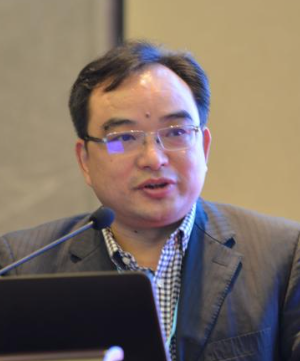 Hongping Zhu (朱宏平)合作论文数School of Civil and Hydraulic Engineering, Huazhong University of Science and Technology4
 Ming Gao合作论文数Biotechnology Institute;Department of Horticulture;Pennsylvania State University;Biotechnology Institute, Pennsylvania State University4
 Yong Yuan (袁涌)合作论文数School of Civil and Hydraulic Engineering, Huazhong University of Science and Technology4Qiang Tai (邰强)合作论文数4
 Haiyun Ma (马海云)合作论文数College of Chemistry and Materials Science, Hebei University4
 Shuaiqi Liu (刘帅旗)合作论文数Zhengzhou Advanced Research Institute, Harbin Institute of Technology4Yangjie Ren合作论文数3Yongjian Cheng合作论文数3Jiehong Tang合作论文数3Kristina Bjegovic合作论文数3Xiaoxing Xu合作论文数3
 Ganping Wang合作论文数3
 Kiana Yang Prather合作论文数3
 Dongmei Zhou合作论文数3Jun Zhao合作论文数3Lingyun Yao合作论文数3




